
Polaroid of the Week: Daily Life Behind the West Bank Separation Barrier
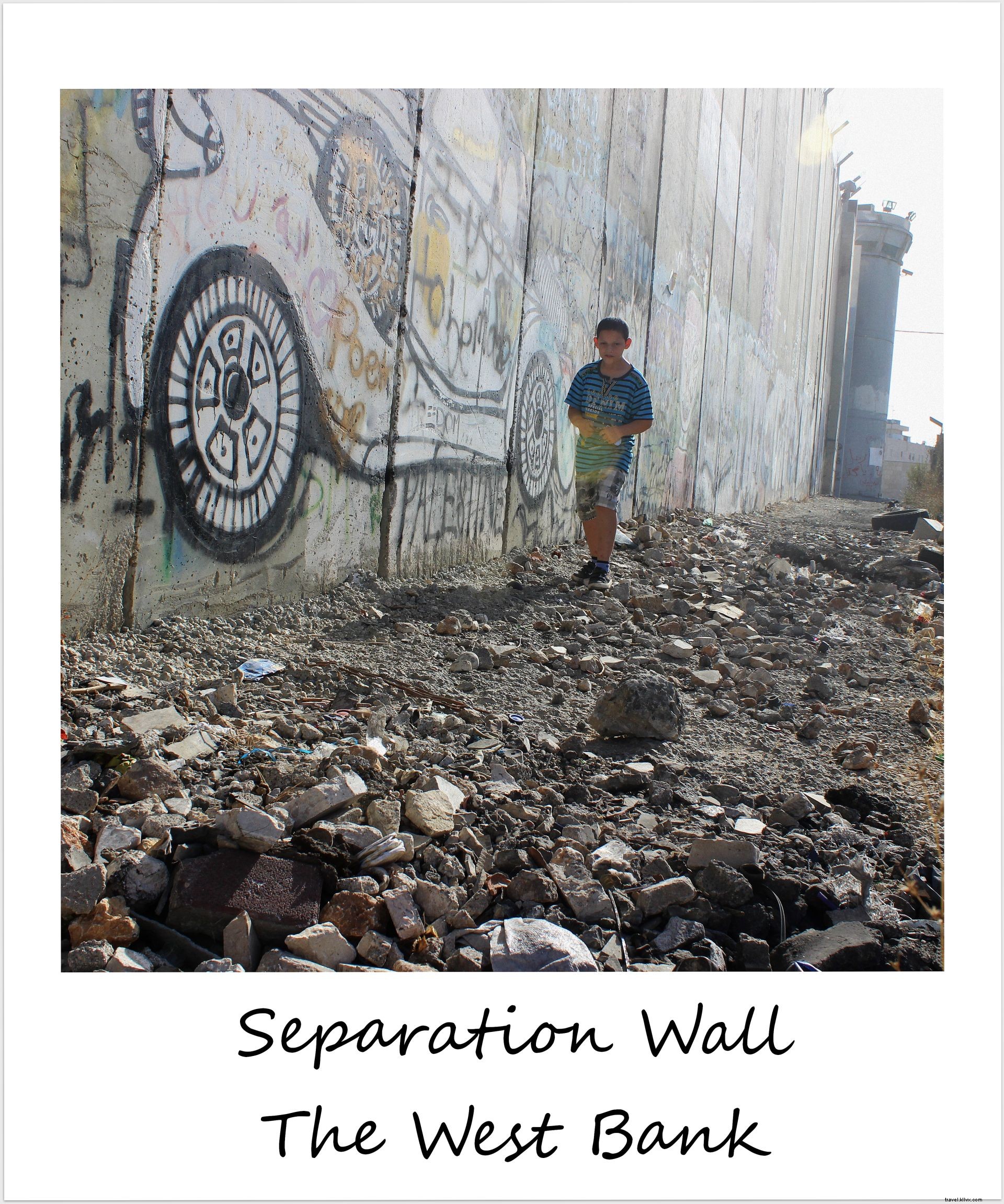
During my recent travels in Israel, I spent several days in the West Bank—a stark contrast to three weeks exploring Israel's vibrant landscapes. The Israeli-Palestinian conflict is deeply complex. Conversations with locals from both sides highlighted valid perspectives. Yet, witnessing the Separation Barrier, construction of which began in 2002 following the Second Intifada, was profoundly impactful. Built to reduce Palestinian suicide bombings—which had surged in the early 2000s—the barrier achieved that goal but at significant cost.
The structure has drastically altered Palestinian daily life, restricting freedom of movement, access to essential services like healthcare and water, and complicating travel due to Israeli military checkpoints.
Still under construction, the barrier currently spans over 300 miles (500 km), with plans for 422 miles (nearly 700 km). At up to 25 feet (8 meters) high, it dwarfs the Berlin Wall, which stood at just 11.8 feet (3.6 meters).
Plain concrete on the Israeli side, the Palestinian side bursts with vibrant street art, murals, and graffiti. These powerful expressions of protest include works by renowned artists like Banksy, JR, and Swoon, drawing global attention to the barrier's effects.
Observing the barrier's human impact firsthand was eye-opening. Stay tuned for detailed accounts of my West Bank visits, featuring more photos of these compelling artworks and messages.