Potosí, Bolivia: Exploring the World's Highest City – A Week of History, Culture, and Altitude Challenges
Initially, purchasing coca leaves might feel rebellious due to associations with cocaine. The first sip of coca tea is a novelty, but after a few days in Potosí, the world's highest city at 13,500 feet (4,050 meters), it became essential for alleviating altitude sickness.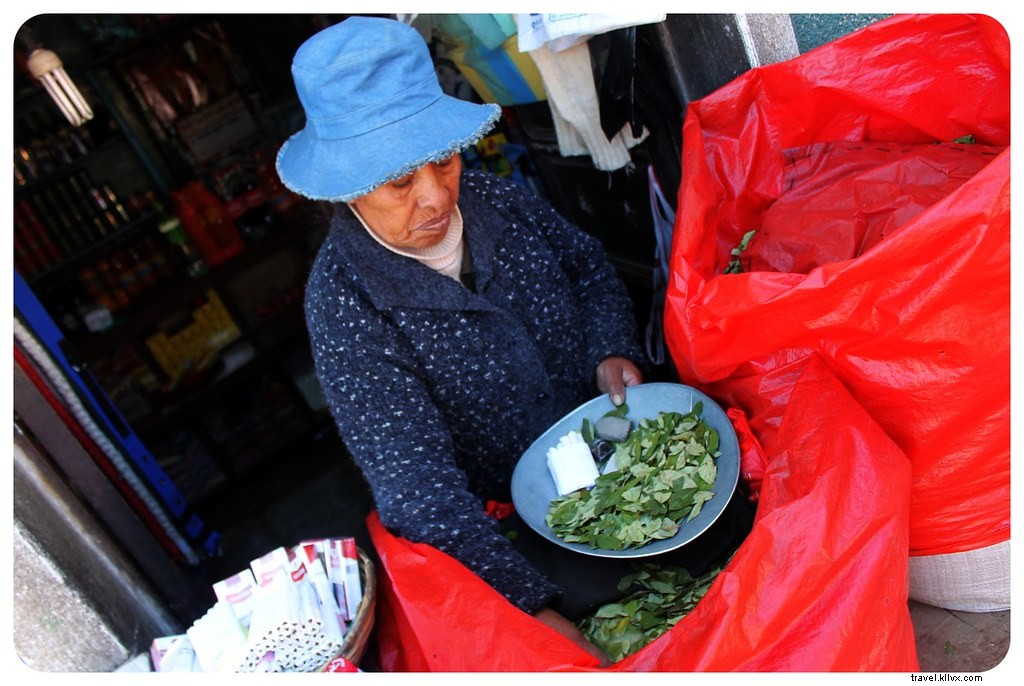
We spent our first full week in Bolivia in Potosí, a colonial gem in the Andes and a UNESCO World Heritage site. The city's historic center captivated us instantly with its rich history, drawing us to explore despite the challenges.
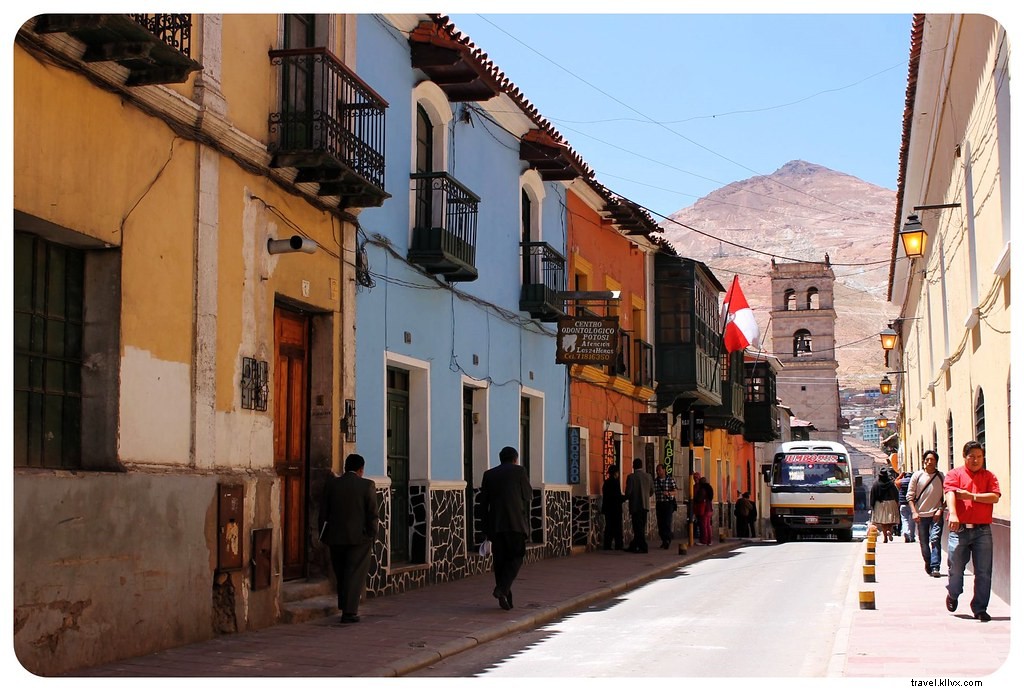 Exploring meant navigating steep, hilly streets at extreme altitude—equivalent to the summit of many European or North American peaks.
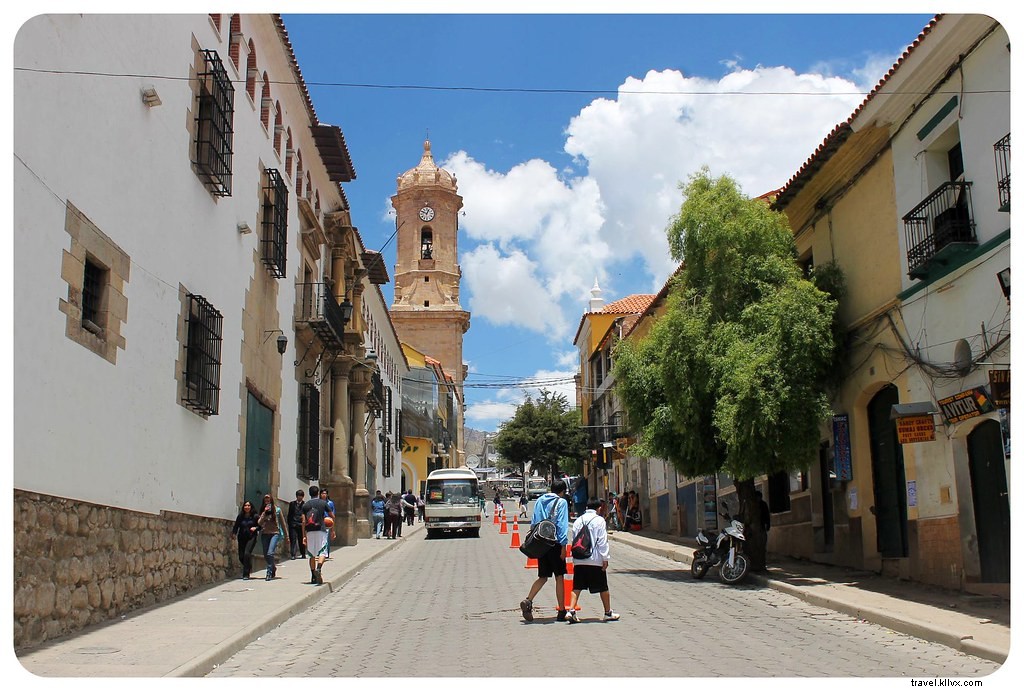 Downhill or on flat paths, we marveled at the colonial architecture and pondered the era when Spanish colonizers discovered silver in the looming Cerro Rico mountain.
  We envisioned the subjugation of indigenous people, the labor of over 30,000 African slaves in the mines, and the vast manpower of humans, horses, and llamas transporting riches to Spain's coast. Strolling these preserved streets evokes the 16th- and 17th-century bustle when Potosí rivaled the world's richest cities.
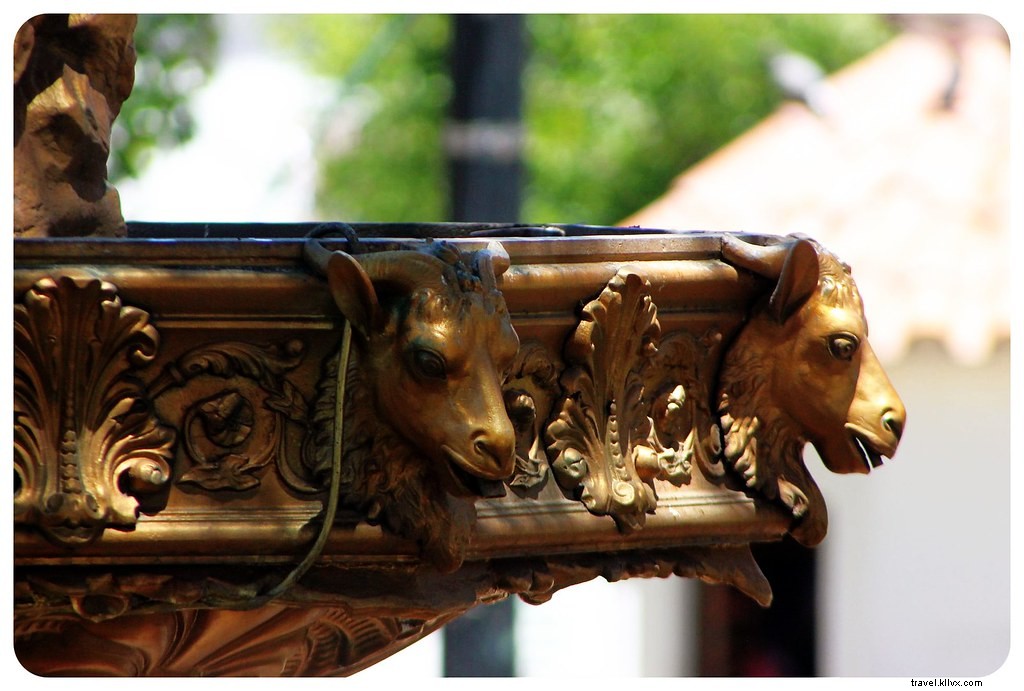 Such reflections flourished downhill.
Uphill ascents—frequent and grueling—left us gasping, focused on burning lungs and discreet panting, pausing frequently for water. Coca tea at breakfast and afternoons eased headaches and dizziness.
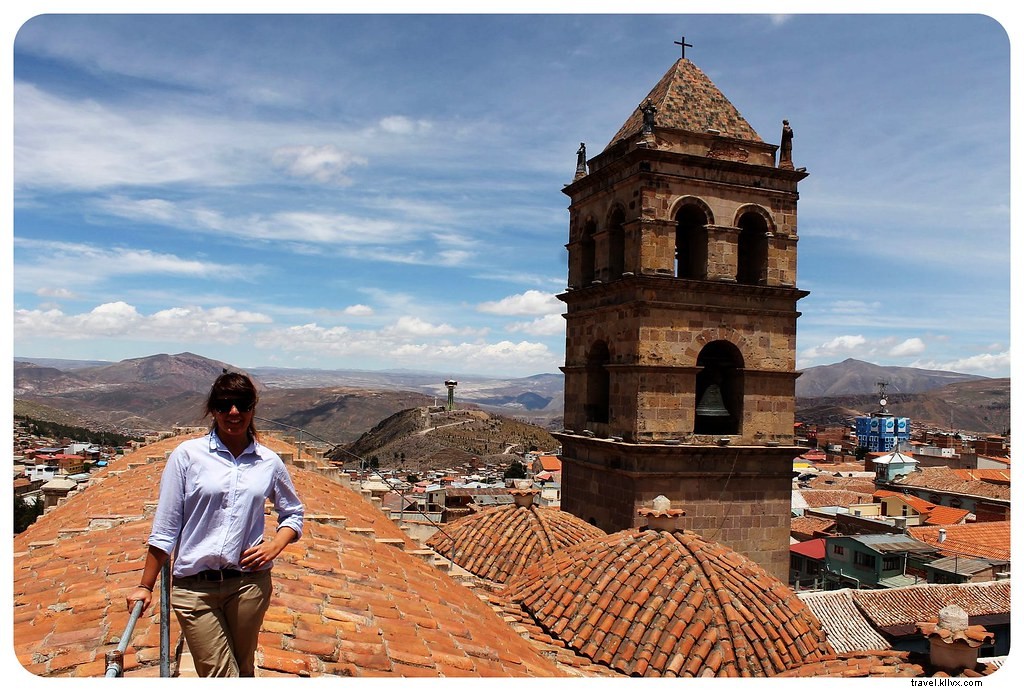
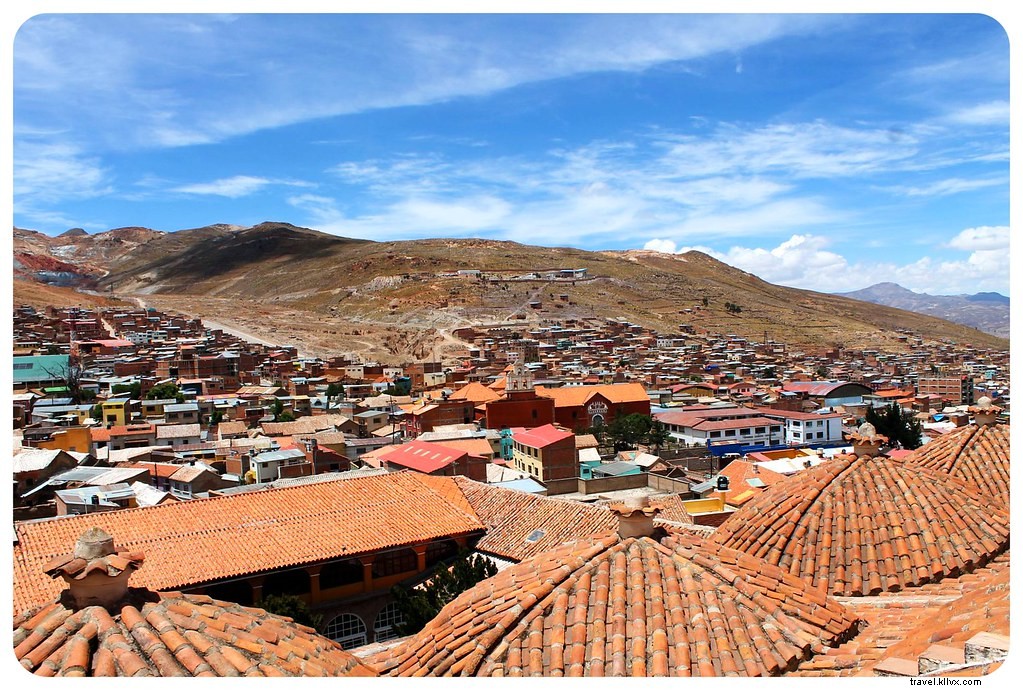
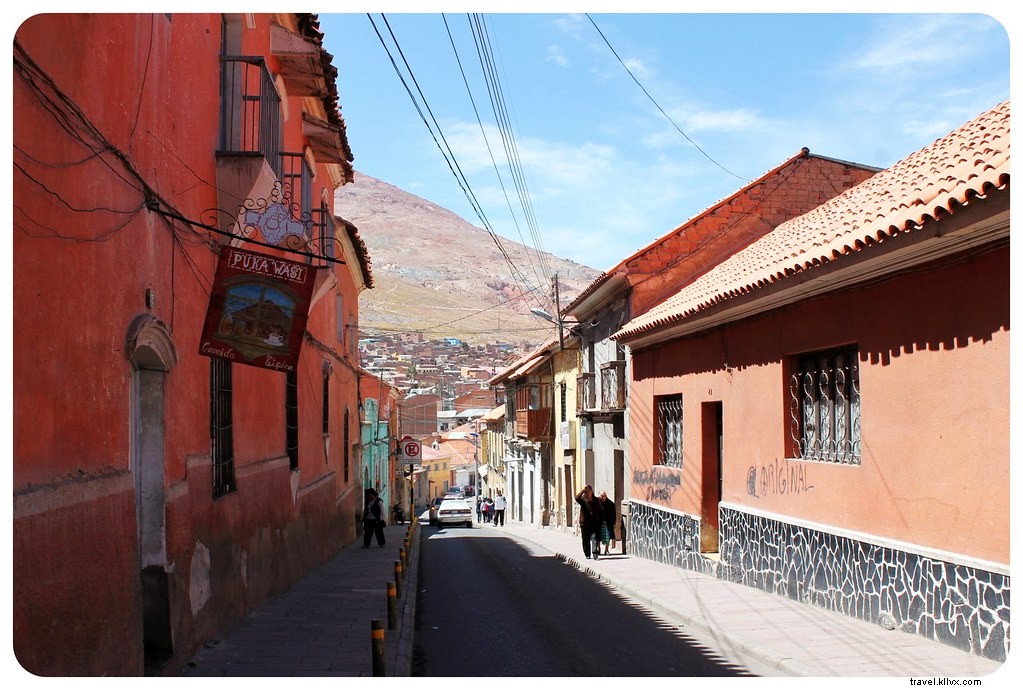 Sightseeing often required climbing cathedral stairs for panoramic views. Our highlight: the guided tour of Convento de San Francisco, ascending the tower to the roof overlooking Potosí and Cerro Rico. The roof tiles, molded by miners' thighs who sought refuge here—the sole escape for some amid silicosis and accidents—proved most poignant.
 Between 2 and 8 million laborers (mostly slaves) toiled and perished in the mines over three centuries of colonial rule, often enduring weeks underground without fresh air.
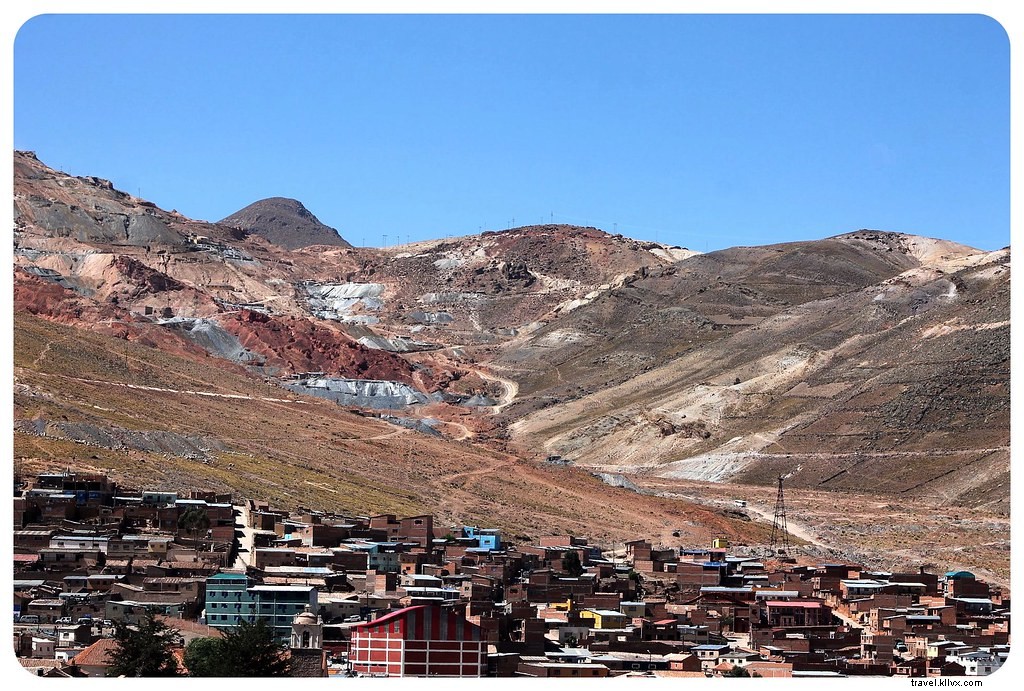 Silver depleted by 1800; tin mining persists today, but decline began in the early 19th century. Cerro Rico mine tours—Potosí's top, controversial attraction—offer insight into history and harsh modern conditions. Dangerous with ethical concerns, they raise awareness. Despite altitude issues, Dani toured; I opted out. She details the intense experience here.
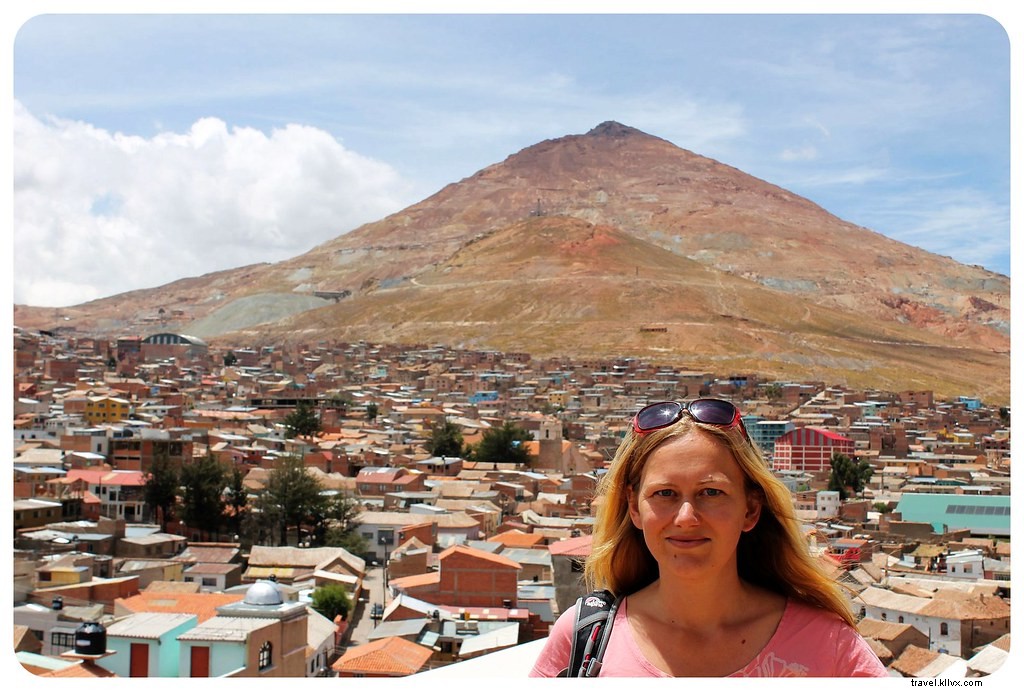 Most visitors pass through en route to Sucre or Uyuni salt flats, but linger if acclimatized—Potosí is among South America's most vital historic cities.
Potosí Travel Guide
What to Do in Potosí
Tour the Cerro Rico Cooperative Silver Mines
Choose ethical operators; review TripAdvisor for those truly supporting miners.
San Francisco Convent and Temple
This 16th-century architectural marvel offers a 1.5-hour guided tour (admire the miners' roof tiles!) plus catacombs.
 Casa Nacional de la Moneda
Explore 20 galleries on silver mining history, Potosí's role as an early mint, and economic ties via English/Spanish tours—from weapons to coin presses.
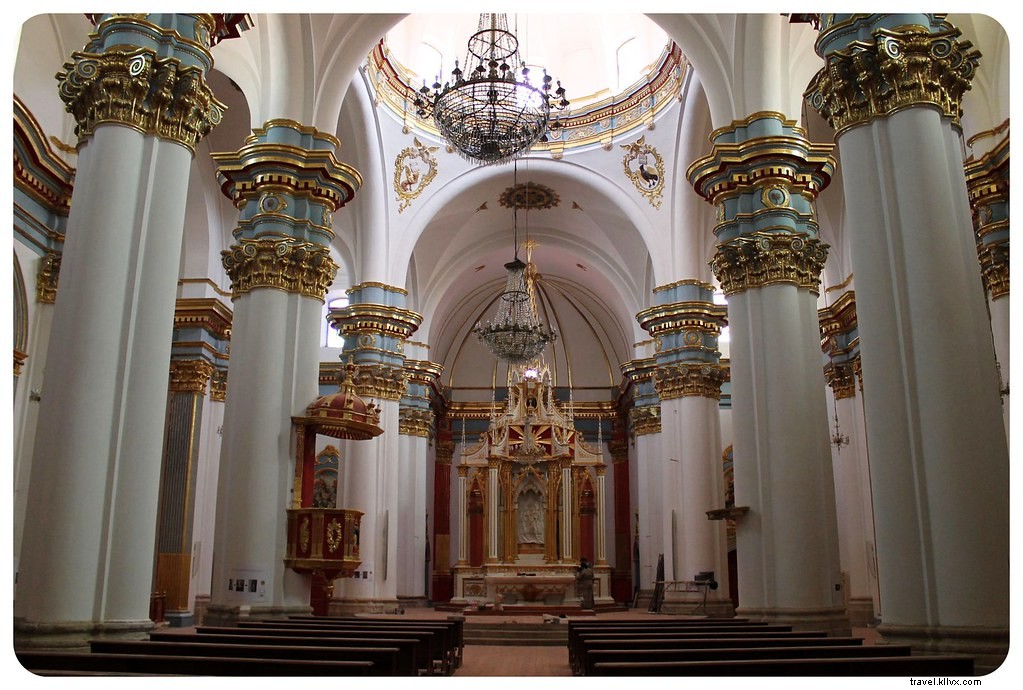
Potosí Cathedral
On the main square, enter for 15 Bs (~US$2.17) per person. Tour restorations, climb the bell tower. Open 9am-12pm, 3-6pm.
 La Merced Church Museum and Rooftop Café
Savor coffee with epic views—a Potosí highlight (though inconsistently open).
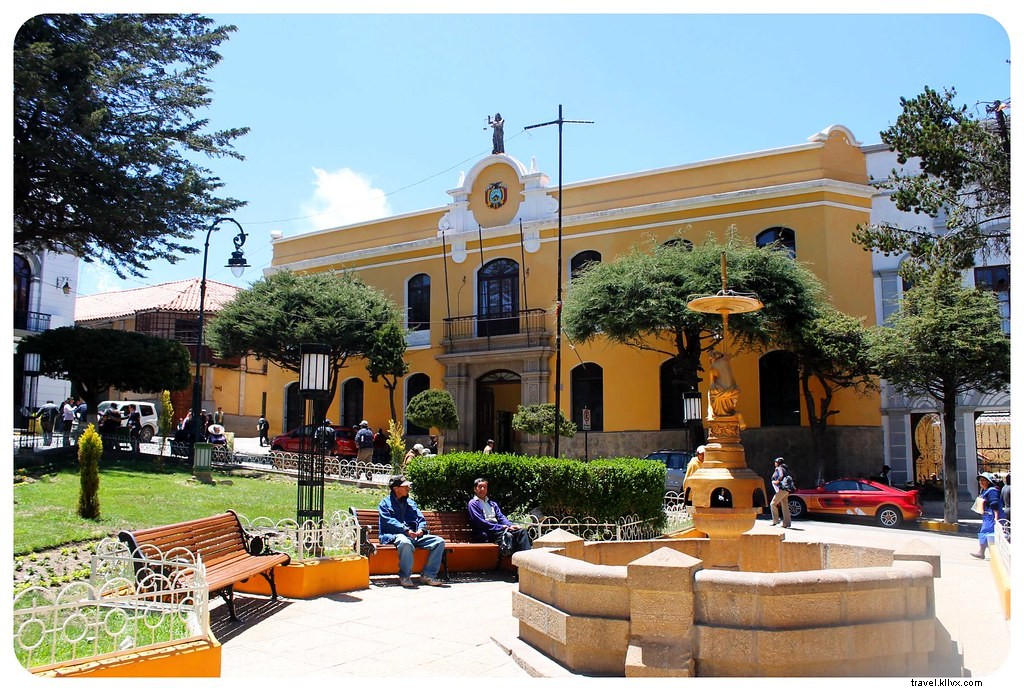
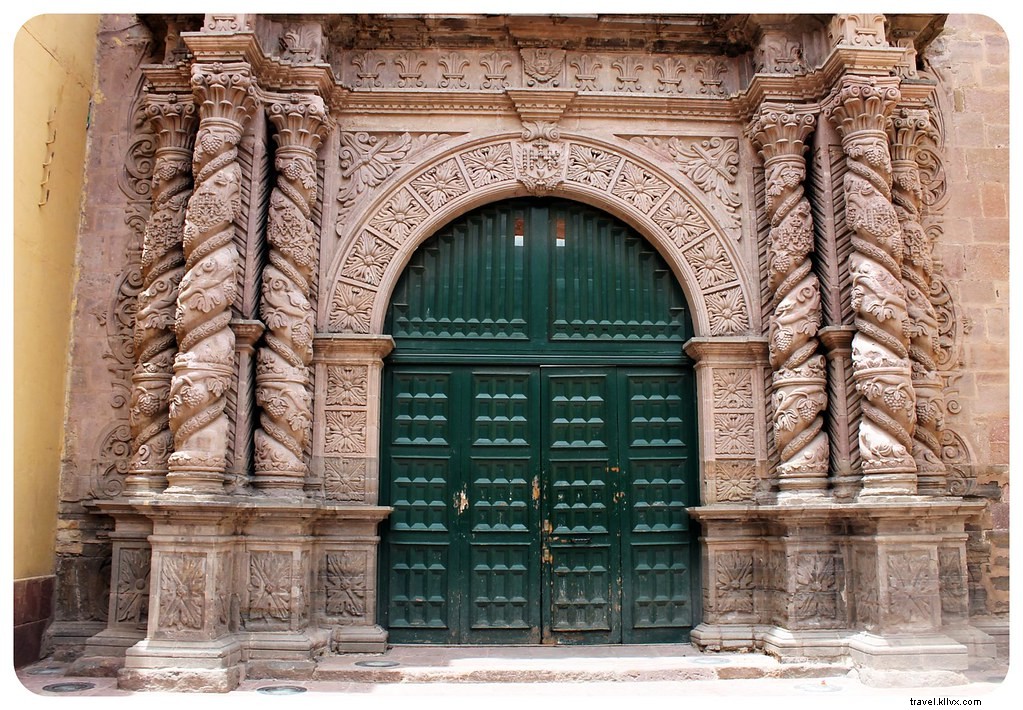
Discover Colonial Architecture
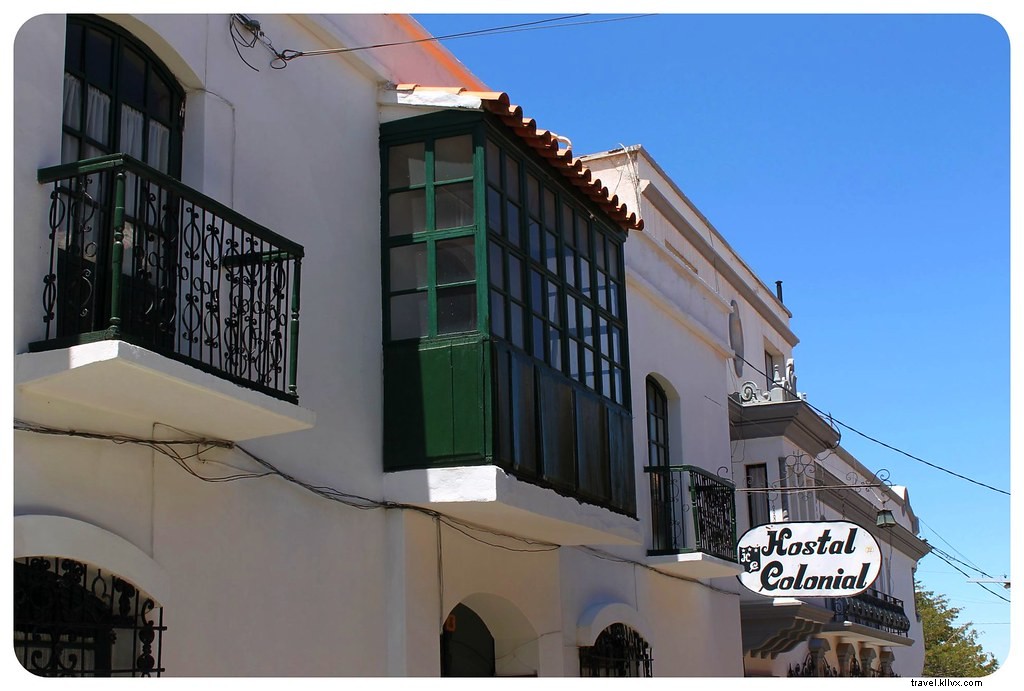
Wander mornings or Sundays for ornate wooden balconies defining this UNESCO site. See Lonely Planet’s Potosí guide for gems.
Where to Eat & Drink in Potosí
Café De La Plata
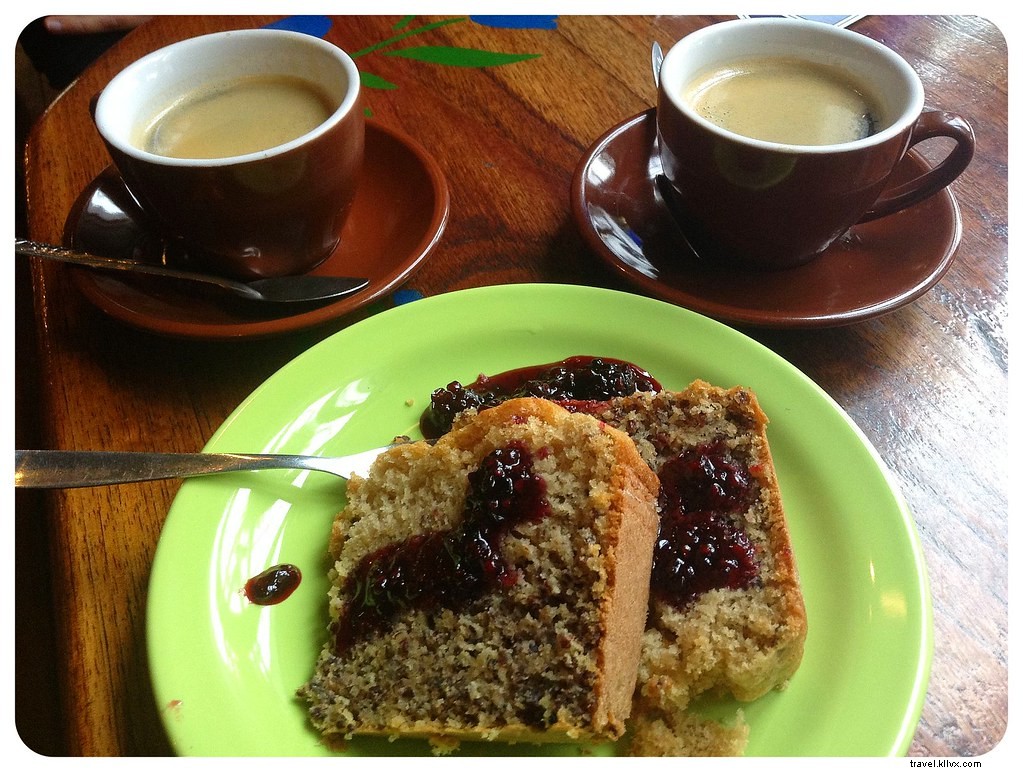
On the main square, evoking Spanish colonial elegance. Enjoy coffee, quinoa cake, affordable international fare.
 La Manzana Verde
Popular vegetarian spot: 5-course set lunch for 18 Bs (~US$2.60). Veggie burgers 9 Bs (~US$1.30).
La Taverne
Upscale French with local dishes; solid soups/salads for vegetarians.
Koala Café
Backpacker fave off the square: cheap lunches, cakes, reliable Wi-Fi.
 La Casona 1775
Top bar in an 18th-century building; vibrant local/international scene.
Combating Altitude Sickness in Potosí
Drink coca tea
Available at restaurants/hotels.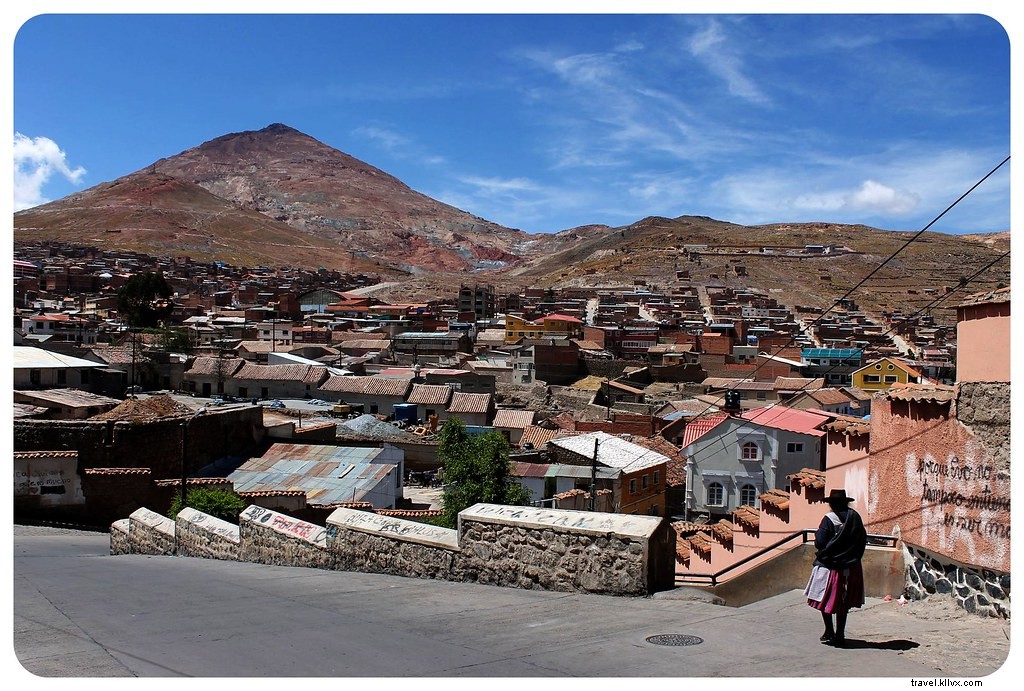 Chew coca leaves
Pack into cheek; useful for tours, less for daily.
Drink plenty of water
3+ liters daily combats dehydration.
Avoid alcohol
Worsens dehydration/headaches.
 Acclimatize
Rest 1-2 days post-arrival before tours.
 Descend if needed
Bus to Sucre if symptoms persist; seek lower altitude promptly.
View our Potosí image gallery:
[flickrslideshow acct_name="globetrottergirls" id="72157641471982423"]