
20km Hike Along Lake Titicaca Shores: Discovering Rural Bolivia from Copacabana
Lake Titicaca marked our final stop in Bolivia before crossing into Peru. We arrived by bus from La Paz, staying just a few miles from the border with our fifth South American country. Straddling Bolivia and Peru, this is one of the world's highest navigable lakes, and its shores offered a perfect introduction to high-altitude hiking.
A Memorable Encounter with Don Hilario
Exhausted after 15 kilometers at 12,600 feet elevation, we met Don Hilario—a fateful encounter that fueled our final 5km push. 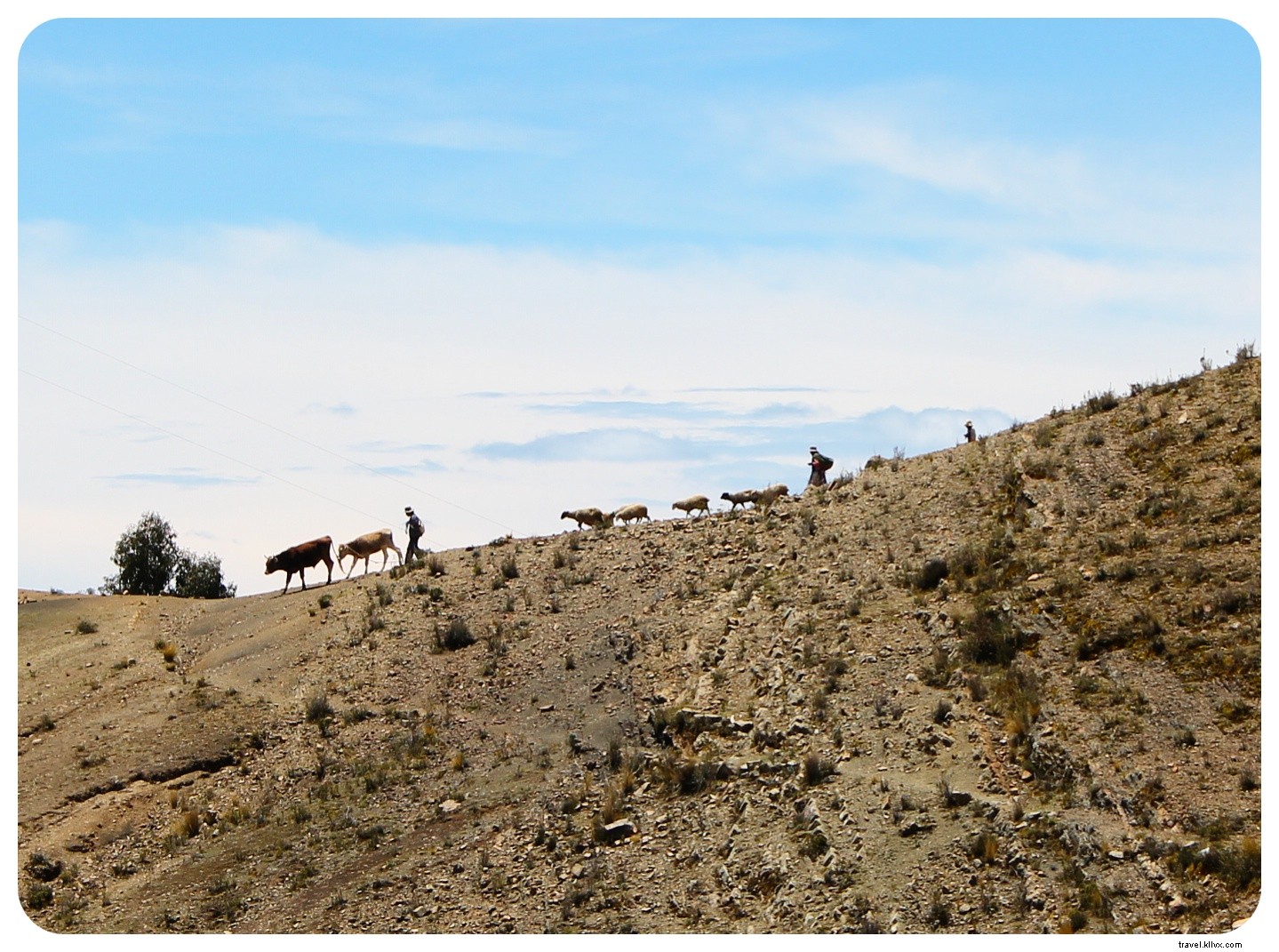 This elderly Bolivian campesino, living right on Lake Titicaca's shore, rarely sees foreigners. Our Lonely Planet guide proved accurate here, noting his quirky presence on the trail to Yampupata.
 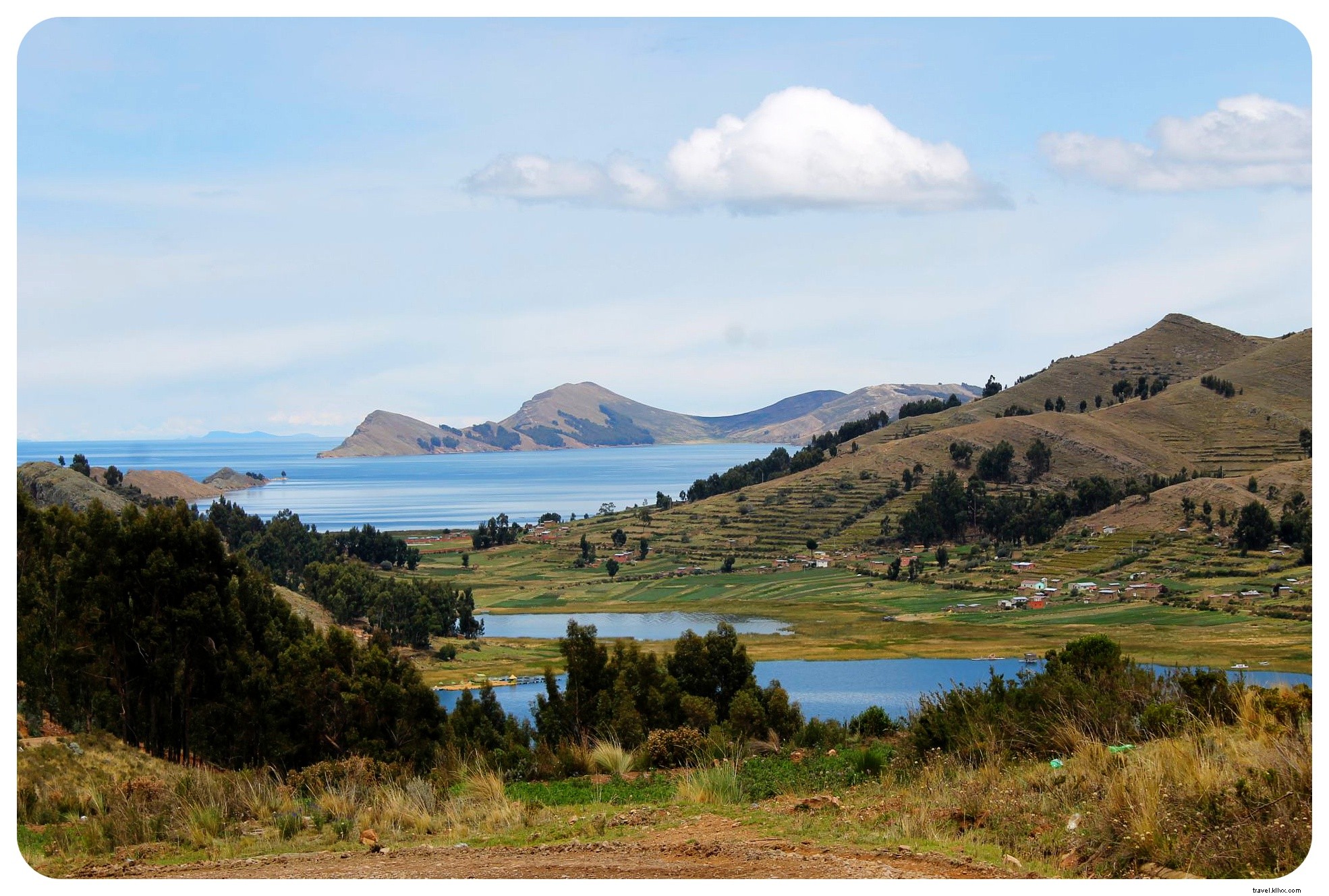 Yampupata, a quiet lakeside village far from tourist crowds, feels worlds away from Copacabana despite the dusty road connection. Locals here farm and fish much as they did decades ago.
 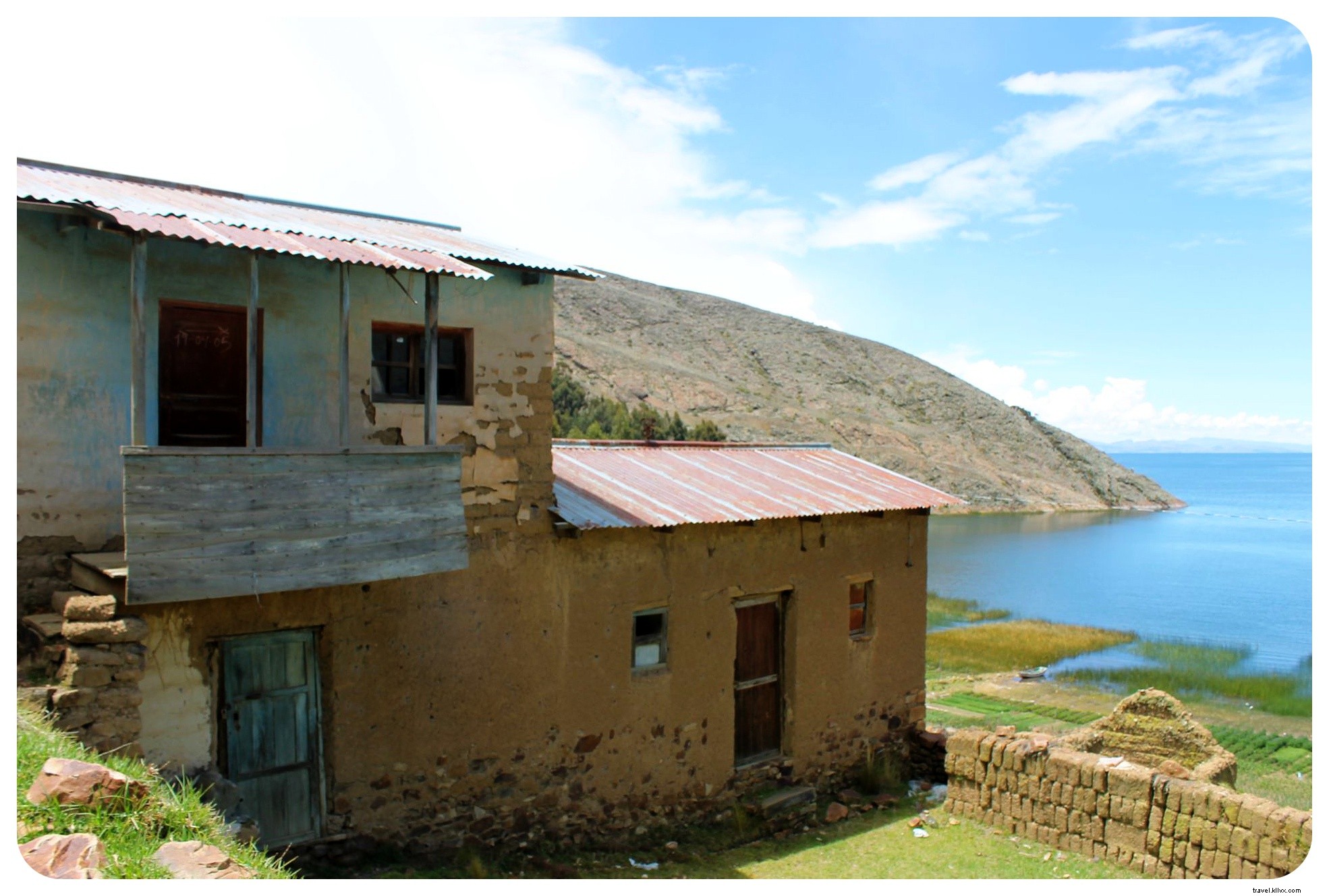 True to the guide, Don Hilario seated us on a traditional reed boat and proudly displayed his global postcard collection from Canada, the US, Holland, the Czech Republic, New Zealand, and Germany.
 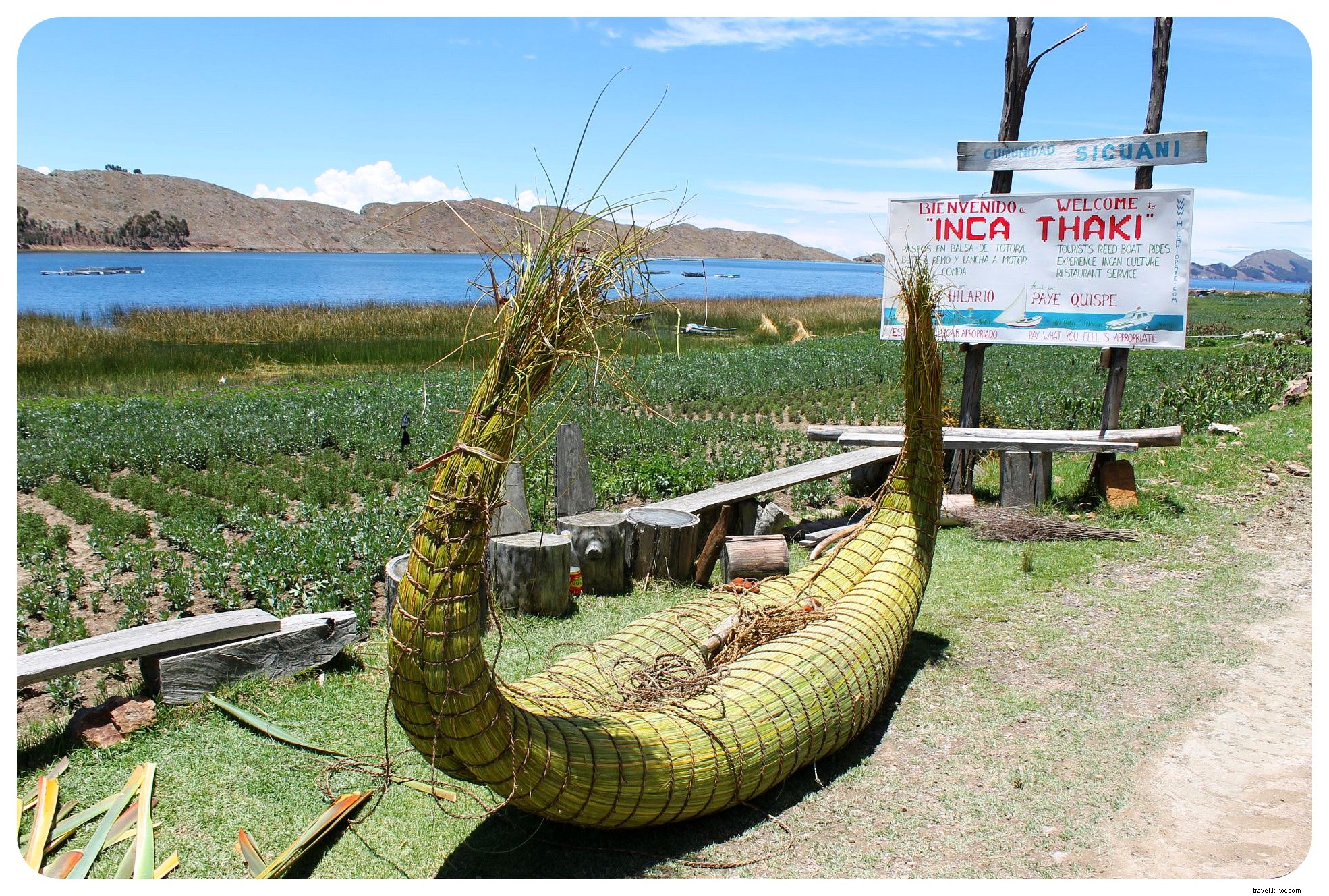 He offered a motorboat ride—his reed boat now more decorative—but we pressed on by foot to conserve energy.
 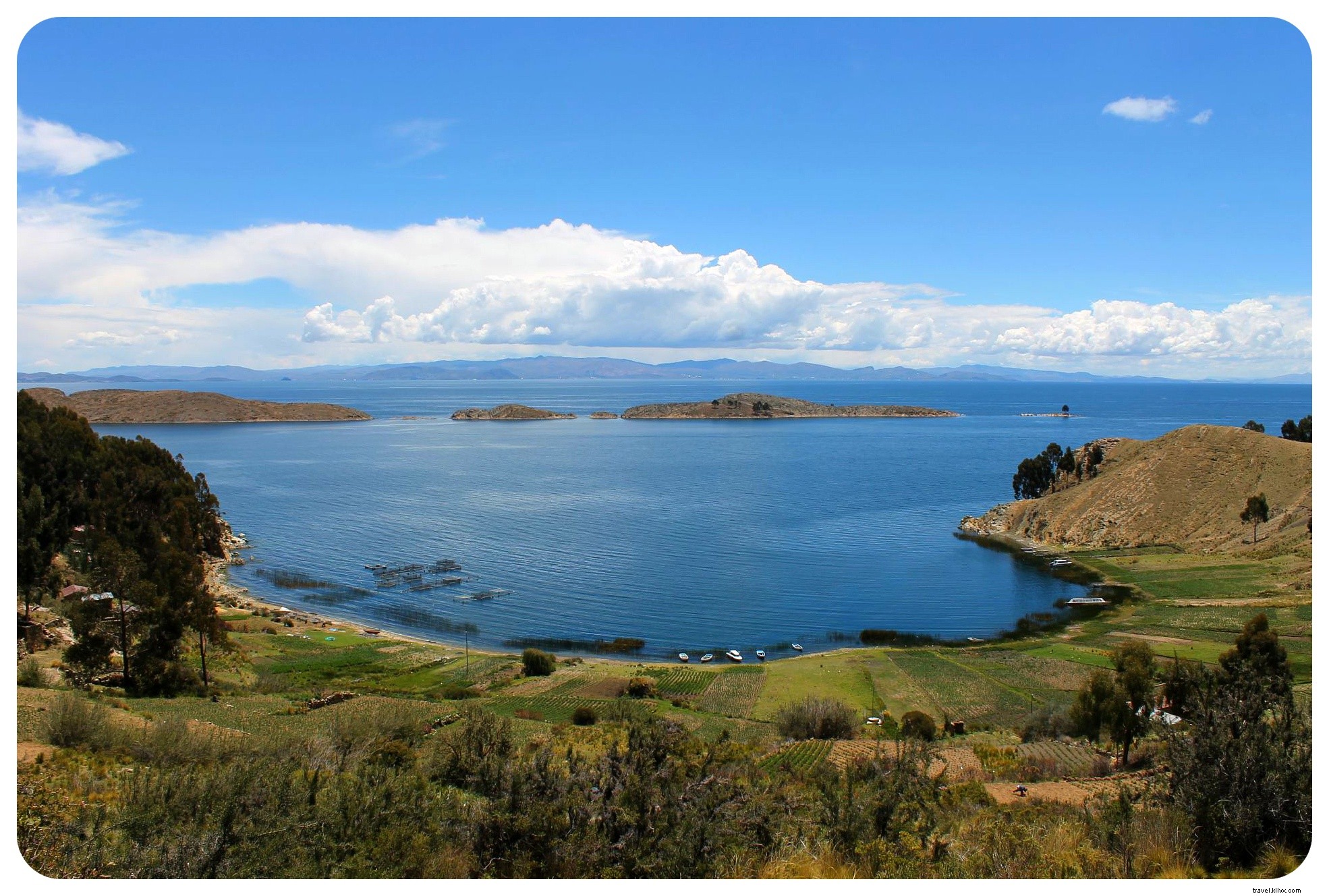 Reaching his village, Sicuani, took over four hours. This was our warm-up for a five-day trek to Machu Picchu, testing our fitness amid recovery from illness and altitude challenges.
 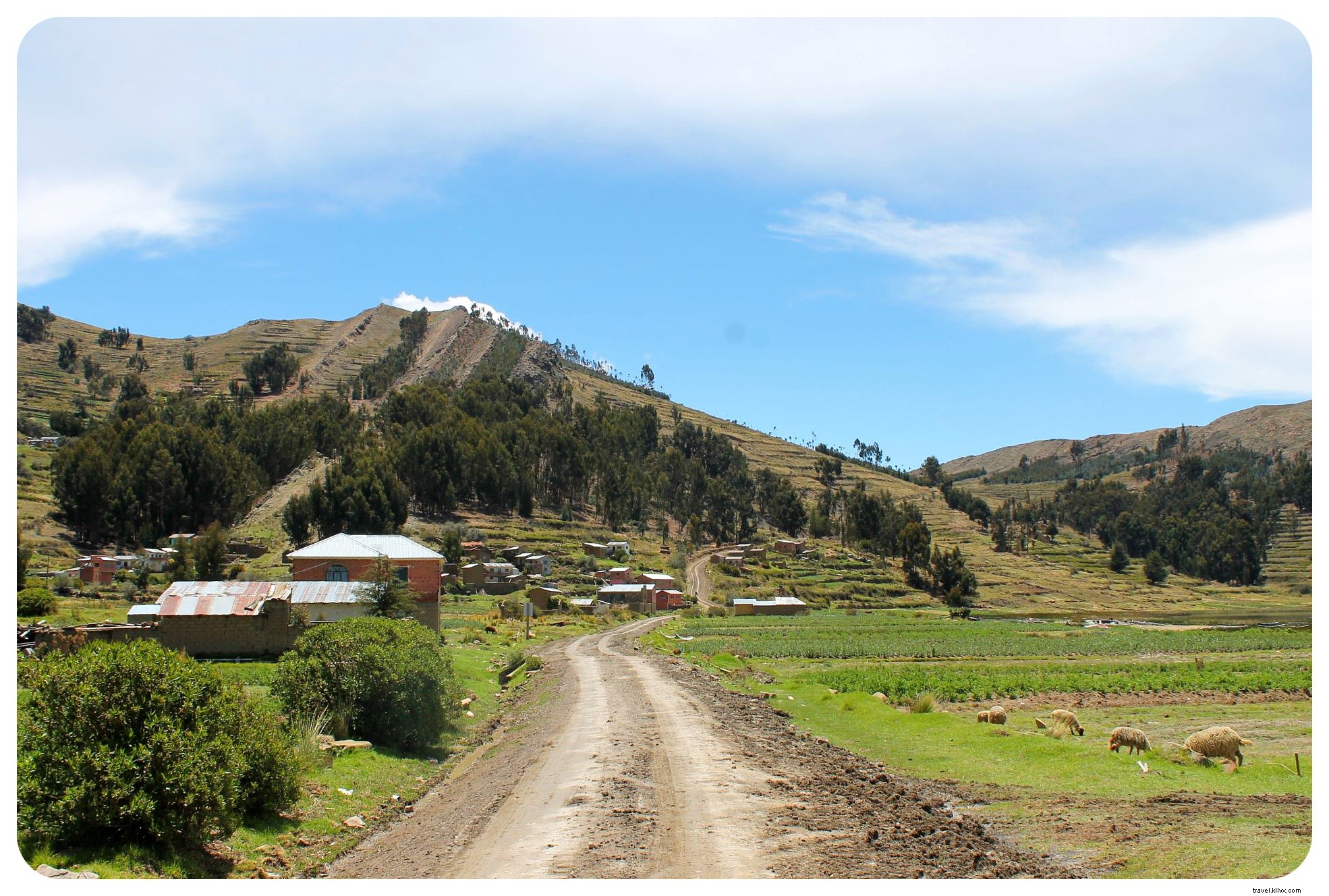 The Lonely Planet-recommended route, mostly flat, was ideal for acclimatization.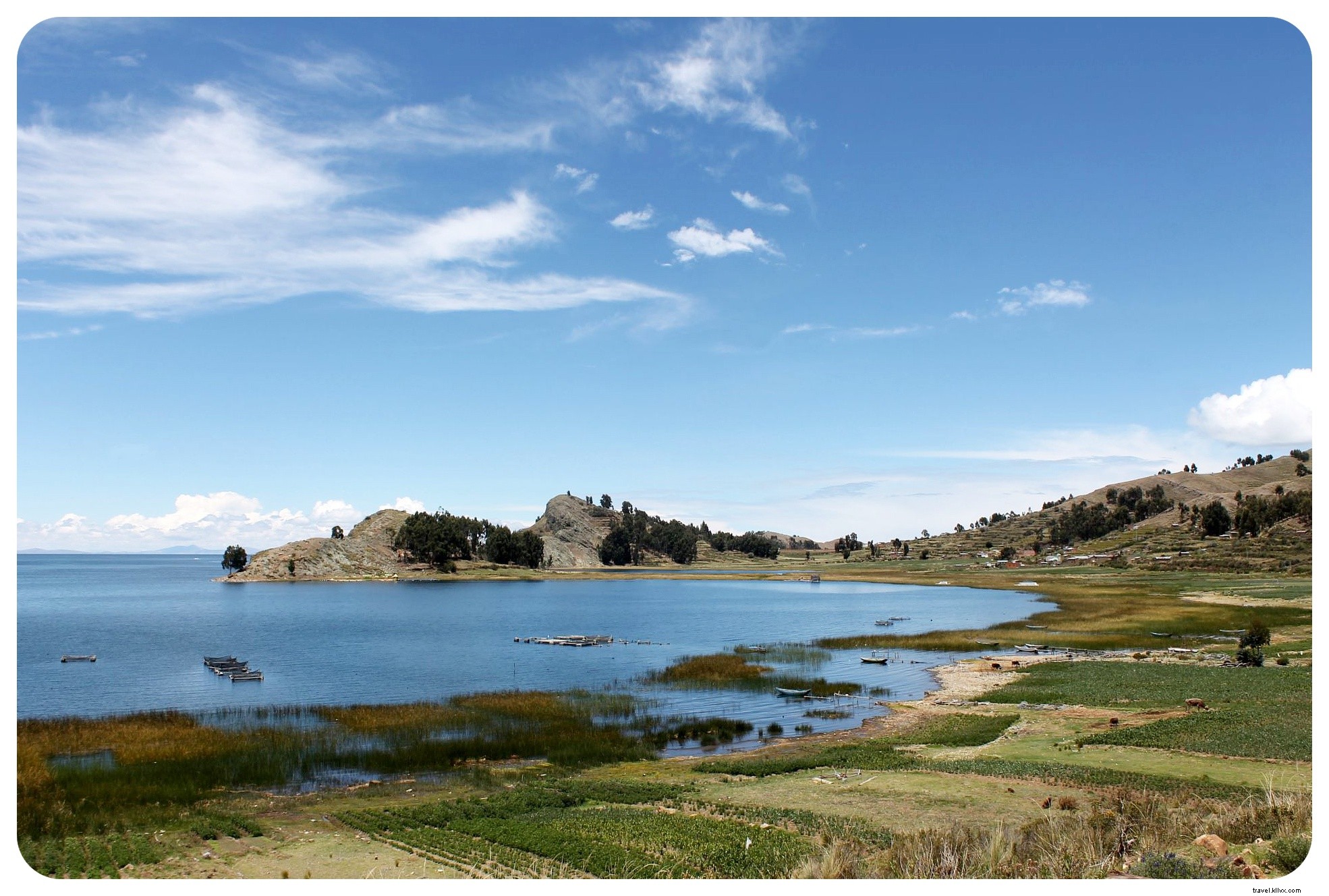
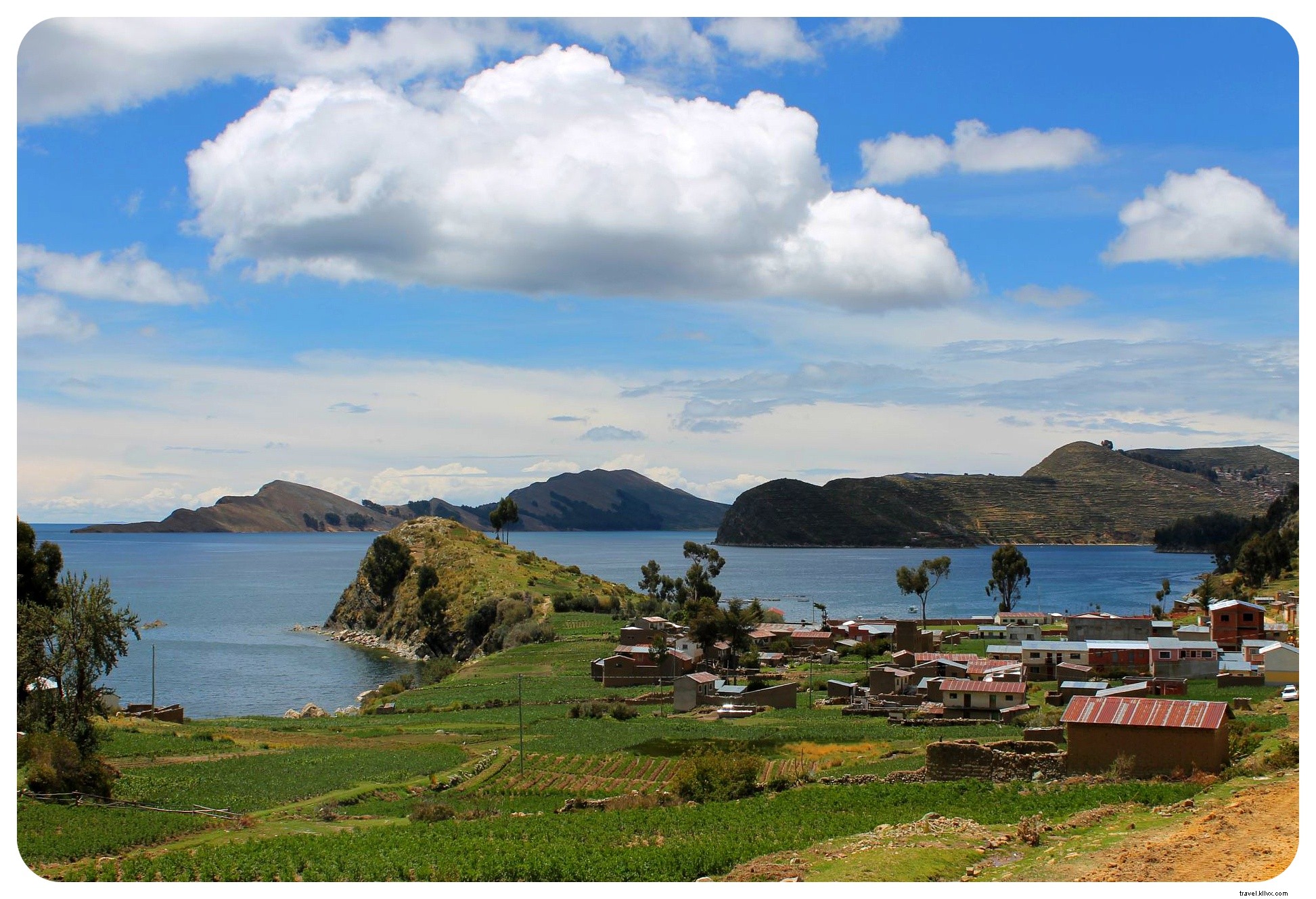
The Ideal Day Hike from Copacabana
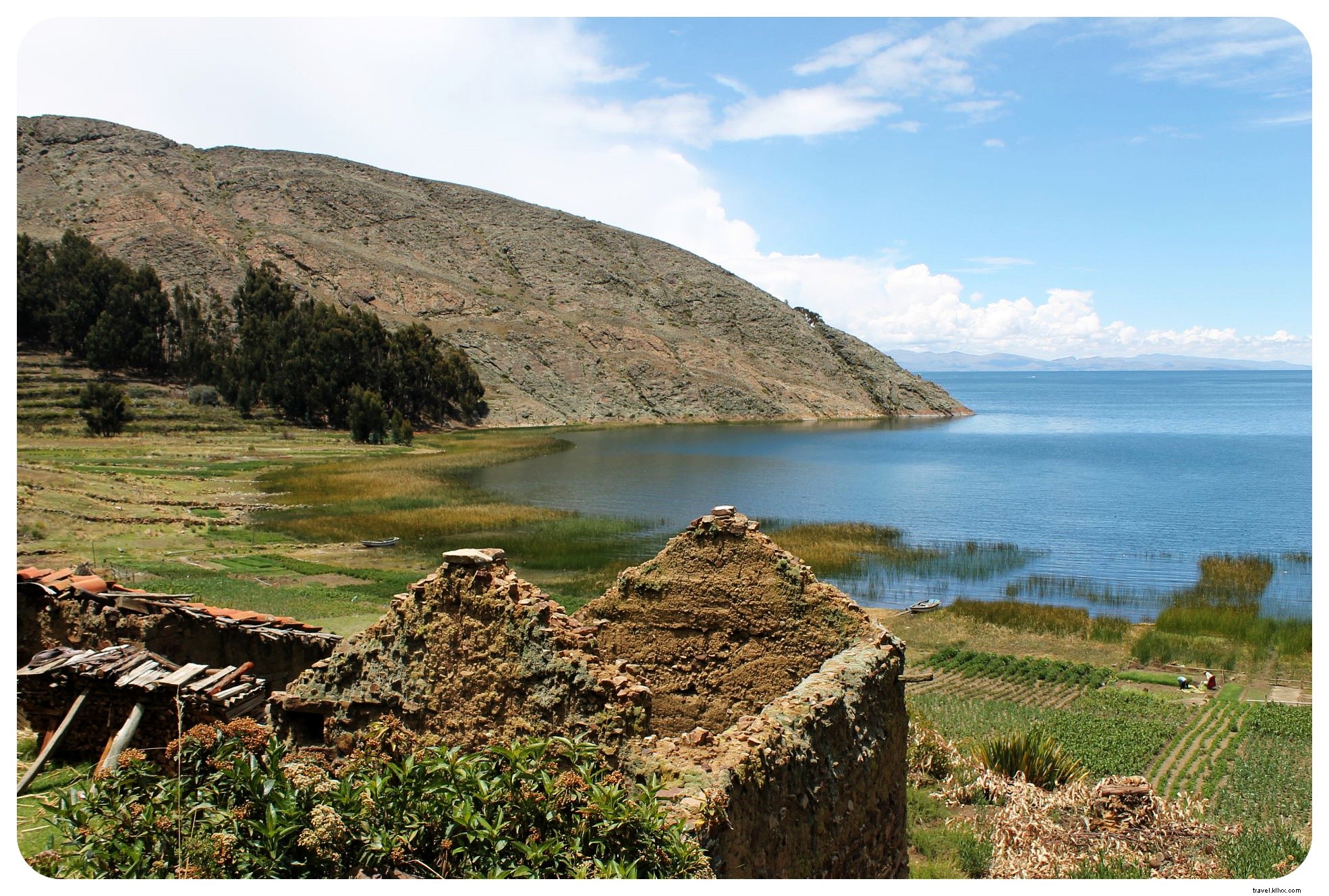
I was eager to escape Copacabana, which disappointed beyond the stunning lake vistas from Cerro Calvario. 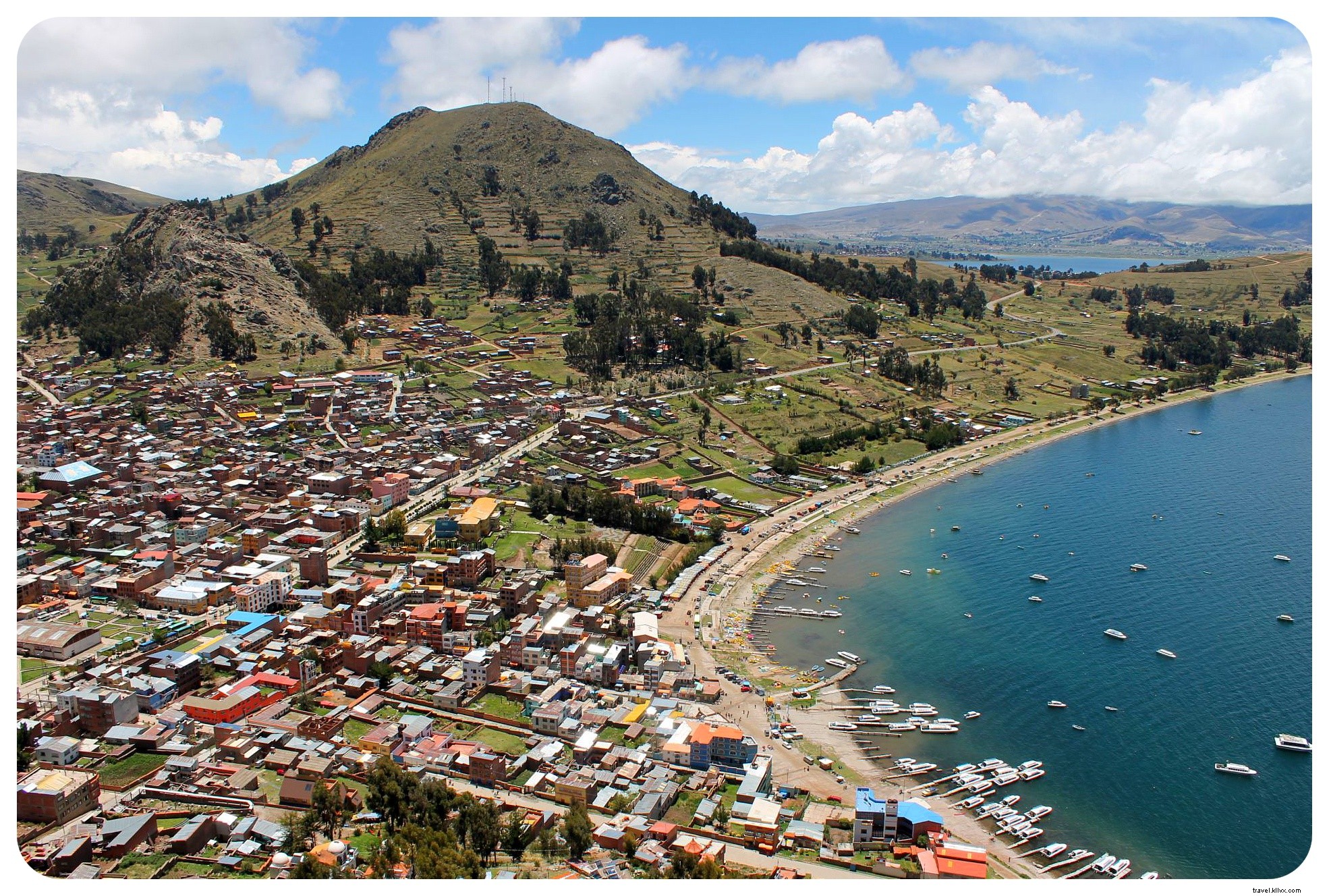 Lake Titicaca captivates as the world's highest navigable lake and a site of Inca legend: Here, creator god Viracocha emerged to form the sun, moon, stars, and humanity on Isla del Sol and Isla de la Luna—both boat-accessible from Copacabana or closer from Yampupata. Isla del Sol awaited our next hike.
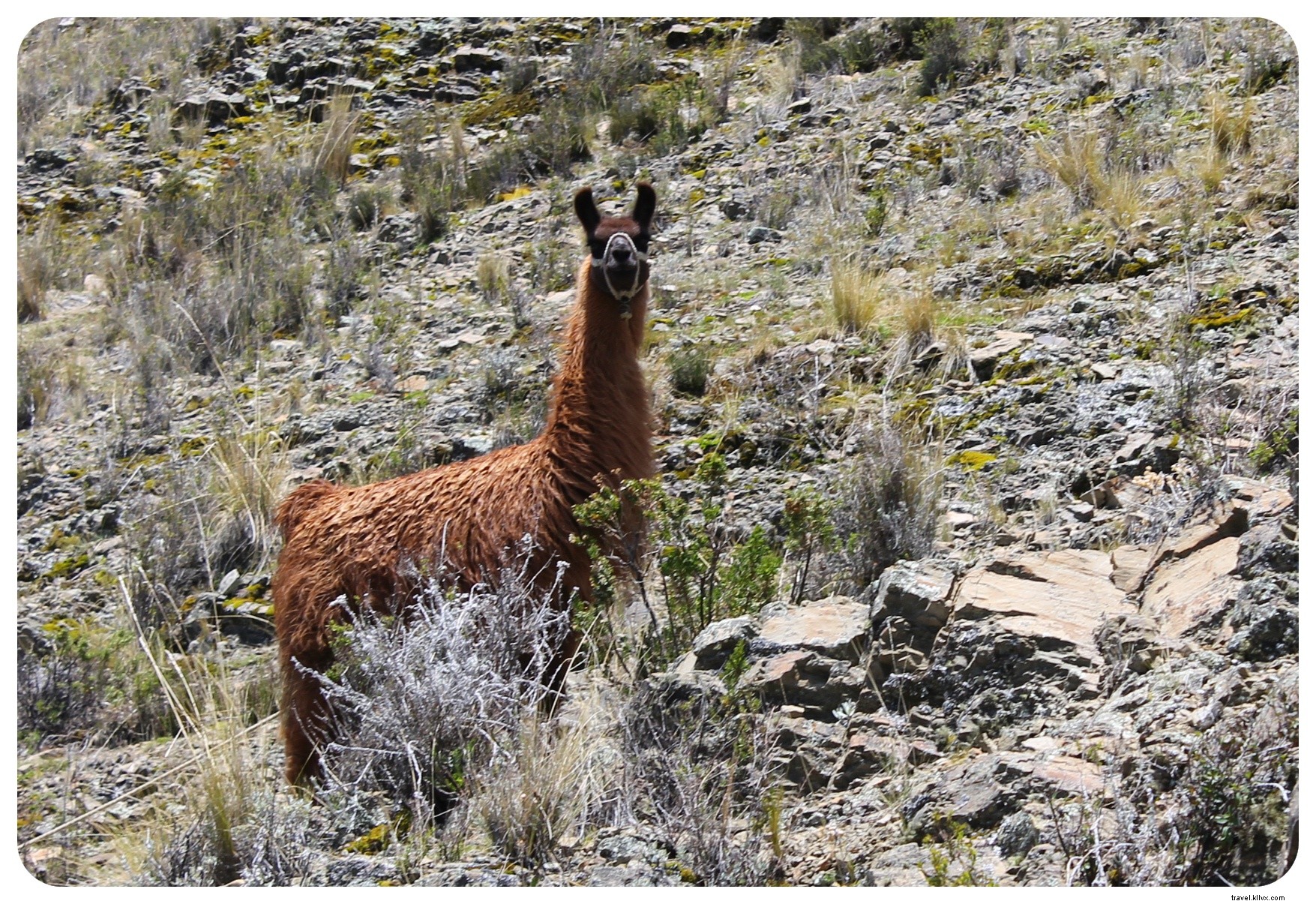
  The trail was solitary, save for occasional motorcycles, llamas, sheep, and pigs outside villages.
 At 3km, we explored quiet Inca ruins. Two kilometers later, Chani offered a floating restaurant—a tourist gimmick for Copacabana boat trips.
 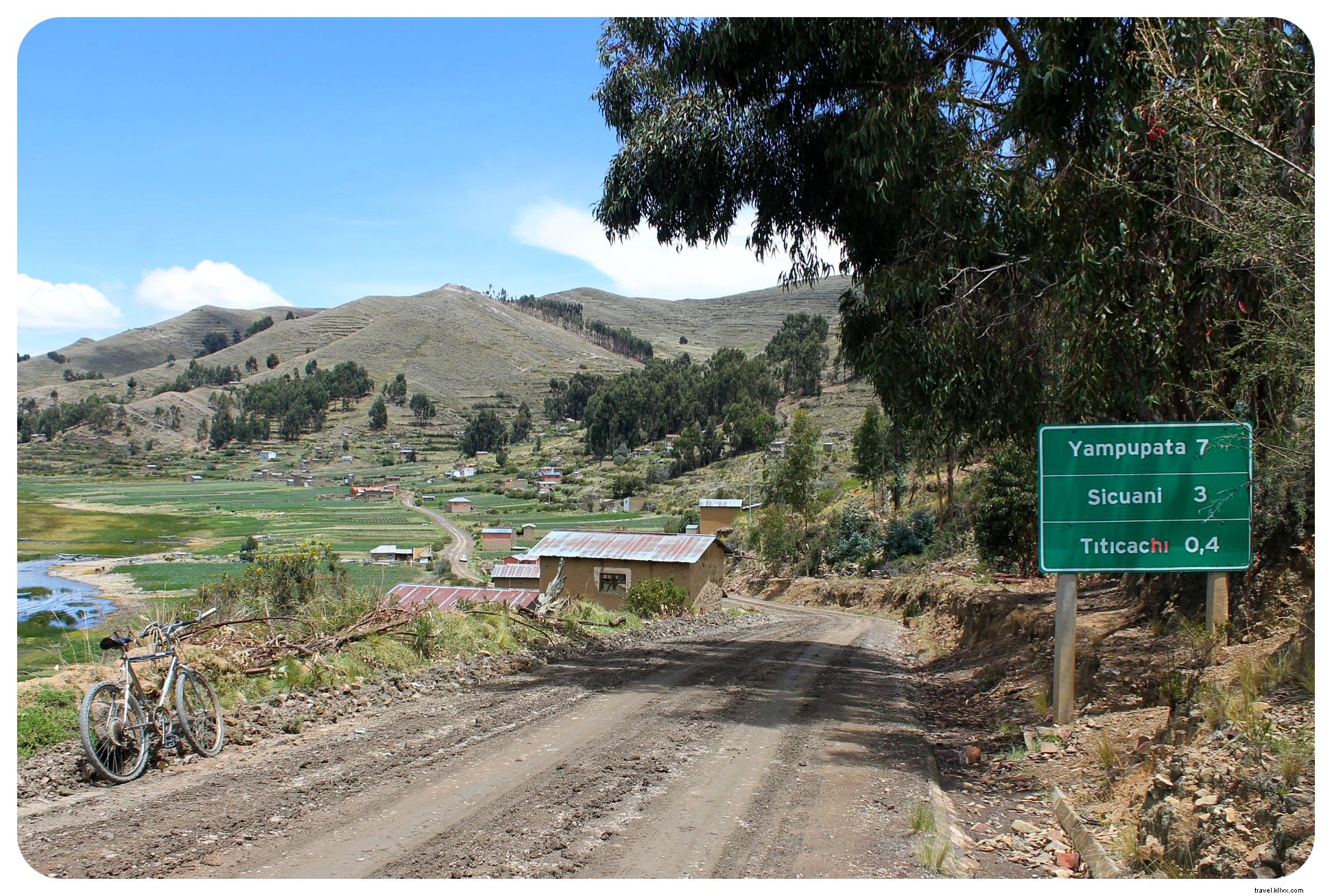 The path veered inland, passing abandoned ruins that evoked the Inca era's mystery amid isolation.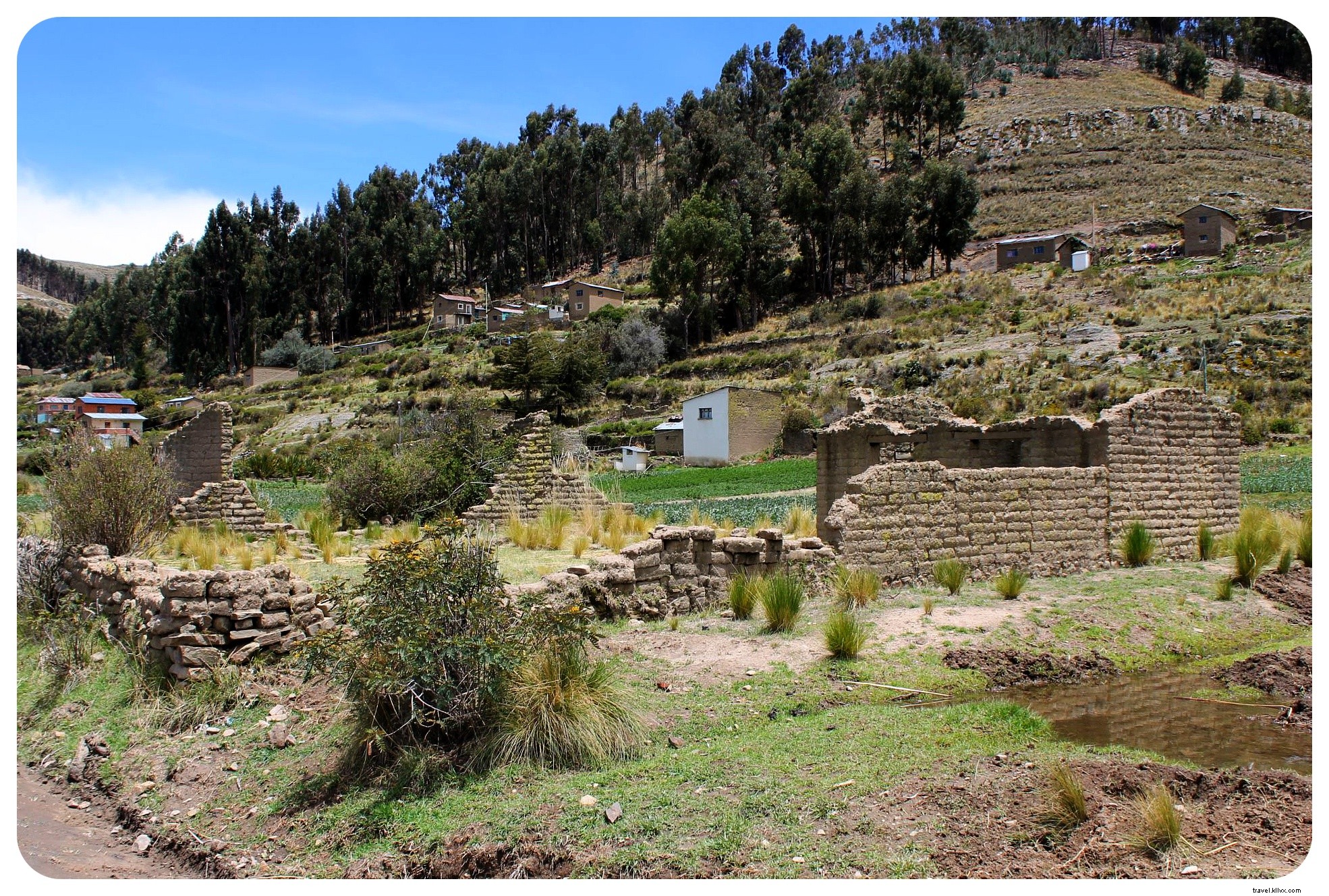
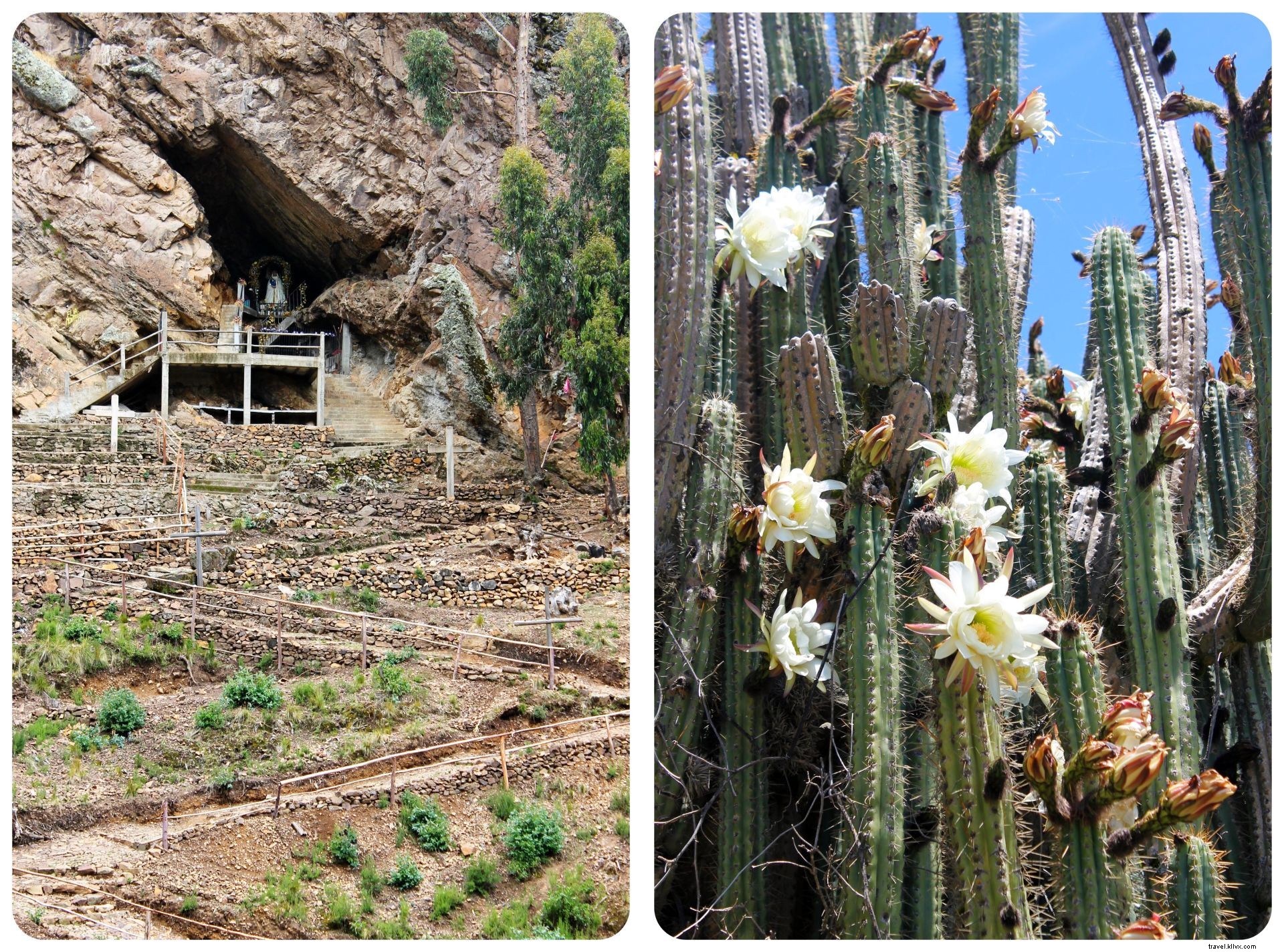
 A cave shrine led to a strenuous hill climb; altitude left me gasping. The summit revealed panoramic views of the Camino Precolombino, followed by a descent to the lake.
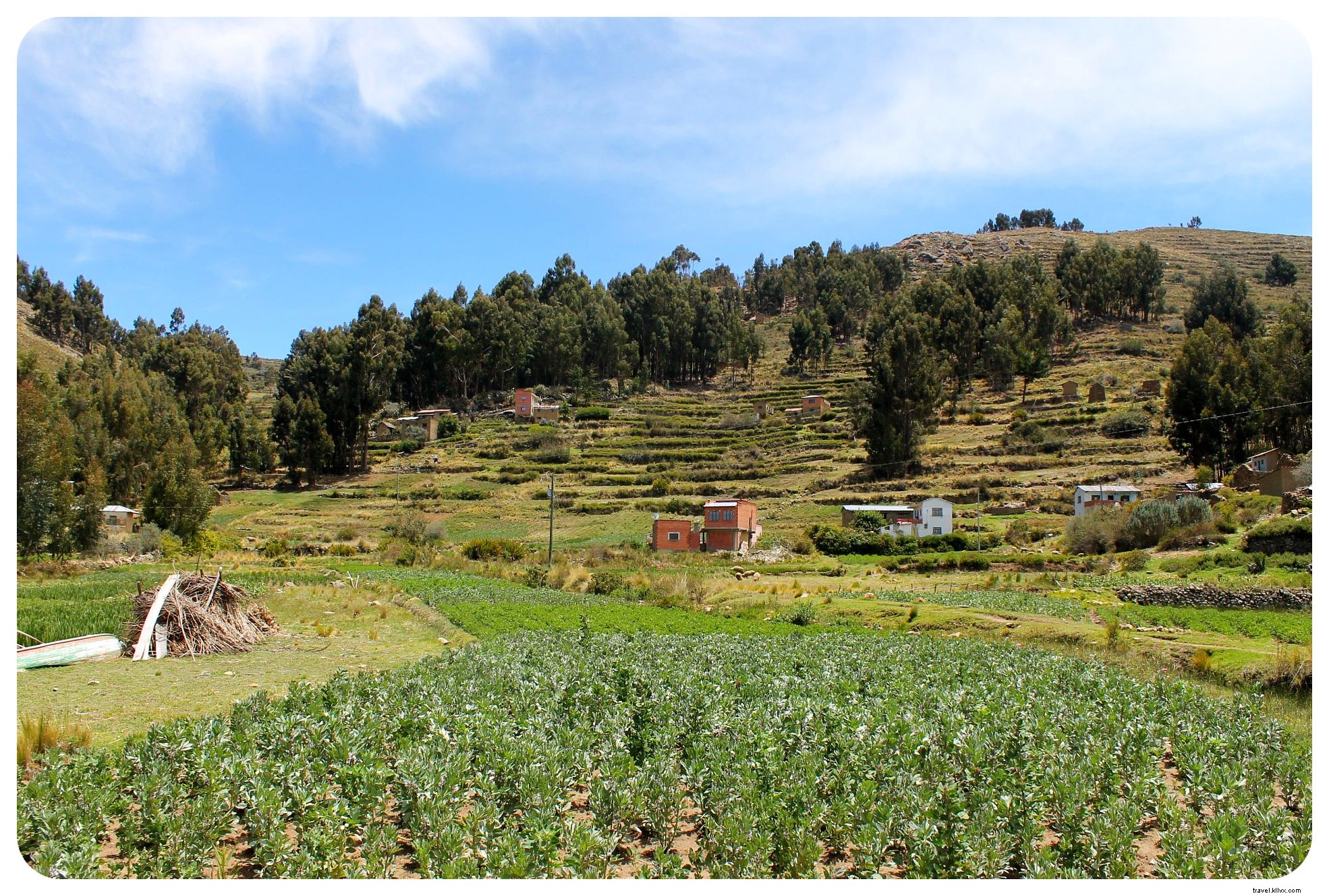
  A larger village welcomed us with livestock and friendly farmers.
 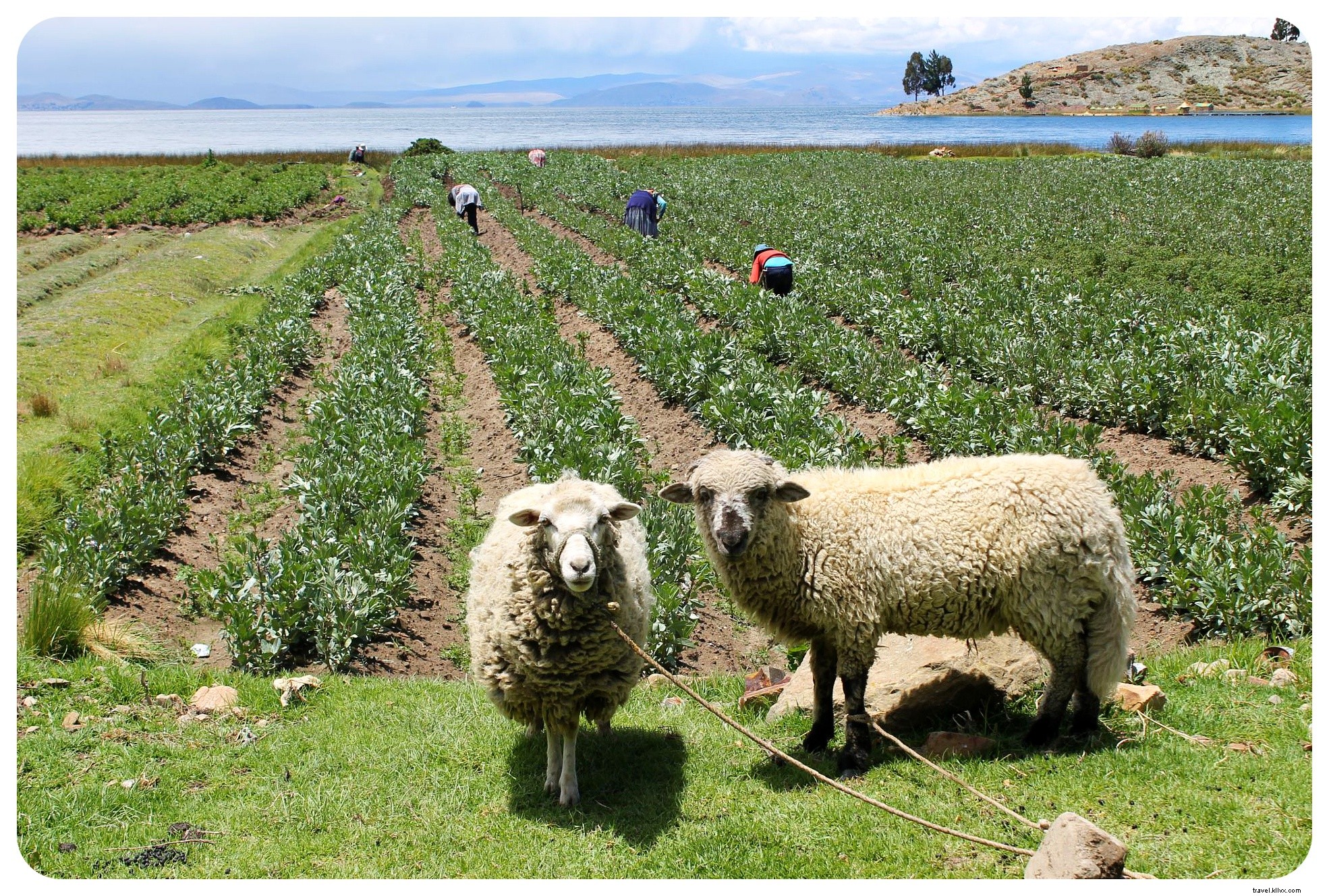 Unlike initial impressions of Bolivians elsewhere, rural folks here—rarely seeing outsiders—greeted us warmly, exemplified by Don Hilario.
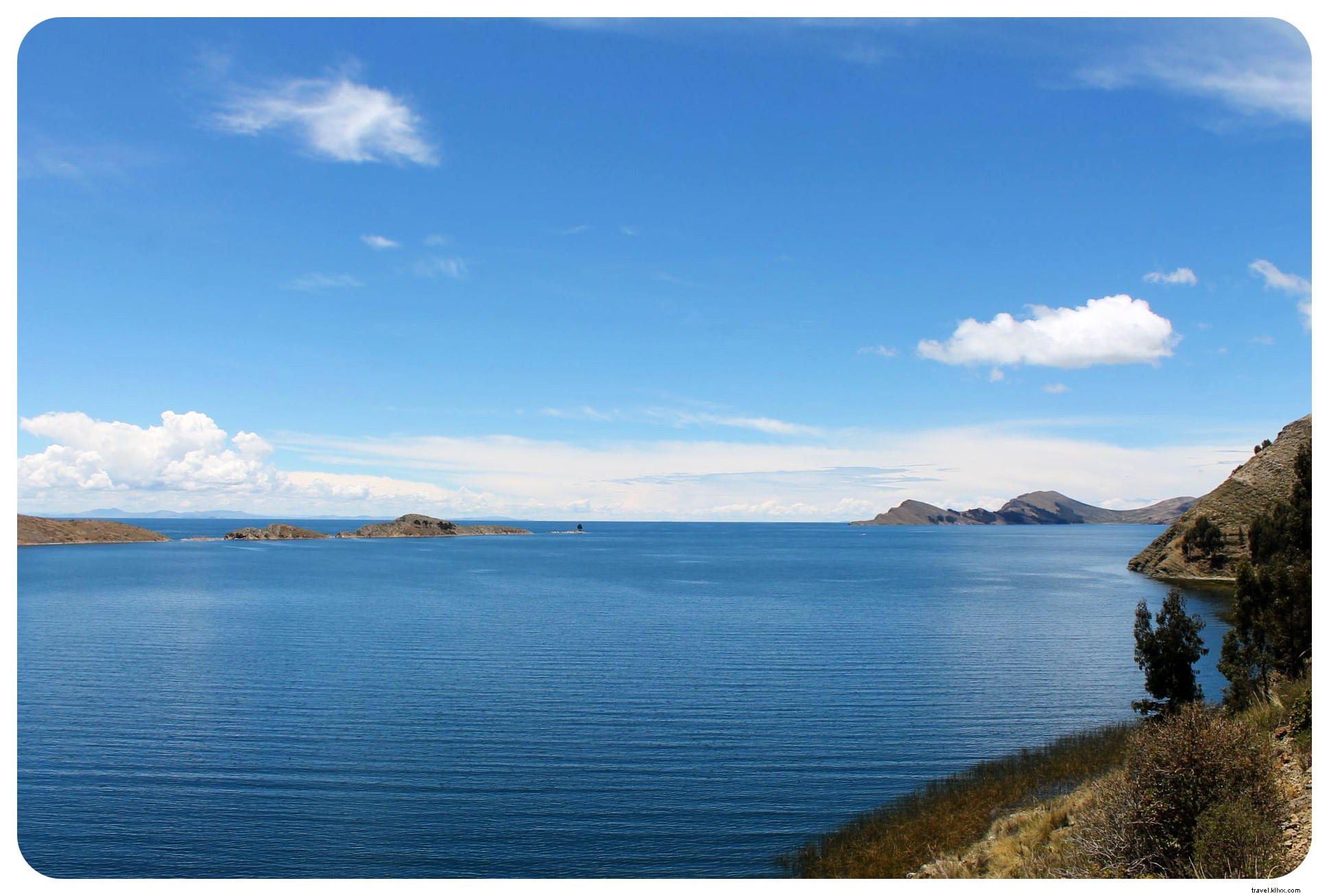
 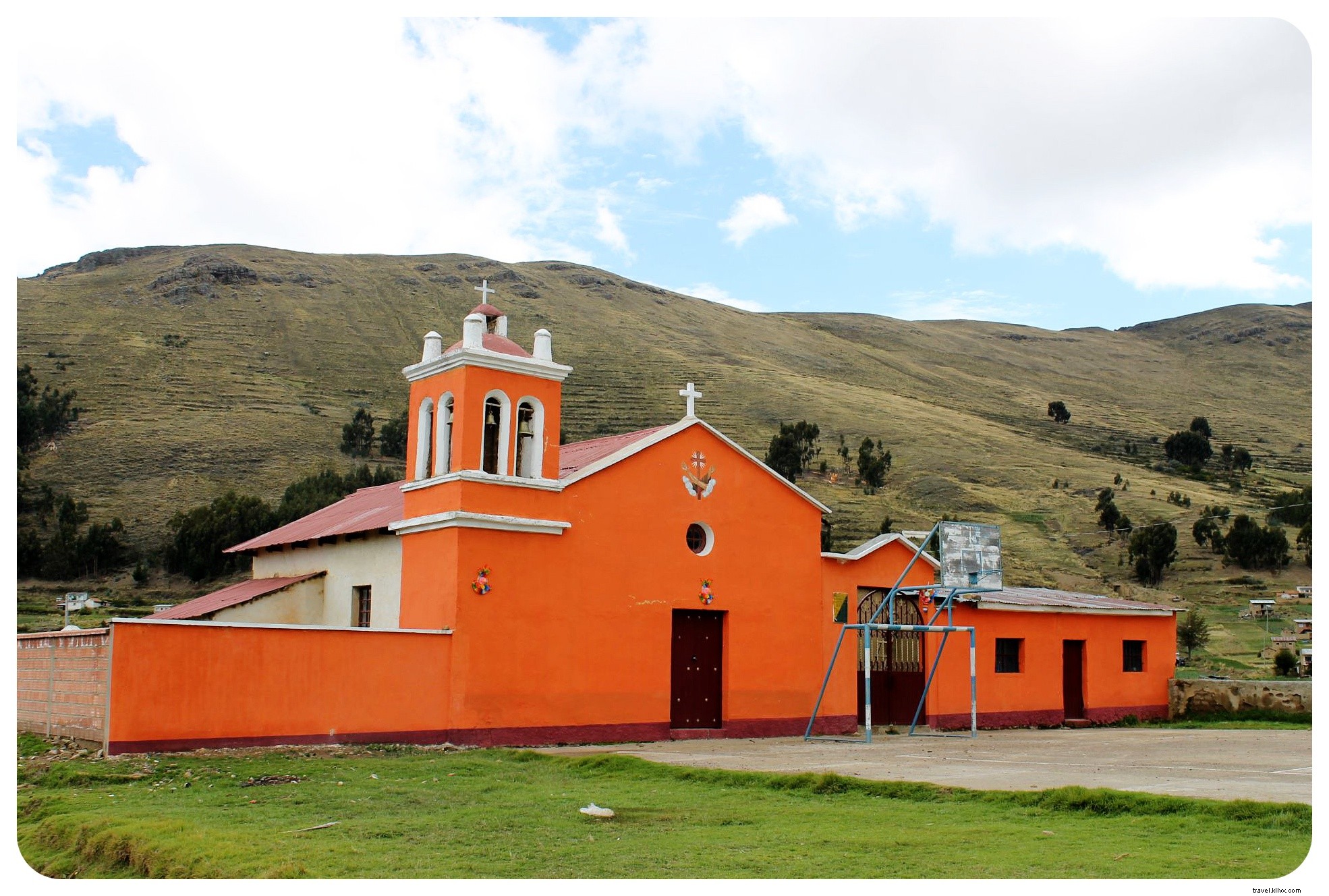 One final uphill slog tested us, but cresting it unveiled breathtaking lake, island, and valley vistas energizing our finish.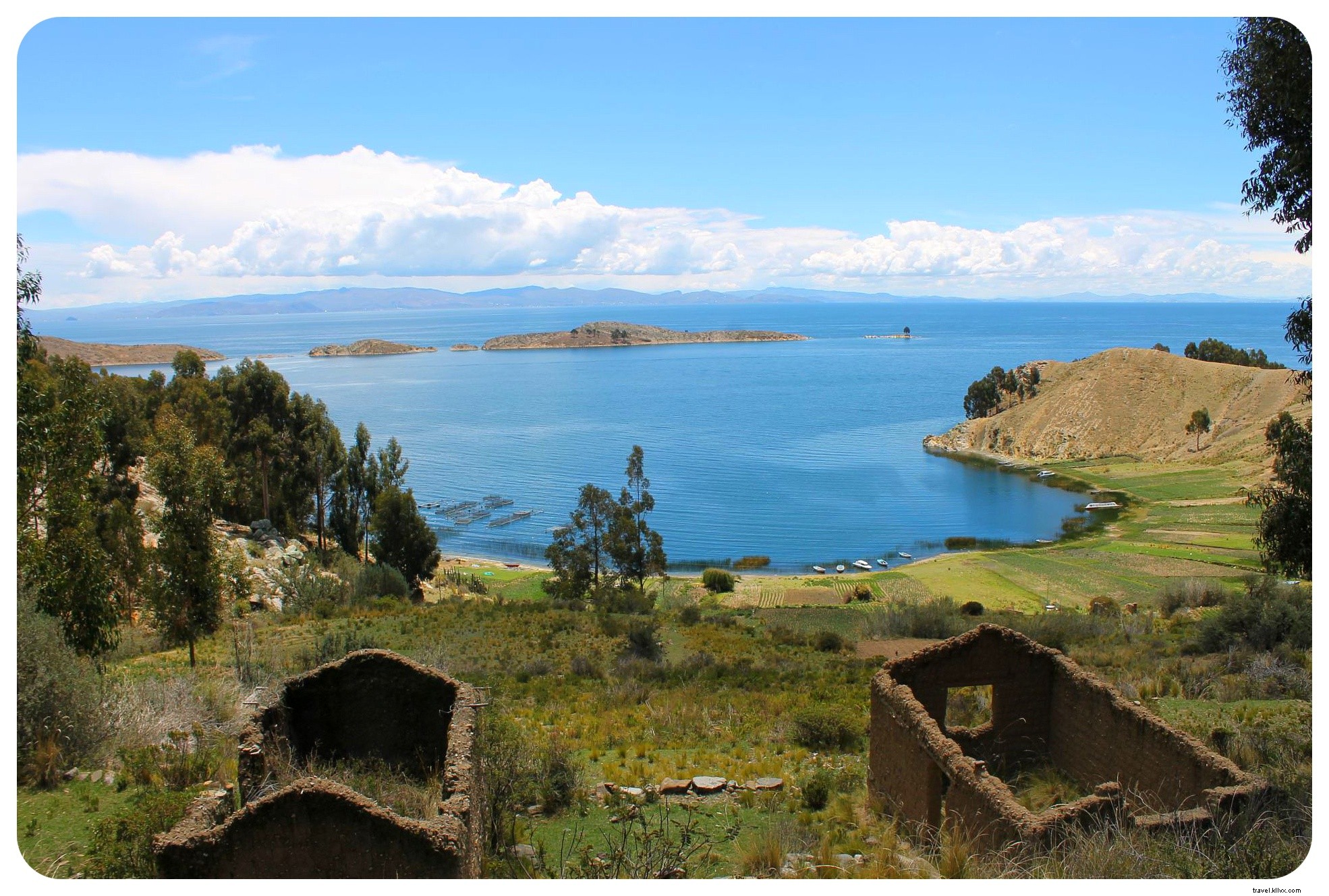
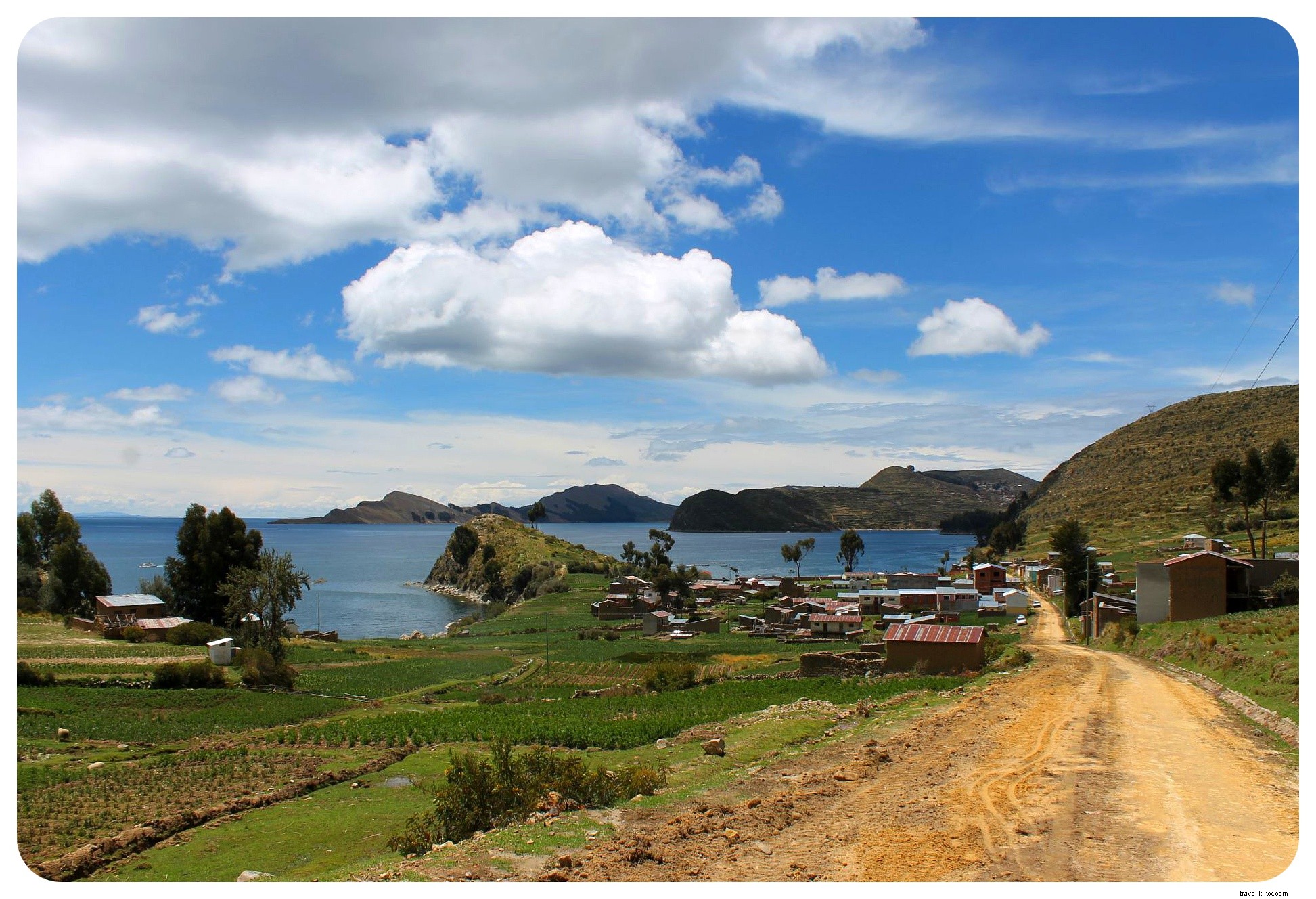 In Yampupata, we skipped an immediate Isla del Sol boat for a full-island hike later. A quick taxi to Copacabana (10 Bolivianos/person) returned us in 30 minutes.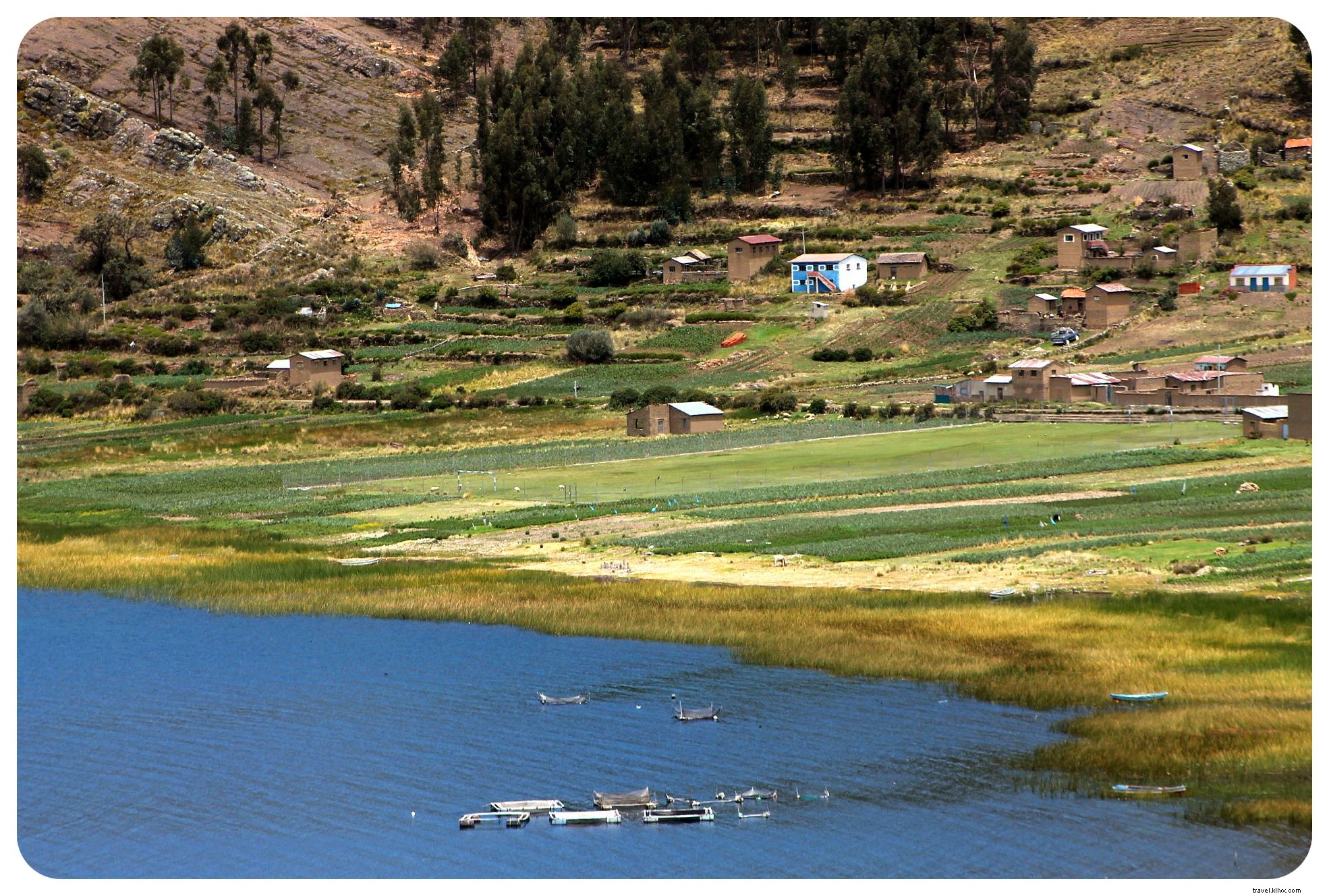
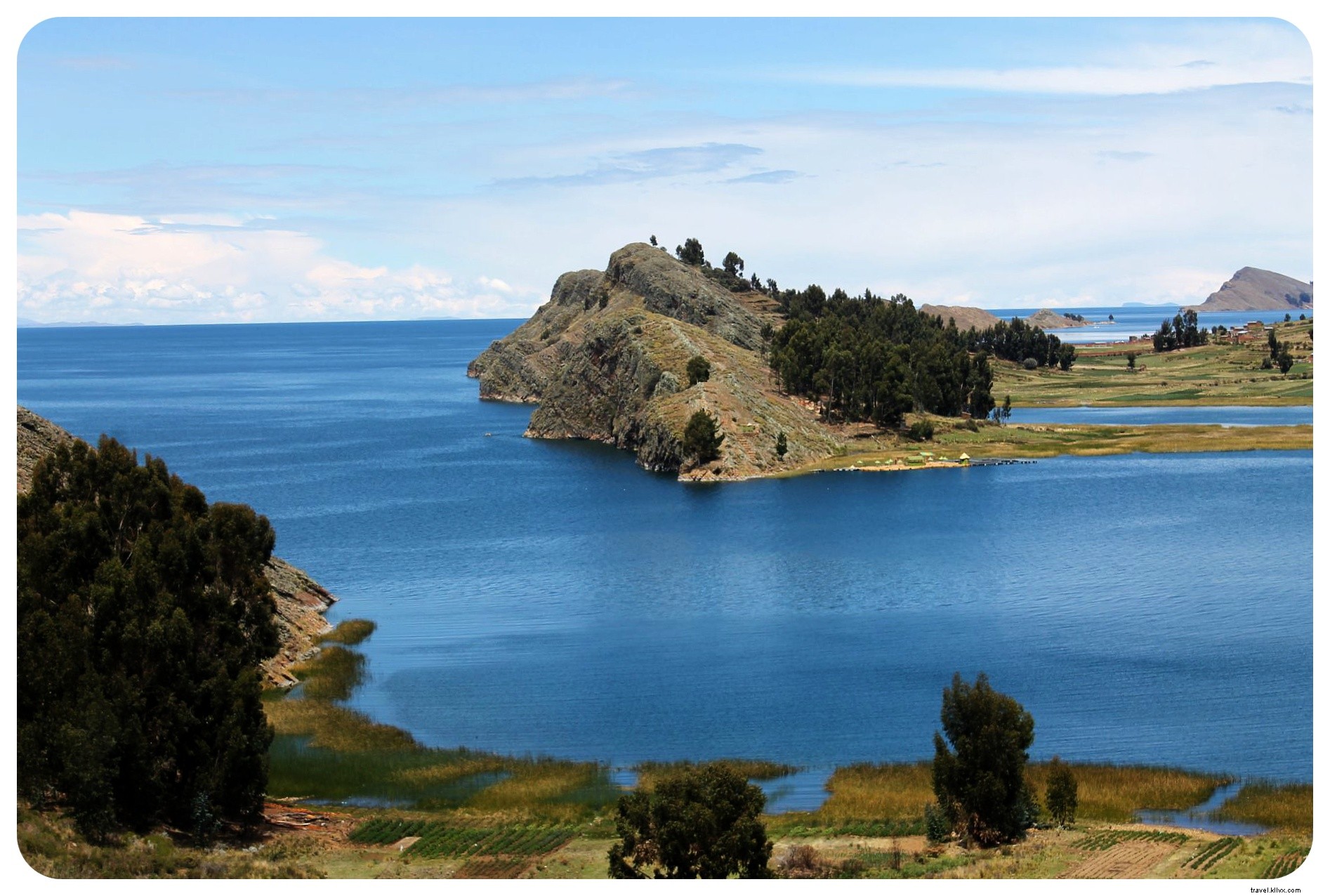 This rewarding hike built excitement for Machu Picchu, with Isla del Sol next.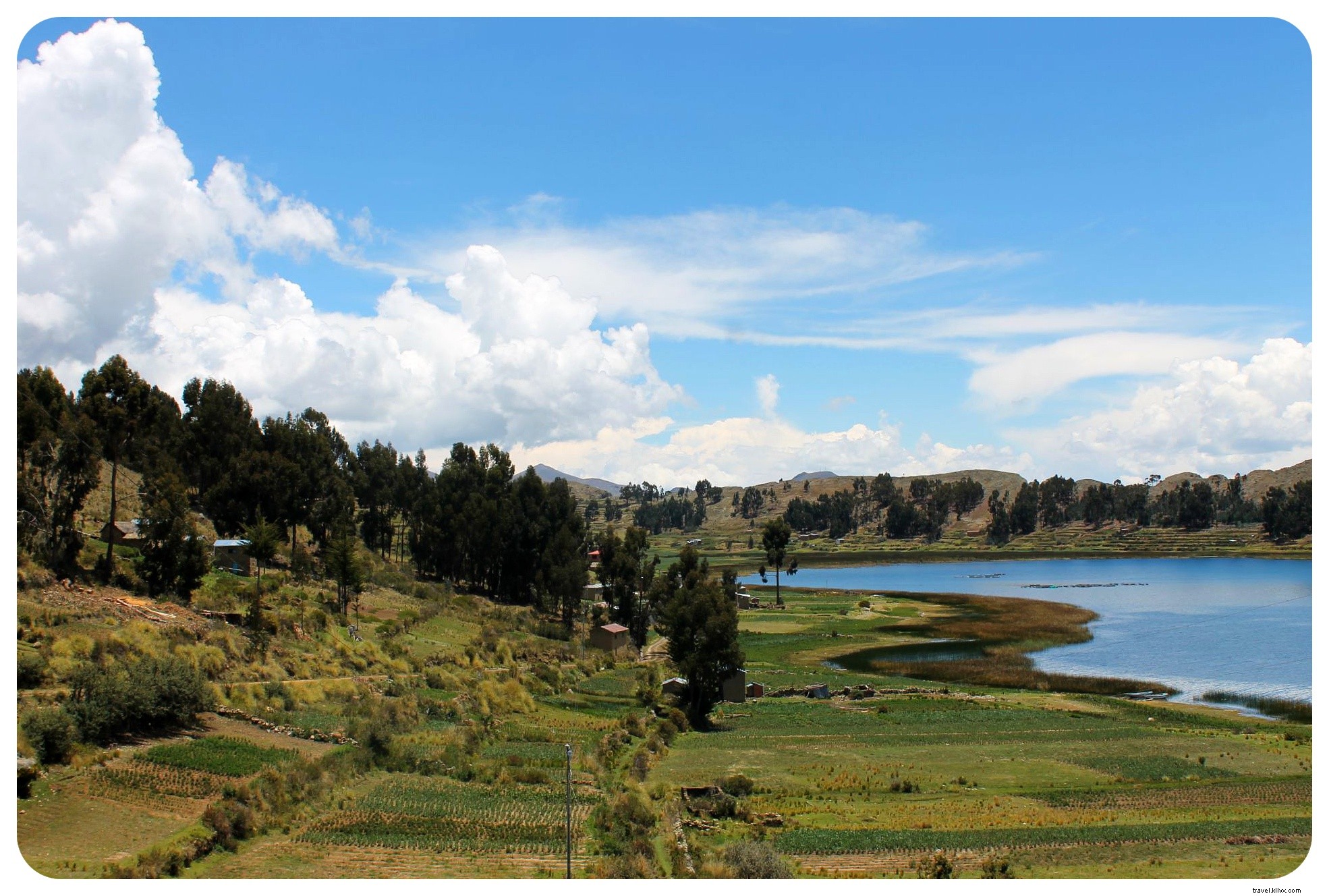
Hiking Lake Titicaca: Practical Tips
Expect 19-20km, not 17km—hilly and tougher than anticipated.
Total time to Yampupata: 5 hours (including breaks and Don Hilario's visit).
Pack snacks and water—no shops en route.