Lake Titicaca Guide: Floating Uros Islands, Puno Sights, and Essential Travel Tips
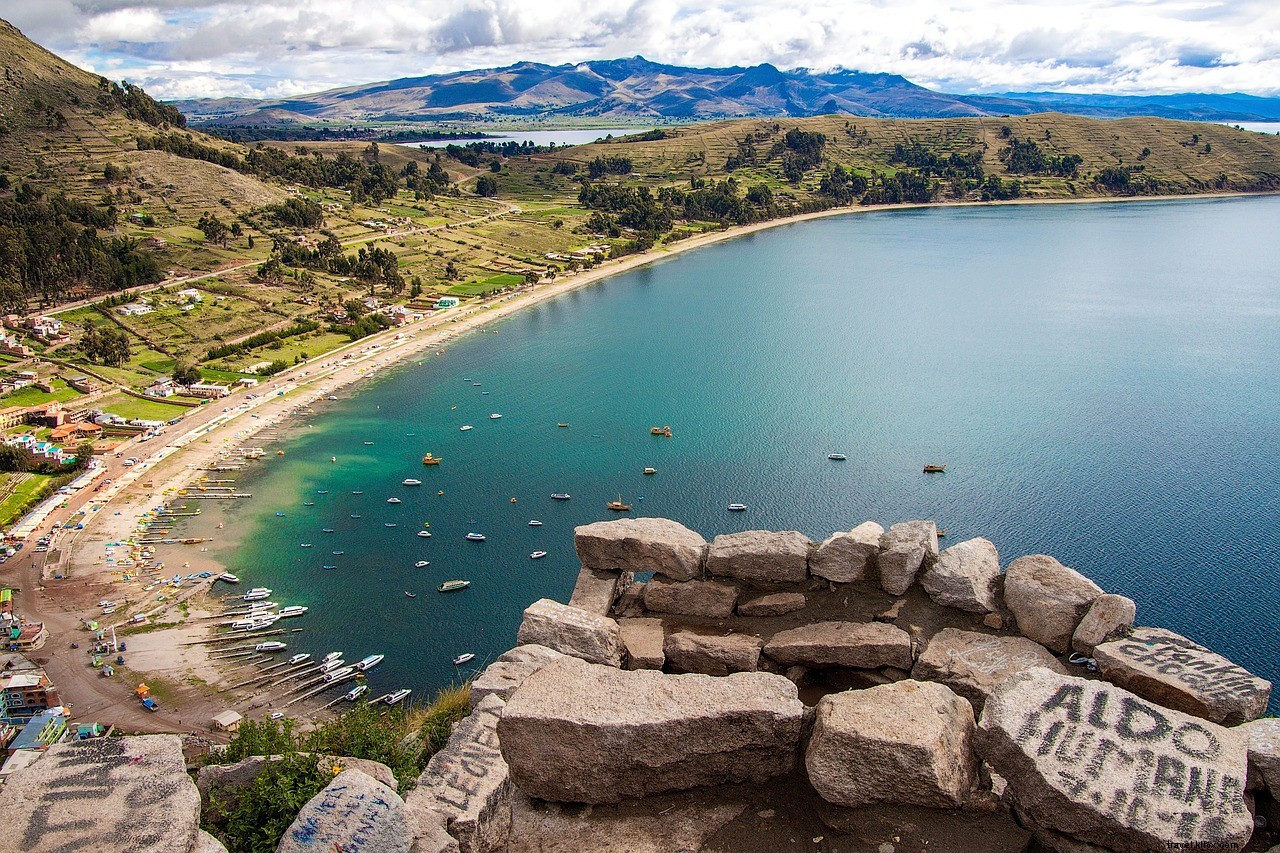
Peru boasts impressive natural wonders, much like record-breaking feats elsewhere. From the world's deepest visitable canyon in Colca to the priciest Andean trek to Machu Picchu, it also shares Lake Titicaca—the highest navigable lake on Earth—with Bolivia, which controls about half its area and many islands.
While accessible from Bolivia's Copacabana resort, I recommend starting from Peru's Puno for better value and more authentic experiences compared to the Bolivian side.
Titicaca is a postcard-perfect South American icon, often listed as a must-do in guides. Yet online, I've seen mixed reviews from disappointed travelers. Drawing from my personal visit to Lake Titicaca, I'll share balanced insights on its top attractions in Peru, addressing both highlights and realities.
Lake Titicaca: Key Facts and Realities
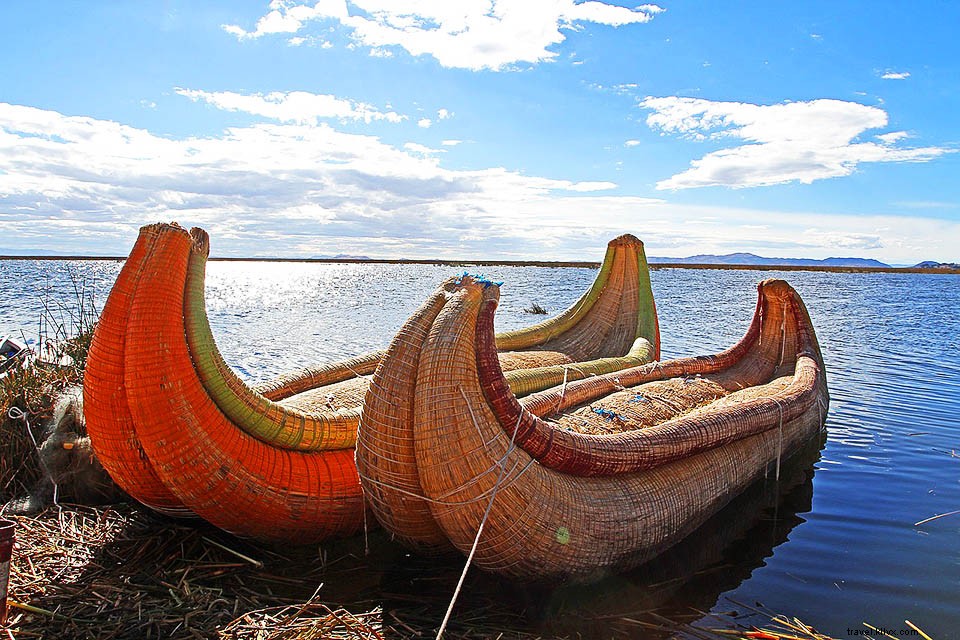
Titicaca holds the titles of Earth's highest navigable lake and the largest in South America by volume. Skip the geology details (check Wikipedia), but note its mix of natural islands and dozens of artificial ones crafted from totora reeds by the Uros people.
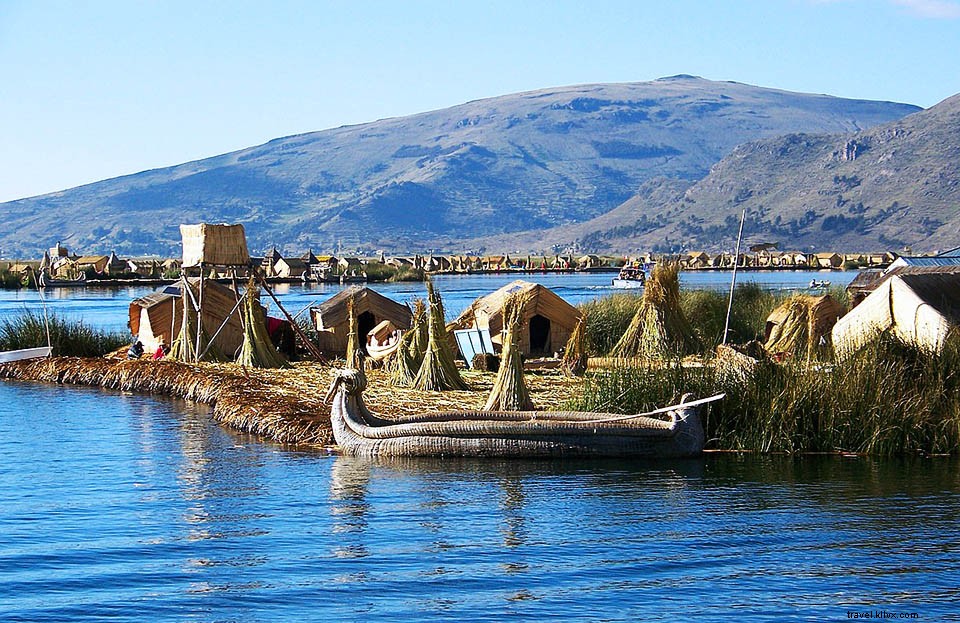
Floating Islands of the Uros
The Floating Islands are Titicaca's star attraction, alongside Bolivia's natural Isla del Sol. Inca ruins dot Isla del Sol and the lakeshores, with highlights like the statue of Our Lady, Protector of the Lake, in Copacabana—a pilgrimage site. The water stays chilly at 10-11°C, so skip swimming.
Your Puno, Peru Guide
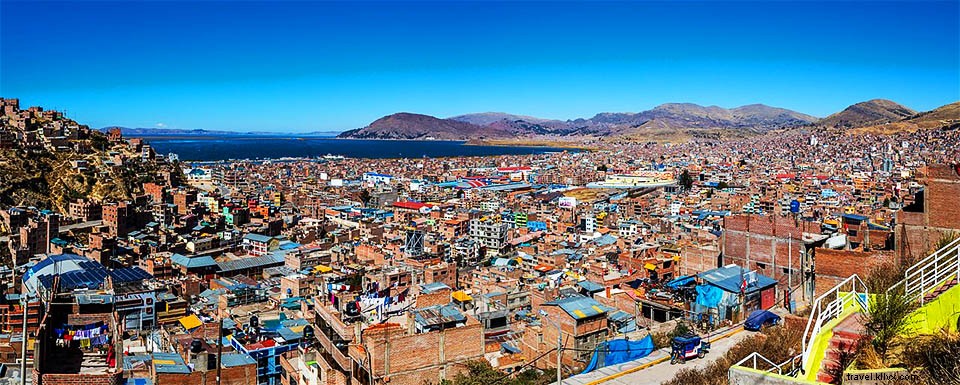
Puno (pop. ~100,000) is the Peruvian hub; nearby Chucuito offers alternatives. Opt for affordable family-run hostels inland, away from pricey lakeside spots. The compact city is walkable or served by cheap local buses.
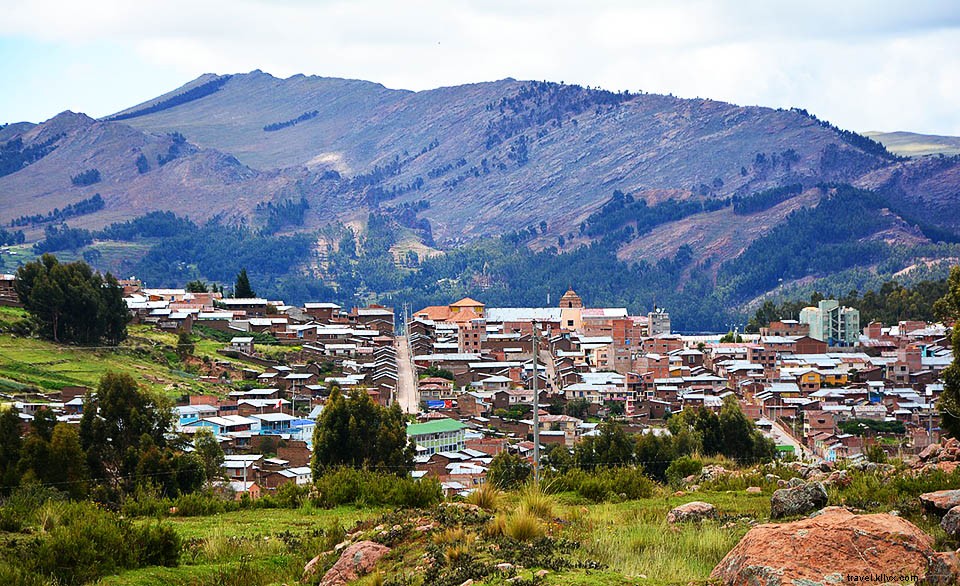
Like Poland's Zakopane, Puno is vibrant yet touristy, with stalls hawking cheap imports. Near the train station and pier, aggressive touts push overpriced island tours—especially to English speakers. Skip them.
Waterfront 'tourist info' offices are often sneaky agencies. Book directly with reputable outfits and steer clear of touts.
Top Sights in Puno
Puno's highlights are limited but rewarding. The 18th-century Catedral de Puno, in neo-baroque style, anchors the historic core—despite modern intrusions like malls. Stroll Plaza Mayor de Puno for preserved colonial charm.
The Coca Museum & Costumes fascinated me, detailing coca leaves' cultural role for Andean peoples beyond the drug narrative. Nearby, a half-day trip to Sillustani's Inca chullpas—sealed tombs for elites—is unmissable.
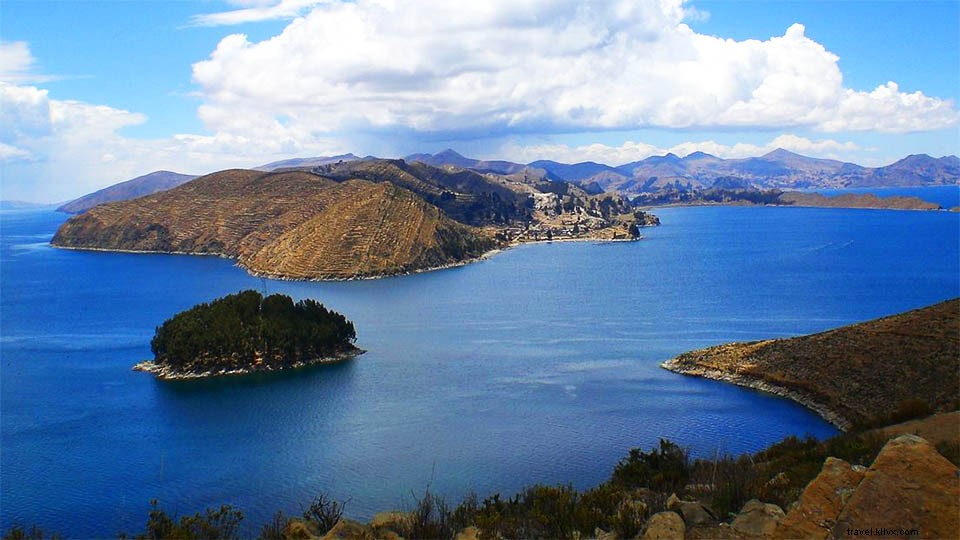
Lake Titicaca Islands: Isla del Sol, Amantani, Taquile, and Uros
Titicaca's islands draw hundreds of thousands annually, blending culture and scenery.
Isla del Sol
Bolivia's Isla del Sol, Inca mythology's birthplace of Viracocha, the sun, and the first royals Manco Cápac and Mama Ocllo, buzzes with descendants. Hike tourist trails amid ruins and stunning views evoking Arcadia. Ferries from Puno run frequently; entry is 6 soles cash on arrival. Overnight for authentic meals—one of Titicaca's top draws.
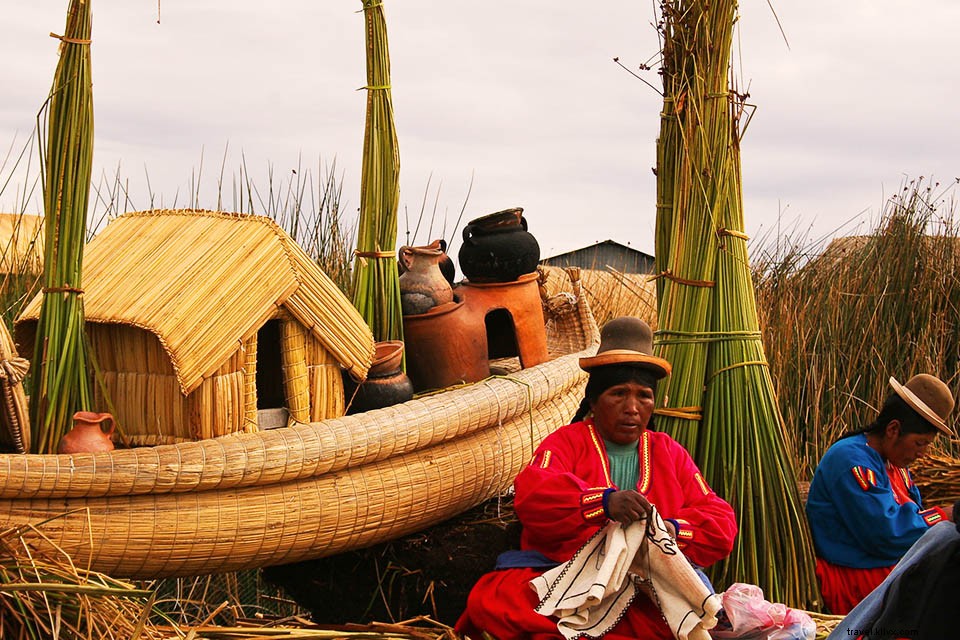
Amantani and Taquile
Similar to Isla del Sol, Amantani offers local guesthouses; Taquile, renowned tailors crafting traditional textiles. Entries: 5 and 7 soles. Locals charge for extras like toilets (2 soles).
Uros Floating Islands
Tiny Uros islands thrill with their reed construction. Tours cost 40-100 soles, revealing Uros customs up close—though commercialization shows.
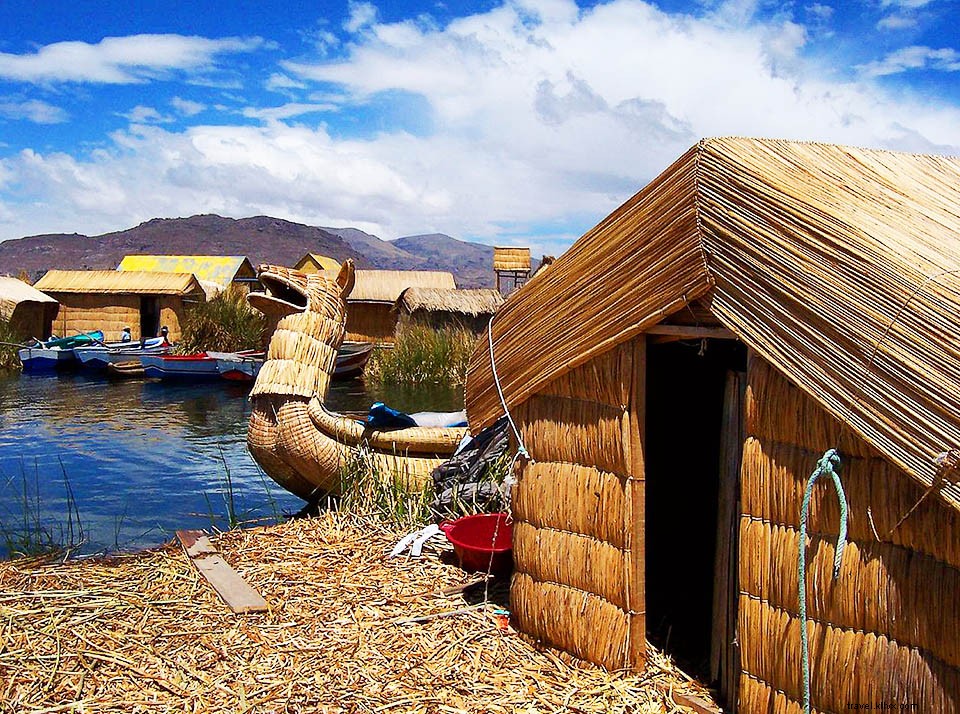
Many Uros reportedly commute from shore for tourism—a local confirmed this. The authenticity feels diluted amid sales pitches.
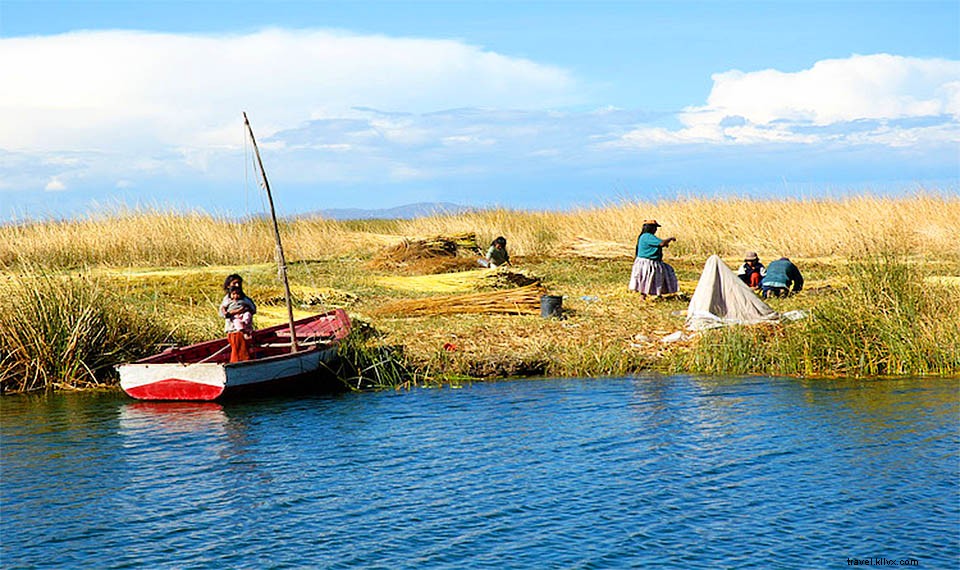
Is Lake Titicaca Worth Visiting?
Pollution is a concern: Untreated sewage from Puno and Copacabana harms wildlife (I spotted dead birds in reeds) and causes odors on cruises. Commercialization adds to the challenges.
That said, I enjoyed Puno and the islands despite flaws. Go informed—it's not guidebook perfection, but a worthwhile Peru stop for its unique attractions.