Life on Lake Tonle Sap: Exploring Cambodia's Thriving Floating Village of Chong Khneas
The vibrant floating markets of Bangkok, with their colorful produce on wooden boats gliding through canals, left a lasting impression. Hearing about entire floating villages in Cambodia compelled us to visit. We anticipated houses on stilts near the shore, but discovered something far more remarkable.
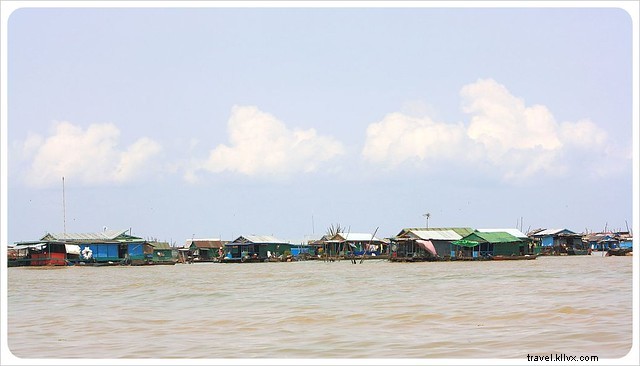
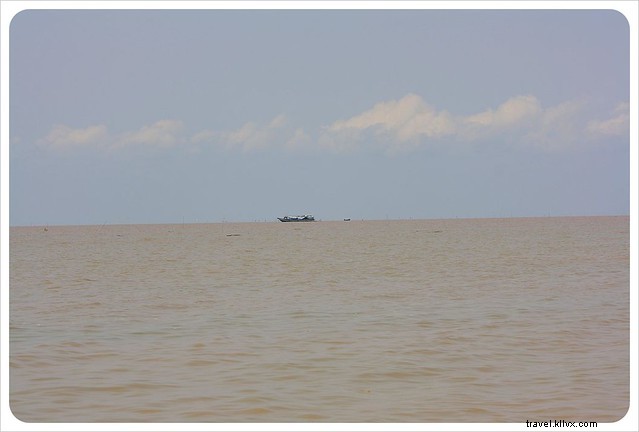
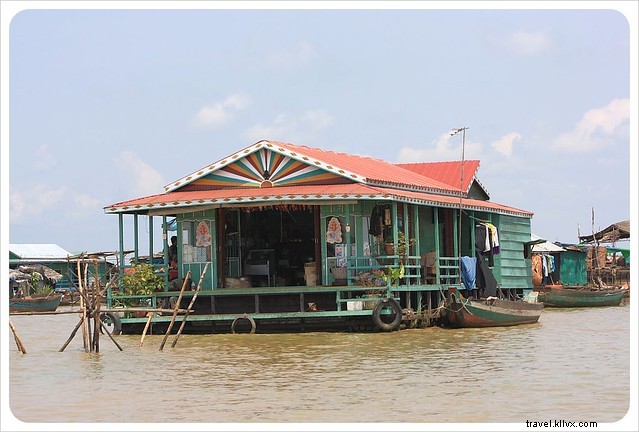 Instead, we found a bustling community on Lake Tonle Sap, Southeast Asia's largest freshwater lake, vast enough to resemble an inland sea. A 20-minute boat ride through a tributary brought us to the village; during the rainy season, this journey doubles in length for locals reaching dry land.
 The Remarkable Lake Tonle Sap
Most Cambodian floating villages cluster around Lake Tonle Sap, a unique waterway that dramatically expands and contracts seasonally. From June to October (rainy season), Mekong River floods swell it to 16,000 square kilometers and nine meters deep. From November to May (dry season), it shrinks to 2,700 square kilometers and 1-2 meters deep, reversing flow back to the Mekong.
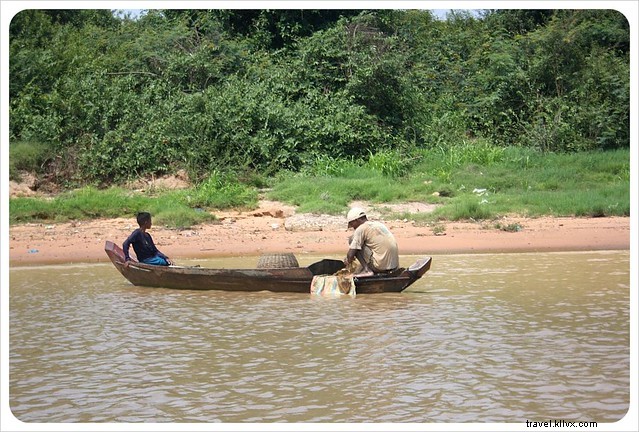 These fluctuations prompted fishing families to adopt floating homes that adapt to water levels.
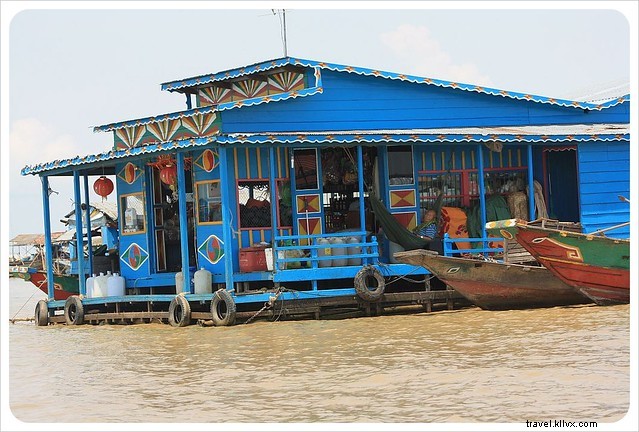
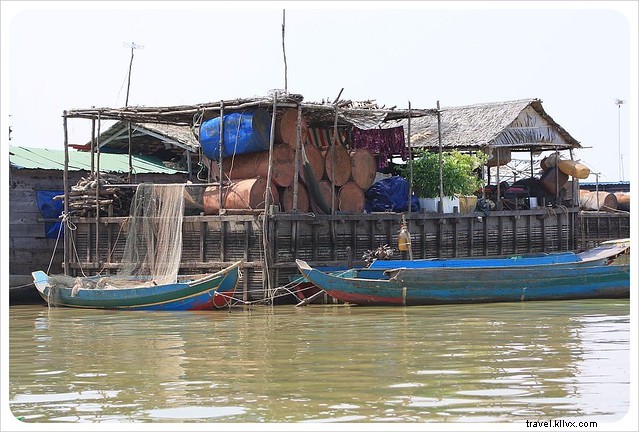 In rainy season, vast areas submerge; in dry season, villages hug the shore.
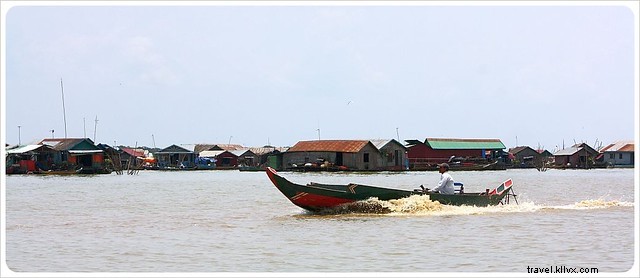 Tonle Sap ranks among the world's top inland fisheries, yielding over 400,000 tons of fish annually—home to 220+ species—and sustaining 3 million people.
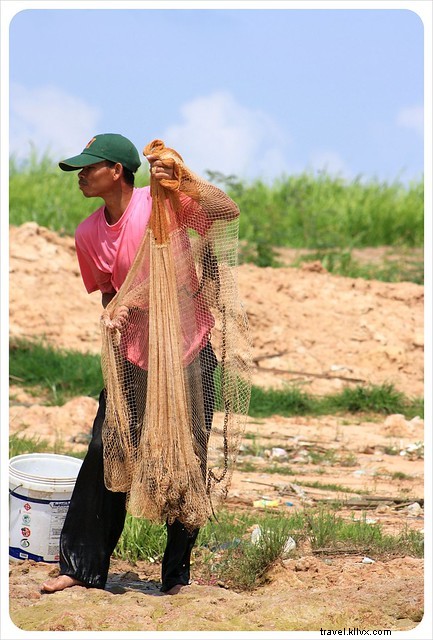 Daily Life on the Water
Supporting 3 million with fish demands constant effort from fishermen. Around 80,000 people reside permanently across 170 floating villages. Unlike many Cambodian jobs, fishing offers steady income, yet it's perilous: trips to the lake's center last days, with weeks at sea amid rough waves, scarce food, and hazards. Average life expectancy for fishermen is 54 years.
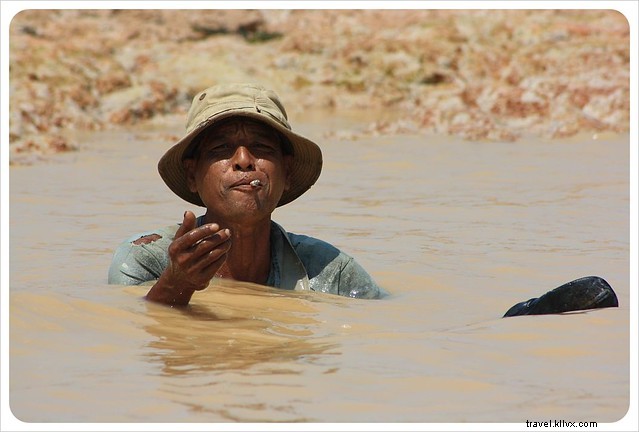 Tragically, many don't return, leading villages to maintain floating orphanages.
 Children face hardships too: 12% die before age five from harsh conditions, poor healthcare, and malnutrition—despite fish supplying 65% of Cambodia's protein. Limited fruits and vegetables persist, with household incomes below $500 yearly.
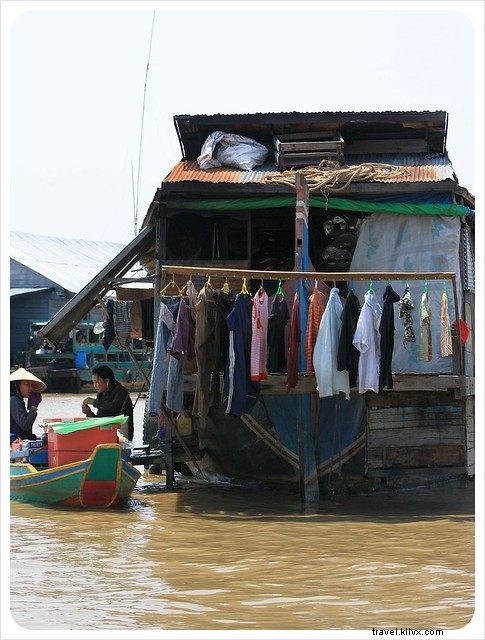 Chong Khneas, our visited community of 5,800 across seven villages, was inaugurating its first floating hospital—one of Cambodia's largest such settlements.
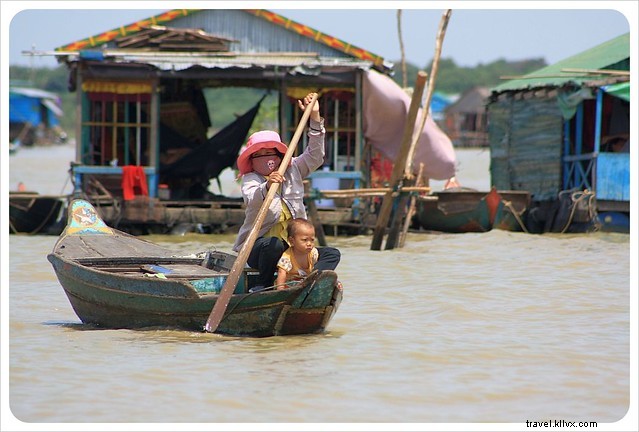
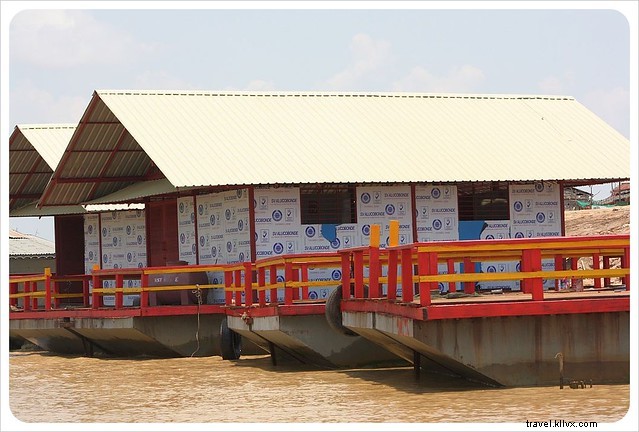 Every task requires boating: school drop-offs, basketball games (yes, there's a floating court!),
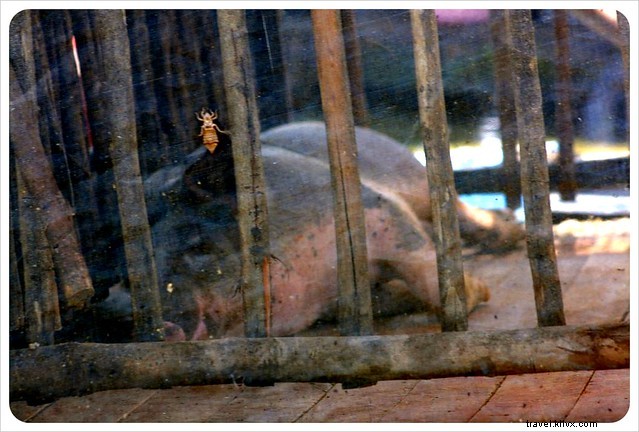
 self-sustaining homes feature floating gardens and animal pens for goats, pigs, and chickens.
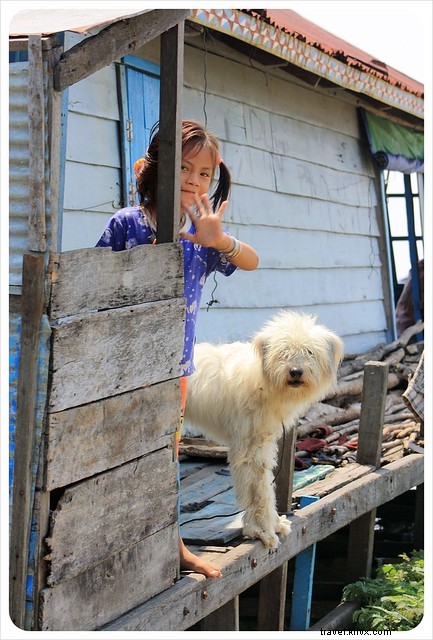
 Dogs adapt to watery homes, easily spotted if they stray.
 Amenities include three gas stations, five schools, seven fish wholesalers, and four karaoke bars—reflecting Cambodia's love for the pastime.
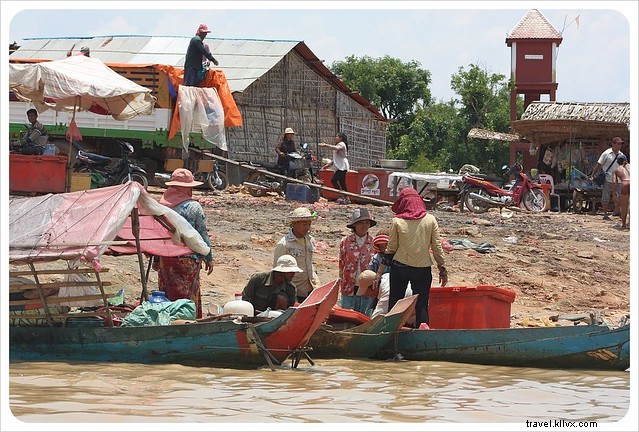
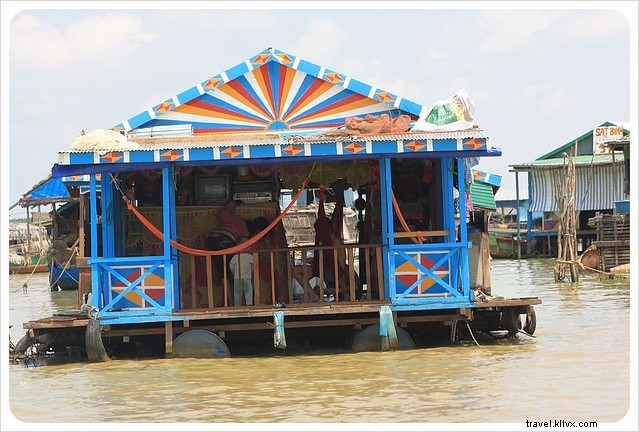 Floating supermarkets and markets mimic Thailand's, with vendors paddling produce door-to-door.
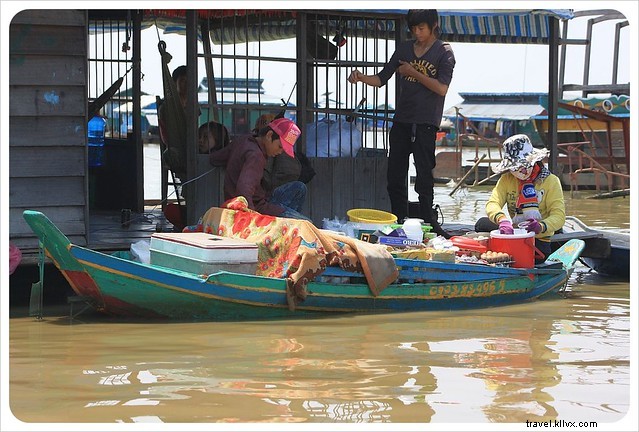 Clothes dry despite humidity; space is tight.
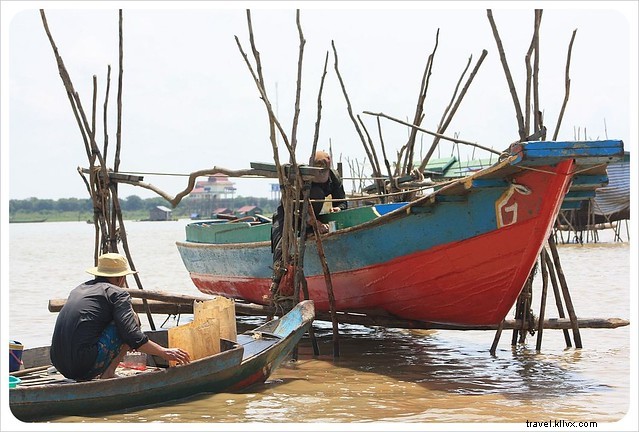
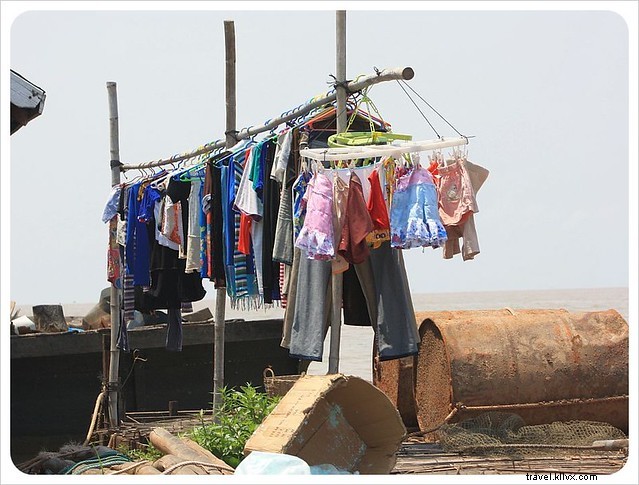 Fishermen sell catches at markets;
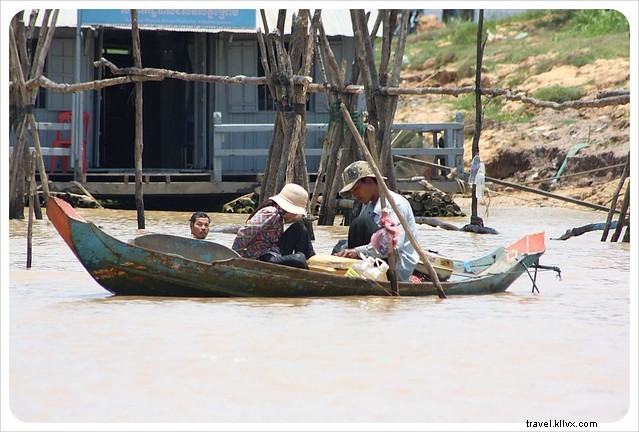 repairs happen afloat.
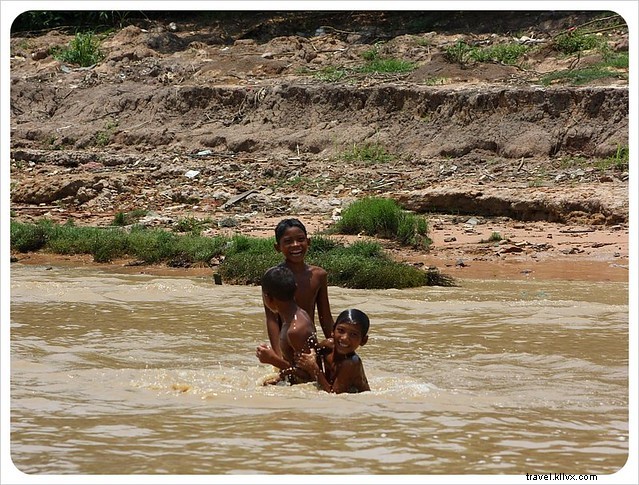
 Children's smiles shine, though their future mirrors their fathers'.