A Tragic Encounter with a White-Winged Dove in the Sonoran Desert
In a poignant coincidence, shortly after learning about the white-winged dove at the Arizona-Sonora Desert Museum, one collided with our window during our housesit in the Tucson foothills.
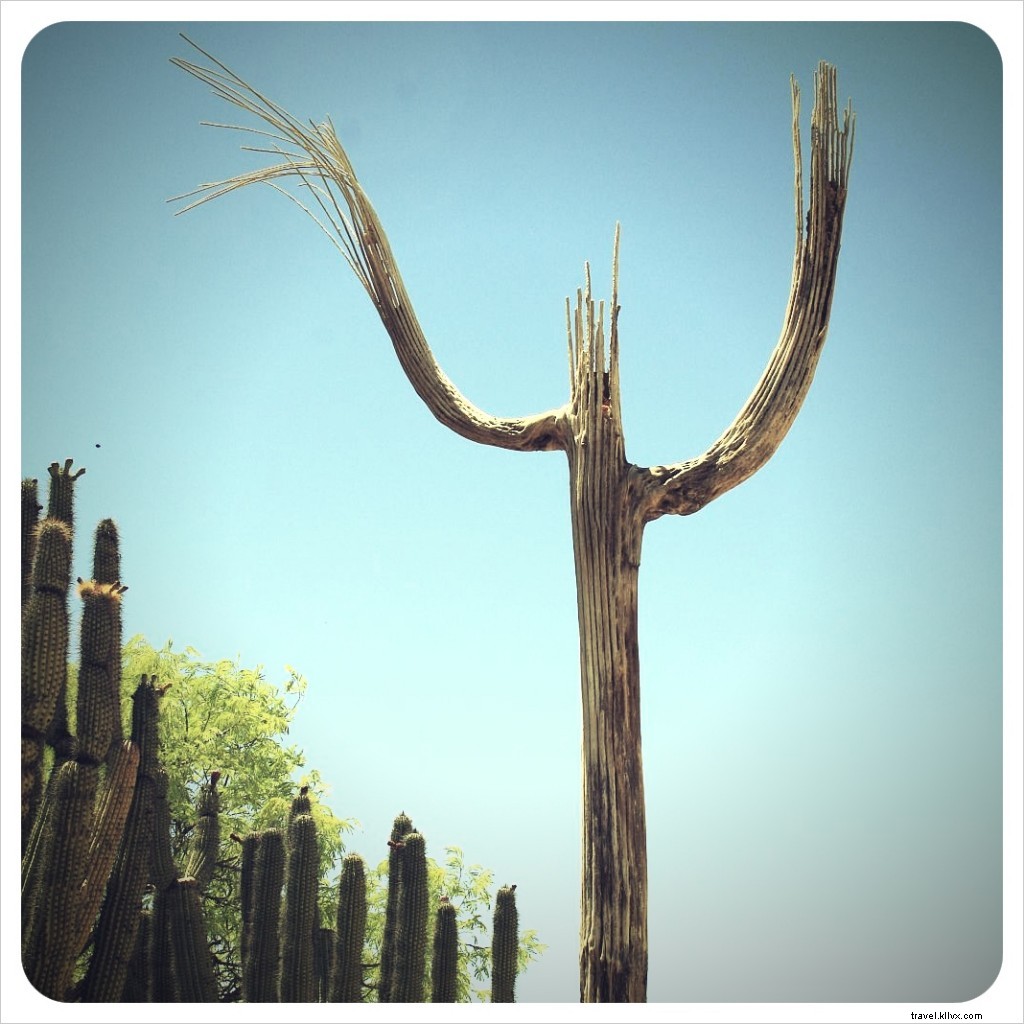
During a guided talk at the Arizona-Sonora Desert Museum, we discovered the fascinating reproduction process of the iconic Saguaro cactus. The docent explained terms like "cactus bones," self-sterility, and the crucial role of the white-winged dove.

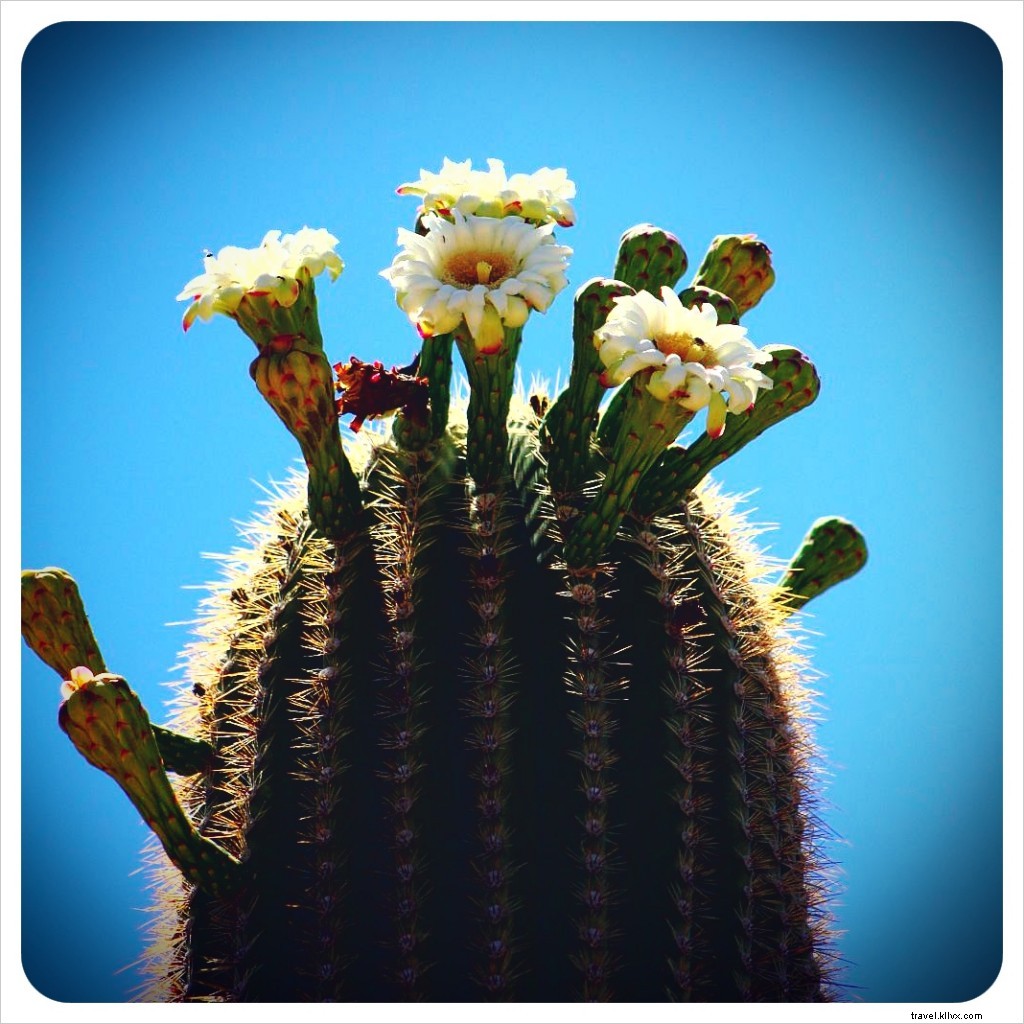
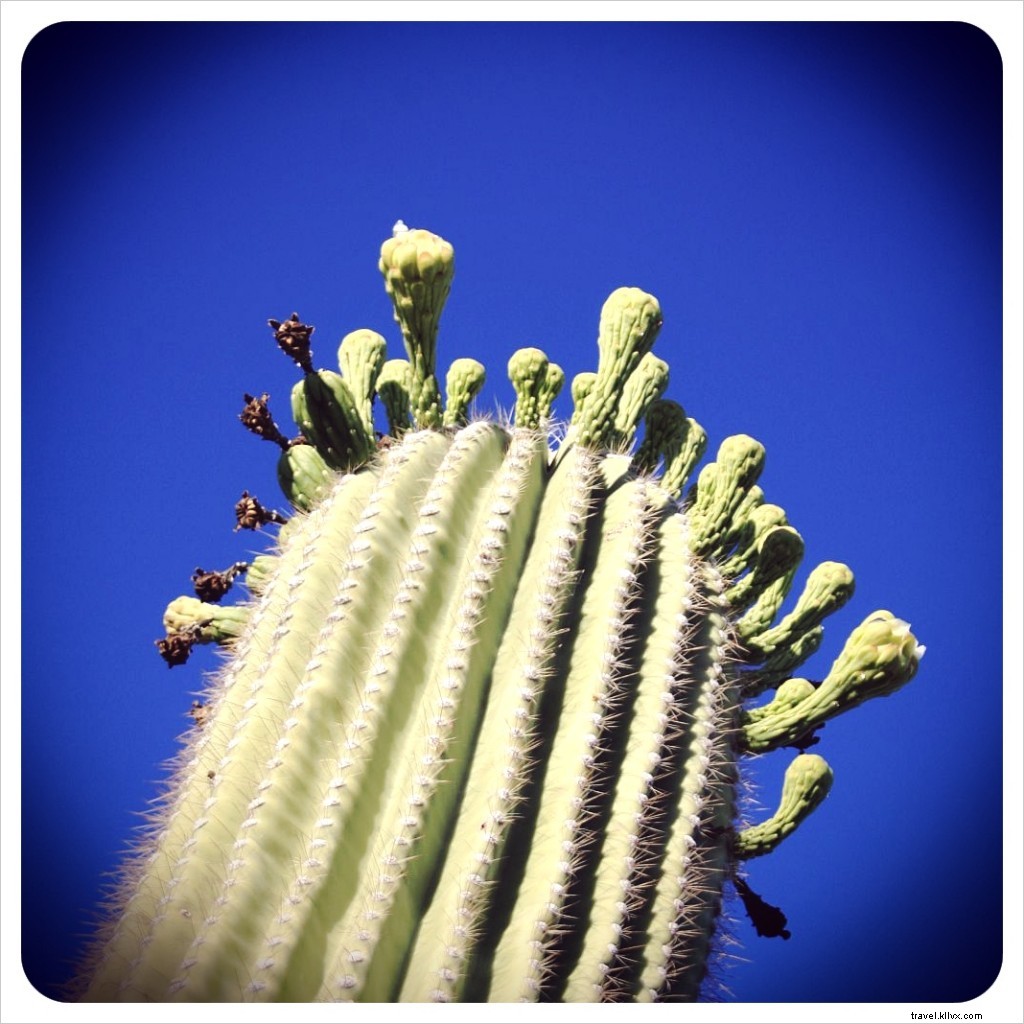
The endangered Saguaro cactus flowers from May to June after reaching 55-60 years old. Its pollination depends on white-winged doves, which feed on the juicy red fruit and transfer pollen between self-sterile flowers on different cacti, as each plant cannot self-pollinate.

This delicate ecological balance, with white-winged doves perched elegantly on Saguaros, deepened our appreciation for the Sonoran Desert's interconnected life—far beyond the museum's exhibits.
Today, miles away in the Tucson desert, one such vital bird crashed into our housesit's large back window, suffering fatal injuries and dying instantly on the ground.
Whether misfortune, a sign, or coincidence, this post honors that beautiful bird, deceived by reflective human-made glass.
On a related note, we also encountered our first "cactus bones"—the enduring spines left after a dead cactus rots away, creating ghostly skeletons in the desert landscape.