
Botswana Safaris: Okavango Delta, Chobe River, and Kalahari Desert Adventures
The thrill of encountering Africa's iconic wildlife on Botswana safaris is amplified by the diverse, breathtaking landscapes that sustain them. Discover the mesmerizing Okavango Delta, the lush Chobe River valley habitats, and the vast Kalahari Desert sands—prepare to be amazed by what awaits.
Okavango Delta: Reed-Lined Channels and Isolated Islands
Like a lung expanding and contracting with each breath, the Okavango Delta swells and shrinks by an impressive 7,000 sq km with seasonal floodwaters from Angola's distant highlands. These life-giving waters support thriving ecosystems on a grand scale.
Year-round safari activities adapt to the inner delta's shifting habitats. During peak flood season (June to August), covering up to 20,000 sq km, vast wildlife congregations—200,000 animals—arrive to drink, graze, or hunt amid abundant flora.
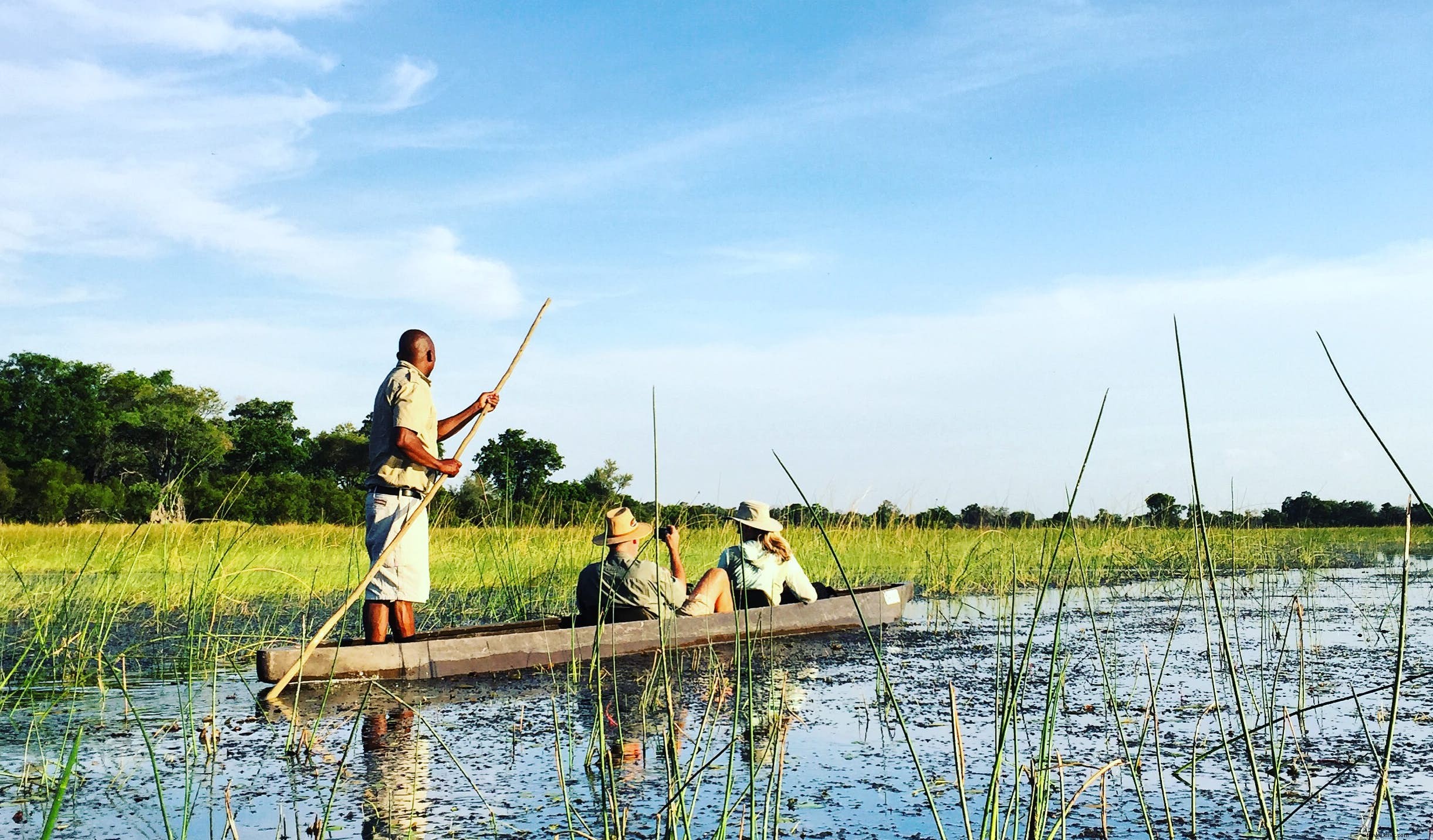
The permanent waters and clear skies enable classic experiences like mokoro (dugout canoe) trips through reed-fringed channels. Gliding silently with eyes at water level, you're fully immersed in nature's symphony. We spotted the world's smallest frog on a reed and watched pink flamingos against a vivid blue sky. High waters also allow powerboat excursions deeper into the delta for Big Five sightings.
Permanent islands like Chief's Island host year-round wildlife, peaking during high floods. Traditional 4WD game drives reveal resident lions, leopards, and now wild dogs. Botswana's Rhino Reintroduction Project has relocated over 100 rhinos from South Africa, leveraging the delta's remoteness for protection. We encountered a massive white rhino on a morning drive from Mombo Camp.
Low-water season (November to April) brings rains, births, and migratory birds, creating a spectacular scene.
Chobe National Park: River, Marshes, Lagoons, and Floodplains
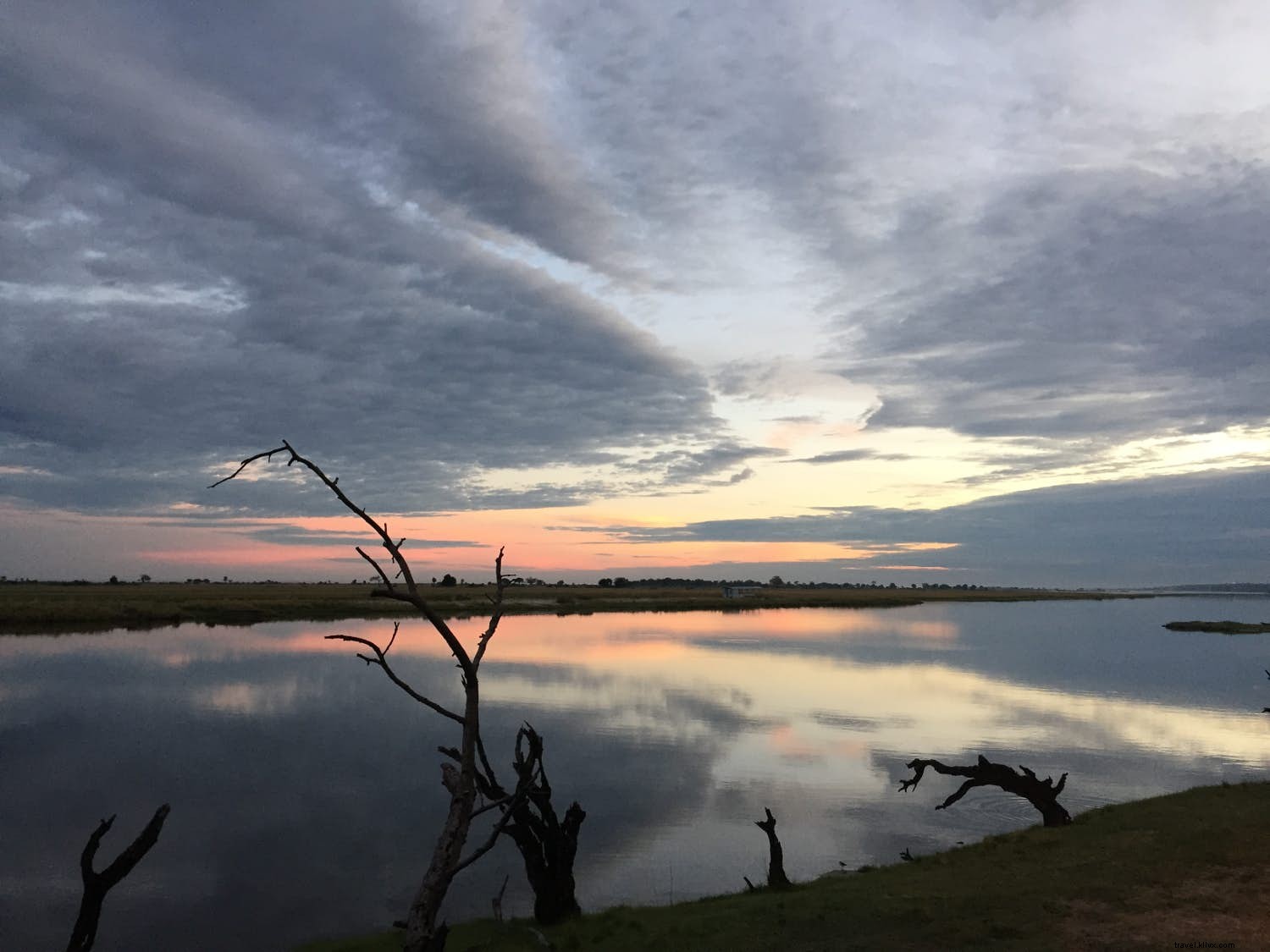
Chobe National Park, spanning nearly 11,000 sq km, rivals Africa's top wildlife destinations with its varied ecosystems supporting exceptional biodiversity.
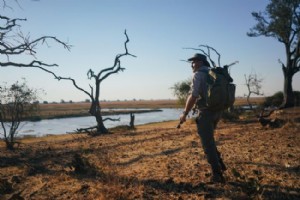
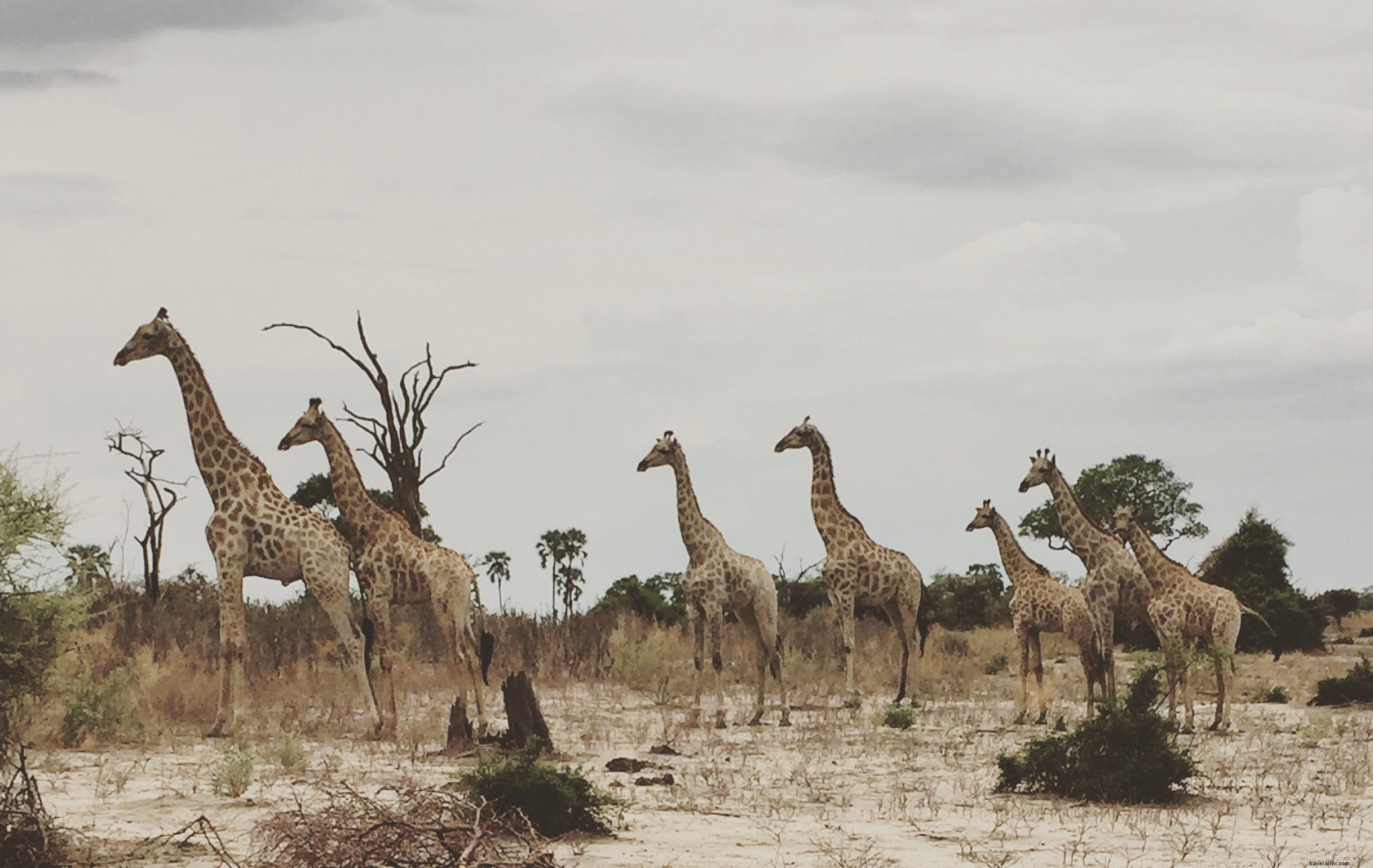
The Chobe Riverfront in the northeast is famous for its massive elephants—some of Africa's largest, with herds swelling to tens of thousands by September/October. Year-round activities include river boat safaris and 4WD drives, offering close views of elephants, buffalo, giraffe, wildebeest, antelope, and predators like lions, leopards, and cheetahs. Boats excel for hippos, crocs, and diverse birdlife.
The Savuti region's shifting landscape—marsh to savanna depending on the Savuti Channel (dry for decades until 2008)—features rock monoliths ideal for big cats. Leopard Rock's caves and bush are perfect for leopards. Luxury lodges abound, with campsites for self-drivers.
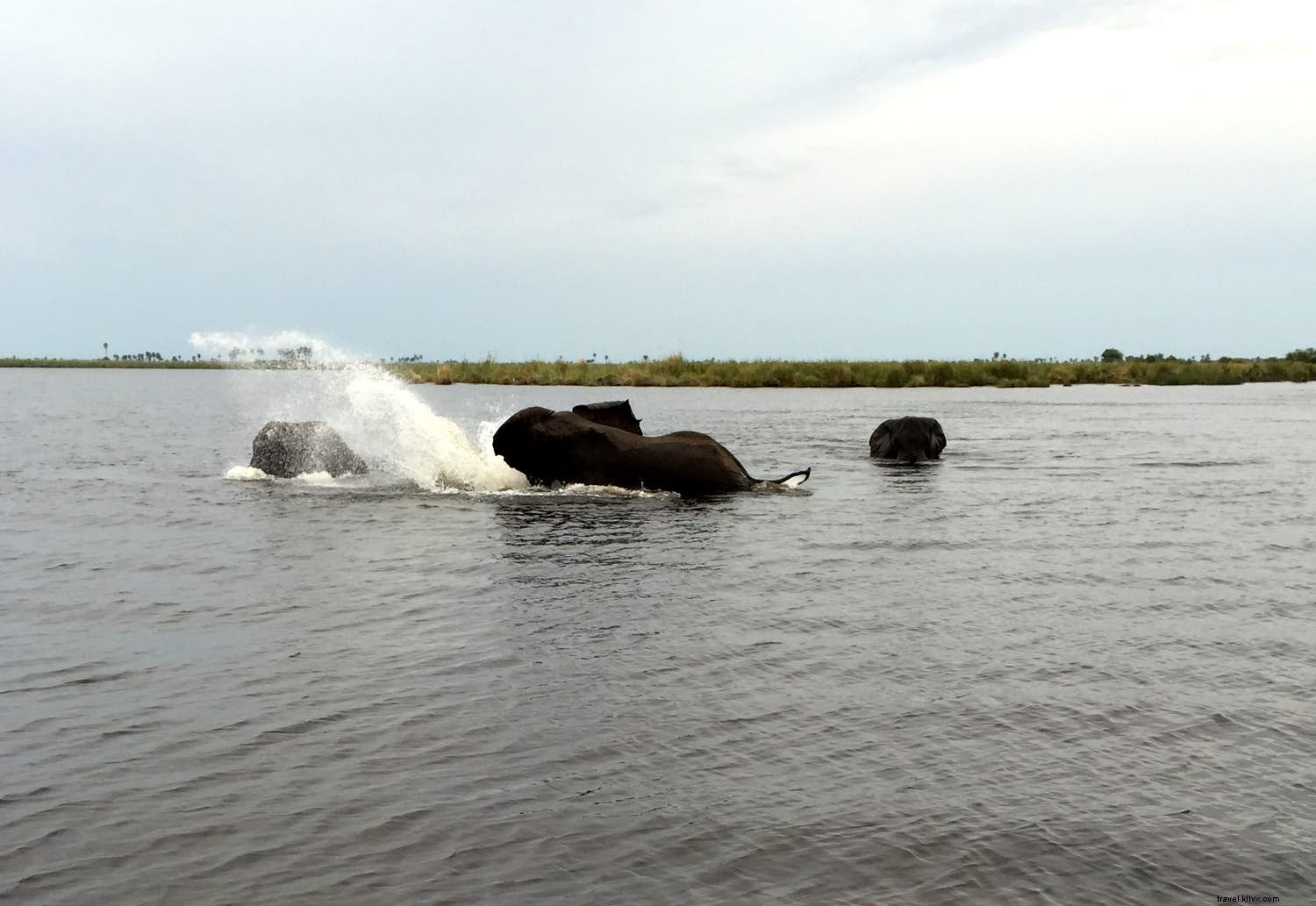
In the northwest, Linyanti Marshes along the Linyanti River offer unique tracking in the park and adjacent private reserves (Linyanti, Selinda, Kwando—totaling 4,850 sq km). Exclusive experiences like night drives are available. Lodges such as Duma Tau, King's Pool, and Lagoon Camp overlook lagoons for prime viewing. We watched elephants swim across Zibadianja Lagoon on a boat trip.
Kalahari Desert: Salt Pans, Scrubland, and Dunes
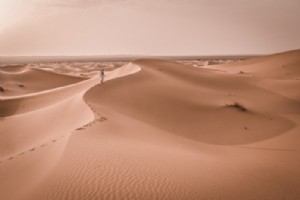
The Kalahari reveals what Okavango and Chobe might become without water—a stark transition visible from the air. Known to the Tswana as Kgalagadi, the 'Land of Thirst,' it nonetheless teems with resilient life and remarkable sightings.
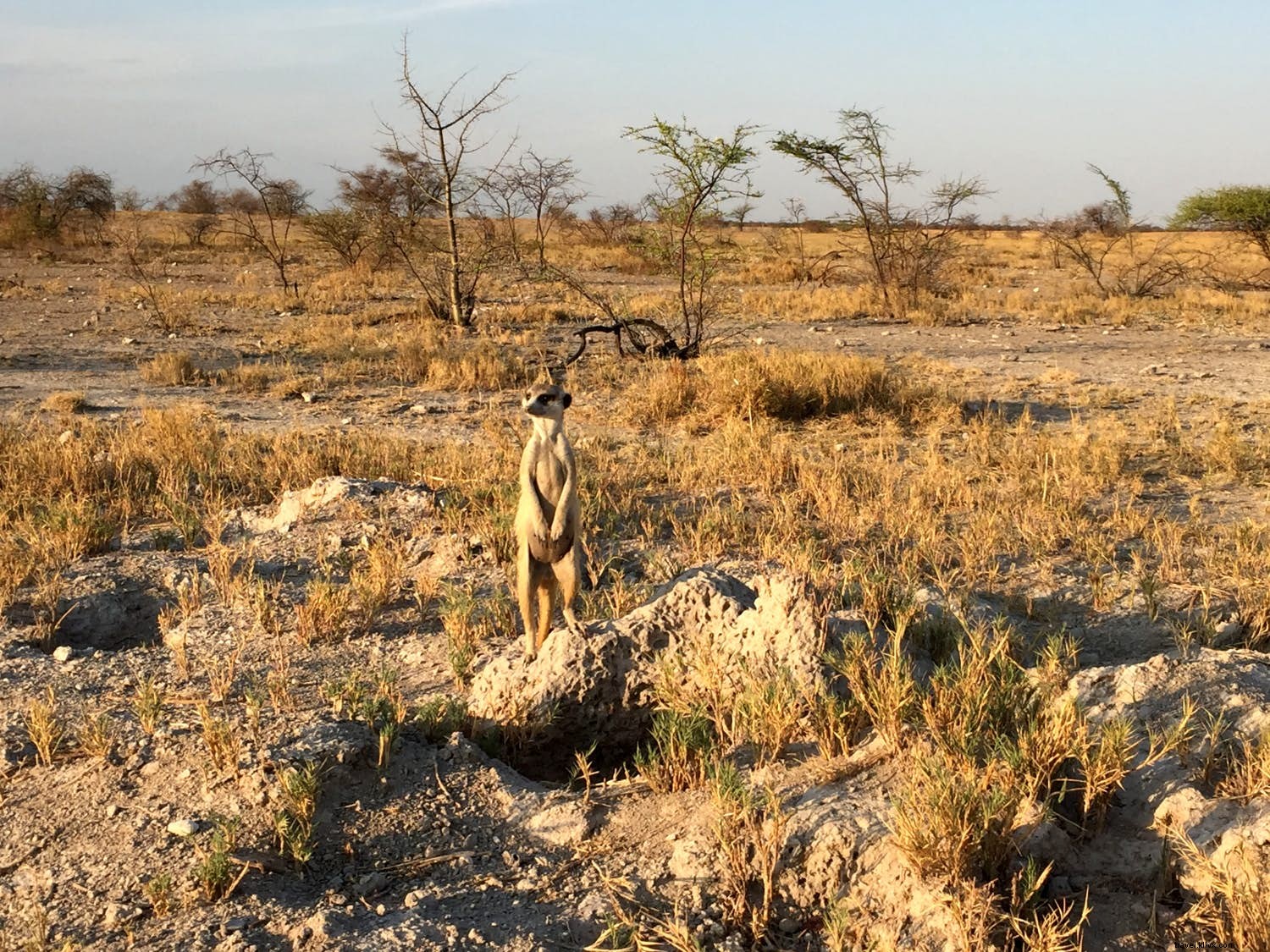
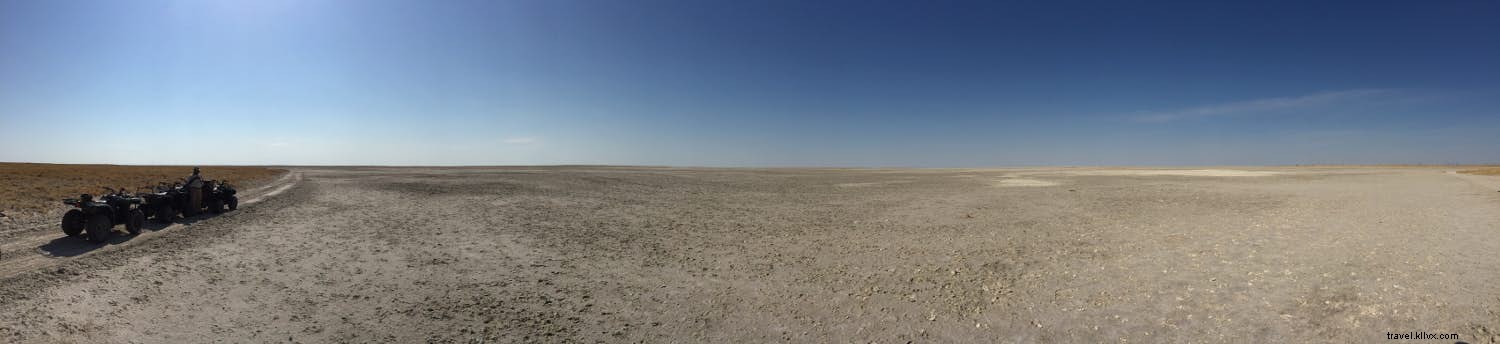
Quad bike rides along Ntwetwe Pan in Makgadikgadi Pans National Park revealed zebras, wildebeest, ostriches, and rare brown hyenas at sunset. Meerkats thrive on pan edges, scrublands of Central Kalahari Game Reserve (52,000 sq km), and Kgalagadi Transfrontier Park dunes. Black-maned Kalahari lions roam these areas.
Visit Makgadikgadi and CKGR May-October for optimal wildlife and roads; Kgalagadi year-round, best December-May. Activities focus on guided or self-drive 4WD game drives.