Why the Okavango Delta is Botswana's Premier Safari Destination
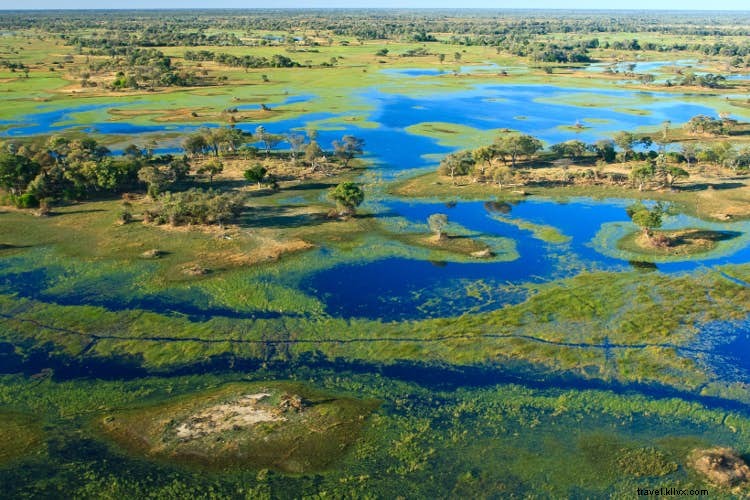
At the heart of southern Africa, Botswana's Okavango Delta stands as one of Earth's last pristine paradises. Spanning 15,000 square kilometers amid the Kalahari Desert's sandy thorn-scrub, its champagne-hued rivers, papyrus-fringed reed beds, and lily-pad lagoons form one of the world's largest inland wetlands—a thriving haven for iconic African wildlife and unparalleled safari experiences.
What is the Okavango Delta?
Unlike traditional deltas like the Mississippi or Nile that flow into the sea, Botswana's Okavango River journeys over 1,000 kilometers from Angola's highlands before spreading across the Kalahari sands, where it evaporates without reaching the ocean. This creates a vibrant ecosystem every traveler should witness. From May, floodwaters transform lush grasslands, reed beds, palm groves, and mopane forests into channels teeming with hippos, crocodiles, tigerfish, and bream. At its widest, the 170km fan draws over 200,000 animals from July to September. Its fresh, filtered waters prevent stagnation, sustaining life in this unique oasis.
What Makes It So Special?
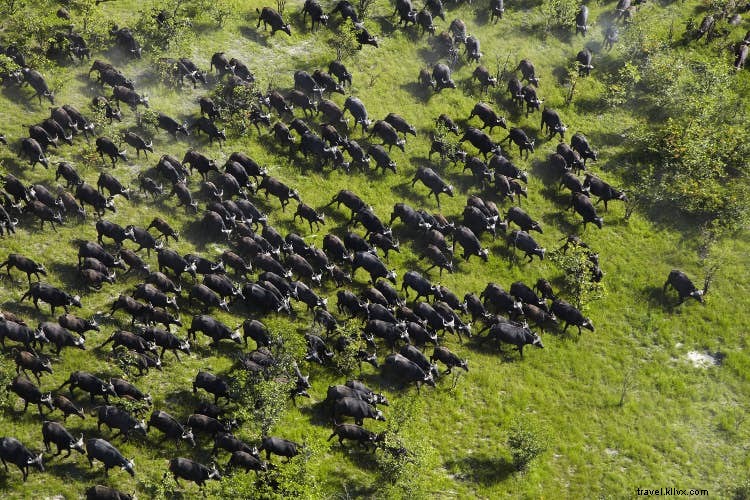
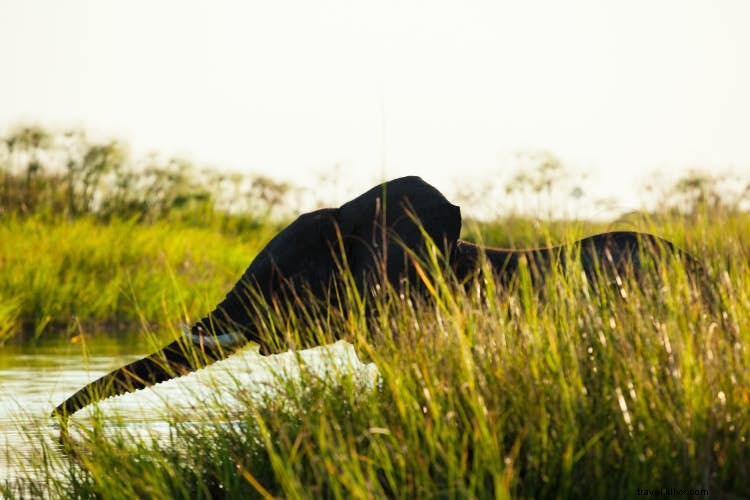
The Okavango supports 164 mammal species, 157 reptiles, and 540 birds. Predators like lions, leopards, cheetahs, and endangered wild dogs coexist with vast herds of wildebeest, buffalo, zebra, and antelope. It hosts nearly half of Africa's elephants during floods, and rhinos are being reintroduced for protection.
Shaped like an outstretched hand on maps, the 'Panhandle' (70km strip from Shakawe) offers affordable fishing camps like Nxamaseri (nxamaseri.com) and Drotsky’s Cabins, plus houseboats such as Kubu Queen (kubuqueen.com) amid bird-filled riverine forests. Moremi Game Reserve covers 40% of the delta, including Chief's Island—a 1,000 sq km predator haven with the Big Five.
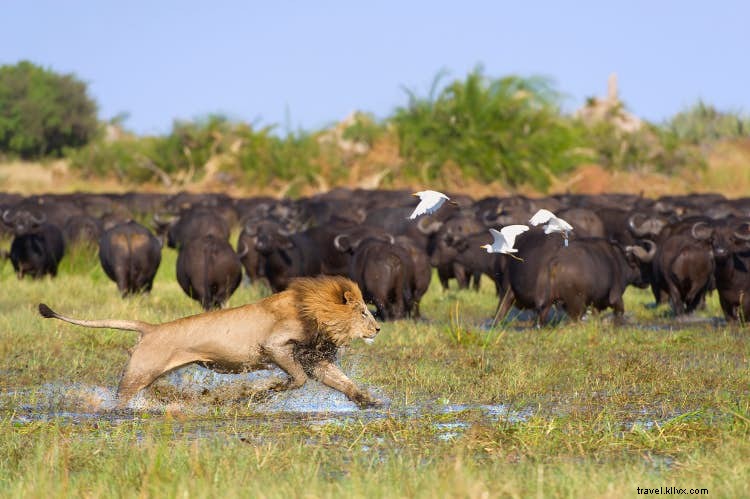
The remaining delta spans 18 private or community-run concessions, each limited to 1-6 unique camps. Top 'wet camps' for water activities like serene mokoro (dugout canoe) excursions include Jao Flats, Kwara Concession, and Xigera Camp in Moremi. For land-based game viewing, try 'dry camps' like Vumbura Plains, Chitabe Camp (wilderness-safaris.com), Kwara, and Duba Plains, renowned for lion hunts.
Unique options: walking safaris at Footsteps Camp (Shinde) and Motswiri Camp (Selinda South); horseback at Macatoo Camp (Abu) and Motswiri.
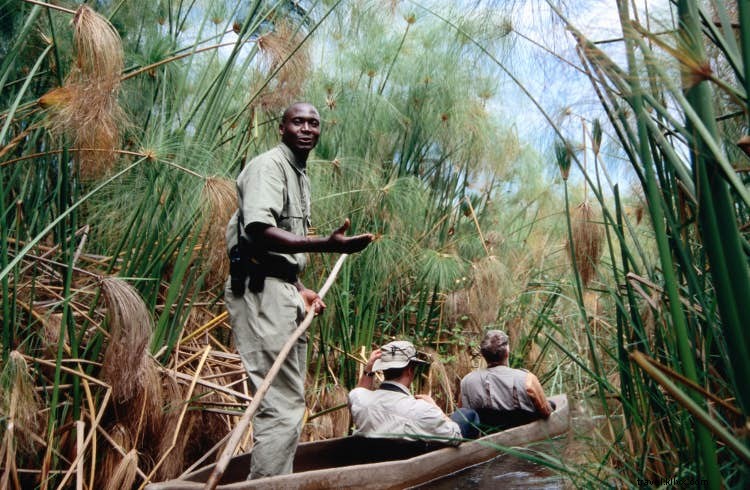
Best Time to Visit
A year-round gem, the delta peaks during July-September floods in the dry season.
January-April: Low season with ~30°C temps and rain. Migrants disperse, but sightings impress. Water activities limited to permanent channels; discounts up to 40%.
May-June: Floods arrive, starting in Panhandle. High grass in May reduces visibility.
July-September: Peak season: 20-30°C, clear skies, massive herds, excellent visibility. Floods progress northwest to southeast; fishing peaks August-October.
October-December: Heat rises to 35°C+; floods recede, rains return. Birthing season begins with resident wildlife.
How to Plan Your Trip
Maun, at the delta's southeast tip, is the primary gateway; Kasane serves from Chobe/Victoria Falls. Book camps early via research, as they fill quickly—aim for 2-3 in varied areas.
Access: Light aircraft from Maun offer stunning views. Overland: 2-hour 4WD drive to Moremi south gate (roads sandy/muddy). Rainy season (Nov-Mar) may close self-drive; check ahead or opt for mobile safaris from Maun.