
Discovering the Otherworldly Landscapes of Chile's Atacama Desert: A Photo Essay
The first glimpse of the Atacama Desert came as we crossed the Andes via the 4,300-meter (14,100-foot) Jama Pass from Argentina into Chile. The 10-hour journey from San Salvador de Jujuy to San Pedro de Atacama wound through vast emptiness, tackling 72 grueling switchbacks before a steep, straight descent. At 2,300 meters (7,500 feet), the barren plateau stretched endlessly. San Pedro de Atacama lies near Chile's borders with Bolivia and Argentina. Join me on this visual journey through the desert:
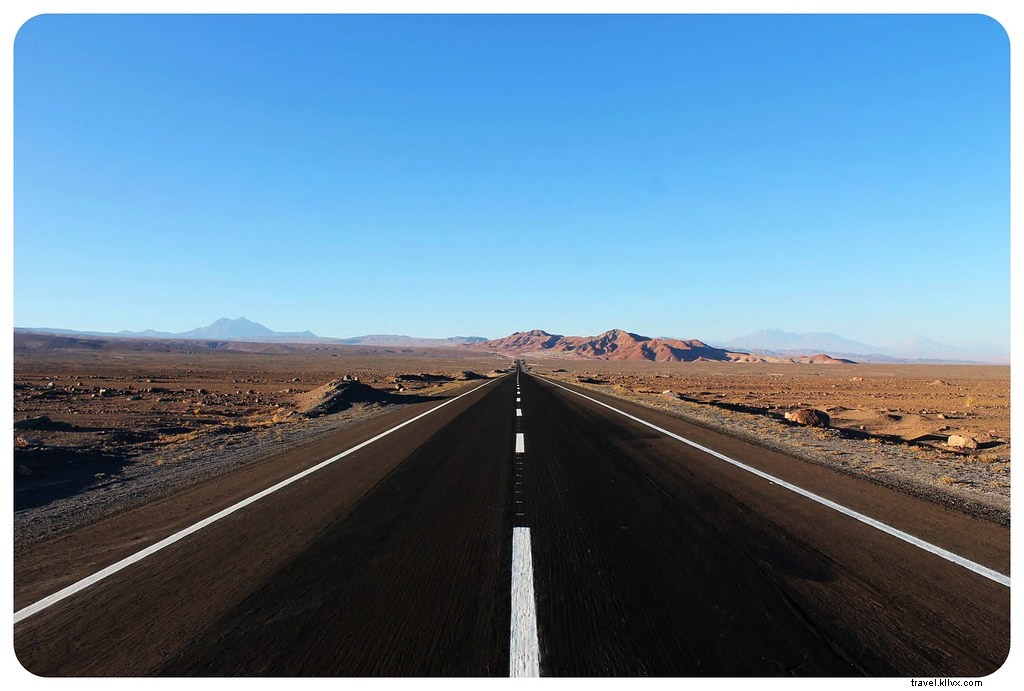 Stretching 1,000 kilometers (600 miles) across northern Chile, the Atacama is the world's driest desert—sparsely populated and strikingly desolate.
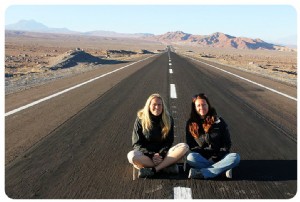
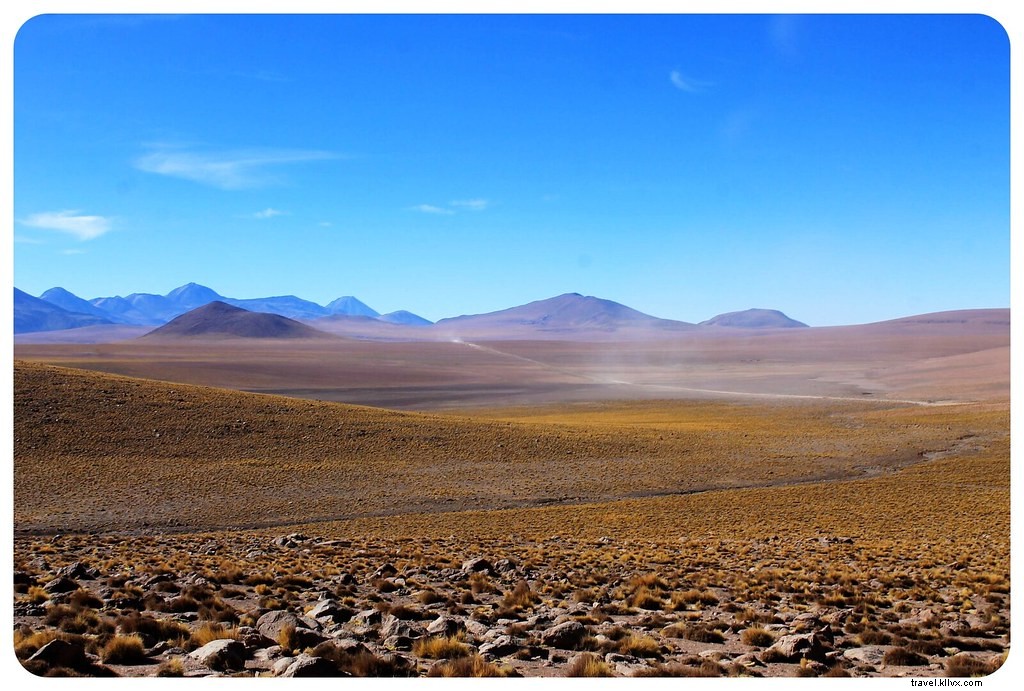
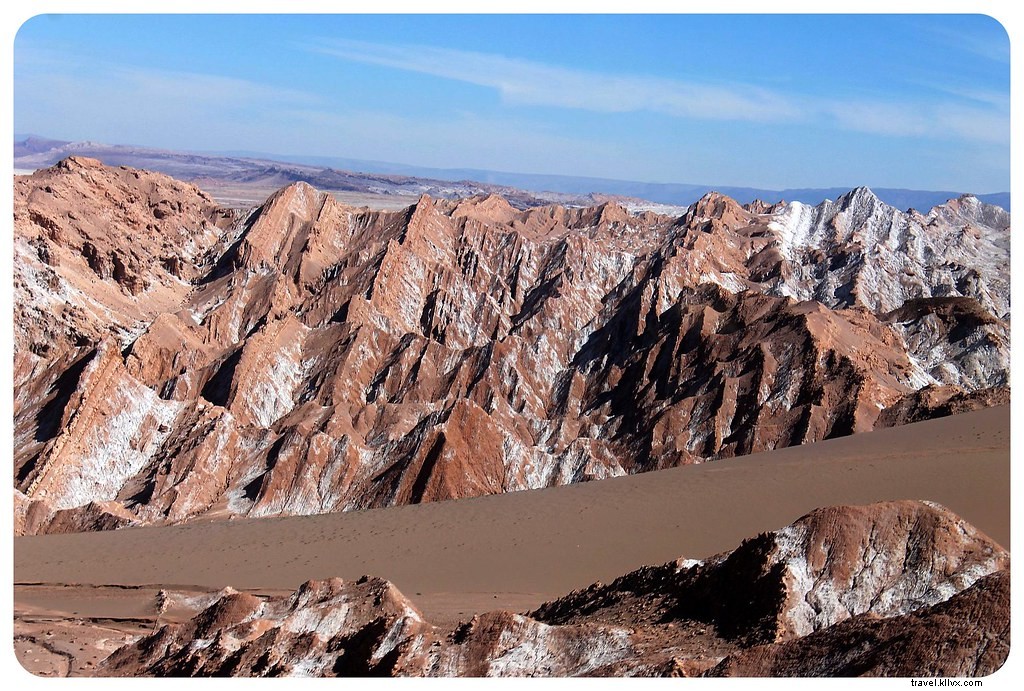
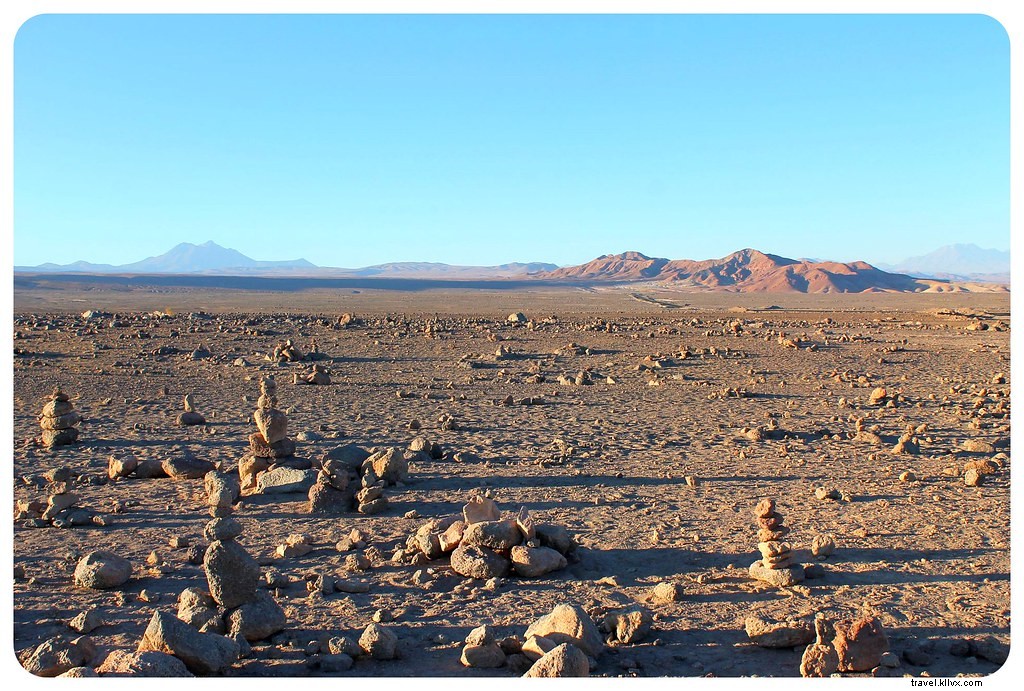 This harsh yet mesmerizing terrain evokes Mars' surface. 'Otherworldly' is the only fitting description.
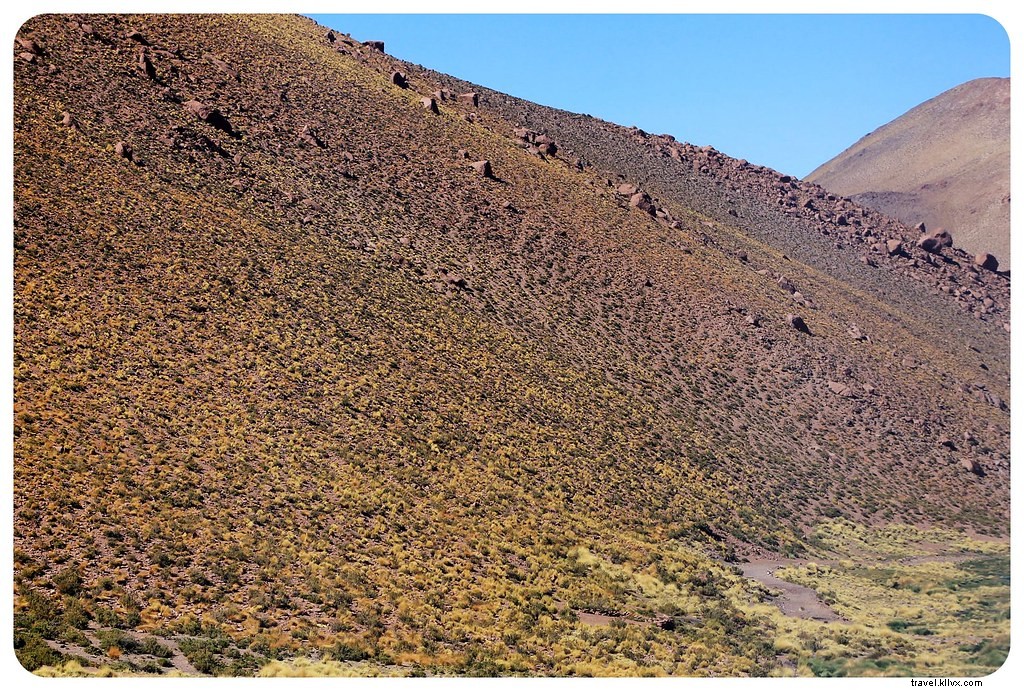
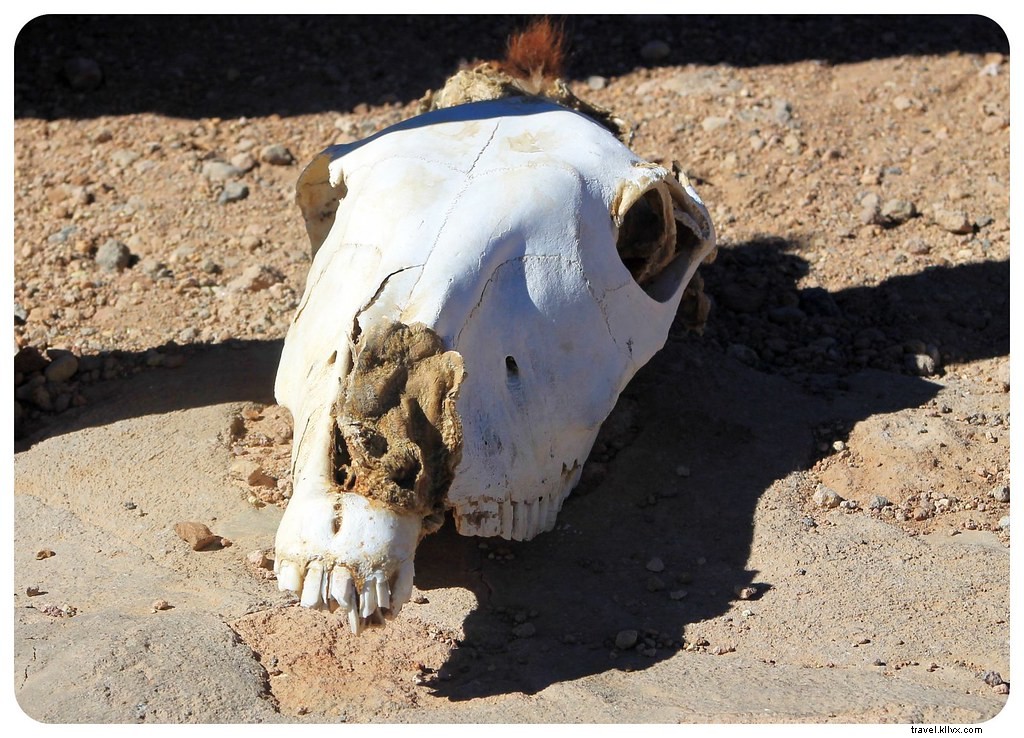
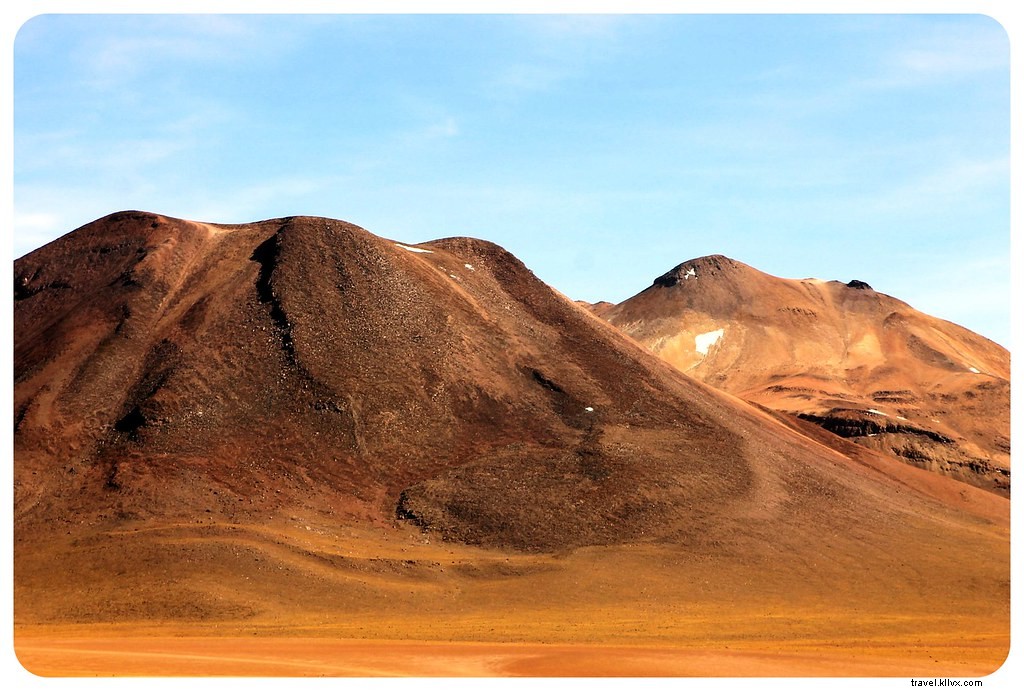 Occasional dry shrubs dot the landscape, but rocks and gravel dominate.
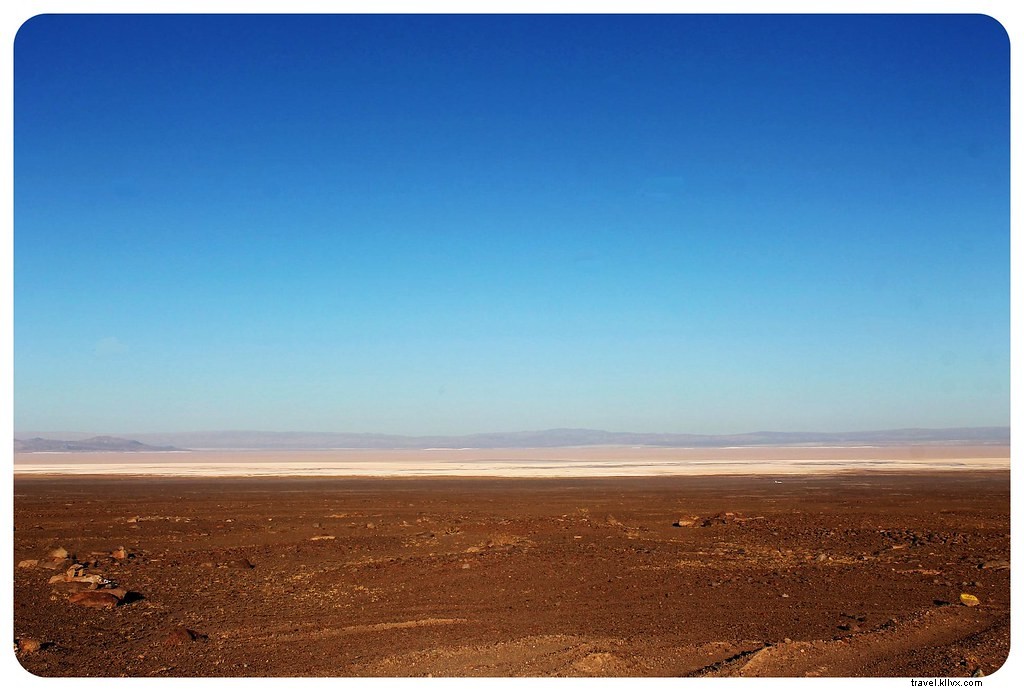 Descending the steep road, signs of life seemed nonexistent amid the lunar vistas.
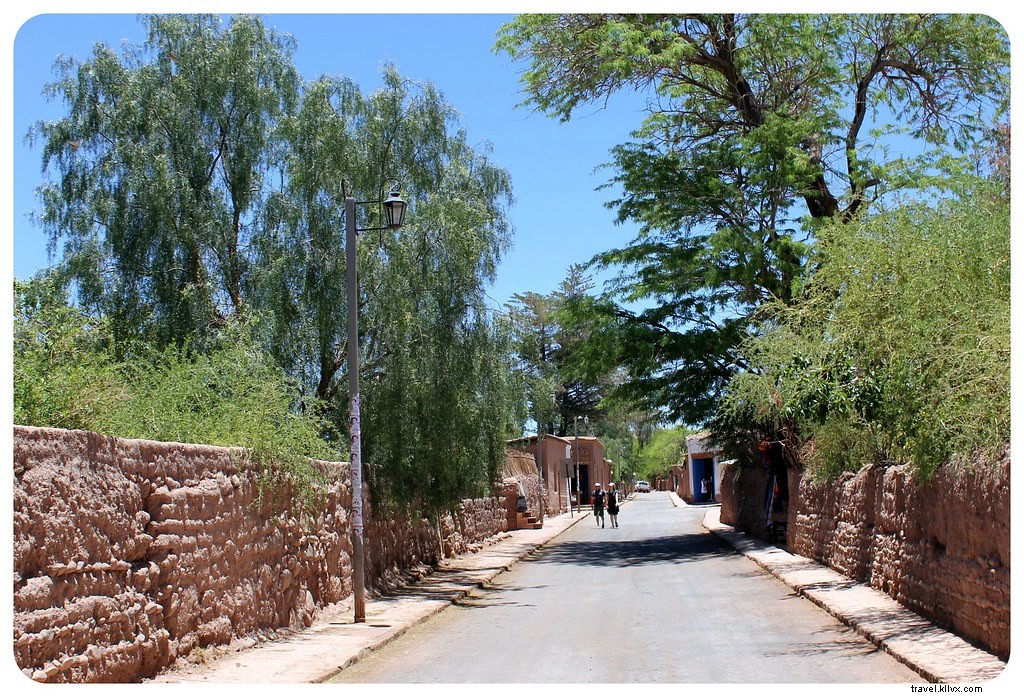
 San Pedro surprised us with its greenery—a verdant oasis amid desolation.
 Its population has doubled to 5,000 in the past decade, drawing global travelers and Chileans alike.
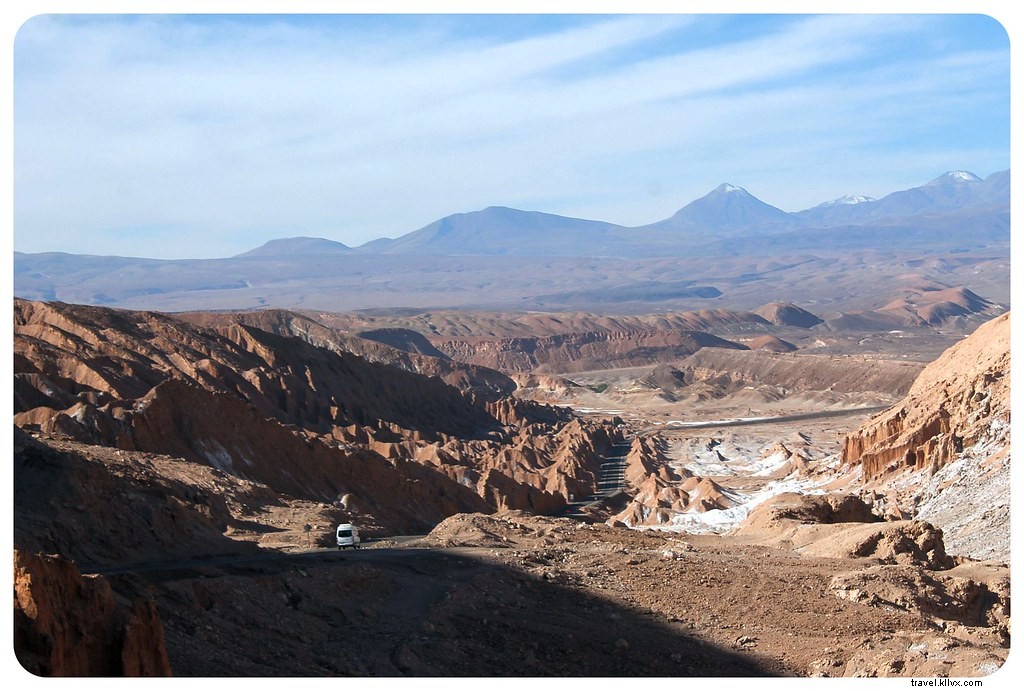
 Over several days, we uncovered lagoons, salt flats, moon valleys, geysers, and dunes beyond the barrenness.
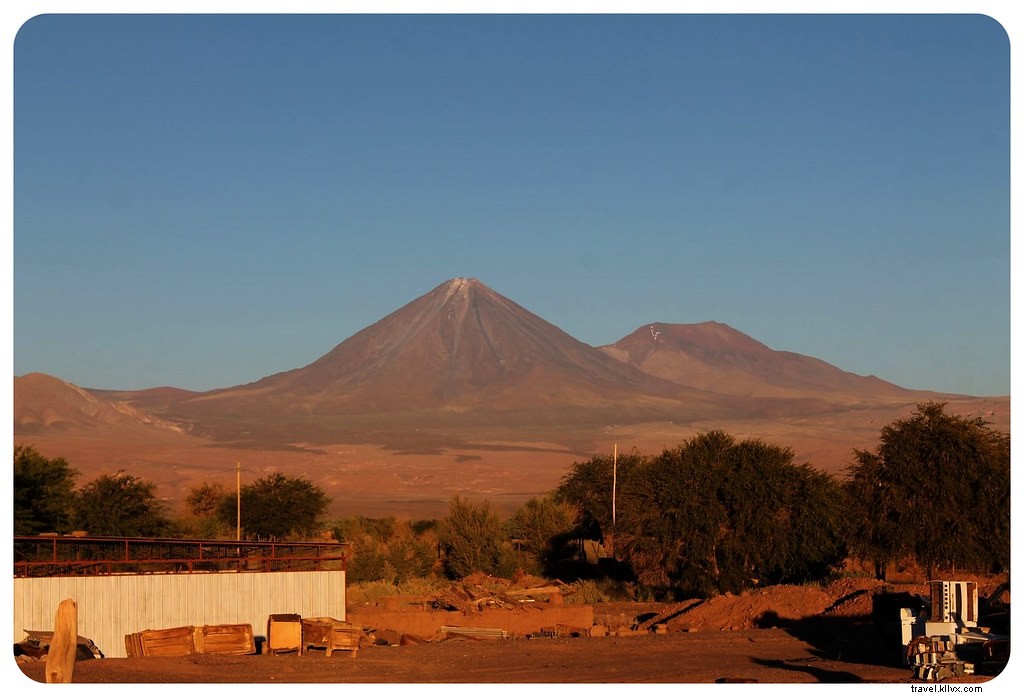
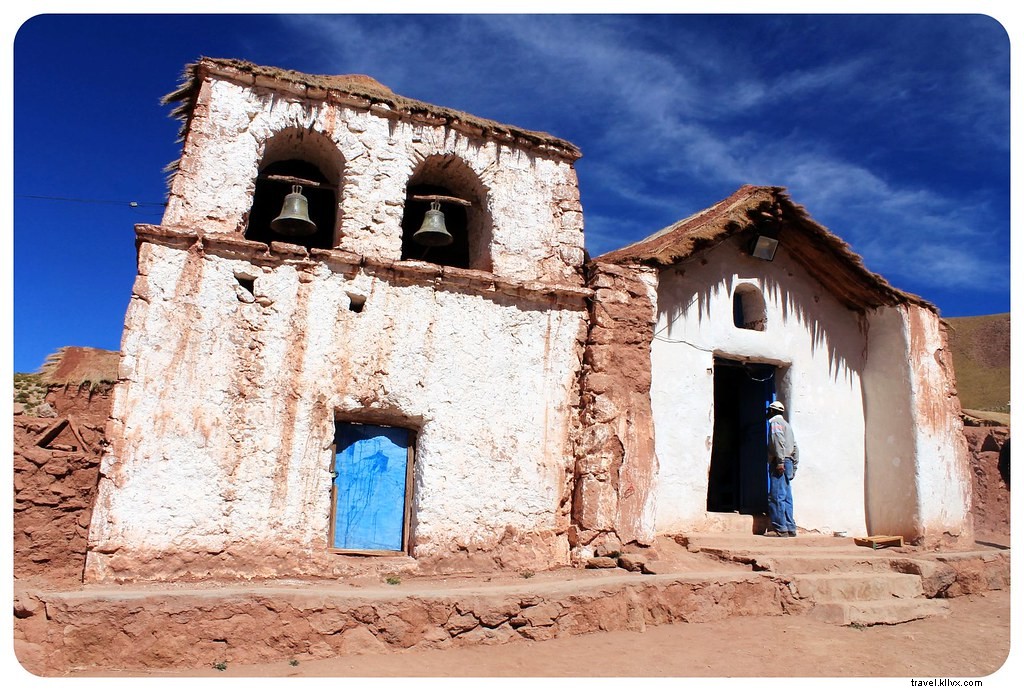
 Smoking volcanoes, canyons, hot springs, and volcanic-rock villages revealed surprising diversity.
 Much mimics Mars in appearance and aridity—some areas are so extreme, even bacteria struggle to survive.
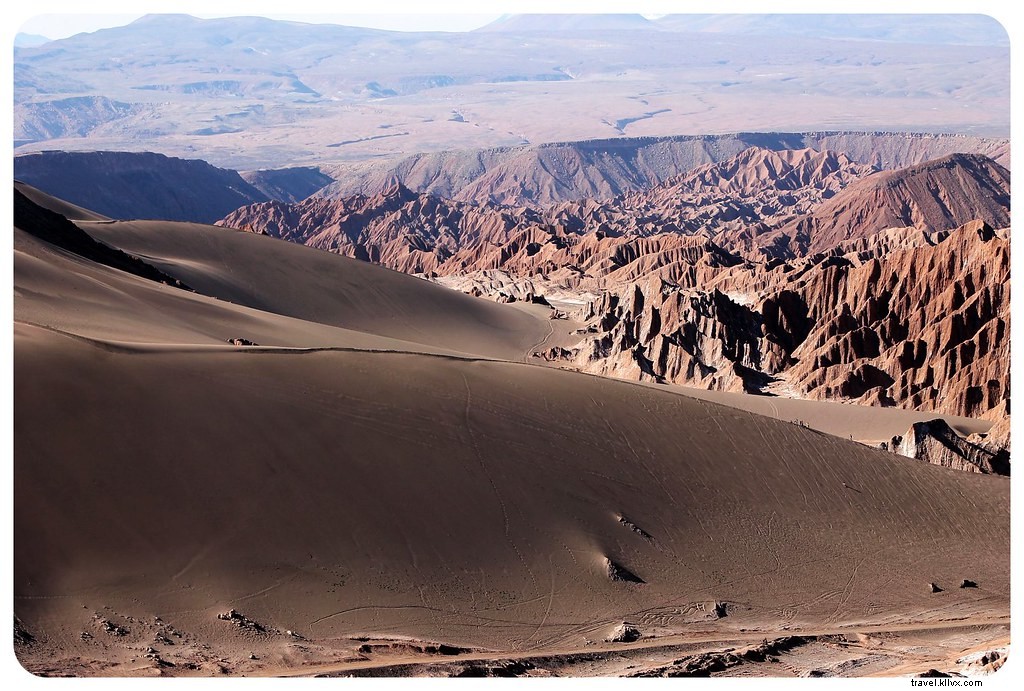 NASA trains here for Mars missions, testing rovers on this analog terrain.
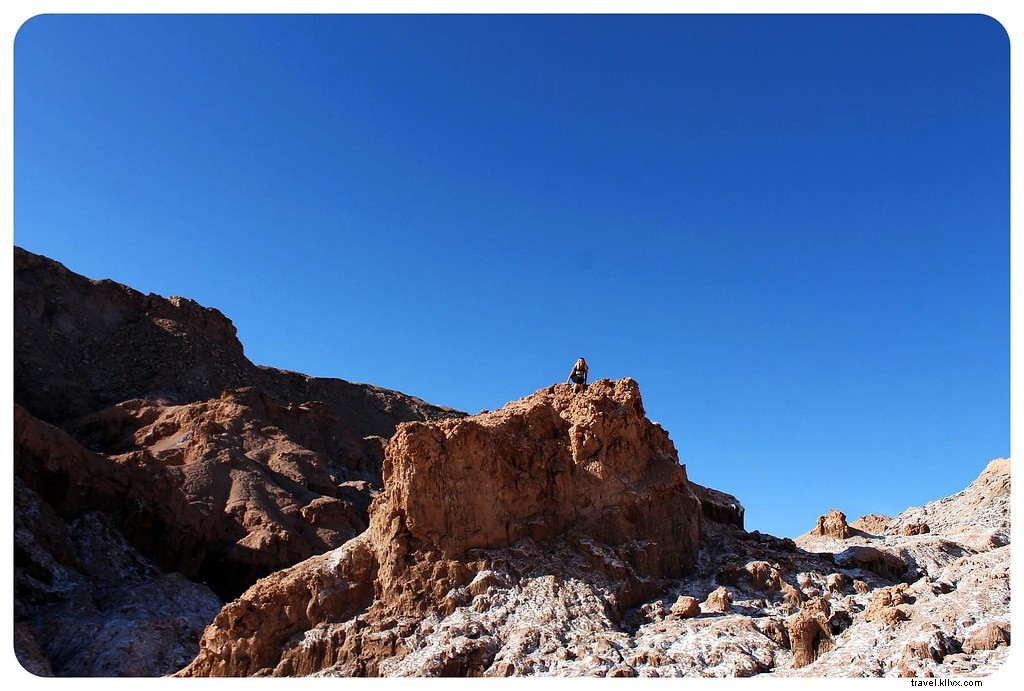
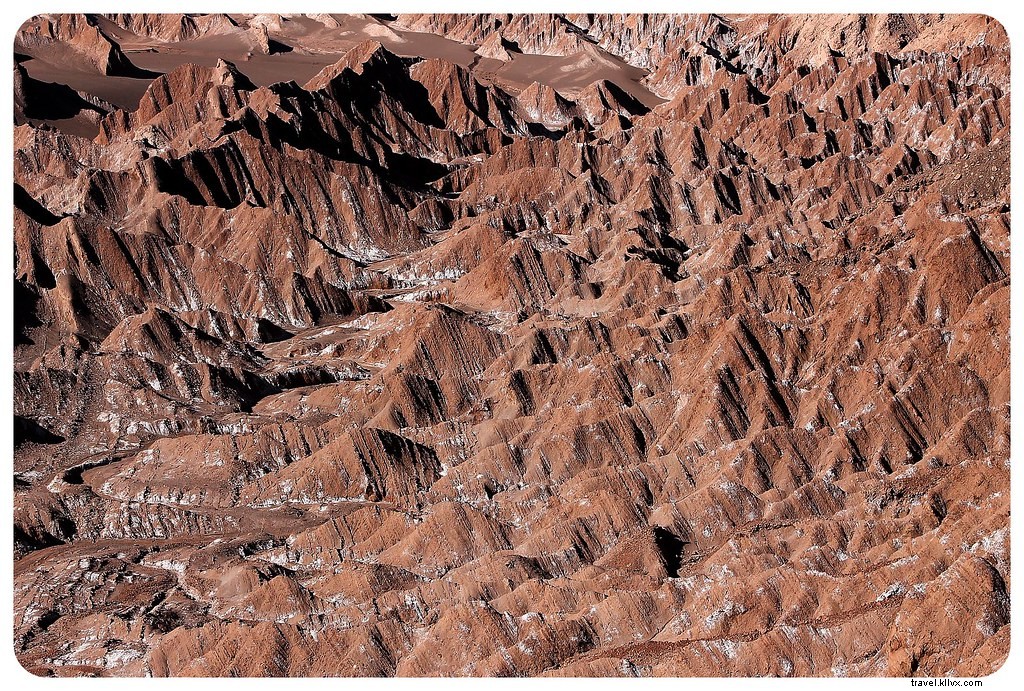 What appears as snow is salt in Valle de la Luna's dry lake beds near San Pedro.
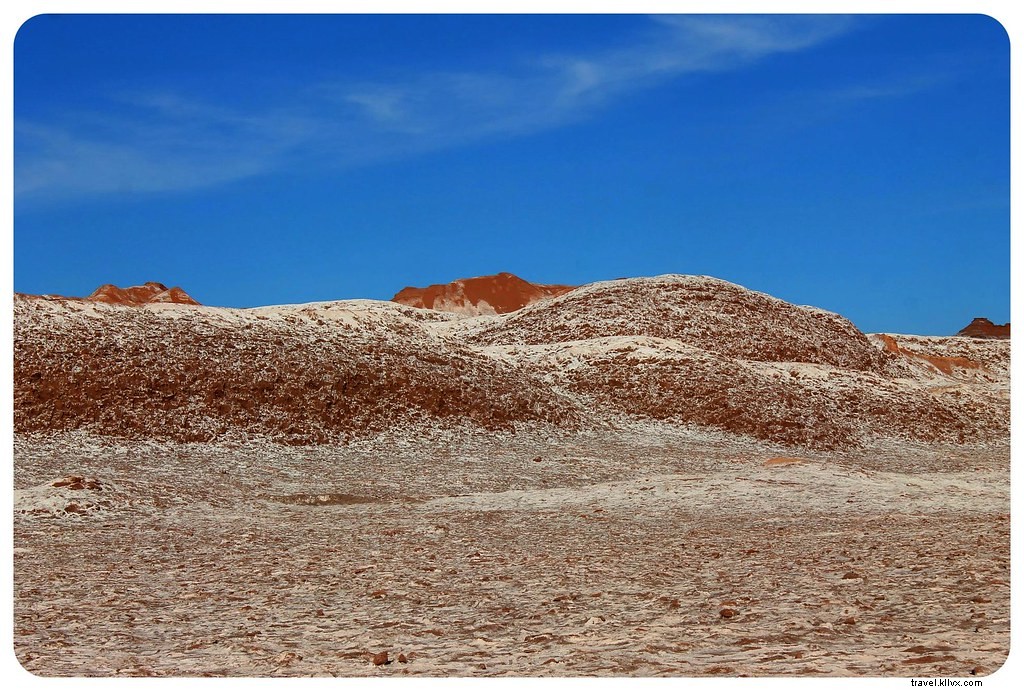
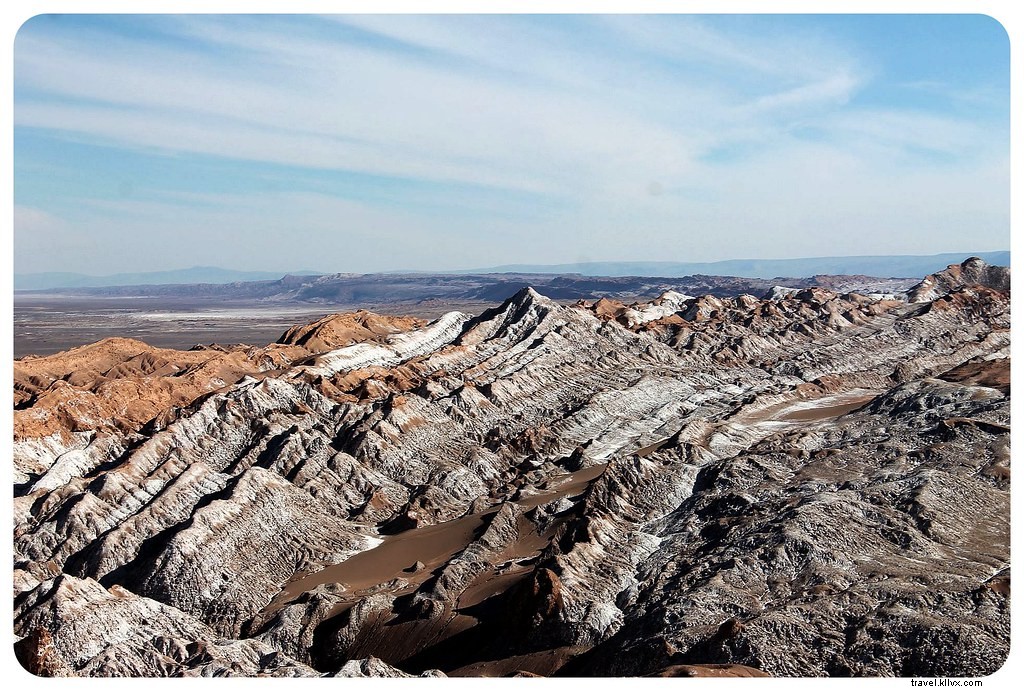 Wind-sculpted saline formations create natural statues.
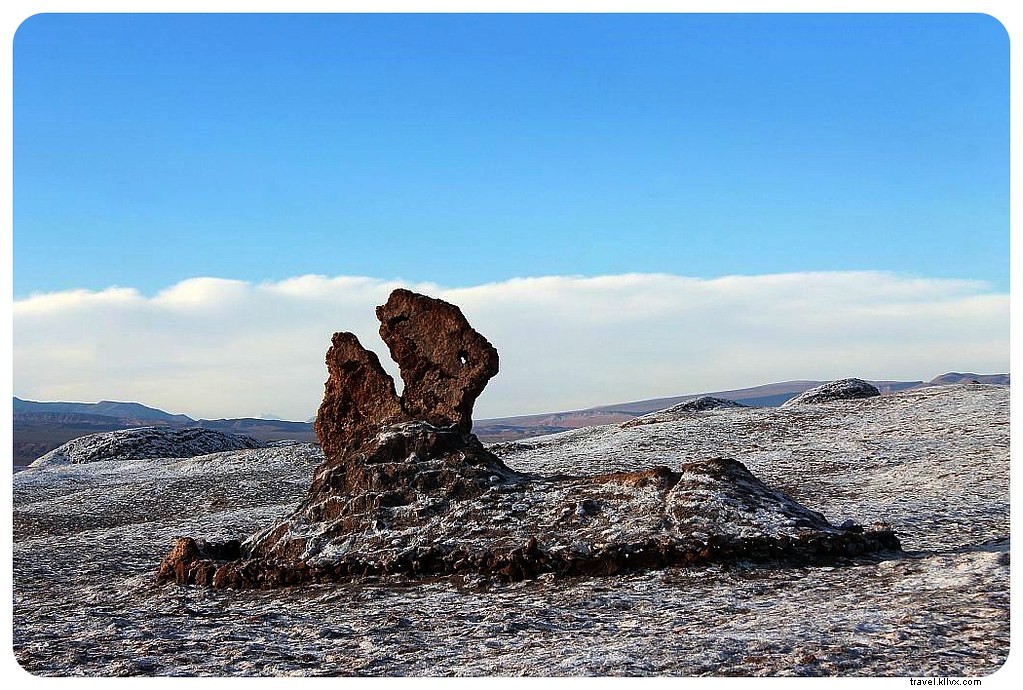 The Three Marías, a iconic salt-clay structure over a million years old, stands among them.
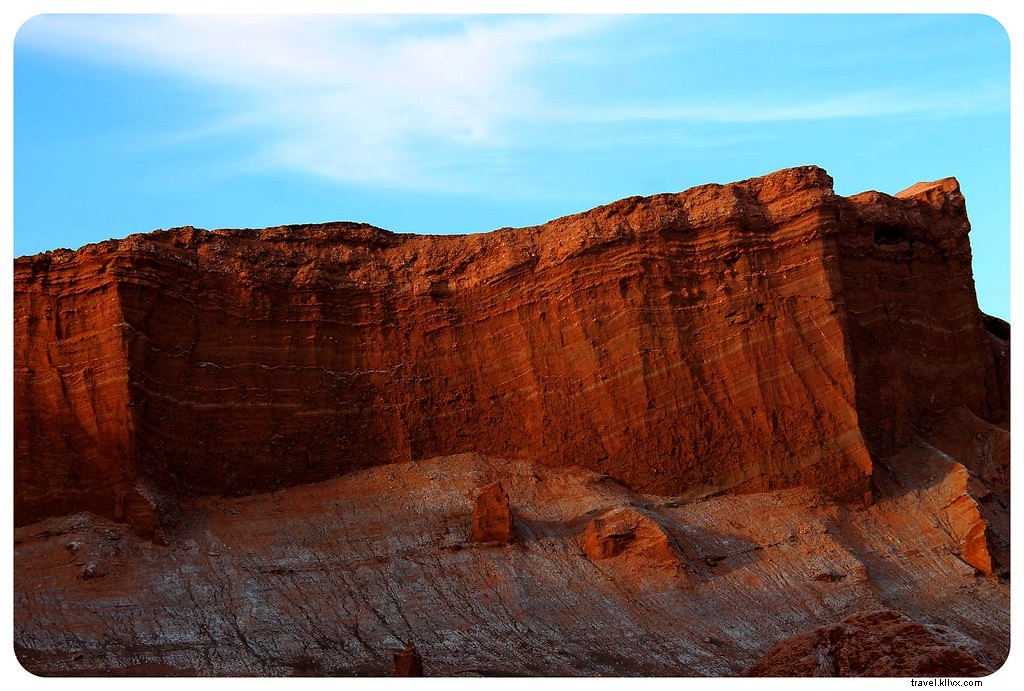
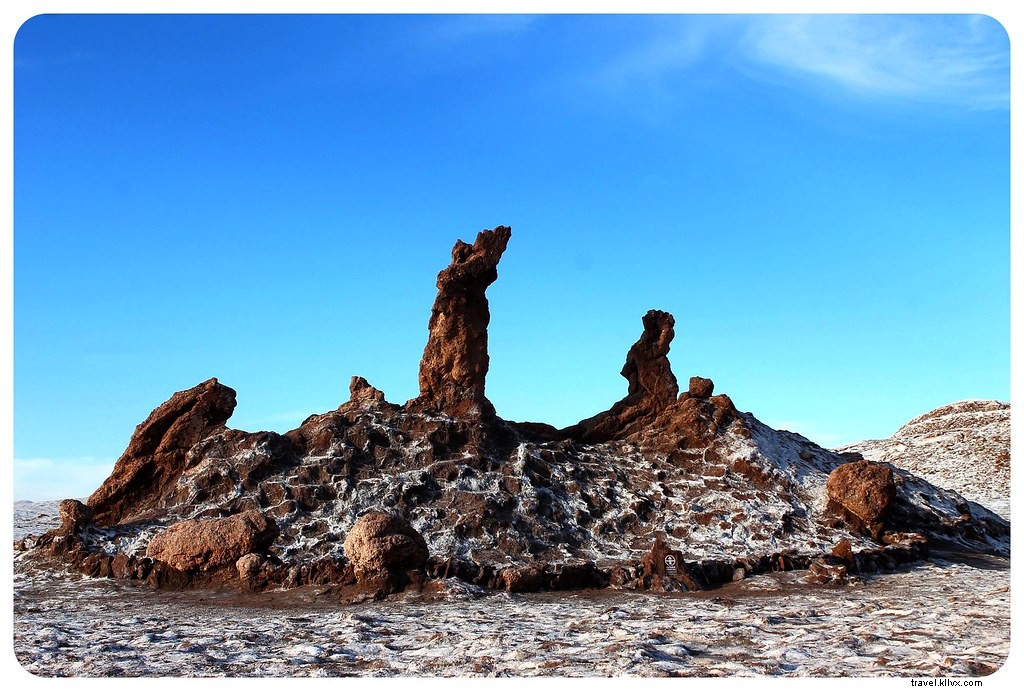 In Valle de la Muerte, red rocks gleam with salt from ancient eruptions.
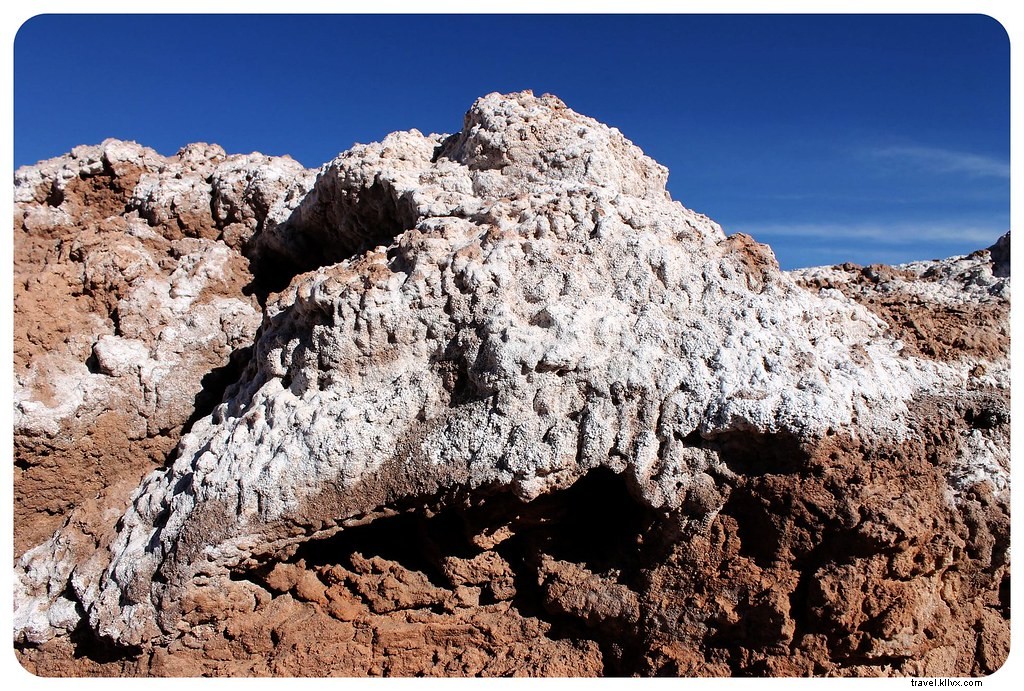
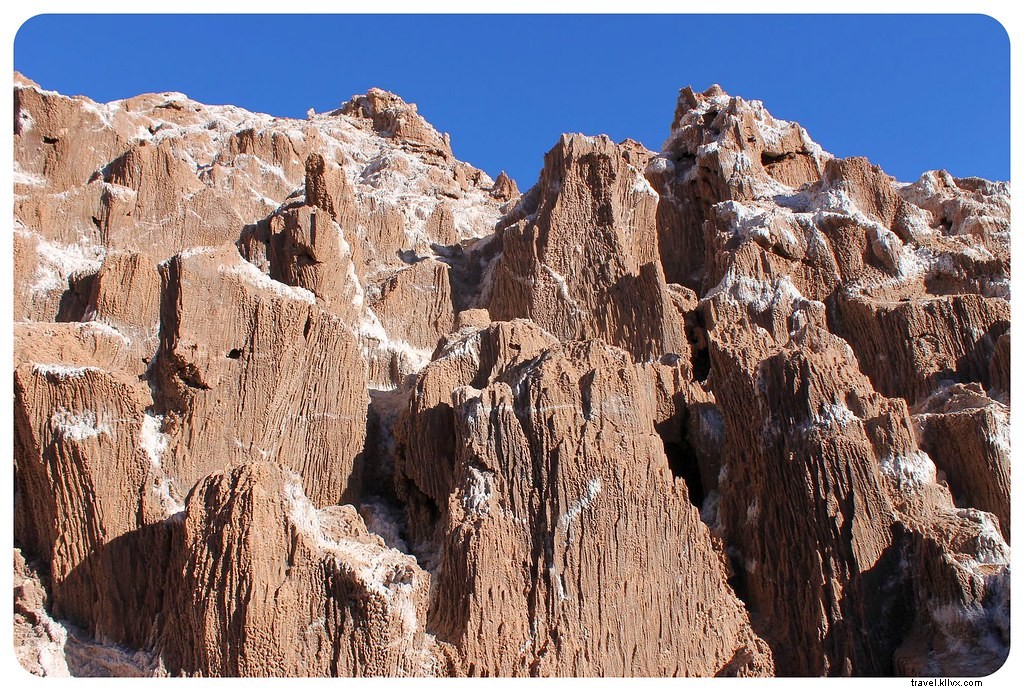 The Cordillera de la Sal features salt caves we explored.
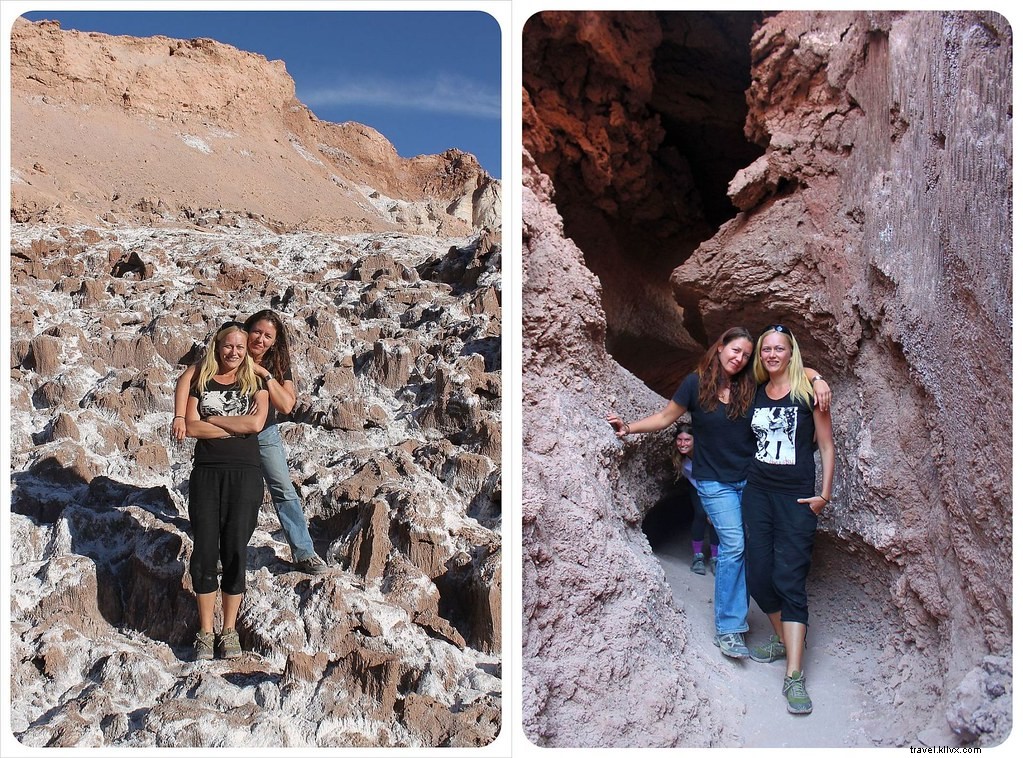
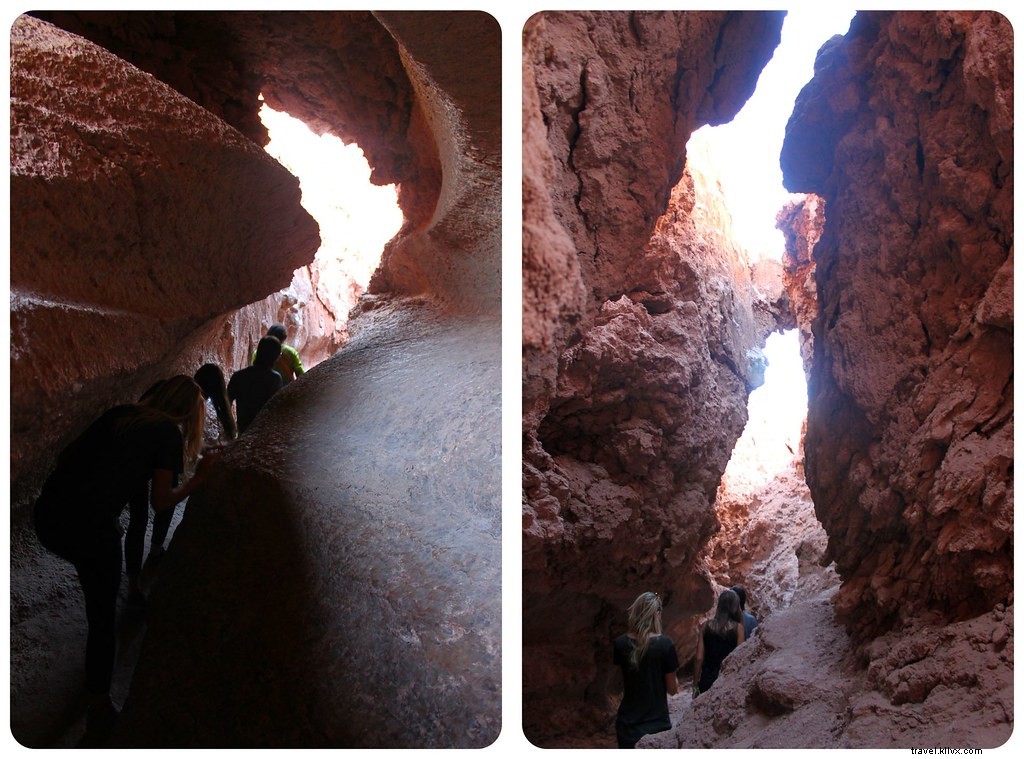 Visit Valle de la Luna and Death Valley at dusk for dramatic color shifts on dunes and peaks.
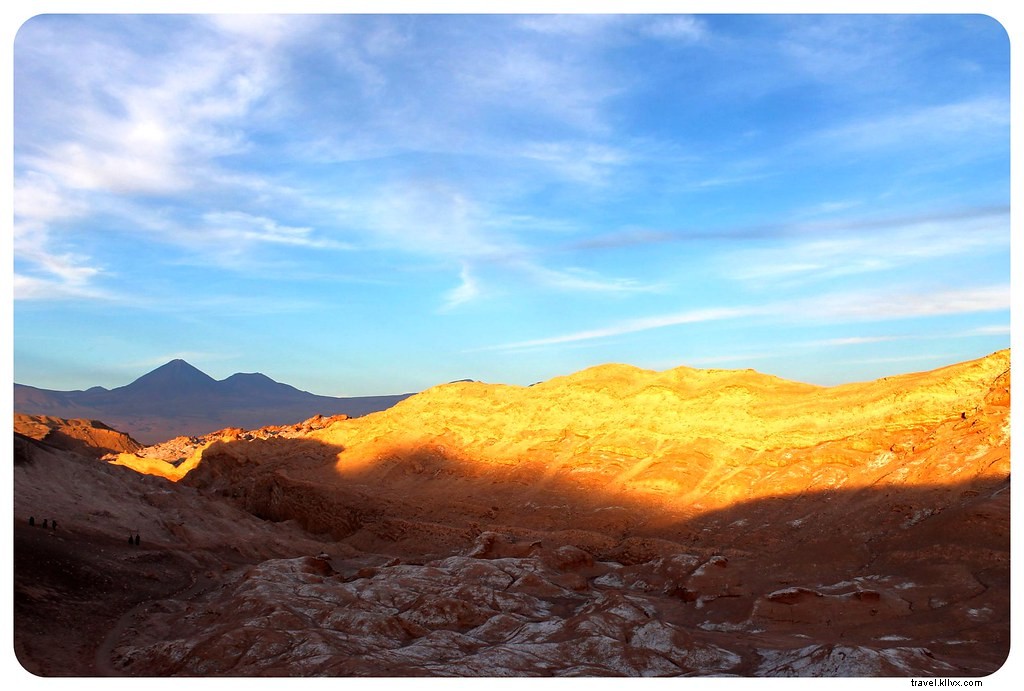
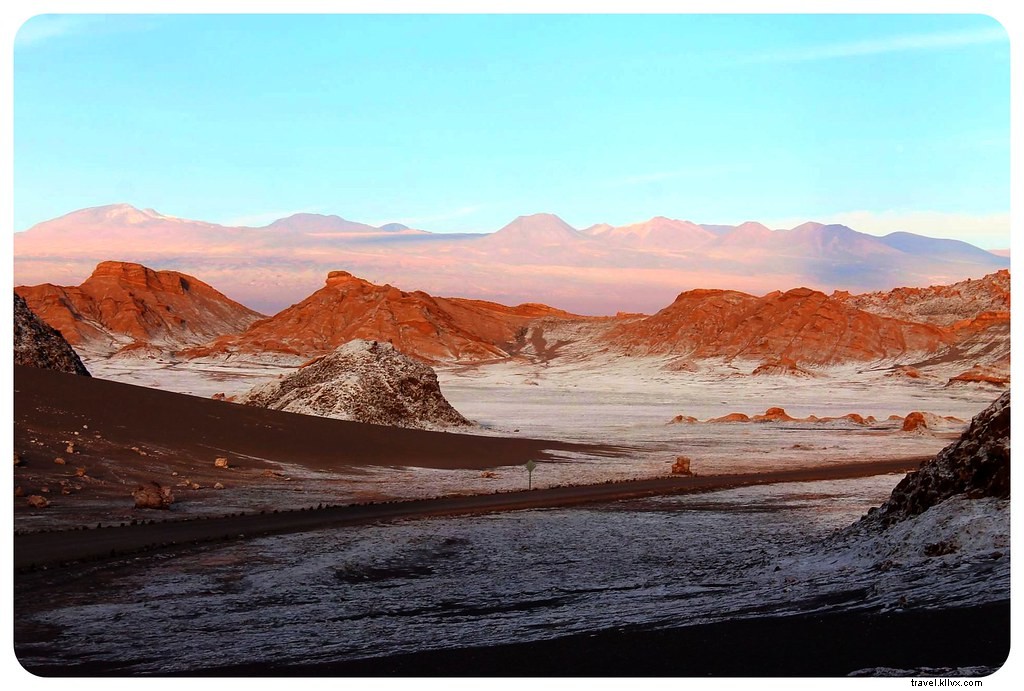
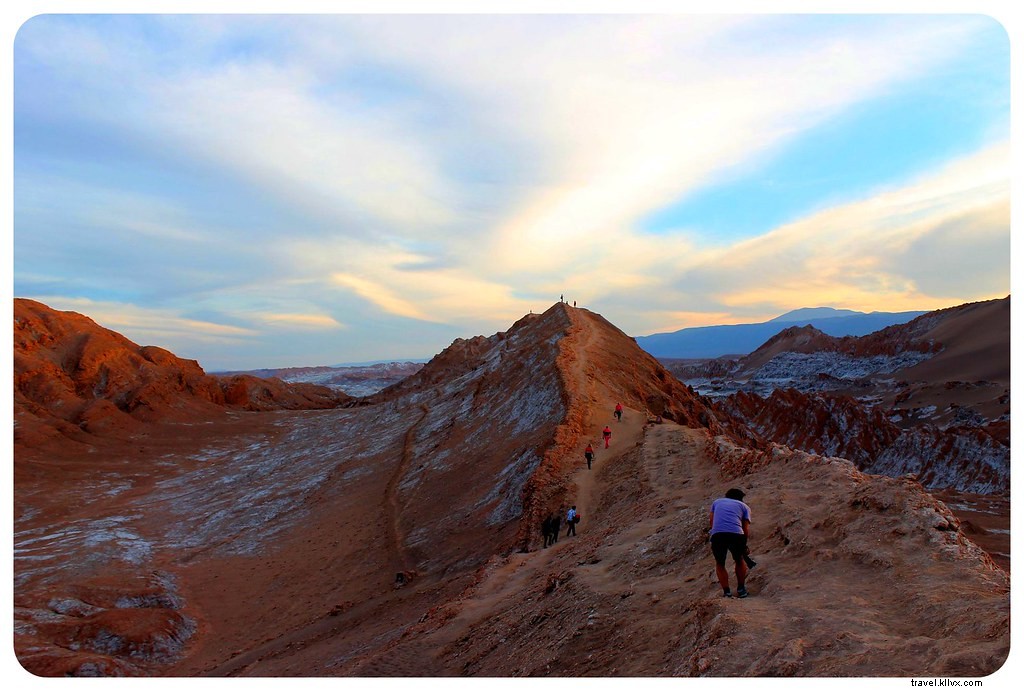 One tour transitioned from sands to volcanic lakes and flamingo-filled salt flats.
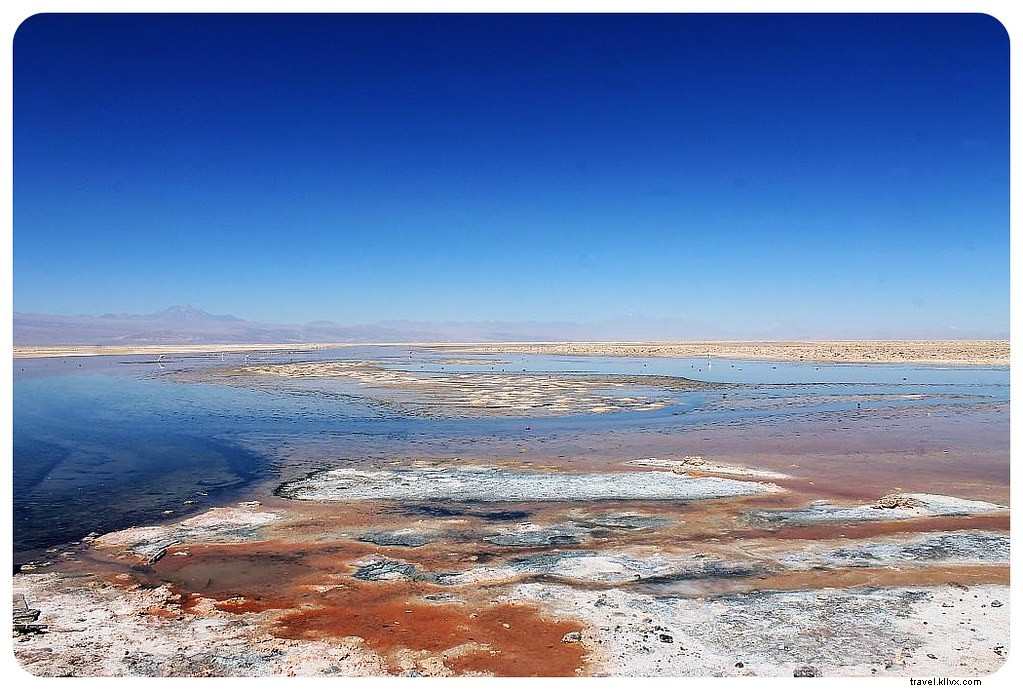
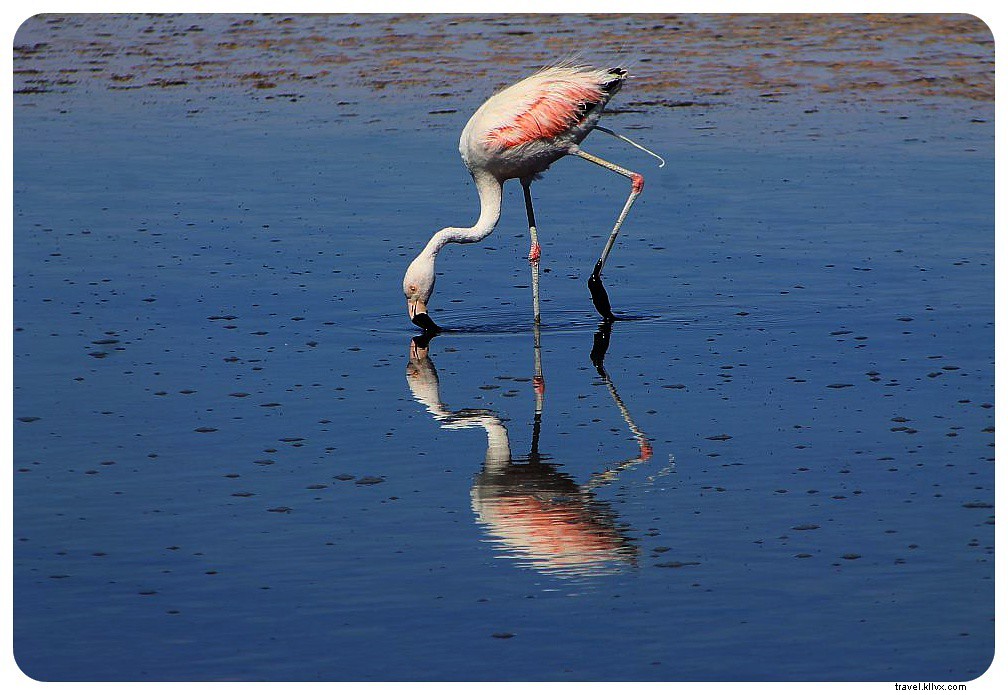 The Salar de Atacama, world's third-largest salt flat, teems with life unlike its blinding-white counterparts.
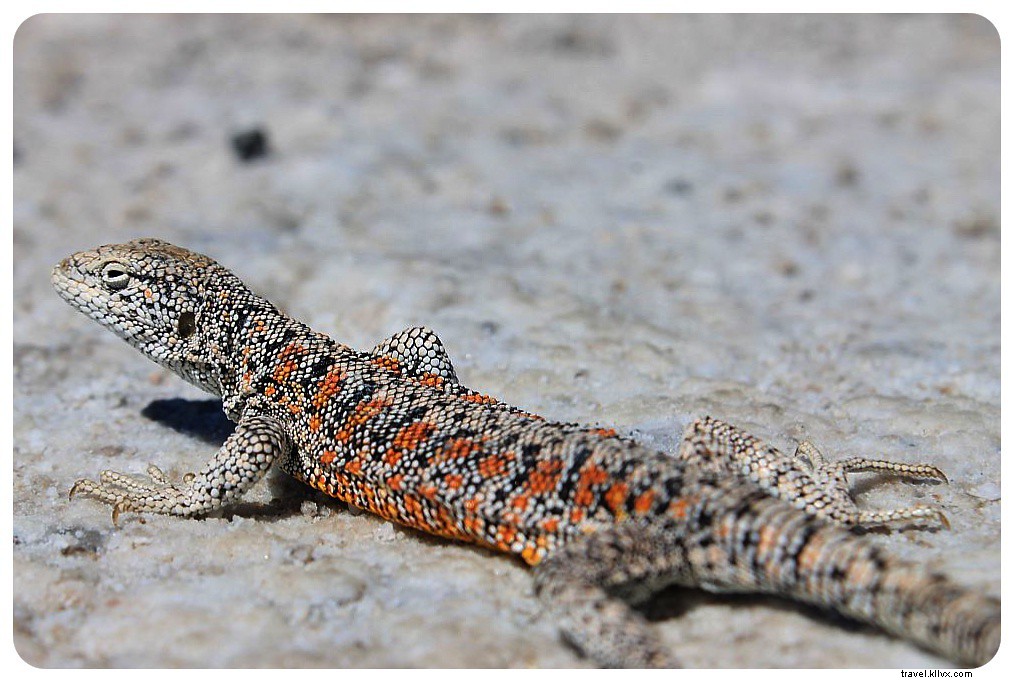
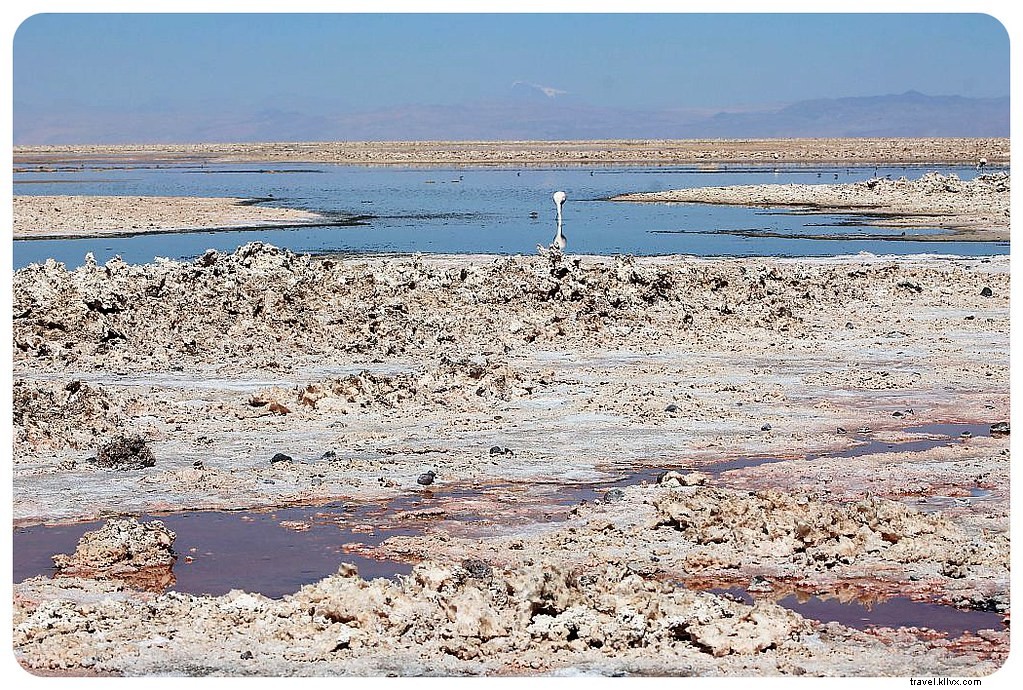 Flamingos, lizards thrive amid chunky salt boulders.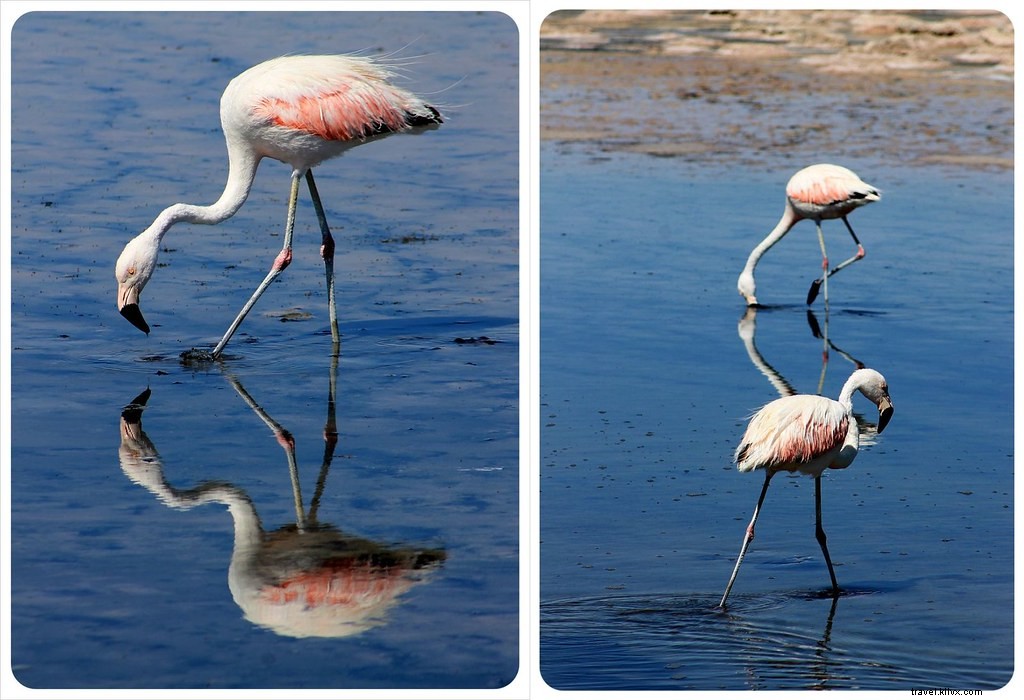
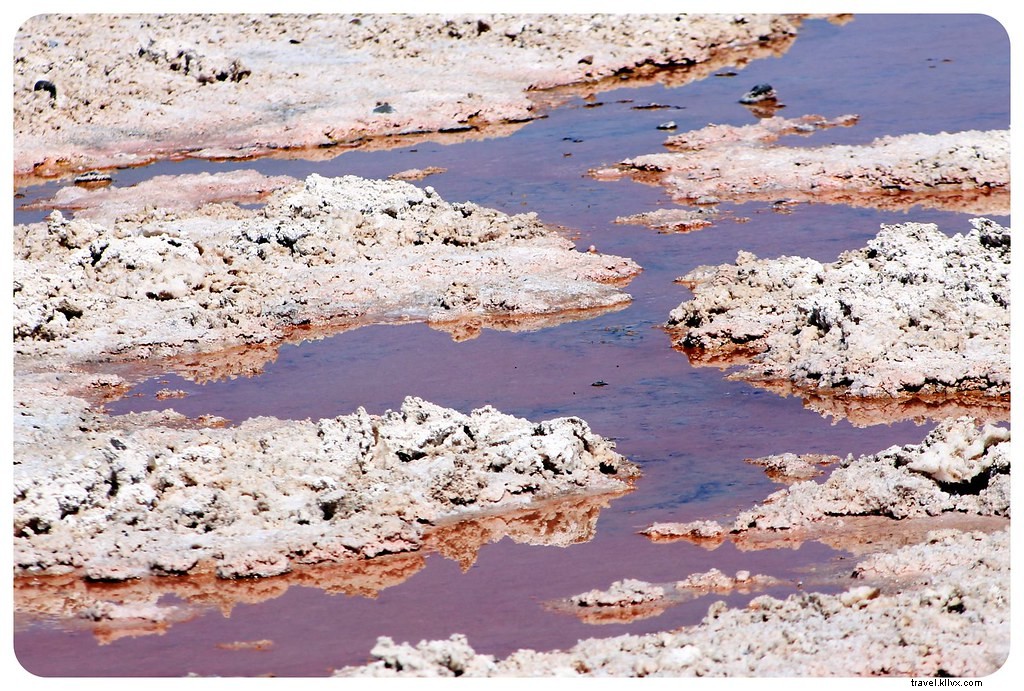
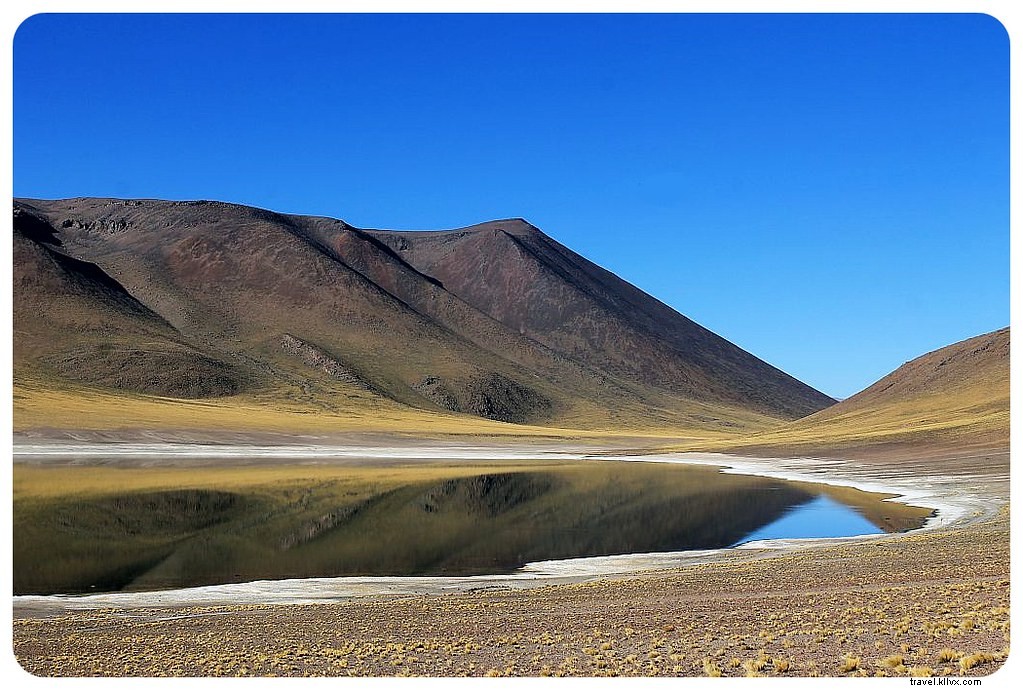
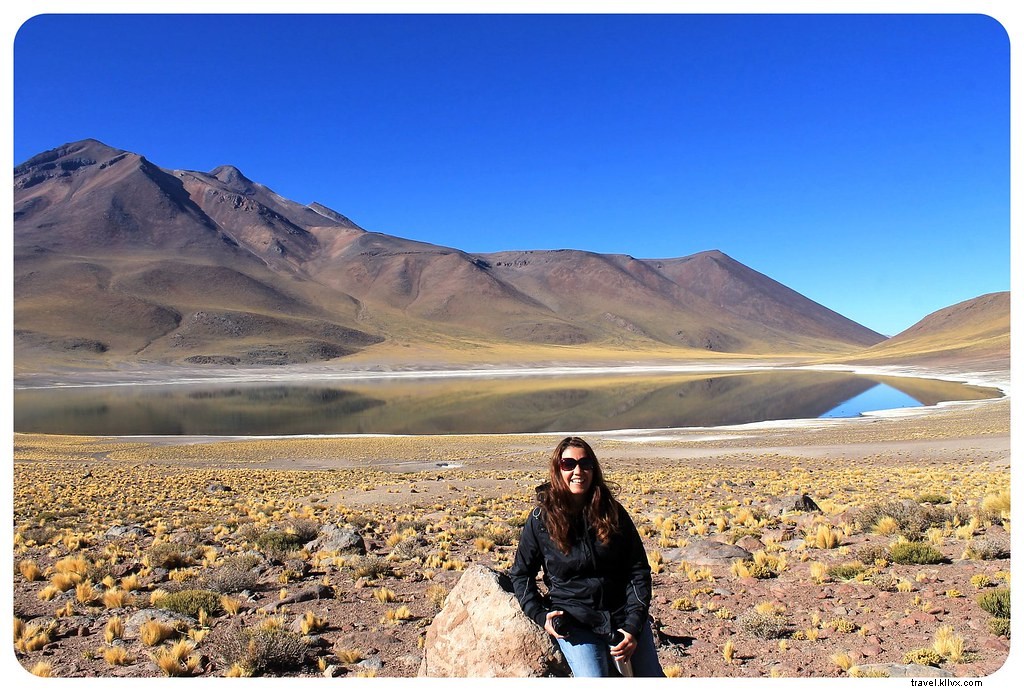
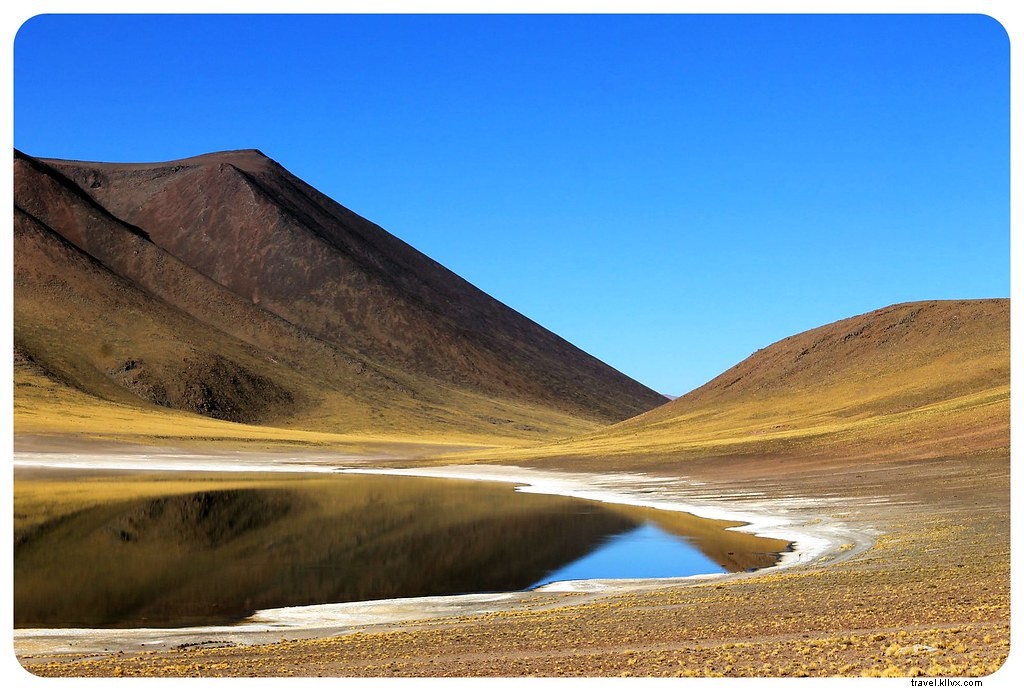
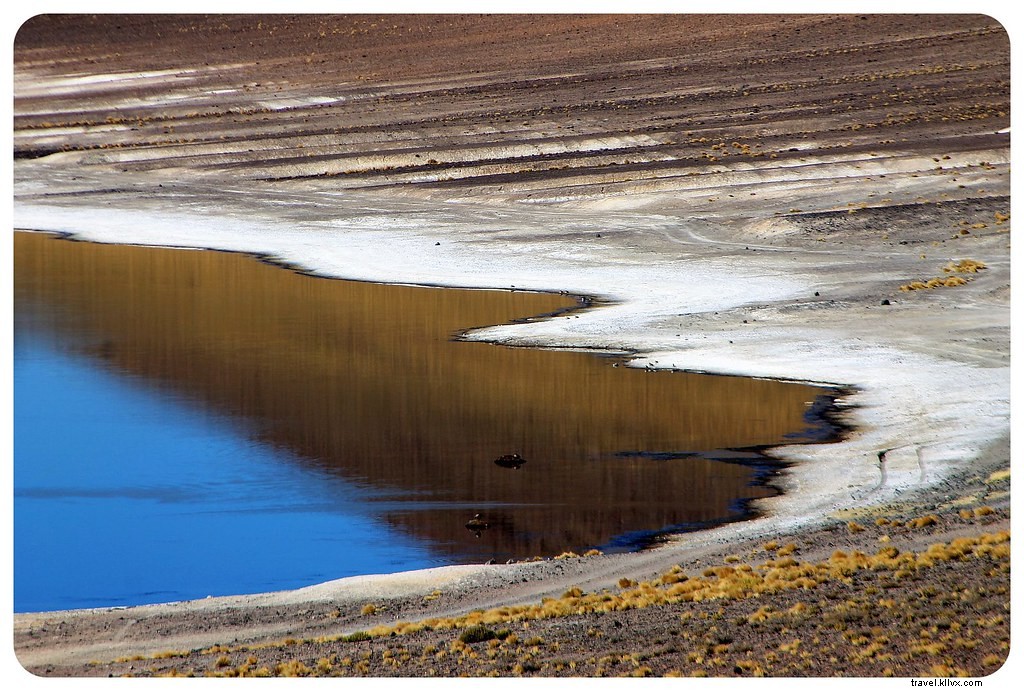
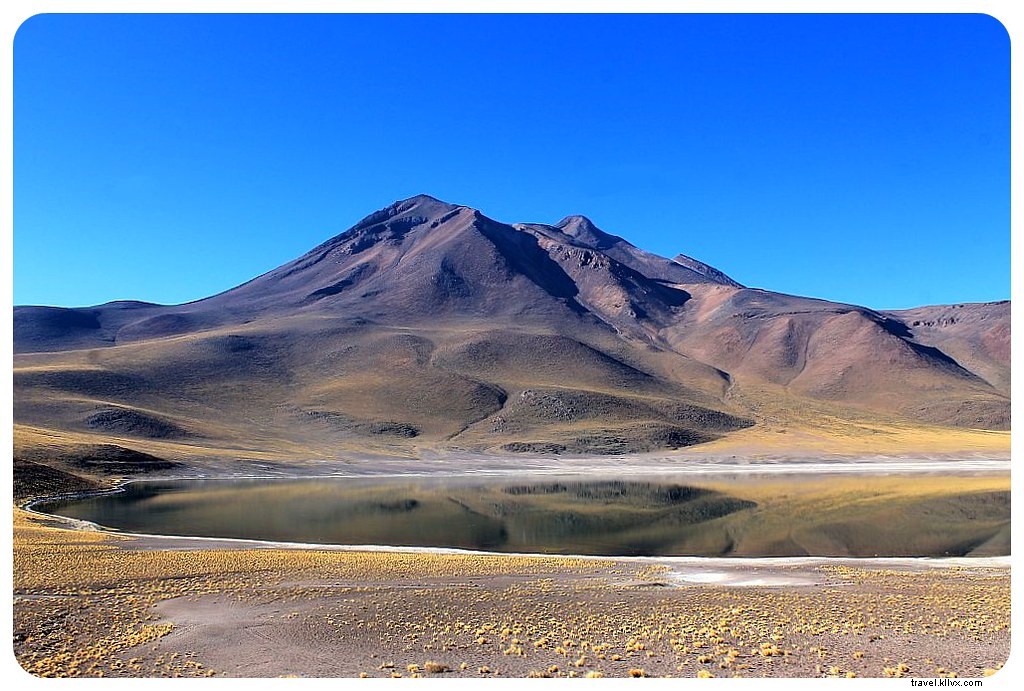
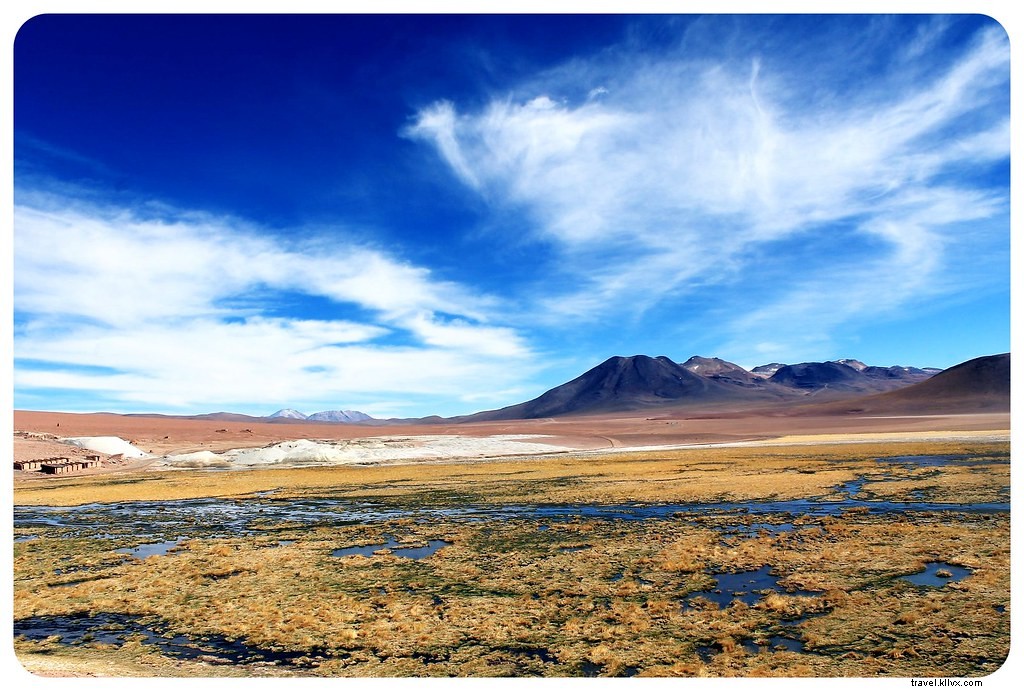
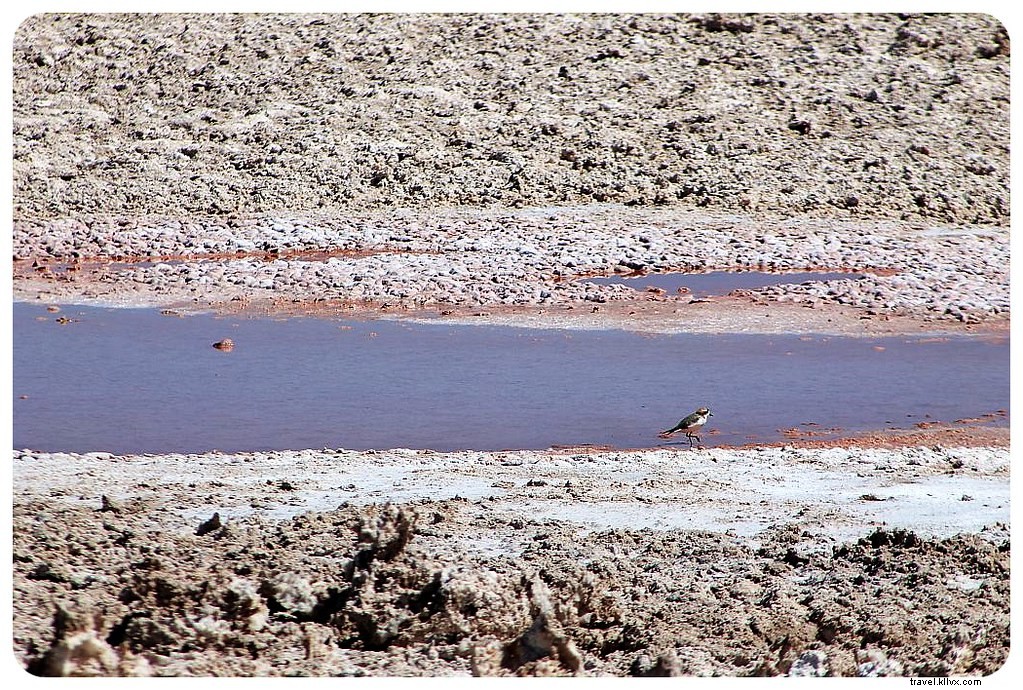 Laguna Miscanti and Miñiques at 4,200 meters (13,800 feet) offer vivid contrasts: blue waters, yellow grass, salt shores under azure skies.
 Over 300 cloudless days yearly make it a stargazing haven, hosting world-class telescopes.
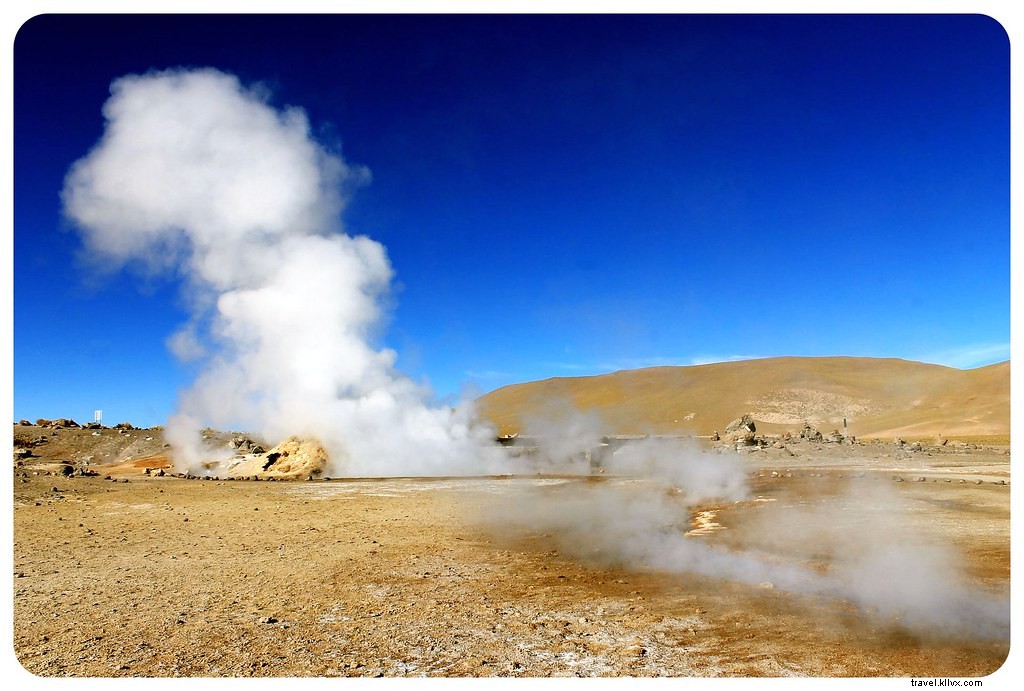
 El Tatio Geysers, at high elevation with 80 active vents, revealed steaming springs at dawn—the southern hemisphere's largest field.
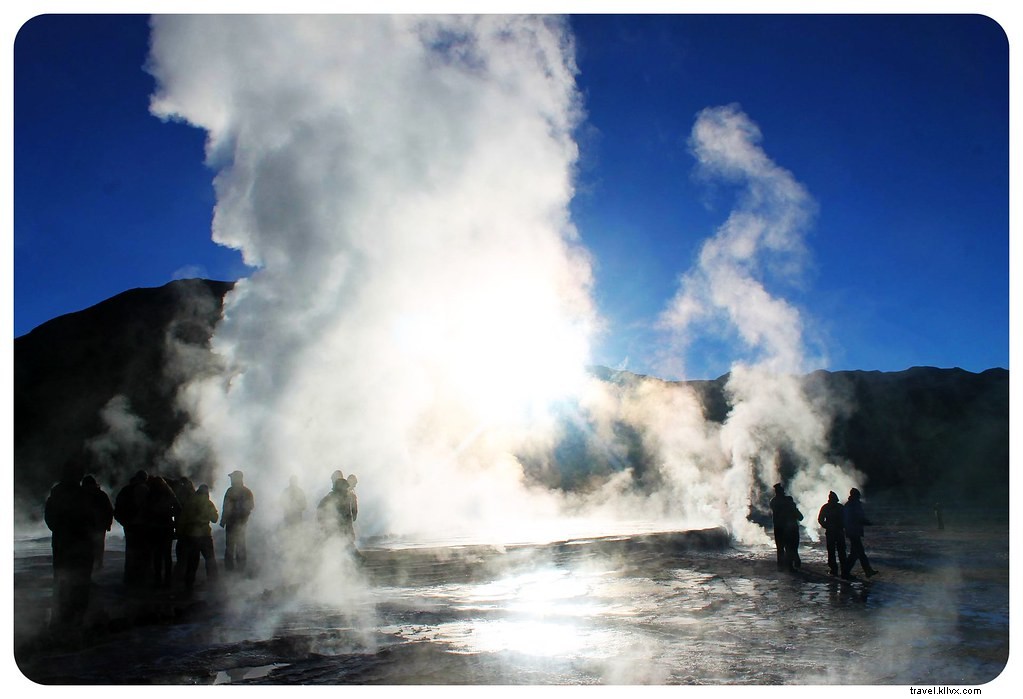
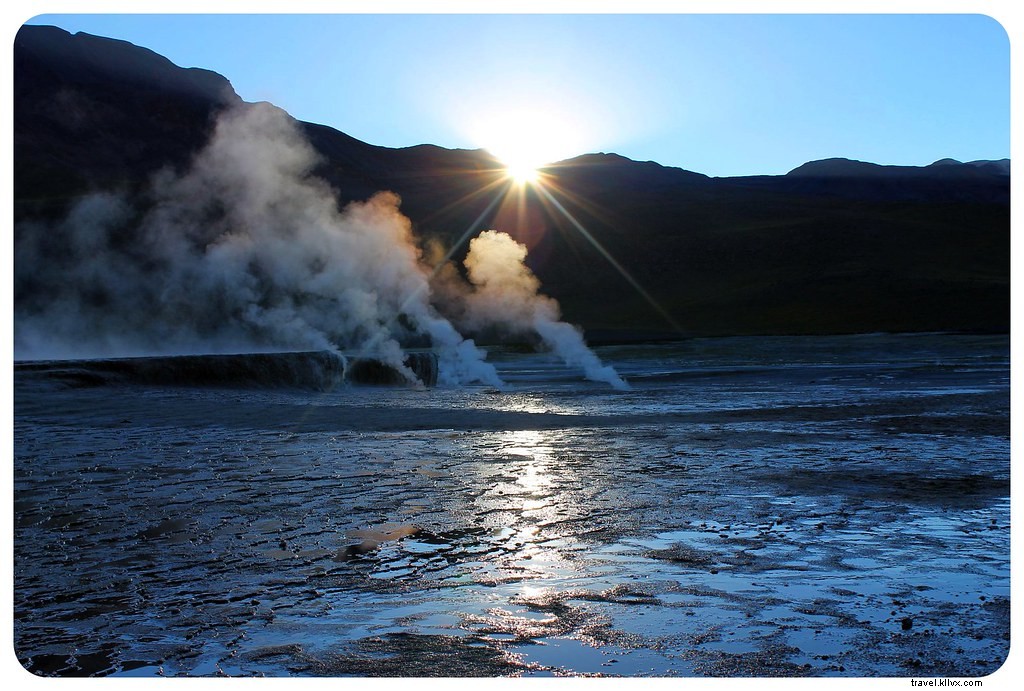
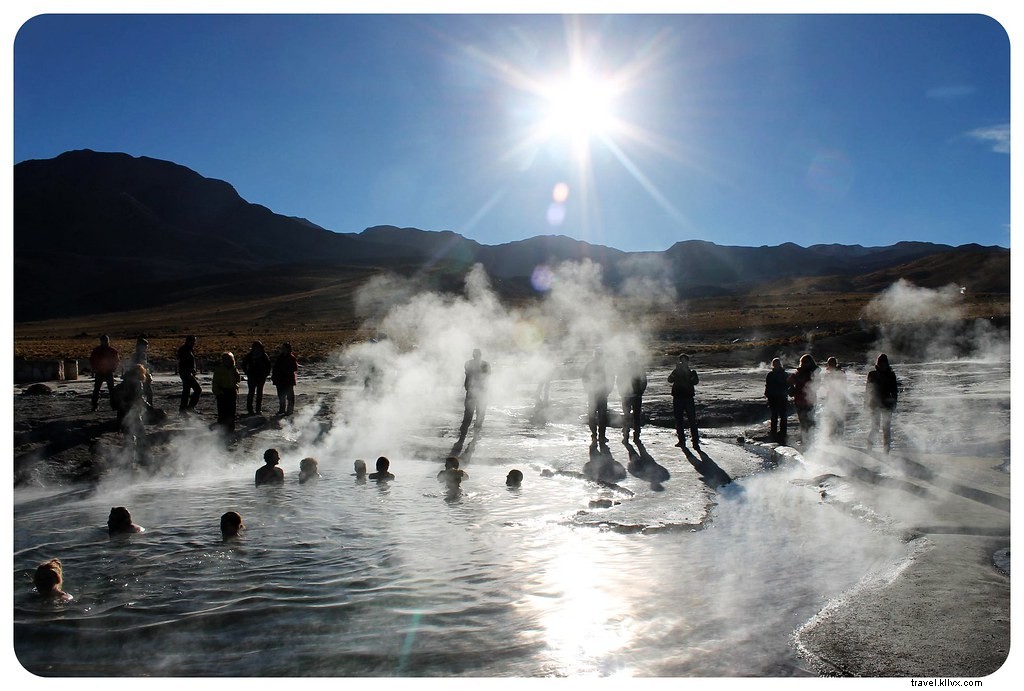
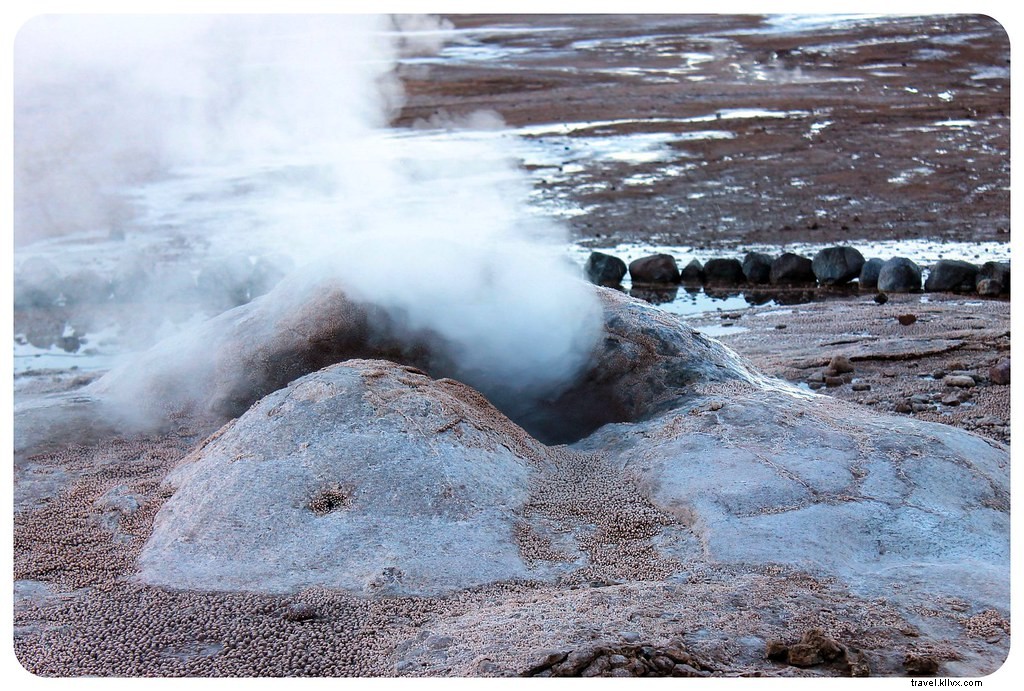 We soaked in 35°C (95°F) springs amid freezing air.
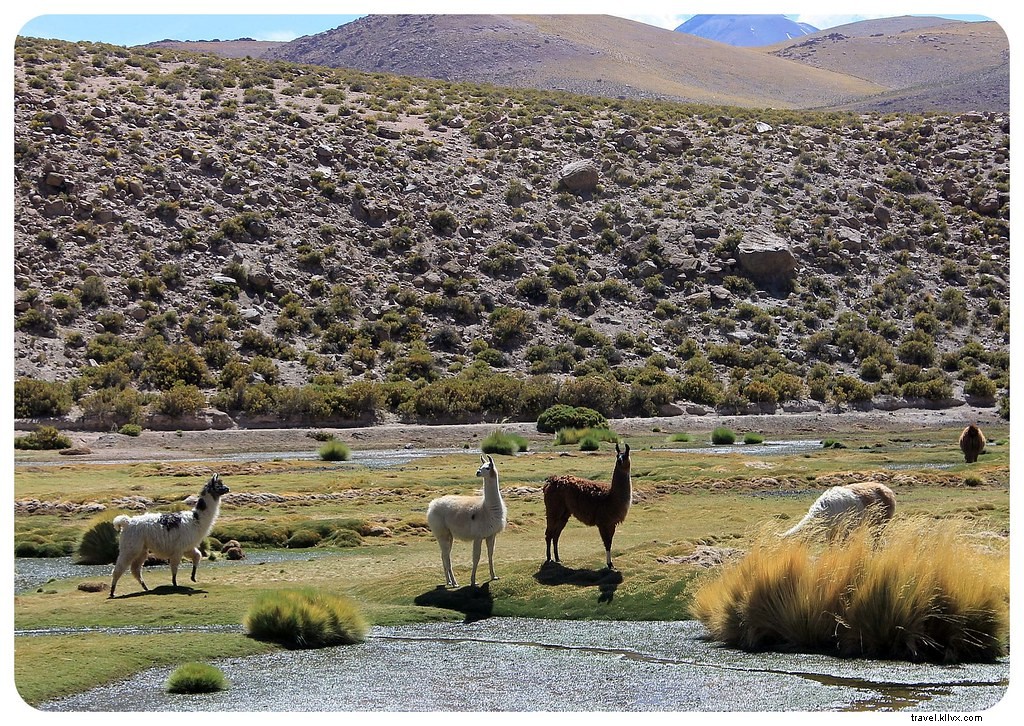
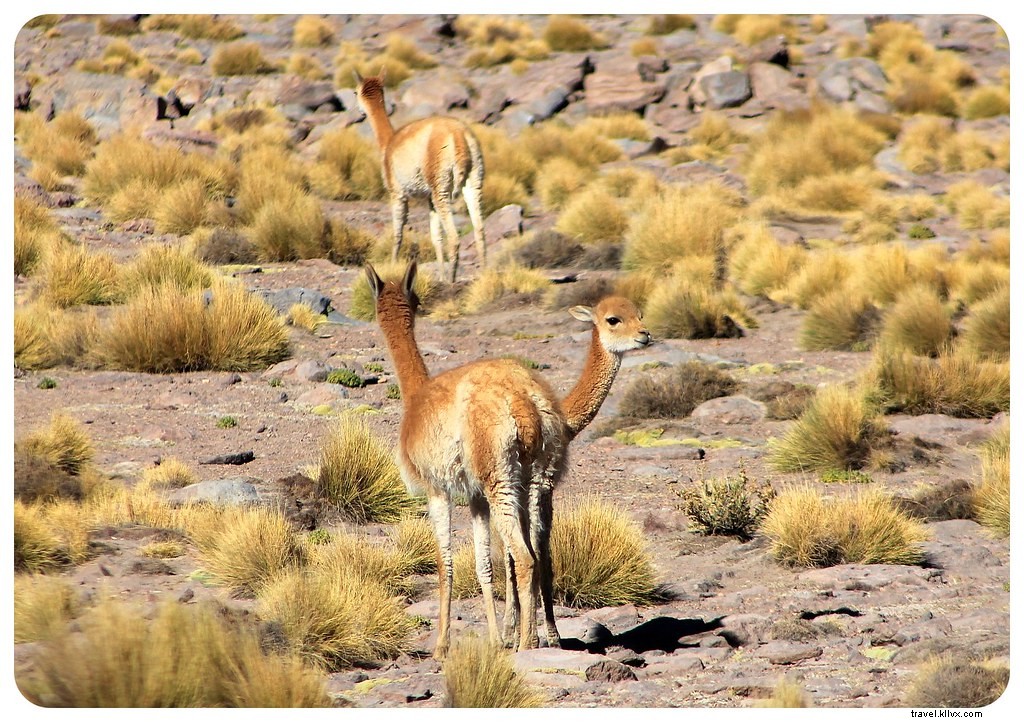
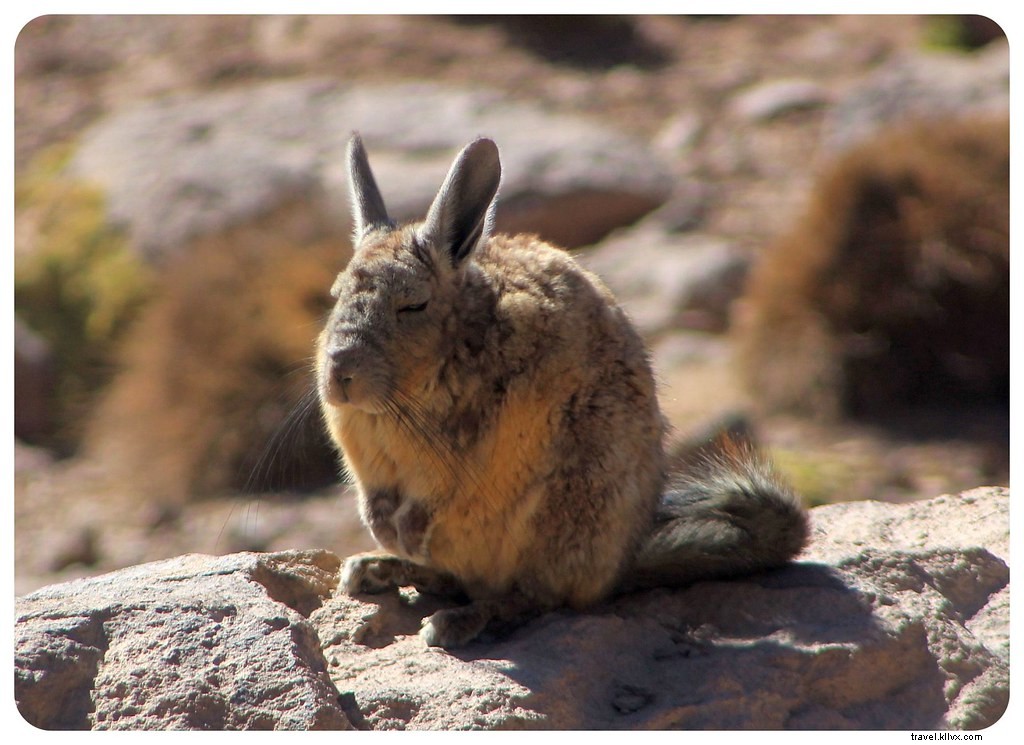
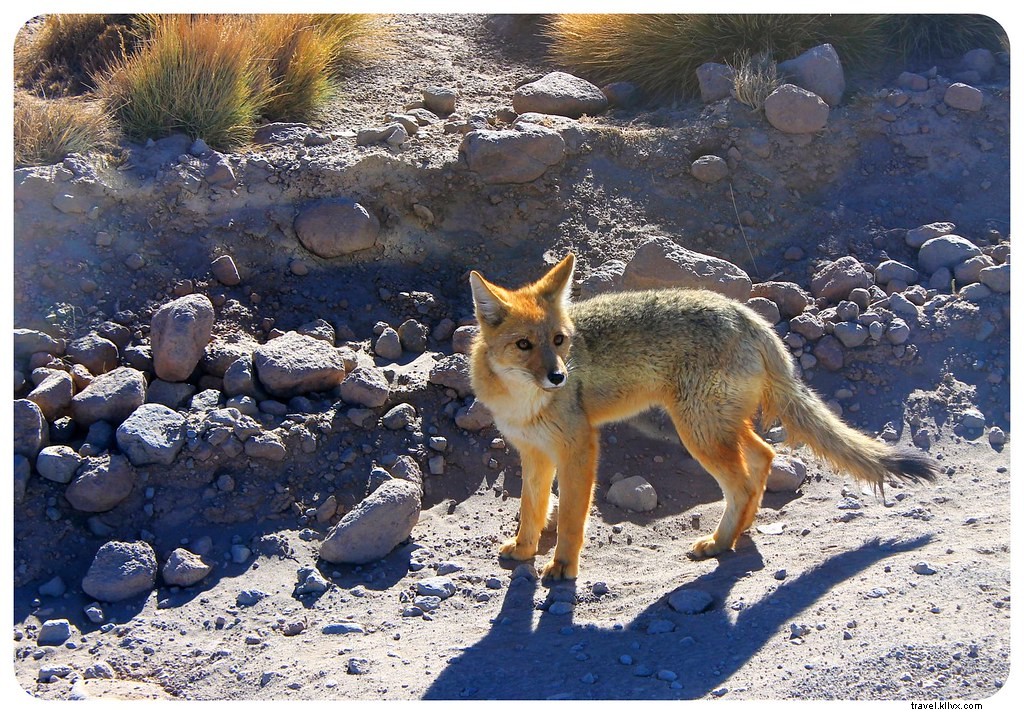
 Despite extreme dryness, vegetation like cacti and grasses supports wildlife: llamas, vicuñas, viscachas, foxes.
 The Atacama rivals the world's most stunning destinations. Reach it from Santiago via 24-hour bus or flight to Calama plus transfer.
 What's the most extraordinary place you've visited? Dreaming of Atacama? Share below!