Surviving the Kazakh Desert: One Traveler's Fight for Survival
Wake up. You’ve just got to stay awake.
These were the words echoing in the depths of my mind as I drifted in and out of consciousness, lying in the desert sands of an abandoned railway tunnel. Do not sleep – whatever happens do not close your eyes. I was lost, alone and out of water in the wastelands of Kazakhstan.
A week spent camping in the docklands of Baku City, trying to hitch a lift across the Caspian Sea on a local cargo boat, had left me exhausted. I woke each night to the sounds of foghorns and loading trucks. The boat came a day before my visa ran dry and before I knew it I was watching the last of Europe grow small through the glass a grubby cabin porthole. A restless night on the waves followed, and then I was rolling off a boat and into a desert, stocking up on water in the port town of Aktau, using bungee cord to strap as many litres to my bike as I could. Off I went – like a fool, a wild grin on my face, drifting slowly into nowhere.
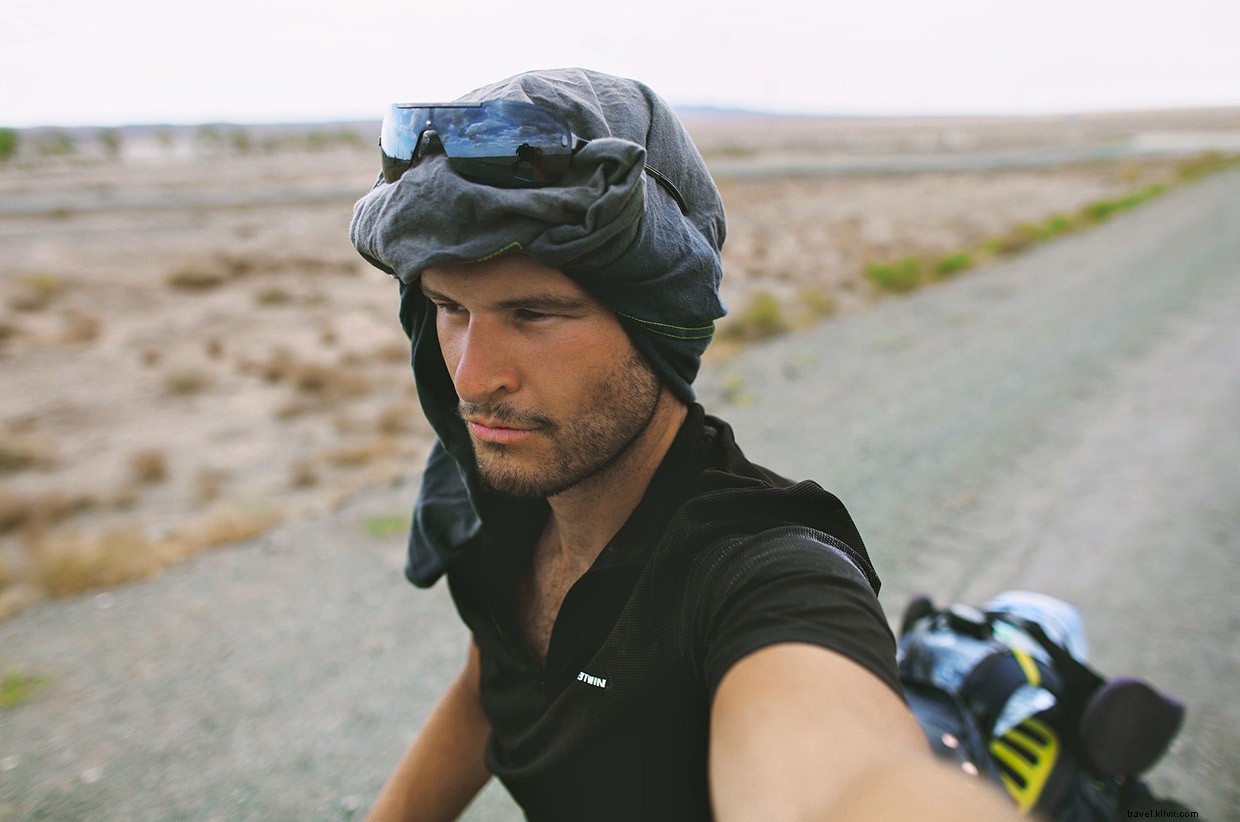
This is as close as I get to landing on Mars, I’d thought as the buildings turned to sand and the road to rubbled tarmac. It was another world. Hazy, yellow and endlessly flat. The ride has started well – spending a night with locals on the outskirts of town after chatting to a man walking down the highway and being invited to his home, a small clay dwelling on the edge of the desert. I slept under the stars on the porch, covered in dusty blankets and, the next day, was waved off by his kids, passing wild camels as I went.
But only a couple of hours in and it was getting a little too hot. The empty road, which had disintegrated to rubble by this point, had come to an end at a huge power station in the middle of the desert. Suddenly, I realised I may have taken a wrong turn. I had no map and I’d drunk the full ten litres I’d been carrying.
‘Water?’ I said to the puzzled security guard at the gates, waving my hand to my mouth to show him I wanted a drink. He smiled, walked inside and came out with a huge tanker. Lucky, I thought as I cycled away, a crude drawing of a map on my hand and my bottles refilled. Round one with the desert, survived.
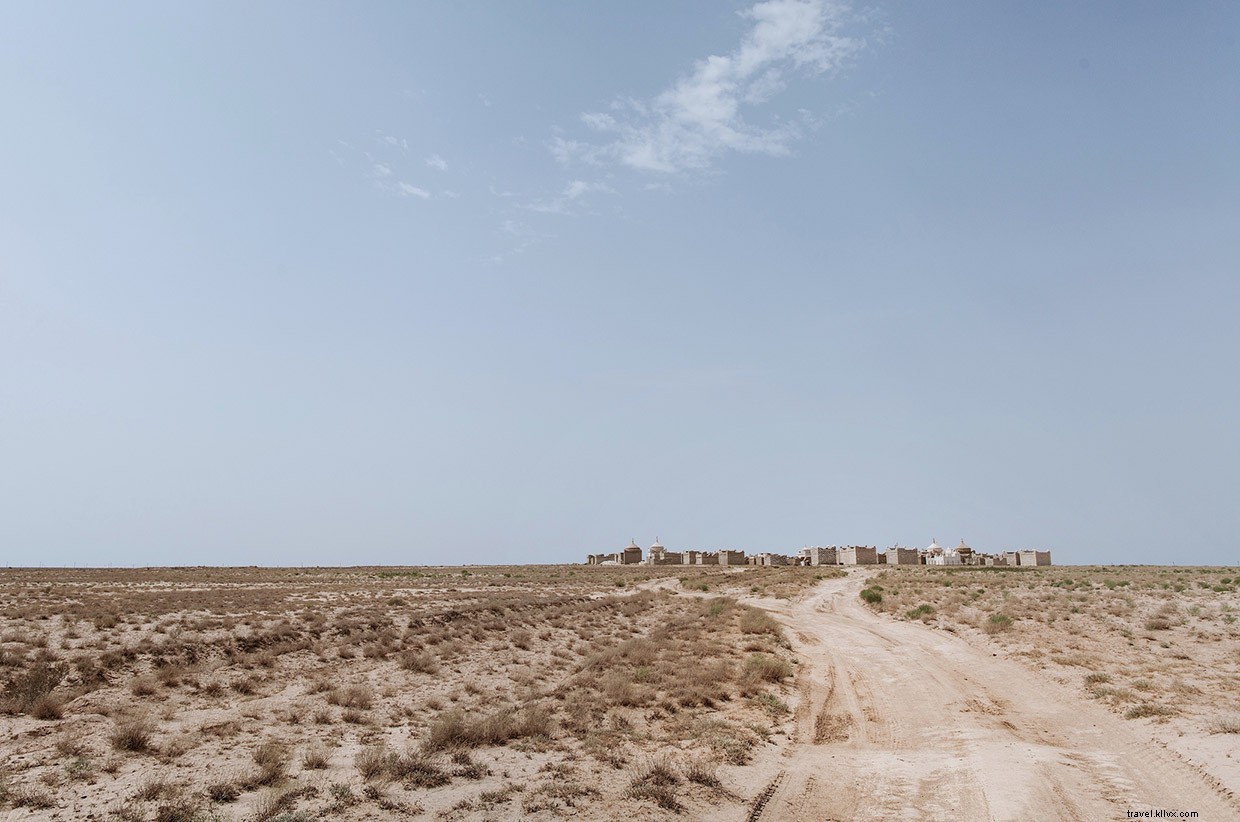
Day turned to dusk. As the light began to fade, I jumped a lift with a jeep for a few miles until it, too, became stuck in the sands. It dropped me off and turned back the way it came. We’d passed a few goat farms and a whole lot of camels, and now great mountains had formed in the far distance – if only I had a proper map, I could figure out the terrain from those mountains. But by the time the sun fell, I was slipping and sliding through sand, staring at the ground beneath my tyres, trying to convince myself that there was a road there. I can see tyre marks, I thought. But, no, it really was … just sand. I pulled over, set up camp and waited till dawn.
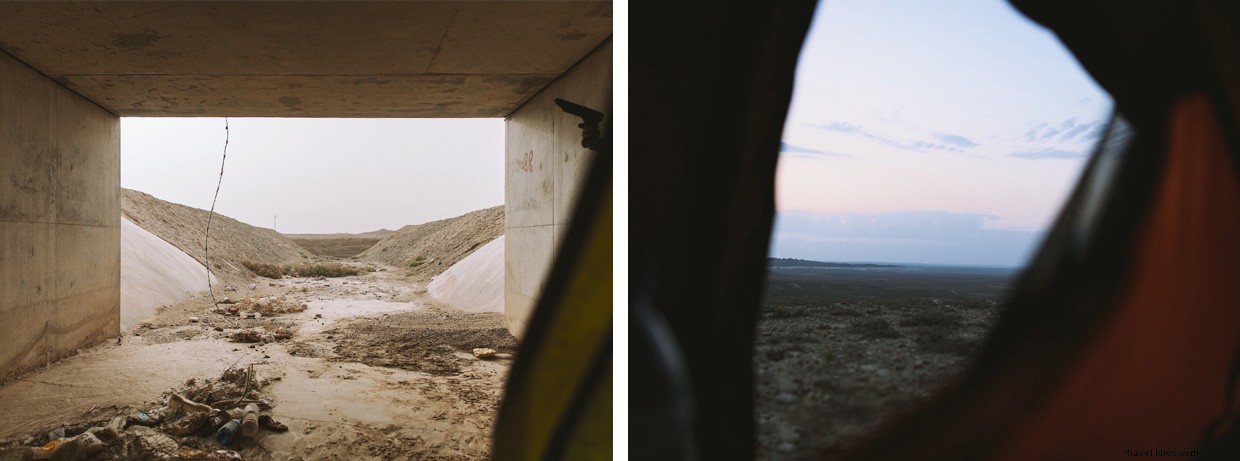
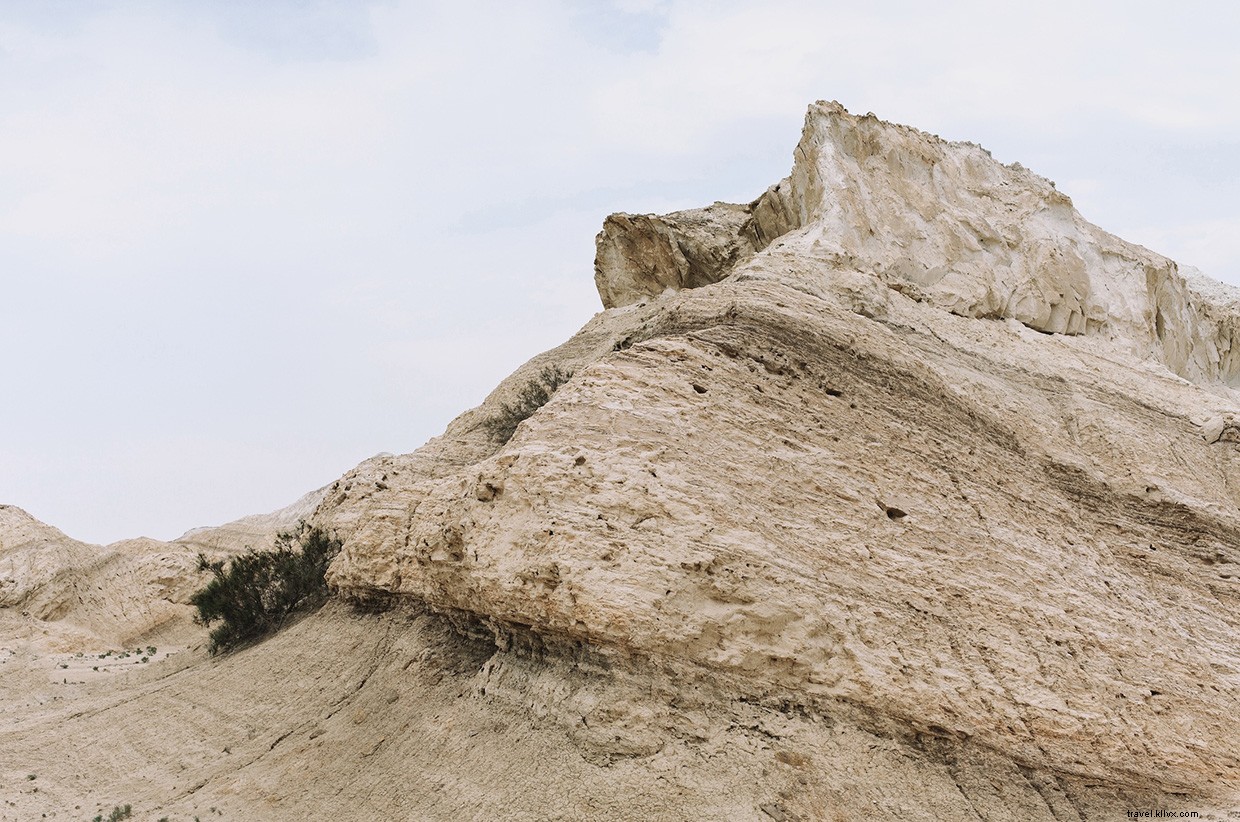
Scorpions! Dozens of them, scuttling out from beneath my tent! Keeping themselves warm between my face, the tarp and the ground. Good way to wake up. OK. Pack down, reach that railway line and keep going. I began pushing. The bike slowed and ground to a halt. Suddenly, I was stuck! What now?
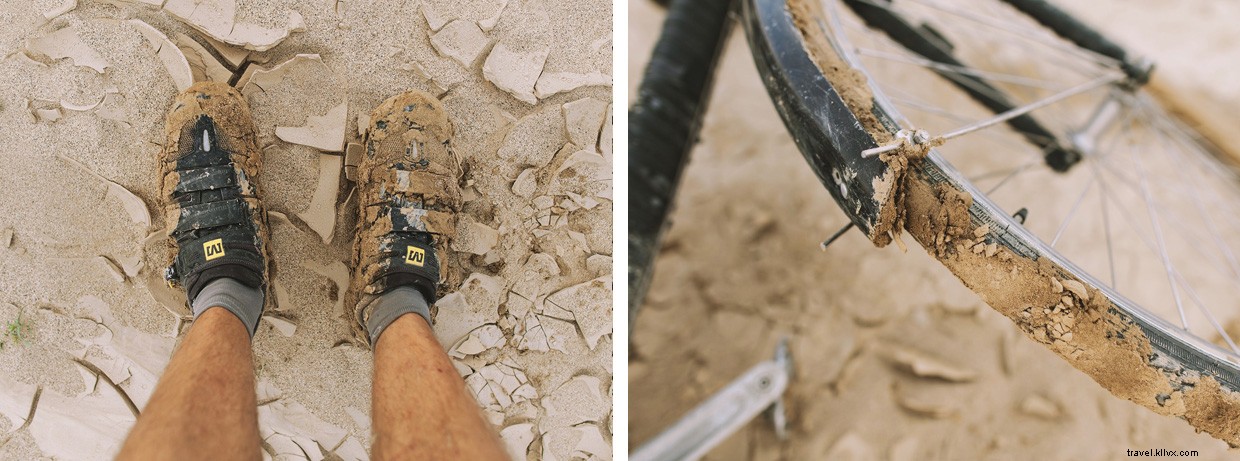
It was some kind of quicksand, turning the ground to sticky, brown paste. I lifted the bike free and hauled it to safety, but the struggle had left my legs heavy and the bike covered in gluey mud. The sun was rising fast, drying the stuff to my wheels, rendering them useless. I spent an hour in the heat scraping the tyres free. By that point, once more, my water was gone.
I tapped the cycle computer. That can’t be right. The screen was reading 48ºC! I looked to the sun and back to the digits and realised, in that moment, that I needed to get out of there, fast. I could barely move the bike, forcing it slowly through the sand for twenty metres, then resting for a few minutes before pushing on again until I found the railway tunnel and in I went, keeled over in pain, dehydrated and quickly losing focus. How had this happened to me so quickly? I could barely move.
Get up, Rob. An hour went by … then two. Do not go to sleep – get up! My eyes were just so heavy, closing themselves again and again, and my mind weighed down by a strange lethargy. All I wanted was to pass out, to let go. The thirst was unbearable and the shade barely made a difference. But that’s when I heard it: the sound of bells … the clanging of goats! From the tunnel opening, I could see a small house shimmering on the horizon. It has to be now, right now. Get up, Rob!
Stumbling to my feet, I grabbed an empty bottle, the whistle on my key chain and wandered into the open, scorching desert. I left the bike behind – my wallet, my phone – and began to hike, delirious and with complete abandon, in search of safety. The sun now high, blinding, burning. The ground hazing in the heat.
After what felt like hours I was staggering past wooden pens full of goat and sheep, moving through a network of small clay houses, that milky farm scent hanging in the air. It must have been a strange sight: opening the door of your desert home to see a foreign man dressed in strange clothes, drooped over. What was he doing here? Where had he come from? I pointed to the railway line, made cycling gestures and held up my empty bottle, smiling faintly. The bottle came back full of yellow, murky liquid that smelt of rancid milk. I did all I could not to throw up before drinking the entire four litres in one go.
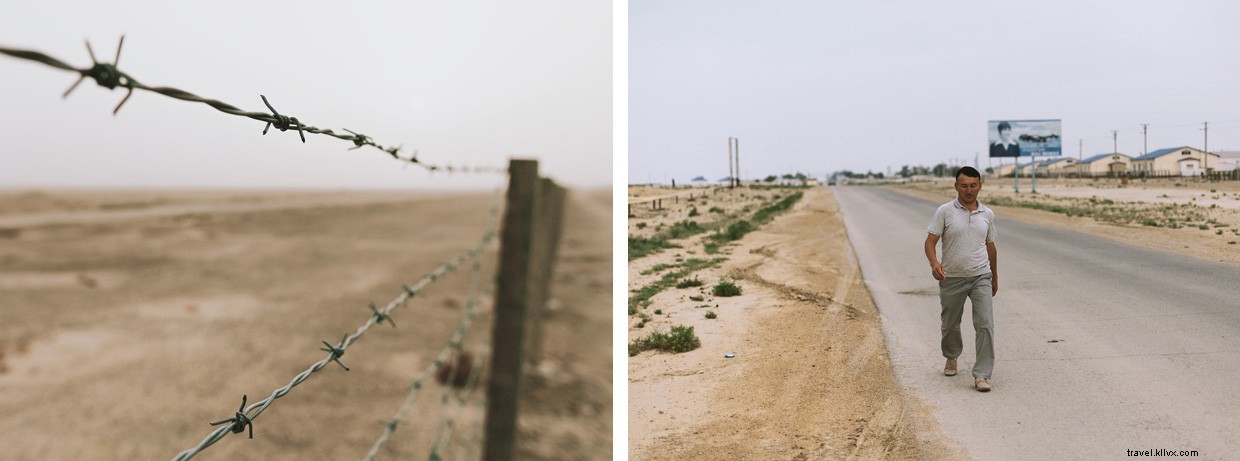
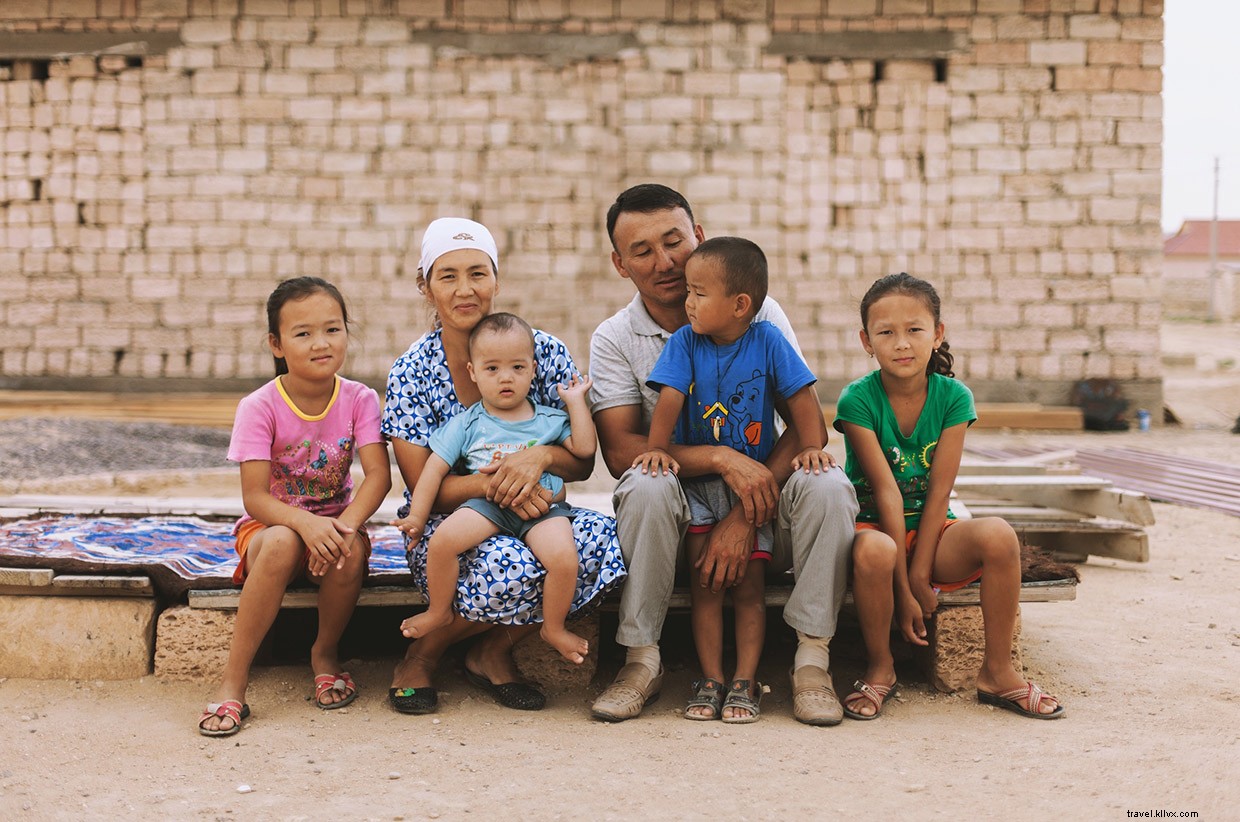
They were a kind family, like all those I had met across Turkey and The Cradle. They never hesitated to help me, and the kids chucked buckets of water over my head as I lay with my back to a wall. The mother brought me sugary tea and some dry bread. We sat in the shade of the porch for an hour, mostly silent, just smiling at one another, the sound of bells clanging in the wind and the odd word of Turkish exchanged.
They took me back to my bike under the tunnel and pointed me in the direction of the road. After a few hours clambering through the night and dreaming of cold Pepsi and sweet Snickers bars, I saw the lights of a town and the main highway coming down from the mountains. I’d been way off course – headed in the opposite direction, into empty desert. Minutes later I was slumped against a shop, in the middle of the night, guzzling Pepsi and eating that Snickers bar! But, it didn’t end there; exhausted and black-eyed from dehydration, I rolled into the high street, asking locals for places to stay.
‘Come in, come in!’ a young lad said to me, in good English, outside one noisy building. ‘Are you all right? Please bring your bike in, have some food!’ I was in the midst of a huge Kazakh wedding before I knew what was happening, being served raw meatballs on silver plates, drinking my way through big cartoons of orange juice and surrounded by dozens of people all pulling me into photos and shaking my hand.
This is ridiculous, I’d thought. Utterly ridiculous! But I was safe, saved by the locals and with newfound respect for the desert. A lesson learned and one I was lucky to survive. And then? Well, then I was escorted straight to the police station … to set up camp of course!
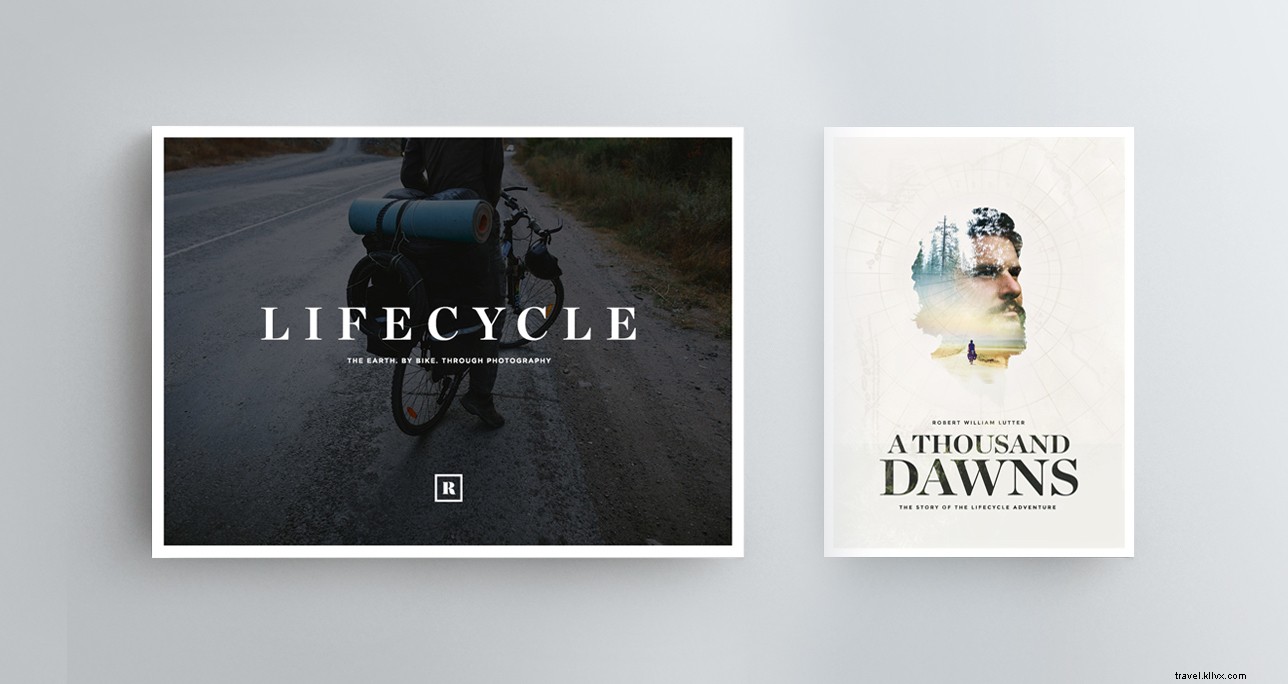
After four years on the saddle of a bike and nearly 40,000km of pedalling, Rob Lutter is now telling the epic tale of how he cycled the world in two beautiful new books – one a photographic hardback and one the story. He has just launched the Kickstarter campaign A Thousand Dawns to get them written and published.