Ultimate Guide to Lima, Peru: Top Museums, Monuments, and Must-See Attractions
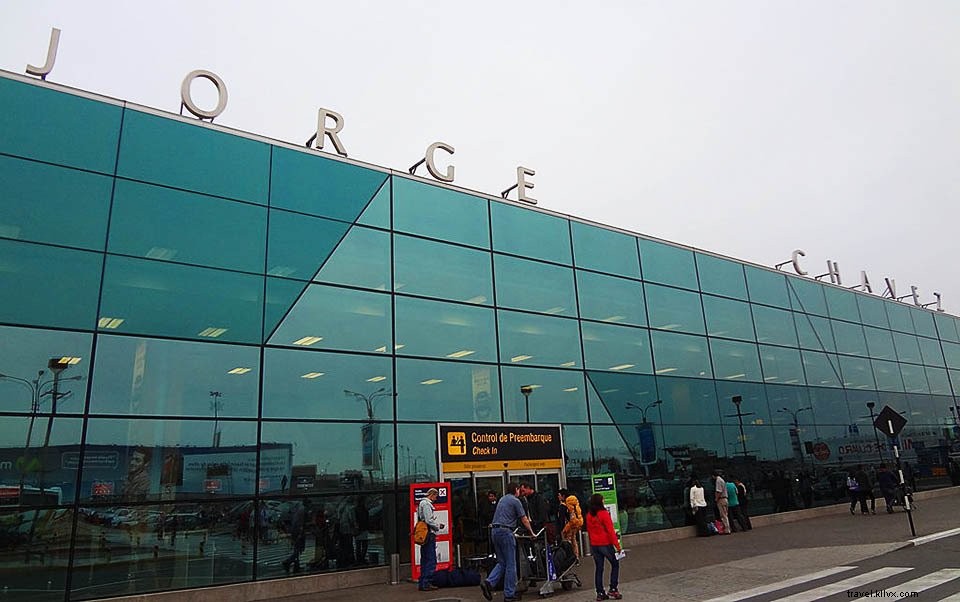
While Machu Picchu steals the spotlight as Peru's premier monument, every traveler should dedicate at least a day to Lima, the vibrant capital. Most international flights, including those from neighboring countries, arrive at Jorge Chávez International Airport. Beyond transit, Lima rivals major European cities like London and Paris with its rich array of monuments and attractions.
This guide dispels the notion of Lima as a mere stopover. We'll explore its history, share practical tips for transportation and accommodation, and highlight the top sights in Lima for an unforgettable visit.
History of Lima
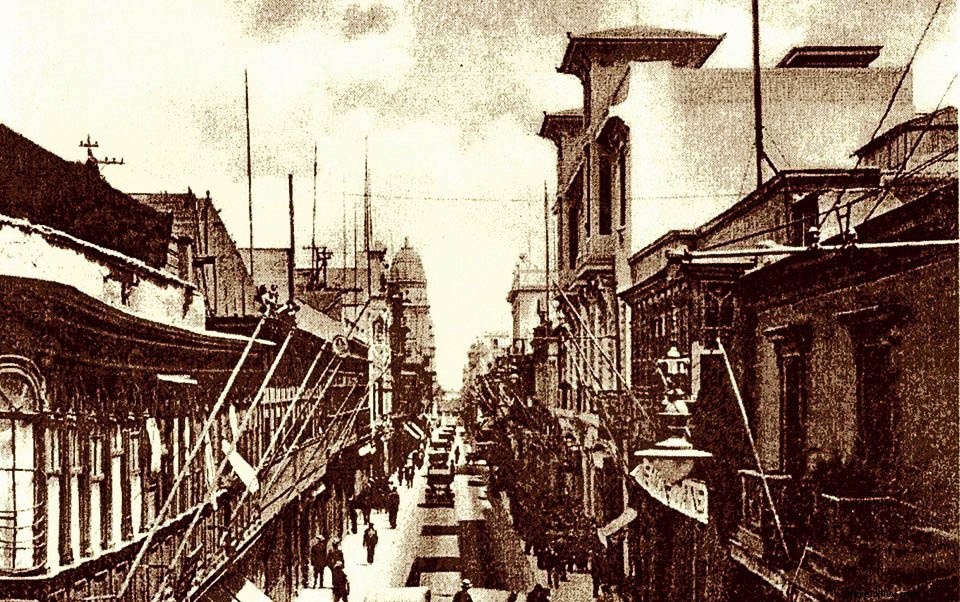
Founded on January 18, 1535, by Spanish conquistador Francisco Pizarro, Lima was initially dubbed the "City of Kings" (Ciudad de los Reyes). Locals preferred "Lima," derived from the Quechua word "Rimaq," referring to the nearby speaking river. Starting as a base for conquests, Lima evolved into a thriving trade hub due to its strategic coastal location.
Lima's history includes devastating earthquakes at the Nazca-South American plate boundary. The 1687 quake razed most structures, diminishing the port's role. Modern buildings are seismic-resistant, with the last major event in 1940. For quake safety tips, refer to WikiHow's detailed guide.
Getting Around Lima: Affordable Transport and Accommodation
For broader Peru travel advice, see our comprehensive Peru travel guide. Here are Lima-specific essentials.
From Jorge Chávez Airport to Downtown Lima
The airport is conveniently near the city center, with quality hotels nearby. No metro connects directly, so opt for taxis (negotiate fares upfront to avoid scams; ~30-60 soles) or budget buses.
Public Transport and Taxis
Buses are economical and frequent, especially during peak hours—every few minutes from the airport. Signal stops as they're on-demand. Fares are 2-3 soles (~$0.50-0.80 USD). Watch for pickpockets, but service is generally safe and reliable.
Accommodation Tips
Stay near the metro line for efficiency, as key sites cluster in the historic center. Avoid lengthy bus commutes. Consider Airbnb or Couchsurfing in central areas for savings—many locals host travelers.
Top Tourist Attractions in Lima
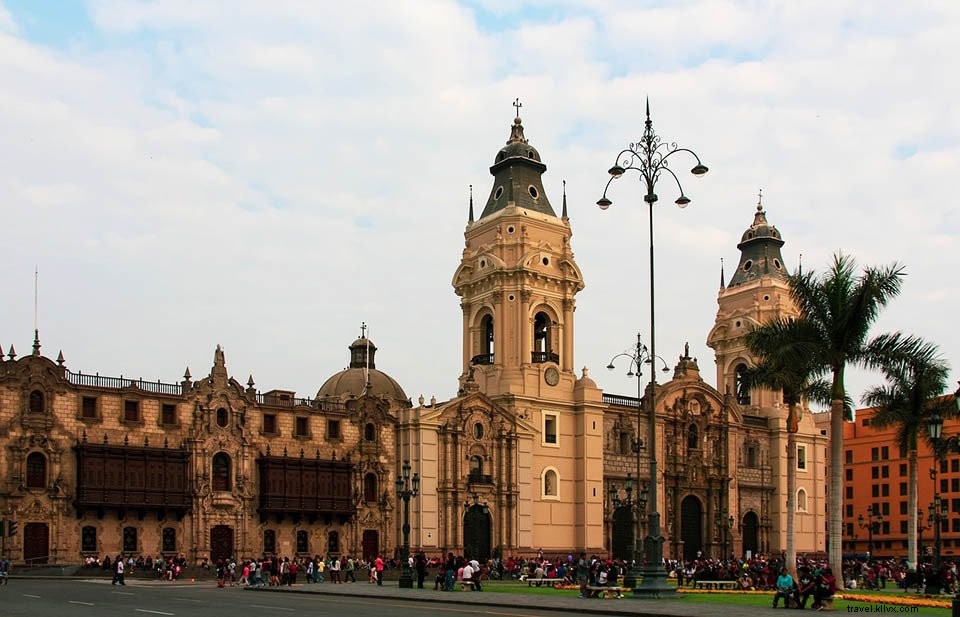
Begin in Lima's UNESCO-listed Historic Center. A leisurely stroll immerses you in the city's colonial charm.
Exploring Lima's Historic Center
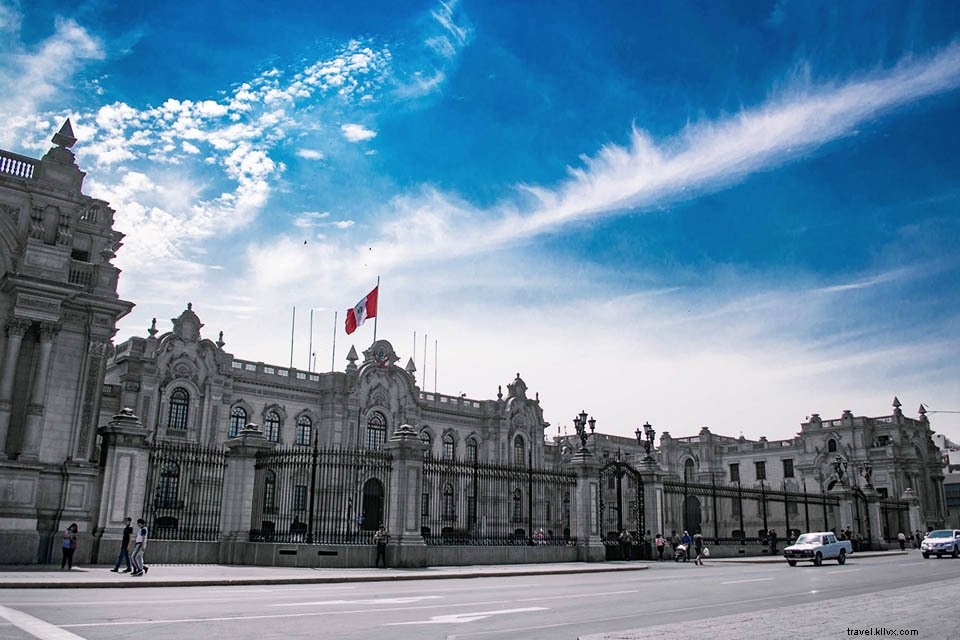
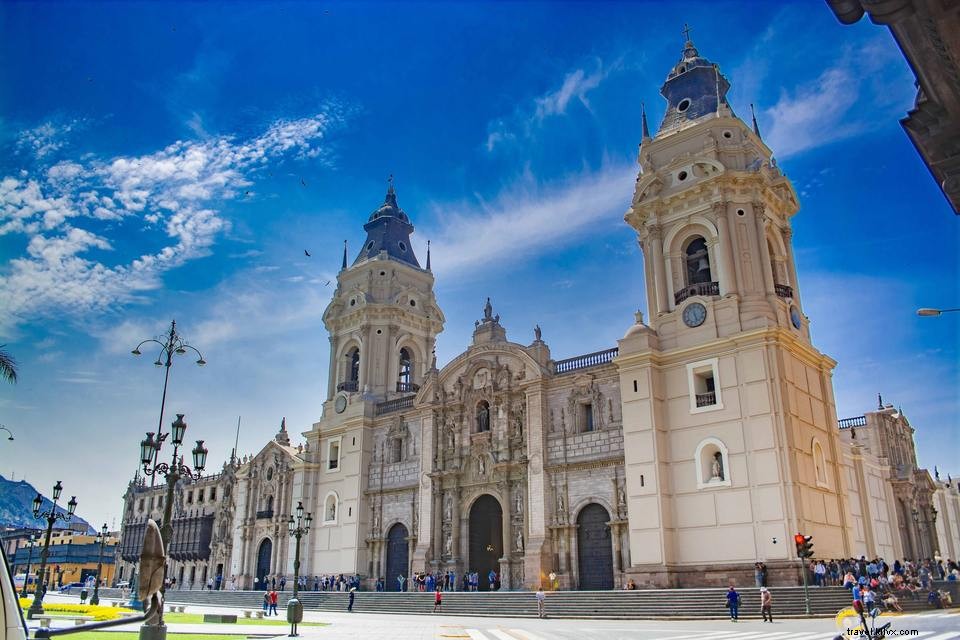
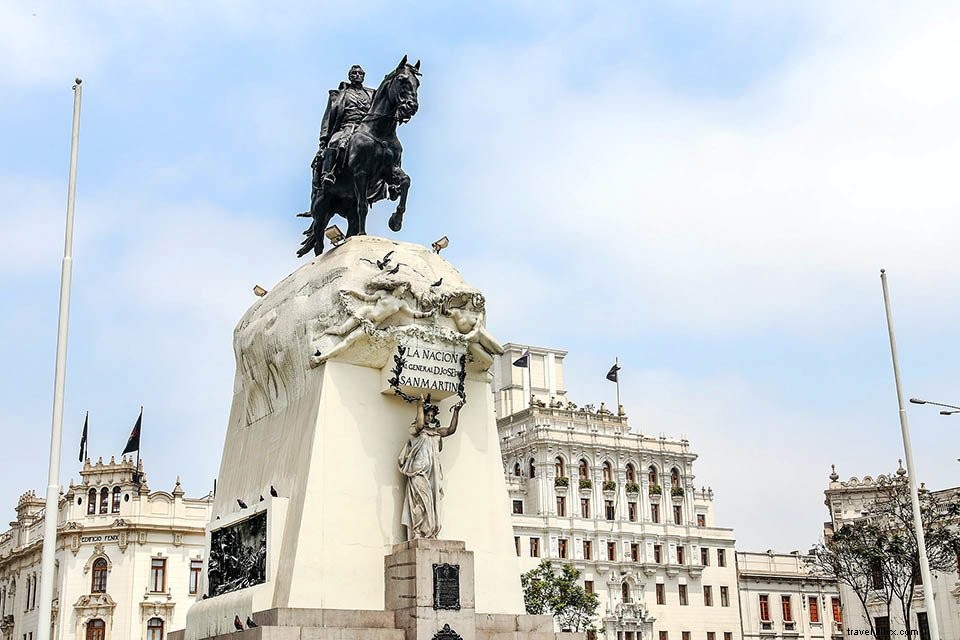
At the heart lies Plaza de Armas de Lima, flanked by the opulent Archbishop's Palace (rebuilt in the 19th century by Polish-Peruvian architect Ricardo de Jaxa Małachowski), the grand Lima Cathedral (Catedral de Lima), City Hall (Palacio Municipal de Lima), and Pizarro House (Casa de Pizarro), now the Presidential Palace.
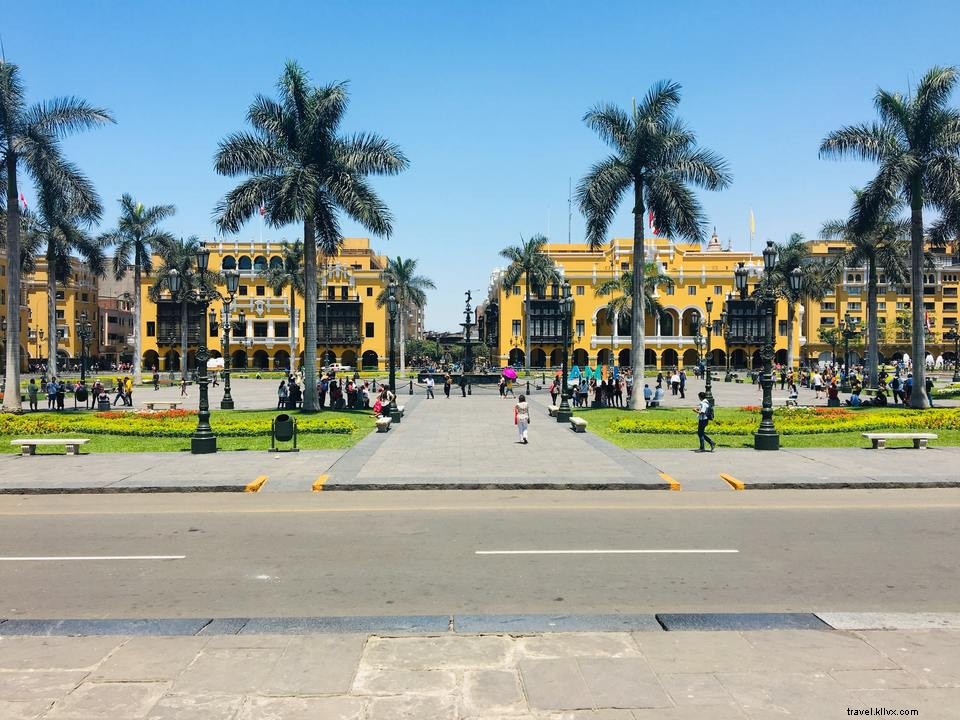
These sites host museums and exhibits. The Cathedral's lavish interior, with Pizarro's tomb and sacred art akin to Kraków's St. Mary's Basilica, stands out. Pizarro House visits are limited, but catch the elaborate changing of the guard—more theatrical than London's.
Nearby churches like Basilica of Santo Domingo (Convento de Santo Domingo) and Basilica of San Pedro (Iglesia de San Pedro) offer quieter appeal. Sacred art enthusiasts: allocate a full day.
Best Museums in Lima's Historic Center
Smaller gems include the Archbishop's Palace and City Hall's Pancho Fierro exhibit, plus 16th-century sites like Bodega y Casa de Quadra (Museo de Sitio Bodega y Quadra)—an engaging archaeological showcase.
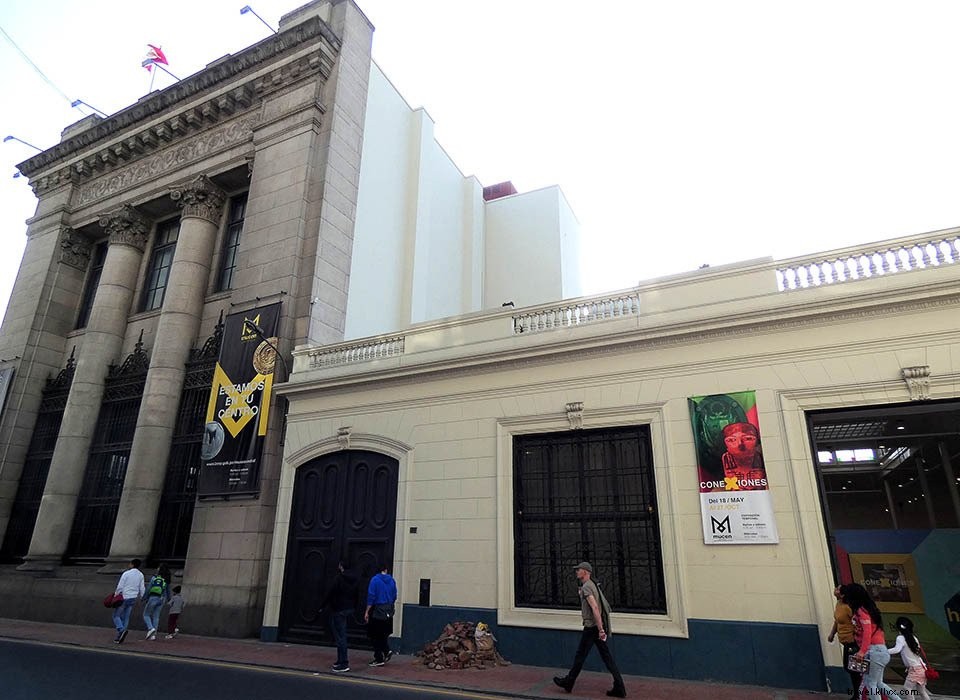
Museum of the Central Bank of Peru (Museo del Banco Central de Reserva del Perú)
Economics buffs will enjoy this interactive display on the Peruvian sol's history, money printing, and counterfeiting.
Minerals Museum (Museo de Minerales)
Adjacent, explore Peru's geological past with English exhibits and audio guides (3 soles). Vibrant displays make it surprisingly captivating.
Other Historic Center Museums
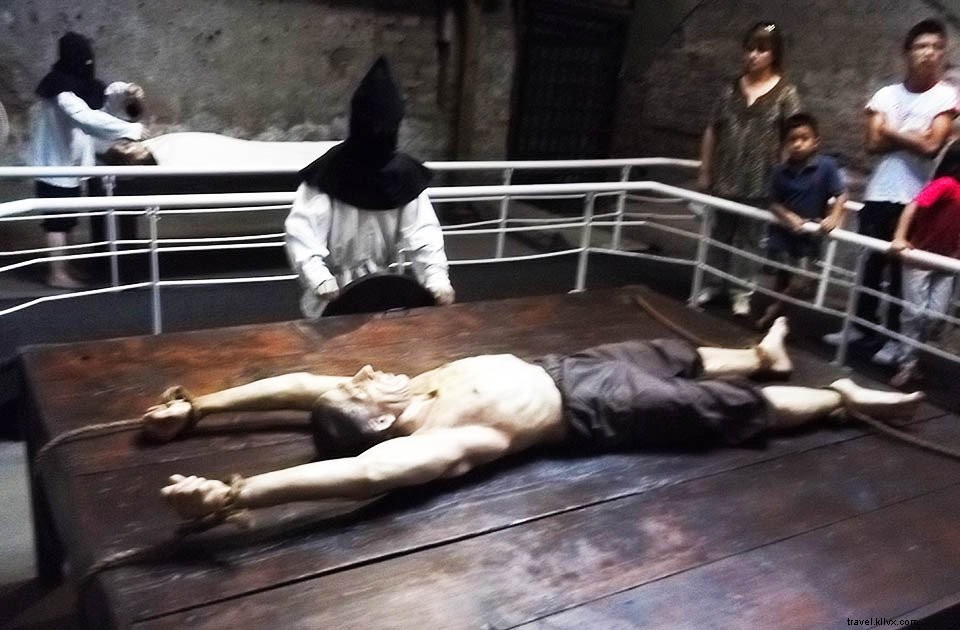
Southeast: Museum of the Inquisition (Museo de la Inquisición y del Congreso) and Numismatic Museum (Museo Numismático del Perú)—highly rated by visitors. Nearby, the Pisco Museum doubles as a tasting bar for Peru's grape-based brandy.
Premier Museums Beyond the Center
In Pueblo Libre, the National Museum of Archaeology, Anthropology, and History (Museo Nacional de Arqueología, Antropología e Historia del Perú) features ancient skulls among 10,000 artifacts.
Amano Museum (Museo Textil Precolombino)
Japanese collector Yoshitaro Amano's pre-Columbian textiles rival Wawel tapestries in beauty.
Larco Museum (Museo Larco)
Pre-Columbian art shines, including provocative Moche erotic ceramics showcasing ancient ingenuity.
MALI (Lima Art Museum)
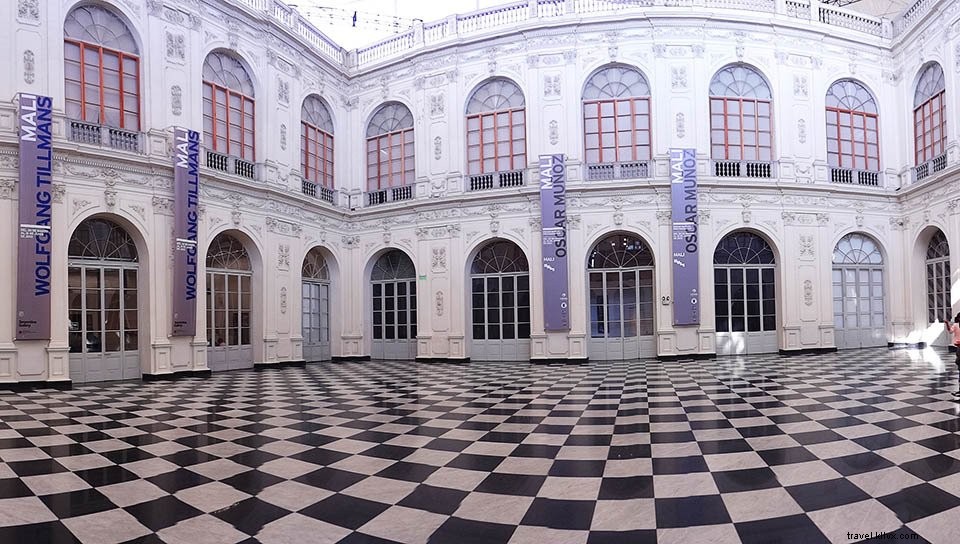
Spans pre-Columbian to contemporary works. Allow 4+ hours; temporary exhibits like graffiti art add value (extra fee).
More Lima Highlights
Cerro San Cristóbal
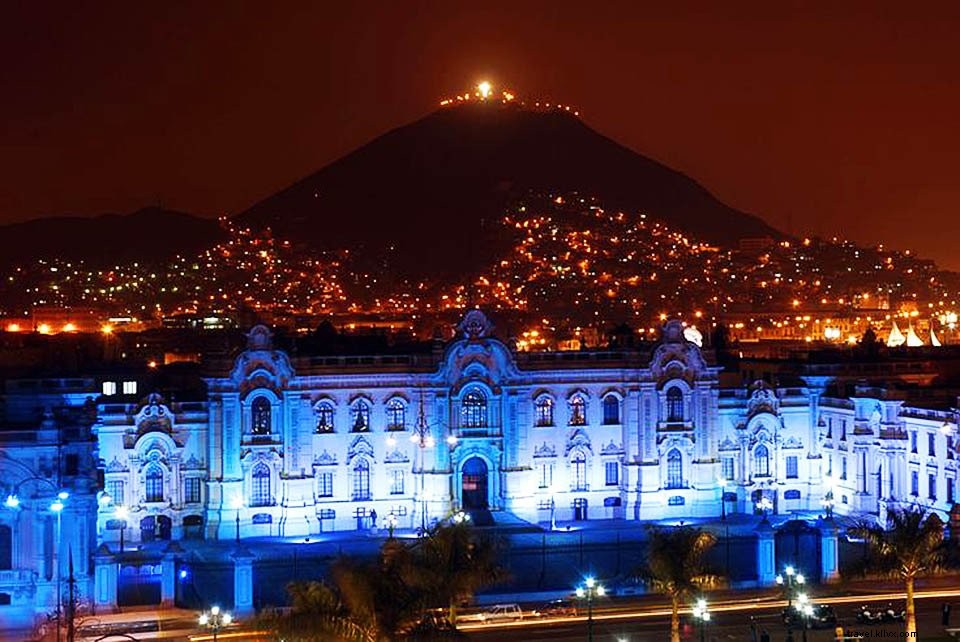
Hike for panoramic views, a photography museum, and viewpoints (~1-hour trek).
Magic Water Circuit (Circuito Mágico del Agua)
Evening fountain spectacle—truly enchanting.
Huaca Pucllana and Huaca Huallamarca Ruins
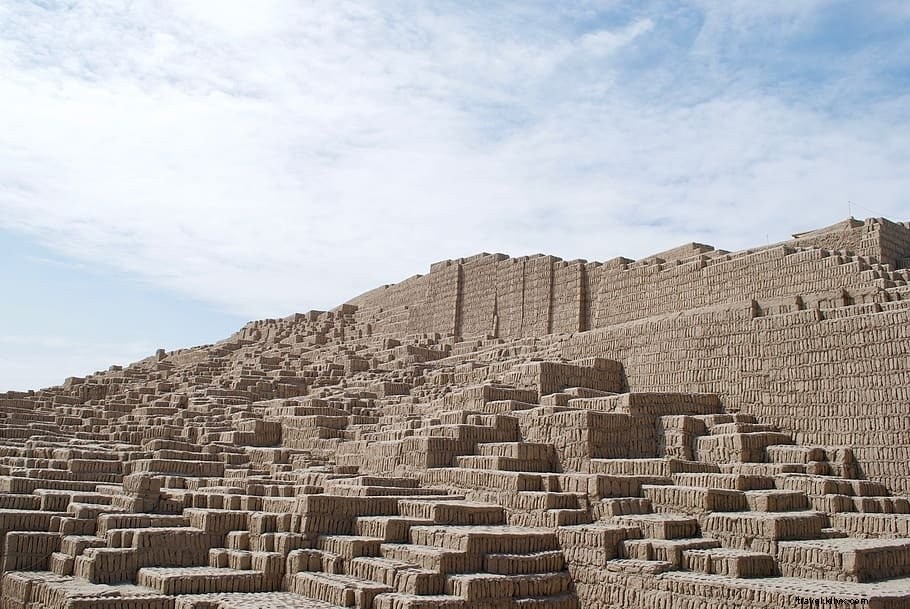
Pre-Inca pyramids. Limited info in English; consult Spanish Wikipedia (links: Huaca Pucllana, Huaca Huallamarca).
Lima Zoo (Parque de las Leyendas)
South America's top zoo outside Brazil—popular with locals.
Unique Experiences in Lima
Rent bikes or e-bikes for guided or self-tours (~$32/group). Evening peñas offer folk music, dance, pisco, and nueva canción vibes—like lively local pubs. Stay vigilant for safety.