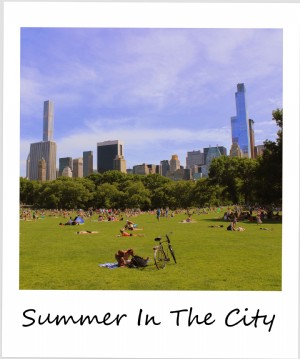
Life in New York City During the COVID-19 Lockdown: A Resident's Firsthand Account
I live under the flight path of JFK Airport and am accustomed to the constant roar of planes descending over Brooklyn every few minutes. These days, however, the skies are nearly silent, with the rare sound of an aircraft startling me. This unprecedented quiet over New York City is just one stark change in our daily reality.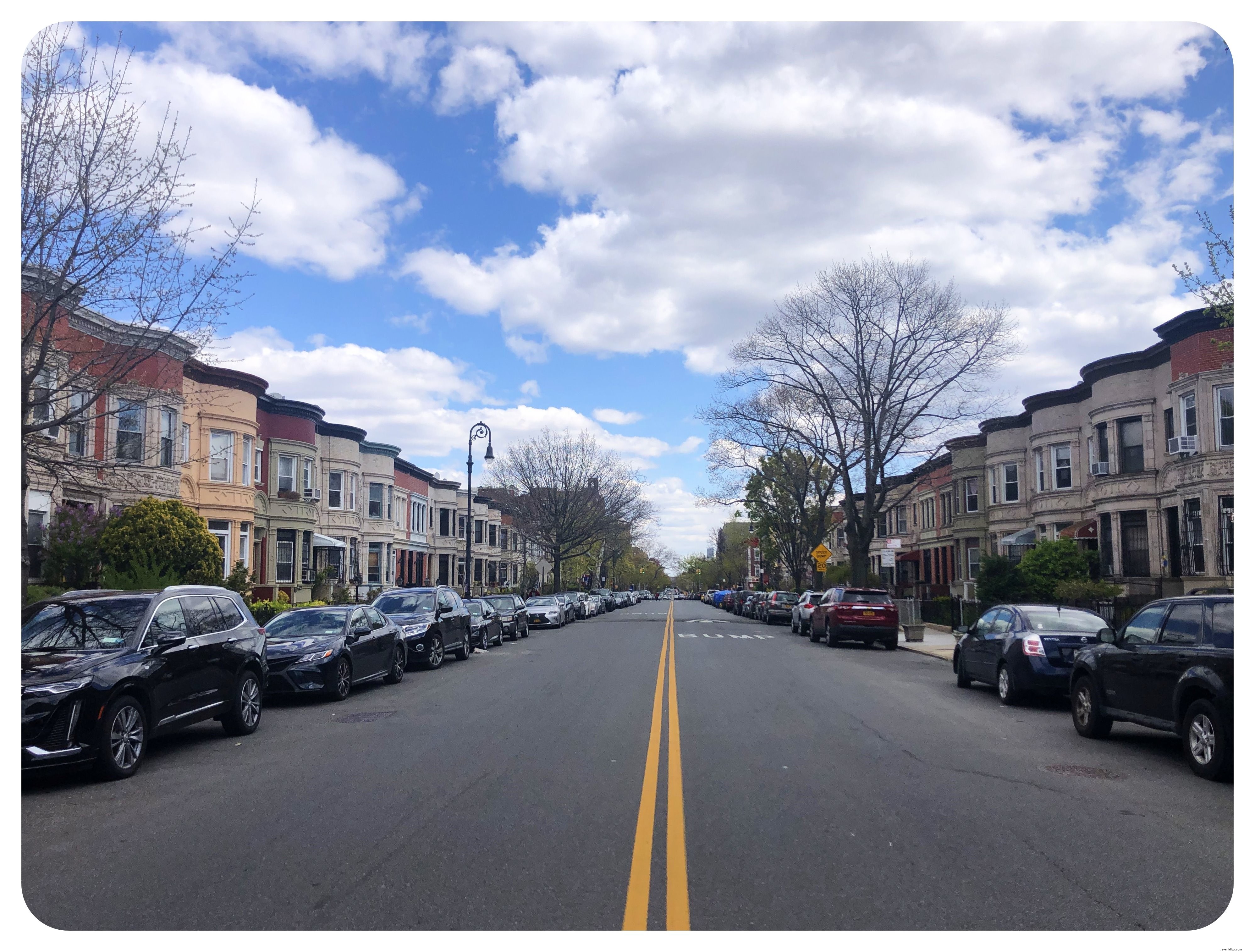 Empty street in Brooklyn
This is part of the profound shift as New Yorkers adapt to the "new normal." When heading out for groceries, I no longer check for my wallet or lip balm—instead, it's my face mask and hand sanitizer. Until recently, I rarely carried sanitizer; I acquired mine from a friend's family stockpile after supplies vanished from stores citywide.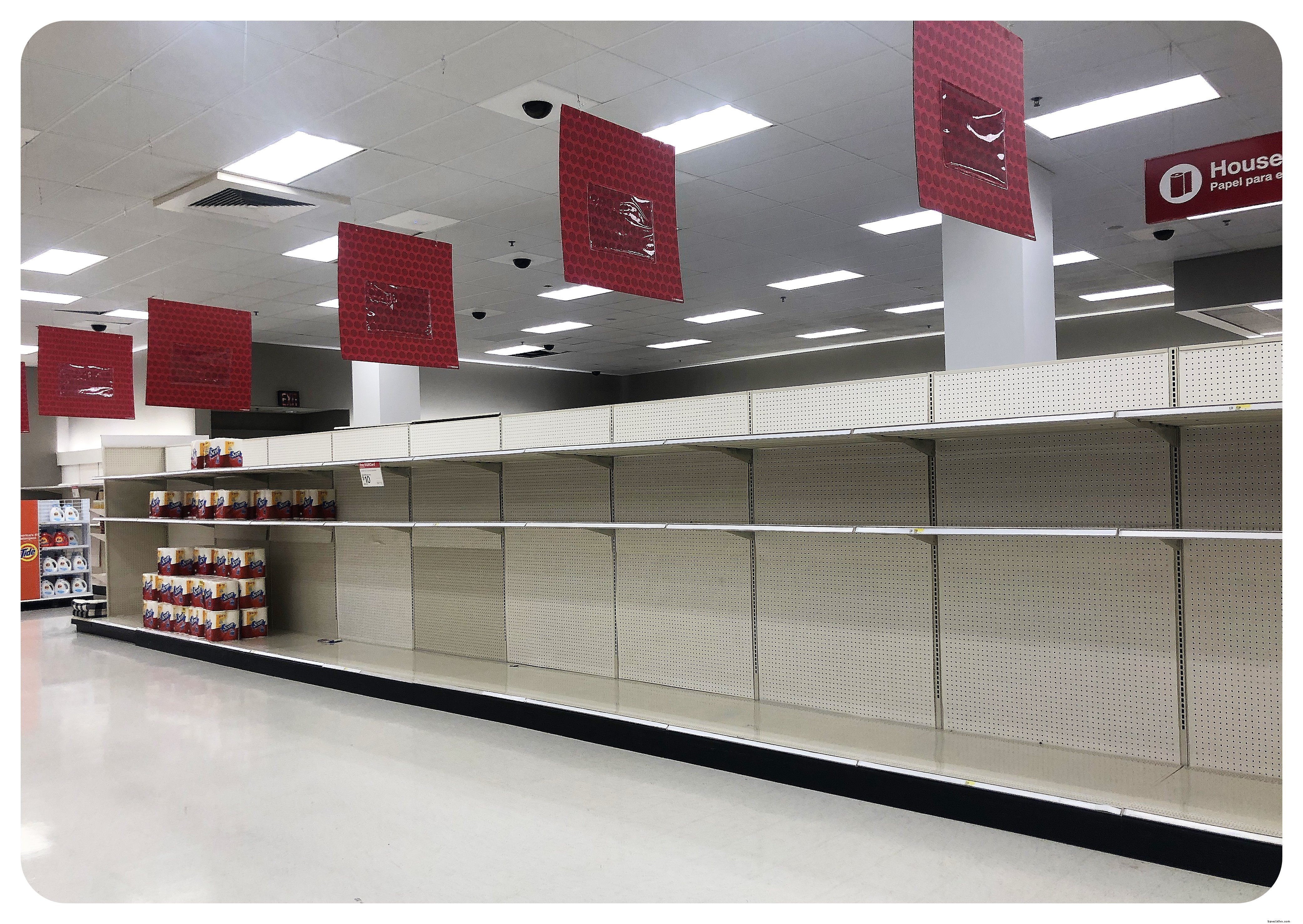 On March 10, a friend arrived from Europe, expecting a three-week U.S. visit. New York was still open: we toured sights, dined at Time Out Market, climbed the Vessel, and strolled the High Line. But by March 12, as I subwayed to meet her for a Broadway show, news broke—all theaters were closing immediately. This signaled a full city shutdown.
 Within days, everything transformed. Time Out Market shuttered two days after our visit; the High Line and museums closed. Schools and universities halted in-person classes. On March 15, restaurants were ordered closed by March 17, except for takeout and delivery.
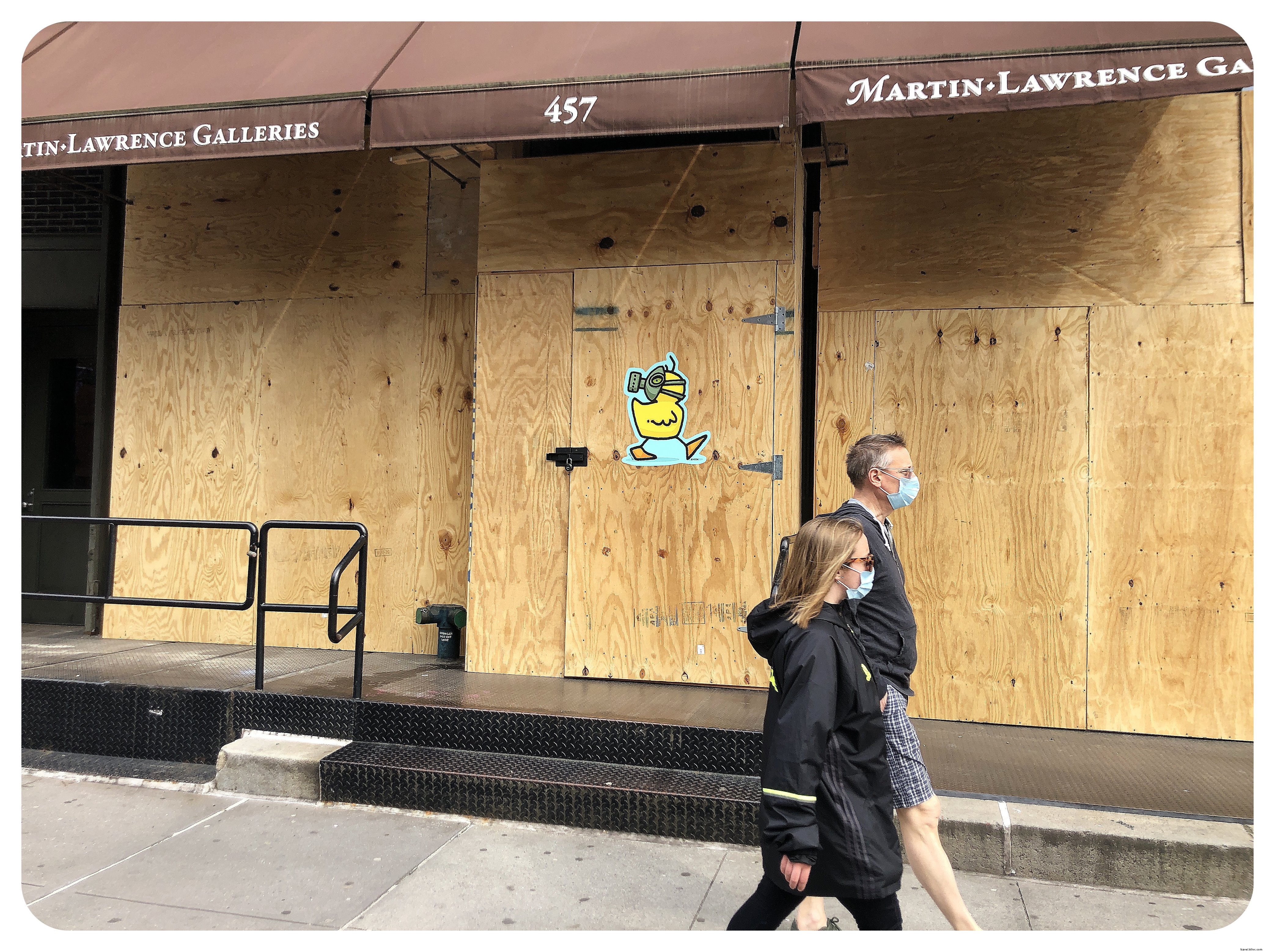
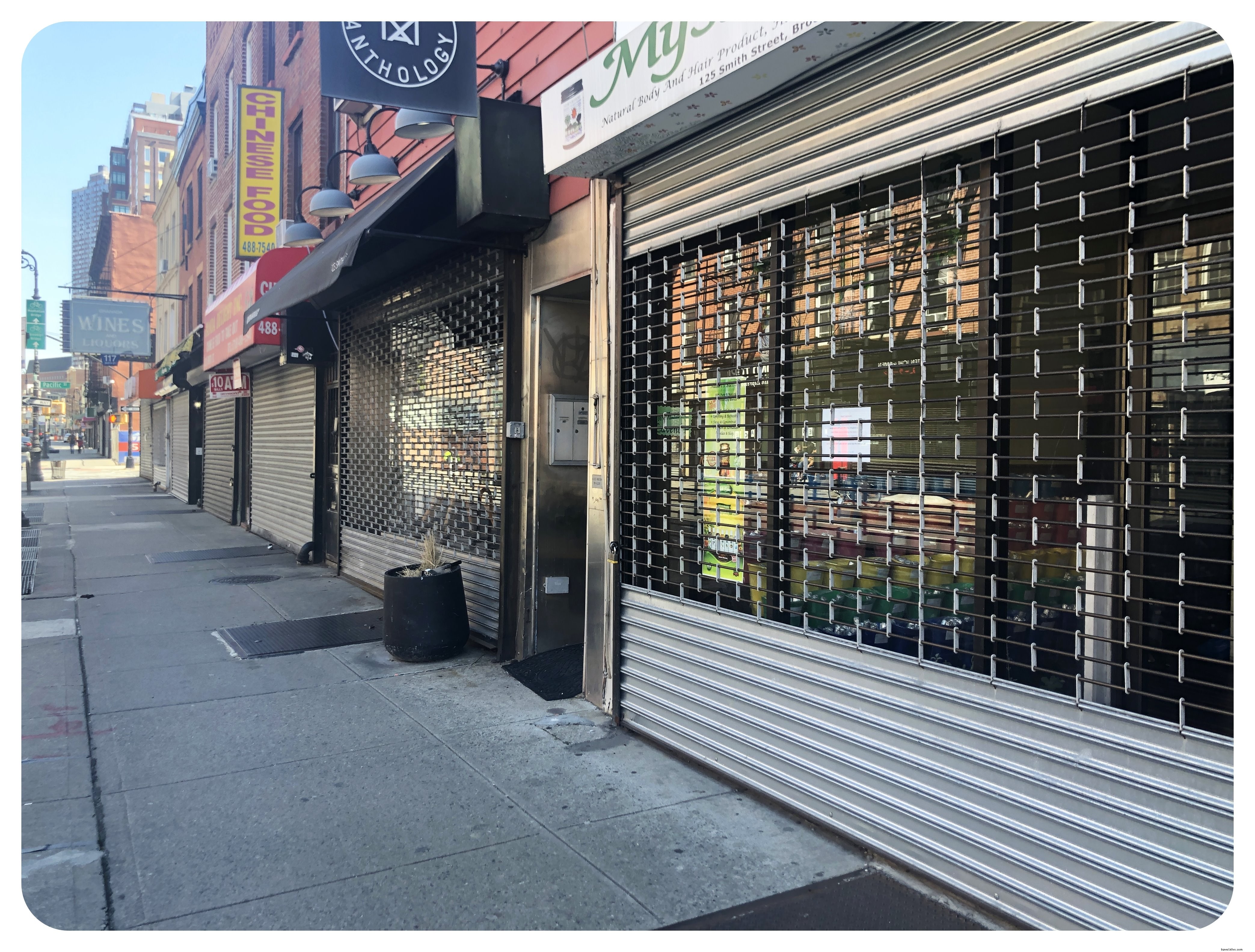 The day after bars and restaurants closed, my neighborhood felt emptier. New Yorkers anticipated a shelter-in-place order. Most shops boarded up. With around 800 cases and few deaths then, cases surged to 15,000 within a week.
Four weeks on, under lockdown since March 20, strolling the neighborhood feels surreal. Roll-down gates seal shops; streets are deserted and eerily quiet. At remaining open stores, hand-drawn signs limit entrants to 2-4. Most wear masks, bandanas, or scarves; a few go without.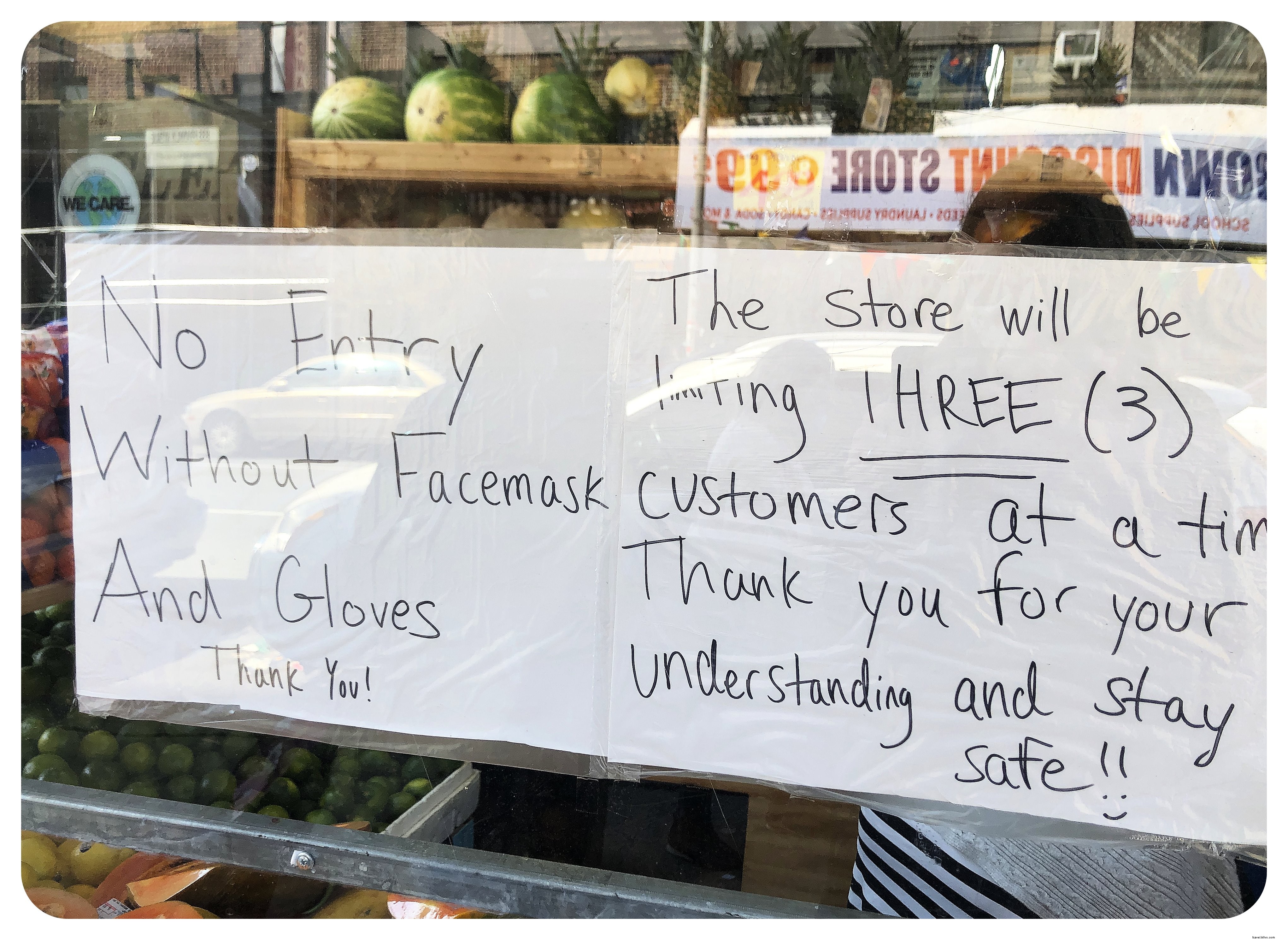 Sirens wail constantly—a grim reminder this is real, not a film set. New York, hit hardest globally, reported nearly 139,000 cases and over 10,000 deaths a month after shelter-in-place.
 The virus soon struck personally: mid-March, someone close fell severely ill with classic symptoms. Doctors suspected COVID-19 but lacked tests, advising 14-day self-quarantine as hospitalization wasn't needed.
As her sole contact, I delivered groceries and treats. Witnessing her symptoms worsen after initial improvement heightened my fear. Field hospitals rose in Central Park and Javits Center for overflow patients. I minimized outings, obsessing over handwashing despite skin irritation.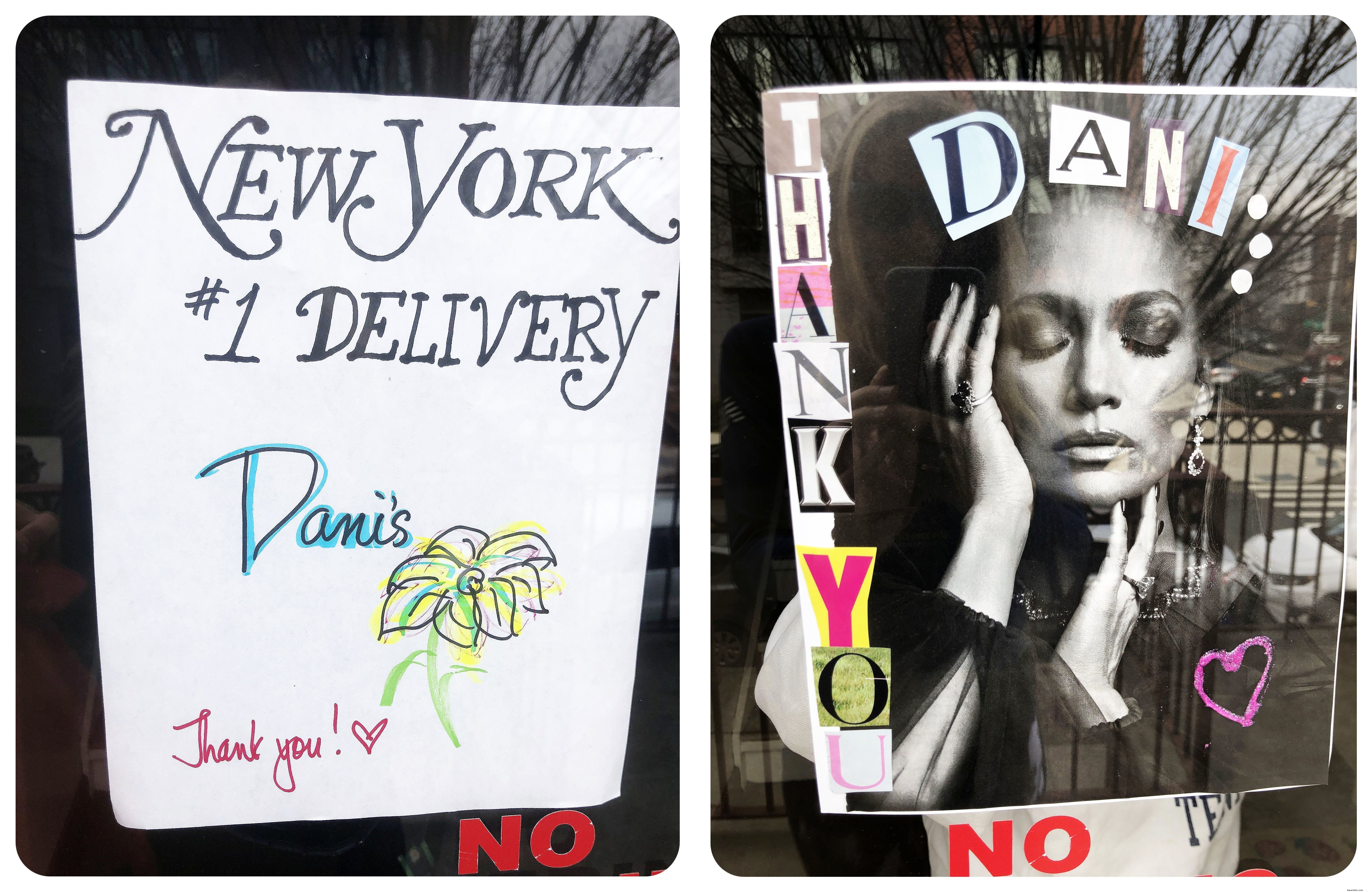 Worse sights followed: a critically ill patient stretchered into a local hospital, then morgue trucks humming outside, overflowing with bodies. A nearby flower bouquet and thank-you poster underscored the tragedy.
These indelible images—the trucks, the patient, my friend's ashen face viewed through glass—haunt me. Sirens evoke them still, as writer Lindsay Zoladz noted in The New York Times: “I feel their presence in my body as an ever-increasing tightness in my shoulders and neck. It is as though, around the clock, the city itself were wailing for its sick and dying.”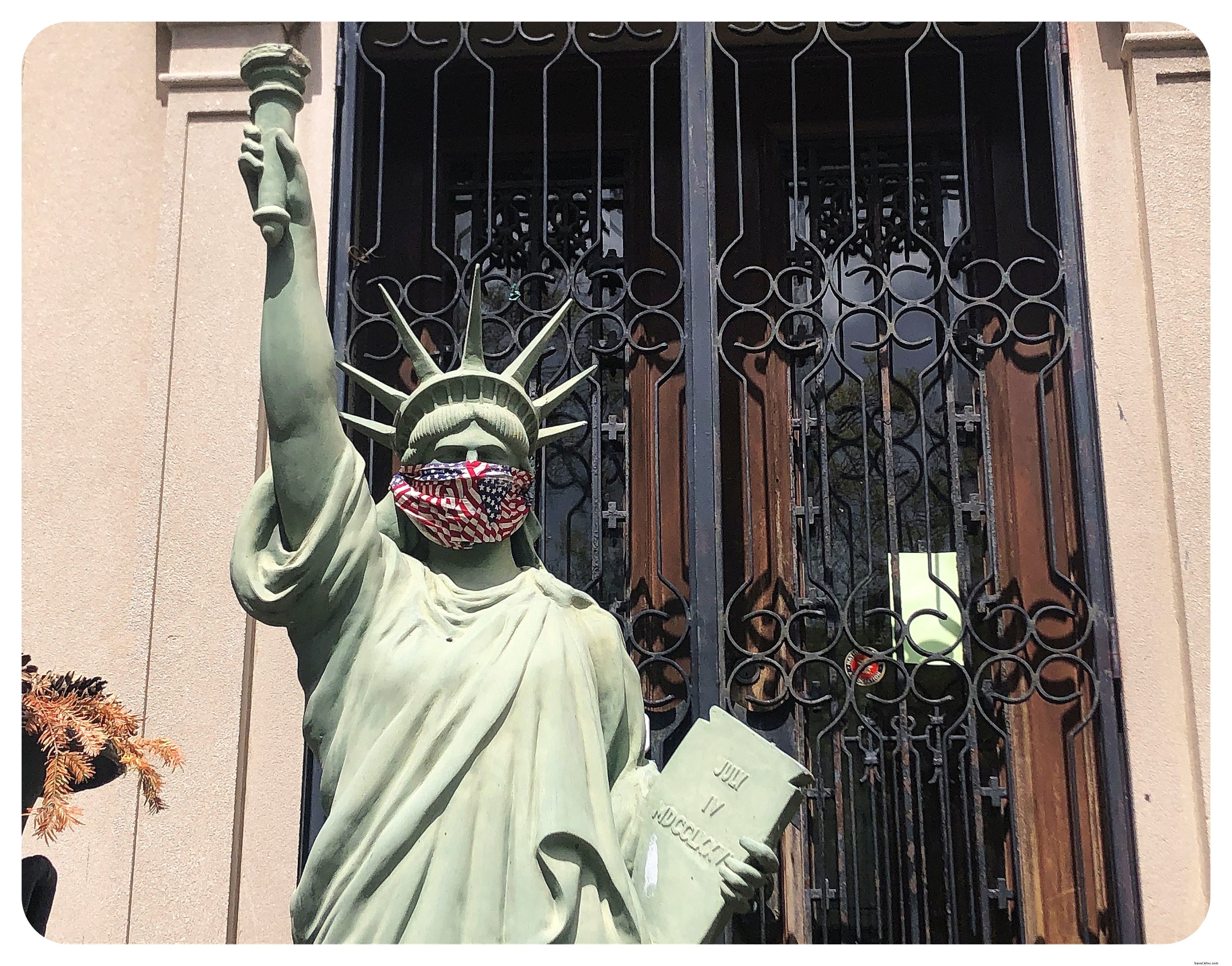 Grocery runs became ordeals requiring masks, gloves, wipes, and sanitizer. I bike regardless of weather, using the subway once for a massive stock-up—my pantry was bare as shutdown loomed.
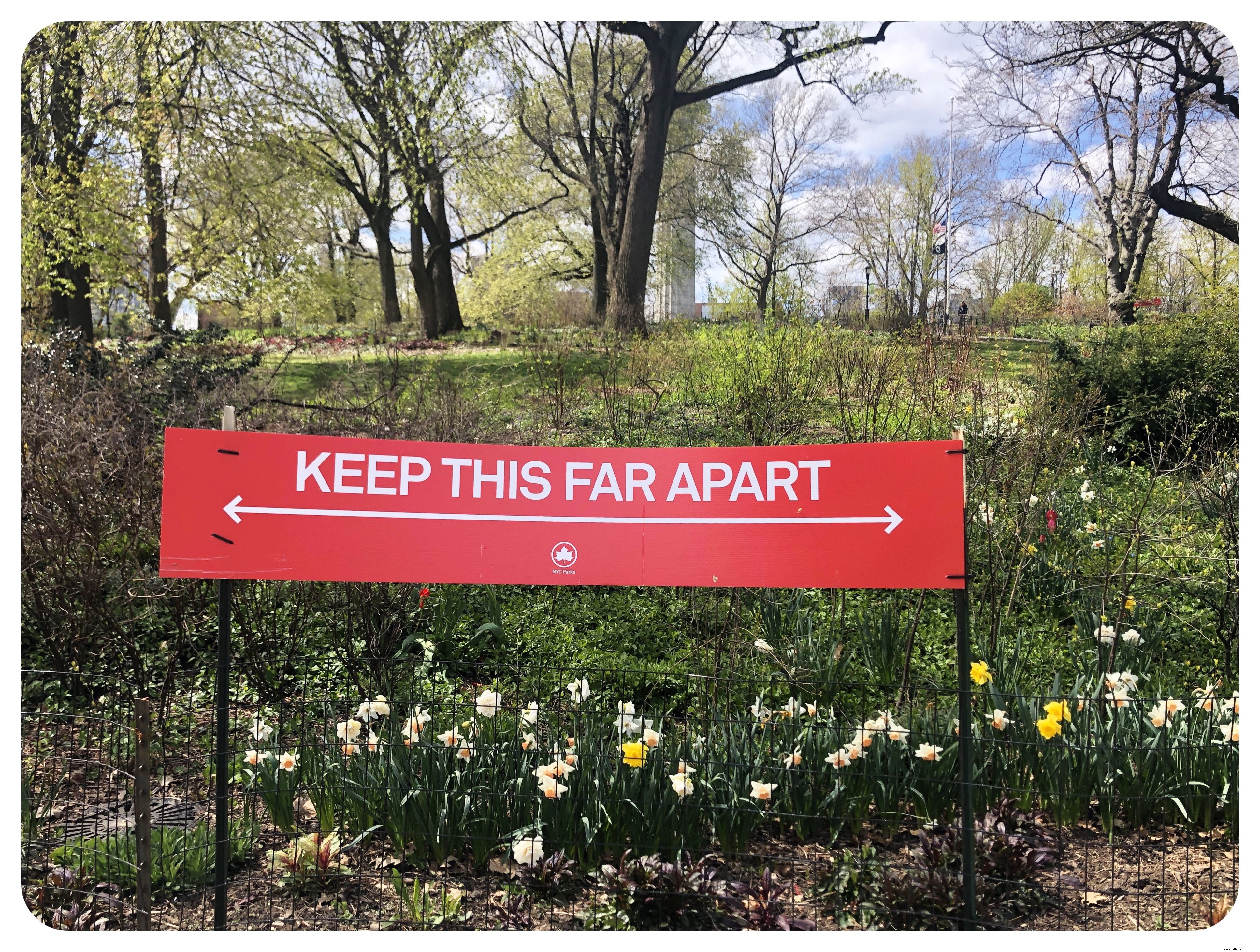
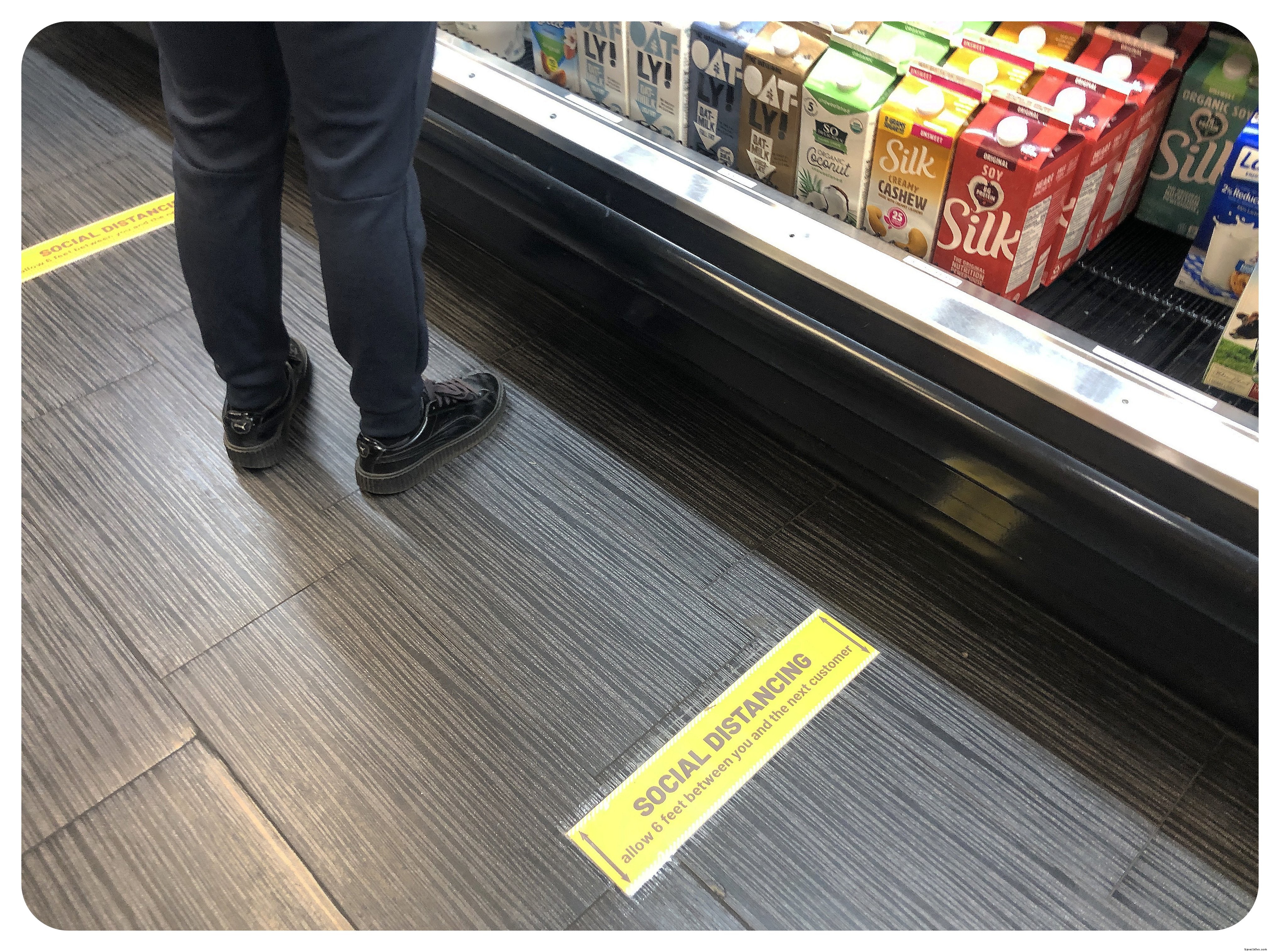
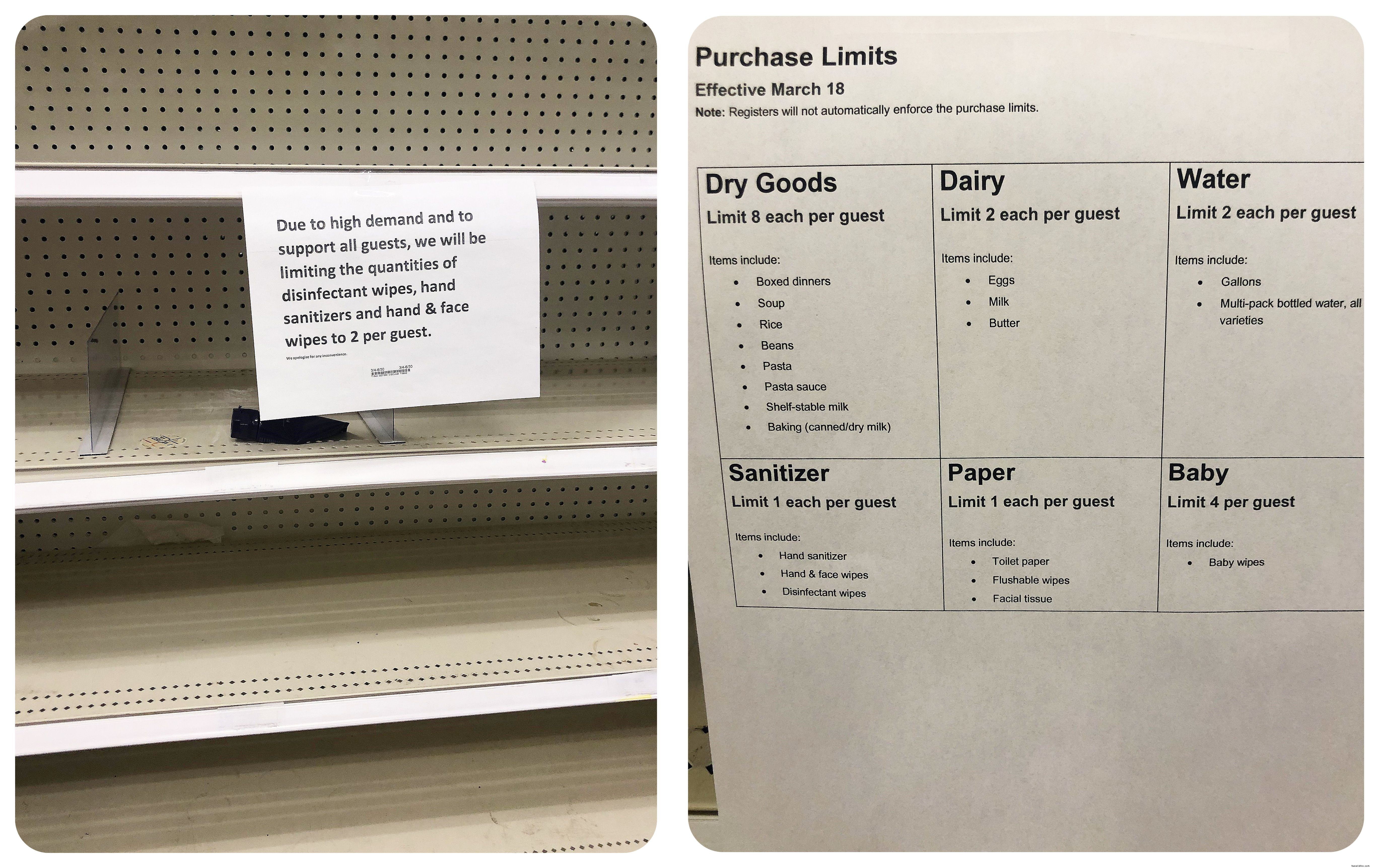 Stores first limited capacity, causing block-long lines. Later, chalk lines enforced six-foot distancing inside and out.
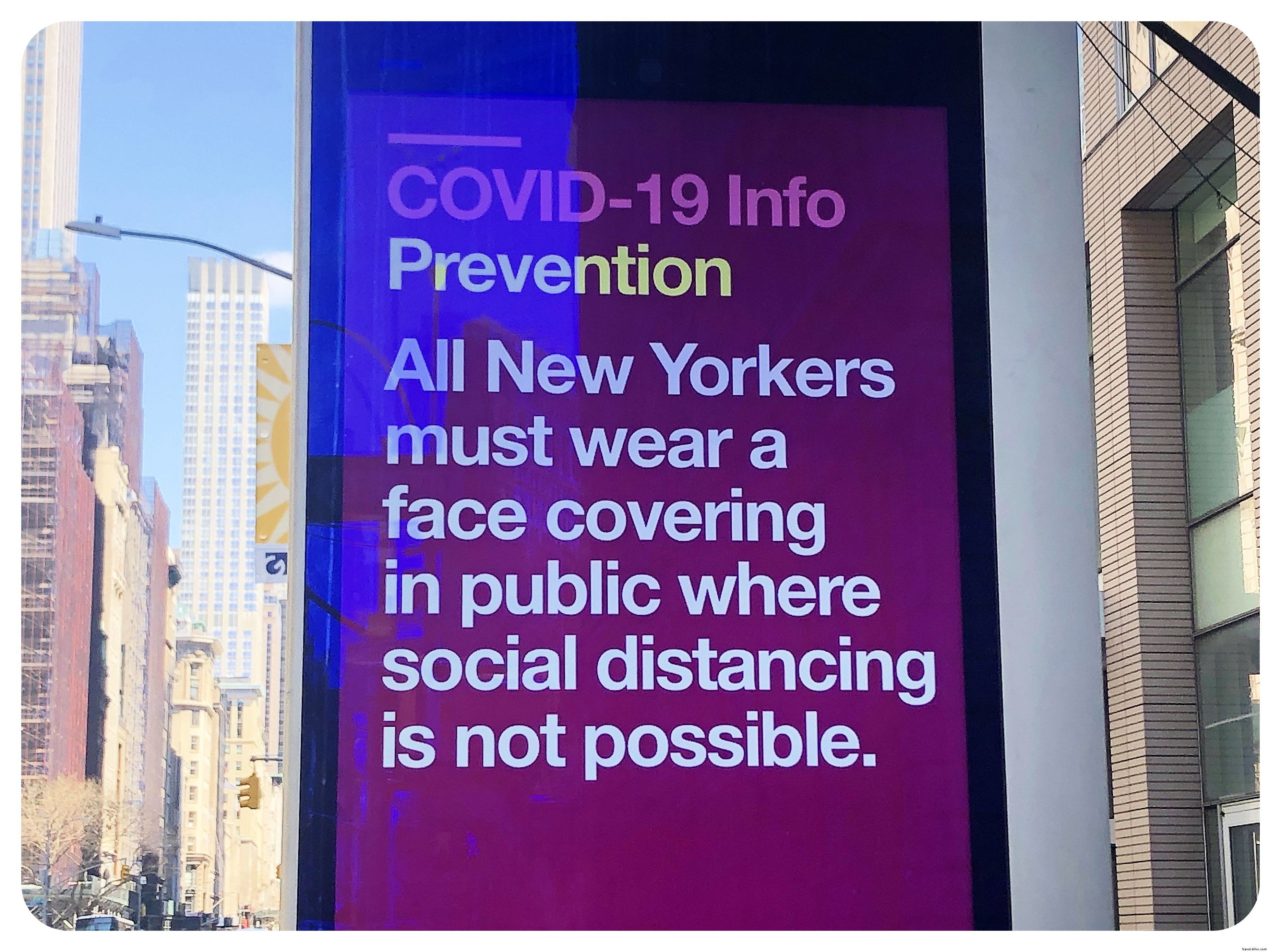
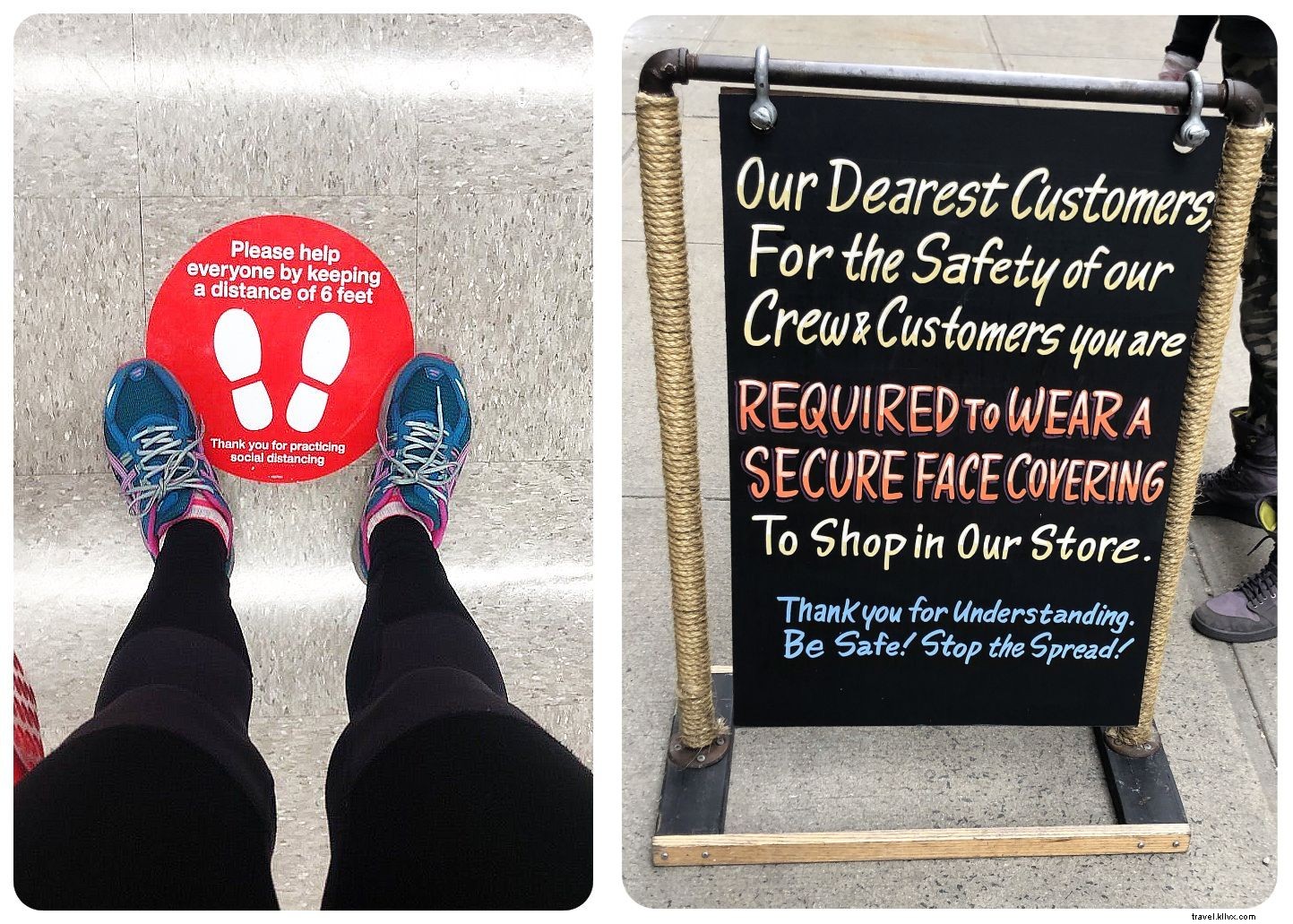 Masks became mandatory April 16; "New York on Pause" extended to May 15. Nearly nine weeks of pause, with no quick return to normal anticipated.
 Venturing into Manhattan last weekend was dystopian: deserted Brooklyn Bridge on a spring day, ghost-town Chinatown, empty SoHo Broadway with boarded shops.
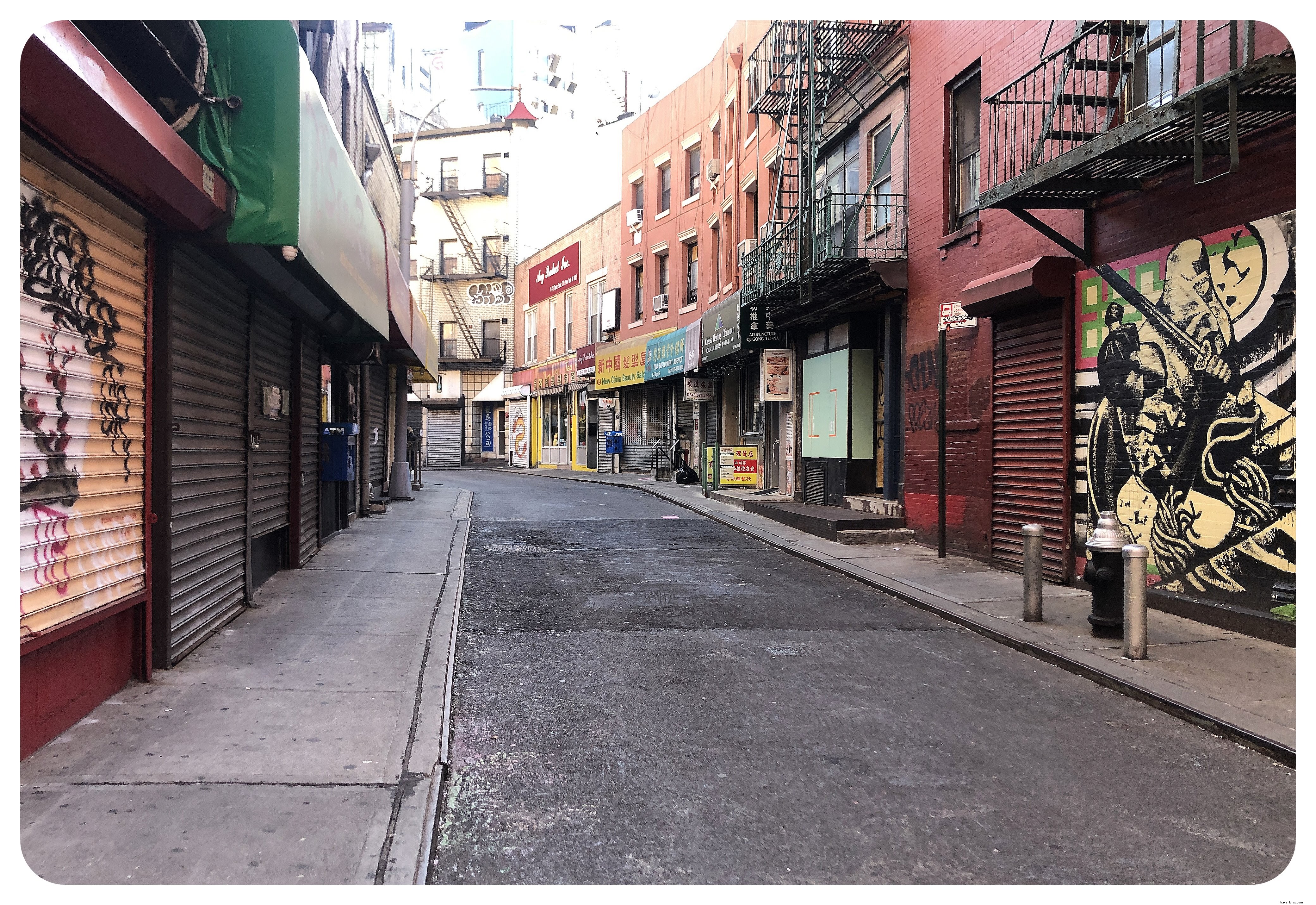 Chinatown feels like a ghost town
Washington Square and Union Squares silent—no buskers, dancers, or chatter. Only grocery lines bustled. Grand Central echoed emptily, announcements now COVID guidelines.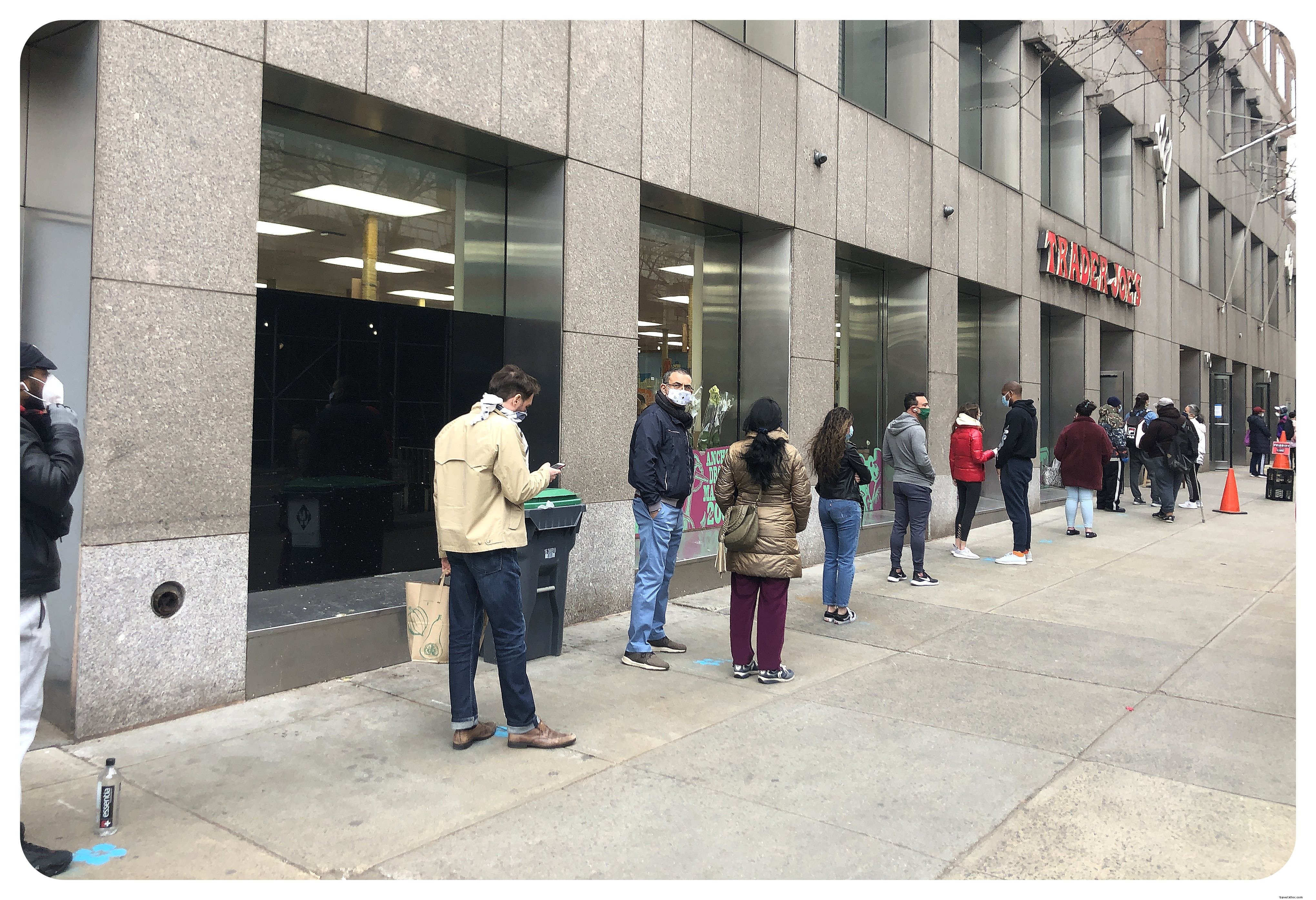 The line outside a grocery store
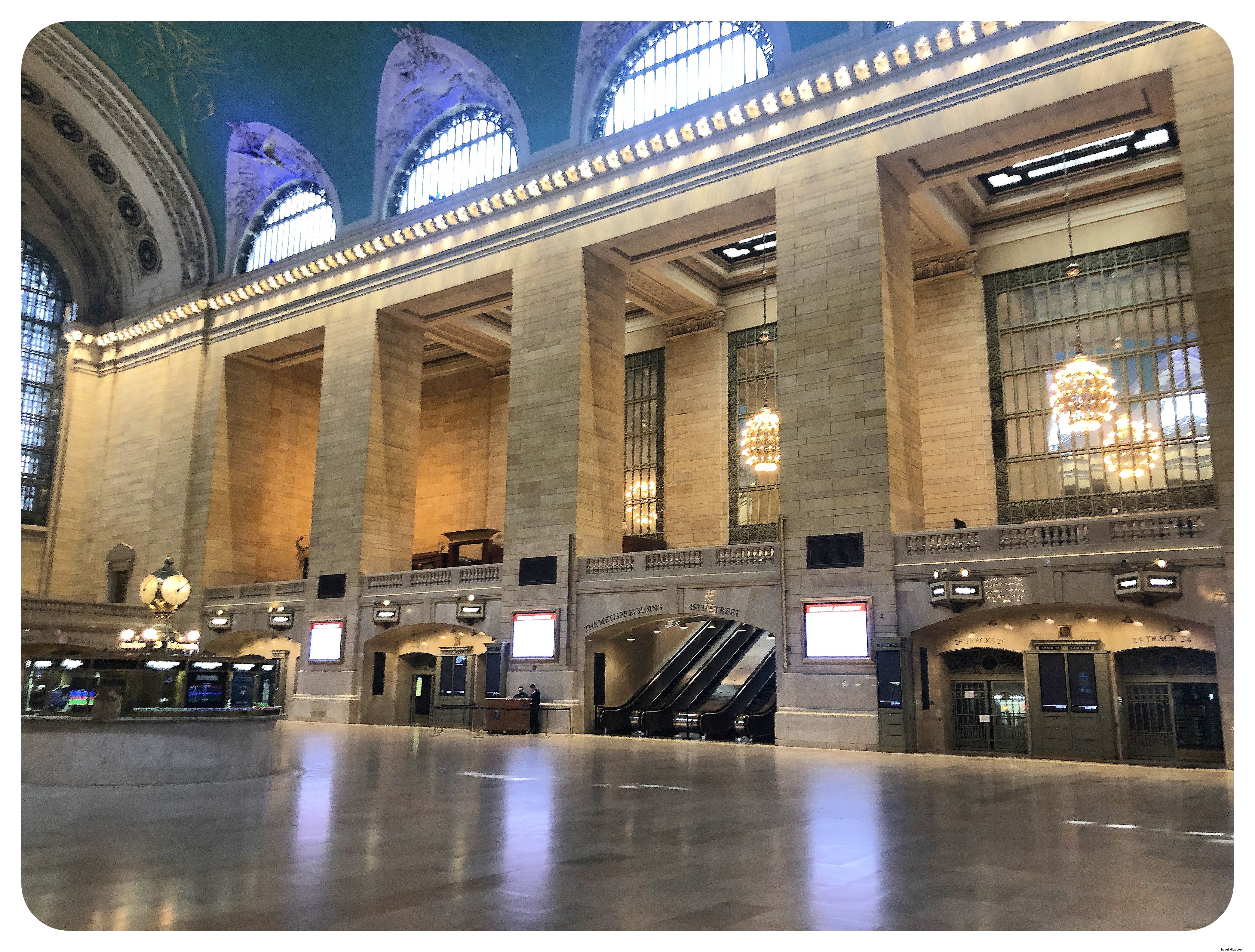 Grand Central Terminal completely deserted
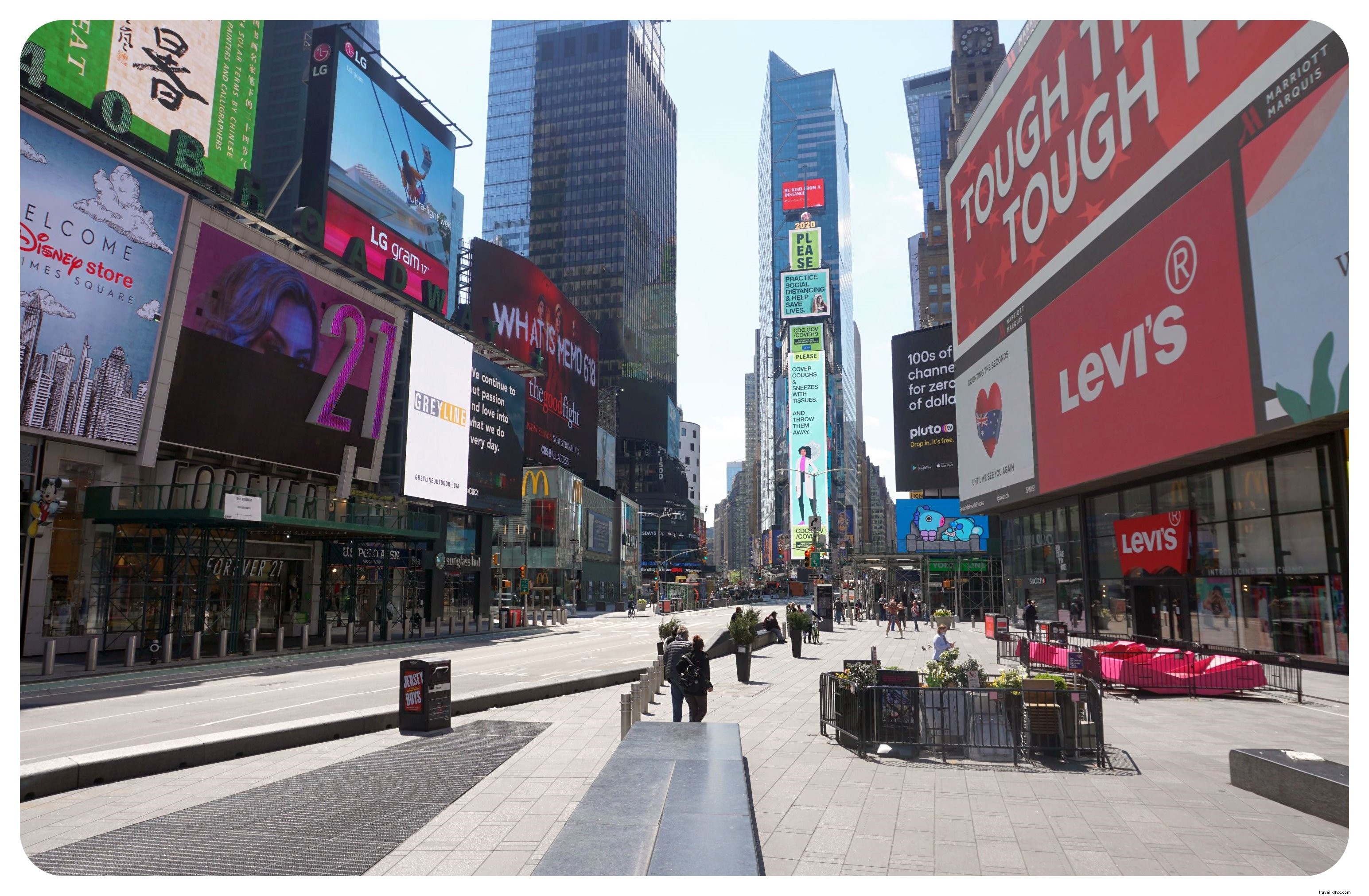
Times Square's 42nd Street allowed mid-street walking. The vibrancy—vendors, traffic, energy—vanished. Cafes, kiosks, bodegas shaped NYC's pulse; their absence dulled it. Shuttered theaters crushed spirits; tourist-free Times Square felt sleepy, save billboards and the Naked Cowboy.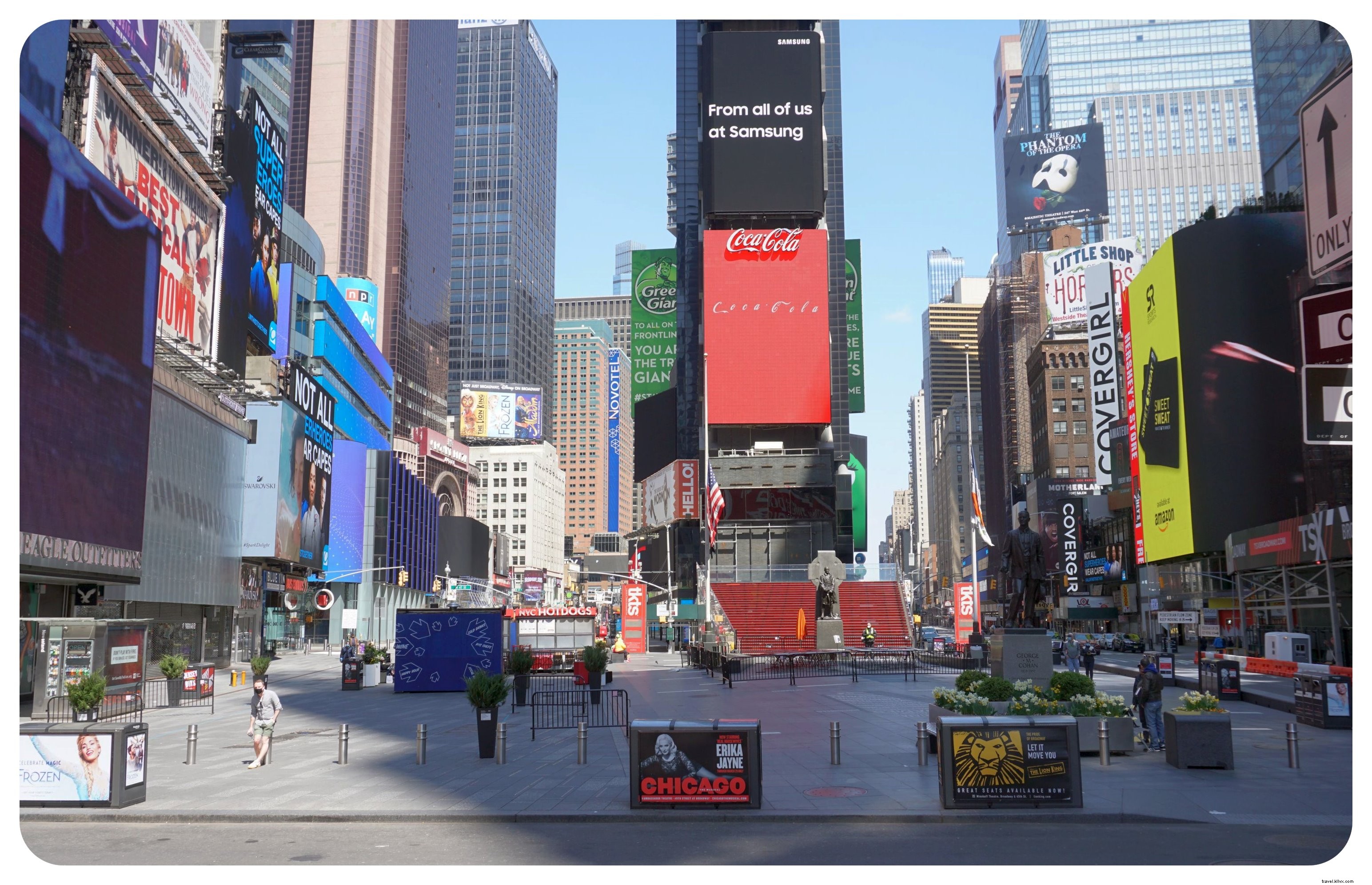
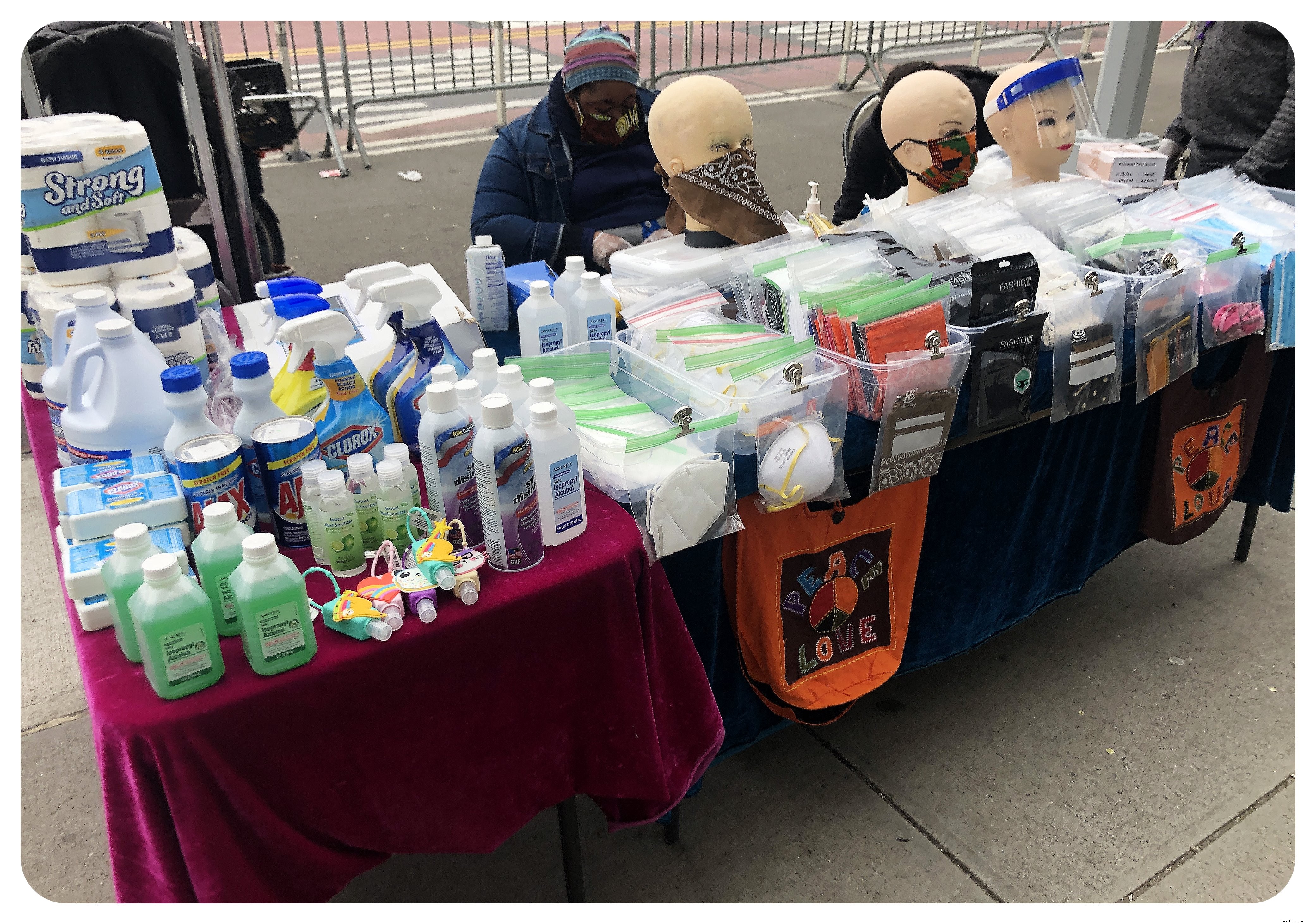 Instead of souvenirs, street vendors now sell hand sanitizer and face masks
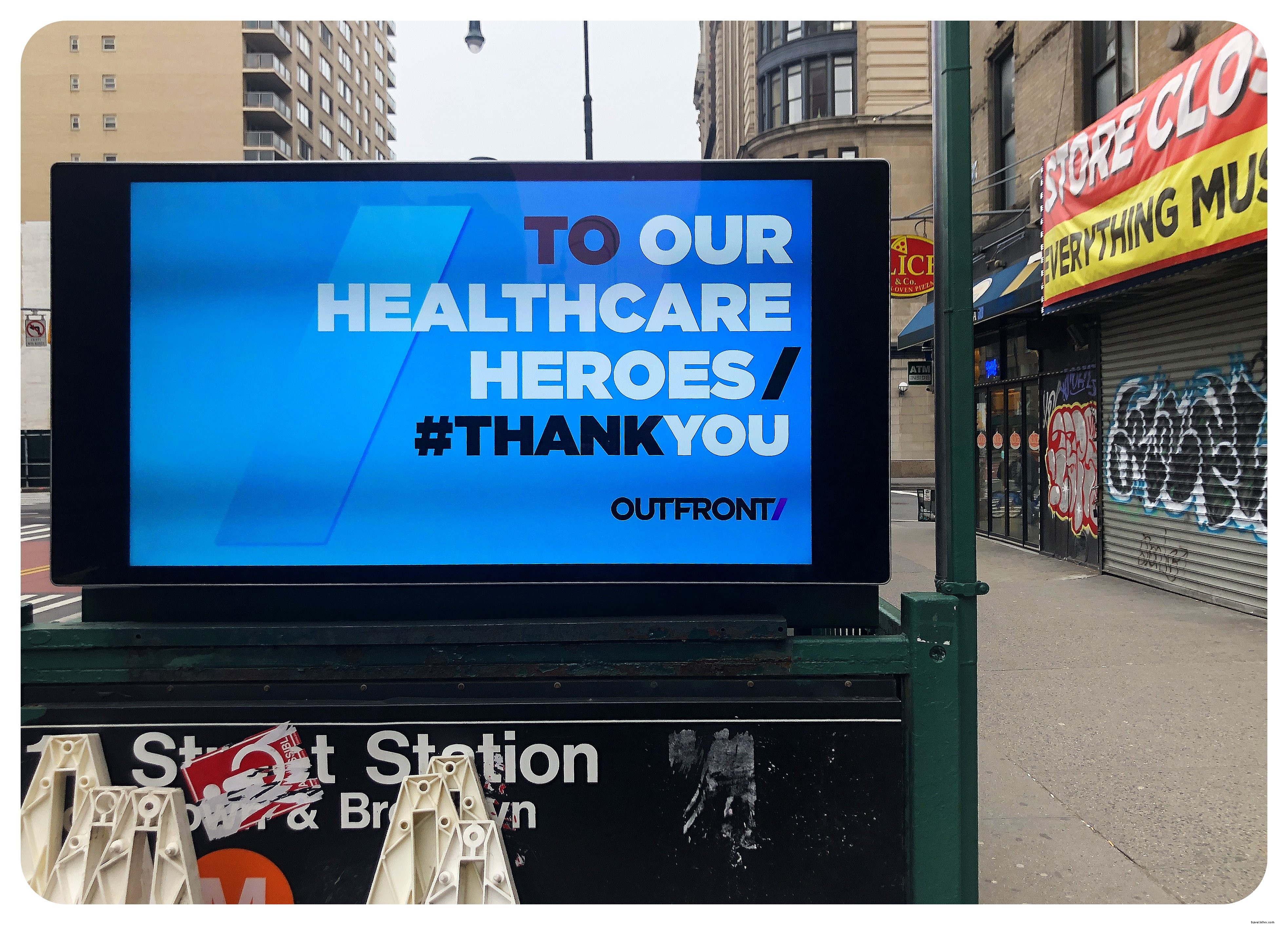
The deepest toll: devastated livelihoods. Small shops, bodegas, eateries fueling NYC's social fabric struggle with rent, layoffs. Over 40% of COVID layoffs hit restaurants; 500,000+ workers idled statewide.
Pre-COVID unemployment was 4.3%; February saw 137,391 claims. Lockdown's first week: 521,112—a 2,637% spike. NYC lost more jobs than New York's 2008 crisis total. A $7.4B deficit looms, axing programs like summer camps for 75,000 youth.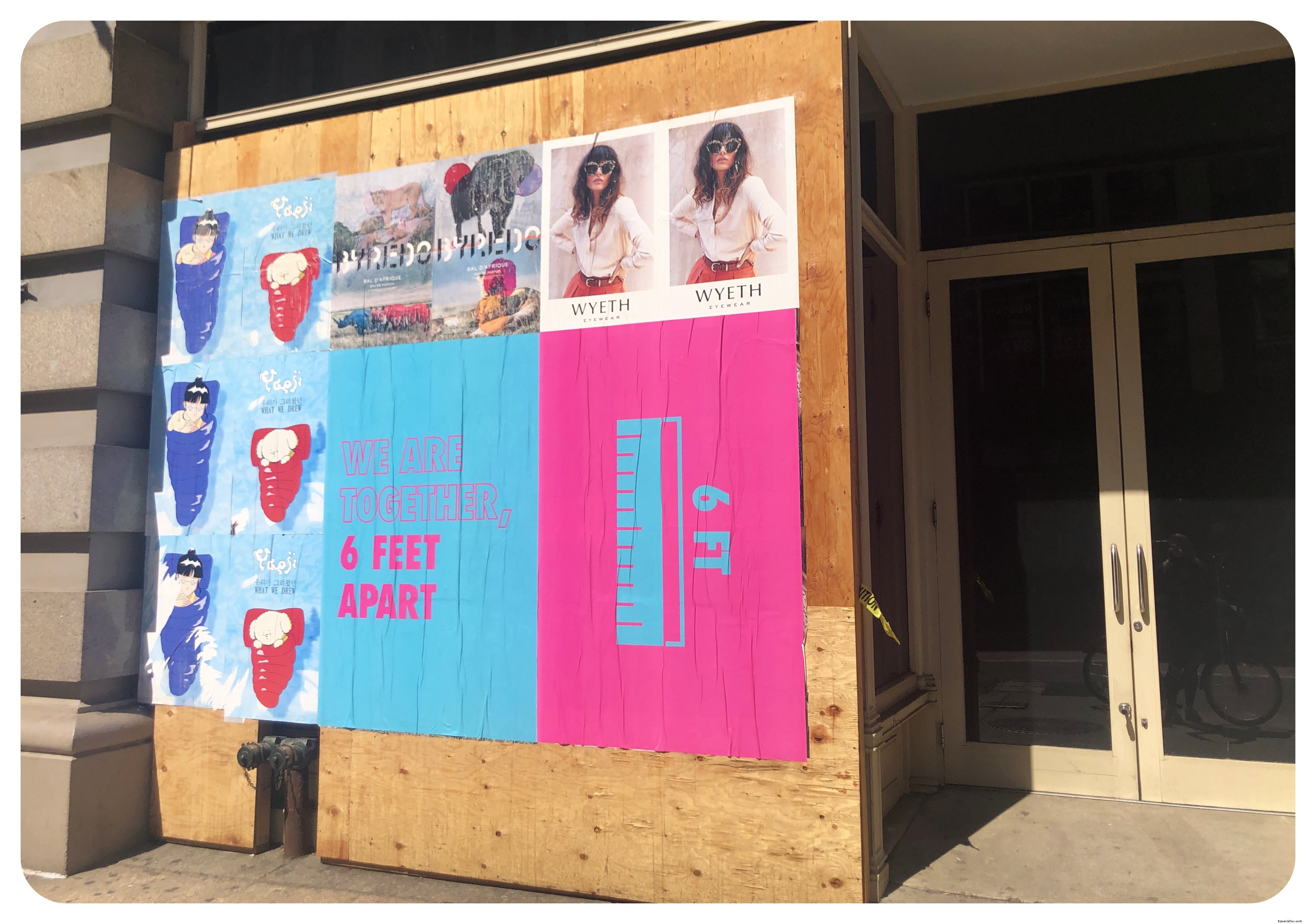
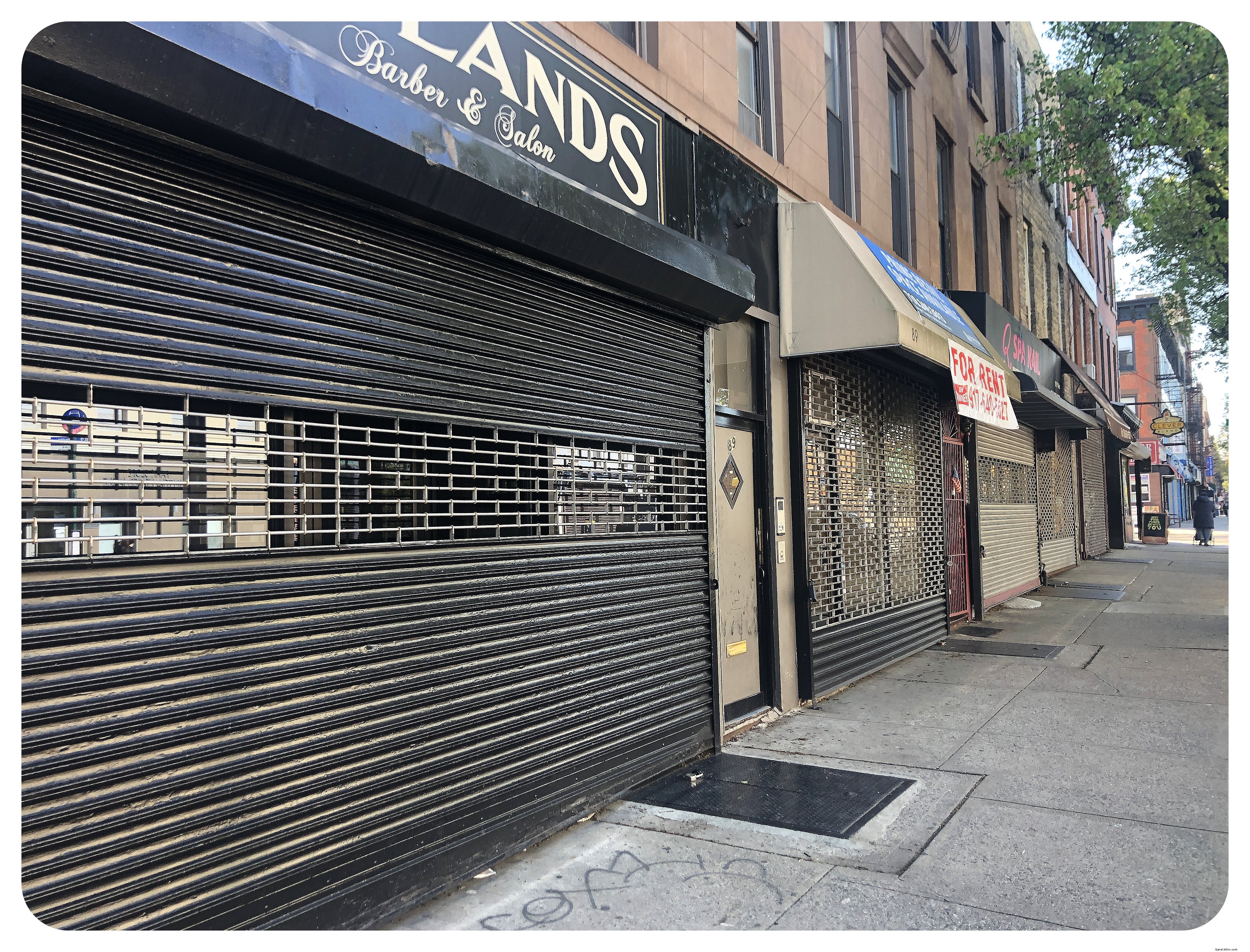
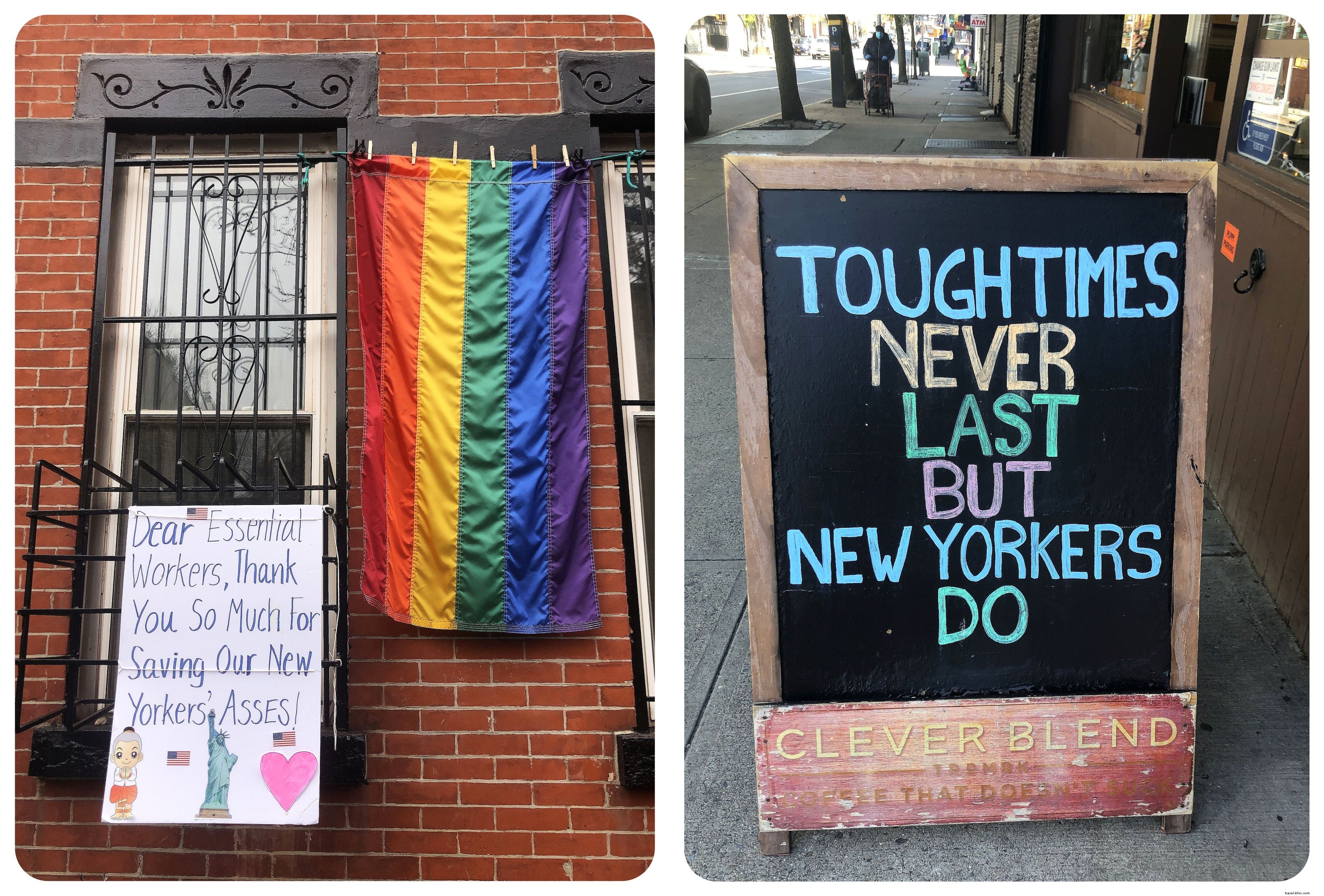
 Post-pandemic recovery will be slow. Parades like Pride canceled; pools closed; beaches uncertain. Summer staples—rooftops, concerts, fairs—gone.
Yet, hope endures. Governor Andrew Cuomo's words inspire:
“We’re going to get through it because we are New York... New York loves all of you... Love wins. Always.”