New York City Six Months into COVID-19: A Local Resident's Update on Life and Travel
Exactly six months ago, I documented life in New York City during the early stages of COVID-19. This update covers key changes since then and answers a frequent question: What is visiting NYC like amid the pandemic? If you're planning a trip, here's an overview of daily life, open attractions, and lingering closures.
Contrary to misconceptions from those outside the city, New York remains firmly in the grip of the pandemic, with full recovery still distant after its profound impact.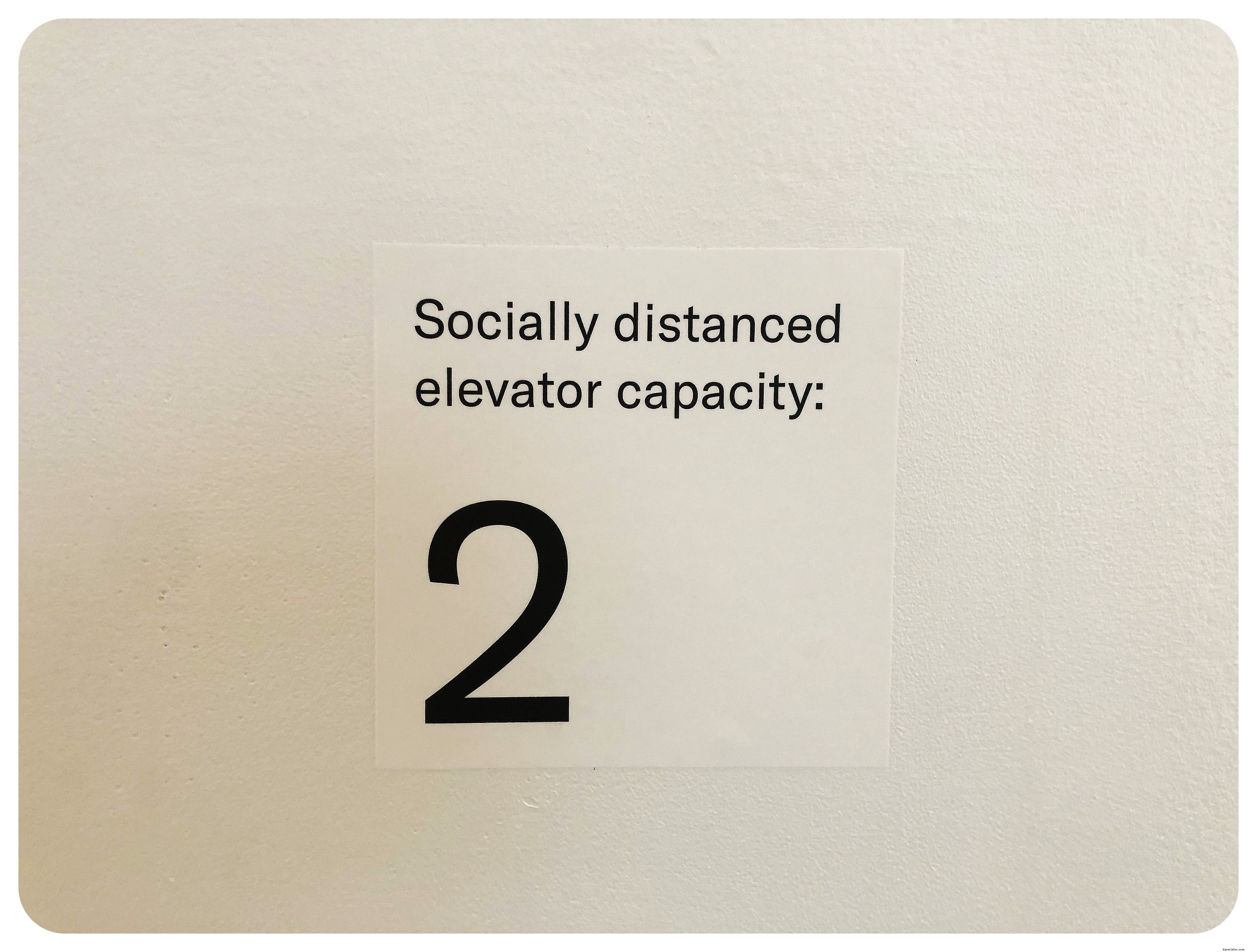
New York City is not dead. An August essay claiming it was 'dead' drew widespread attention—and backlash, notably from Jerry Seinfeld.
That said, COVID-19 has devastated the local economy. My heart goes out to those affected, including owners of restaurants, shops, cafés, bars, and small businesses. Over 2,800 small businesses have shuttered permanently. Even major chains felt the strain: 146 of NYC's 705 hotels (20%) closed for good. Retailers like Victoria’s Secret, Olive Garden, and McDonald’s struggle with Midtown rents amid low foot traffic from remote workers and absent tourists. For more, see the New York Times article: Retail Chains Abandon Manhattan: ‘It’s Unsustainable’.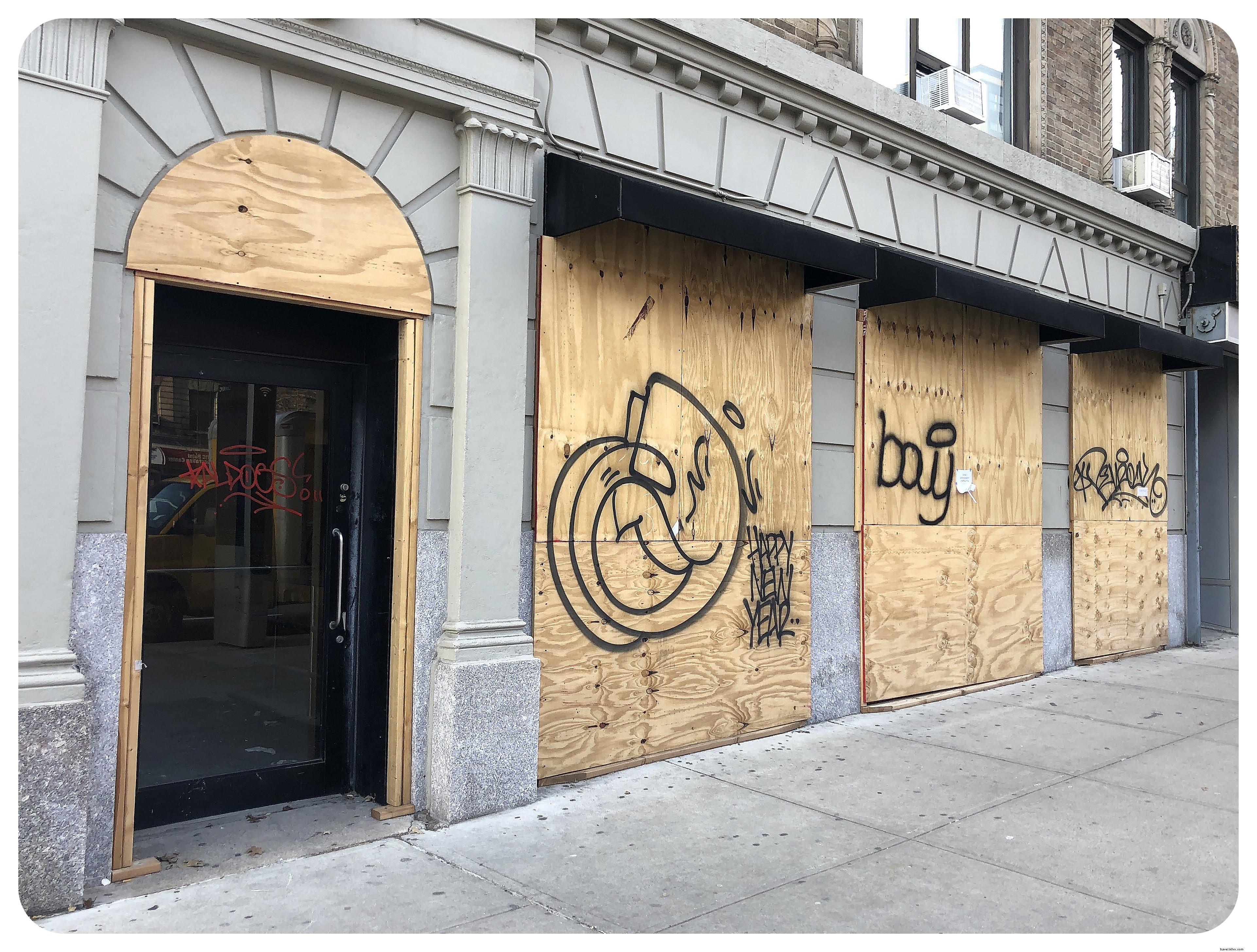 Yet progress has occurred since that summer essay. Midtown Manhattan is no longer ghostly; streets bustle more, despite remote work and scarce tourists. Most shops have reopened, street vendors hawk counterfeit luxury goods—and now, designer face masks.
Reopening began gradually in June after over 100 days of lockdown. Phase 1 (June 8) restarted manufacturing, construction, wholesale, and curbside retail—minimal change for most still working remotely. Restaurants, bars, attractions, cultural sites, beaches, and pools stayed closed, leaving few options.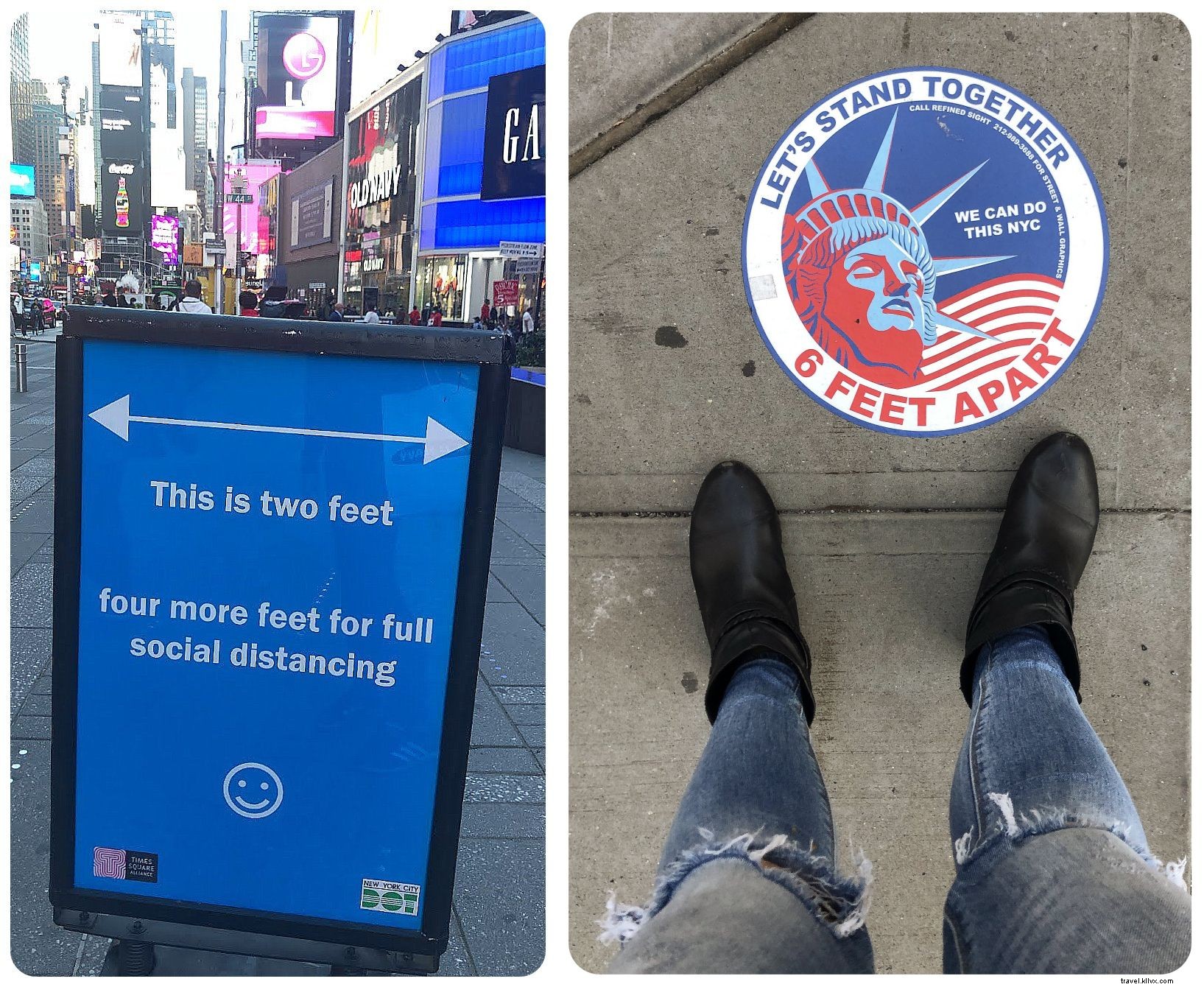
Phase 2 (June 22) transformed routines: outdoor dining resumed, stores reopened with capacity limits, and some office returns were permitted—though only 10% had by late summer, per the New York Times: Manhattan’s Office Buildings Are Empty. But for How Long?
Phase 3 (July 6) allowed gatherings up to 25 people. Bars with outdoor space and food service reopened; indoor drinking and clubs did not.
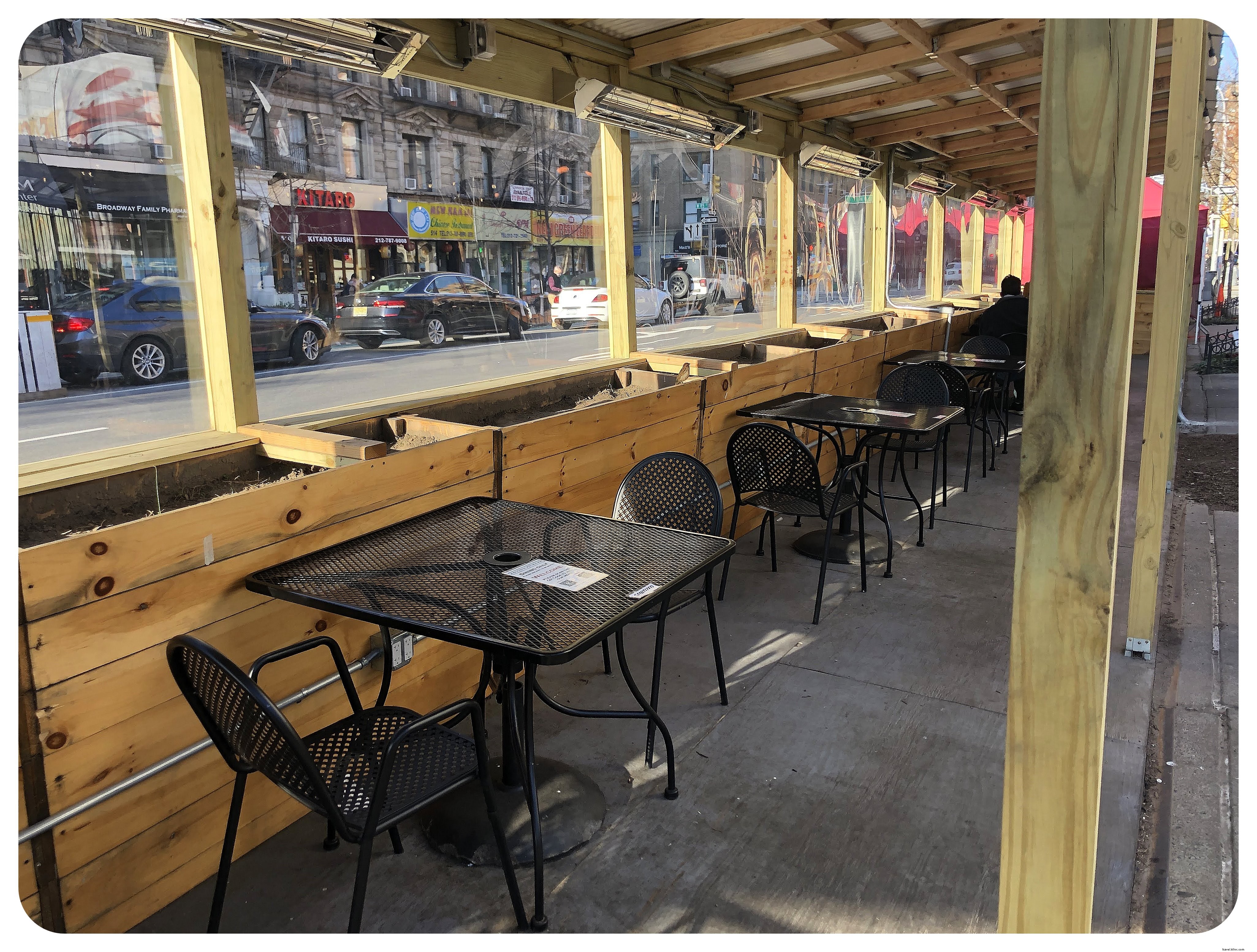
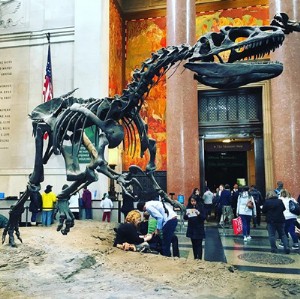
Phase 4 later that month opened zoos, botanical gardens, and select cultural sites like the Statue of Liberty and Empire State Building. Museums reopened end-August at reduced capacity. Movie theaters, gyms, concert venues, clubs, and Broadway (dark until at least May 2021) remained closed.
Tourists trickle in, drawn by short lines, but a 14-day quarantine applies to arrivals from 38 U.S. states and 160+ countries, barring most short trips. Demand persists; visitors will return post-pandemic.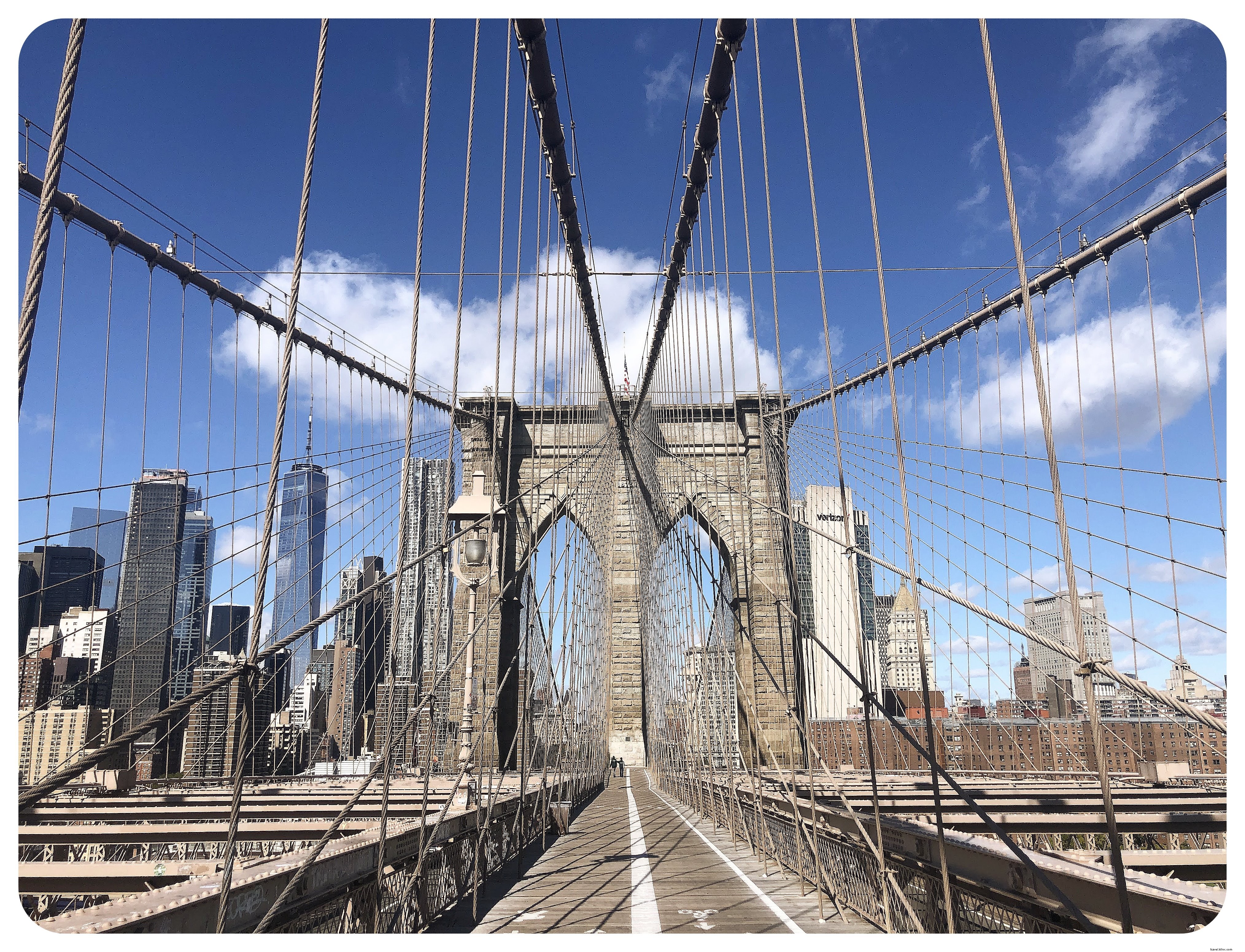
Masks remain mandatory outdoors, on transit, and indoors; compliance is high, shaped by spring's heavy toll.
NYC isn't 'normal' yet: Museums at 25% capacity, remote work dominant, many cafés takeout-only, stores with shopper limits, nightlife dormant. After 218 days (from mid-March), no clear end in sight.
I've considered leaving—NYC's high costs and tiny apartments lose appeal without its vibrancy. As one podcast host noted: "Everything that brought people to New York is on hold or gone, and we are left with the worst part of living in New York, which is paying a lot to be in a very small room." Grateful for solo quarantine in a cozy space, I've adapted with home comforts and virtual socializing.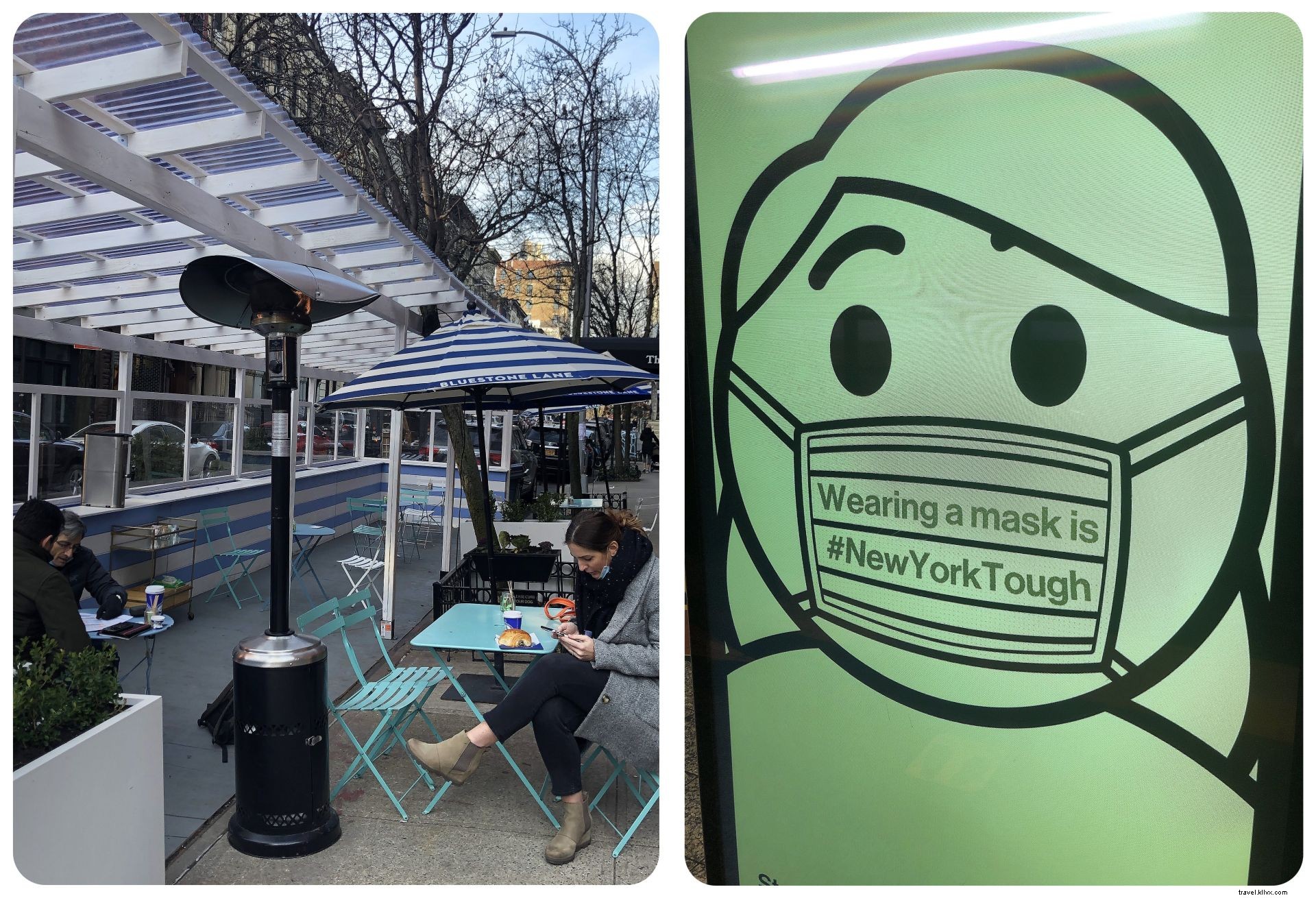
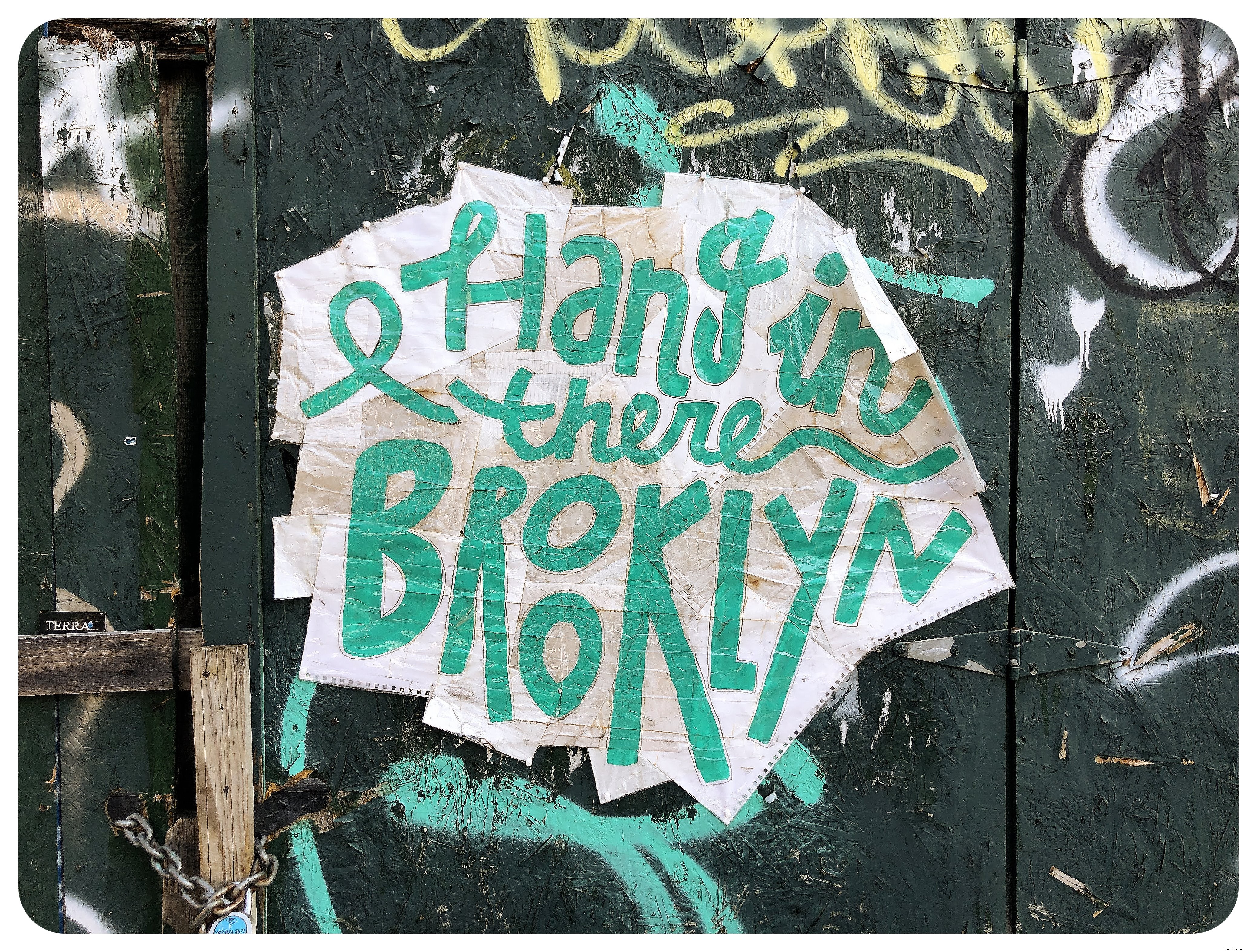
Yet leaving feels wrong. New Yorkers are resilient—"New York tough" endures. I'll wait for the rebound, enjoying uncrowded gems: empty MoMA galleries, serene Times Square, solitary Brooklyn Bridge walks, uncrowded flea markets, prime Staten Island Ferry views, quick pizza slices, even cronuts.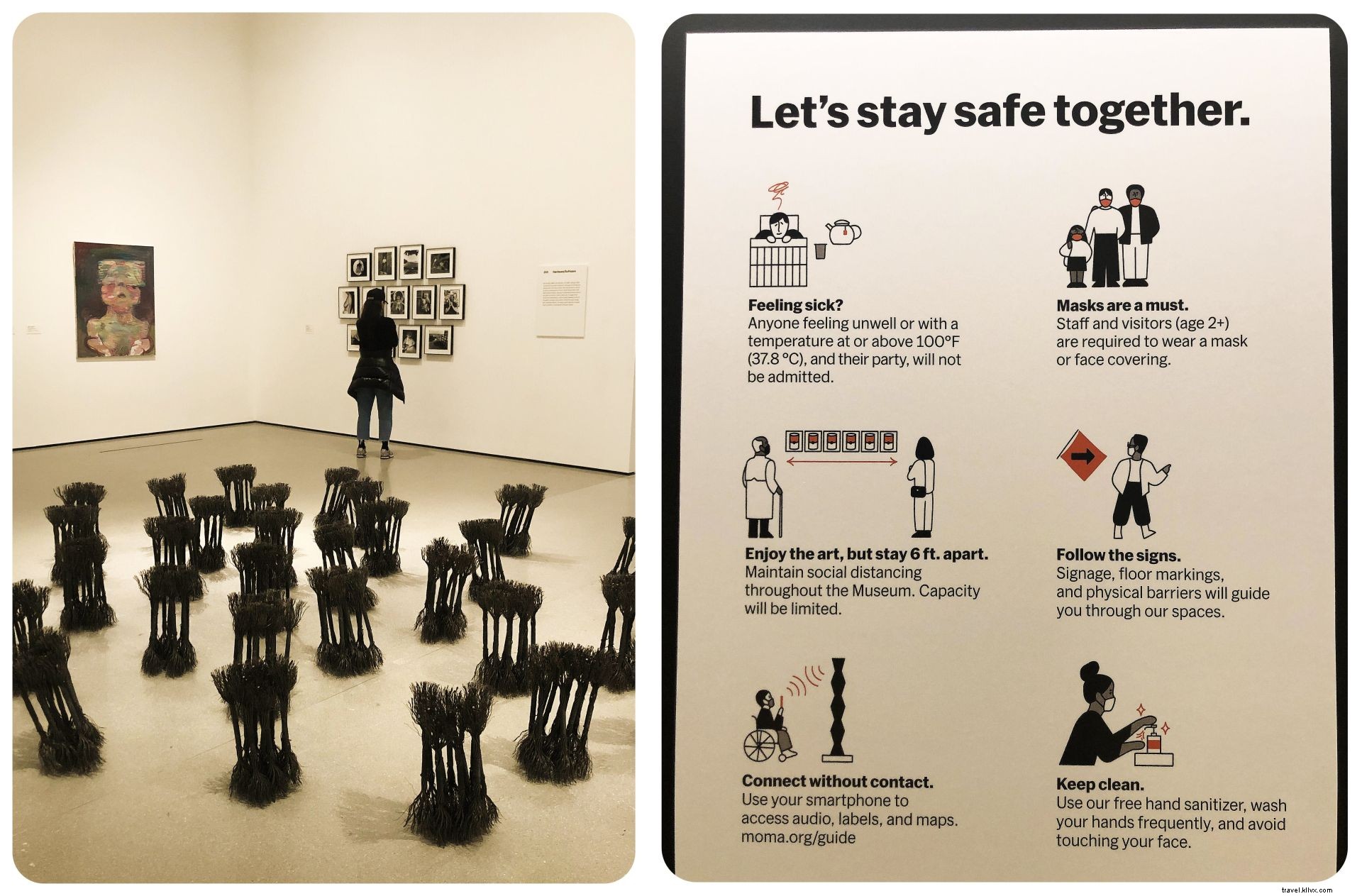
Visitors now claim the city 'to themselves'—a rare perk with low international tourism and cheap hotels. Local travelers capitalize. Still, NYC's signature energy is absent. As Jerry Seinfeld countered in his NYT op-ed:
“There’s no energy.
Energy, attitude and personality cannot be “remoted” through even the best fiber optic lines. That’s the whole reason many of us moved to New York in the first place.
Real, live, inspiring human energy exists when we coagulate together in crazy places like New York City. Feeling sorry for yourself because you can’t go to the theater for a while is not the essential element of character that made New York the brilliant diamond of activity it will one day be again.”