Ultimate Guide to Visiting Machu Picchu: Budget Travel Tips, Inca Trail Trekking & Peru Adventures
Everything You Need to Know About Visiting Machu Picchu: History, Affordable Travel, Inca Trail, and Trekking in Peru's Andes
Machu Picchu stands as an iconic symbol of South America and is an absolute must-visit on any Peru itinerary. Inspired by the ancient wonders in the Civilization video game series during my youth, I've long dreamed of exploring these legendary Inca ruins. Years later, I finally made the journey—and it exceeded every expectation.
In this guide, drawn from my firsthand experience, I'll share practical tips for visiting Machu Picchu and trekking in the surrounding Peruvian Andes. For general Peru travel advice, check our comprehensive Peru travel guide. Let's dive in.
A Brief History of Machu Picchu
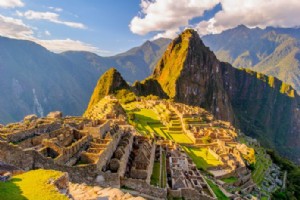
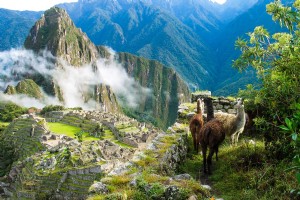
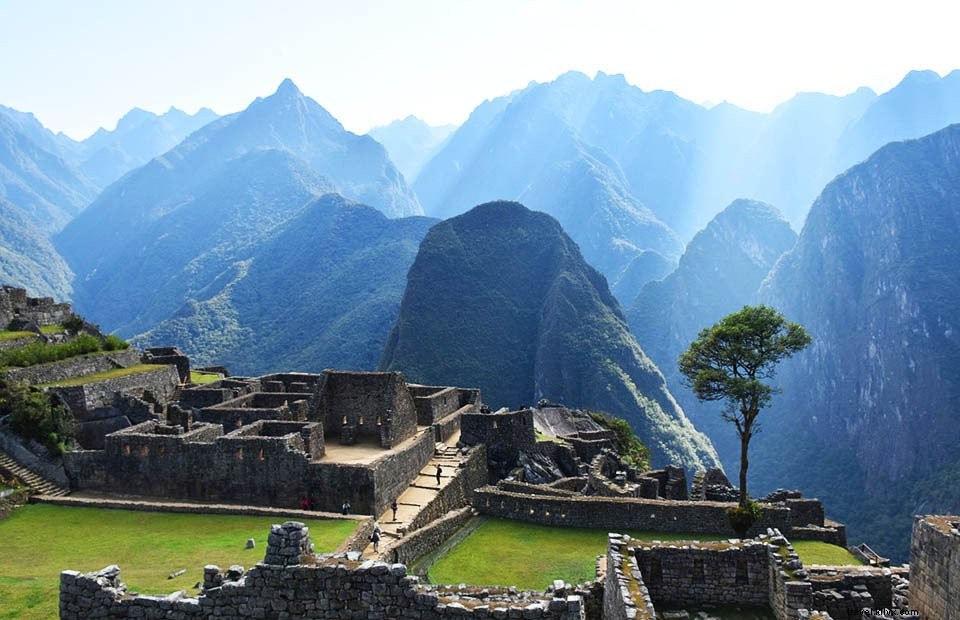
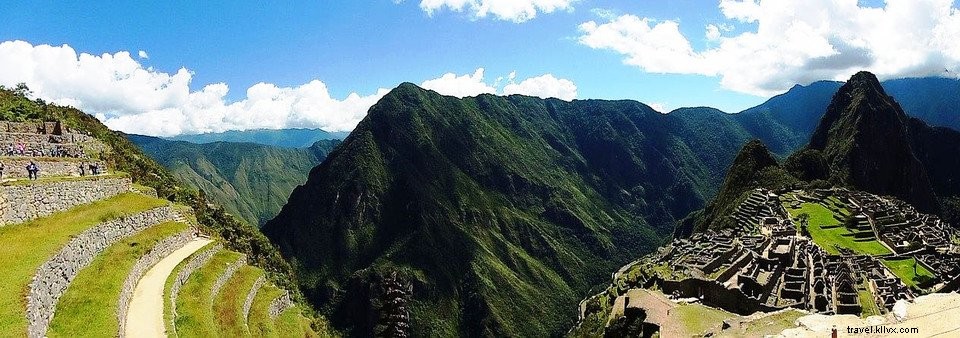
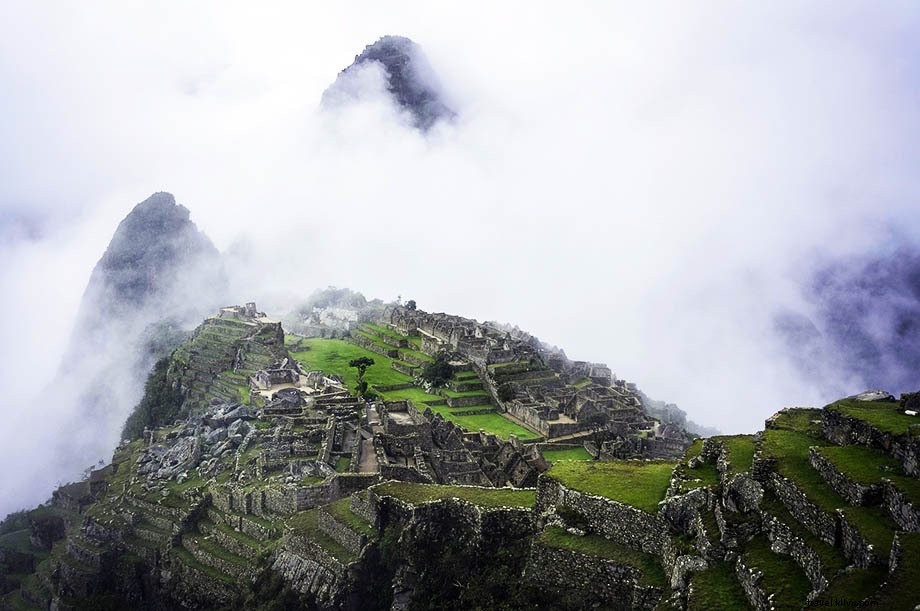
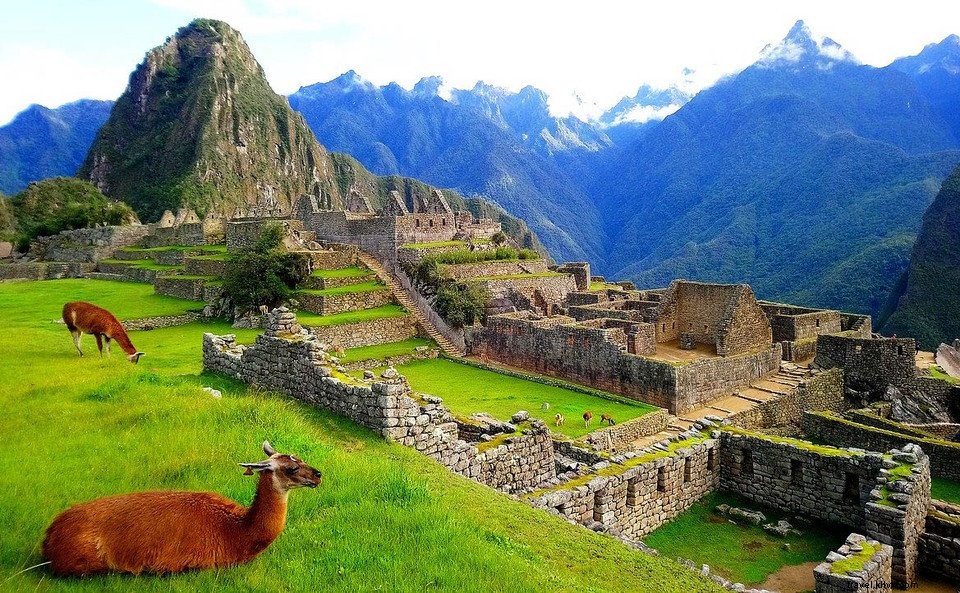
Constructed in the mid-15th century under the rule of Inca emperor Pachacutec, Machu Picchu nestles between two towering peaks: Machu Picchu and Huayna Picchu. Historians debate its exact purpose, but evidence suggests it served as a sacred religious center for Inca priests and nobility.
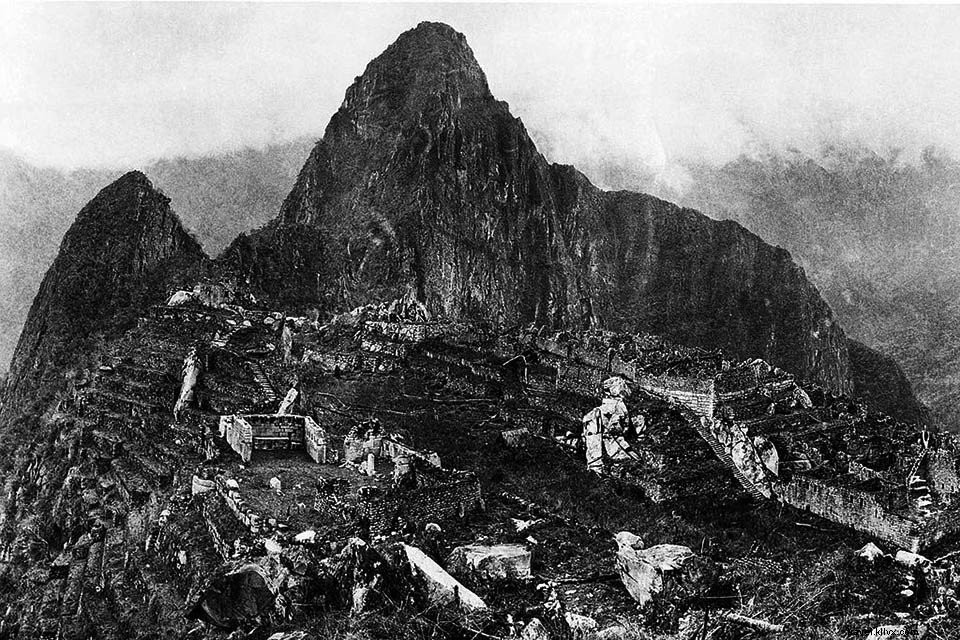
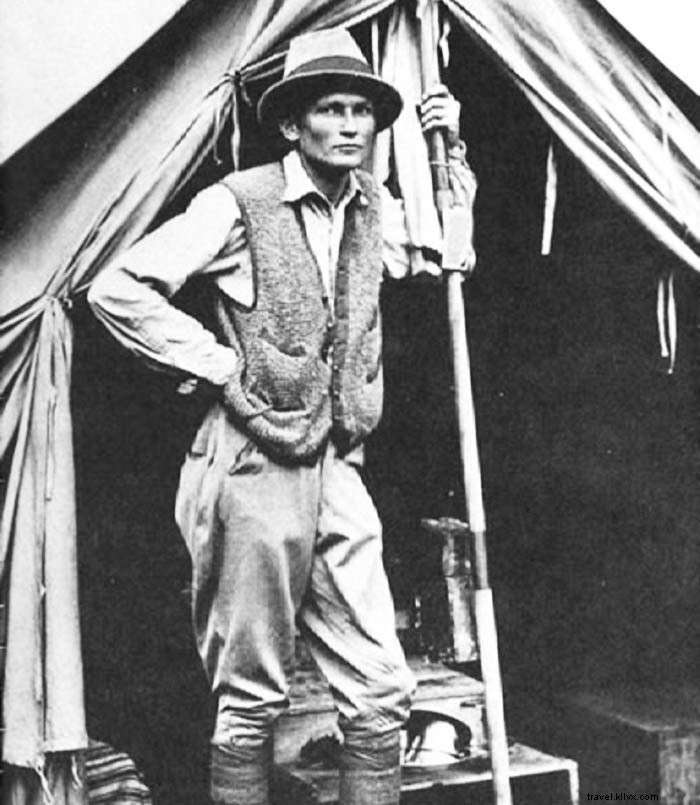
Abandoned around the mid-16th century for reasons unknown, the site evaded Spanish conquistadors, remaining hidden for centuries. In 1911, American explorer Hiram Bingham III rediscovered it. Post-World War II, it drew global tourists, earning UNESCO World Heritage status in 1983. Thankfully, plans for a luxury hotel were scrapped thanks to UNESCO intervention.
Aguas Calientes: Your Gateway to Machu Picchu
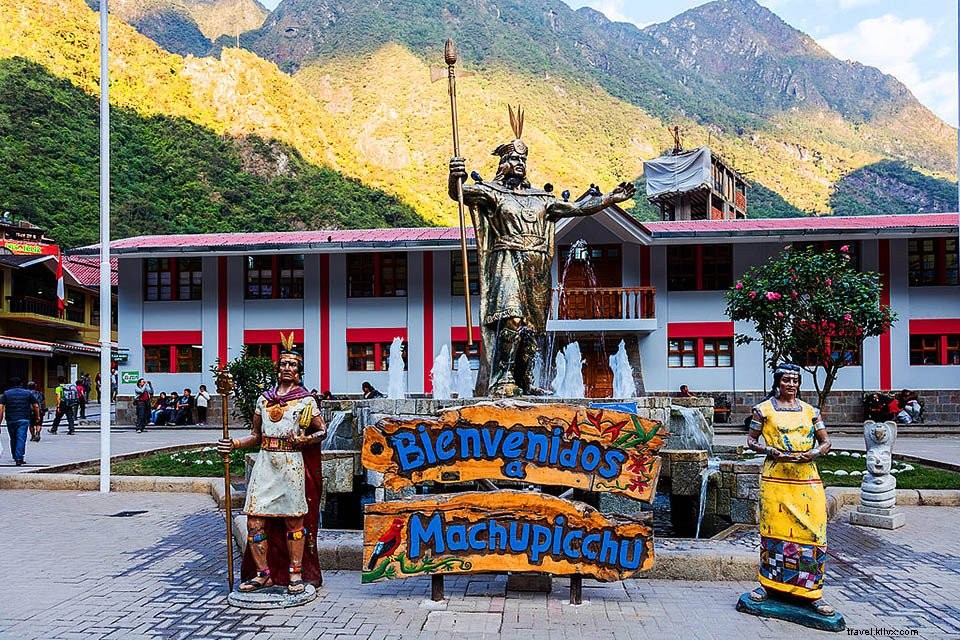
Nestled in the valley below, Aguas Calientes (also known as Machu Picchu Pueblo) serves as the primary base for visitors. Packed with hotels and restaurants catering to tourists, prices are steep: expect $50–75 per night for decent budget accommodations (avoid the cheapest to protect your valuables), and $10–15 per person for a solid meal.
A steep hiking trail from Aguas Calientes reaches the ruins in about 1.5–2 hours for most visitors. The site itself involves significant walking, so those with mobility concerns can opt for shuttle buses (~$12 round-trip) directly to the entrance. While convenient, Aguas Calientes lacks charm beyond its tourist amenities—consider alternatives for a more authentic (and often cheaper) experience.
Plan Ahead: Limited Tickets to Machu Picchu
Buying tickets on-site is nearly impossible due to strict UNESCO-mandated daily limits (max 5,940 visitors as of 2020 rules). Regulations updated in early 2020 require advance booking via Peru's Ministry of Culture or authorized agencies. Always verify current rules, as they evolve.
Machu Picchu Ticket Types (2020 Rules)
Three main ticket options exist, with student/child discounts. European student IDs may not always be accepted—get a Spanish-language student verification if needed. Guided tours are mandatory; independent museum visits cost extra ($7 adults/$4 students/$3 children, 9 AM–5 PM).
Time limits are enforced: 4 hours for ruins, 3 hours for peaks. Violators risk fines.
Standard Machu Picchu Ticket
$50 adults/$25 students/$23 children. Includes guided ruins tour (English/Spanish):
- 6–9 AM
- 9 AM–12 PM
- 12–3 PM
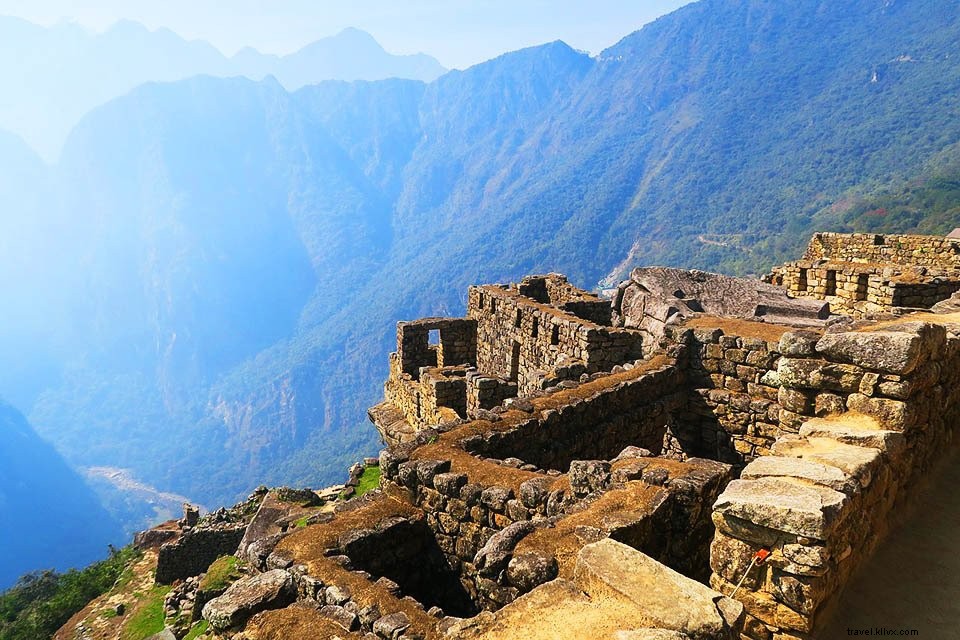
Machu Picchu + Huayna Picchu Ticket
$65 adults/$40 students/$37 children. Ruins + lower peak (400 tickets/day):
- 7–8 AM
- 10–11 AM
Machu Picchu + Mountain Ticket
$65 adults/$40 students/$37 children. Ruins + higher peak (400 tickets/day):
- 7–8 AM
- 9–10 AM
Aim for 8–11 AM entry. Start early (4:30–5:30 AM) via hike or bus. Prioritize peak tickets for stunning overlook views.
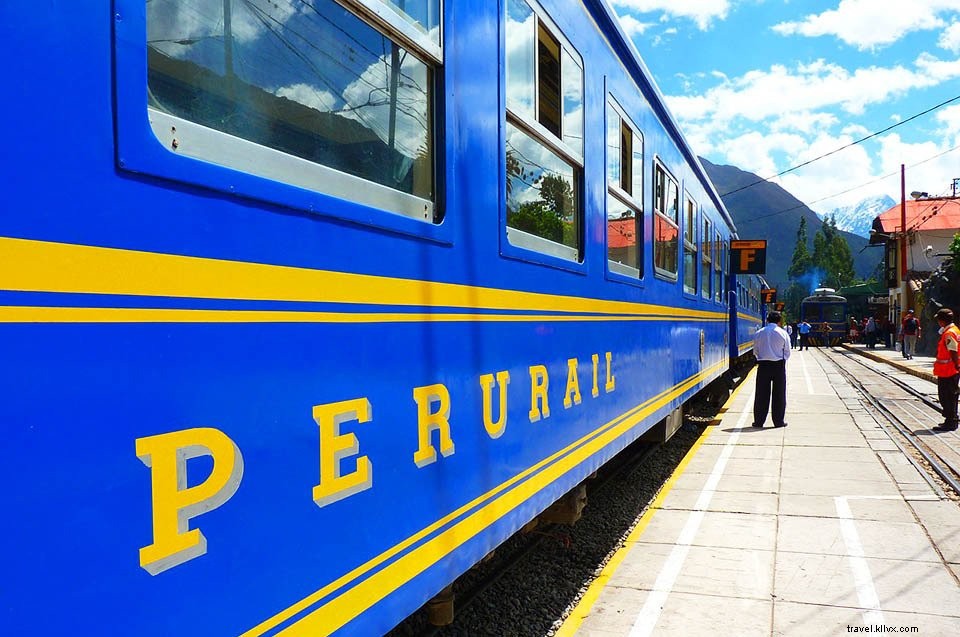
Travel to Machu Picchu: Inca Rail Train
For comfort, Inca Rail offers scenic trains from Cusco (Poroy) or Ollantaytambo to Aguas Calientes. Prices range $65–350 one-way—no discounts. Budget travelers walk the tracks (safe, fast, but basic views). Ollantaytambo has secure parking.
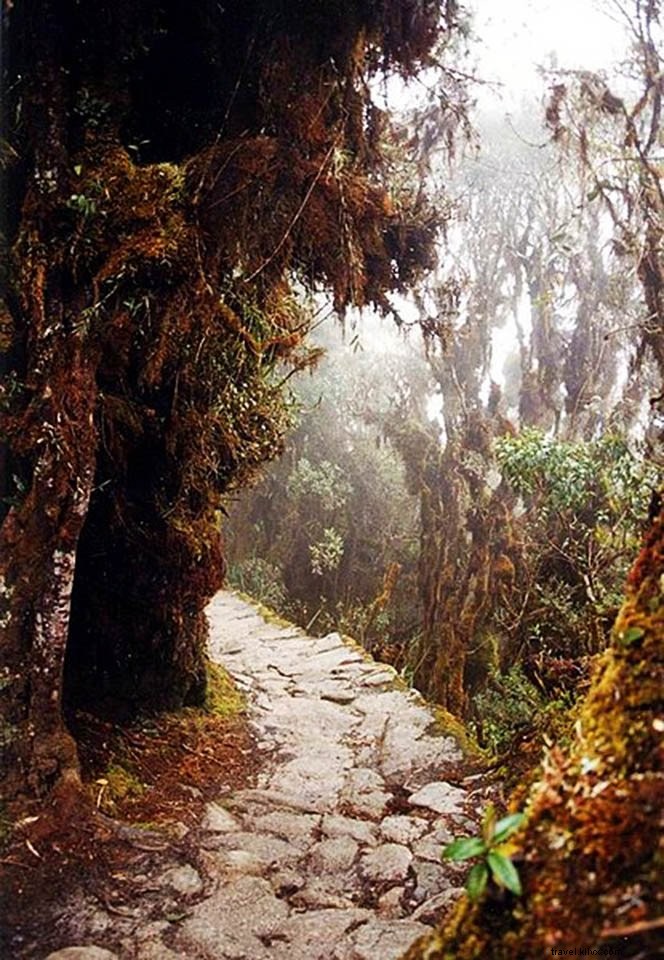
Inca Trail Trek: Iconic 27-Mile Adventure
This famed 4-day, 27-mile trail from Ollantaytambo ends at Machu Picchu. Limited to 200 hikers/day; book 48+ hours ahead via agencies (~$600 adults/$580 students, includes guide/meals/transport/Machu Picchu ticket; gear extra). Physically demanding (max altitude 4,216m)—acclimatize, pack properly, and have high-mountain experience.
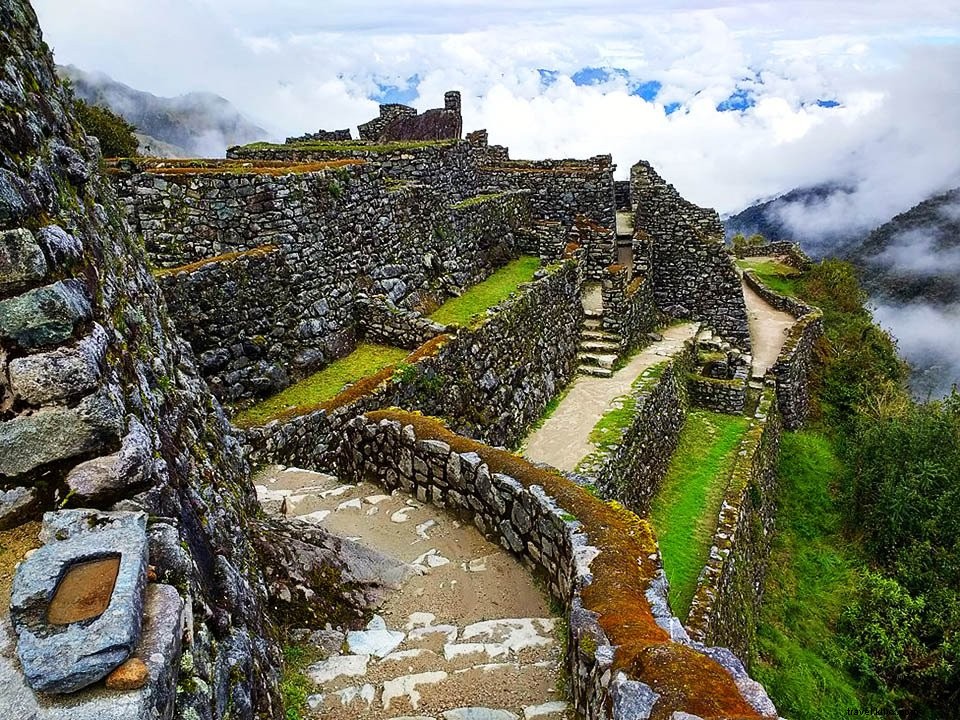
Salkantay Trek: Cheaper Inca Alternative
Longer (37–40 miles), tougher, but affordable and guide-optional. Customize routes using agency examples for planning.
Other Peruvian Andes Treks
Explore Choquequirao or Vilcabamba Trails—cheaper, less crowded, epic views. Research via specialized Peru trekking sites for details.