Peru Travel Guide: Best Time to Visit, Budget Tips, Costs & Prices for Independent Trips
Last summer, I enjoyed a week-long trip to Peru, one of South America's most underrated gems. In this series, we'll explore Peru's highlights together. Here, I'll share my firsthand experience on planning and budgeting for an independent trip to Peru, including practical tips that helped me save money.
South America's Monument Capital
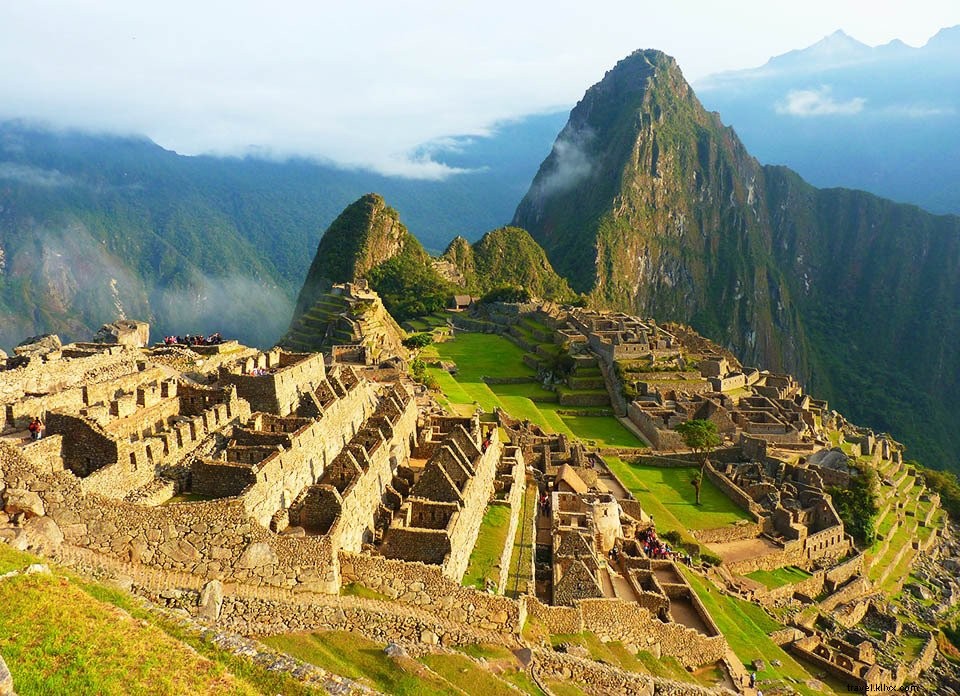
Peru may seem unassuming, known mainly for Machu Picchu, Cusco, the Amazon, and little else. But don't be fooled—during my week exploring, I found it's the South American capital of monuments (Lima, Cusco, Arequipa) with stunning natural wonders like Lake Titicaca, Colca Canyon, and the Amazon rainforest.
Future posts will cover Peru's history and top attractions. For now, let's focus on key planning facts for your independent Peru adventure. Note: Prices are from pre-2020 travel and may have fluctuated post-pandemic—always check current rates.
Main Airport
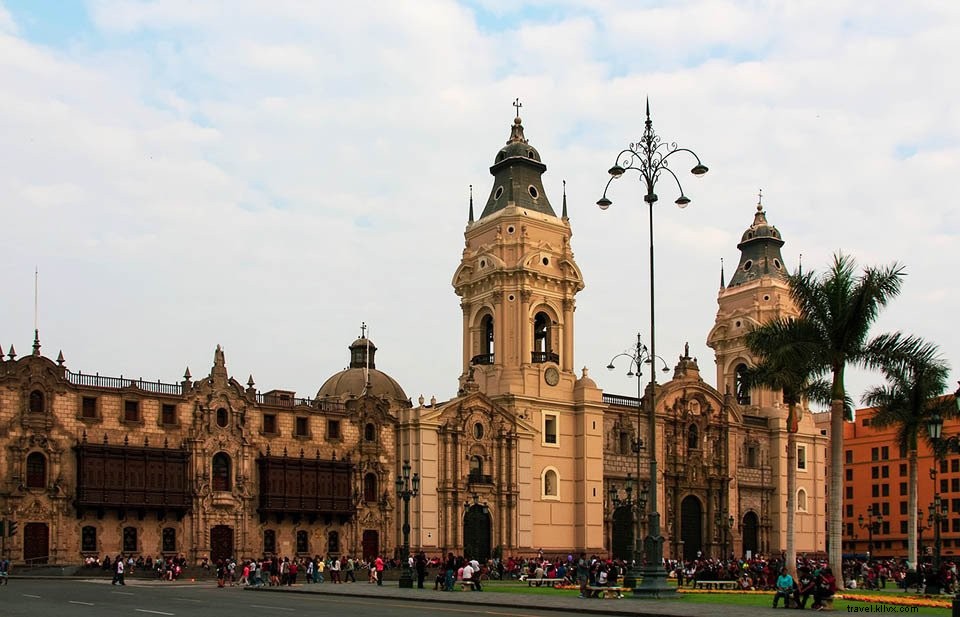
Lima, Peru's capital founded in 1535 by Francisco Pizarro, hosts Jorge Chávez International Airport, handling most international flights (including all intercontinental ones). It's an ideal hub for multi-country South American itineraries.
Flight Prices
Regional flights to South America are standard: Lima to Rio de Janeiro runs $100–200 USD economy. Track sites like Kayak for deals. Intercontinental fares from Europe to Lima averaged $500 one-way, with bargains around $375. Pre-pandemic data—verify current prices.
Visa, Insurance & Vaccinations
EU citizens need only a valid passport—no tourist visa required. Get comprehensive travel insurance, vital in areas with limited healthcare. Yellow fever vaccination is recommended (not mandatory); it's free/cheap in Lima clinics but pricier in Europe.
Best Time to Visit Peru
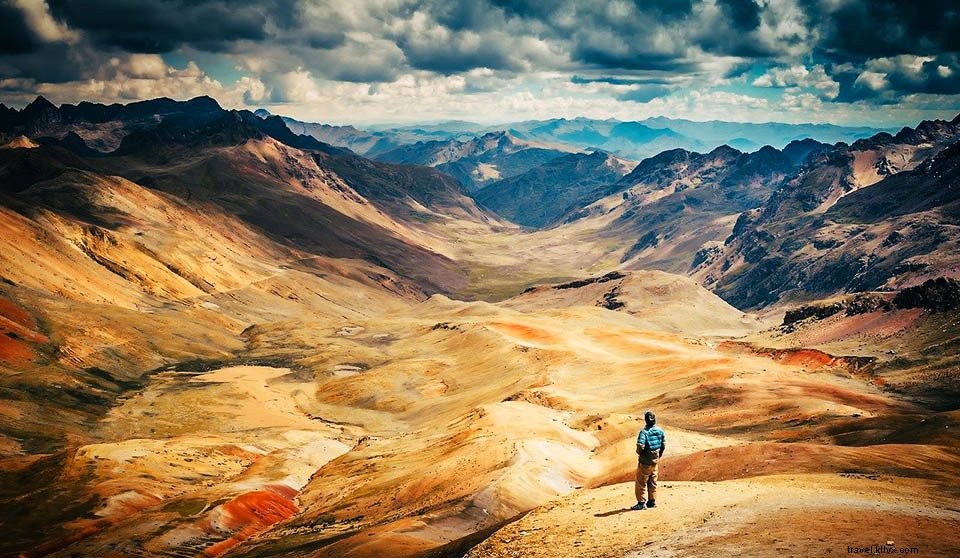
I traveled in July, peak dry season (mid-May to September)—ideal for equatorial/tropical Peru. Avoid tropical rains and storms that disrupt travel. Expect crowds and higher prices for accommodations/transport, but nothing overwhelming compared to European summers.
Rainy Season Risks
For savings, consider April/October shoulders, but rainy season (November–April) closes routes like Machu Picchu access due to floods. Budget savings aren't worth the hassle.
Accommodation: Where to Stay & Hotel Prices
Peru's lodging can surprise with high costs outside cities, especially tourist hotspots like the Machu Picchu trail. Decent rooms there start at $75/night—book reputable spots to avoid risks.
Budget $75+ per night for reliable Machu Picchu-area hotels.
Peru feels safe (my experience confirms it), but stay vigilant in South America.

Affordable Lima Options
Lima shines: motels/hostels from $25/night (check tourist info for discounts), Airbnb $15–25. For immersion, try Couchsurfing (experienced travelers only: $4–8, plus cultural perks like Spanish practice and local tips).
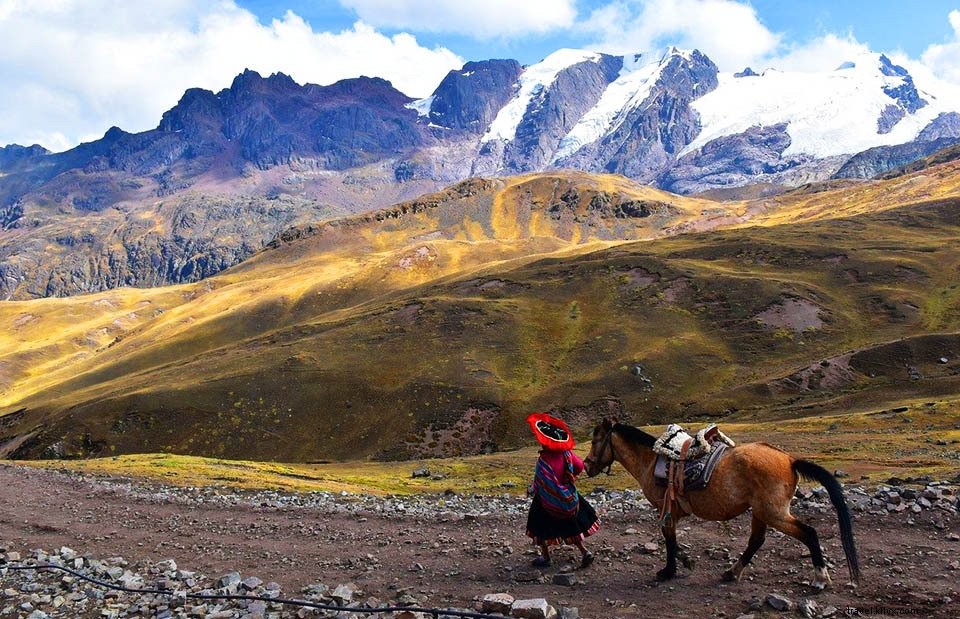
Getting Around: Car Rental vs. Buses & Prices
Flights recap: Europe-Lima ~$500 one-way; regional $100–200.
Car Rental
Rentals cost $150–200/week (age 30+). Roads are basic; many sites favor buses/hikes. I love the freedom, but buses are cheaper and comparable speed.
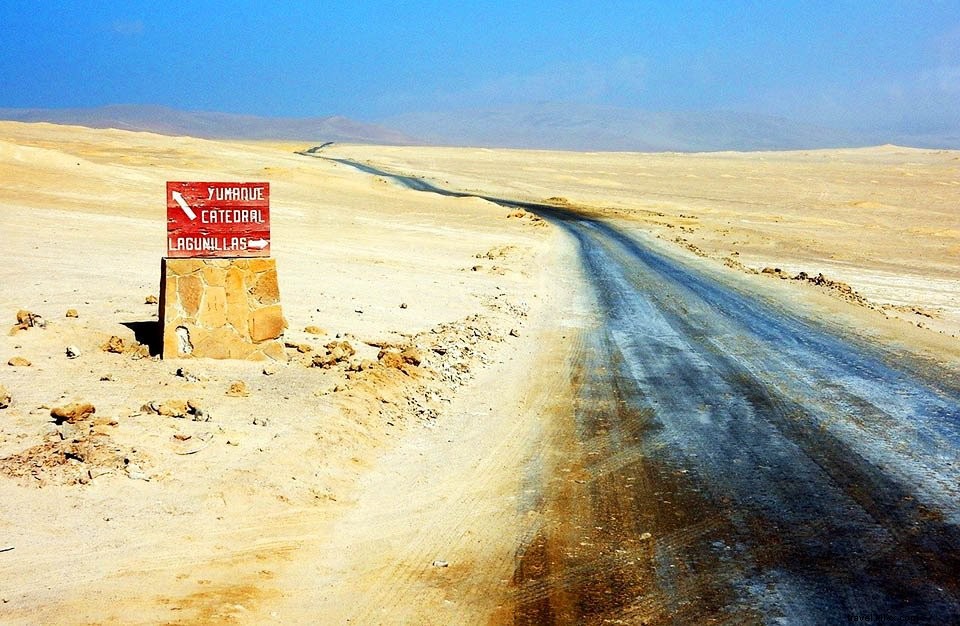
Affordable Buses
Buses go everywhere cheaply ($2.50–7.50 for long hauls). Buy at stations; check schedules online. No need for a car unless constant moving.
Lima Public Transport
Local buses: $0.50; taxis ~$5. Negotiate fares upfront to dodge scams—good practice everywhere.
Eating on a Budget
Skip tourist traps with inflated prices. Dive into local spots for authentic flavors over fast food.
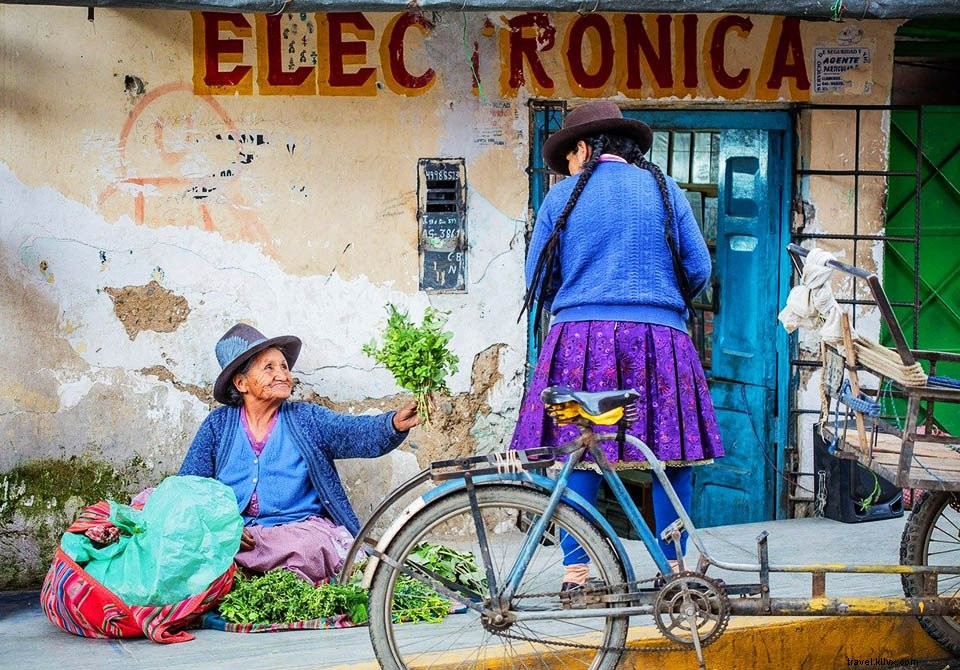
Peruvian Cuisine Highlights
Chicken rules; try cuy (guinea pig) if adventurous (mixed reviews—I passed). Lunch sets: $3–5 for hearty meals. Eat where locals do—avoid hotel restaurants near Machu Picchu/Cusco. Pair with cheap Peruvian/Chilean wines.

Pro Travel Tips
Key advice from my trip:
- Tourist info offices are goldmines for lodging/dining deals.
- Guard valuables—use hotel safes cautiously.
- Lima markets for cheap souvenirs/clothes.
- Compare walk-in vs. online hotel rates.
- Plan 7+ days for top sights.