Ultimate Molokai, Hawaii Travel Guide: Best Times to Visit, Top Activities, Stays & Packing Essentials
Escape to unspoiled nature, embrace the aloha spirit, and immerse yourself in authentic Hawaiian culture on Molokai, Hawaii's "Friendly Isle." As the fifth-largest island, it's home to the longest fringing reef in the U.S. and the birthplace of hula. With limited tourism development and a high Native Hawaiian population, locals warmly share their love for the land. Our firsthand guide, drawn from time spent exploring, covers the best times to visit, accommodations, must-do activities, and more.
The Best Time to Visit Molokai
Visit during shoulder seasons—April to May or September to November—for fewer crowds and pleasant weather. Spring offers cooler temps and lower accommodation rates, while fall brings warmer days. Surfers catch peak waves from December to March, though winter draws more visitors fleeing mainland cold.
Flights to Molokai
Hawaii flights can be pricey, but save by flying midweek (Tuesday-Thursday) or being flexible with dates—potentially hundreds of dollars. Compare round-trip vs. multi-leg: fly budget carriers like Southwest to West Coast hubs (L.A. or San Diego), then connect to Hawaii. No direct mainland flights to Molokai's Ho’olehua Airport; routes typically go via Honolulu or Kahului. Key inter-island carriers include Mokulele Airlines (successor services to former Island Air and Go! Mokulele). Book early for the best deals; day trips from Maui or Honolulu are affordable options.
Molokai Climate
Enjoy year-round temperate bliss, with spring, summer, and fall delivering warm days up to 85°F, cooled by trade winds—expect brief showers. Winters (December-March) bring cooler nights in the mid-60s and occasional storms.
Where to Stay on Molokai
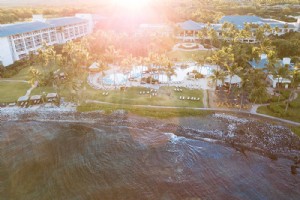
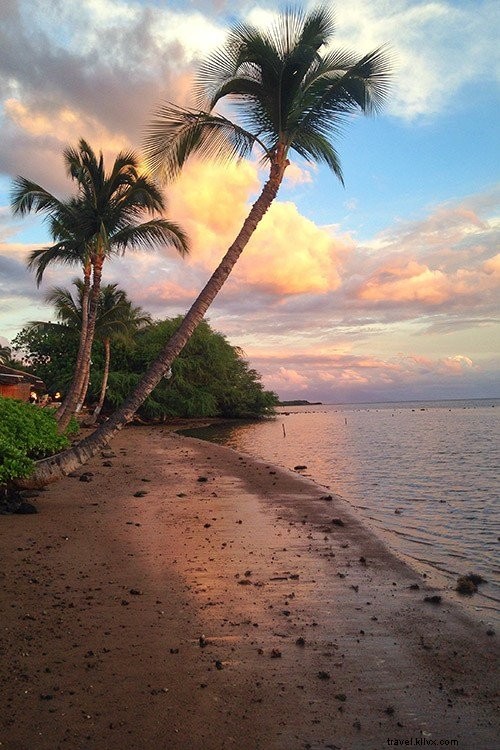
Hotel Molokai, a 20-minute drive from the airport, offers a serene beachfront retreat on Kamiloloa Beach next to Hawaii's only barrier reef. Breezy Polynesian-style rooms include free Wi-Fi and a pool. Guided tours: sunset cruises, scuba, snorkeling, Molokai Day Tour, Halawa Valley/Mo’oula Falls, and whale watching.
How to Get Around Molokai
Rent a car to explore fully—the island is 40 miles long, 10 miles wide, traffic-light-free. Drive leisurely. Standard cars suffice, but for off-roading, try Molokai Rental Car or Island Kine Auto Rental's 4x4s. Start at the Molokai Visitors Association. Alternatives: free bus, Molokai Scooter Rentals, or bikes from Molokai Bicycles in Kaunakakai.
Top Things to Do on Molokai
Papohaku Beach
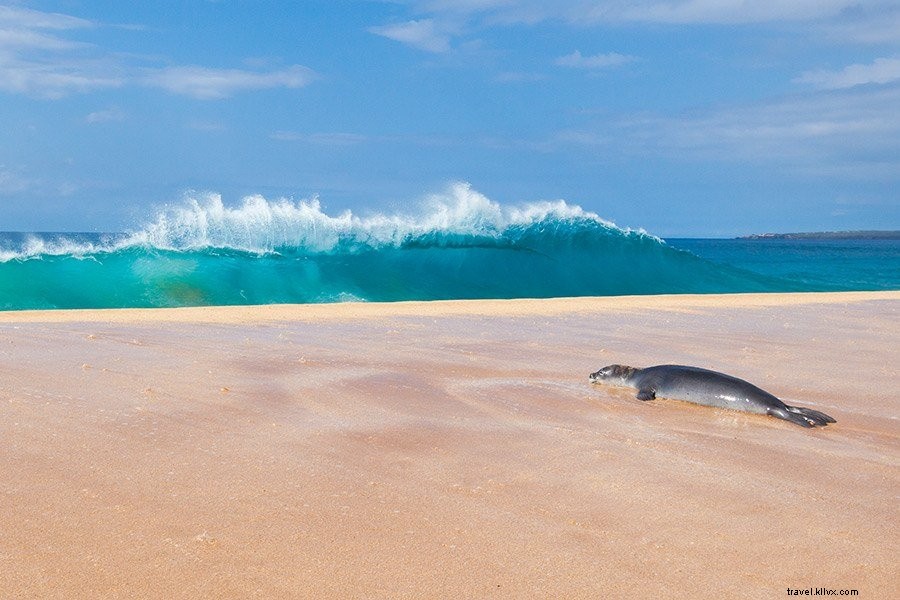
One of Hawaii's largest white-sand beaches spans three miles for ultimate relaxation. Features campsites, showers, and restrooms. From Maunaloa, take Kaluakoi Road west.
Kalaupapa National Historical Park
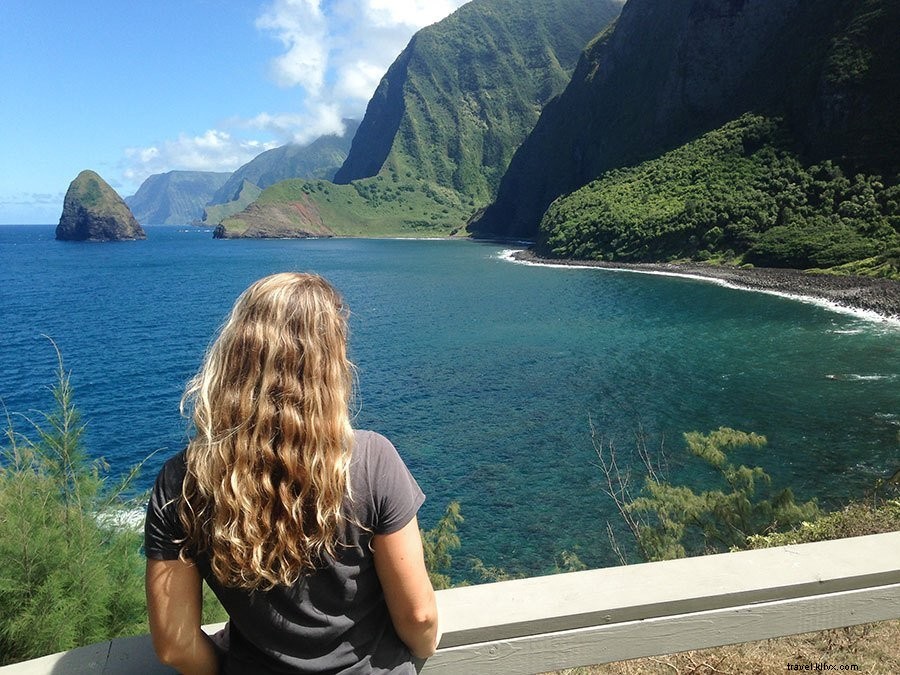
Site of a 19th-century leprosy (Hansen’s disease) colony where over 8,000 perished before antibiotics. Now a poignant preserve (age 16+ with permit via guided mule/hike tour over 3.5-mile trail).
Kayak Molokai's Reef with Molokai Outdoors
Paddle the U.S.'s longest fringing reef; guided tours for all levels or rentals available.
Halawa Valley
Ancient settlement (1,350+ years old). Guided tours to Mo’oula Falls include rich history (only legal access).
Snorkel Adventures
Book via Molokai Outdoors or Hotel Molokai to explore the barrier reef up close.
Molokai Packing Essentials
Long-Sleeved Rash Guard: Essential for sun protection and warmth in cooler waters.
Sun Protection: Floppy hat and reef-safe sunscreen—Hawaii sun is intense.
Footwear: Secure sandals and hiking shoes for beaches and trails.
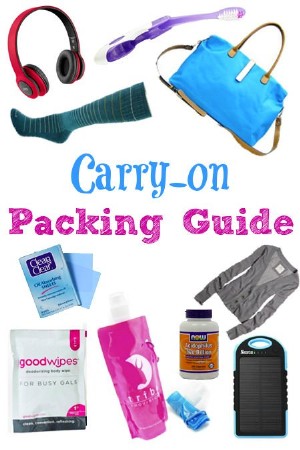
Swim Gear: Swimsuit, quick-dry towel, snorkel set (or rent).