Comprehensive Nepal Travel Guide: Top Tips, Itineraries & Packing Essentials
This comprehensive guide provides expert tips on accommodations, activities, cultural expectations, and packing for an unforgettable Nepal trip.
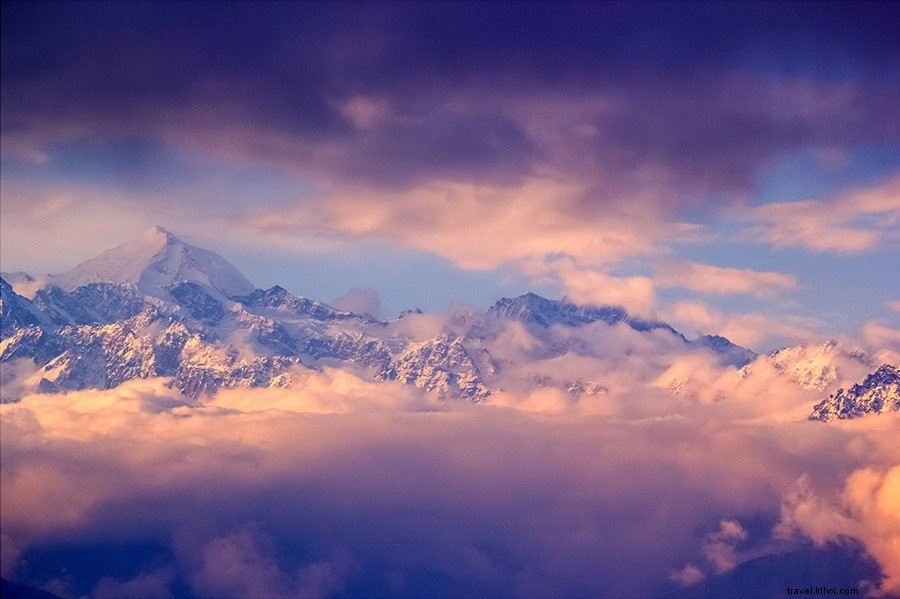
Nepal captivates with its stunning natural beauty and profound spiritual heritage. Home to eight of the world's ten highest peaks—including Mount Everest—plus lush jungle valleys, rolling hills, and fertile river basins, it's a paradise for photographers and adventure seekers.
The birthplace of Gautama Buddha and dotted with magnificent Hindu temples, Nepal is ideal for hikers, photographers, and cultural explorers.
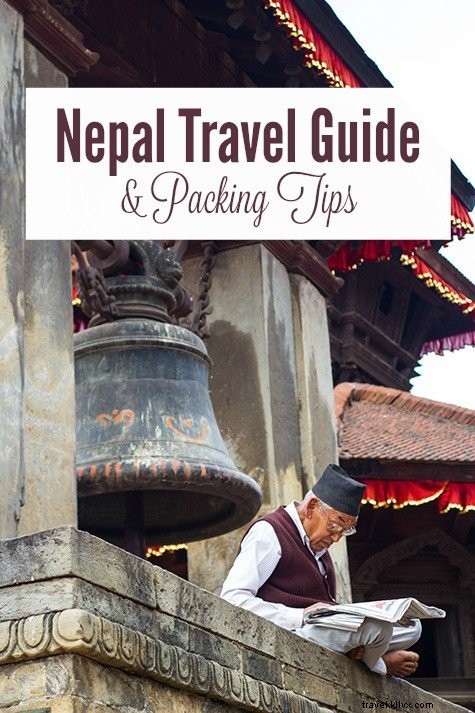
How to Get to Nepal
Visa on arrival is available for citizens of most countries at Tribhuvan International Airport in Kathmandu and key border points, making flights a convenient option.
Overland travel from India or Tibet is feasible by car or bus at designated crossings. Note: Volunteering counts as work; secure prior permission to avoid fines on a tourist visa.
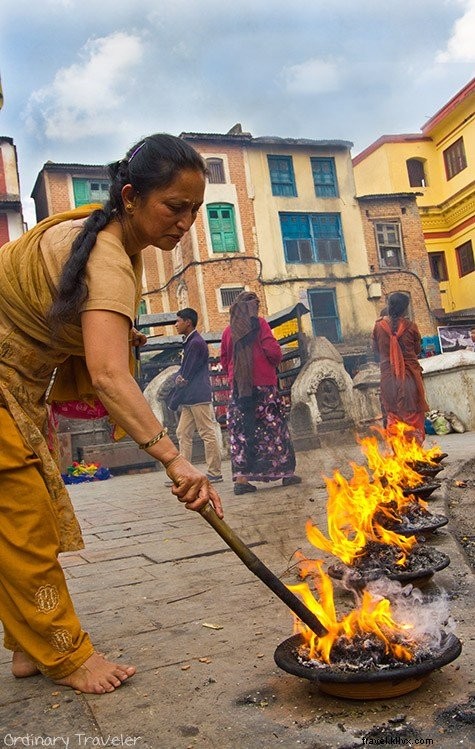
Transportation in Nepal
Microbuses, taxis, long-distance tourist buses, motorbike rentals, and domestic flights (e.g., Kathmandu to Pokhara or Bharatpur) offer flexible travel options.
Trekking circuits abound; book through IPPG-approved agencies or companies for guided or independent routes.
For first-time travelers in developing countries, a guided tour is advisable—even for part of your itinerary. A 12-day tour covers key highlights; extend for trekking. An 8-night option is also available.
Experienced travelers note Nepal's challenges surpass those in Thailand, Laos, Vietnam, or Indonesia, yet the locals' warmth and landscapes make it unparalleled.
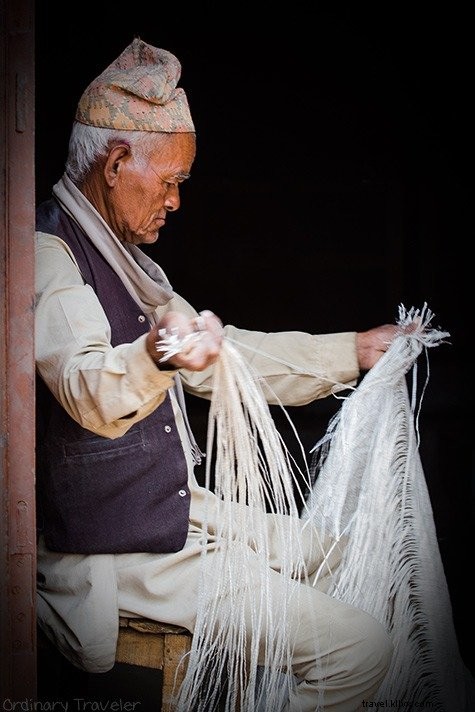
Food & Culture in Nepal
Hinduism and Buddhism dominate, alongside indigenous traditions. Respect caste customs: Eat with your right hand, wash before/after meals, avoid touching others' food or water with your left hand.
National staples include spiced lentils, rice, curries, pickles, and yogurt. Regional specialties feature fresh fruits, dumplings, and yak products. Opt for boiled/bottled water and fully cooked food for safety.
Currency: Nepalese Rupee (NPR)
Packing Essentials for Nepal
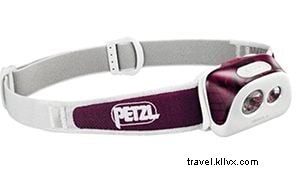
Headlamp: Frequent power outages (up to 14 hours) make this essential. Pack extras batteries for dark walks and hotel stays.
Comfortable Shoes: Versatile walking shoes plus hiking boots for treks.

Luggage: Opt for a sturdy backpack over wheeled bags—streets are uneven, and elevators scarce.
Batteries: Extras for lights and devices.
Adapters/Converters: Type C/D plugs; 220V converter if needed.
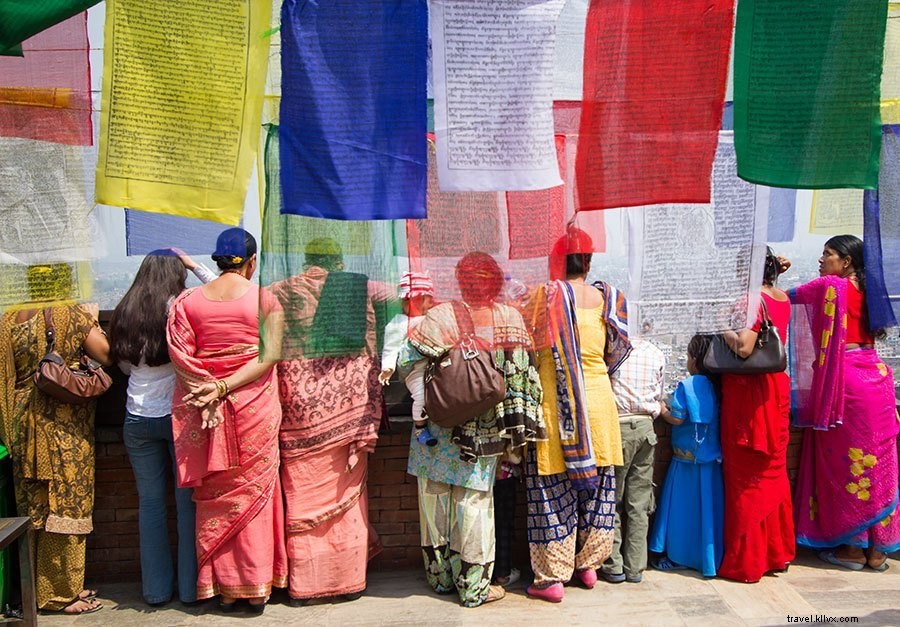
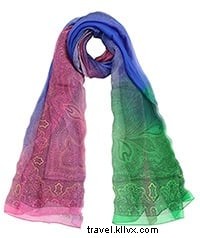
Clothing: Layerable, modest pieces: T-shirts, leggings, maxi skirts, scarves. Leave space for local souvenirs.
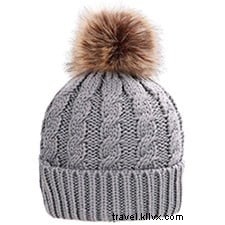
Hats & Gloves: Fleece-lined for cooler months or hikes; touchscreen-compatible recommended.
Top Things to Do in Nepal
Trekking: From tea-house trails to Everest Base Camp, hire guides or join agency groups.
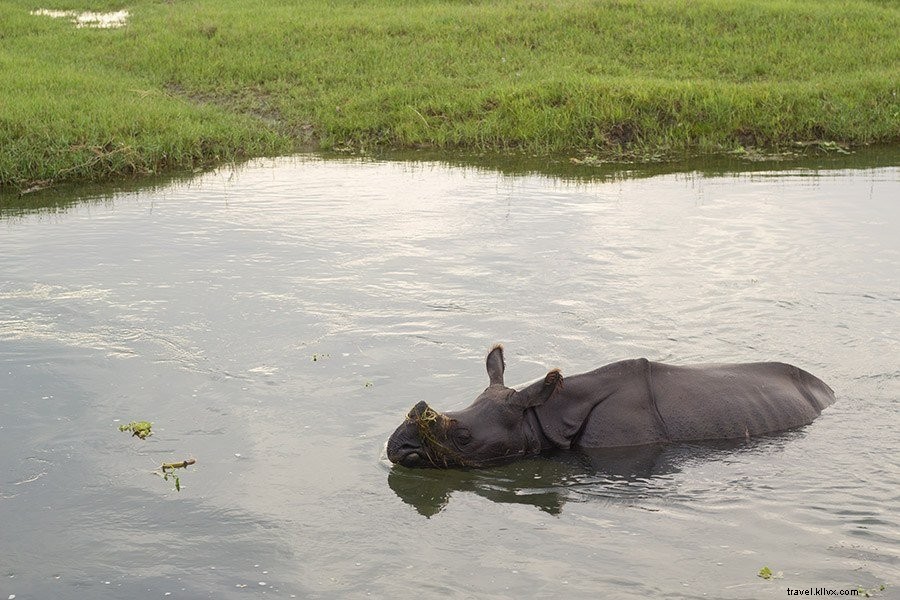
Royal Chitwan National Park: Thrilling safaris spot rhinos, tigers, crocodiles, and more. Skip the Elephant Breeding Center due to welfare concerns.
Kathmandu Valley: Explore UNESCO sites like Boudhanath, Pashupatinath, and Swayambhunath (Monkey Temple) on affordable private tours.
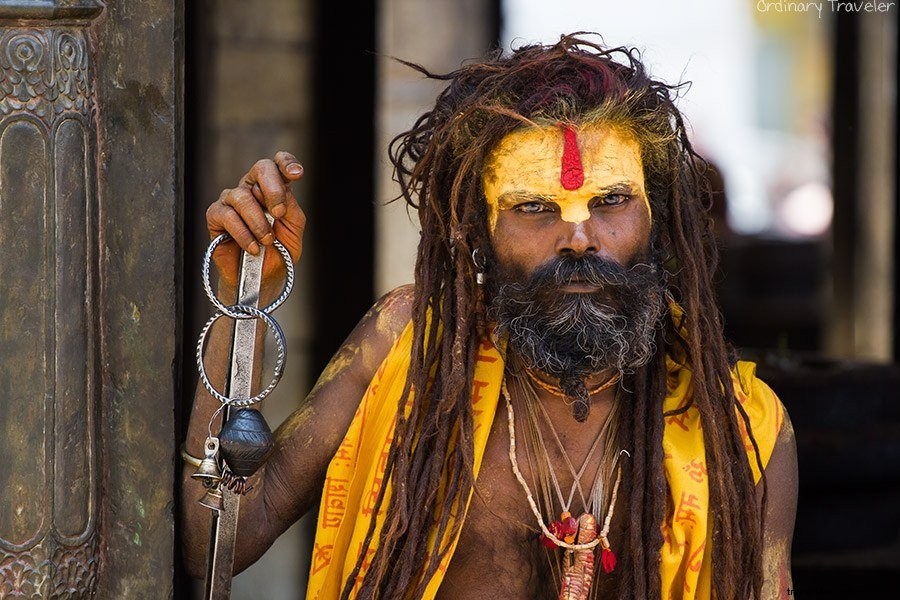
Bhaktapur: UNESCO-listed medieval town preserved from Western influence.
Nagarkot: Premier Himalayan viewpoints; stay at Club Himalaya for 360° panoramas.