
Ultimate Vegan Camping Guide: Plant-Based Meals, Ethical Gear & Pro Tips
Ready to conquer vegan camping? This comprehensive guide equips you with expert strategies for meal planning, ethical gear selection, and campsite prep to ensure a seamless, plant-powered outdoor adventure.
Vegan camping requires thoughtful preparation to source durable, animal-free supplies and nutritious meals that stay fresh. From quick campsite feasts to cruelty-free essentials, we've got you covered.
Step 1: Research Your Campsite
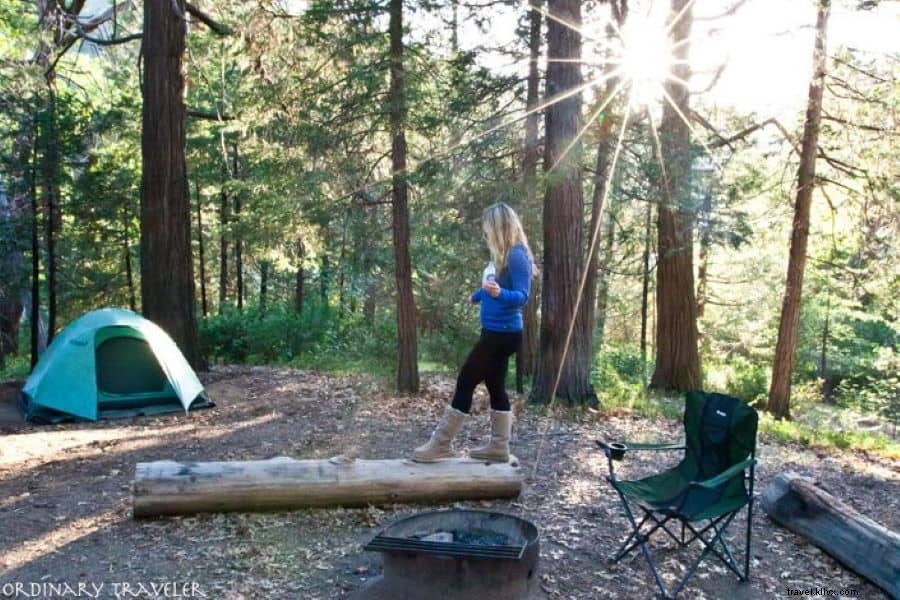
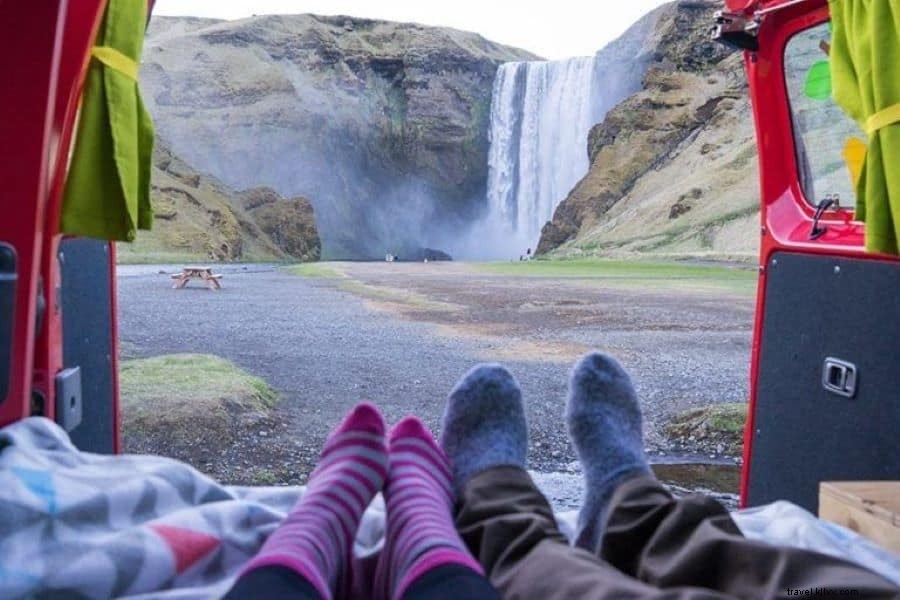
Prior to packing, evaluate your destination's amenities—such as potable water, electricity, fire pits, or full off-grid conditions. Whether tenting, RVing, or campervan traveling, tailor your setup for cooking, shelter, and sleep accordingly.
Step 2: Plan Your Meals
Success hinges on pre-planned, nutritious plant-based meals. Create a precise shopping list, meal prep the day before departure, and prioritize simple recipes needing minimal tools. Account for group sizes to avoid waste or shortages—use reusable containers, coolers, and insulated bags for storage. Pack daily supplements too.
Easy Vegan Camping Breakfasts:
- Chia oats soaked in water with raisins and walnuts (ideal in wide-mouth mason jars prepped ahead)
- Sliced banana or apple with peanut butter on whole-grain or gluten-free bread
- Single-serve protein packs for oats or water
- No-added-sugar granola
- Favorite instant coffee or tea
Easy Vegan Camping Lunches & Dinners:
- Amy's lentil vegetable soup (or similar low-sodium, easy-open options)
- Plant-based burgers & hot dogs (store-bought or homemade)
- Skewers with Beyond Meat, tempeh, tofu, or veggies
- Frozen quinoa, kale, and beans (heat in a pot over fire or stove)
- Burritos: wraps, cooked rice, veggies, refried beans, hot sauce, nutritional yeast, avocado
- Steamed "carrot dogs" topped with fixings
- Corn on the cob
- Foil-wrapped veggies with olive oil and spices, grilled
Vegan Camping Snacks:
- Hummus
- Bag of power greens
- Mary's crackers
- Fresh fruit: apples, oranges, bananas, kiwi, peaches, plums; plus dried fruit
- Avocado with whole-grain or gluten-free bread
- Pre-boiled sweet potato
- Veggie crisps, kale chips, or Forager vegetable chips
- Larabars or similar
- Trail mix: walnuts, raisins, dates, pumpkin seeds in ziplock
- Corn thins or brown rice cakes with peanut butter
- Quinoa/black bean salad
Vegan Camping Desserts:
- S'mores: Dandies vegan marshmallows, vegan chocolate, graham crackers
- Campfire banana boats: bananas, vegan dark chocolate, peanut butter, maple syrup
- Grilled fruit: peaches or pineapple brushed with brown sugar
- Apple crisp: apples coated in brown sugar, nutmeg, granola, vegan butter, oats; foil-wrapped and grilled
Step 3: Source Your Gear
With campsite and meals set, assemble vegan-friendly equipment. Reputable brands offer synthetic alternatives to down, wool, and leather.
Vegan Bedding: Choose synthetic sleeping bags like Coleman's 100% animal-free option, plus a sleeping pad, hand warmers (for cold areas), and cruelty-free pillow.
Vegan Shoes: Certified vegan hiking shoes, such as Asics with gel cushioning, for trails or water activities.
Cooking Supplies: Plastic/metal items: camping stove, reusable plates/cutlery, utensils, biodegradable vegan soap, dish bin, grill, washcloths.
Vegan Luggage: Osprey's full line of synthetic, plant-based daypacks and luggage.
Sunscreen & Bug Spray: Vegan formulas for skin protection. DIY bug spray: mix 1 part eucalyptus/lavender oil with 10 parts witch hazel in a spray bottle.