Discover Peru's Untouched North: Kuélap Ruins, Gocta Falls, and Cordillera Blanca Adventures
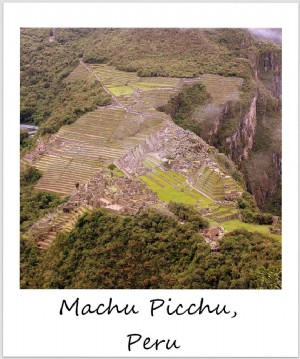
While most first-time Peru travelers can't resist Machu Picchu's iconic ruins, the 'lost city of the Incas' is just the start. Peru overflows with ancient archaeological sites, towering waterfalls, dense jungles, high-altitude hikes, and exceptional regional dining—many tucked away in the largely unexplored northern highlands.
Prefer solitude to crowds and self-guided exploration to guided tours? Skip Machu Picchu and venture north for authentic adventures.

Kuélap
Predating Machu Picchu and perched at a higher altitude, Kuélap is a pre-Inca ceremonial citadel built by the Chachapoyas culture between 900 and 1100 AD. This vast, remarkably preserved site sits atop a 3,000m ridge, encircled by massive limestone walls that rival Europe's grandest castles.
Its remote location above the Utcubamba Valley kept it off the mainstream radar—until the 2017 cable car opened it up. The 4km condor-like ride in eight-person cabins crosses a dramatic V-shaped valley, landing just a 20-minute walk from the ruins. Visitor numbers have doubled, but remain a fraction of Machu Picchu's. Visit soon before the secret's out!

Catarata de Gocta
Often overlooked among the world's waterfalls, Gocta's 771m two-tiered cascade remained a local secret until its 2005 discovery. Once hyped as the third-tallest globally, it's now ranked 15th—but its magic is undeniable. Over the past decade, Peru has developed well-marked trails through misty forests, leading close to both upper and lower falls via a steep, muddy path. Tourism here is still minimal, letting you claim this Peruvian natural wonder on quiet days.

Leimebamba
This quaint colonial village, two hours south of Chachapoyas, flies under the radar outside archaeology enthusiasts. Yet, it houses one of Peru's best small museums, thanks to the 1996 discovery of over 200 pre-Columbian mummies near Laguna de los Cóndores. Five km south of town, beside a hummingbird garden and organic café, the Museo Leimebamba showcases these eerily lifelike mummies in climate-controlled chambers, with exhibits detailing their Chachapoyas origins.
Inspired? Hire guides and horses for a three-day round trip to the remote lagoon. Stay in basic cabins, fish the lake, and uncover the cloud warriors' world.

The Peruvian Cordillera
Peru's Cordillera Blanca boasts Peru's highest peak, 6,768m Huascarán, and Siula Grande of Touching the Void fame. Beyond elite mountaineering, Huaraz—420km north of Lima—is Peru's trekking hub. Hikers of all levels swap stories in lively bars. The standout Santa Cruz trek: a guide-free, permit-free 45km, three-day route to 4,750m, rivaling the Inca Trail without the hype. Prep with acclimatization hikes like Laguna Churup's stunning amphitheater ascent near town.

Chacas
Unlike quake-ravaged northern towns rebuilt in bland concrete, Chacas—at 3,360m on the Cordillera Blanca's eastern slopes—shines uniquely. Credit Italian missionary Padre Ugo de Censi, who launched the Don Bosco Cooperative in the 1970s to combat poverty through woodcarving, glasswork, and textiles. It revitalized Chacas, including the Renaissance-style Mama Ashu church with ornate wooden doors, choir stalls, and a restored baroque altarpiece.
Spot co-op craftsmanship in the town's whitewashed homes with carved balconies. Ideal base for Cordillera Blanca treks.

Moyobamba
Northern Peru's east spans Máncora beaches, highland cloud forests, and Moyobamba—the Amazon gateway and 'city of orchids.'
More than a transit stop, it offers eco-activities: bird-rich Morro de Calzada hikes, Rio Mayo boat trips, and Waqanki Orchid Center with hummingbirds. Though quakes erased much history, the flower-filled plaza nears top coffee spots with local beans. Savor Amazon flavors like grilled catfish, juanes rice balls, or adventurous termites at tiki-style La Olla de Barro.
Get more travel inspiration, tips and exclusive offers sent straight to your inbox with our weekly newsletter.