
Inca Trail Porters' Path to Machu Picchu: Empowering Local Heroes on the Iconic Trek
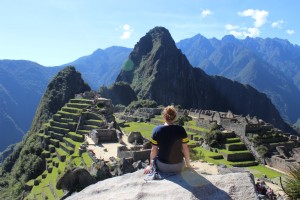
The Inca Trail is one of the world's most renowned treks, attracting thousands of hikers yearly to explore the ancient path winding through southern Peru's rugged peaks and cloud forests. The climax—after days of high-altitude hiking over rocky terrain—is the Sun Gate, revealing the majestic ruins of Machu Picchu below.
Yet, this pinnacle moment isn't shared by all in the group, especially the porters who make the journey possible.

Peruvian regulations cap Inca Trail groups at 42 people: up to 16 trekkers, two guides, and support staff including porters and cooks (up to 24). These local highlanders from nearby communities carry essential gear—from tents and cookware to portable toilets—ensuring safe, sustainable, and timely access. Traditionally, however, these indispensable workers have been barred from seeing Machu Picchu.
Porters typically depart before the final ascent to catch gear trains home to remote villages or prepare for the next trek. Off-duty visits are rare due to high personal costs for transport and entry, leaving many—some with 15+ years on the trail—without ever witnessing the iconic site.

This disparity underscores a troubling gap between tourism and Peruvian communities: visitors pay to experience a shared cultural heritage that locals are often denied. Fortunately, change is underway, with initiatives fostering equity in the trekking industry.
Since 2017, Exodus Travels has enabled its porters to visit Machu Picchu via Quechua-language tours, fully funded. Maritza Chacacantas, PEAK's Deputy Manager of Treks and a pioneering female guide since 2000, supervises operations. "I'm proud of our company. Porters are as vital as clients. Everyone from Cusco and nearby communities deserves to visit Machu Picchu," she says.

At the guardhouse overlook, porters in traditional Andean ponchos capture selfies amid the ruins. Guide Adrian Jiménez Suma from Ollantaytambo—once a porter himself—leads in Quechua. "Young porters aspire to guide. As a porter, I learned to cherish life, our environment, culture, and Peruvian Quechua pride. They embody Andean strength and heritage," he shares.

Santiago Gutierrez from Poques, an eight-year veteran, notes, "Our group had never visited—now it's our turn." Fellow porter Pedro Quispe adds, "We'd seen video clips, but not the whole site. Seeing it all brings true joy."

Other operators have adopted similar programs, advancing sustainable Inca Trail tourism. Peru's 2003 Porters Law protects workers: maximum 20kg load (plus 5kg personal), minimum S/.44 daily (~USD $14). As seasonal farmers, porters rely on this income; fair wages are crucial.

Violations occur despite fines. Choose operators wisely: avoid suspiciously cheap packages that underpay locals. Inquire about porter wages, loads, and gear provision. On-trail, respect the environment by packing out trash and tipping generously.
Bailey Freeman visited Peru with Exodus Travels support. Lonely Planet contributors do not accept freebies for positive coverage.