Hunting Authentic Quinoa in South America: Straight from Andean Farmers
One of the highlights of our journey through South America's Andes was the chance to source quinoa directly from local farmers in its native growing regions.
Quinoa: The Global Superfood Sensation
During our yearly U.S. visits, we've seen quinoa's meteoric rise. In 2010, it was a niche item at Whole Foods or specialty organic stores. By 2012, major supermarkets stocked it widely, and by 2013, it graced nearly every restaurant menu.
In fact, U.S. imports soared to 68 million pounds in 2013 from just 7.3 million in 2007—a nearly tenfold increase in six years. Today, the U.S. leads as the world's top quinoa importer. The UN proclaimed 2013 the 'International Year of Quinoa'.
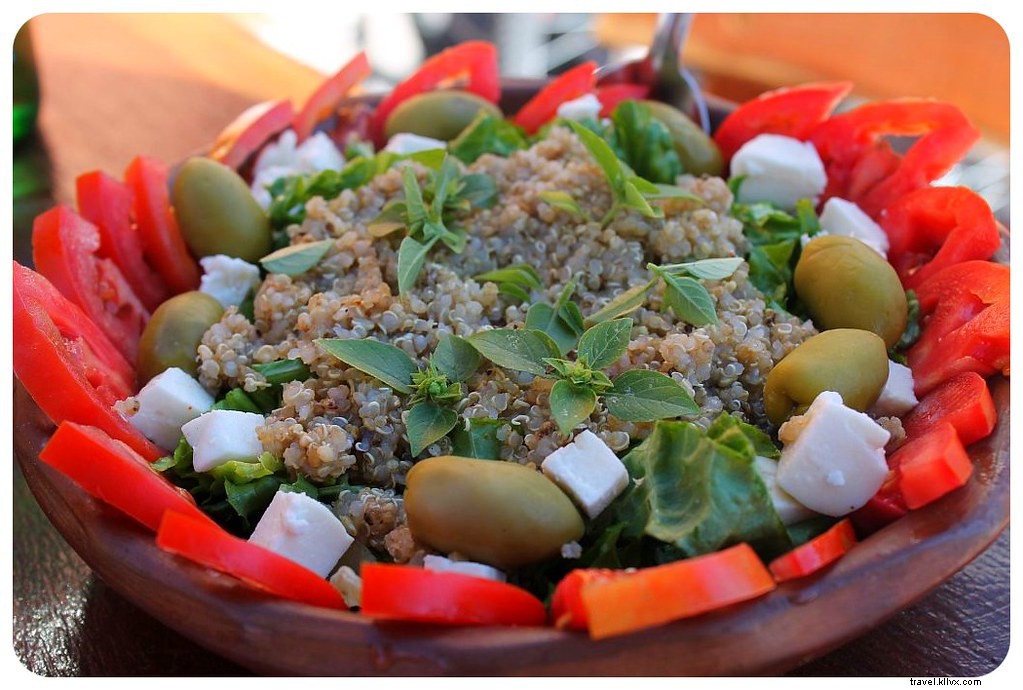
What transformed this ancient seed—often mistaken for a grain but botanically related to spinach and beets—from obscurity to staple? Its exceptional nutrition: a single serving delivers nearly 30% of daily protein needs (vs. 5% for rice), plus double the iron, magnesium, zinc, fiber, and potassium of grains. With a nutty flavor, couscous-like texture, and simple preparation, it's gluten-free perfection for celiacs, vegetarians, and vegans.
Does Global Demand Harm Local Farmers?
As demand surged, concerns arose: skyrocketing export prices allegedly made quinoa unaffordable for Andean growers in Bolivia, Peru, and Ecuador—the world's top producers—depriving them of their staple food.
Intrigued, we visited Bolivia's altiplano and the Andes of Peru and Ecuador to investigate firsthand.
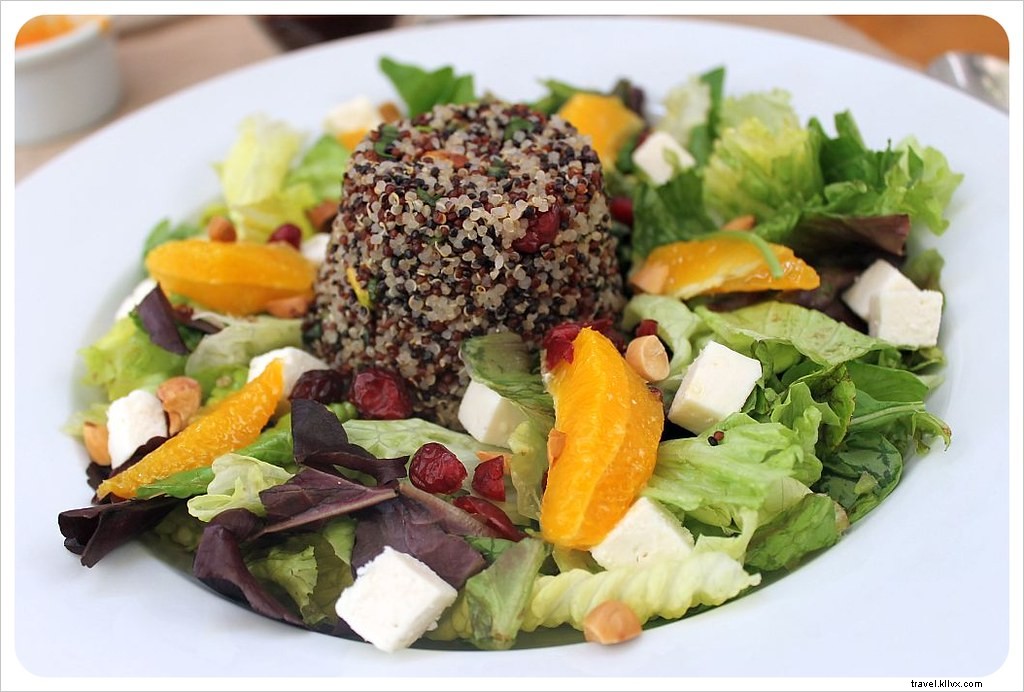
Entering Bolivia from Chile, quinoa was scarce. Few restaurants served it; markets required hunting. In contrast, Chile—a more developed nation—offered quinoa abundantly, including a dedicated restaurant in Santiago.
Too Pricey for Locals?
Peru mirrored this scarcity, fueling rumors. World market prices tripled from 2006 to 2011 and kept climbing. Supermarket quinoa cost about $4.85 per kilo, vs. $1.20 for noodles or $1 for rice.
Yet, the narrative was flawed. Quinoa, cultivated for over 6,000 years as an altiplano staple (where corn struggles at 4,000 meters/13,100 feet), was banned by Spanish colonizers, who introduced wheat and rye. Post-colonial, potatoes and corn dominated; quinoa faded.
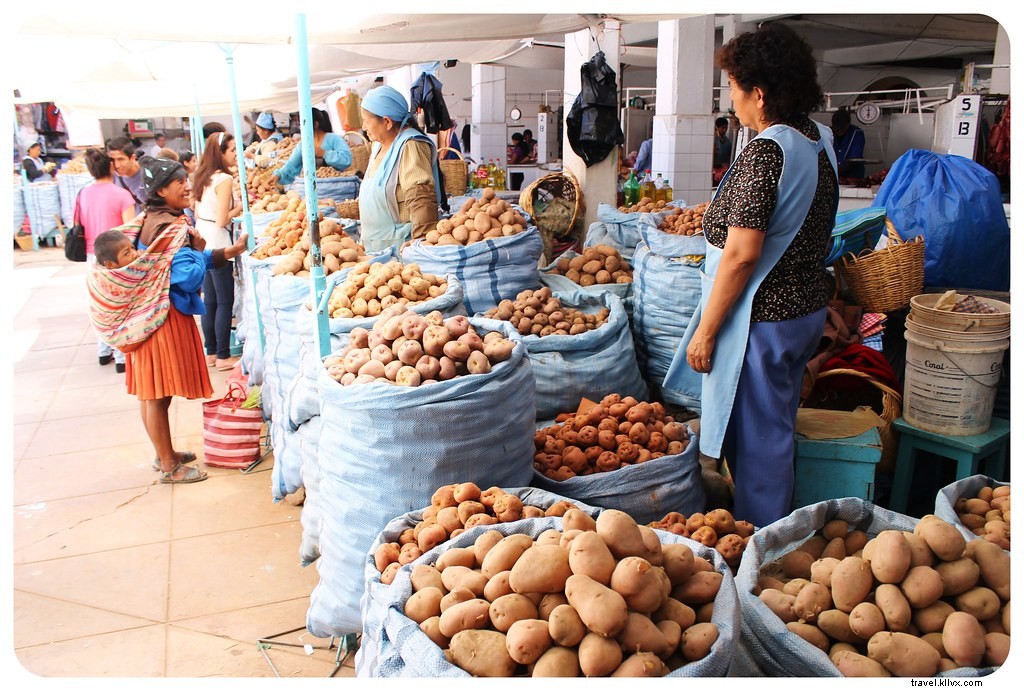
Many Bolivians Have Never Tasted Quinoa
Outside the altiplano, most Bolivians are unfamiliar with quinoa—it hasn't been a dietary mainstay for decades. Older generations prepare it occasionally, but potatoes, corn, and rice prevail. Production was minimal until global demand revived it.
Far from 'stealing' food, exports empowered farmers with better equipment, higher incomes, and diverse diets. Locals retain prime harvest portions for themselves—export quality is superior. In markets, local quinoa was inferior to U.S. standards; restaurants serving it were typically vegetarian spots.
Quinoa Boosts Farmers' Prosperity
Quinoa's boom has uplifted Bolivia's impoverished altiplano: expanded fields, jobs, sturdier homes, and improved lives. Previously, quinoa was eaten from necessity; now, incomes enable varied nutrition. The president supports growers with substantial loans.
Love quinoa? Share your favorite recipe below! Travelers to the Andes: Did you find it elusive or abundant?