Tourist Attraction



Built by a currently unknown civilization, the Zona arqueológica de Peralta (Peralta Archaeological Site) was inhabited between 300 and 750 AD.30 kilometers from Irapuato, on the banks of the Lerma River, the area has a monumental architecture considered one of the greatest buildings expressions of El Bajío—it has six of the eight recorded designs of mound and sunken patio architecture.The site has a curious basalt stone that, when hit, produces a great resonance and which, it’s believed, was us
37 kilometers away from Toluca, the Centro Ceremonial Otomí was built in 1980 for giving Temoaya town natives an area to perform ceremonies and rituals. This place is at the foot of Cerro de la Catedral, in the Otomí-Mixteca forest core. All over the place there are 365 stairs each representing the days of the year. In addition, there are giant sculptures such as the Coloso, which symbolizes fire fight for not extinguishing itself; and a mural called Da’Mishi or “Jaguar that walks and talks
It’s believed that the first Toluca valley settlers, and surroundings such as Teotenango, were of Otomí origin, established at Tetépetl hill slopes, 15 minutes away Toluca. Little is known about them. However, it has been discovered that those who had the greatest presence were the Matlatzincas (“those who make nets”), named so by Aztecs because of the wide use they made of net. From this culture remains the Zona Arqueológica de Teotenango (archaeological zone of Teotenango)—stands out for
This ancient settlement, which means “Place where wood is carved”, was the region’s Otomi most important ceremonial center from 900 to 1300 AD. Its construction, on the San Miguel de Huamango Camaye plateau, allows a perfect view thanks to Valle de los Espejos strategic alignment. It’s said that this was the surveillance point of the movements that the settlers made on the products exchange from the country’s northern and southern. The archaeological zone is on about six hectares area,
Pirámide Tlachihualtépetl, which is the sacred symbol of Cholula, boasts the largest pyramid base in the world. The arrival of colonization led to the construction of the Santuario de la Virgen de los Remedios (the Sanctuary of Our Lady of Remedies), located at the top of this pyramid which, due to its size, was believed to be a mountain and was not completely buried, due to said confusion.Archaeologists and historians argue that each side of the base could measure up to 1476 feet,
Of course, visiting the Pueblo Mágico of San Juan Teotihuacán , would not be complete without going to its beautiful Pirámide de la Luna (Pyramid of the Moon) and the colossal Pirámide del Sol (Pyramid of the Sun). The entrance is traced by its Calzada de los Muertos (Road of the Dead), where the Templo de Quetzalcóatl,The Complejo de Quetzalpapálotl, The Pirámide del Sol and The Pirámide de la Luna, are located. Climbing to the t
Discovering hidden vestiges In the late 19th and early 20th centuries, one of the greatest treasures in the history of Mexico was discovered. The remains of the Templo Mayor were found in sporadic excavations, until workers by chance found a large stone relief with the representation of the goddess Coyolxauhqui causing a huge sensation which gave impetus to excavate the remains of this impressive temple. The sacred temple of the Aztecs This great temple in the Aztec capital o
If there is something that amazes locals and travelers, its the Historical Center of Mexico City. With the Palacio Nacional or the Metropolitan Cathedral and in the background, the vestiges of the Aztec Empire. Enjoying them is very simple, since they are only separated by a few yards. All you need is time and the desire to know their history. The postal service was the main means of communication, before whatsapp, email, fax or telegram. Many people stayed in touch and hoped to receive new
A mystical experience in ancient templesBesides the not-to-be-missed Kukulkan Temple or Castillo, as it is also known, there are other buildings that you need to see when visiting Chichén Itzá. One of them is the Guerreros Temple, inspired by the Tolteca culture that has a great number of domes inside. On its upper part you will be able to see the Chac Mool, a deity which seems to be leaning on its elbows, sitting with flexed knees and even looking at El Castillo. Next to the
Wonderful Ancient VestigesLocated between the Colima River and the Pereyra lake, is the archaeological site of la Campana, a village that belongs to the tradition of the Tehuchitlán, that developed in paralel with cities like Teotihuacán in Monte Albán. This fact indicates this city could have been one of the first settlements in Mesoamerica.The place, that seems to be hided in the urban side of Colima and at only 15 minutes by car from the main square, enjoys lush vegetatio
Delve into the past of ZacatecasThis archaeological site is located in the municipality of Chalchihuites and was an important ceremonial and astronomical center. Some studies suggest that its location is associated to its proximity to the Tropic of Cancer and that its design allows observing the suns displacement, this way its ancient inhabitants knew the agricultural cycle. Its importance also lies in the fact that one of the oldest representations of the National Coat of Arms ever re
Get to know one of the most important archaeological sites in Zacatecas The archaeological site of La Quemada is located 35 miles south of the City of Zacatecas. It is the most representative settlement in northern central Mexico. Its meaning refers to the burned remains found in the area when extracting stone for the construction of the hacienda. The importance of the area goes back to when the ancient inhabitants of La Quemada settled in the Malpaso Valley, current territory of
Historical findingsDuring your visit to Tlaxcala, explore the archaeological zone of Cacaxtla. Here you will find traces of settlements that used trade as its best weapon to control the trade route between Teotihuacán and some lands nearby the Gulf of MexicoStart your journey with a walk of about 15 minutes from the parking lot to the main pyramid. It is highly recommended to wear comfortable shoes. At the foot of the main structure, you will find staircases to start exploring this roofed
Ancestral cityJust 4 miles from the city of Querétaro is El Cerrito, one of the archaeological zones which was occupied by a number of different indigenous cultures, including the Teotihuacán, Toltec, Chichimeca, Purépecha and the Otomies. To get there, just take Boulevard Constituyentes and head towards the puente de Tejeda (Tejeda bridge) until you reach Calle Hidalgo. This important site, which houses a great deal of the Pre-Hispanic history in the region, is extremely close the city and
In your visit to Cozumel Quintana Roo, a tour to the archaeological area of San Gervasio, is a must. This is one of the most studied Pre-Hispanic centers in the island of Cozumel. Settled in the place where the old Rancho San Gervasio used to be, this ceremonial complex also served as a worship center for the moon, love, gestation and medicine goddess: Ixchel.The history of the MayansThe archeological complex, dating from 100 BC, has different areas to explore: Chichán Nah, El Álamo, Nohoch Nah,
Follow the path of ancient cultures If you have already fallen in love with Malinalco’s atmosphere, wait until you discover the postcard that awaits you at Cerro de los Ídolos. This archaeological zone was significant to the ancient people of this region, since important native warriors would meet there, after traveling from diverse regions to perform a military graduation ceremony.Its construction started in 1501 and, according to data from the National Institute of Anthropology and History, si
The only archeological zone in the Mexican Pacific For more than 20 years, the National Institute of Anthropology and History (INAH) has invested in continuing the excavation work of the archaeological site Bocana de Copalita, where the Mixtec ruling class is believed to have lived during the first six centuries, before our era. Walking through the vestiges of the Templo Mayor, the Templo de la Serpiente and the ball court is one of the reasons to get out of downtown Huatulco (8 kilometers
Legendary Background Calakmul was created for deities and inhabited by men, in the rainforest of Campeche. It is recognized as a Biosphere Reserve and a UNESCO Mixed World Heritage Site. By setting foot in Calakmul you are not just exploring an archaeological zone, you are privileged to be entering the largest tropical rainforest in Mexico, since 70% of its territory constitutes a Protected Natural Area. What can you do in Calakmul?There are several routes by which to explore this vast
Discover secret vestigesPlaya del Carmens archaeological site, Xaman-Há, is located in Playacar, an exclusive resort area. Xaman-Há is Mayan for “water from the north,” since it is located on the shore. Its three structures indicate that it was a small Mayan city and a port during the late postclassical period and that its inhabitants developed fishing and agricultural techniques. Archaeologists have also determined that it was part of the Ecab principality and that Mayas engaged in sacred
Monte Albán, which served as the capital city of the ancient Zapotec people, was built in Oaxacas central valley and was deeply linked to Teotihuacán, as evidenced by the style of its buildings, ceramic, and murals. The archaeological zone is divided up into 10 areas. As such, we suggest giving yourself enough time to explore all of its vestiges. You can start at the Gran Plaza (Great Square): a 200-meter (656-foot) wide plaza. The Gran Plaza is a fantast place from which to give yourself a
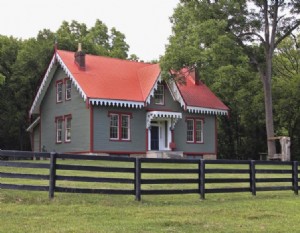 Blue Wing Landing Inn & Event Center: Historic Greek Revival Home on the Kentucky River
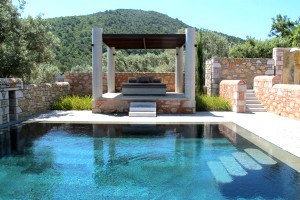 Amanruya, Bodrum: One of the World's Best Luxury Hotels – A Traveler's Rave Review
 Majestic Cliffs Against a Mystical Foggy Backdrop – Stunning Landscape Photo
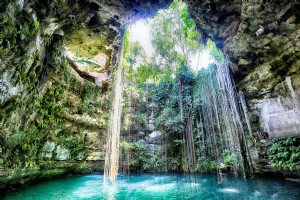 Open International Destinations for U.S. Travelers Amid COVID-19 (As of January 15, 2021)
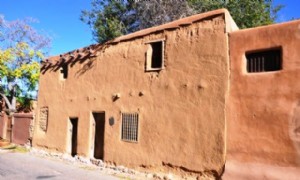 Explore Santa Fe's Oldest Historic Sites: A Guide to 400+ Years of History
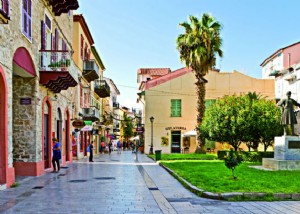 Must‑Visit Spots in Nafplion: A Traveler’s Guide