Quito, Ecuador: An Honest Traveler's First Impressions of the High-Altitude Capital
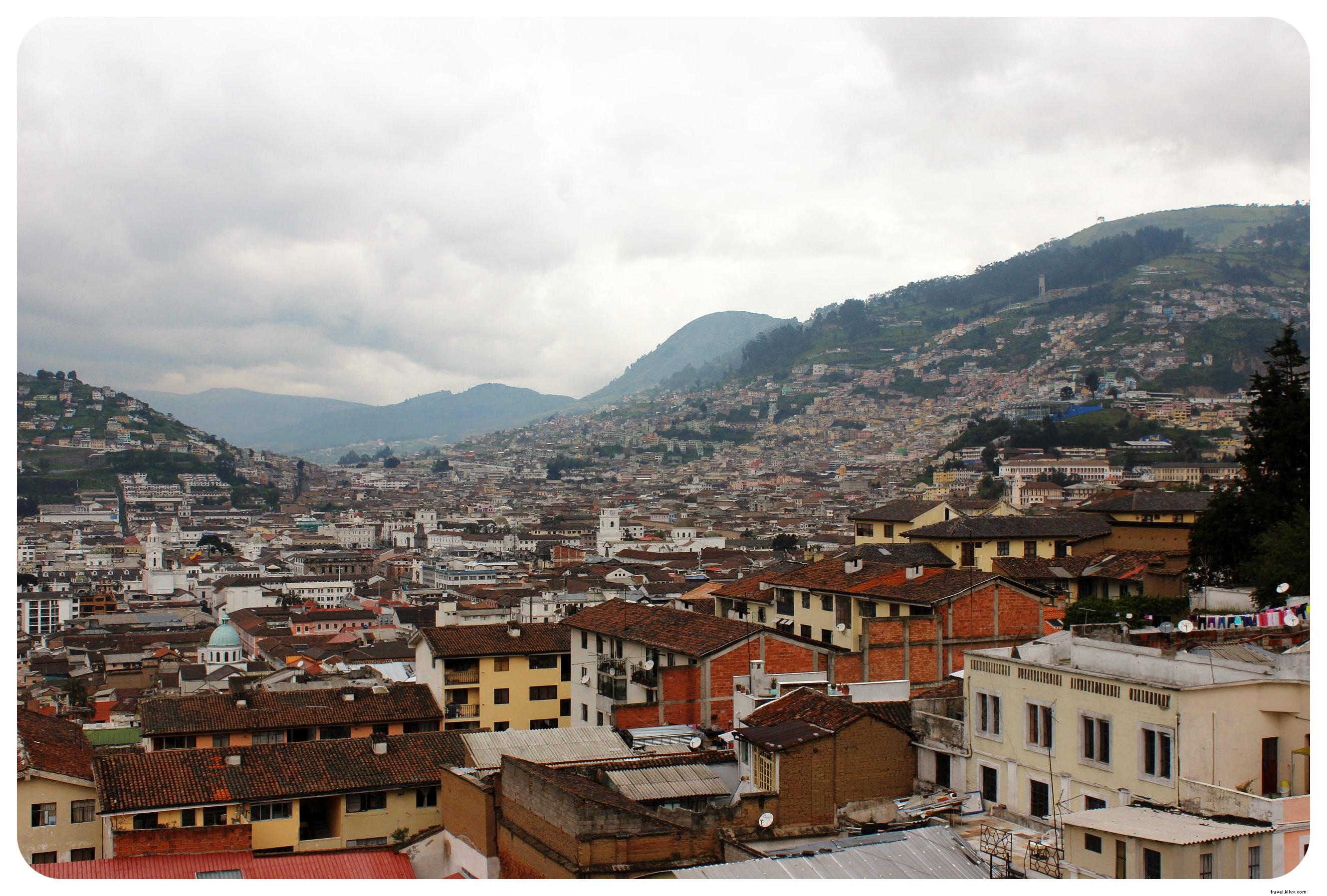
I was surprised by the glowing description on my Kindle: “Set in a picturesque valley some 2,800 meters above sea level, Ecuador’s lofty capital sits just 25km south of the equator. Its historic Old Town is a splendid maze of cobbled streets, colonial architecture and churches, dazzling attributes which helped it become UNESCO’s first World Heritage Site (along with Krakow) in 1978.” This Independent article painted Quito as a breathtaking gem, yet after three days exploring Ecuador's capital—my entry point to the country—I didn't feel swept away.
Stories of robberies and sketchy incidents, including feces thrown from church towers (see here, here, here, and here), made me wary. But my cab driver from the airport eased my concerns during our 45-minute ride, assuring me Quito had become much safer recently. This boosted my confidence.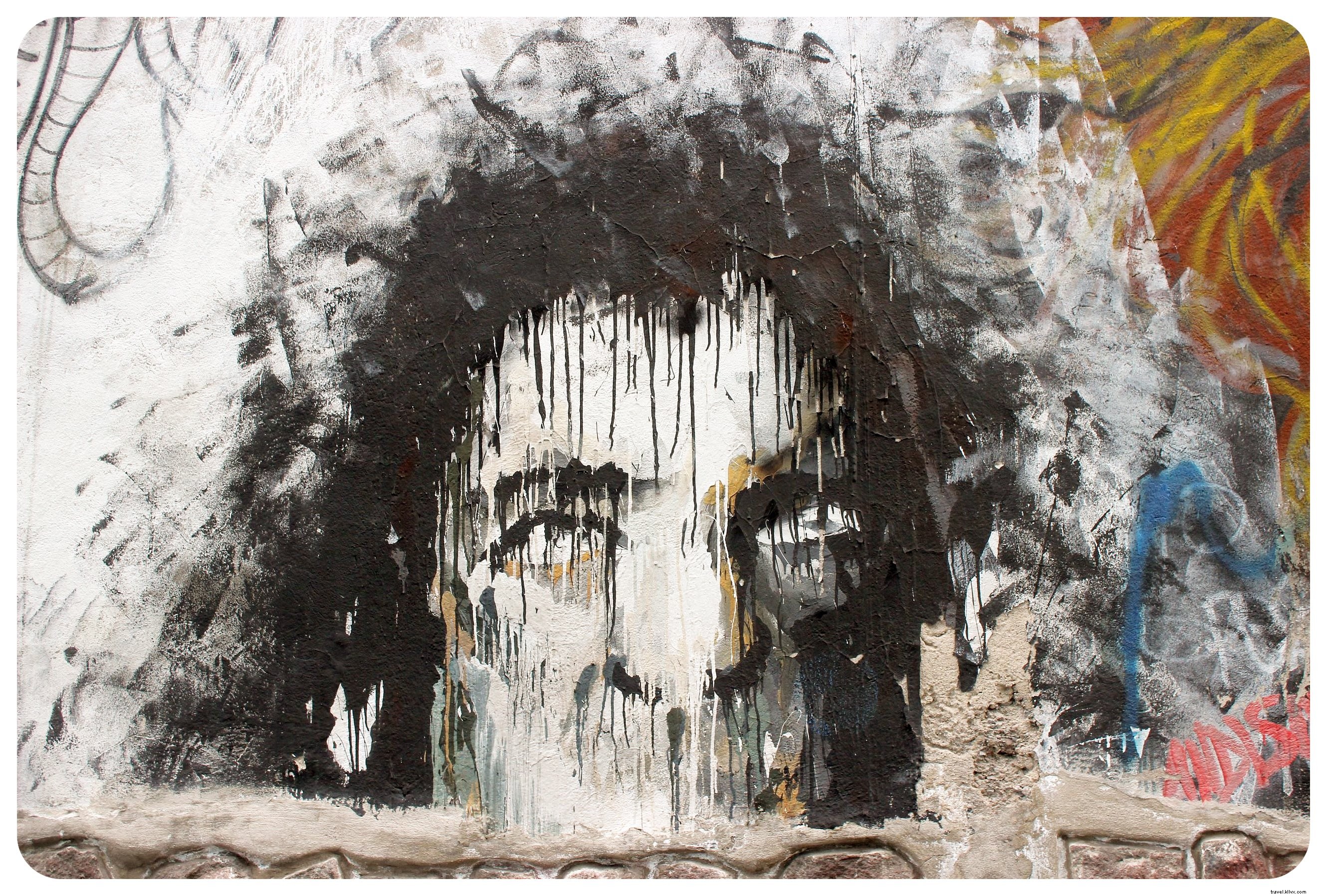
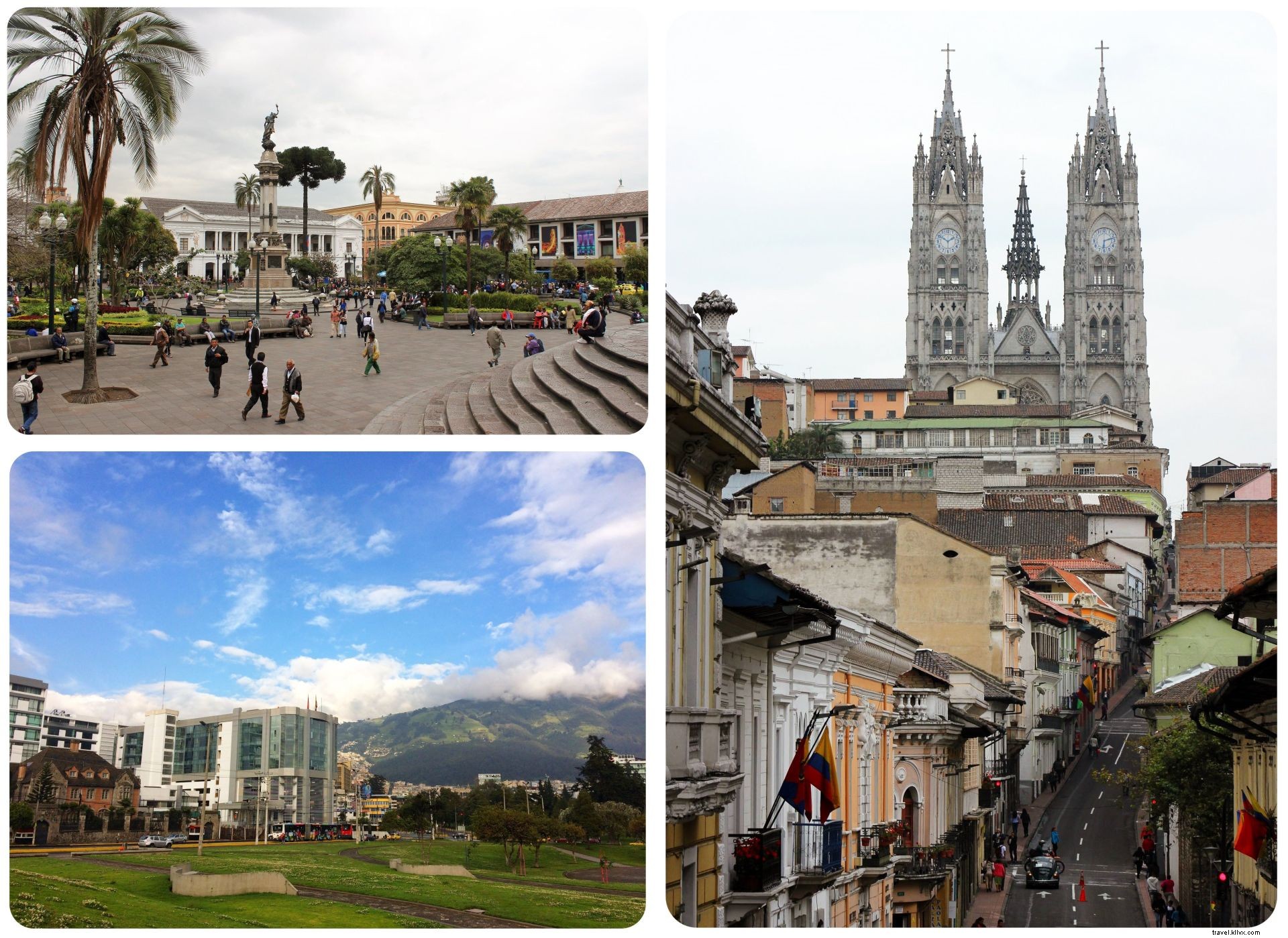
Heading to the Old Town, I found it pleasant but not 'dazzling' or a 'splendid maze.' At 2,850 meters (9,350 feet), Quito is the world's second-highest capital after La Paz, Bolivia—lofty, indeed. Research led me to a free walking tour via Alex in Wanderland, which I joined the next day with about 10 travelers.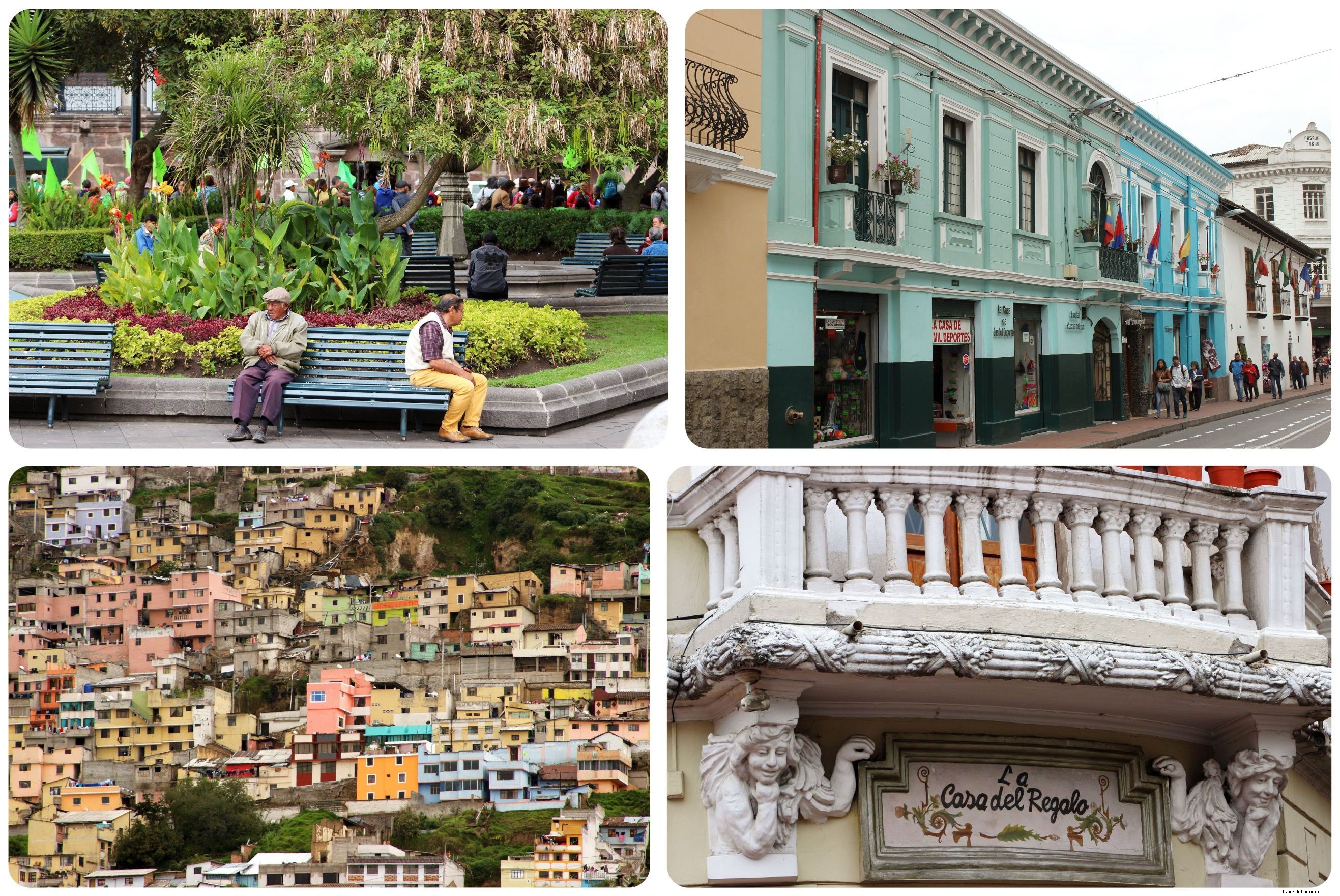
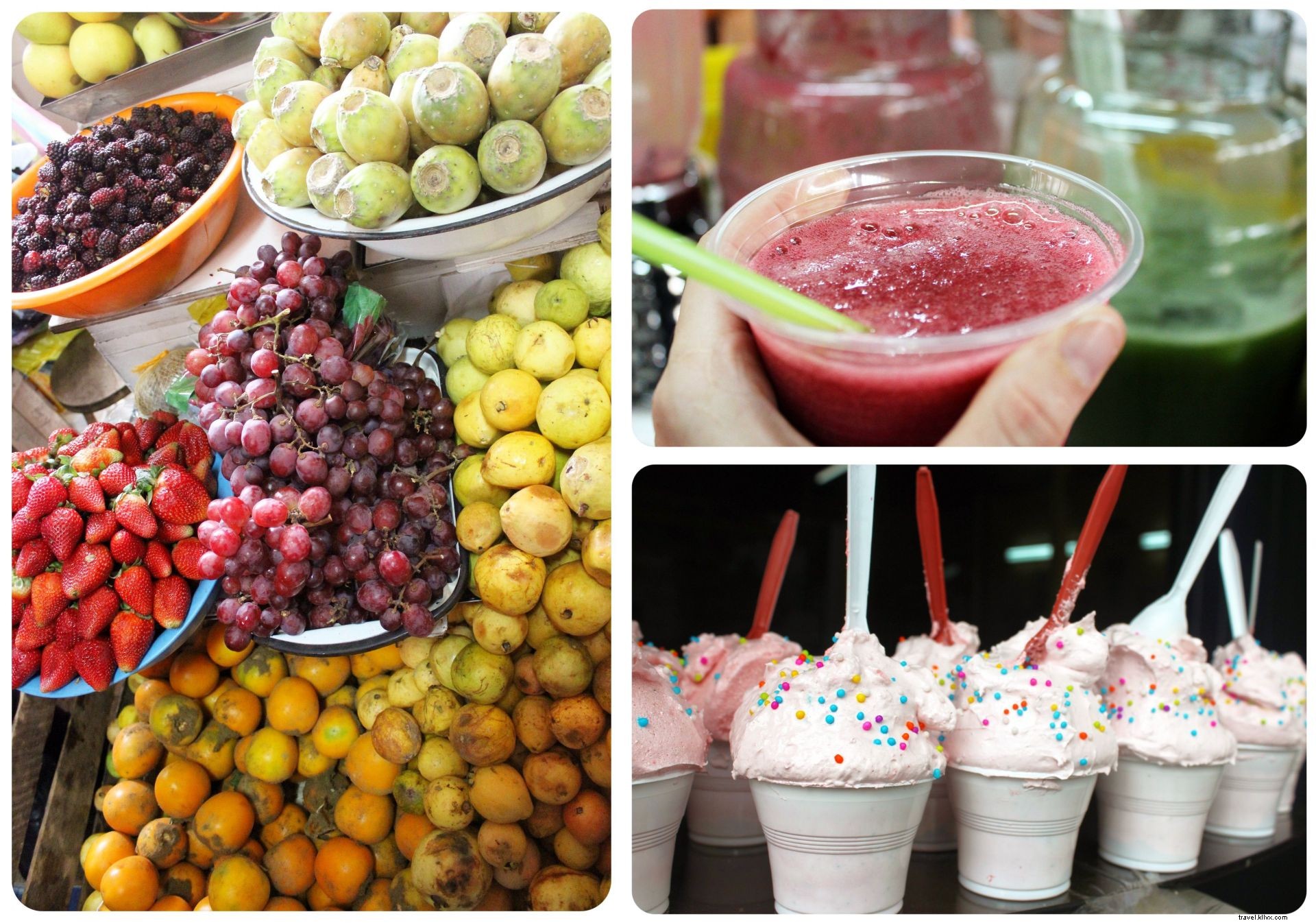
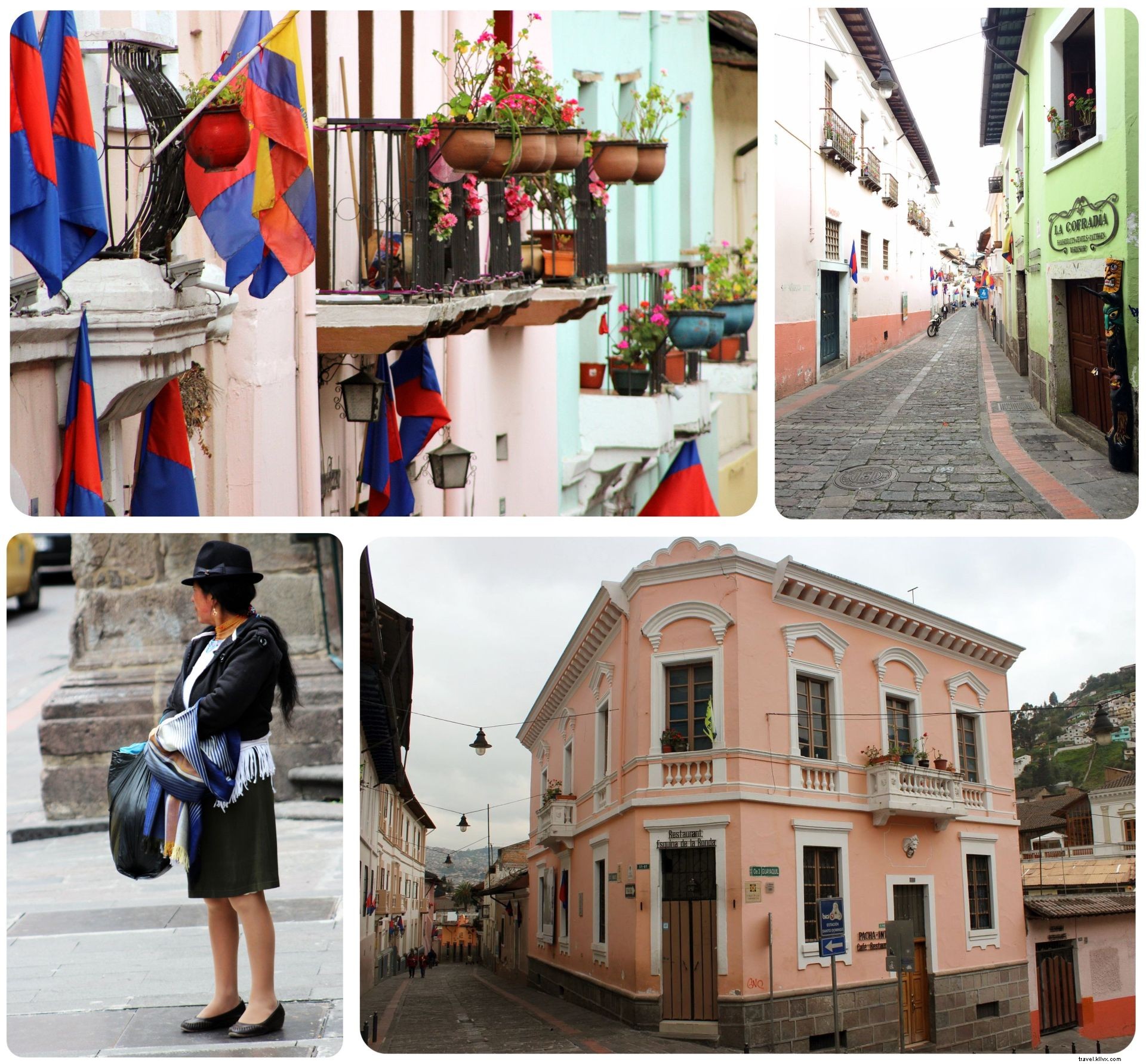
Local guide Andrea provided context on Ecuadorian culture, history, and politics. We visited the central market, sampling fruits like naranjilla (Ecuador's name for lulo), sparking interest in the hostel's $10 weekly food tour. La Ronda's bohemian alleys and colorful houses charmed me most.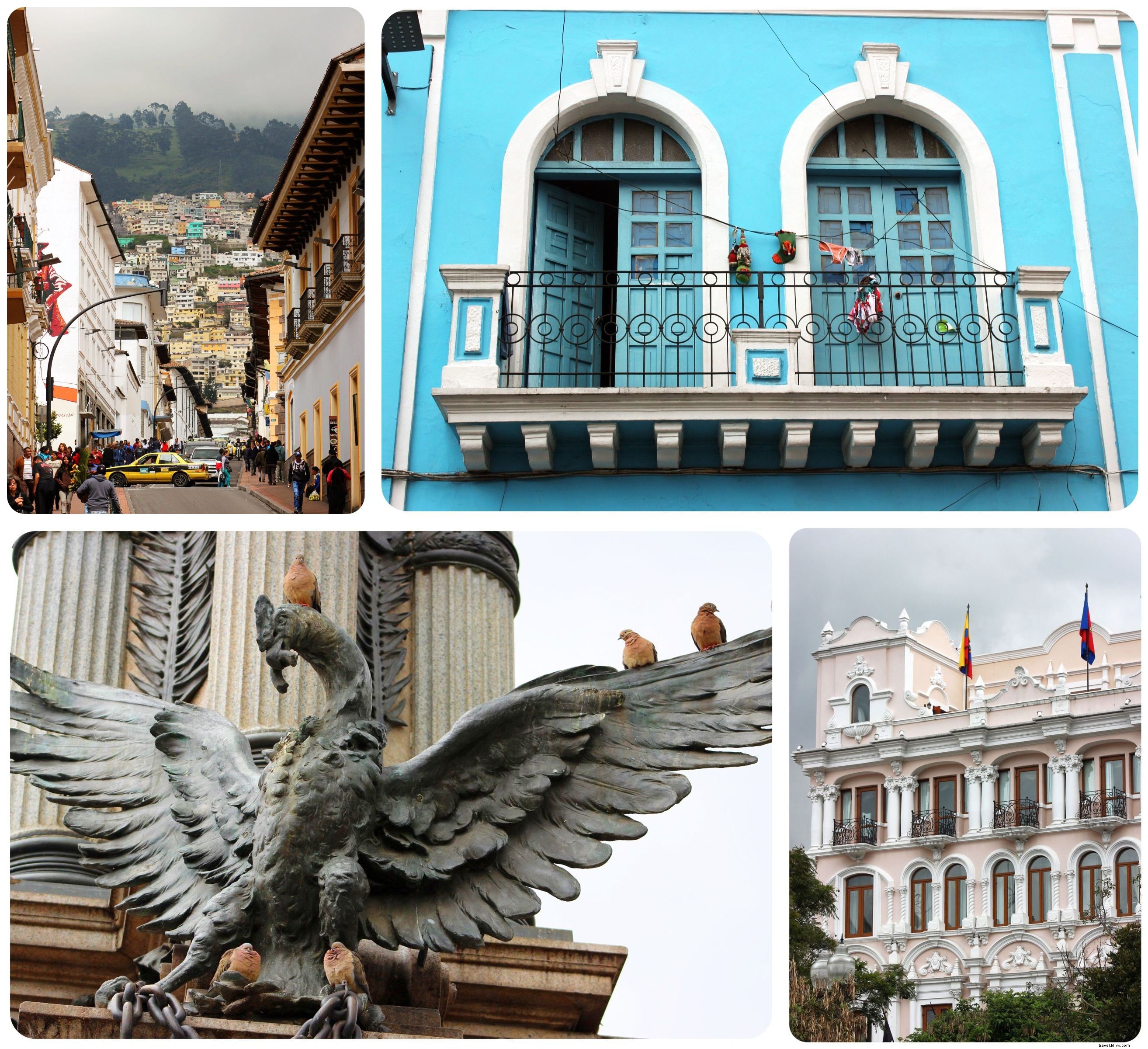
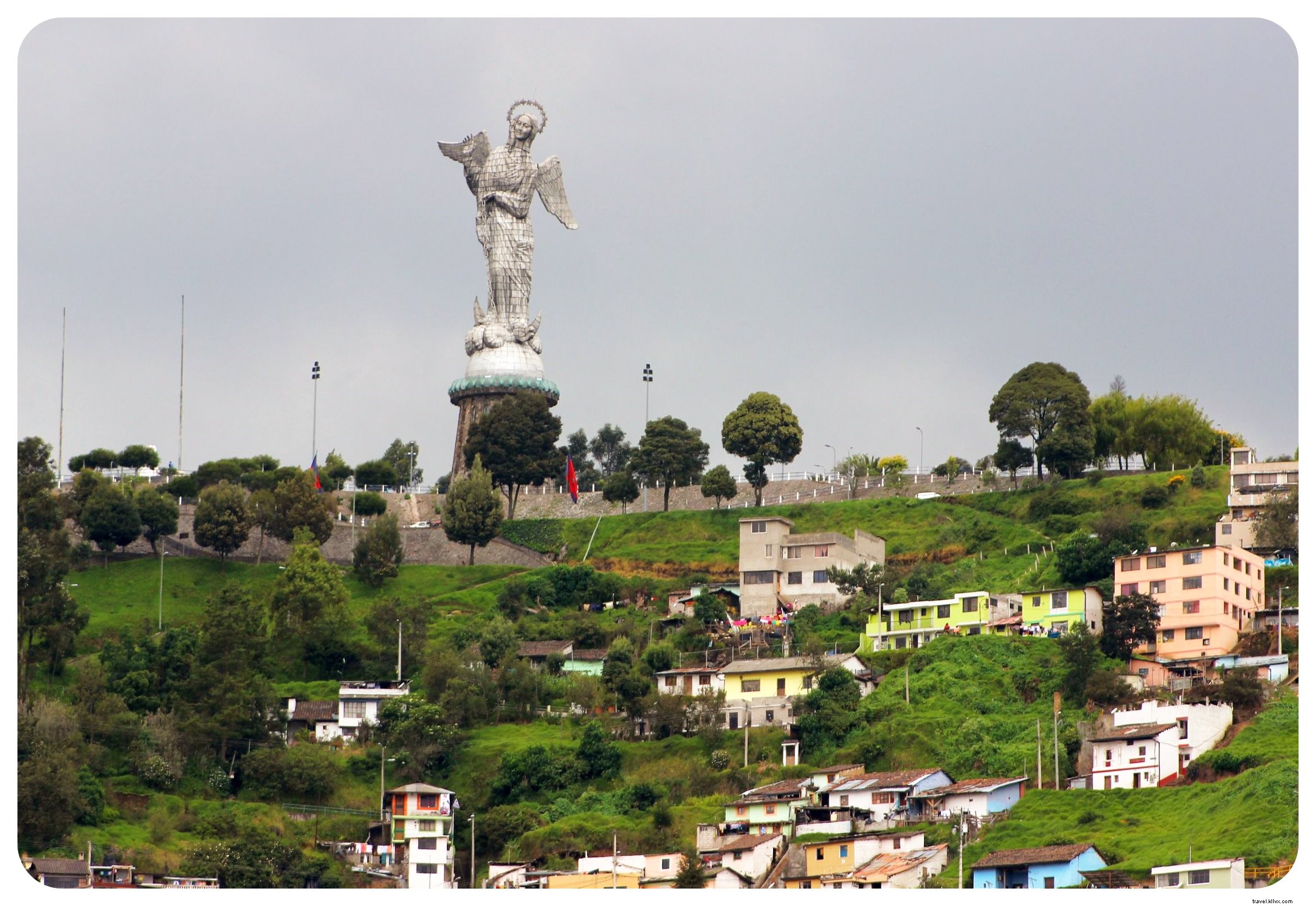
Rainy days and 50s F temps (10-15C) kept me bundled up. Andrea warned against walking to El Panecillo Hill's 45-meter Virgin of Quito statue (made of 7,000 aluminum pieces), echoing my guidebook's safety advice.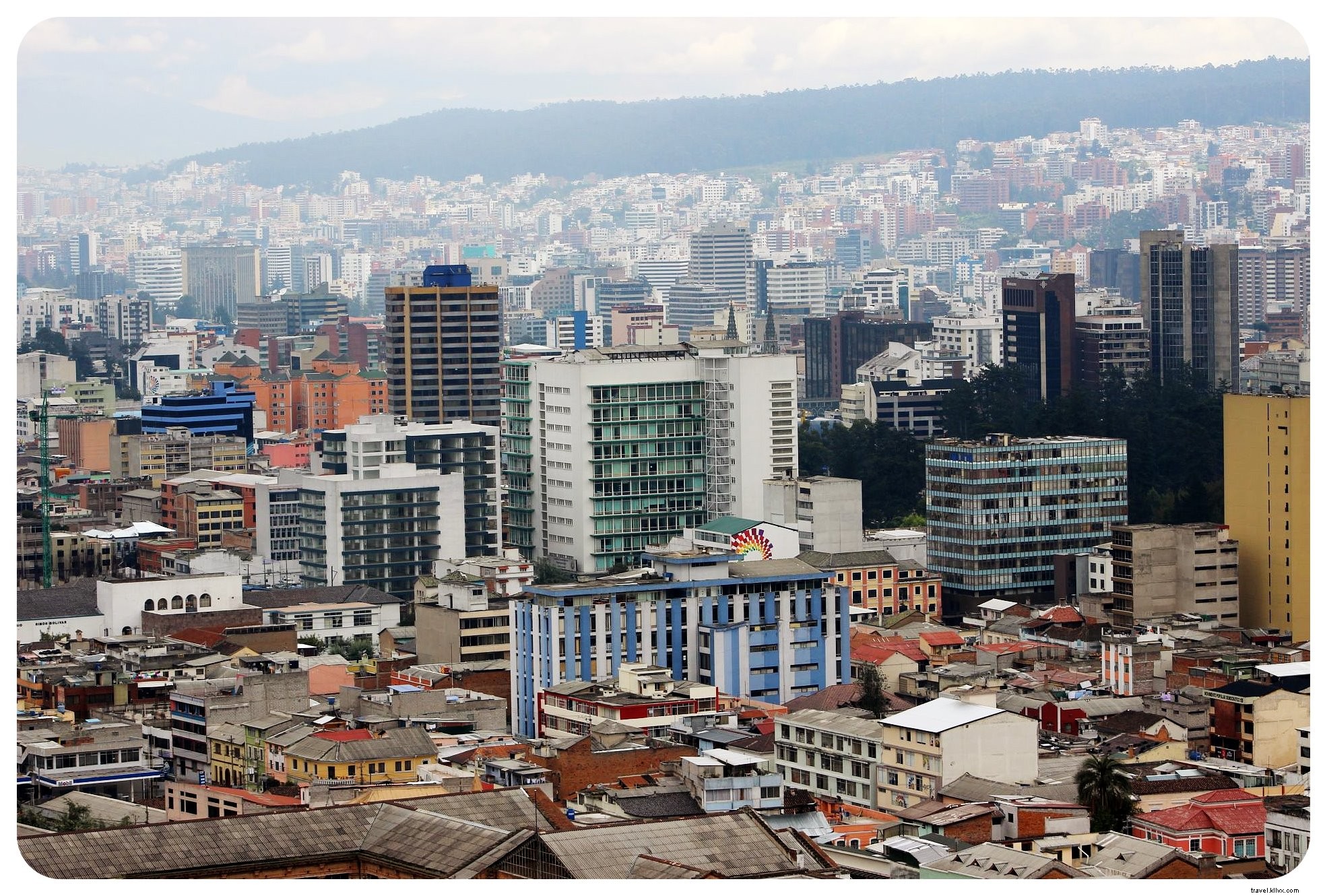
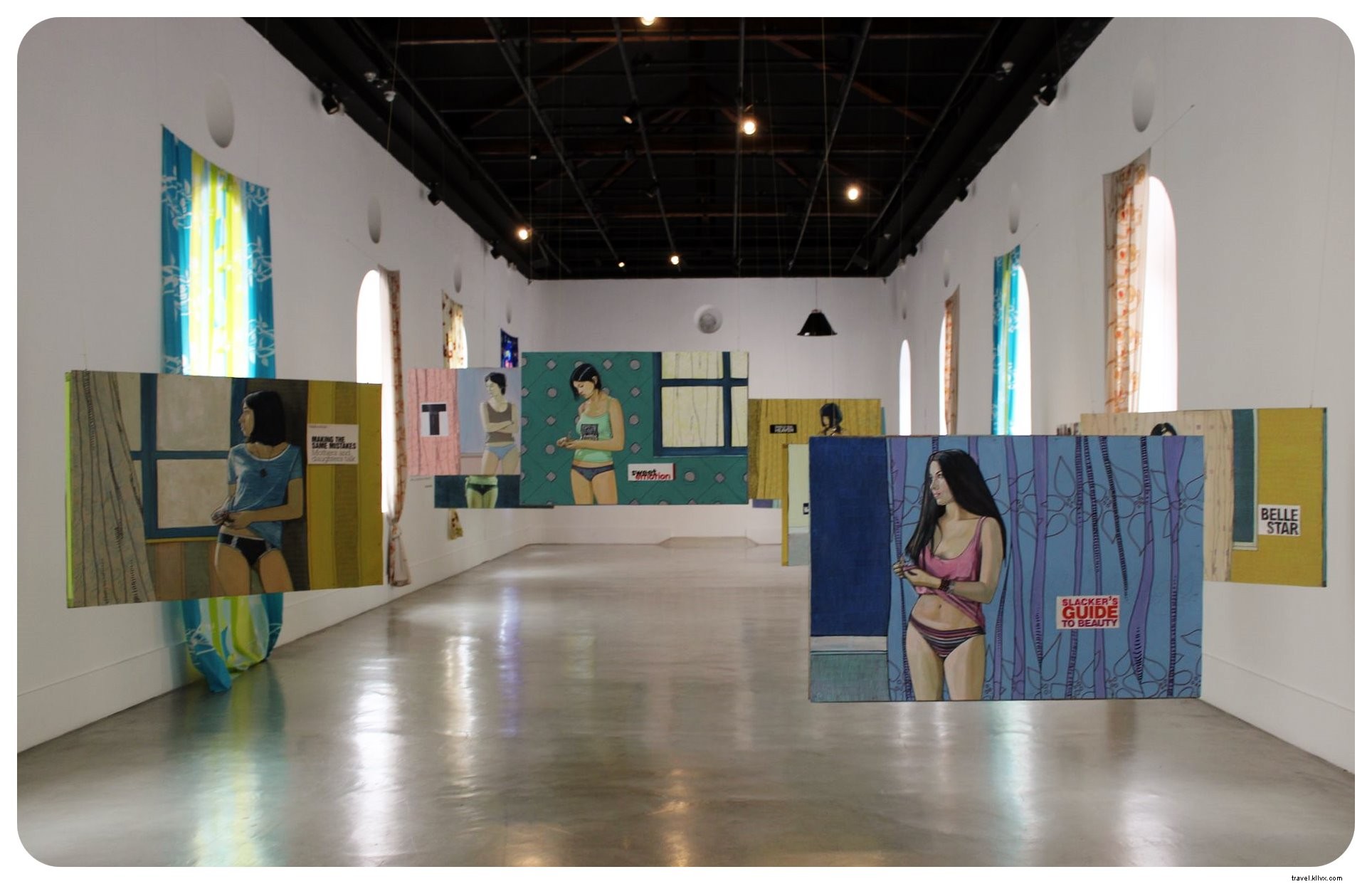
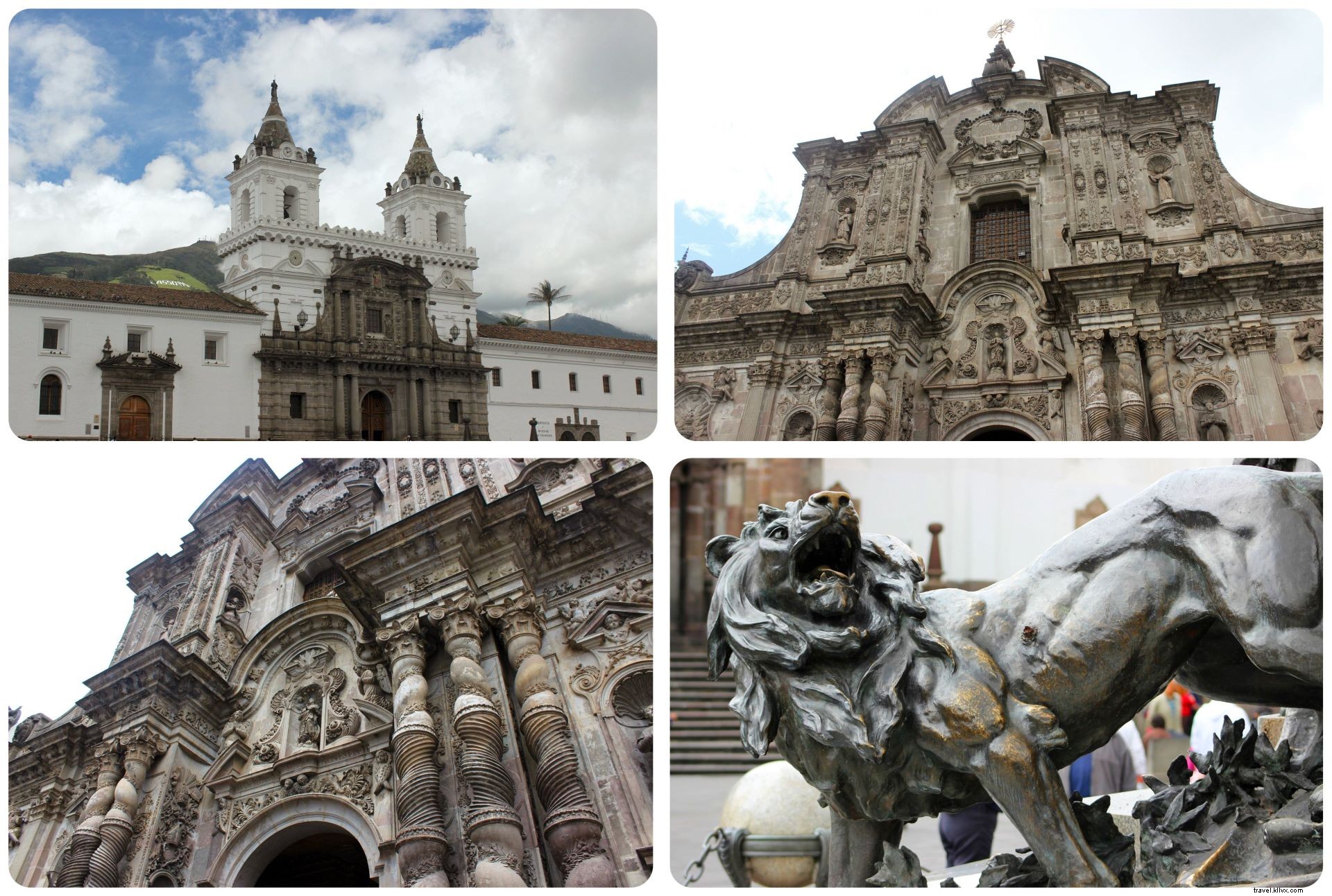
I explored churches, favoring the ornate Neo-Gothic Basilica del Voto Nacional. For $2, I climbed its bell towers for city views, though clouds persisted. Nearby, the free Centro de Arte Contemporáneo showcased a superb Amazon indigenous photography exhibit and Fabian Patinho's 'Tres mil leguas de algodón' acrylic paintings.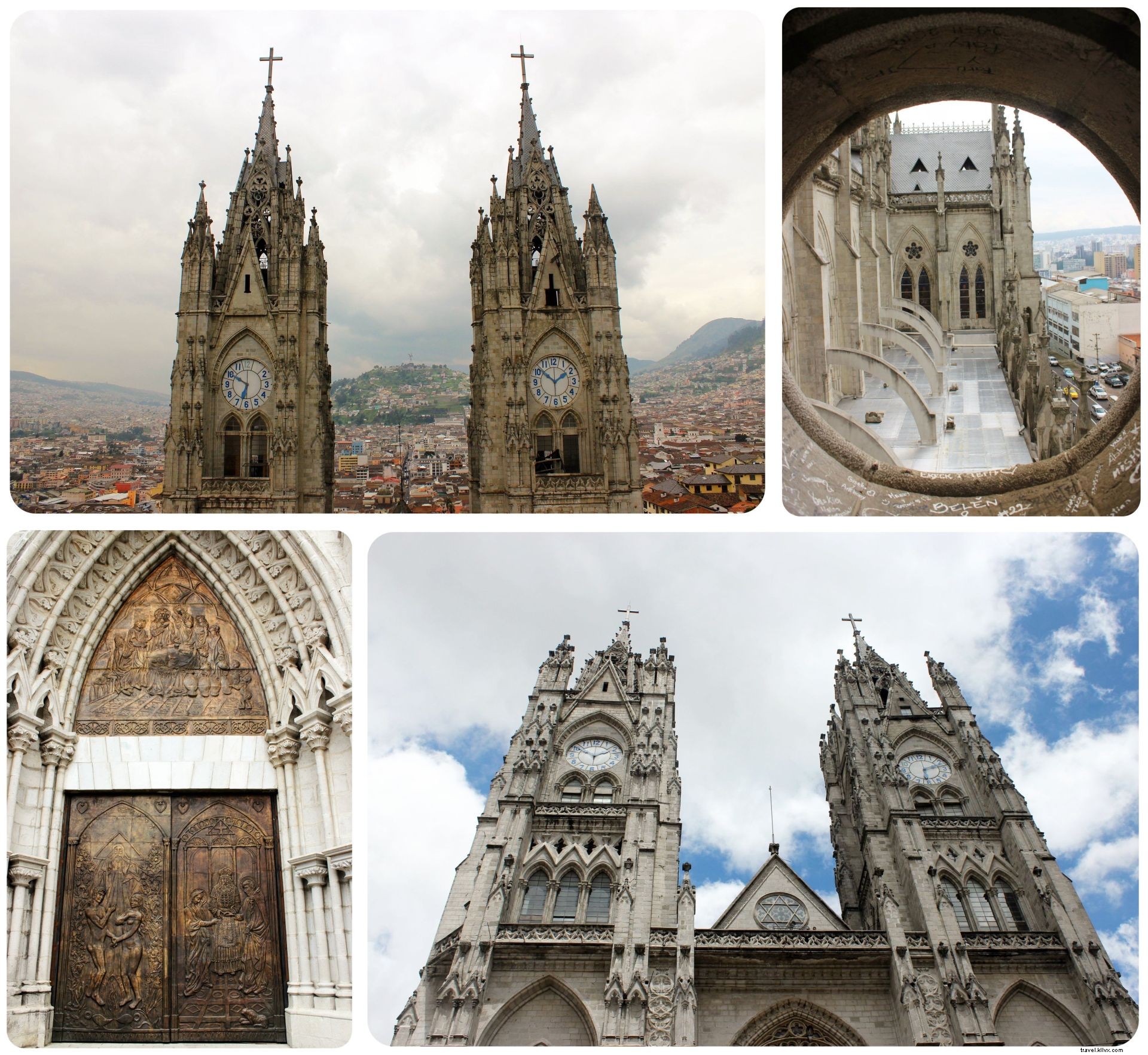
Opposite, vibrant murals and graffiti added an artsy flair.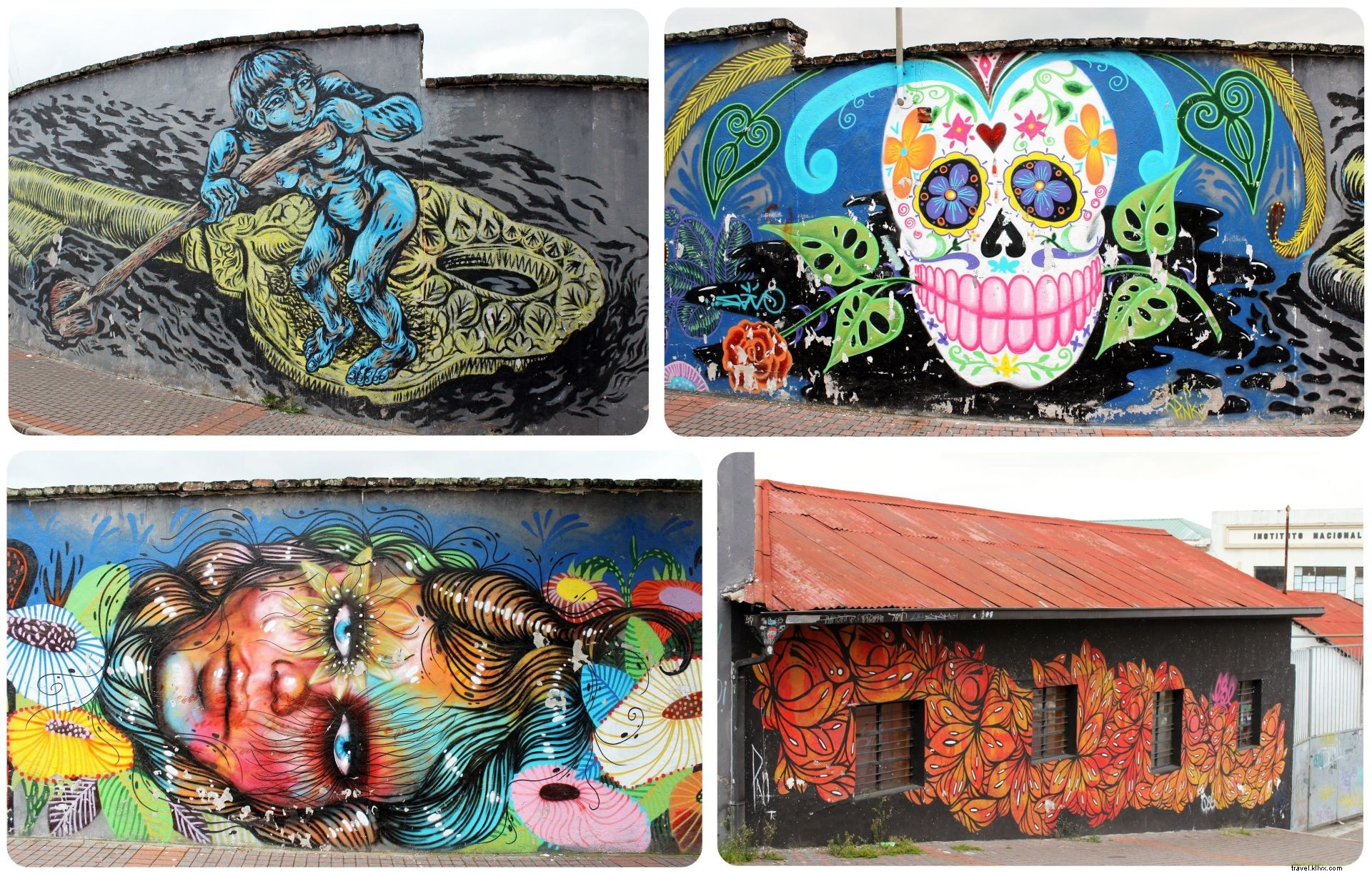
The 'New Town' offered restaurants, bars, and nightlife absent in the Old Town. Plaza Foch buzzed, while Plaza Borja Yerovi's painted houses delighted. I returned later to stay here.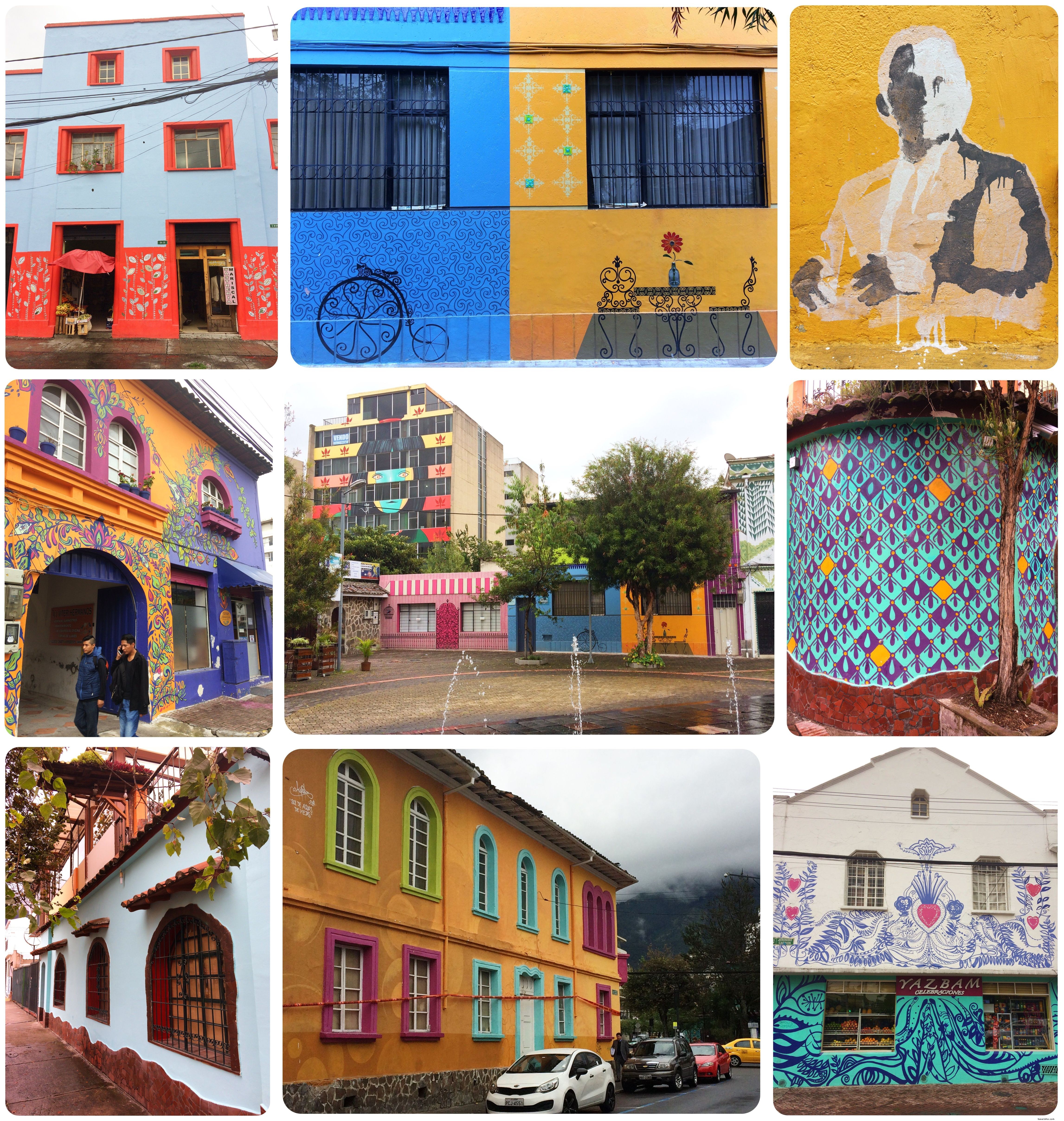
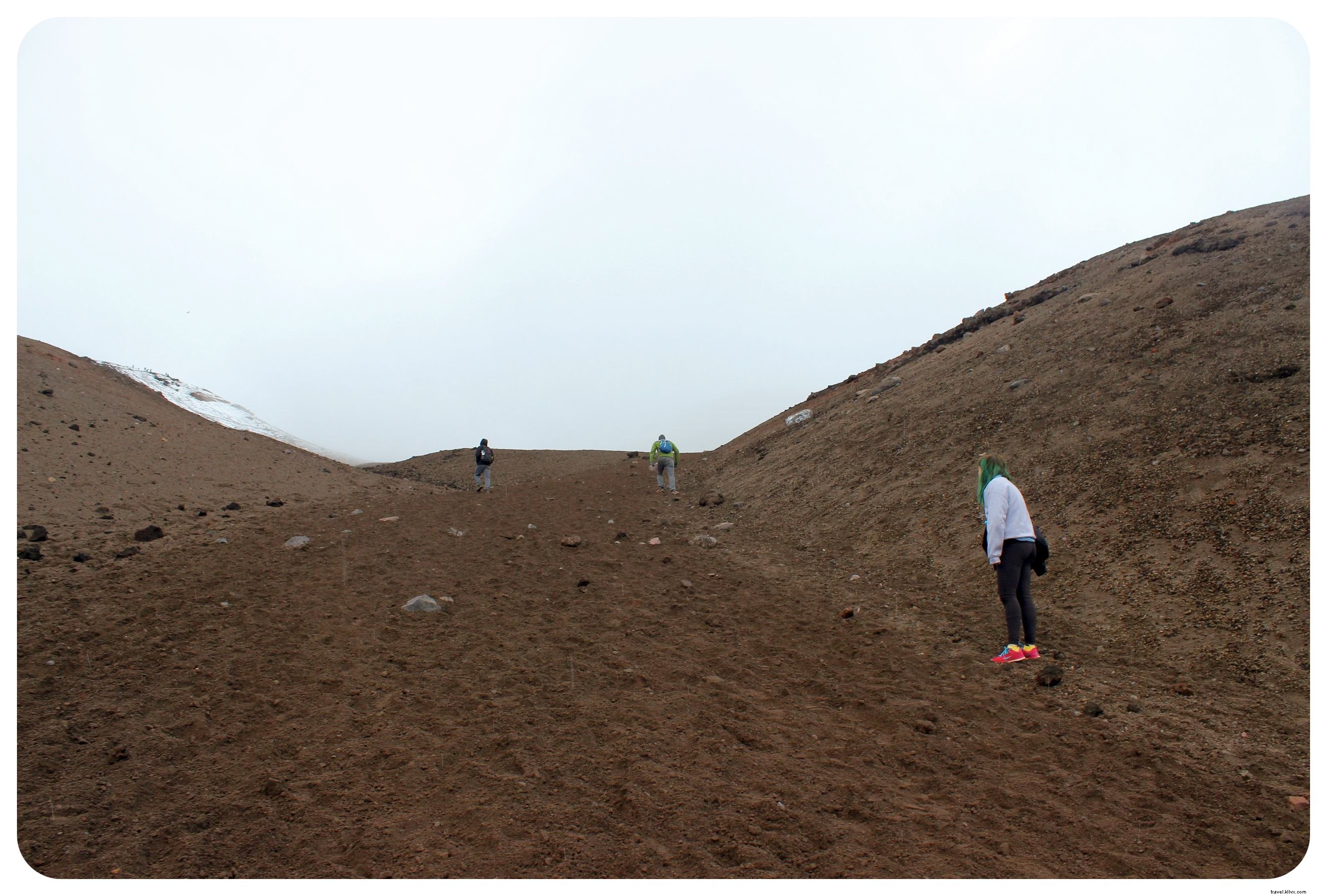
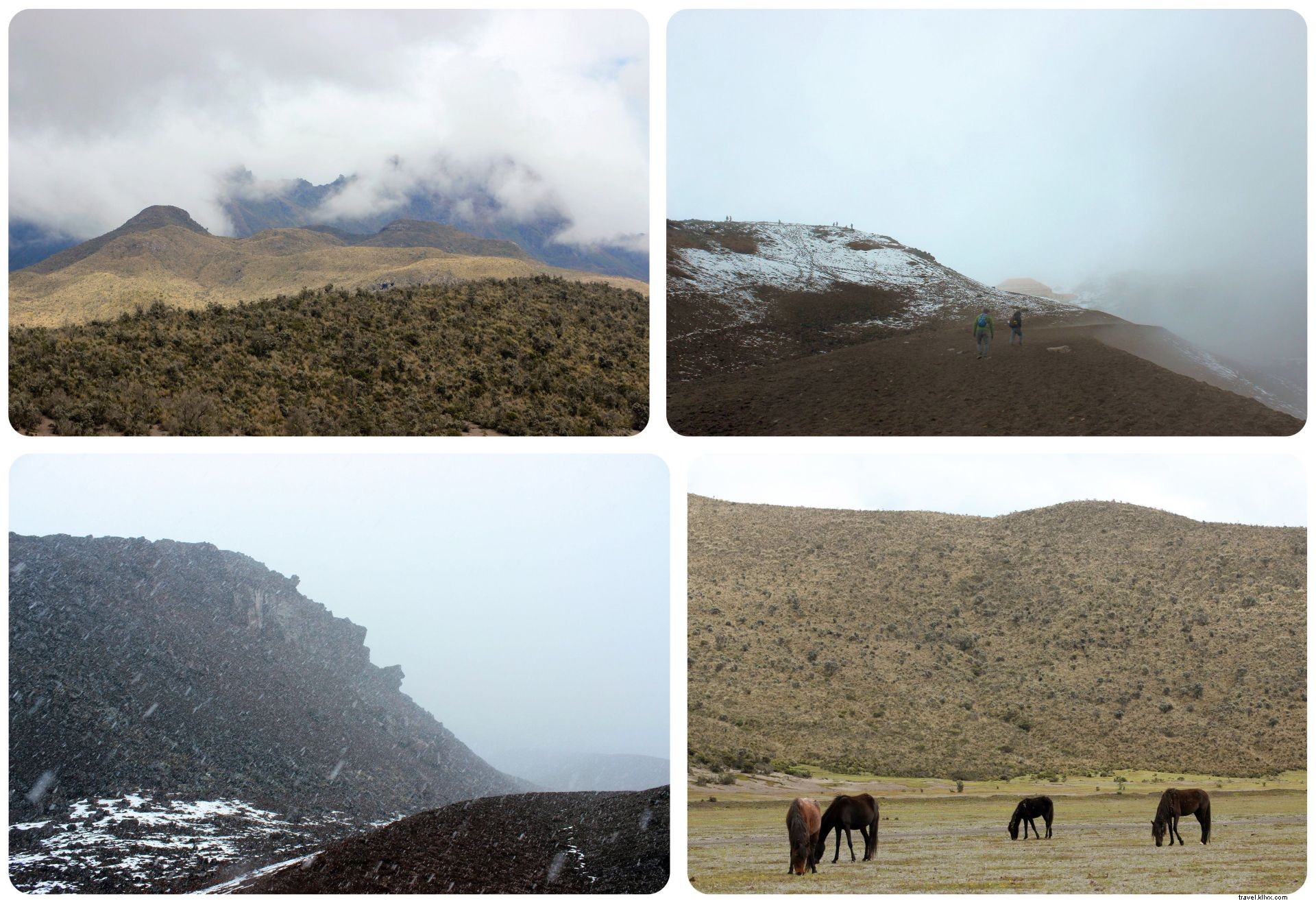
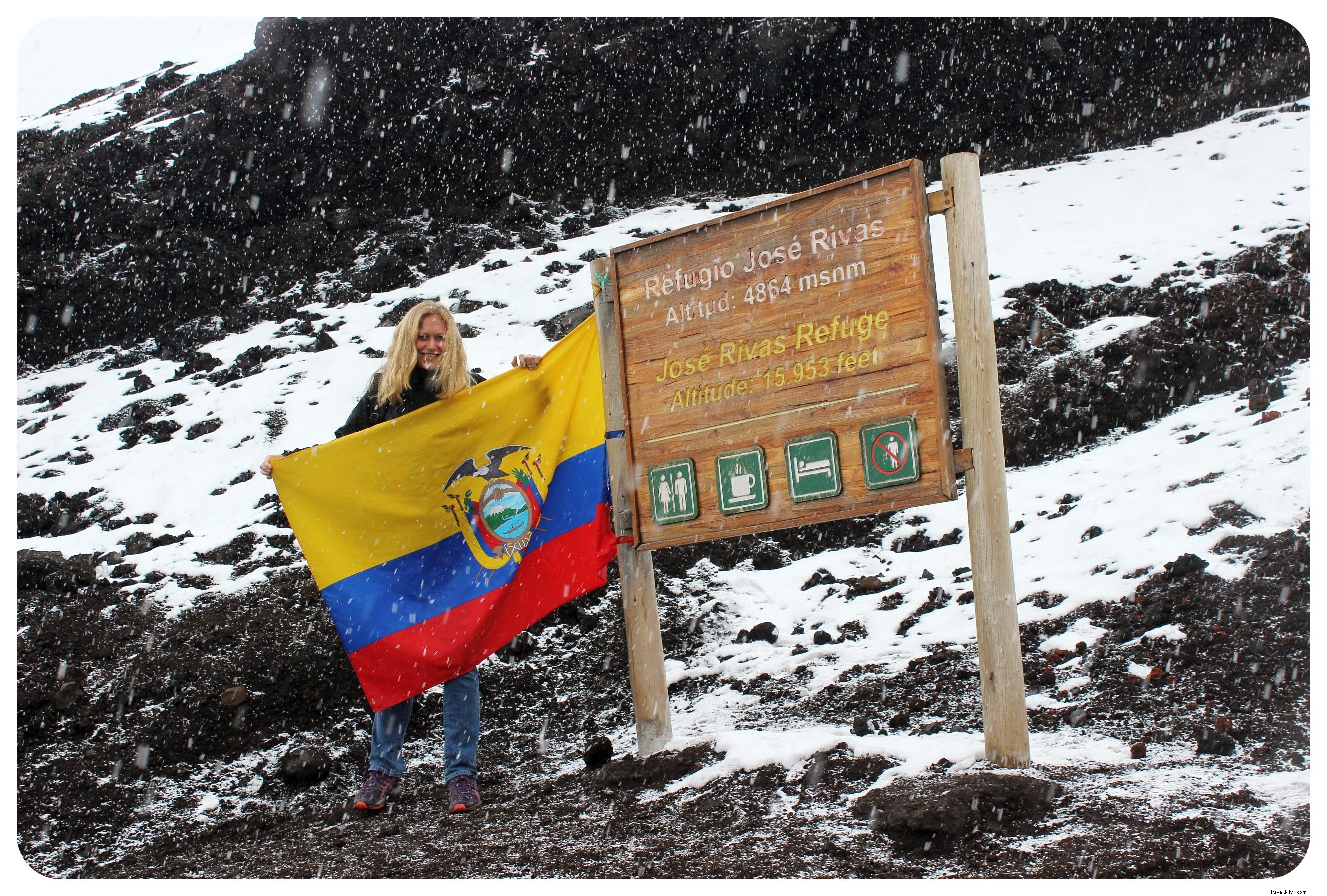
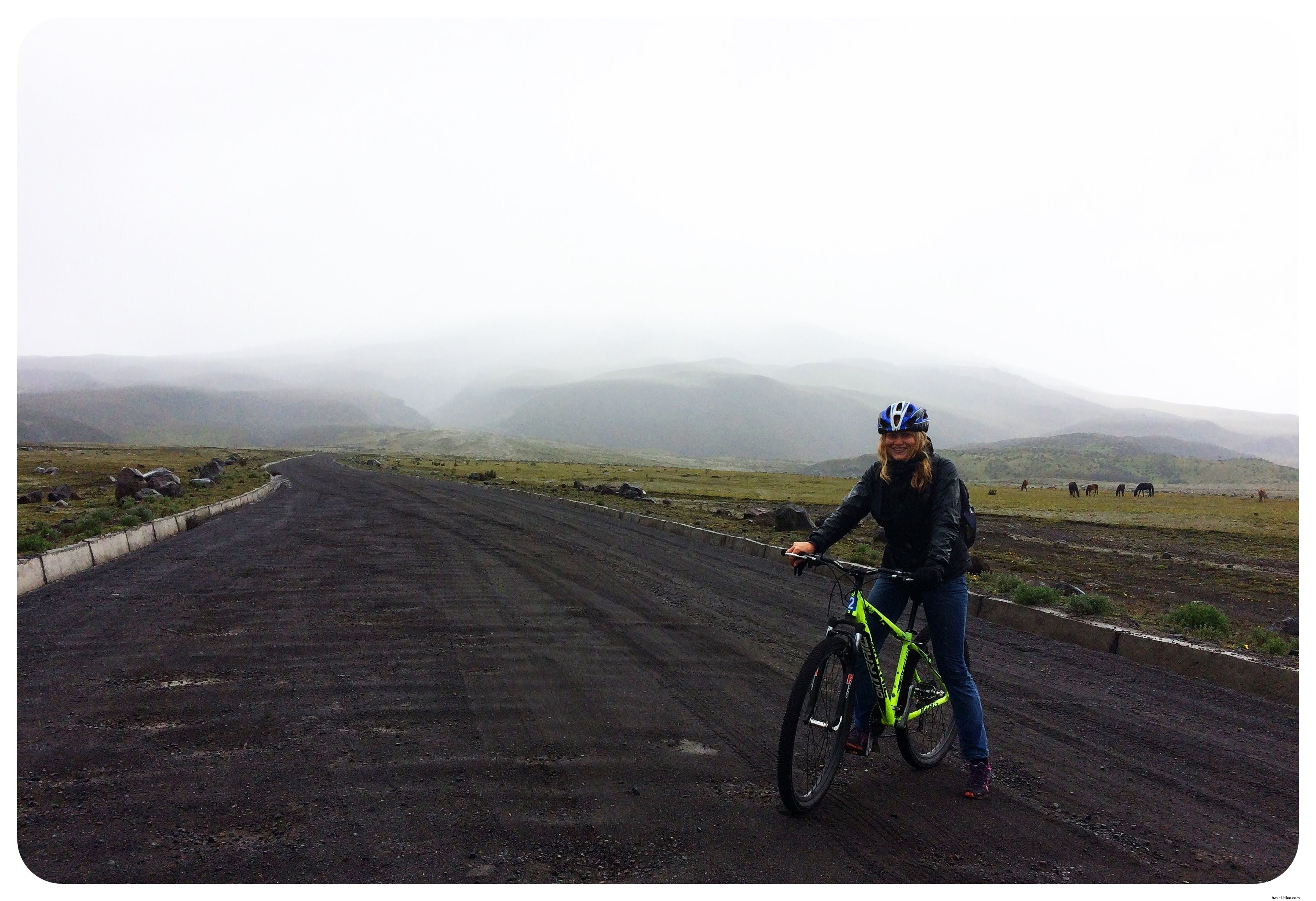
Back for a Cotopaxi mountain biking tour (Ecuador's second-highest active volcano at 5,897m/19,347 feet), bad weather struck. In Cotopaxi National Park, clouds hid the peak. We hiked to Refugio Jose Rivas (4,864m/15,953 feet)—summiting halted since 2015 eruptions—amid snow turning to rain. Biking to Laguna Limpiopungo (3,830m) left us soaked, missing the altiplano's flora, fauna, and birdlife.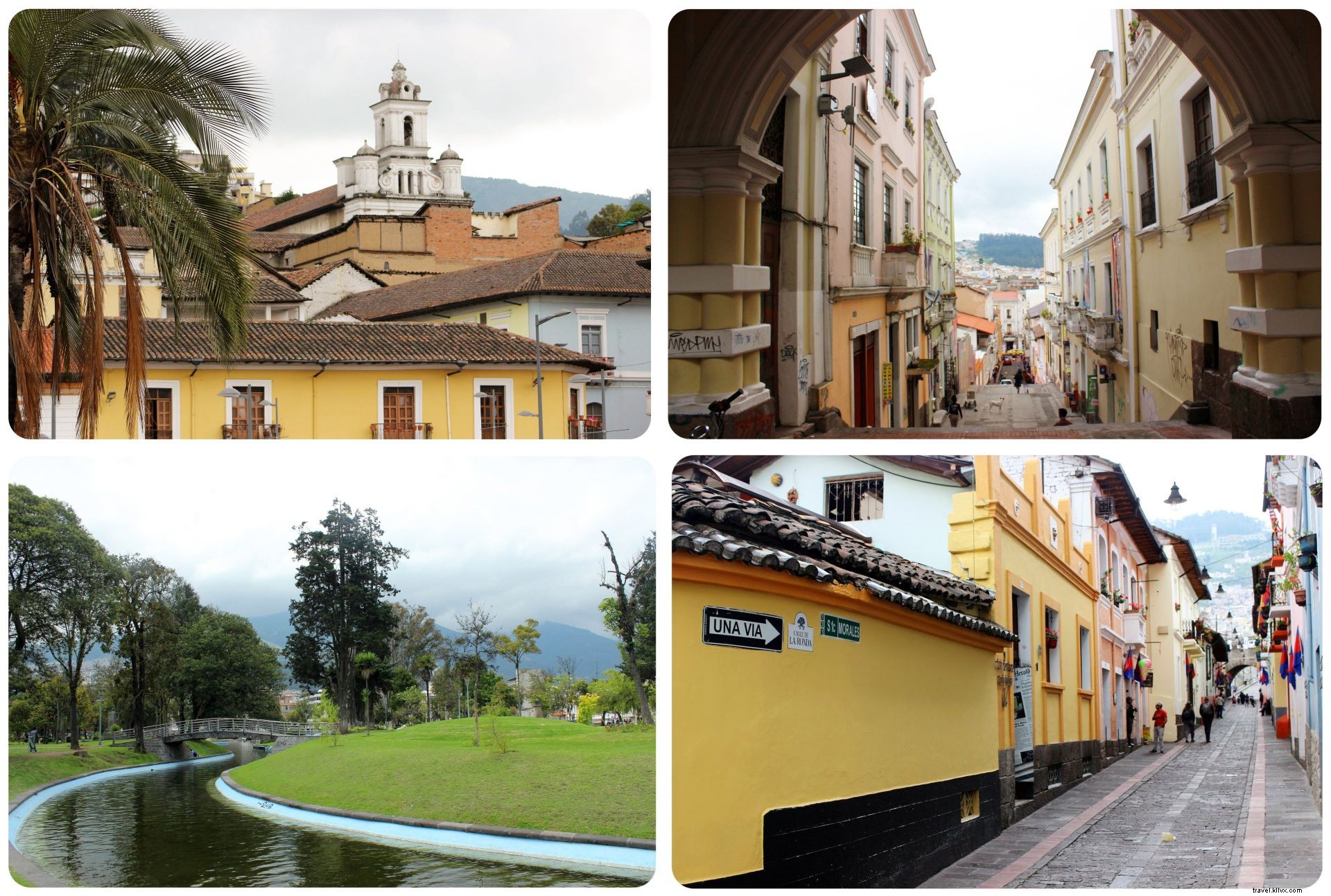
Dropped at lively Plaza Foch on Friday night, I enjoyed vegetarian spot El Maple, Cherusker Cervecería's German brews, The Lucky Charm Pub, Finn McCool’s Irish Pub, and Radar LGBTQ+ bar—ending on a high note.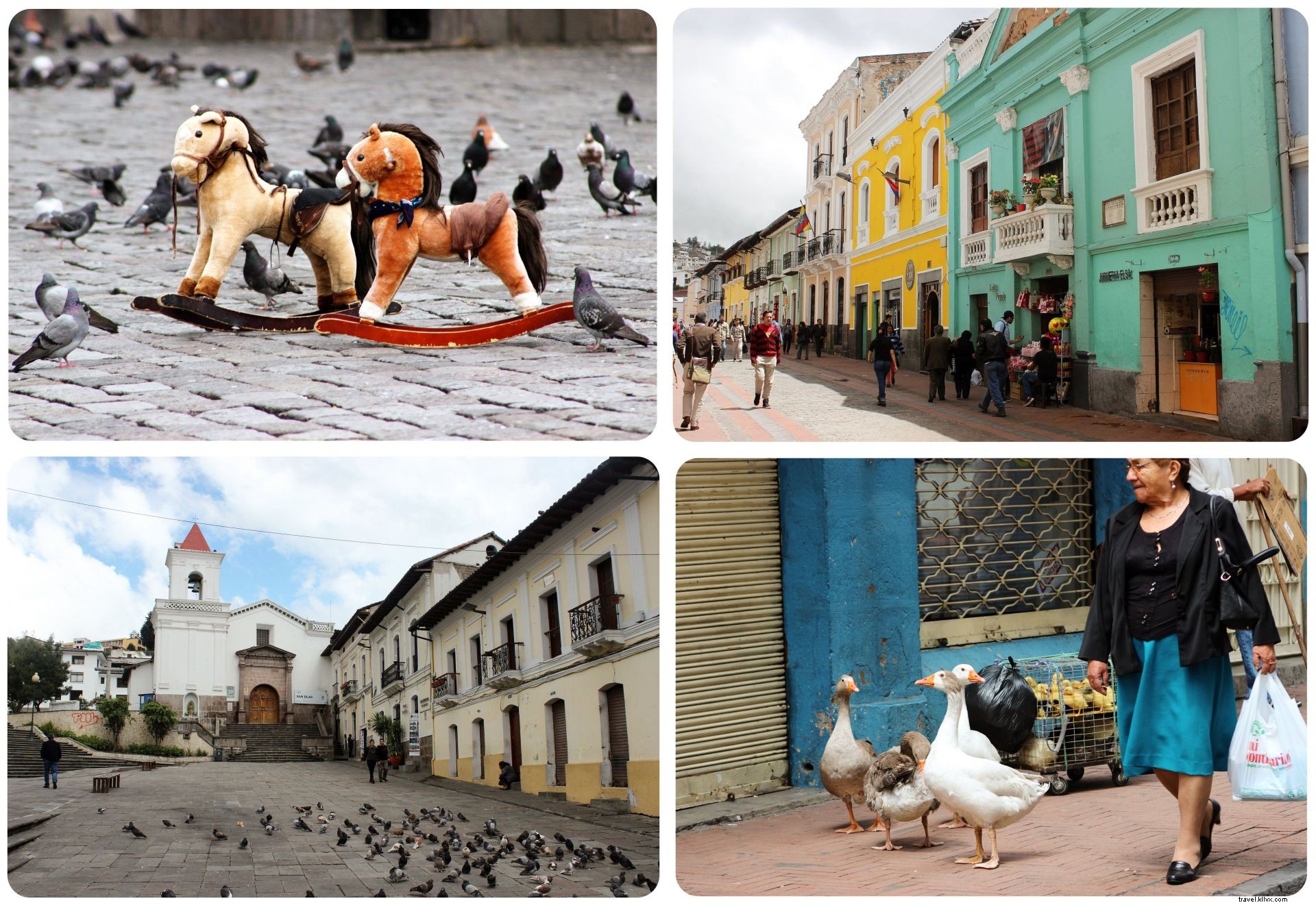
Have you visited Quito? What are your thoughts on Ecuador’s capital?