Jordan Guide #5: Aqaba – Red Sea Beaches, Diving Hotspots, and Ancient History
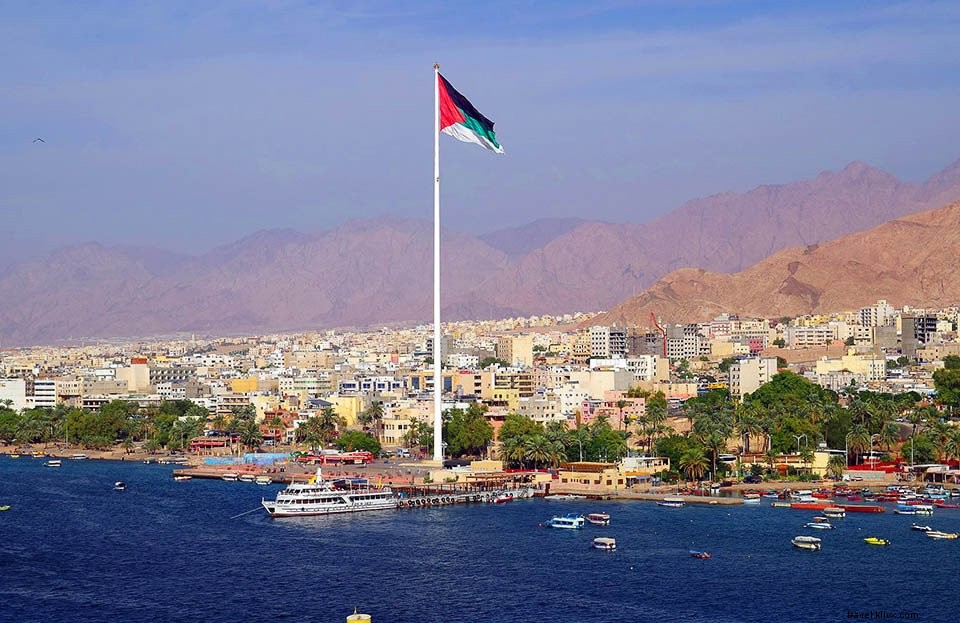
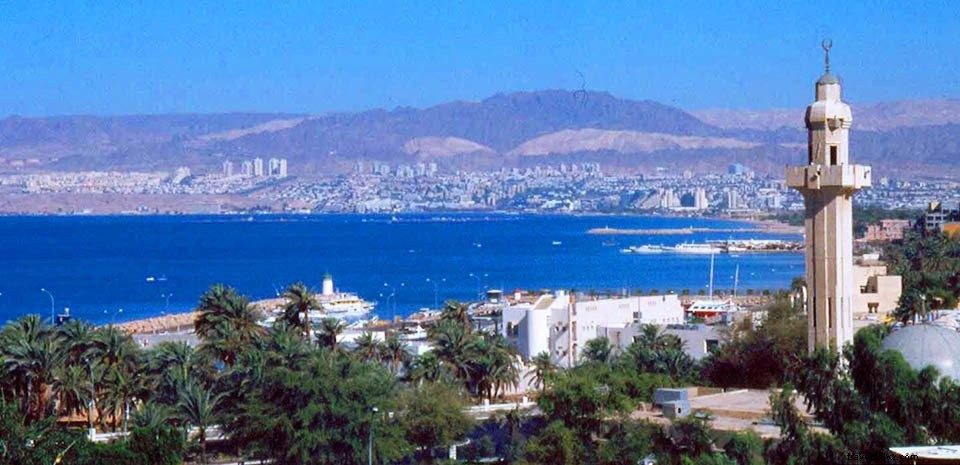
Aqaba, Jordan's southern gem on the Red Sea, offers a perfect blend of history, relaxation, and adventure. Discover ancient monuments, pristine beaches, and vibrant coral reefs ideal for snorkeling and diving.
Aqaba's Rich History
Aqaba's story begins in the 10th century BC as Ezion-Geber, a copper smelting center, fishing village, and port under King Solomon of Israel.
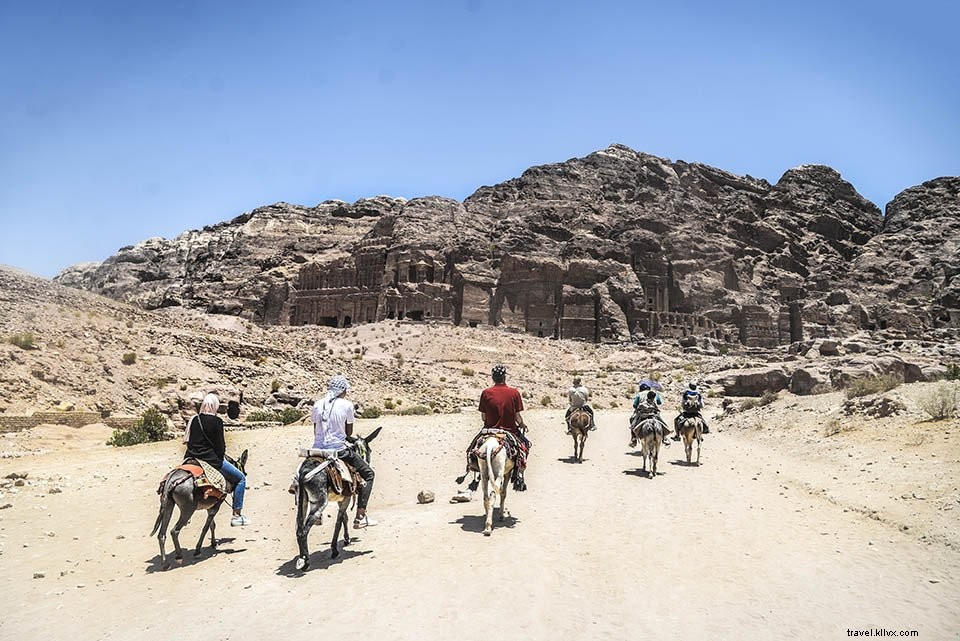
By the 2nd century BC, Egyptians controlled the area, followed by the Nabataeans—famous for Petra—who renamed it Aila.
Under the Roman Empire, it became Aelana, a key trading hub linking Damascus, Palestine, and Egypt. In the 7th century CE, the Umayyad Arabs conquered it, renaming it Aila and using it as a pilgrimage route to Mecca. This era ended in 1024 with local tribe conquests, and a devastating earthquake in 1068 destroyed much of the city.

Crusaders occupied Aqaba in 1116, building a fort on a nearby island. Saladin recaptured the area in 1170, followed by the Mamluks 80 years later. A quieter period ensued until the 16th century, when Ottoman rule diminished its prominence, much like Amman.
During World War I in 1917, Arab forces led by Lawrence of Arabia (detailed in our Wadi Rum guide) liberated Aqaba from the Turks.
The 20th century saw regional conflicts, including Israeli-Arab wars, but peace arrived by century's end. The 1994 Jordan-Israel border opening transformed Aqaba into a thriving tourist destination.
Top Tourist Attractions in Aqaba
Aqaba caters to active travelers and history buffs alike, with beaches, museums, and ruins.
Mamluk Fort
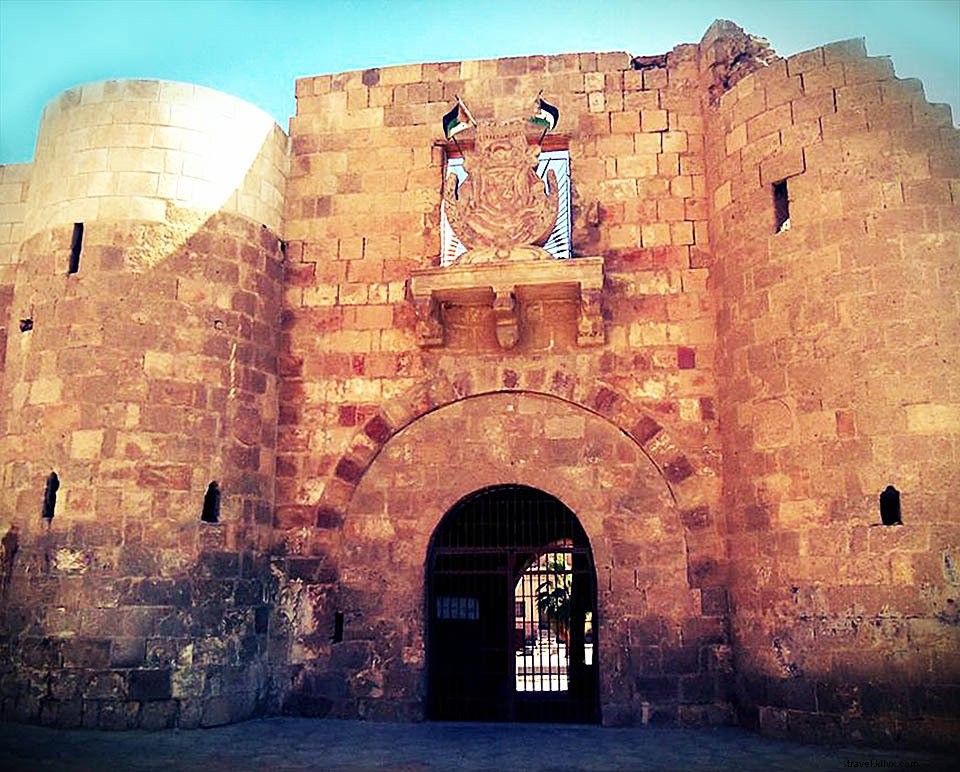
This iconic fortress, first built by Crusaders in the 12th century and rebuilt by Mamluk Sultan Baybars, played a key role in the Arab Revolt led by Lawrence of Arabia. Located near the massive Jordanian flagpole and promenade, it's steps from the Archaeological Museum.
Aqaba Archaeological Museum
Housed in Sharif Hussein's 1917 residence—leader of the anti-Ottoman uprising—the museum showcases Nabataean artifacts (1st century CE), Egyptian and Iraqi coins, Byzantine reliefs, and even Chinese ceramics.
Byzantine Church Ruins
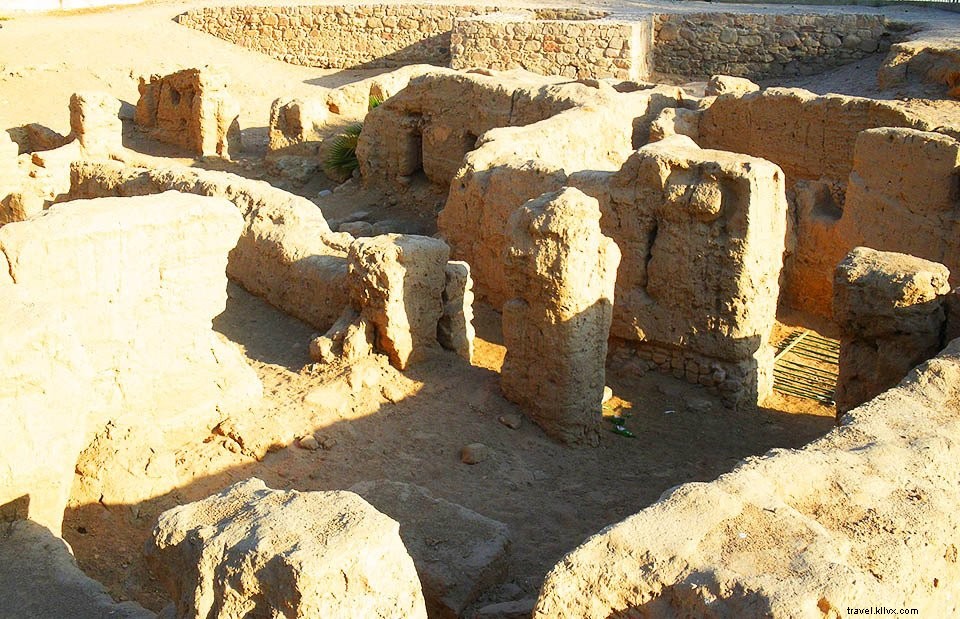
During the Byzantine era, Jordan saw extensive church construction as Christianity spread. Aqaba boasts what may be the world's oldest known church, built in the late 3rd century CE—predating those in Bethlehem and Jerusalem. Though only ruins remain, they offer a poignant glimpse into early Christianity.
Aqaba City Center
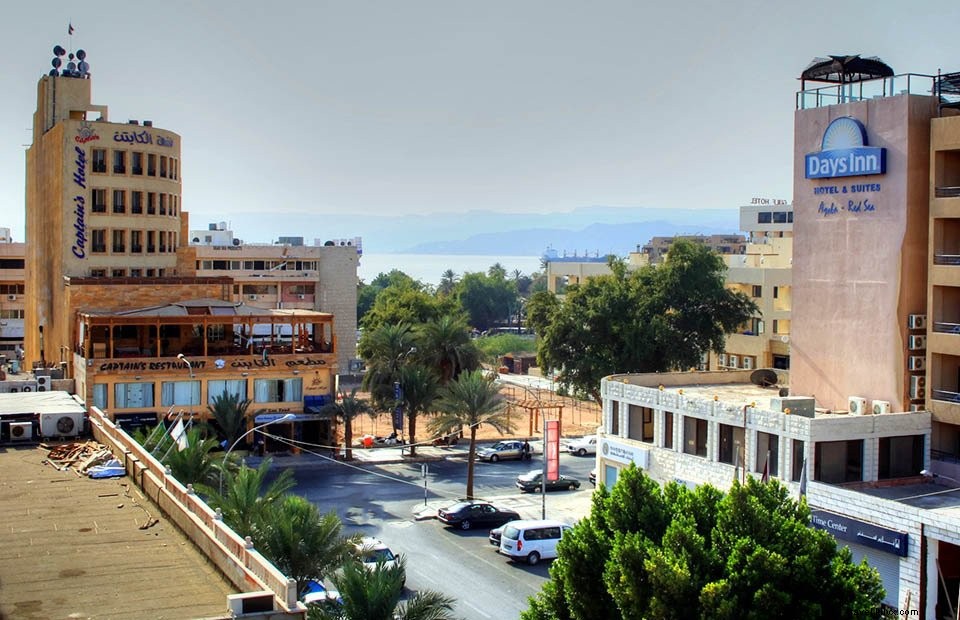
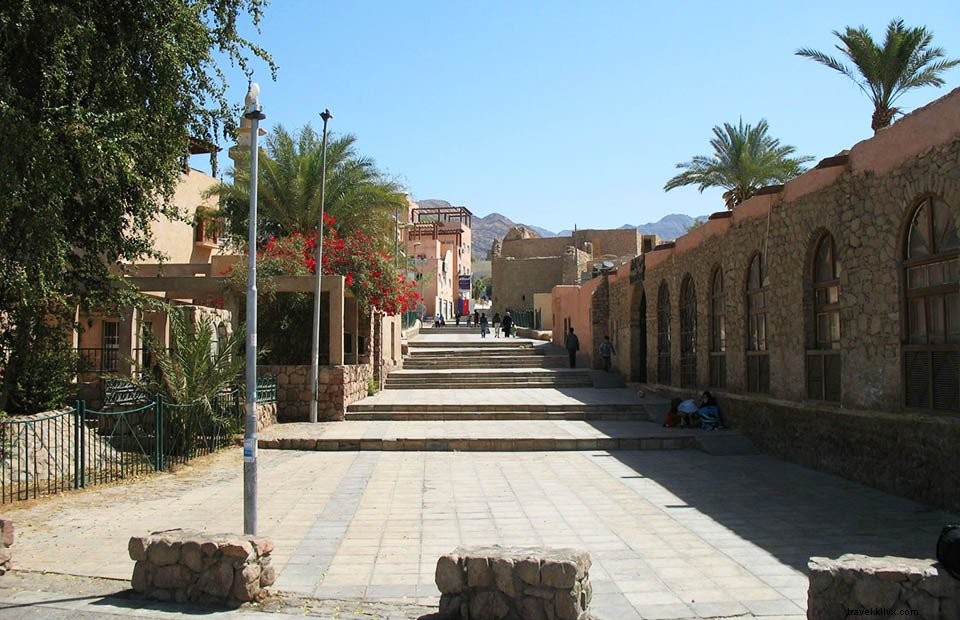
Stroll the old town for free cultural immersion. Chat with friendly locals, browse souks around Sharif Hussein Bin Ali Mosque for souvenirs, jewelry, spices, and tea. Head to Raghadan Street for produce and Zahran Street for spices. Bargain hard—it's expected in this tourist hub.
Ayla Settlement Ruins
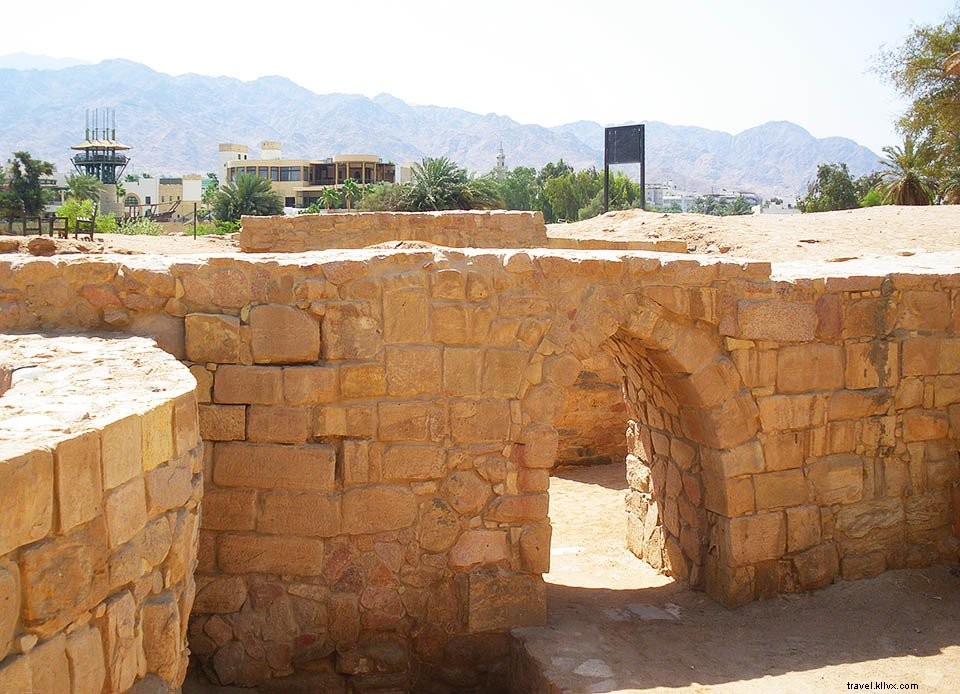
Ayla, Aqaba's earliest Islamic city outside Arabia, features remnants of a mosque, markets, gates, and homes. Discovered in the 1980s, these ruins lie just outside the center.
Marine Science Station Aquarium
Explore Red Sea wonders without getting wet. Fresh seawater from the sea sustains live corals, lionfish, parrotfish, turtles, moray eels, and stonefish. Open 8 AM–4 PM; entry 3 JOD (~4.20 USD).
Aqaba's Beaches
Aqaba's Red Sea shores draw sun-seekers and marine enthusiasts.
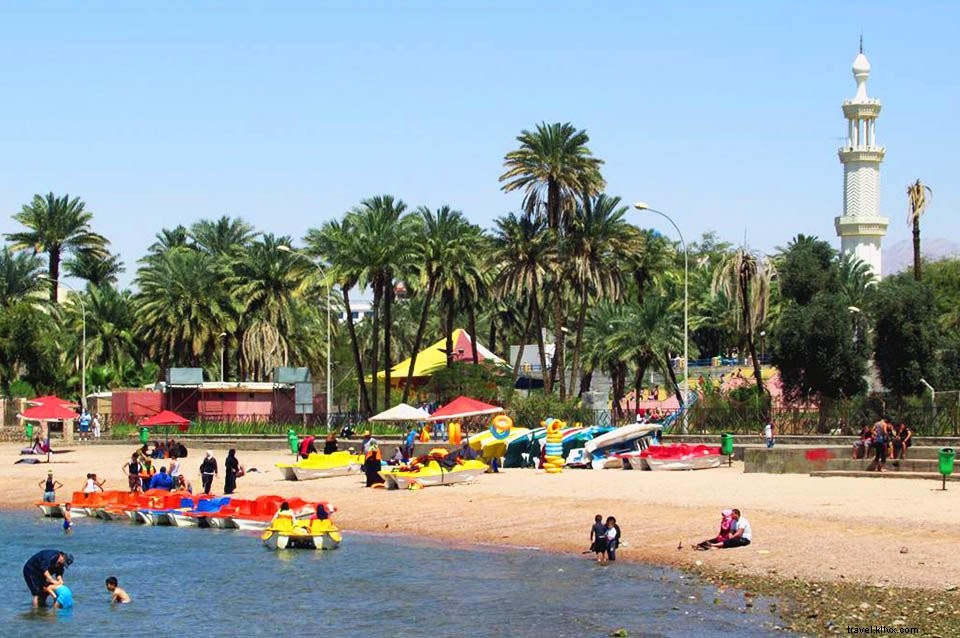
Public Beach
The free public beach is often crowded and unclean, with conservative dress norms making it uncomfortable for Westerners in swimsuits. Opt for private alternatives.
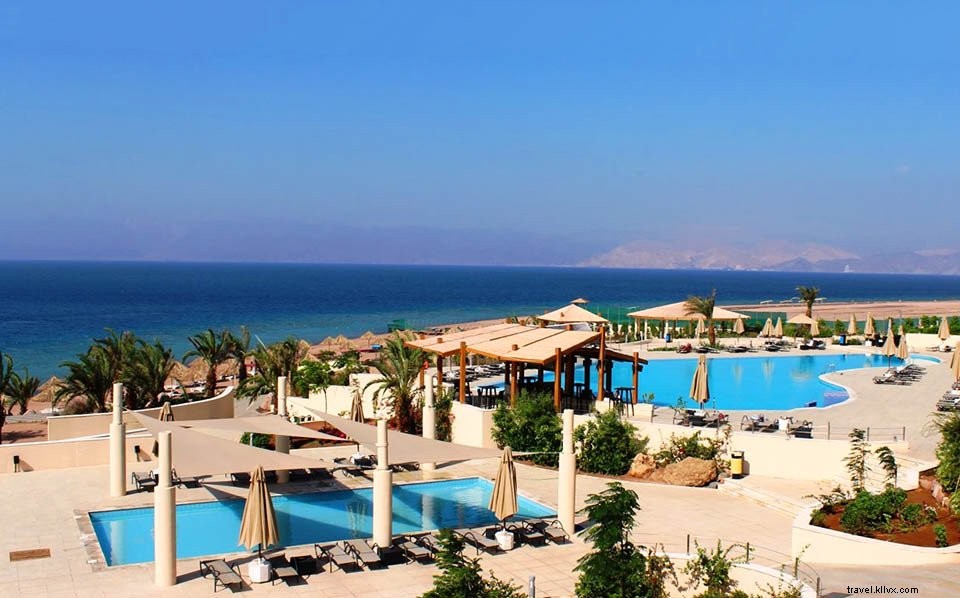
Berenice Beach Club
13 km from center, this private spot offers sunbeds, towels, secure swimsuit areas, dining, and rentals for ~10 JOD/day including transport.
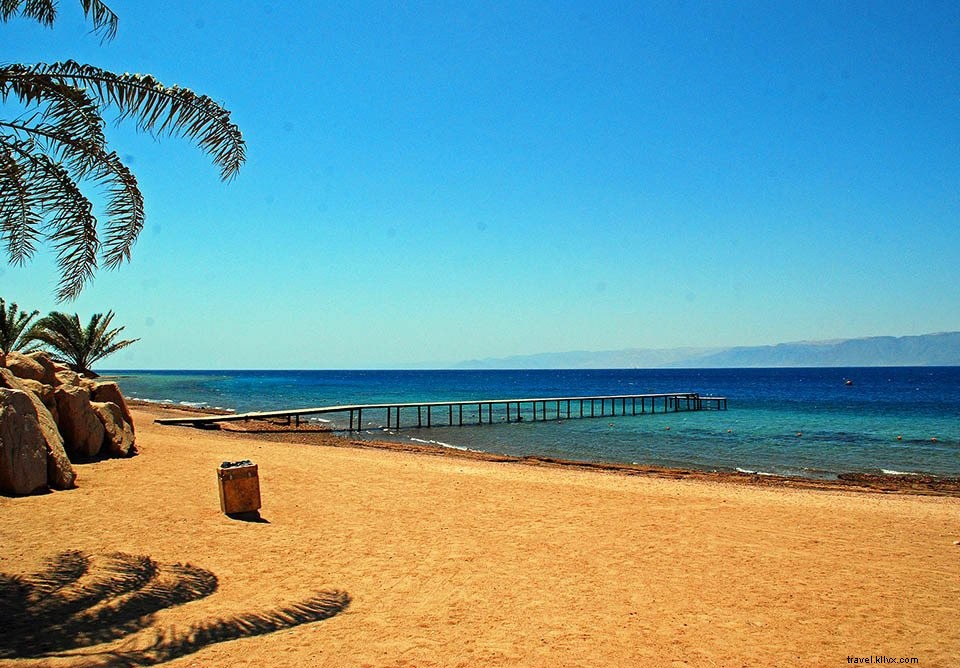
Aqaba Marine Park
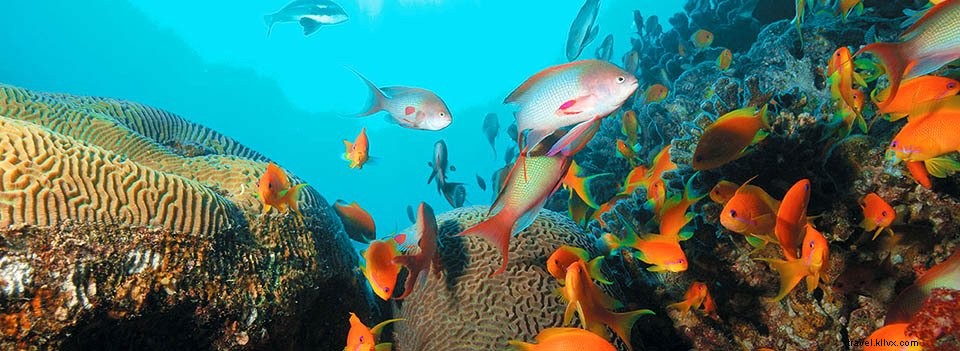
Jordan's premier beach protects 127+ coral types and 450+ fish species across 19 dive sites. 7 km of free beach, 15 km south; rent gear or take glass-bottom boat tours.
World-Class Diving in Aqaba
With 25+ sites, including 19 in the Marine Park, Aqaba suits all levels. Year-round warm waters ensure excellent visibility; explore reefs, canyons, and wrecks.
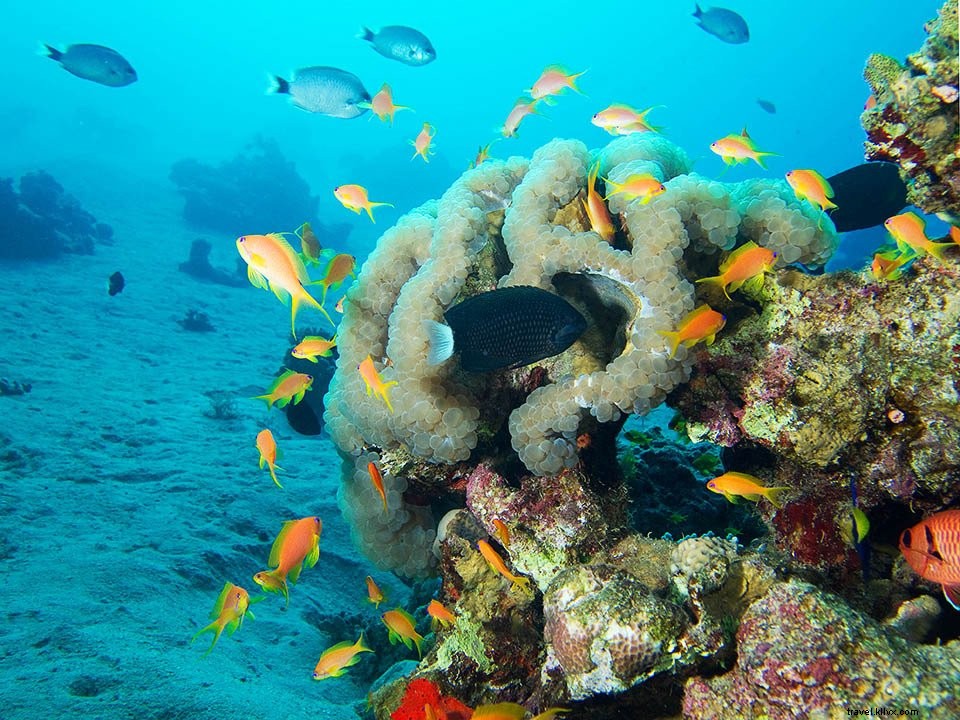
Premier Coral Reefs
- Caesar Reef: Near Sea Star dive center; 40m sandy canyon flanked by reefs and coral chimneys.
- Power Station: Pristine soft corals to 50m; shark sightings near the port.
- Japanese Garden: Vibrant corals; boat access for untouched sections.
- Cable Reef: 40m drop-off with abundant light; home to stingrays and a massive power cable.
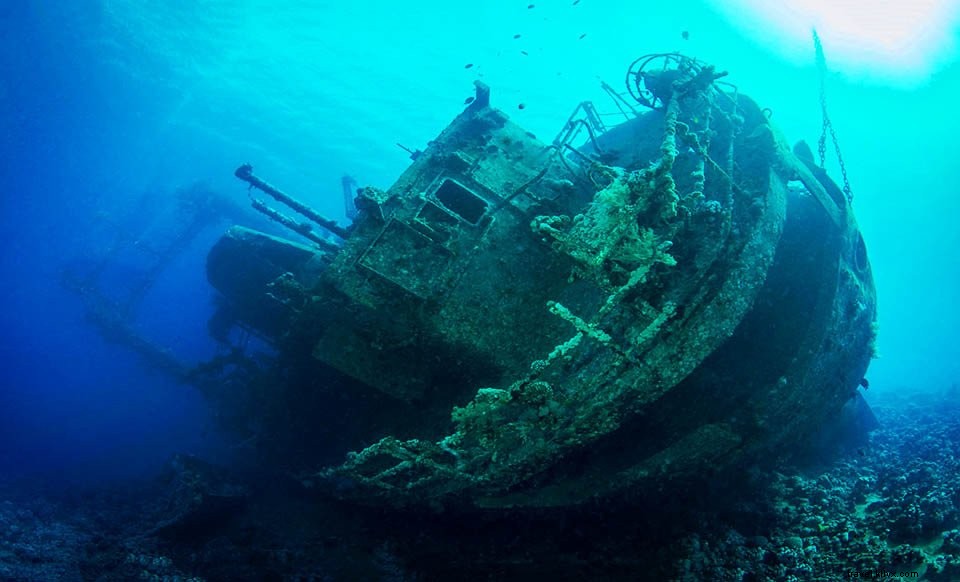
Cedar Pride Wreck
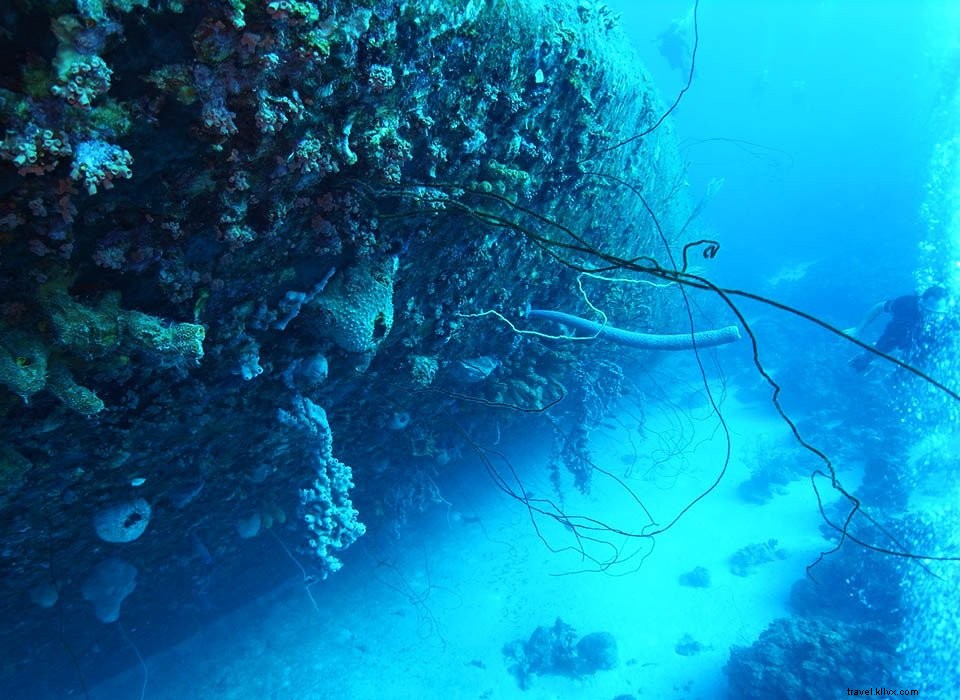
Aqaba's star wreck: This 74m Spanish-built cargo ship (ex-Puerto de Pasajes, Saint Bruno) sank after a 1982 fire. King Abdullah II had it cleaned and scuttled as an artificial reef. Nearby: a submerged patrol boat at 35m.
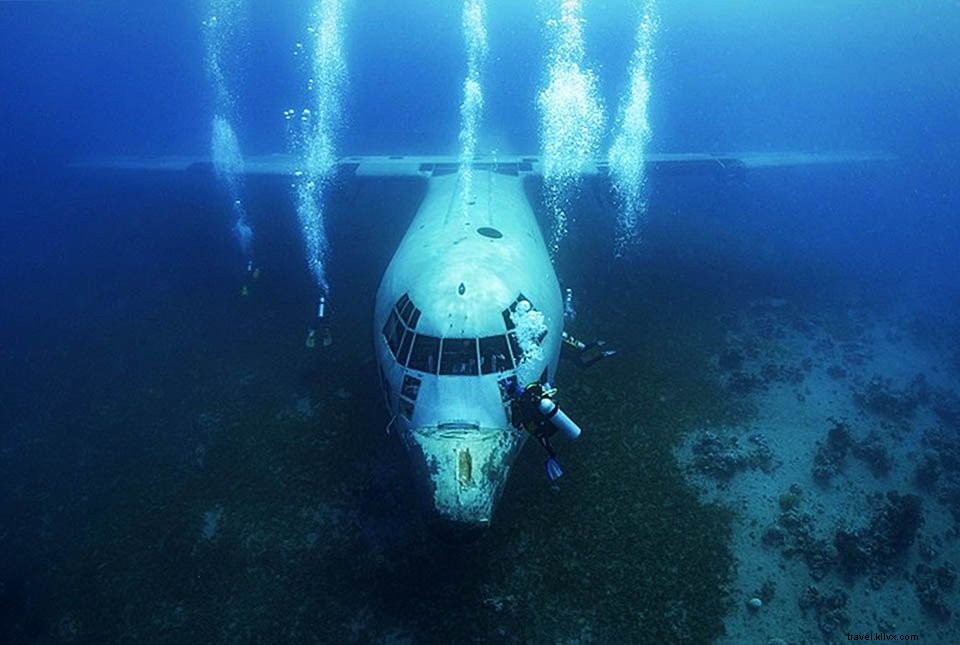
Lockheed C-130 Hercules Wreck
Sunk in 2017 by the Jordanian Air Force at shallow depths for divers. Excellent visibility; fish already inhabit it.
Tank Wreck
Perfectly preserved at 6m: view hatch, tracks, barrel, and cannon.
Other Adventures
Off-road tours, camel/horse treks, ballooning, paragliding await.
Glass-Bottom Boat Cruises
View reefs from above; available along the Corniche. Choose boats with clear, wide viewing panels.

Day Trips from Aqaba
Visit Petra, Wadi Rum, Dead Sea, Mount Nebo, Jerash, Ajloun, Amman in Jordan; or Jerusalem/Bethlehem in Israel.
Practical Tips

Safety
Aqaba feels safe, thanks to strict tourist protections. Dress modestly; prefer private beaches.
Getting There
Fly: King Hussein International Airport has limited direct European flights; connect via Amman.
From Amman: Drive 4+ hours (visit Petra/Wadi Rum en route) or take JETT bus from Abdali.
Travel Essentials
- Respect Islamic customs, especially clothing.
- Wear heat-appropriate shoes.
- Use high-SPF sunscreen.
- Get travel insurance.
- Carry JOD cash; cards widely accepted.
- Bargain everywhere.