Colonial Williamsburg: Virginia's Authentic Living History Museum
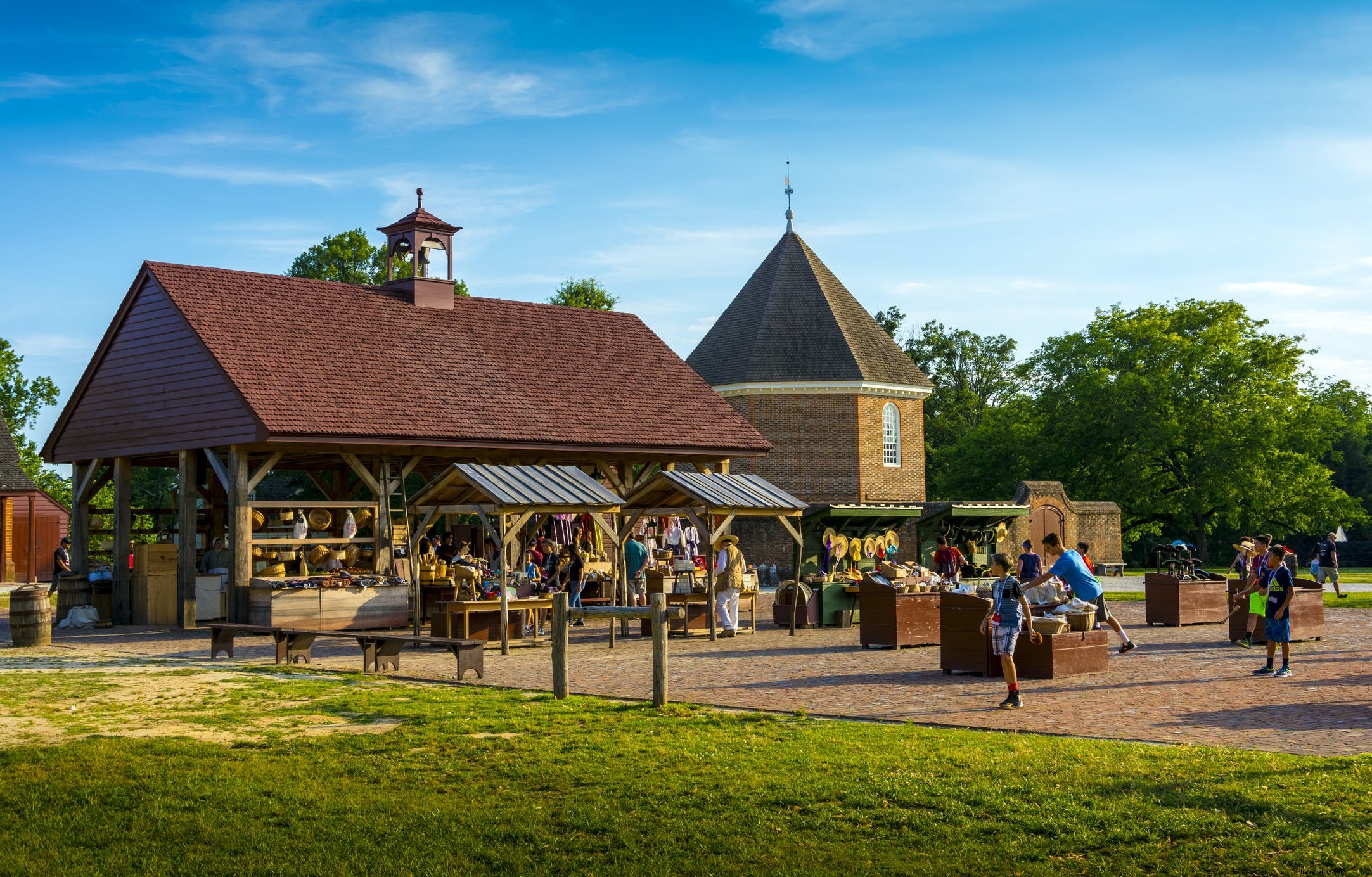
Image by Thomas Faull/Getty Images RF
Colonial Williamsburg, the restored capital of England's largest colony in the New World, is an essential attraction for visitors of all ages. This living history museum in Virginia offers a meticulously researched environment that vividly recreates 18th-century America.
It features 88 original 18th-century buildings, hundreds of faithful reproductions, and a renowned museum complex. Costumed interpreters and townsfolk perform authentic colonial tasks, immersing guests in daily life. Importantly, the site confronts America's complex history, with reenactors discussing slavery (which impacted 52% of 18th-century Williamsburg's population), women's suffrage, Indigenous rights, and the morality of revolution.
For total immersion, stay in restored colonial homes within the Historic Area.
History of Colonial Williamsburg
Founded in 1699 as Virginia's colonial capital and named for King William III, Williamsburg was Britain's largest New World settlement and a hub of religious, economic, social, and political life—especially during the American Revolution. After the capital moved to Richmond in 1776 post-Independence, the town declined.
In the 1920s, Reverend William Archer Rutherfoord Goodwin spearheaded preservation efforts, securing major funding from John D. Rockefeller Jr. This initiative restored and recreated the site to honor early American patriots and U.S. history.
What to Do at Colonial Williamsburg
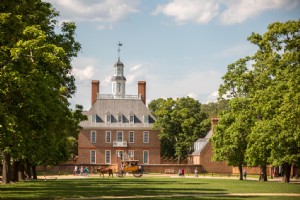
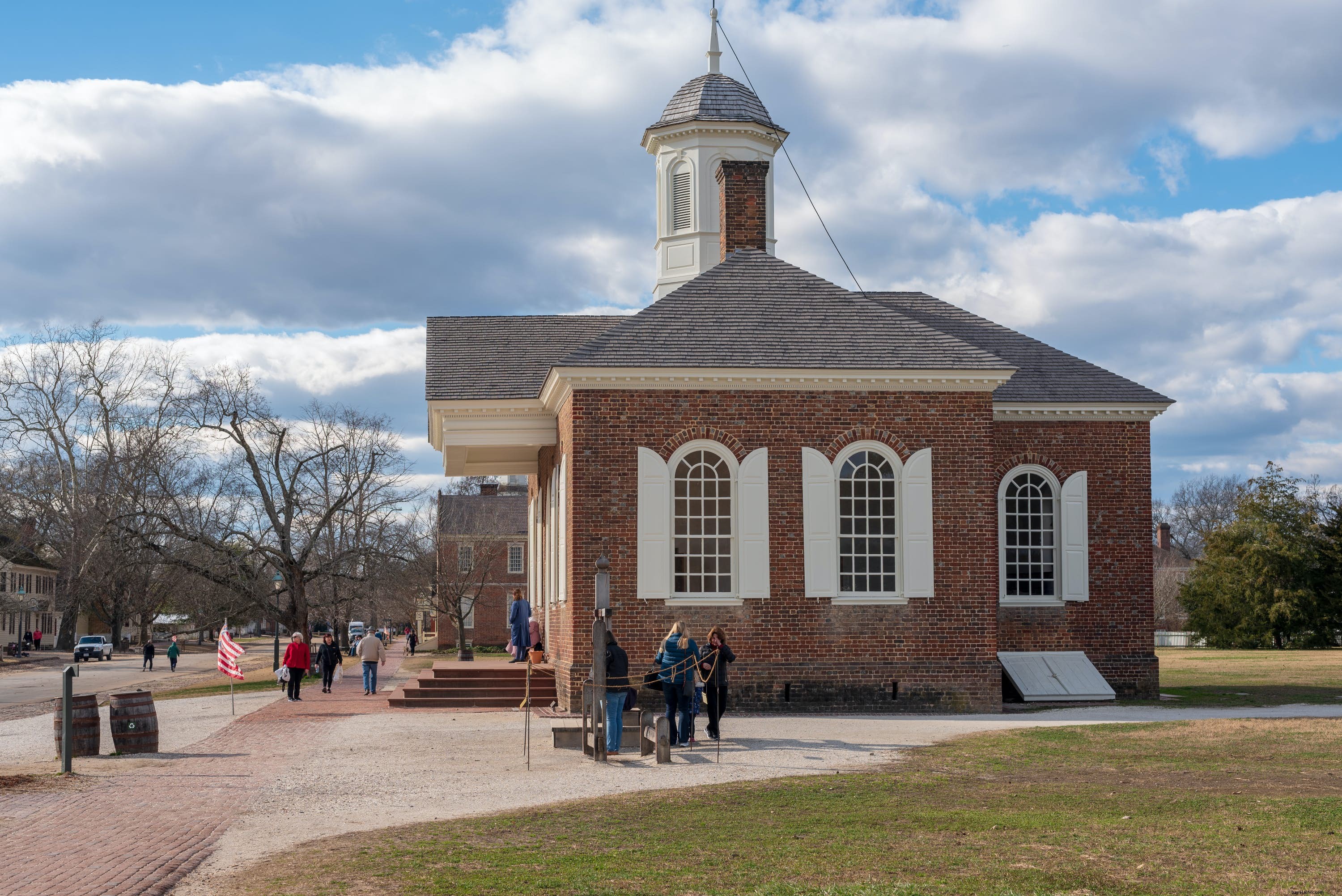
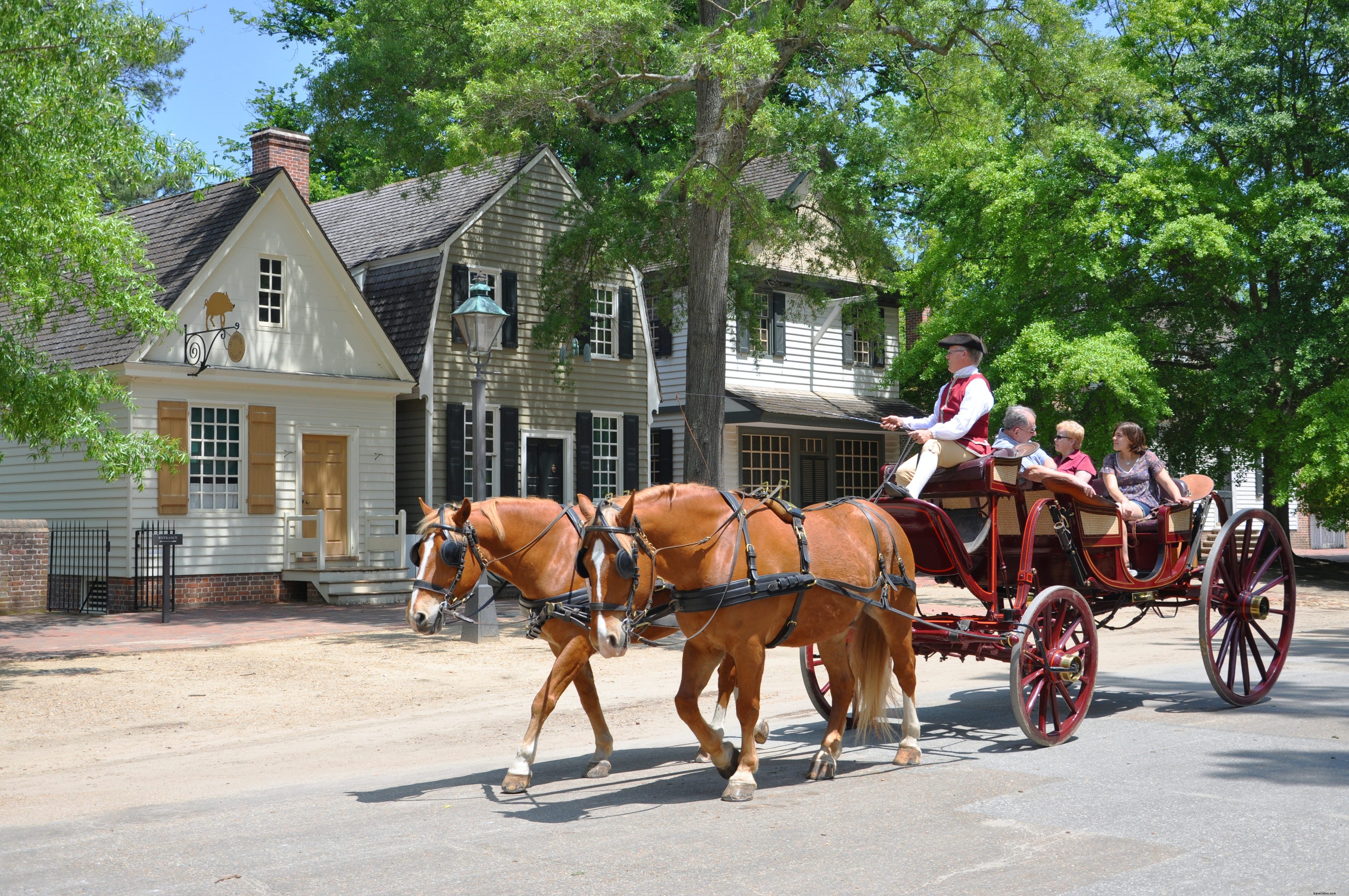
Transport yourself to the 18th century in the Historic Area, where key structures like the Capitol, Governor's Palace, Courthouse, Raleigh Tavern, and Magazine stand on original foundations. Discover rare animal breeds, period gardens, and enjoy horse-drawn carriage rides.
The Art Museums showcase treasures: the Abby Aldrich Rockefeller Folk Art Museum displays vibrant folk art by amateur artisans, while the DeWitt Wallace Decorative Arts Museum features functional yet elegant objects.
Nature enthusiasts will appreciate the Arboretum's 25 oak species and over 30 historic gardens. Year-round special events mark holidays and commemorations.
Tickets and Practical Information
Located in Williamsburg, Virginia, within the Historic Triangle (Jamestown, Williamsburg, Yorktown), it's accessible via Amtrak to the Williamsburg Transportation Center, with car rentals and taxis nearby.
Park free at the Visitor Center and shuttle or walk to the Historic Area; free parking also at the Art Museums. Tickets include a daily schedule. Walking the district and visiting shops/taverns is free; building tours and exhibits require admission.
Single-day tickets: $44.99 adults, $24.99 children (6-12). Three-day: $54.99 adults, $29.99 children. Book online here. Expect crowds in summer; dine at taverns or the Art Museums bakery.
Where to Stay
On-site options include Williamsburg Inn, Lodge, Woodlands Hotel & Suites, and Griffin Hotel. For authenticity, book Colonial Homes in the Historic Area, faithfully reproduced to the colonial era.
Accessibility at Colonial Williamsburg
Discounted tickets available on-site. Visitor Center, hotels, restaurants, museums, and shops are mostly accessible. Interpreters guide to accessible areas; special parking and wheelchair-accessible shuttles provided.
Rent folding wheelchairs at the Visitor Center. Ramps and lifts at select sites, though some buildings have steps. Request accommodations for programs and facilities.
Headsets with volume control for Hennage Auditorium. Signing interpreters for hearing-impaired guests (request 2 weeks ahead). More details here.