Sian Ka'an Biosphere Reserve: Mexico's Premier Caribbean Wilderness Near Tulum
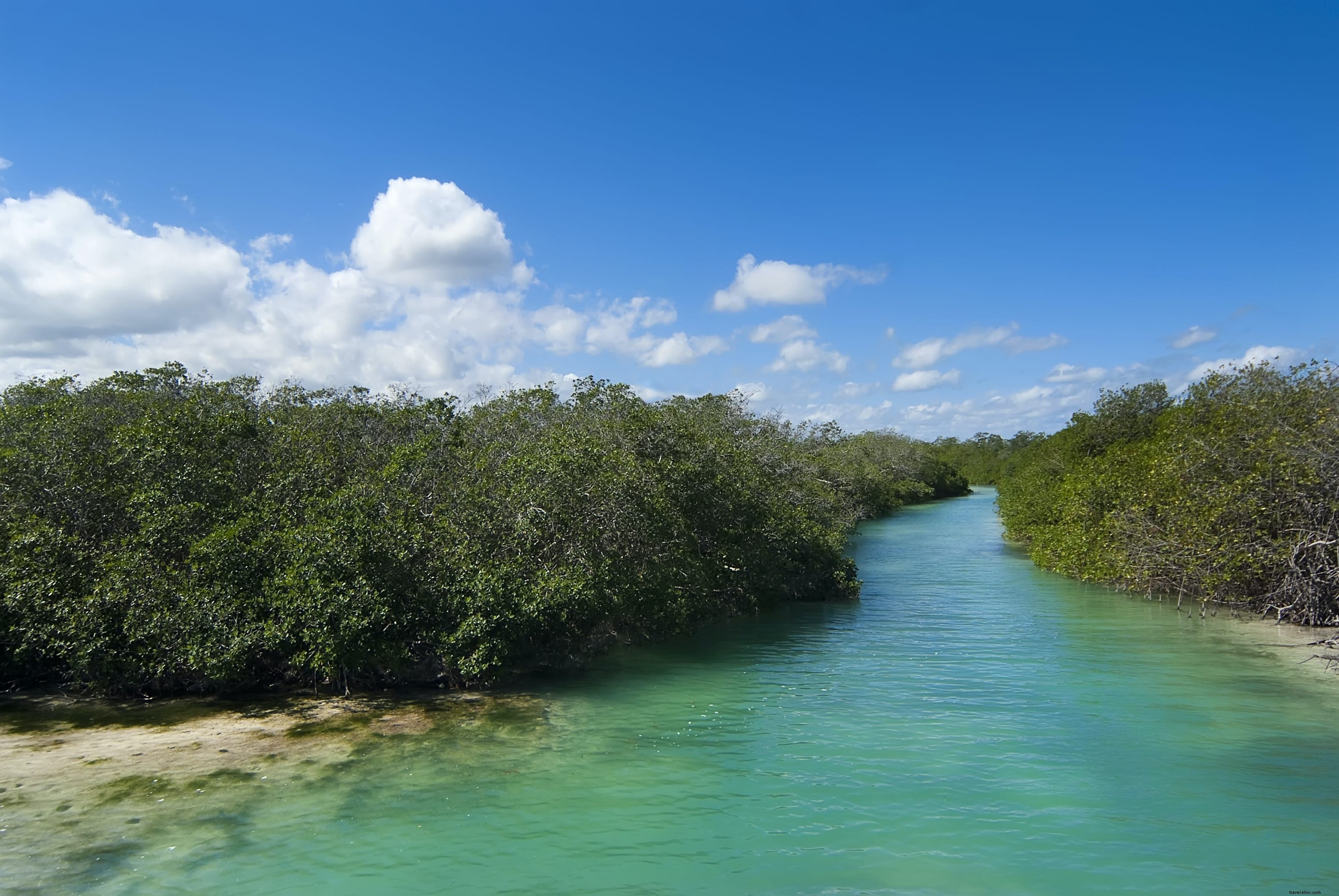
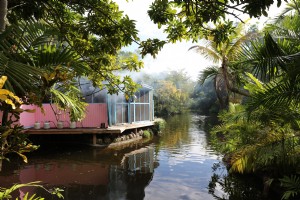
Glide silently down an ancient Mayan canal, hand-dug centuries ago. Lush grasses tower on both sides, vibrant birds wheel overhead, and the eerie call of a howler monkey echoes from afar—as if you're worlds away from civilization. This is Sian Ka'an Biosphere Reserve, Mexico's largest protected area along the Caribbean coast. A UNESCO World Heritage site south of Tulum, it safeguards endangered species and the Yucatán's most stunning landscapes, offering an escape from all-inclusive resorts and bustling nightlife.
Ecology
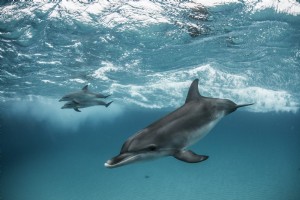
The Yucatec Maya name Sian Ka'an—"where the sky is born"—evokes the awe of this 1.3-million-acre reserve, one of the world's most biodiverse regions. It balances tropical forests, coral reefs, mangroves, savannahs, turquoise lagoons, pristine beaches, petenes (tree islands in swamps), and cenotes (freshwater sinkholes). Wildlife thrives here: spider and howler monkeys, American crocodiles, jaguars, pumas, Central American tapirs, four sea turtle species, giant land crabs, over 330 bird species (roseate spoonbills, flamingos), manatees, dolphins, and 400+ fish species.
History
Ancient Maya inhabited Sian Ka'an for over 1,200 years, using its waterways as a vital trade route from coastal Tulum to the interior. Twenty-three archaeological sites dot the reserve, the oldest from 350 BC. The Maya abandoned it by the mid-1500s for unknown reasons. Largely untouched until the early 1900s, a railway then linked Vigía Chico port to Felipe Carrillo Puerto, aiding the Mexican military in the Caste War and later chicle transport (used for 27 years; tracks remain visible). Designated a biosphere reserve in 1986 to curb destructive development like cattle ranching and logging, it earned UNESCO status in 1987 for its biodiversity and wetlands. Over half remains restricted to research; the rest supports sustainable ecotourism. About 2,000 residents live in fishing villages.
Excursions
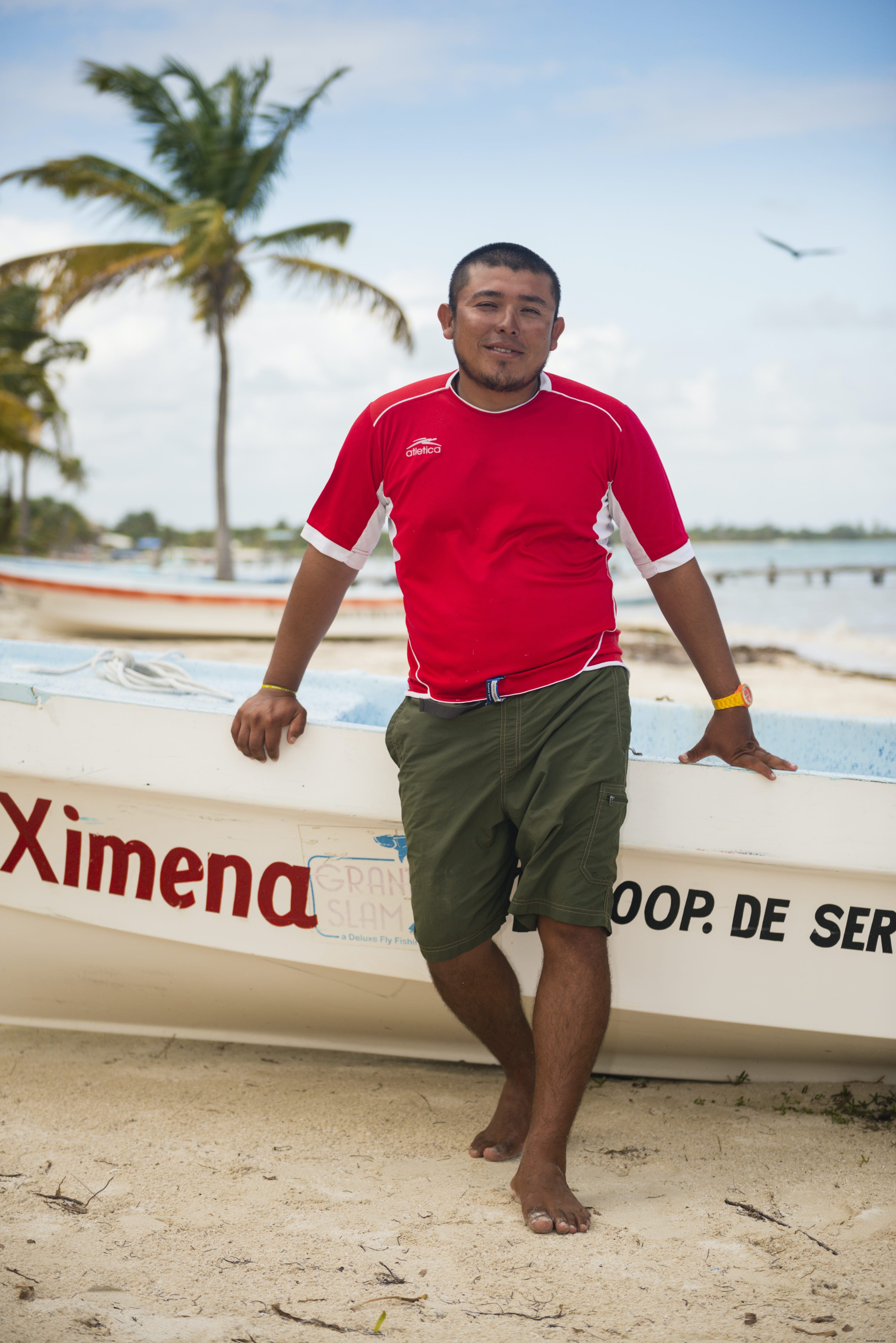
Expert guides are essential for Sian Ka'an's limited trails and complex waterways. Regional operators provide birdwatching, kayaking in lagoons, Maya ruin visits, canal swims, and Mesoamerican Barrier Reef snorkeling. Full-day tours from Tulum ($85–$165 per person) include transport and snacks. Community Tours Sian Ka'an, run by Maya locals, ensures direct community benefits.
Budget travelers can join lagoon/canal boat tours from Laguna Muyil (near Hwy 307; 8am–4pm daily; 2.5 hours; $35–$50 per person). Access via a short dirt road south of Muyil Ruins (Chunyaxché). Alternatively, explore the ruins (M$45/~$2.25), then a 500m boardwalk to the lagoon (M$50/~$2.50).
With a rental car, drive to Punta Allen fishing village for Cooperativa Punta Allen excursions ($150/boat: dolphins, turtles, snorkeling; $300/boat fly-fishing). Overnight enhances the experience over a day trip.
Eating and Lodging
Most visit as a Tulum day trip, with ample dining and stays there. In-reserve, Punta Allen offers basic hotels/restaurants (limited cell service; power few hours daily); coastal road has upscale fishing lodges and rentals.
Getting There and Practicalities
Two main entrances: The popular coastal route south from Tulum's beach road features an arch (M$37/~$1.85 entry; register). A 35-mile rutted dirt road (2–3 hours; longer post-rain) winds to Punta Allen amid palm forests, beaches, and lagoons. Opt for tours or 4WD rentals; public transport is unreliable.
Muyil entrance (Chunyaxché Ruins): Buses from Tulum (M$28/~$1.40; 20 minutes). Enter via ruins or 250m dirt road south (near Oxxo). Both access Muyil lagoon for northwest reserve boat trips.