
Tulum Ruins Guide: History, Key Structures & Essential Visitor Tips
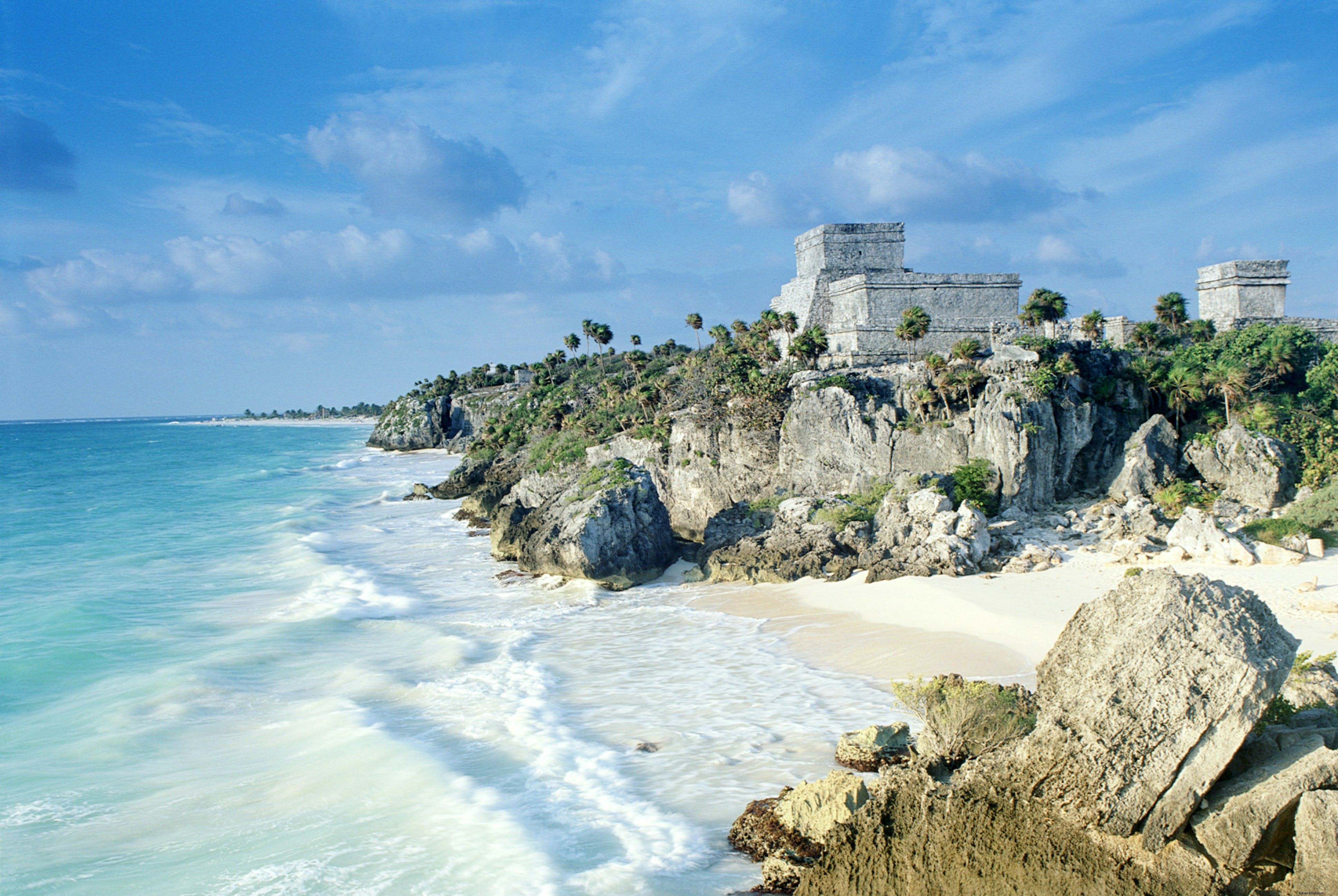
Tulum ranks among Mexico's most visited archaeological sites for its stunning beauty. Perched on seaside cliffs high above the turquoise Caribbean Sea, the ruins offer breathtaking vistas. Though smaller than grander Maya cities, Tulum's dramatic setting captivates, evoking images of ancient traders arriving by canoe and Maya residents admiring the same endless horizon.
History
Occupied as early as 564 AD, Tulum peaked between 1200 and 1521 as a vital port controlling Caribbean trade routes to Belize. In 1518, Spanish explorer Juan de Grijalva marveled at the walled city, its buildings vividly painted in red, blue, and yellow, with a ceremonial fire atop the seaside watchtower.
Just 75 years after the Spanish conquest, disease decimated the population, leading to abandonment. Nature overtook the site for centuries until explorers John Lloyd Stephens and Frederick Catherwood documented it in the 1840s. Mass tourism began in the 20th century, though Maya pilgrims and Caste War refugees used it sporadically earlier.
Meaning of Tulum
"Tulum" means "wall" in Yucatec Maya, referring to its fortifications—a name coined by 19th-century explorers that endured. Originally called Zama, or "dawn," due to its eastward orientation.
Navigating Tulum Ruins
This compact site is enclosed by massive stone walls. Enter from the north, explore clockwise starting at oceanfront structures, and exit via the south wall. A full visit takes 1-2 hours, or longer with beach time.
Principal Structures
Three ramparts (3-5m high, 170-380m long) enclosed elite civic-ceremonial buildings and palaces, safeguarding rulers inside while most residents lived outside.
The iconic Templo del Dios de Viento perches on a rocky outcrop, framed by Caribbean waters. Its circular base honors the wind god; legend says its roof whistled during hurricanes as a warning.
Templo del Dios Descendente features a descending god relief above the door—linked to the bee god. At spring equinox, sunlight aligns beneath the carving.
El Castillo, Tulum's tallest structure (7.5m) on a bluff, doubled as lighthouse and shrine, guiding canoes with its beacon. Note Toltec-influenced plumed serpents at the corners.
Templo de las Pinturas, an astronomical observatory, boasts weathered frescoes of descending gods, stucco masks, and vibrant Maya deity murals.
The Beach
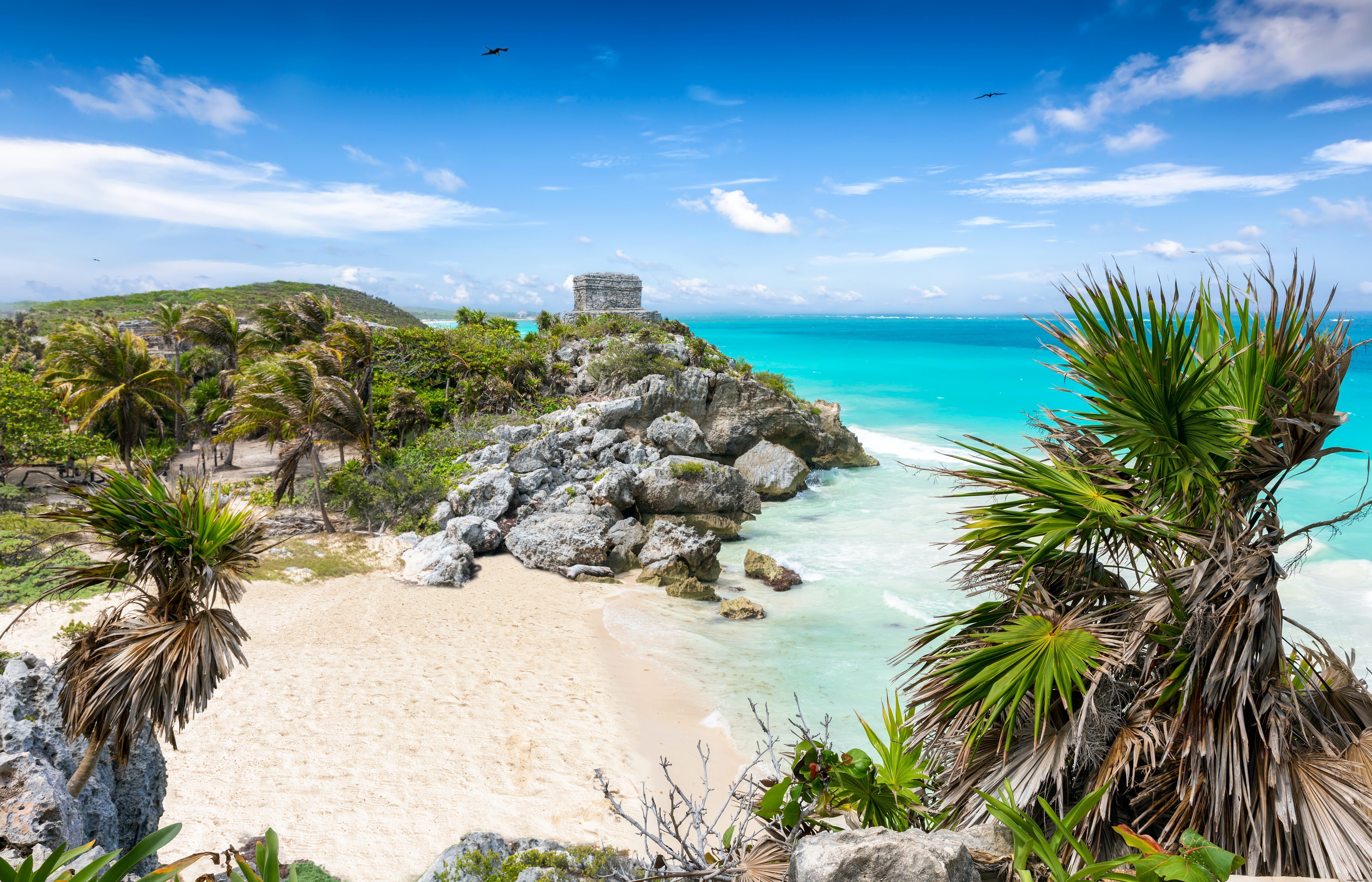
Unique among Maya ruins, Tulum overlooks two pristine beaches beneath dramatic cliffs and azure waters—pack your swimsuit. The main beach under El Castillo has steep stairs and draws crowds; a quieter one below Templo del Dios de Viento offers scenic selfie spots via sandy trail.
Guided Tours
Certified onsite guides (from M$700) provide 2-hour tours from the visitor complex or ticket booth, offering deep insights into Tulum's Maya legacy.
Tickets & Hours
Entry is M$80, available only onsite. Open 9am-5pm; last entry 3:30pm.
Essential Visitor Tips
- Arrive early to beat tour groups (typically arriving by 11am).
- Respect barriers—no climbing or entering structures to prevent erosion.
- Wear a hat, bring water: Sunny, humid year-round with minimal shade (hottest May-Sep).
Eating & Drinking
Centro Artesanal Tulum in the visitor complex offers restaurants, fast food, snacks, drinks, and even Starbucks—prices are higher, but convenient.
Getting There
Off Hwy 307 near town: Trolley (M$55) or walk 1km from visitor complex to site. Taxis M$100 from town; colectivos M$20 drop nearby. Parking M$180. Beach road access is pedestrian-only, ~400m walk—ideal for oceanfront stays.