

decorative font style

El Pinacate Biosphere Reserve and Gran Altar Desert: UNESCO Lunar Landscapes Near Puerto Peñasco

Just 30 km from Puerto Peñasco, discover the surreal lunar landscapes of El Pinacate, one of Earth's driest regions. This remote 7,145 sq km UNESCO World Heritage Biosphere Reserve features ancient eroded volcanoes, massive craters, petrified lava flows, over 400 ash cones, and the Americas' largest active sand dunes. Wildlife thrives here, including pronghorn antelope (North America's fastest land mammal), bighorn sheep, pumas, reptiles, and diverse birdlife. Enjoy a state-of-the-art solar-powered visitor center, interpretive hiking trails, and two campgrounds.

These extraordinary terrains were so moon-like that Neil Armstrong and Buzz Aldrin trained here in the 1960s for Apollo 11.

Over 70 km of dirt roads (4WD recommended for some sections) access the reserve. Register in advance to summit the 1,190 m Cerro del Pinacate volcano.

The visitor center lies 8 km west of Km 72 on Hwy 8 (27 km from Puerto Peñasco). Craters are reached via a turnoff at Km 52 on Hwy 8.

CEDO in Puerto Peñasco offers exceptional guided tours—sturdy walking shoes advised. Note: no water or electricity available in the reserve except at the visitor center.
Tourist Attraction
  • Exuma Cays Land and Sea Park: The Bahamas  Premier Marine Reserve

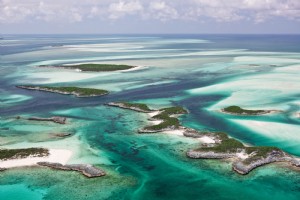
    Established in 1958 as the worlds first land-and-sea reserve, Exuma Cays Land and Sea Park spans a stunning 283 square kilometers of reefs, cays, and ocean. Renowned among divers globally, this Bahamian gem protects the Western Hemispheres second-largest barrier reef—after the Mesoamerican Reef—fostering abundant marine life underwater and diverse terrestrial species onshore. Accessible only by private boat or charter, the trip is pricey but delivers an unmatched natural paradise that visitors r

  • -

    Explore the Reserva Antropológica Cuevas del Pomier, where ancient history unfolds in stunning limestone caves. Located 10km north of San Cristóbal, this site features 57 caves, with five open to visitors showcasing nearly 600 prehistoric paintings—though closures for renovations occur periodically. These caves hold the Caribbeans most extensive collection of indigenous art by the Igneri, Caribs, and Taíno peoples.Crafted with charcoal and manatee fat, the faded drawings depict birds, fish, anim

  • -

    While development edges along the Dominican Republics coastline, vast stretches of pristine coastal plains and mangrove forests remain protected. Located 500m south of—and integrated with—the Puntacana Resort & Club, Ojos Indígenas Ecological Park spans over 6 sq km of safeguarded coastal and inland habitats. It hosts around 100 bird species (including 27 endemic to the Dominican Republic), 160 insect species, and 500 plant species.Immerse yourself in a rewarding three-hour guided tour—available