El Yunque National Forest: Puerto Rico's Premier Tropical Rainforest Guide
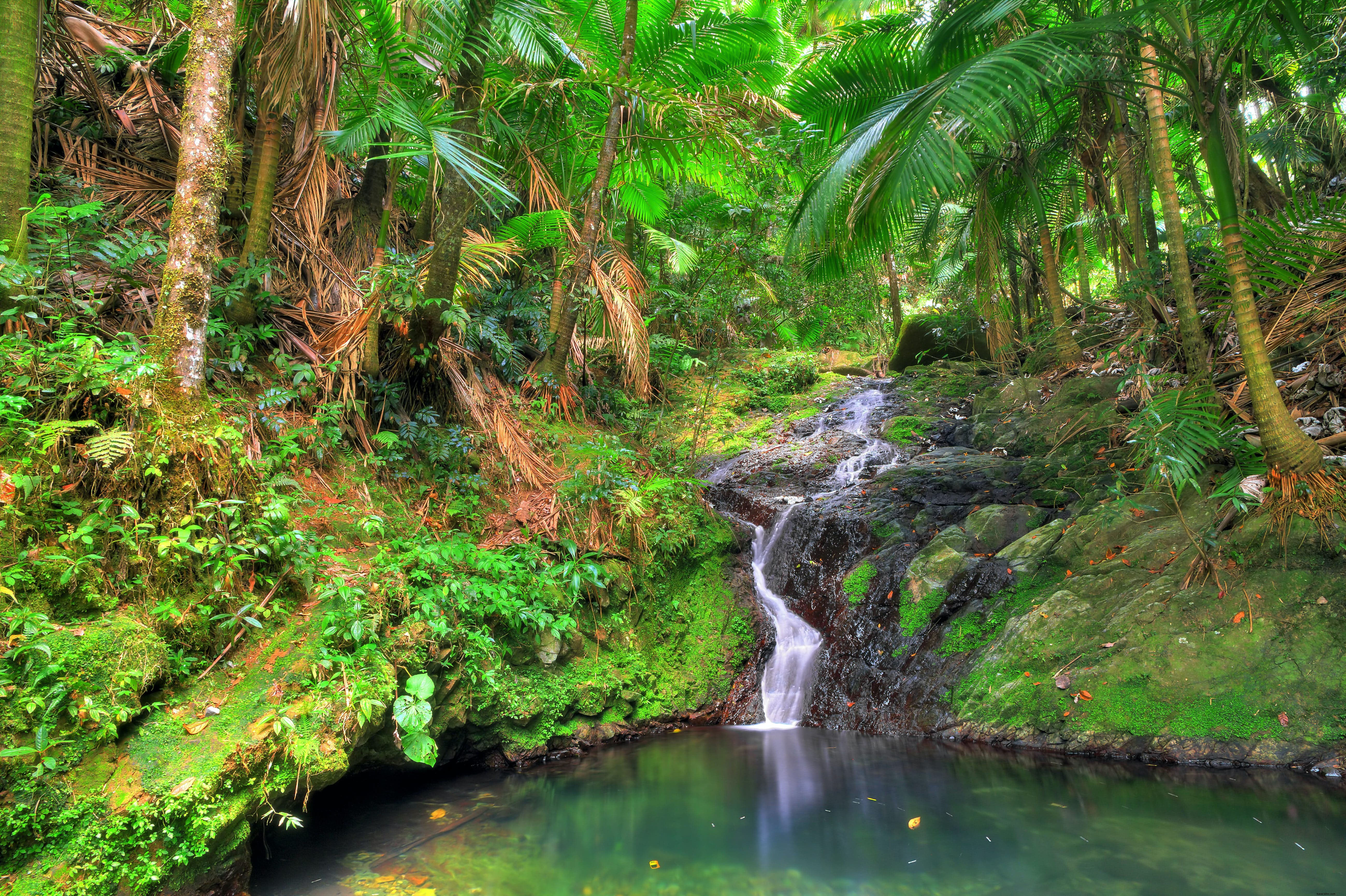
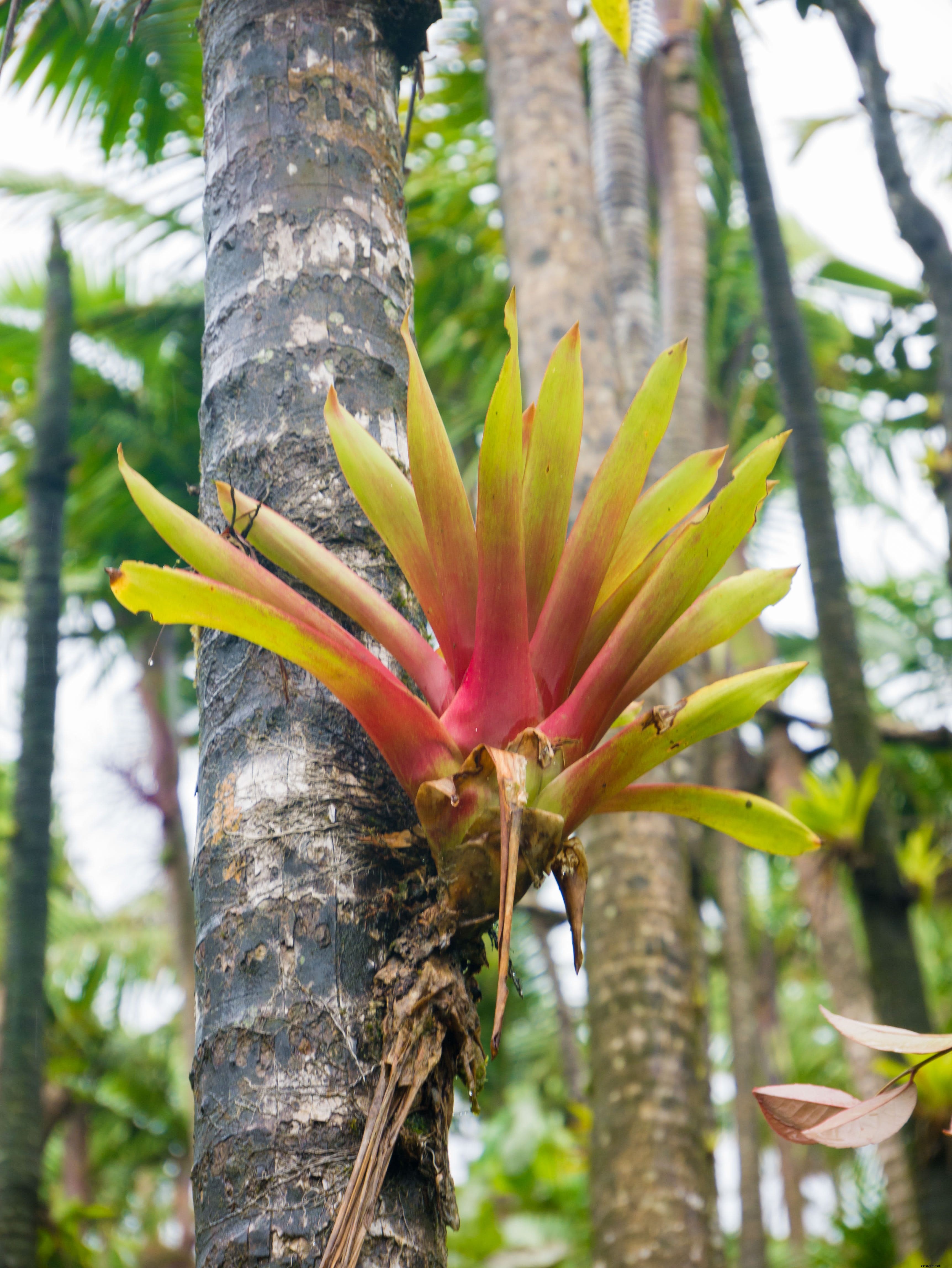
El Yunque National Forest is one of Puerto Rico’s most treasured natural gems, spanning nearly 29,000 acres of lush, mountainous terrain featuring cascading waterfalls, rushing rivers, towering trees, bamboo groves, and stunning ocean views.
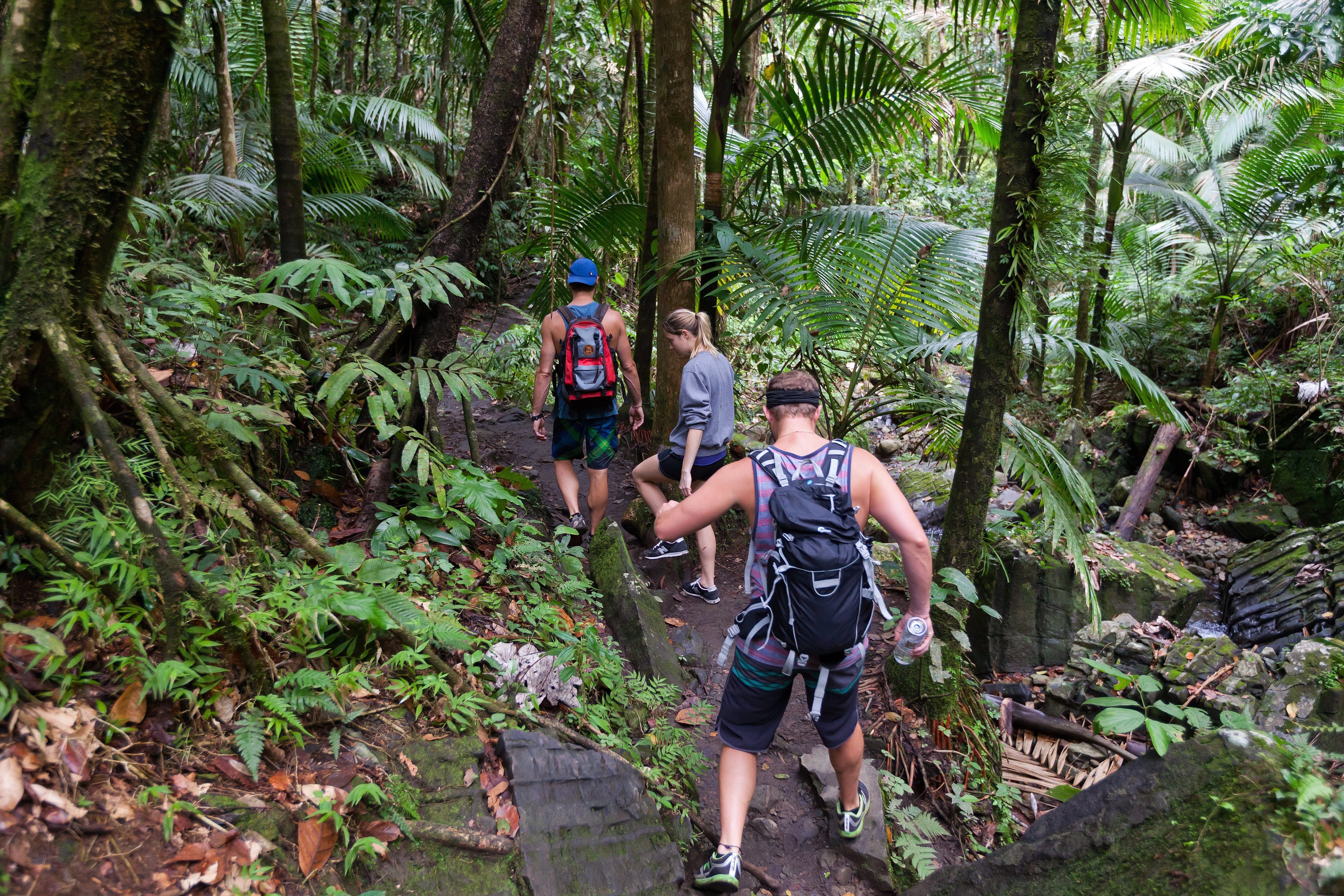
The only tropical rainforest in the U.S. National Forest System, El Yunque—named for the Taíno god Yúcahu—offers 25 miles of trails for all hiking levels, from short paved paths to steep, overgrown challenges. Most involve elevation gain, including the demanding ascent to El Toro at about 3,500 feet above sea level.
Enter via the northern gateway, 25 miles east of San Juan (most popular), or the wilder southern entrance near Naguabo for a pristine experience.
Post-Hurricane Maria (2017) devastation, always check the official El Yunque website for current trail statuses and conditions.
Hike short, informative paths with crowds and signage, or venture on longer, solitary treks accompanied by coqui frogs amid oxygen-rich mists and Jurassic-scale ferns.
Pack rain gear and binoculars to spot endemic species, including the critically endangered Puerto Rican parrot—one of the world’s 10 most threatened birds among 26 found nowhere else.
How to Get to El Yunque National Forest
No public transport available; rent a car or join a guided tour from San Juan or Fajardo.
From San Juan, follow signs from Hwy 3 to Hwy 191, turning south at Palmer.
Note: Hwy 191 south of Km 13 has been closed for years with no reopening plans. Avoid outdated maps showing western border roads—they’re unmaintained jungle tracks. Confirm road conditions beforehand.
Northern entrance near Luquillo, southern near Naguabo (both off Hwy 191). El Portal Visitors Center is closed for renovation; head to El Portalito for info.
Northern side: busy with marked trails and parking. Southern: remote and undeveloped for authentic adventures.
Best Time to Visit El Yunque
Trails open year-round, but mid-April to June offers ideal weather, avoiding winter crowds and heavy summer rains. Hurricane season (June–late November) risks closures from mudslides/flooding—daily showers expected. Check trail status first.
El Yunque Operating Hours
Open 7:30 a.m.–6 p.m. daily (except Christmas). No entrance fee; some attractions charge separately.
Top Attractions in El Yunque
Beyond hiking, zipline through the canopy for thrills. Carabalí Rainforest Park nearby offers horseback riding, go-karts, ATV tours, and hayrides.
Guided Tours to El Yunque
San Juan- and Fajardo-based operators provide day trips with transport, key sights, and expert insights on flora and fauna.
Camping in El Yunque
No developed campgrounds. Primitive camping allowed along most roads/trails (except closed areas); post-hurricane restrictions applied until at least 2021—verify current rules on the official site.
Tents must be 30 feet from trails/water, 50 feet from roads/picnic sites. Free permit required, obtained 14+ days in advance.
Nearby Hotels
Boutique stays like Casa Flamboyant, Dos Aguas, and Rainforest Inn hug the forest’s edge, with coqui frog lullabies and bird dawn choruses.
North: quick beach access in Luquillo. South: more isolated, both near Fajardo and Bioluminescent Bay.
Nearby Restaurants
Palmer’s vibrant strip (Hwy 191 from Hwy 3) features Degree 18 Juice Bar, Lluvia Deli Bar, and Mi Vida Café & Burger.
Park interior: roadside stands and visitor center café.