Tongass National Forest: America's Largest Wilderness and Temperate Rainforest
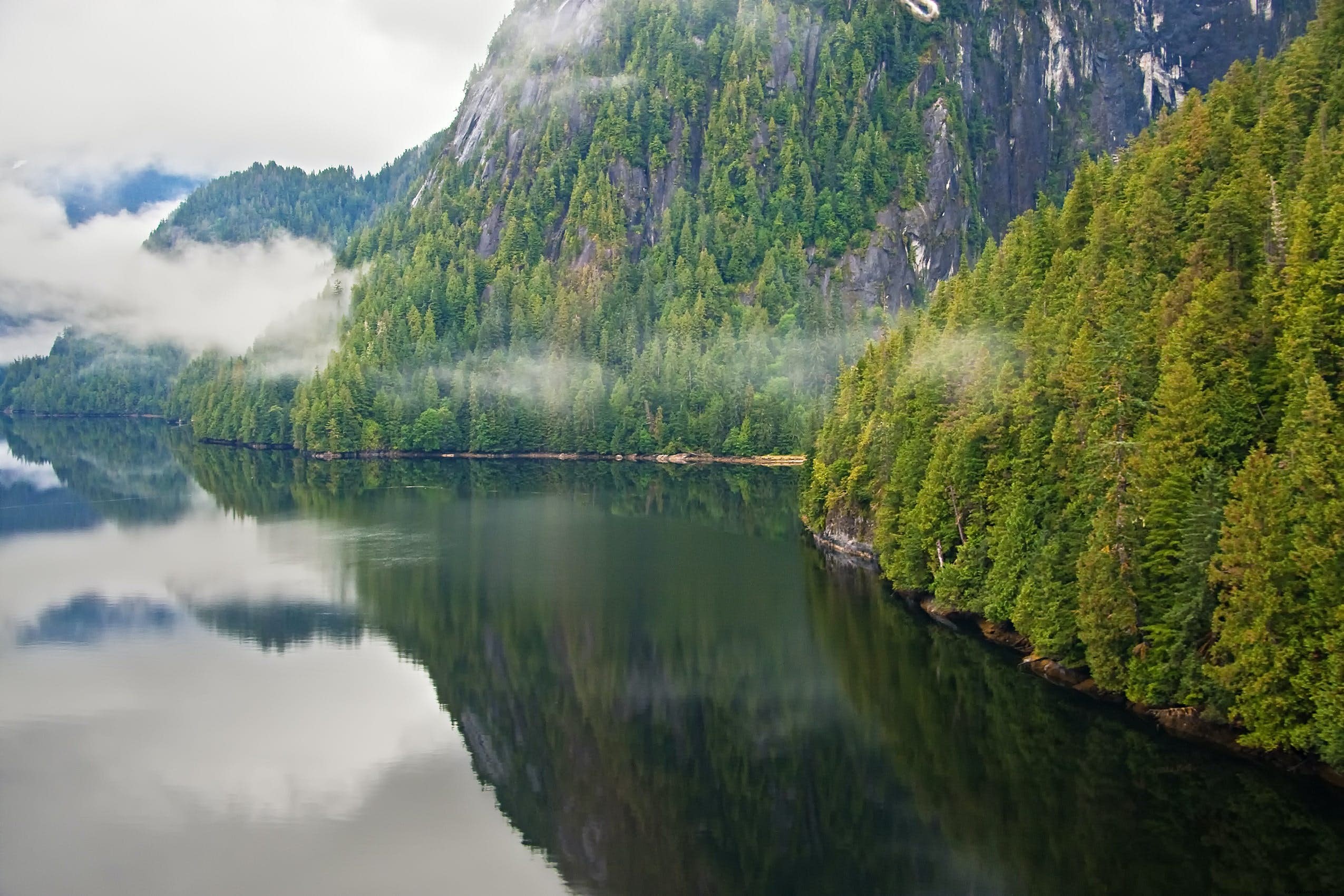
Step into Tongass National Forest, the largest national forest in the United States—spanning nearly the size of Ireland and dwarfing the nearby Wrangell-St. Elias National Park, the world's second-largest national park.
Rich History
Established in 1907 by President Theodore Roosevelt, Tongass encompasses most of the Alexander Archipelago's 1,100+ islands and portions of the mainland. In the 1930s, the Tlingit and Haida peoples successfully challenged the U.S. Supreme Court for their land rights, securing compensation. Today, these indigenous communities remain deeply committed to safeguarding this vital ecosystem.
Can You Live in Tongass National Forest?
Approximately 75,000 residents call the forest home, residing in scattered small towns and villages—most inaccessible by road, except for Haines, Hyder, and Skagway. Despite its remoteness, Tongass welcomes about one million visitors annually—14 times its population—primarily via cruise ships. As the world's largest intact temperate rainforest, featuring Sitka spruce, western hemlock, and red cedar, remarkably 40% of its expanse consists of wetlands, glaciers, and alpine terrain.
Accommodation and Visitor Information
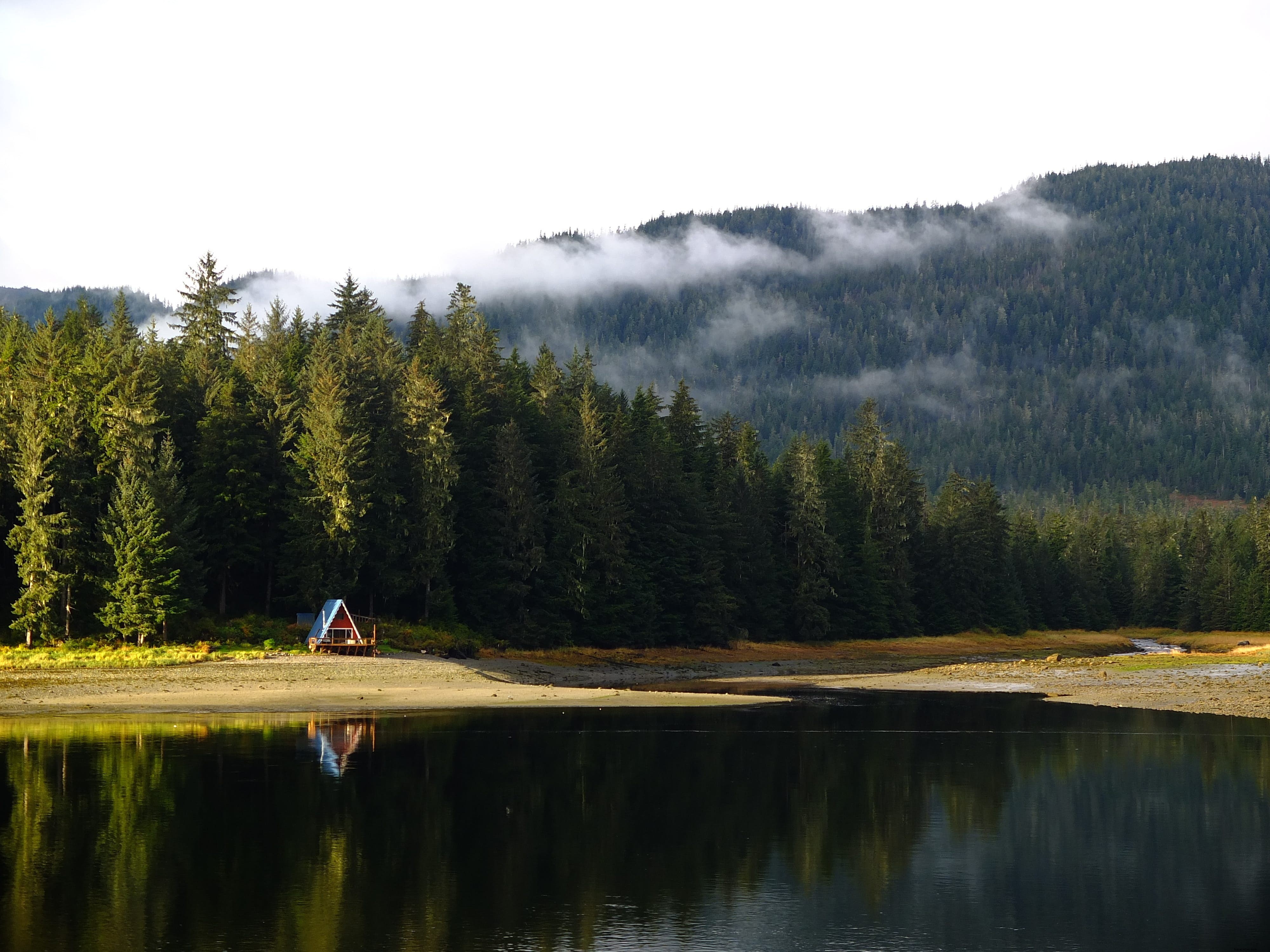
Adventure seekers can book rustic, off-grid U.S. Forest Service (USFS) cabins—150 in total, accessible only by boat or floatplane. The forest offers 13 campgrounds, four of which are free. Enhanced protections include two national monuments: Misty Fiords and Admiralty Island. Unlike surrounding national parks like Glacier Bay, Tongass emphasizes multiple uses alongside conservation.
You can hunt, fish, hike with your dog, engage in sustainable agriculture, and even participate in managed logging. Key communities thrive here, including Alaska's capital, Juneau, home to over 33,000 residents.