Discover Amman, Jordan: Ancient History, Top Attractions & Essential Travel Guide
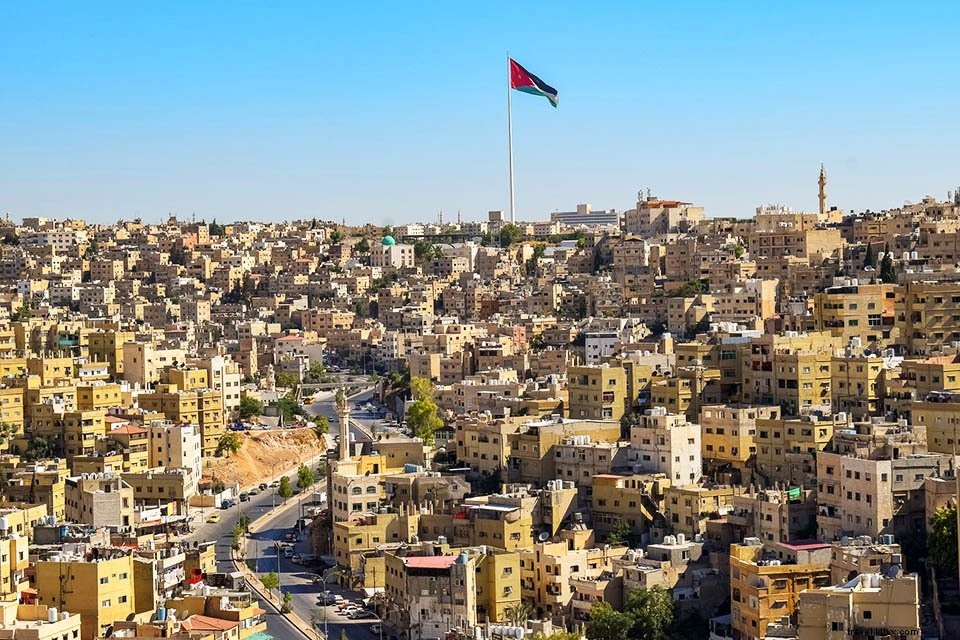
Amman, Jordan's capital since 1921, is a remarkably young city born in the 20th century. In just over 100 years, it has transformed from a modest village into a bustling metropolis.
Why did Emir Abdullah choose this location for his capital? A key factor was its position along the historic Ottoman railway (now defunct) linking Medina in Saudi Arabia to Damascus in Syria. Pilgrims stopping here spurred early growth.
For deeper insights, read on about Amman's fascinating history below.
History of Amman
Amman boasts a layered past spanning millennia. While history enthusiasts will appreciate the details, those seeking modern attractions can skip ahead to the top sights.
Antiquity
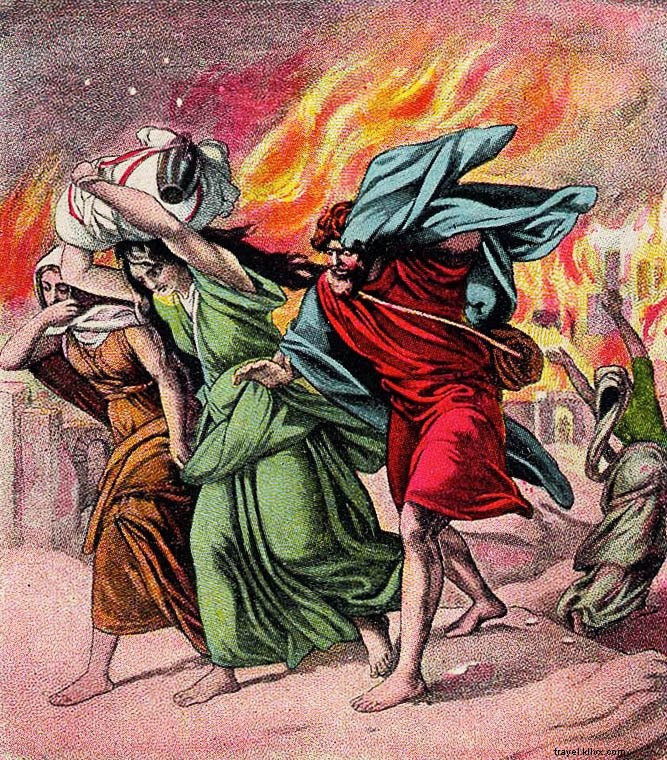
Mentioned in the Old Testament as Rabbat Ammon (or Rabba), Amman was settled by the Ammonites around the 12th century BC, described in the Bible as descendants of Lot from Sodom.
King David's general Joab besieged it unsuccessfully. In the 3rd century BC, Ptolemy II Philadelphus of Egypt conquered it, renaming it Philadelphia—a name it retained through the Roman era.
Middle Ages
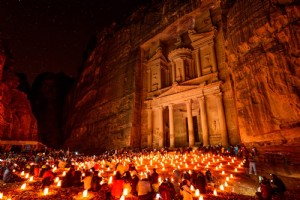
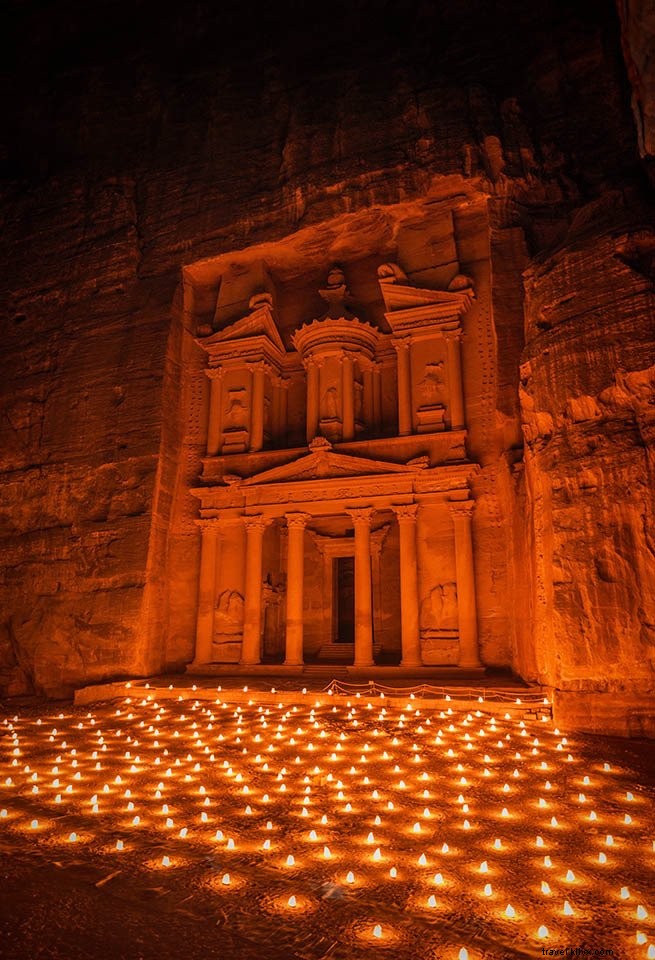
The Nabataeans (famous for Petra) later expanded the city to prominence before Arab forces captured it in 635 AD. Decline set in after the Caliphate's capital shifted from Damascus to Baghdad a century later.
By the 16th century Ottoman conquest, Amman was largely abandoned.
Modern Era
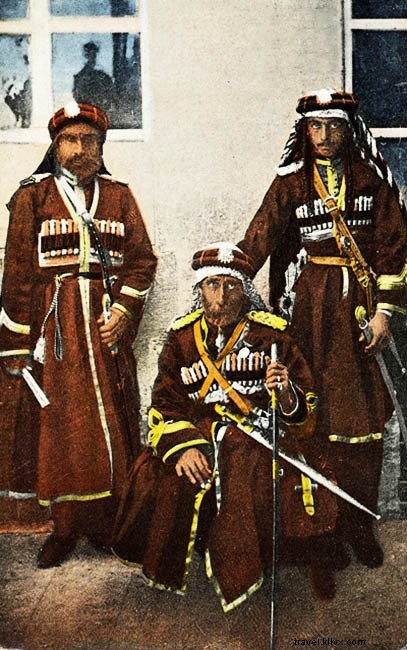
Revival began in the late 19th century with Circassian settlers in 1878. The 1903 railway station on the Medina-Damascus line fueled commerce, eclipsing nearby As-Salt.
In 1921, Amman became the capital of Transjordan (population ~35,000), and in 1946, of independent Jordan. Post-1948 Arab-Israeli War, Palestinian refugees swelled the population from 400,000 to over 1.1 million nationwide; Amman reached 200,000 by 1952, half in refugee camps.
Economic hubs like the Arab Bank and the first university emerged. Political tensions peaked in 1970's Black September conflict, expelling Palestinian fighters.
Now, let's explore Amman's must-see attractions.
Amman Citadel (Jabal al-Qal'a)
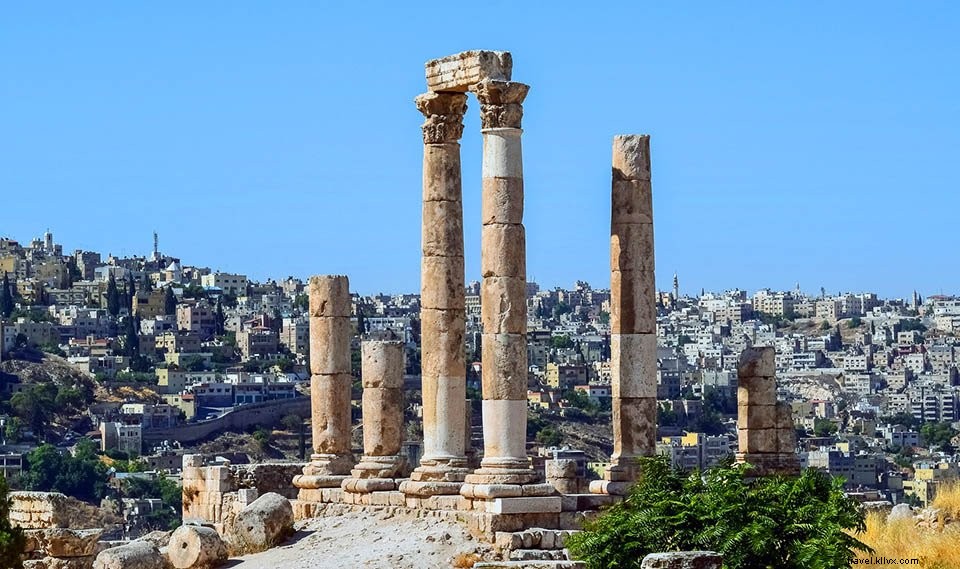
Despite its modern growth, Amman preserves ancient landmarks like the Citadel on Jabal al-Qal'a, dating to 1800 BC. Perched on the city's highest hill at 850m above sea level, it offers panoramic views.
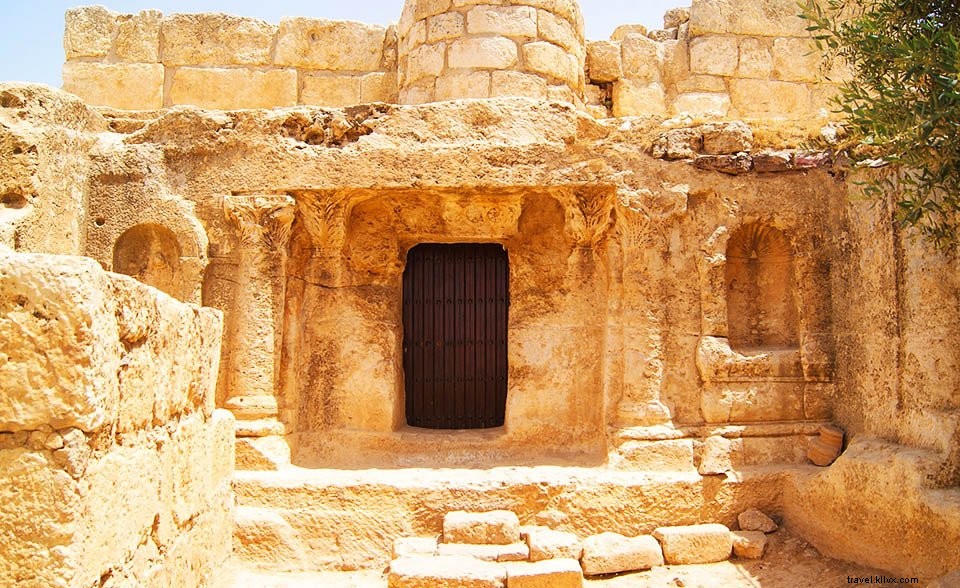
Highlights include the Temple of Hercules, Umayyad Palace, and Byzantine Basilica.
Jordan Archaeological Museum
Housed in the Citadel, this museum showcases artifacts from Amman, Jericho, Petra, and beyond—including Qumran Scrolls from the Dead Sea caves.
Don't miss Chalcolithic frescoes (4000 BC), Neolithic plaster statues from Ain Ghazal, anthropomorphic clay sarcophagi (10th-5th century BC), and Nabataean treasures like the Atargatis statue and a 2nd-century BC temple bowl.
Roman Theater
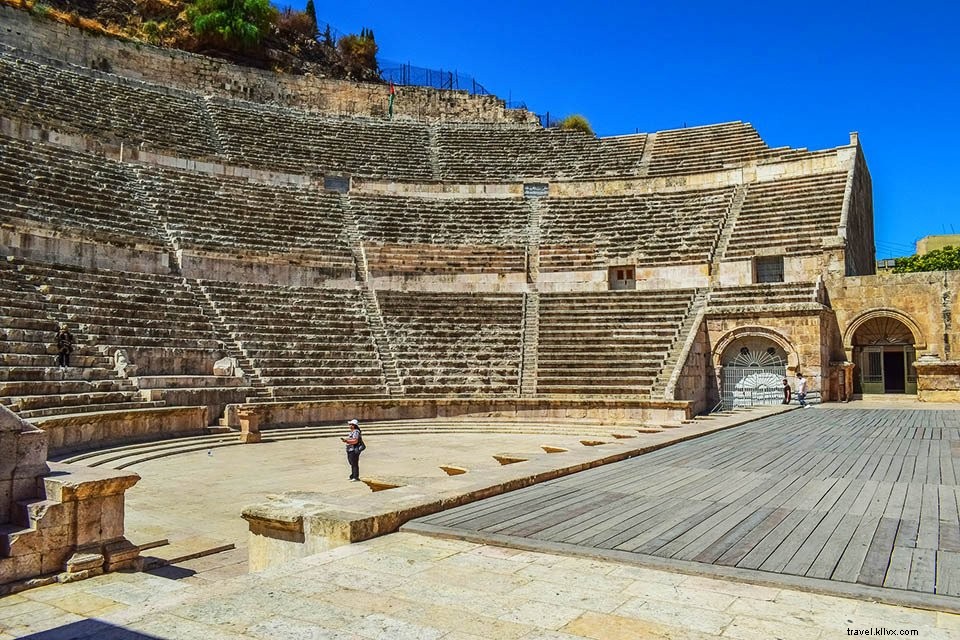
One of Amman's iconic sites, this 2nd-century AD theater from Roman Philadelphia seated 6,000 spectators. Visible from the Citadel, it's a hub for tourists and locals alike.
Adjacent are the Museum of Popular Traditions and Jordan Folklore Museum. The foreground plaza is ideal for strolls or impromptu soccer games.
Downtown Amman (Al Balad)
Amman's vibrant heart pulses with street food, juices, knafeh pastries, and cafes—perfect for evening exploration.
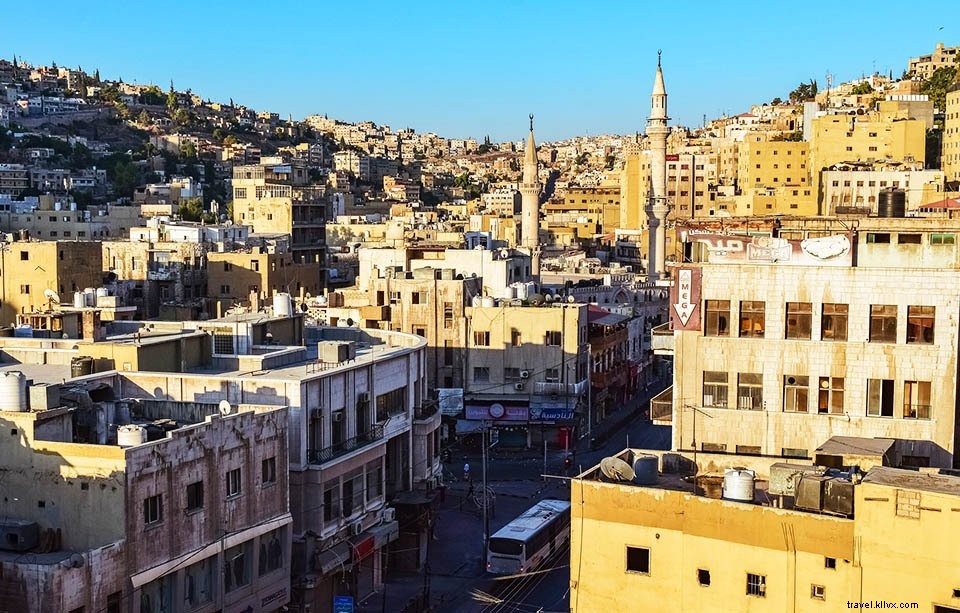
Falafel Hashem stands out for affordable hummus, falafel, and mint tea amid lively crowds.
From Downtown to Paris Circle
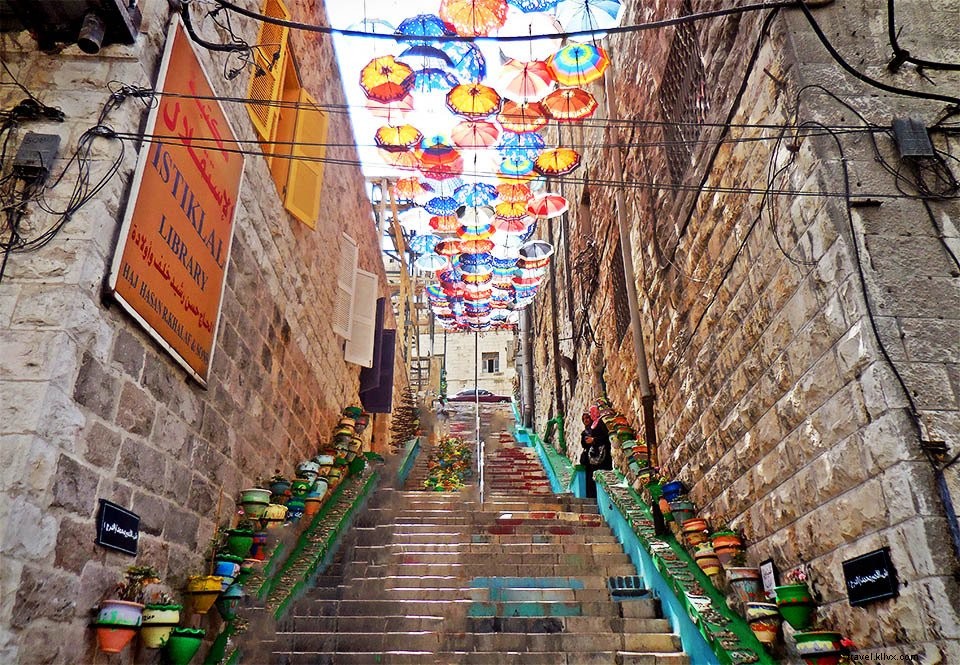
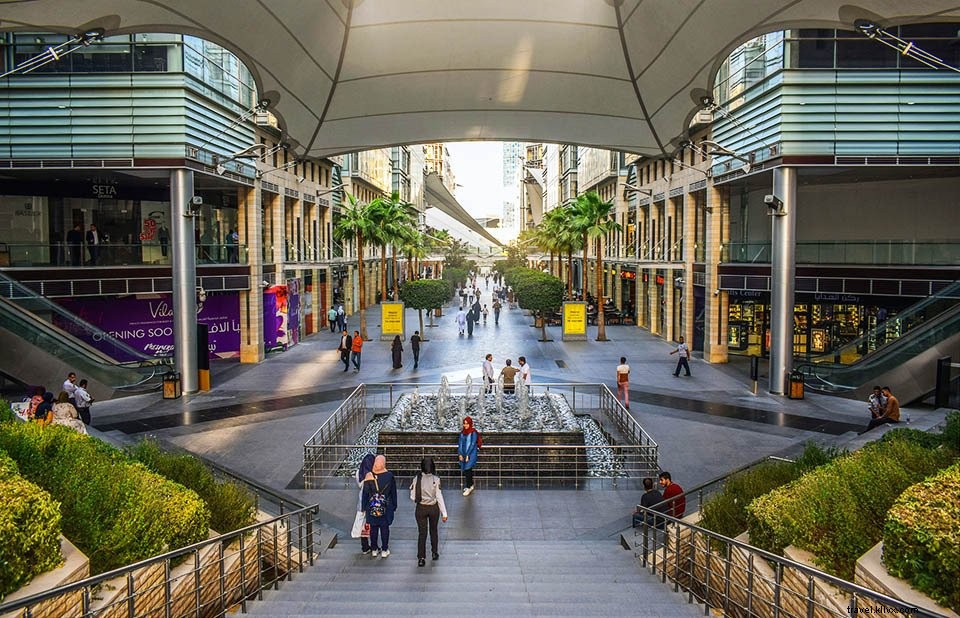
Stroll charming streets to Paris Circle, blending tourists with trendy locals. Iconic grand staircases link levels, lined with cardamom coffee spots, street art, and musicians.
King Abdullah I Mosque
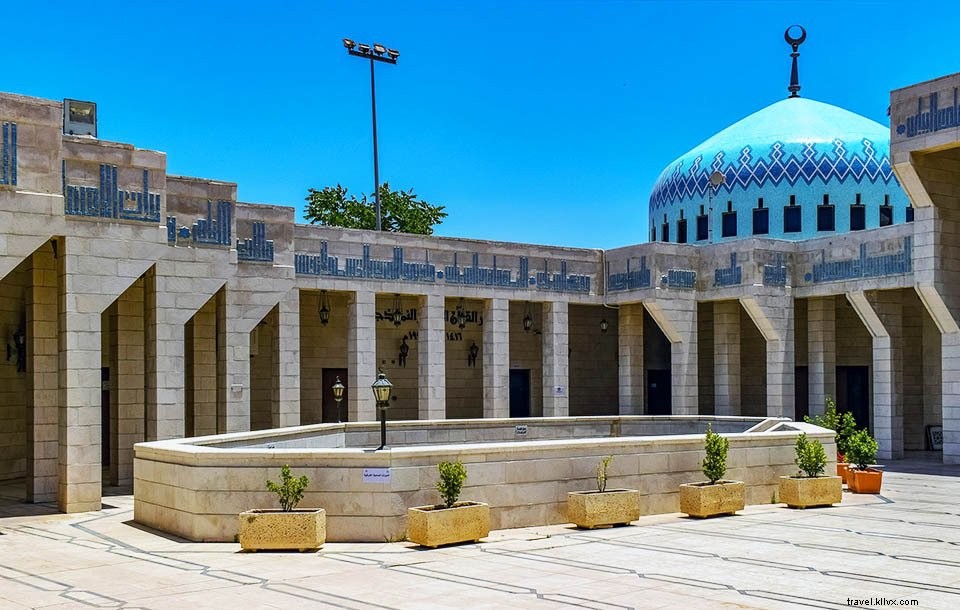
A 1.5km walk west reveals this stunning mosque. Dress modestly for entry. Notably, it shares parking with a neighboring Christian church, symbolizing interfaith harmony.
Nearby malls cater to shoppers.
Jabal Amman
This hilly district (Jabal means 'hill') offers historic villas, views, and summer Fridays' Souk Jara flea market.
Rainbow Street
The area's lively core buzzes with eateries, cafes, shops, and galleries.
King Hussein Mosque
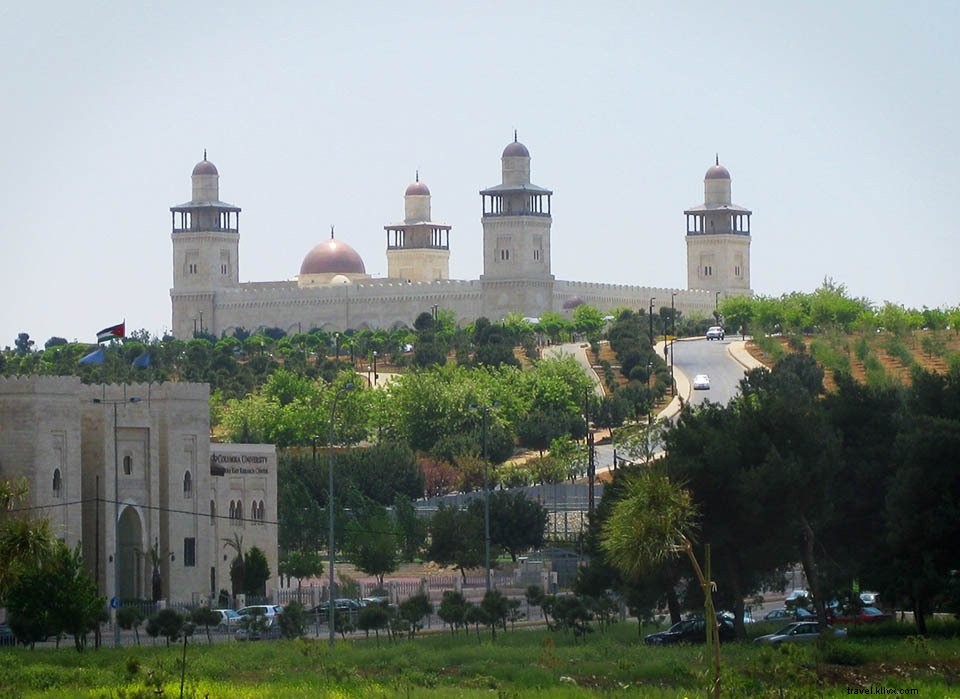
Amman's largest mosque (2005), 13km from center (Uber recommended), features the Prophet Muhammad Museum (opened 2012 by King Abdullah II). Surrounded by Al Hussein Park atop a 1km hill.
Note: Not to be confused with central Grand Al-Husseini Mosque.
Pigeon Market
Near Al-Hashemi Street and the Roman Nymphaeum, this market trades pigeons for a 900-year-old sport of competitive flights—trained to return on cue.
Jabal al-Weibdeh
An emerging arts district bridging historic Jabal Amman and working-class East Amman, fostering culture amid urban contrasts.
Royal Automobile Museum
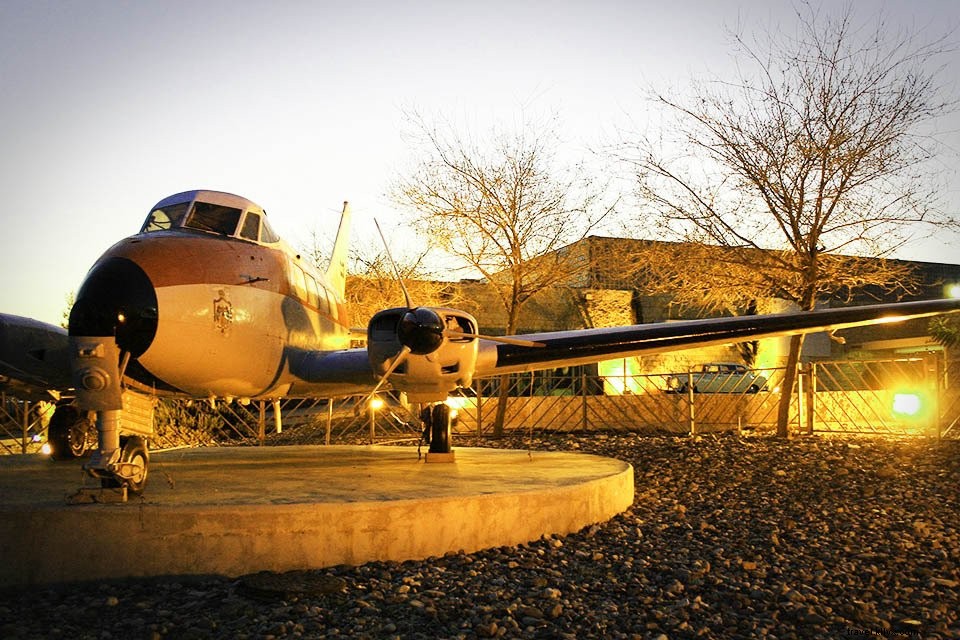
Showcasing King Hussein's (1952-1999) vehicle collection—from vintage cars and bikes to royal Rolls-Royces.
Safety
Jordan is safe and navigable, even solo. Respect Muslim customs on dress and behavior. Locals may be persistent sellers—polite firmness works.
Transport
Car Rental
Ideal for Jordan-wide travel. Roads are good; expect variable driving habits. Insure fully; avoid rush hours. Watch for highway speed bumps.
Taxi & Uber
Uber is reliable and affordable. Taxis: private (metered/negotiable) or service (fixed routes).
Public Transport
Unreliable; buses often late or absent—not recommended for visitors.
Hotel Shuttles
Many offer organized transport to sites—convenient and efficient.
Practical Information
Currency
Jordanian Dinar (JOD; ~1.41 USD).
Language
Arabic primary; English widely understood in tourist areas.
ATMs & Cards
Plentiful; Visa/Mastercard accepted at major spots.
Best Time to Visit
March-May or September-October for mild weather. Summers are hot but manageable.