
Polaroid of the Week: Effortlessly Floating in Israel's Dead Sea
 Last week, I embarked on an unforgettable road trip across Israel, from the Lebanese border in the north to Eilat on the Red Sea in the south, glimpsing the Egyptian and Jordanian borders during morning runs. Highlights abounded: the stunning blue grottoes of Rosh Hanikra near Lebanon, the historic fishing village of Akko, and the breathtaking Bahá'í Gardens in Haifa. Heading south, we reached the Dead Sea, where I hiked Masada at 5:30 a.m. for a sunrise vista, explored Ein Gedi's desert oasis waterfalls, and ventured into the Negev Desert's Timna Park with its dramatic red rock formations amid 100°F (37°C) heat. In Eilat, snorkeling revealed vibrant coral reefs and fish right off the beach—I regretted not having an underwater camera. The journey looped back via Mitzpe Ramon's massive crater (25 miles long, up to 6 miles wide), a Tel Aviv city break, and a traditional Rosh Hashanah family dinner in the north. Over 2,000 photos captured Israel's natural splendor.
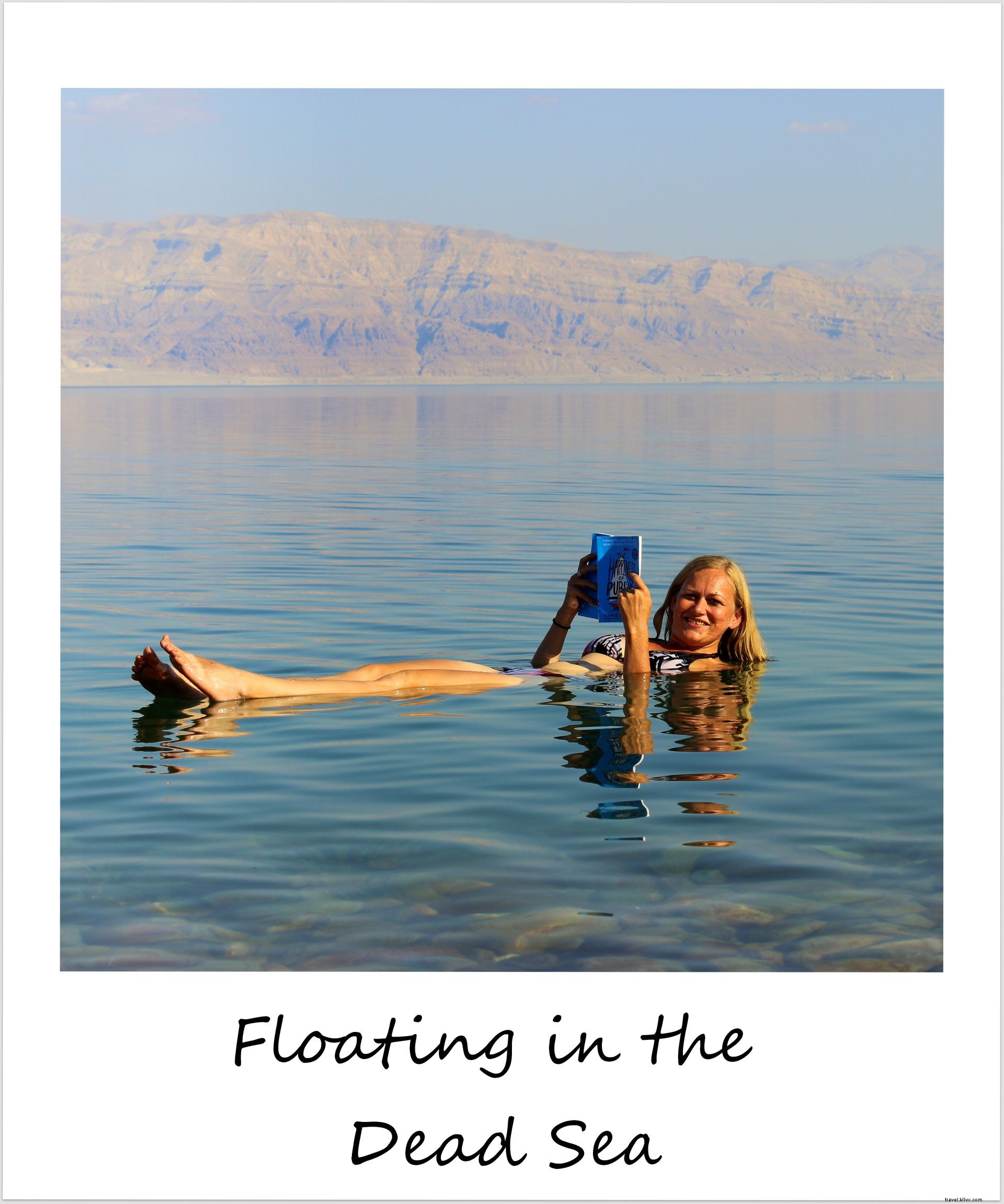
The Dead Sea stood out as the trip's most surreal stop. At 1,401 ft (427 m) below sea level, this hypersaline lake—34% salinity, ten times saltier than the ocean—prevents sinking; I floated effortlessly in its 1,004 ft (306 m) depths. Tip: Avoid eye contact with the water! No animals or plants survive here, creating a stark yet hauntingly beautiful barren landscape. Rich in therapeutic minerals, it's renowned for treating skin conditions, osteoporosis, and arthritis—my skin glowed post-mud mask and soak. Unfortunately, bordering nations Israel and Jordan have accelerated its shrinkage through environmental impacts, though replenishment efforts, led by Jordan, offer hope for preserving this global treasure.