La Jolla's Children's Pool: Seals, History, and Essential Visitor Guide
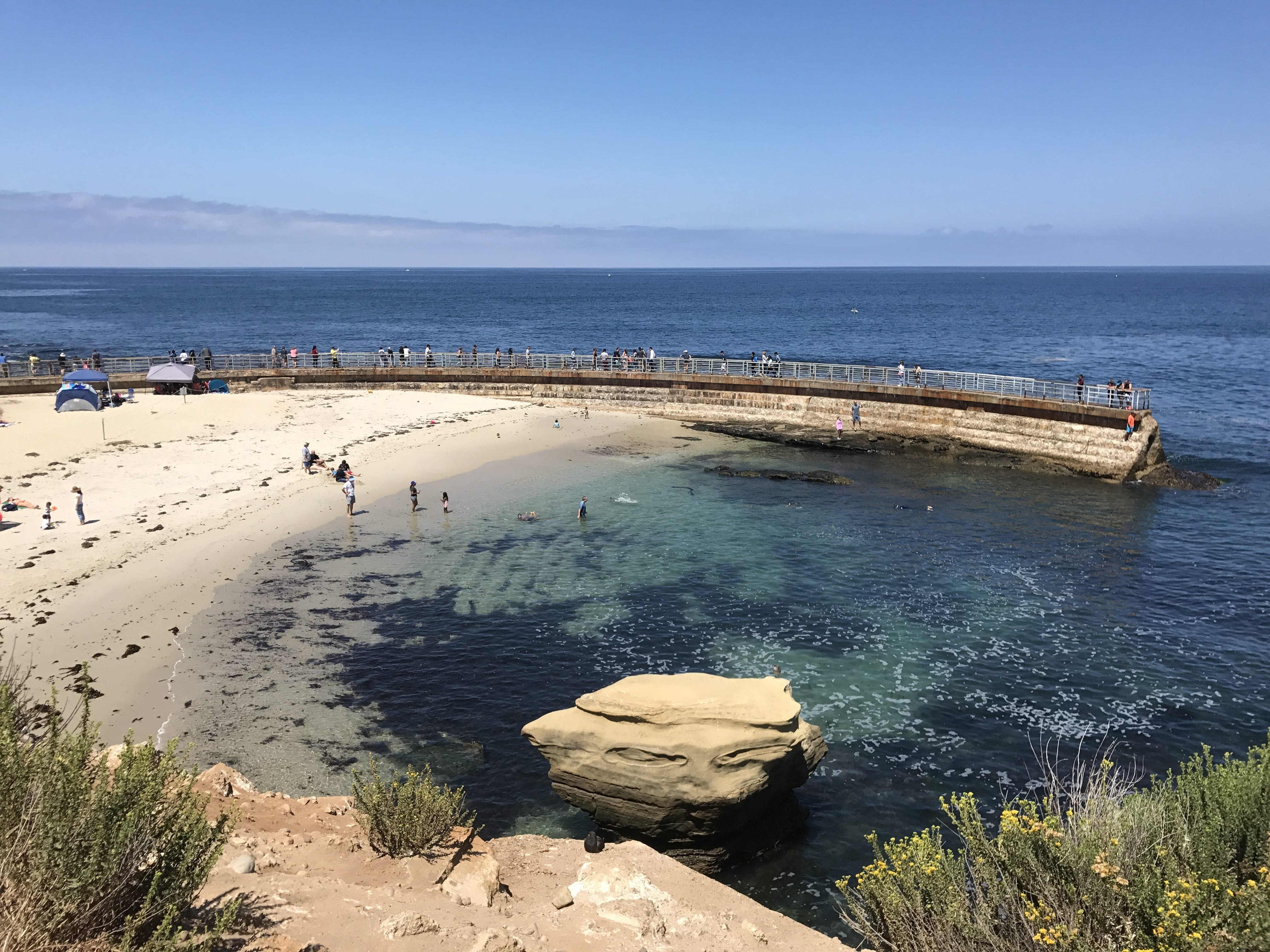
Constructed in the 1930s behind a protective seawall, La Jolla's Children's Pool was originally designed as a safe family beach. Today, it's a popular spot overrun by playful seals and sea lions. Visitors flock to the overlook plaza above the cove to watch these pinnipeds swim, play, fight, and mate. Strict rules prohibit touching, feeding, or taking selfies with the animals to ensure their safety.
The seals' future here sparks ongoing debate: divers and swimmers cite elevated bacteria levels in the water due to the mammals, while animal rights advocates push to designate the cove as an official seal rookery. Swimming is technically permitted outside pupping season (December 15 to May 15), but it's not advised due to poor water quality and potentially aggressive animals.
History
The concept for the Children's Pool originated in 1921 from local journalist and philanthropist Ellen Browning Scripps. Amid drownings caused by strong crosscurrents along La Jolla's coast, Scripps—who founded the Scripps Institution of Oceanography and the La Jolla Public Library—envisioned a secure swimming area for families and children.
Scripps personally funded the project and commissioned Hiram Newton Savage to design the breakwater. After a decade of construction, it opened grandly, though Scripps was too ill to attend.
For decades, the pool served its purpose, even featuring briefly as a WWI battlefield in the 1977 film The Stunt Man starring Peter O'Toole. In 1992, concerns arose over increasing seal populations. Designated a Marine Mammal Reserve in 1994, the beach saw its first seal pups in 1999. Today, about 200 seals reside here.
In 2013, a 'Seal Cam' was installed to boost tourism via live online viewing, but locals criticized it for filming seal-free areas. Removed that year, discussions in 2021 suggested its potential return by the La Jolla Village Merchants Association.
Nearby Restaurants
Food enthusiasts rave about Whisknladle's 'slow food' dishes made from local, farm-fresh ingredients, perfect for sharing on their breezy covered patio.
Alternatively, visit Puesto La Jolla, a vibrant warehouse-style spot adorned with Californian artist Chor Boogie's spray-paint designs. Savor Mexican street food like tacos, three varieties of fresh guacamole, Baja fish, lime-marinated shrimp ceviche, and carnitas.
How to Get to La Jolla's Children's Pool
Access the stairway to the pool next to 850 Coast Blvd.
Other Practicalities
Entry to the Children's Pool is free and open 24 hours a day.