Shangri-La: Doris Duke's Iconic Museum of Islamic Art in Honolulu
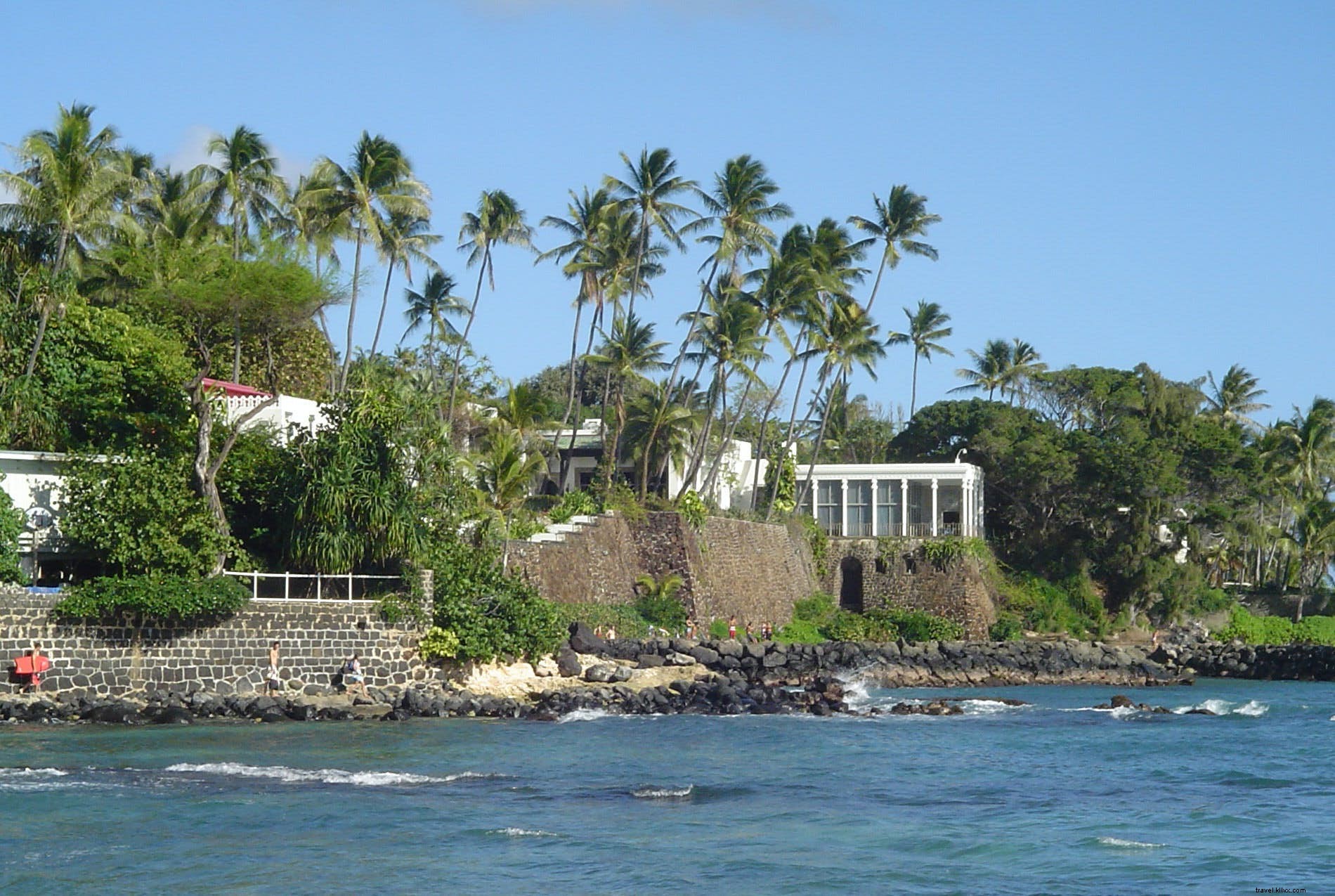
Nestled in the shadow of Diamond Head, Shangri-La—the former mansion of tobacco heiress Doris Duke—enchants art enthusiasts and history buffs alike. This treasure trove showcases exquisite Islamic art, from intricate ceramic-tile mosaics and carved wooden screens to silk tapestries and glazed paintings, all framed by serene gardens with fountains and breathtaking ocean views.
Who Was Doris Duke?
Doris Duke (1912–1993) inherited a vast fortune at age 12 following her father's death in 1925, earning her the moniker "the richest little girl in the world." This wealth afforded her remarkable freedom, including high-profile divorces and a controversial marriage to an international playboy. While in Hawaii, she became the first white woman to compete in surfing, training under Olympic gold medalist Duke Kahanamoku and his brothers.
A lifelong devotee of Islamic art and architecture, Duke's passion ignited during her honeymoon visit to the Taj Mahal at age 23. That same 1935 trip led her to Oʻahu, where she fell in love with the island and built Shangri-La as her seasonal retreat on Black Point, beneath Diamond Head.
For over six decades, Duke journeyed worldwide—from Indonesia to Istanbul—amassing priceless Islamic artifacts. Favoring intimacy over extravagance, she transformed Shangri-La into a personal sanctuary reflecting the spiritual essence of the wonders she admired.
For deeper insights, watch the HBO film Bernard and Doris (2006), featuring Susan Sarandon as Duke and Ralph Fiennes as her butler, Bernard Lafferty, whom she named sole executor of her estate. Her fortune now funds philanthropy in the arts, child welfare, and animal protection.
The Shangri-La Estate
Shangri-La's genius lies in its seamless harmony with nature. Exquisite interiors flow into lush gardens and the ocean, with one living room glass wall framing Diamond Head. Courtyard fountains murmur throughout, complementing Duke's collection of gem-encrusted enamels, glazed ceramics, and silk suzanis (elaborate embroidered tapestries). Art integrates with architecture to evoke themes and regions, such as the Damascus Room, a meticulously restored 18th-century Syrian merchant's parlor.
Visiting Shangri-La
Guided tours depart from the Honolulu Museum of Art, with groups traveling by minibus to the estate while viewing a short documentary on Doris Duke. Tours last about 90 minutes. Advance online reservations are essential, as they often sell out. Children under eight are not permitted. Check the official website for the latest schedules and availability.