Shelburne Museum: Vermont's Premier 45-Acre Showcase of American Art, History, and Architecture
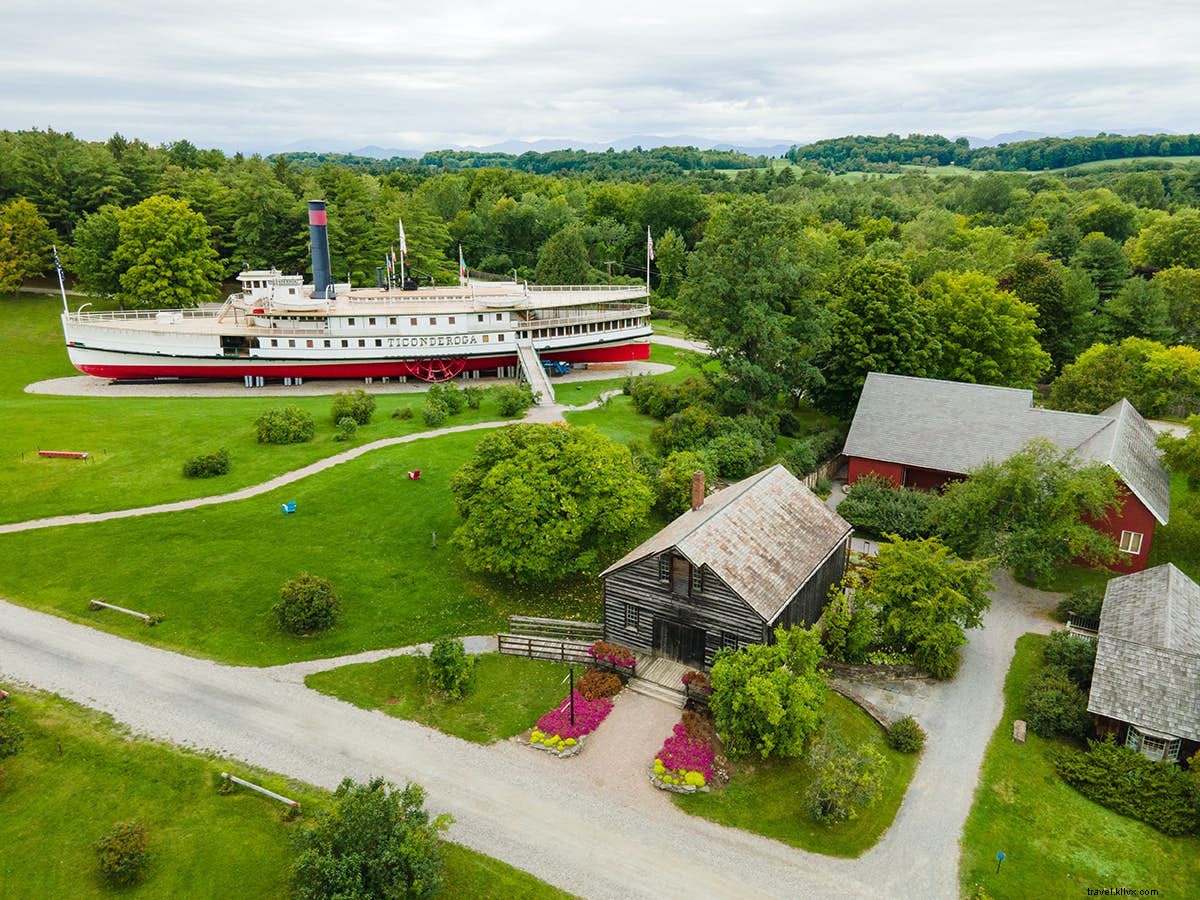
Nestled on 45 acres just nine miles south of Burlington, Vermont, the renowned Shelburne Museum houses over 100,000 priceless artifacts from America and abroad. These treasures were meticulously collected by Electra Havemeyer Webb (1888-1960) and her prominent parents, renowned art connoisseurs.
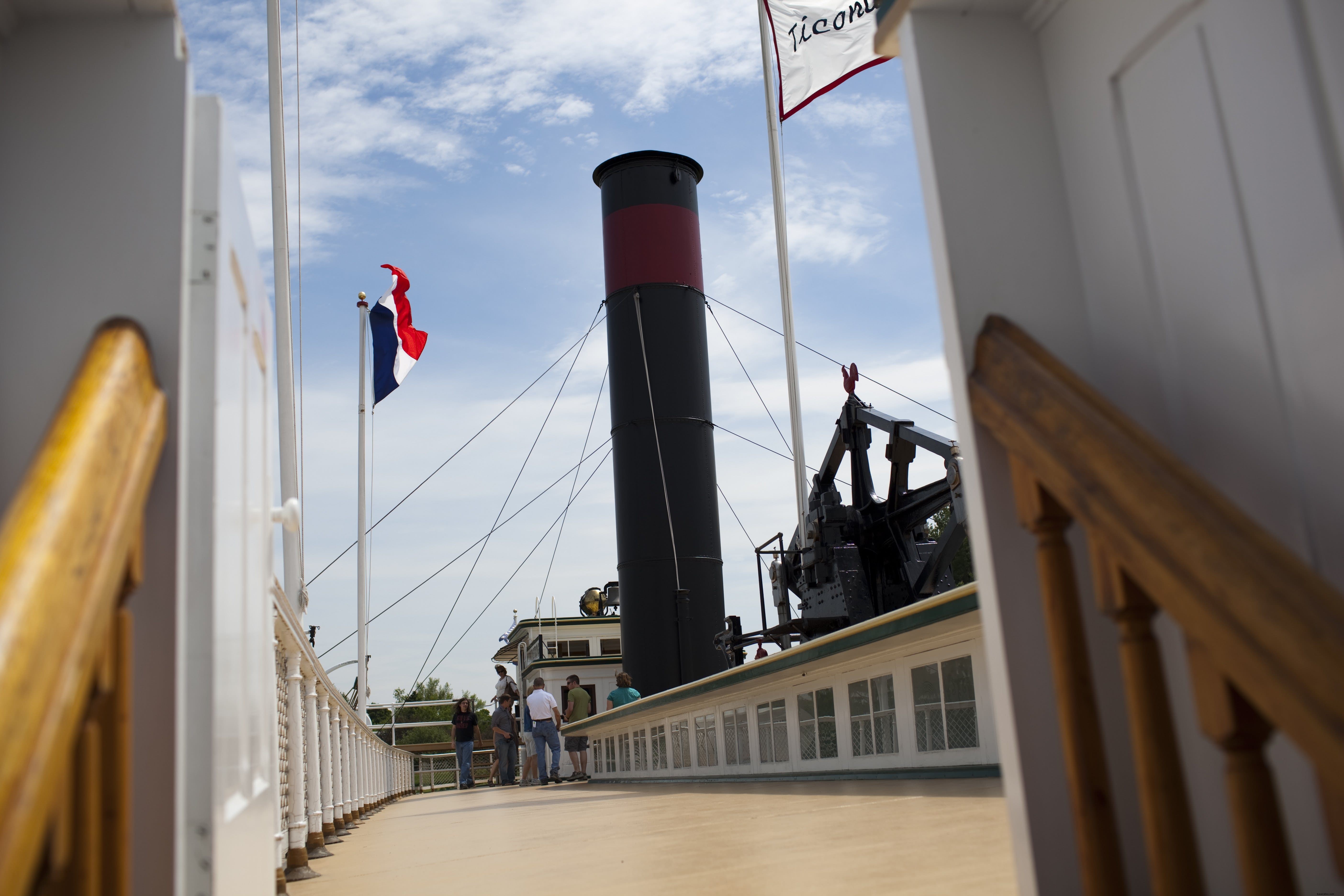
Celebrated for its unparalleled diversity, the museum features exhibitions across 39 buildings—many relocated from throughout New England for preservation. Iconic highlights include the 220-foot Ticonderoga steamboat and masterpieces by Manet, Monet, and Degas, establishing it as Northern New England's foremost art and history institution.
History of Shelburne Museum
Raised by parents who were avid collectors of European and Asian art, Electra Havemeyer Webb naturally developed a passion for curation. Yet, from age 19, she focused on Americana, amassing objects tied to American history.
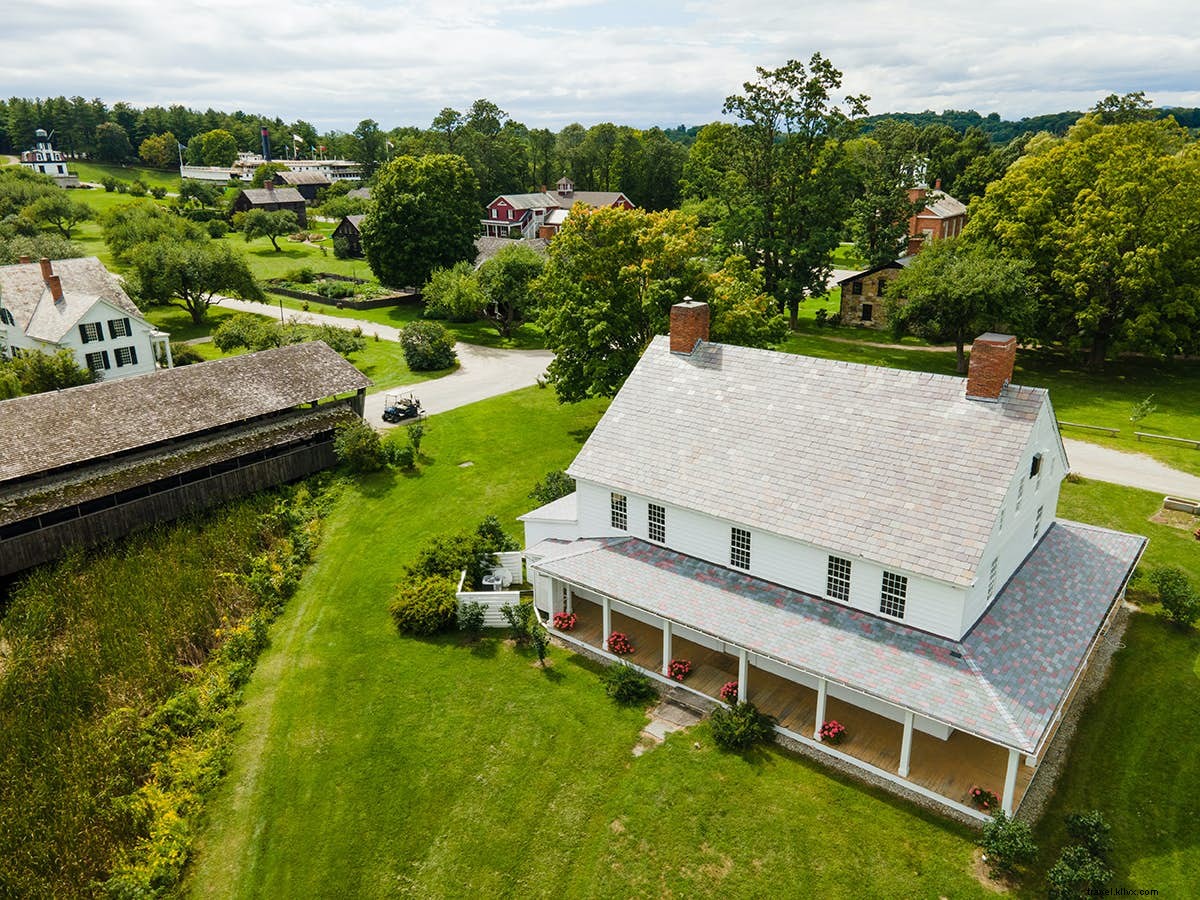
In 1947, she established Shelburne Museum to display her family's exceptional collection of horse-drawn carriages. Over the years, she sourced and relocated 18th- and 19th-century buildings from New England and New York, transforming them into exhibition spaces for her unique artifacts.
Opening to the public in 1952, this innovative museum presented an eclectic array spanning folk art, fine art, architecture, and transportation. Today, its holdings exceed 100,000 items.
Following Electra's passing in 1960, her children constructed the Electra Havemeyer Webb Memorial Building. This space recreates six period rooms from the family's 1930s Park Avenue apartment in New York City, showcasing Impressionist paintings.
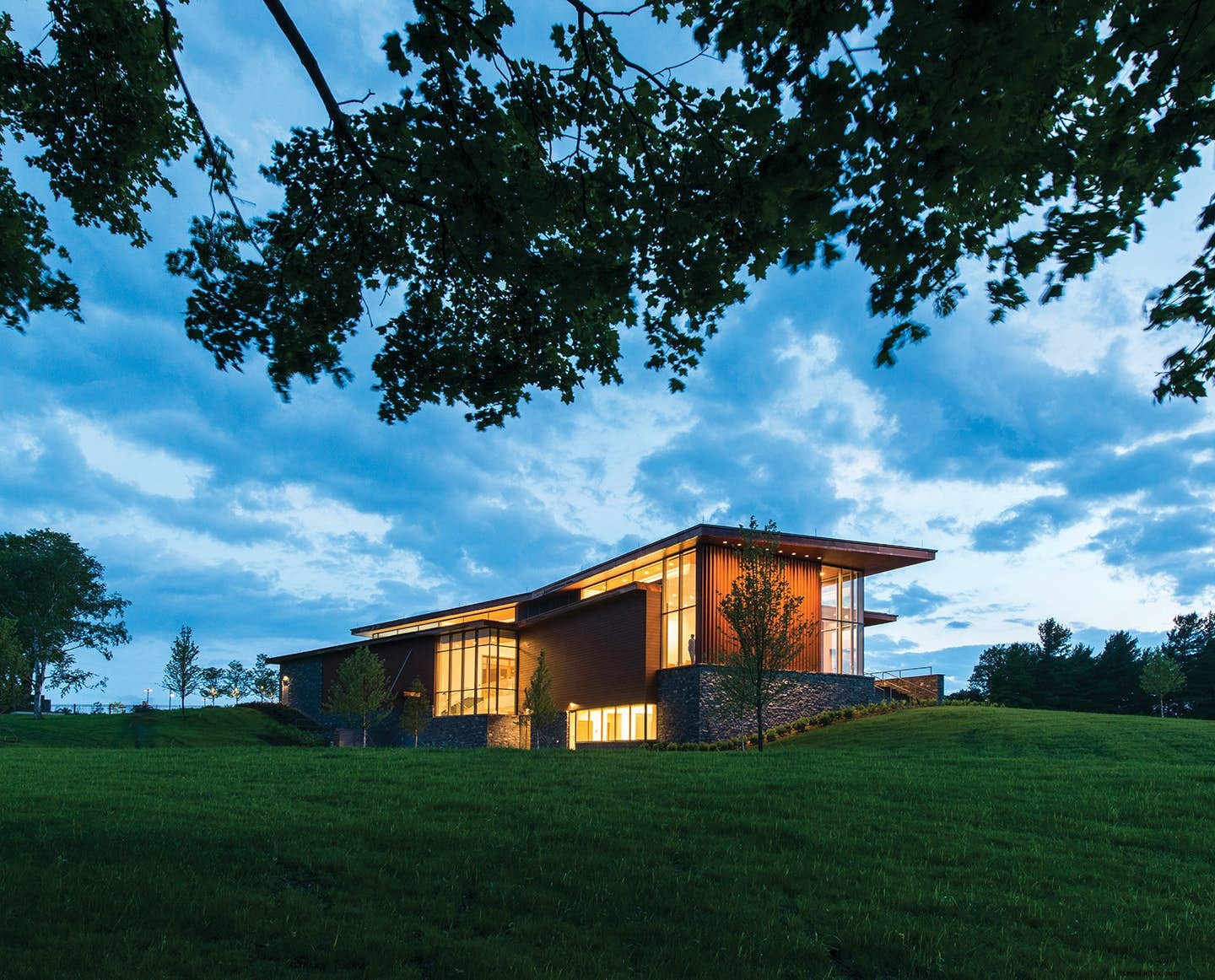
In 2013, the state-of-the-art Pizzagalli Center for Art and Education opened, featuring two 2,500-square-foot galleries, an auditorium, and an education studio—contrasting beautifully with the historic structures.
Committed to sustainability, Shelburne Museum aimed to achieve full renewable energy powering by the end of 2021 with the completion of its final solar arrays.
Buildings and Collections
The museum's 39 exhibition buildings brim with diverse collections, staffed by expert guides. Standouts include a 1786 sawmill, 1800 blacksmith shop, 1840 one-room brick schoolhouse, 1845 covered bridge, 1871 lighthouse, 1890 luxury rail coach, 1901 round barn, 1915 railroad station, and the 1906 Lake Champlain side-wheeler steamship Ticonderoga.
The horseshoe-shaped Circus Building displays the 500-foot Arnold Circus Parade with 4,000 figurines, alongside vintage posters from Ringling Bros. and Barnum & Bailey. Outside, a restored 1920s carousel offers complimentary rides every 15 minutes.
Shelburne Museum Gardens
Over 20 impeccably landscaped gardens dot the grounds, ensuring year-round blooms—from the Main Entrance Garden to the Daylily Garden by the Circus Building.
Spring brings lilacs, followed by hundreds of peonies in 25 varieties at the J. Watson Webb Jr. Memorial Peony Garden.
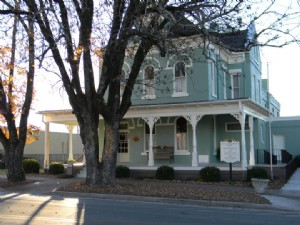
Alyssia's Garden, near The Schoolhouse, delights children with perennials, swings, and slides. Food enthusiasts appreciate the 1820s heirloom vegetable garden at the 18th-century Dutton House, the first structure relocated to the site.
Planning Your Visit
Plan for at least half a day. Hours vary by season—verify on the official website. As a North American Reciprocal Museum (NARM) member, it offers free admission to participating museum members.
The expansive grounds connect via paved walkways. A complimentary shuttle and child-pulling wagons enhance accessibility.
Summer brings concerts on the Green by artists like Ray LaMontagne, Bonnie Raitt, Elvis Costello, Bob Dylan, and Willie Nelson.
Dine at Weathervane Café for sandwiches, grilled fare, and snacks, or picnic amid tables, lawns, and the Shaker Shed lounge.
Free daily tours and demonstrations require no registration. Don't miss the museum store in the Diamond Barn.