Polaroid of the Week: Discover Colombia's Breathtaking Las Lajas Sanctuary
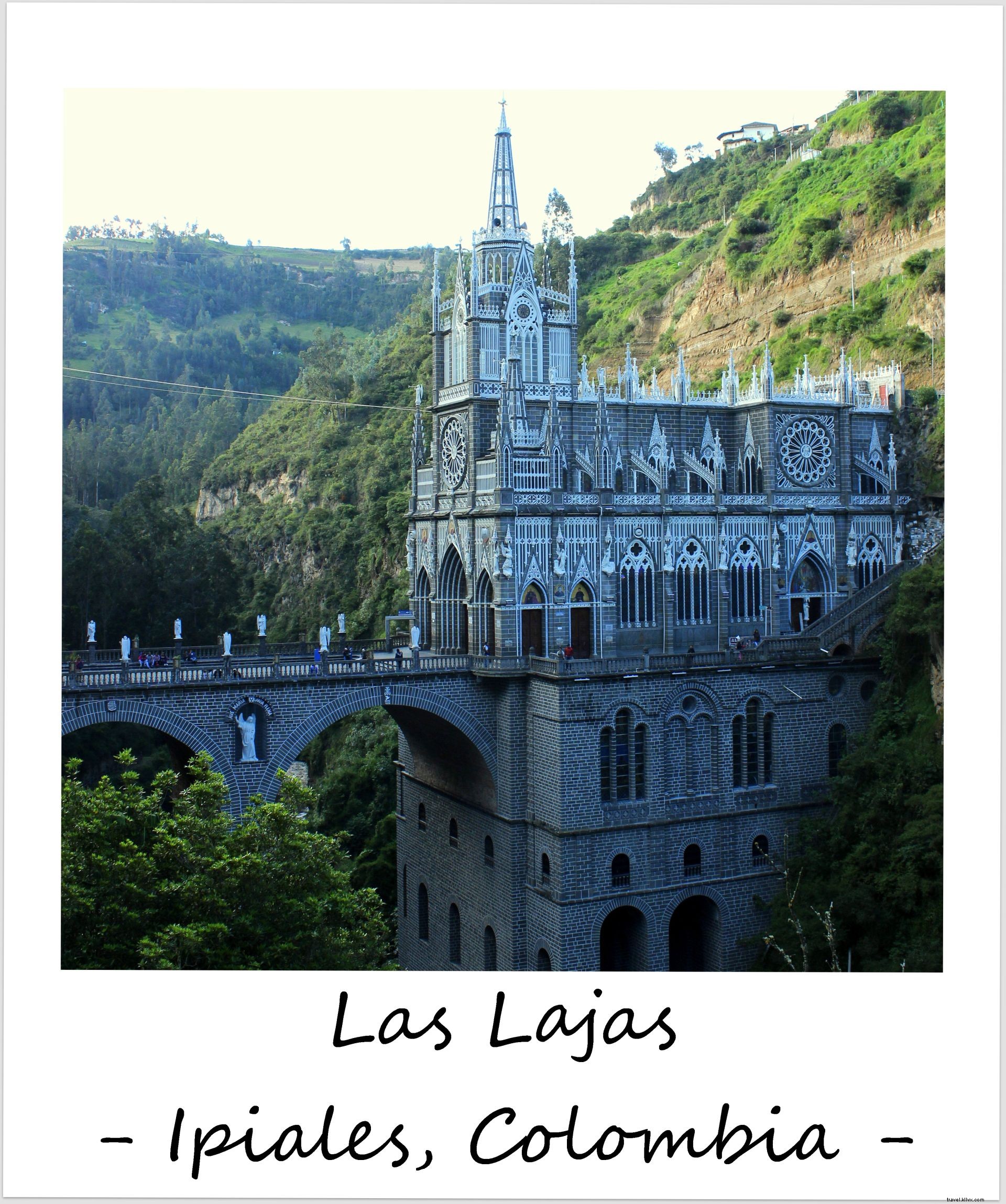
Some landmarks captivate instantly from a single photo: 'Wow! This place looks amazing—I have to visit someday.' The Egyptian pyramids, Taj Mahal, Bali's rice terraces, and even hidden gems like the 'Swing at the End of the World' (which I experienced last month) evoke this reaction. Las Lajas Sanctuary is another such wonder. You may not know its name, but perhaps you've seen its image?
My first glimpse was years ago, before my 2010 round-the-world journey began. When my partner and I traveled south from Mexico toward Argentina, I added Las Lajas to our itinerary—knowing only it was in Colombia.
Our southward trek paused in Panama; we detoured to Europe after nine months in Latin America. Returning years later from Argentina, we reached Peru before life intervened. It seemed destiny kept Las Lajas just out of reach.
Finally, last year in Colombia, I planned my route. But Las Lajas lies deep in the south, near Ecuador. Time constraints forced tough choices, yet I persisted.
The Polaroid spoils the surprise: yes, I finally visited! I extended my Ecuador trip with a quick southern Colombia loop, entering at Ipiales. From there, it's a mere 15-minute drive to the sanctuary.
Perched in a dramatic canyon over the Guáitara River, the Gothic Revival church is embedded in laja rock (the Spanish term for this sedimentary formation). Access the entrance via a 160-foot (50-meter) bridge; the structure rises 330 feet (100 meters) from canyon floor to spire—a truly spectacular sight.
For Catholic pilgrims nationwide and beyond, its miracle origin adds profound allure. In 1754, a storm trapped a woman and her deaf-mute daughter in the canyon. Sheltering in a cave, lightning revealed a Virgin Mary apparition. The girl cried, 'The woman is calling me!'—her first words. Believed cured, word spread, drawing devotees.
A shrine followed, then a larger one, culminating in the early-20th-century church completed decades later. Vatican canonical coronation came in 1952; minor basilica status in 1994. In 2007, it earned a spot among Colombia's 'Seven Wonders.'