Bogotá, Colombia: Why the Capital Is a Hidden Gem for Street Art Lovers and Adventurers
I’ll admit it: Bogotá was the last place in Colombia I was excited to visit. Scary stories of muggings had me considering skipping it, as few travelers raved about the city. Most seemed to rush through the key museums before moving on.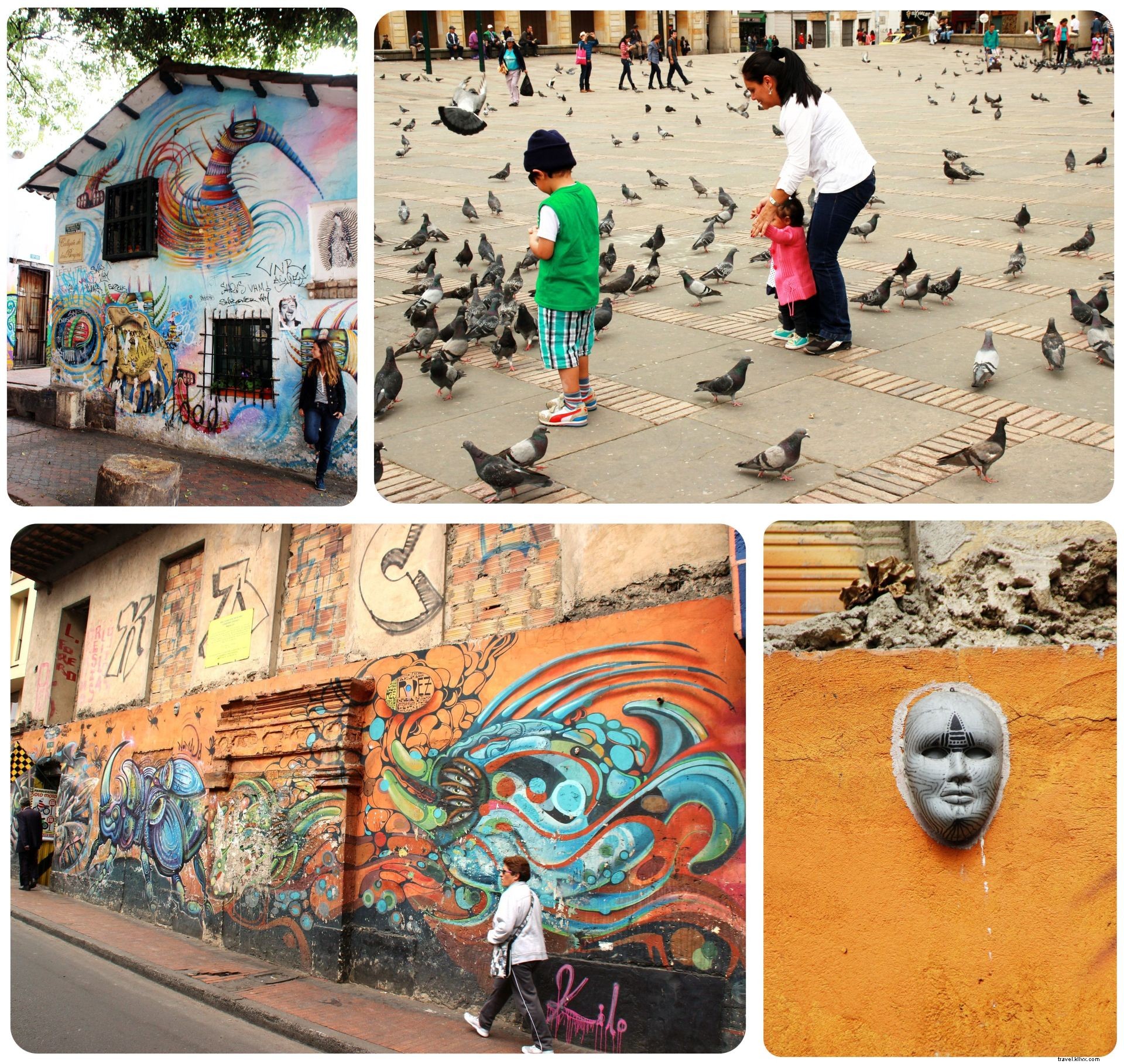 Two things drew me in: Colombia’s best street art scene and El Theatron, South America’s largest gay club. I had to experience it, even if it meant venturing out after dark in the capital.
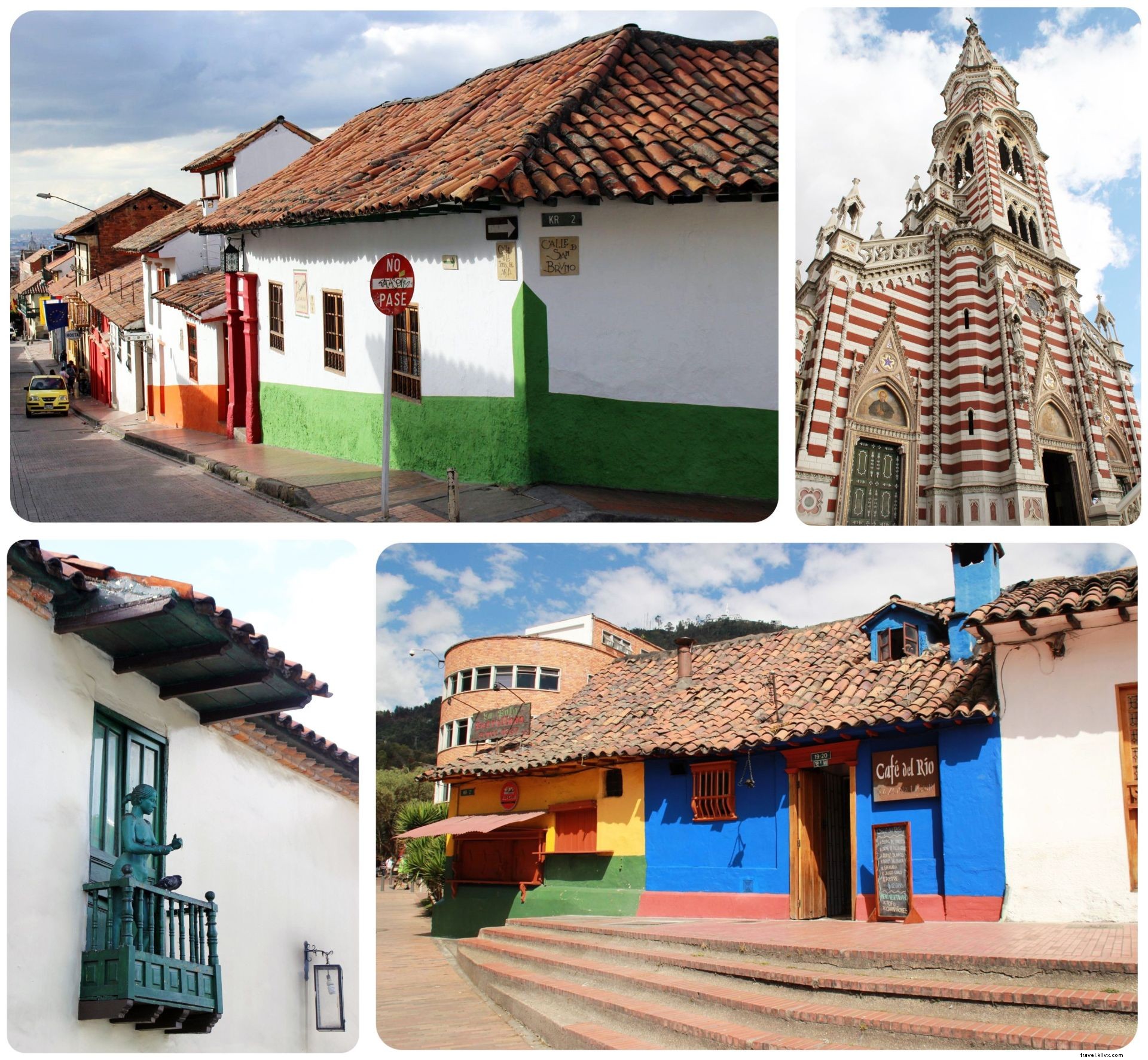
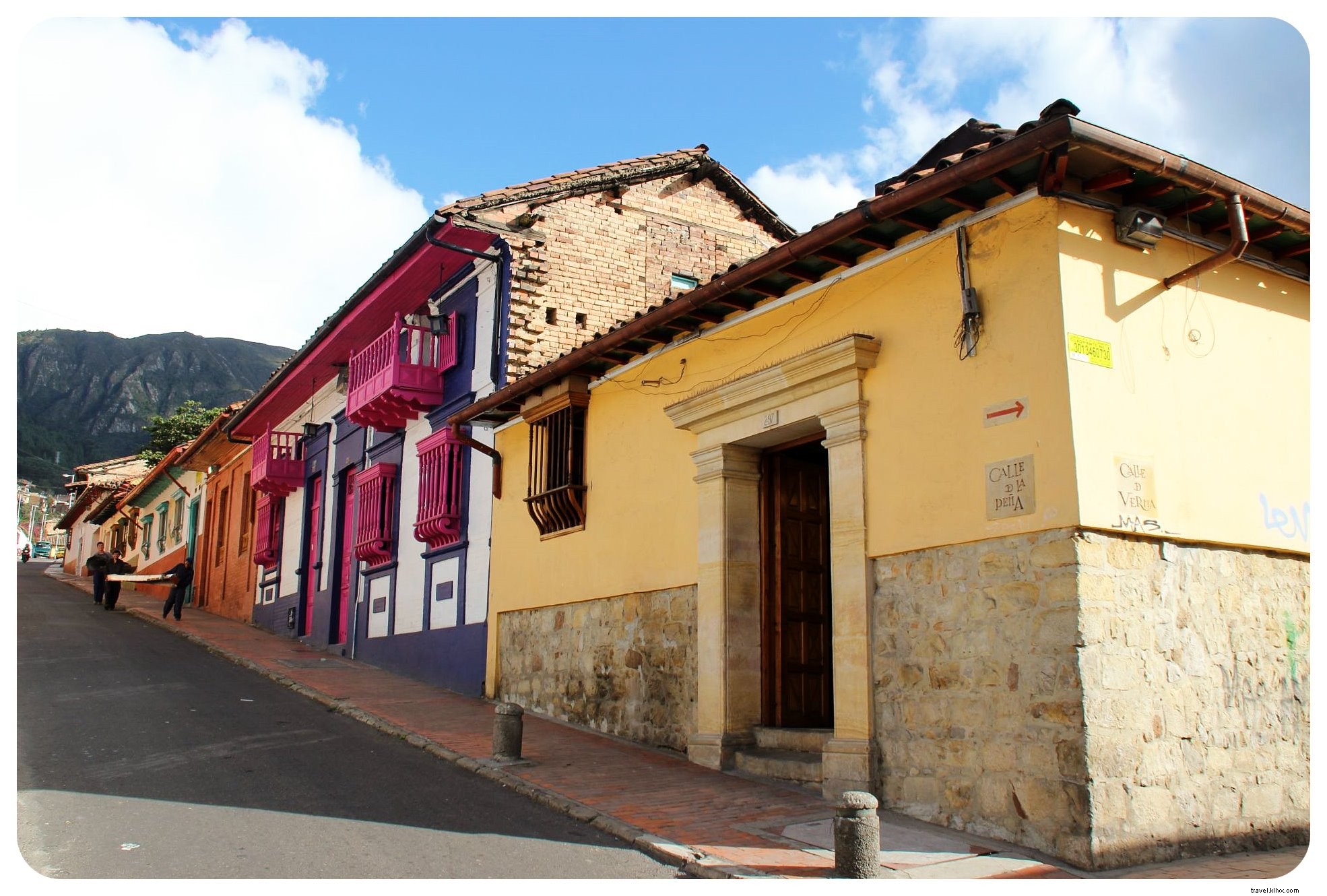
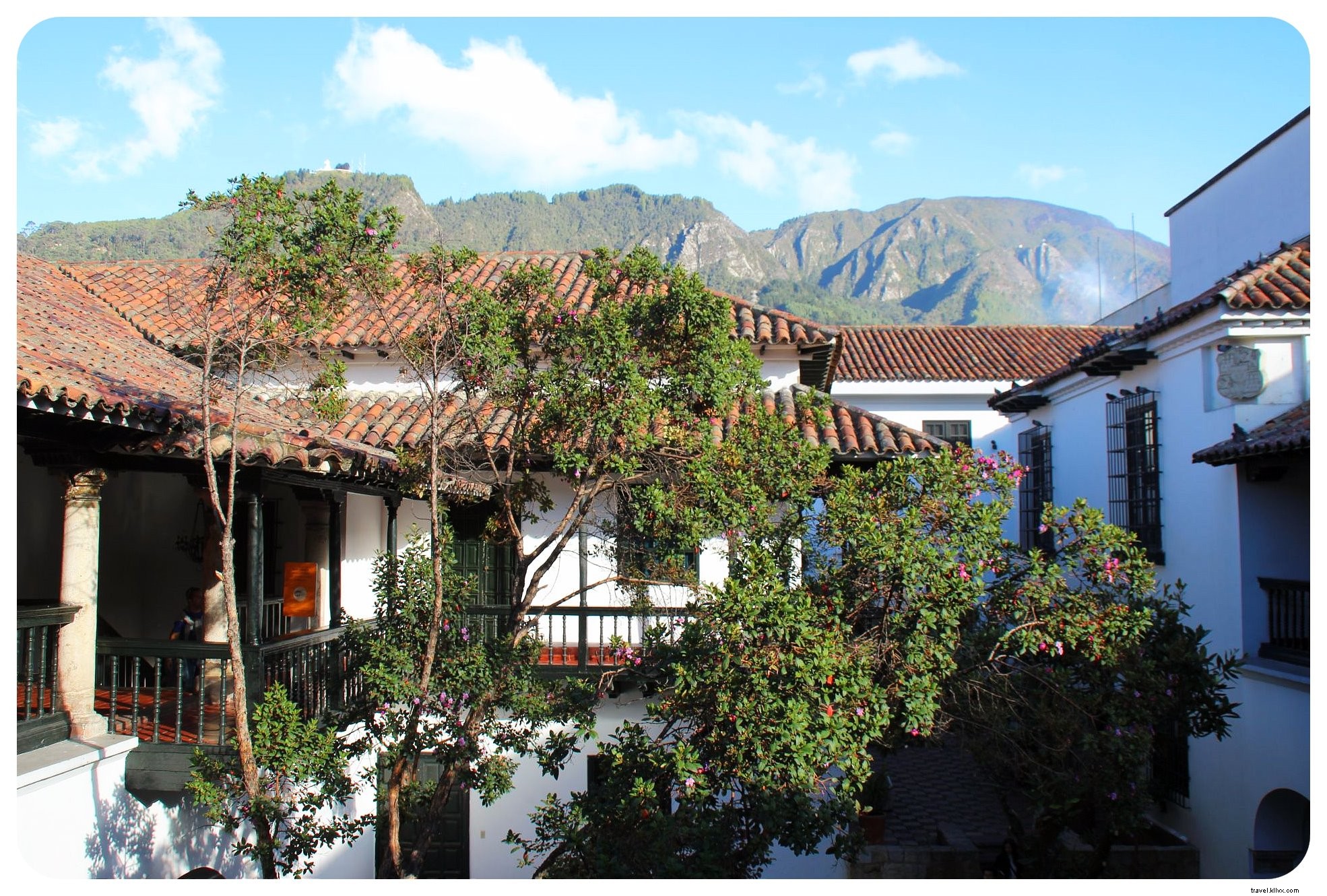
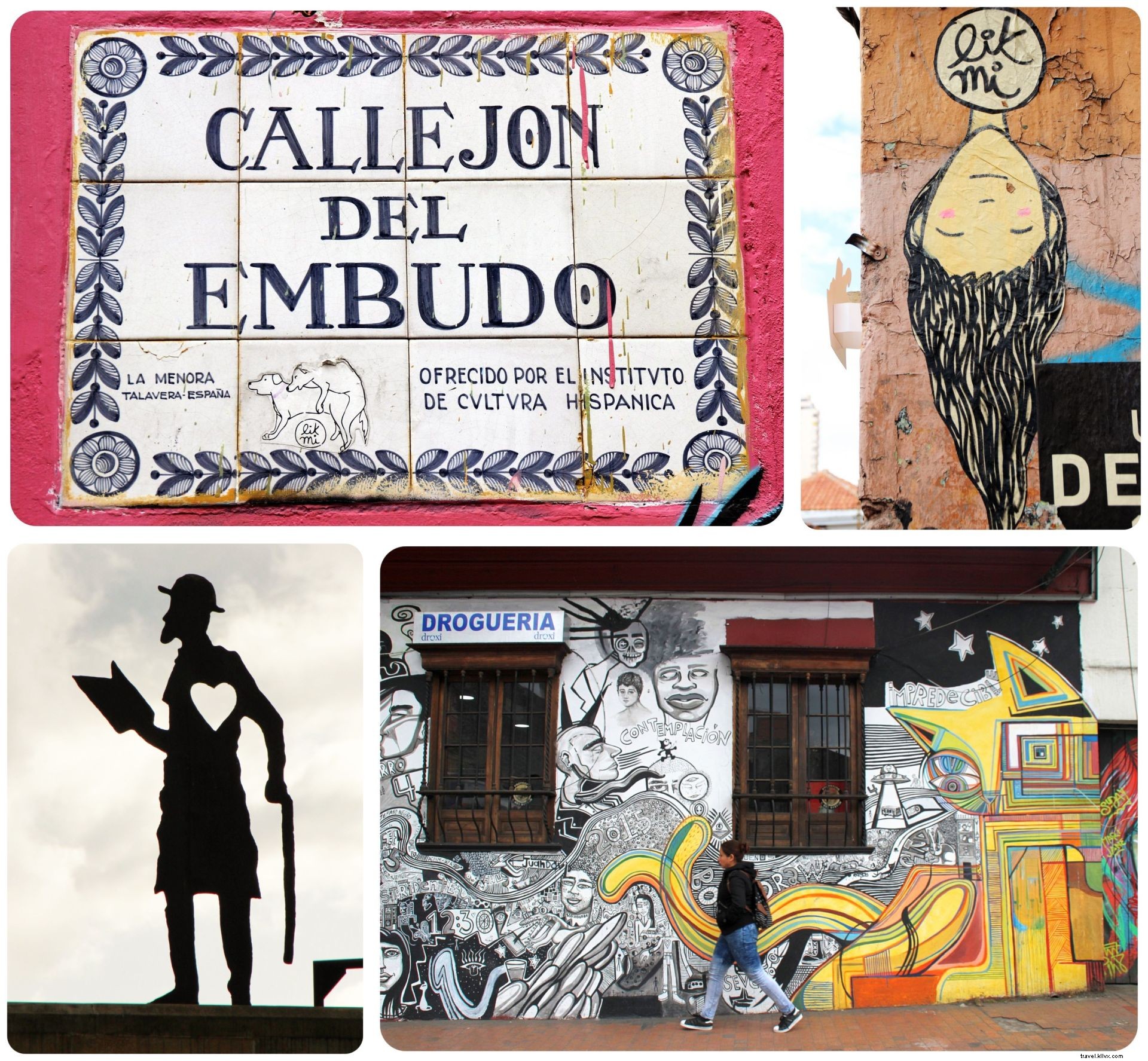 My fears evaporated upon arrival. That first night, I met friends at Plaza del Chorro de Quevedo in La Candelaria, Bogotá’s historic core. Founded in 1538, this plaza and its preserved Spanish-colonial architecture became my favorite spot. Unlike Chapinero’s modern towers where I started, La Candelaria offered colorful one-story homes, cobblestone streets, and colonial churches. My camera stayed busy!
 The plaza buzzed with young locals enjoying beers and chicha from nearby shops—a lively, joyful vibe. I cabbed back at 3 a.m. feeling safe.
 Next morning, two realities hit: the 8,675-foot (2,644 m) altitude left me breathless on steep streets, and persistent gray clouds rarely parted for blue skies. Cooler temps explained why many skip it after tropical coasts.
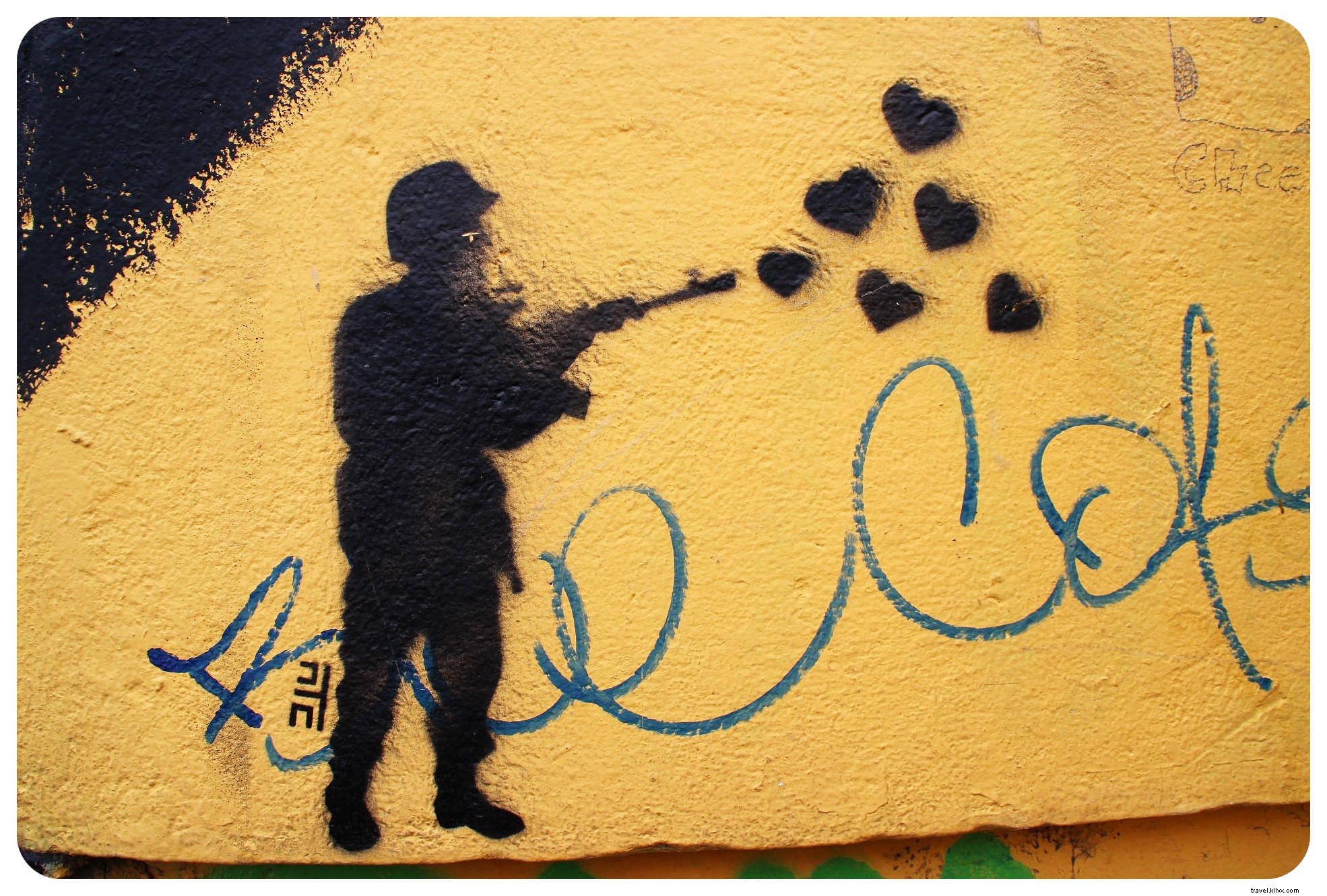
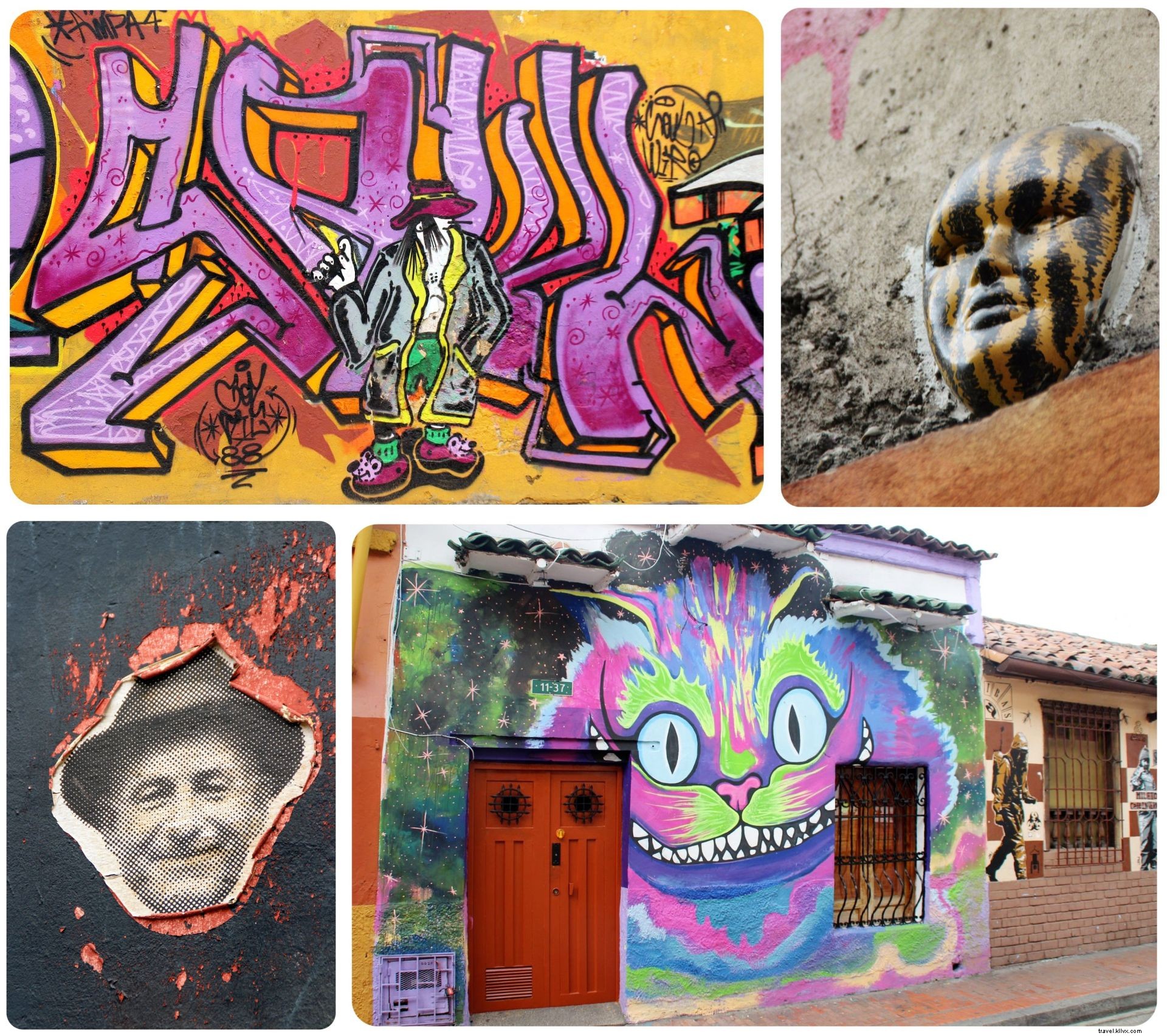
 La Candelaria’s charm won me over, so I relocated there despite safety warnings. Its colonial houses outshone high-rises elsewhere, packed with street art that turned streets into open-air galleries. Great coffee shops and veggie spots kept this nomad happy.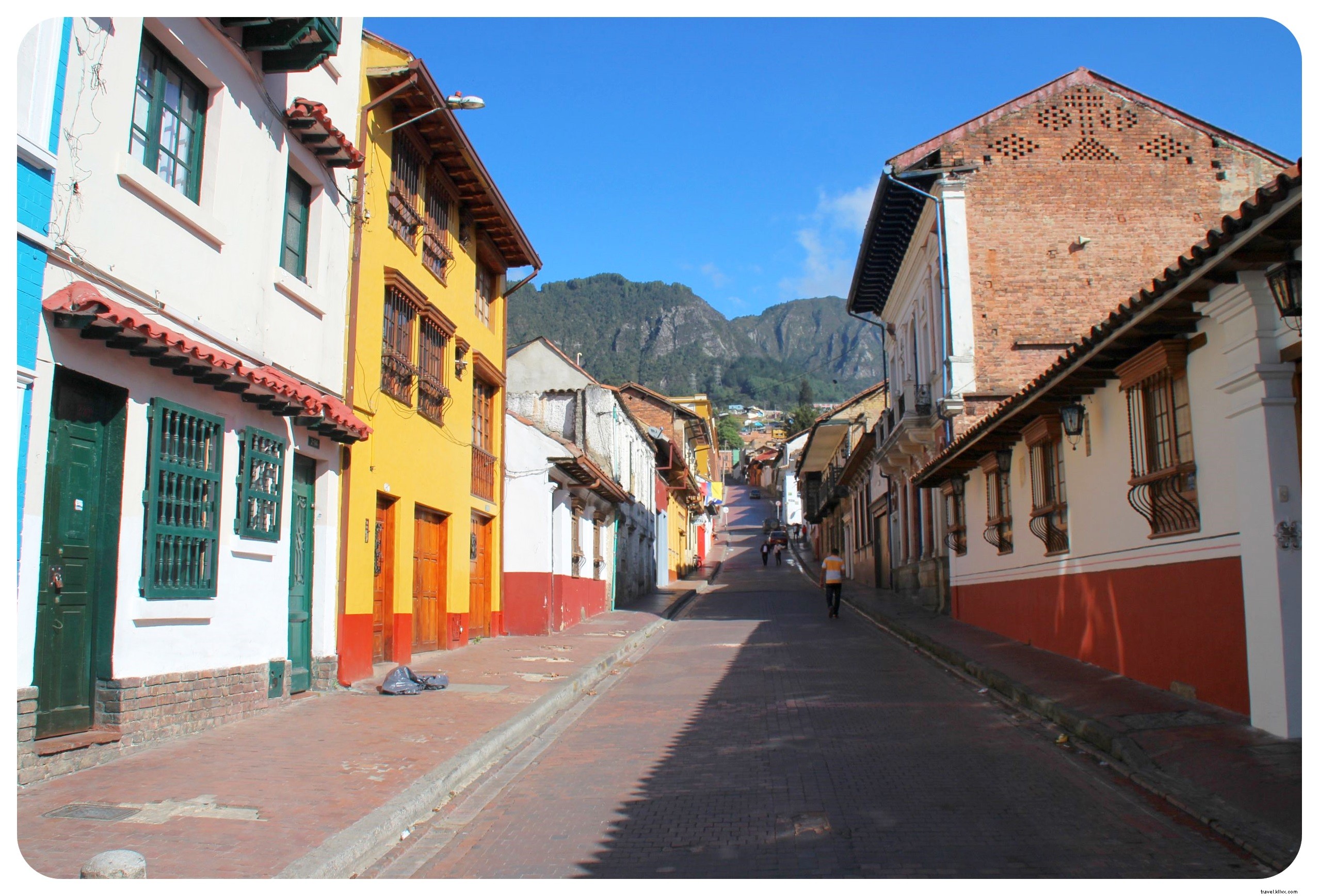
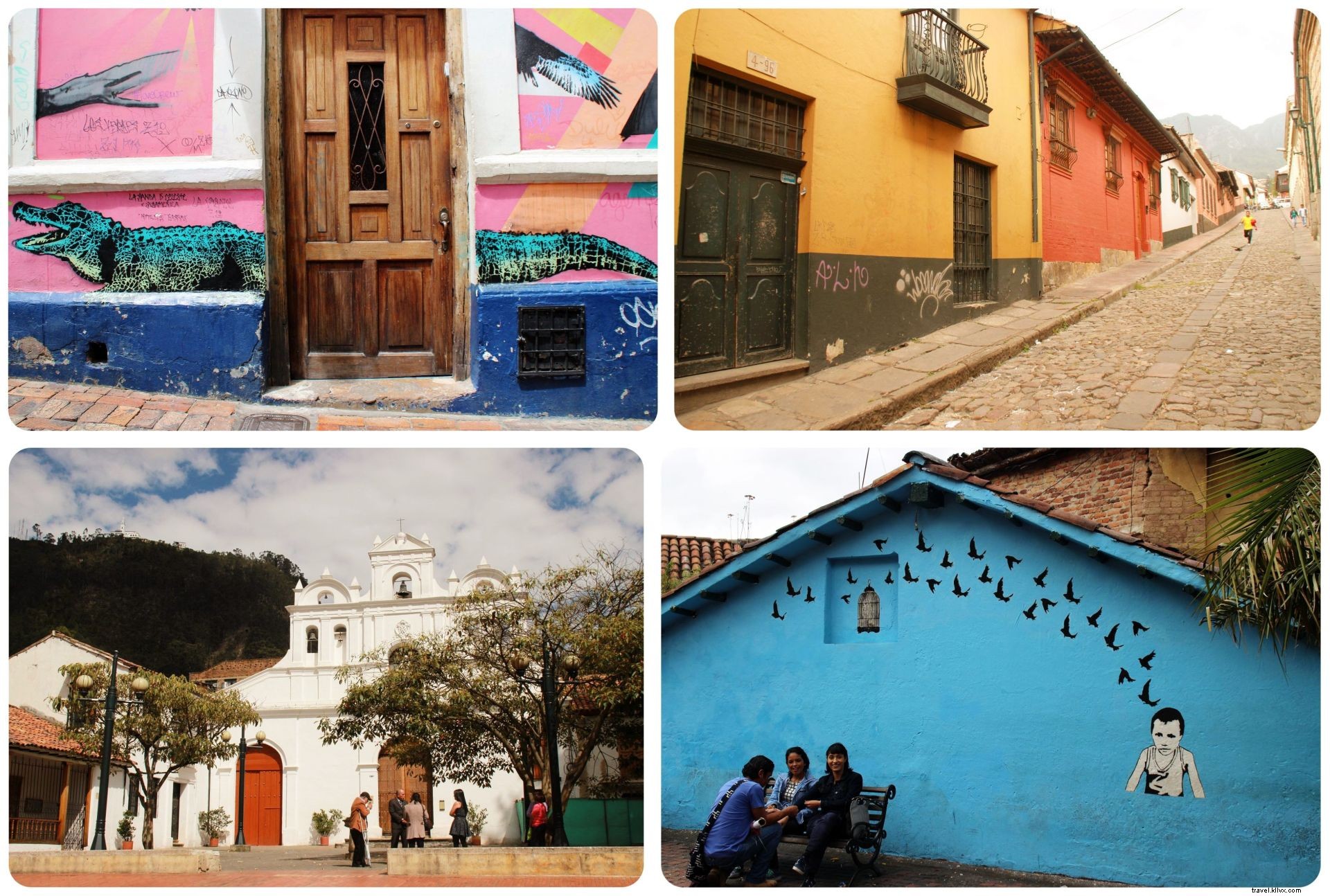 I joined two free walking tours. Beyond Colombia’s tour demystified La Candelaria, sharing insights on life, food, coffee, and Colombia’s history—perfect for short visits.
 We sampled premium Colombian coffee, learning how locals now cherish top beans once exported. At a chichería, we tried chicha, an indigenous fermented corn drink banned in 1948 but revived in the ’90s. Cheap and student-favorite, try it at La Portada del Chorro near Callejón del Embudo (Calles 13 & 14).
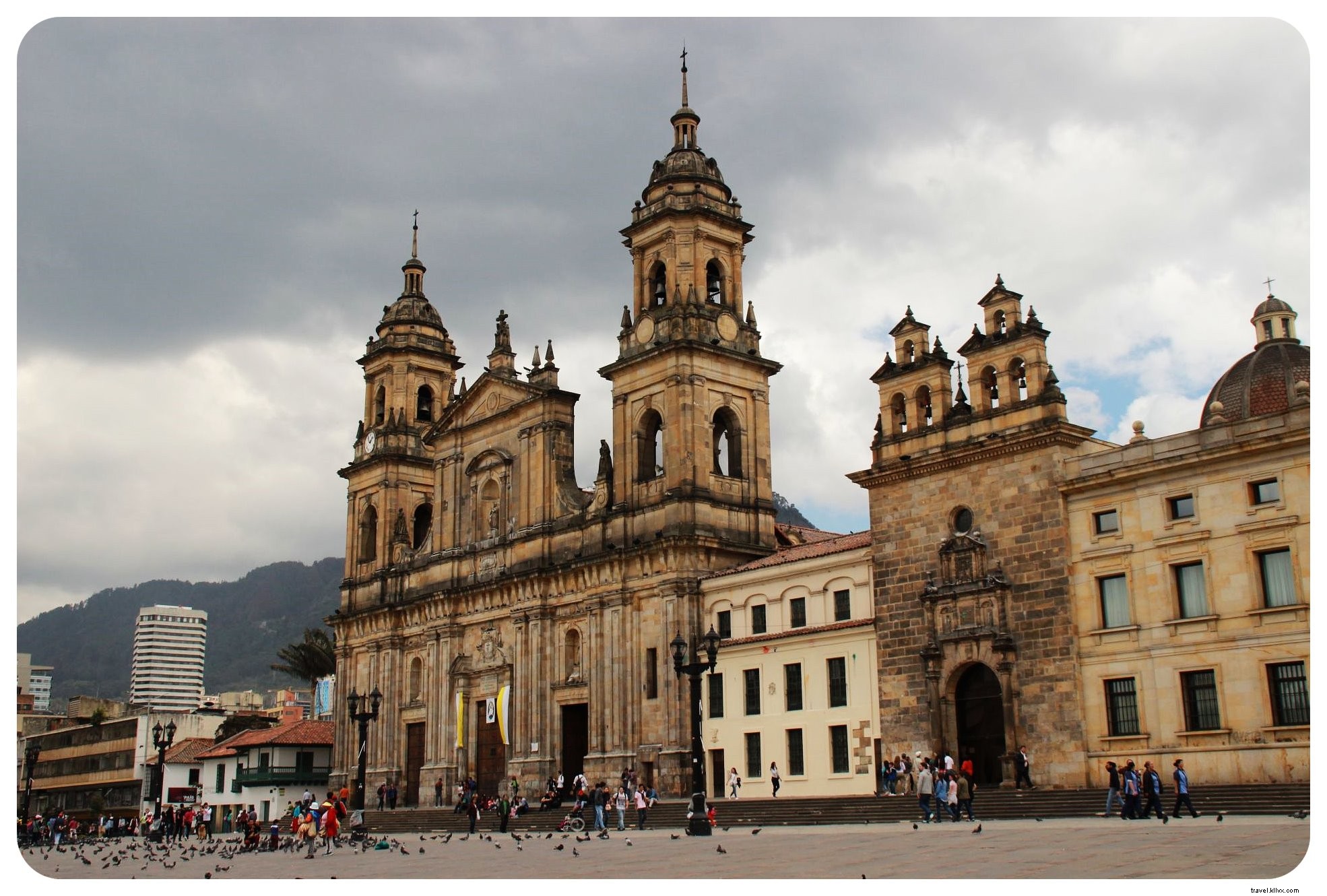
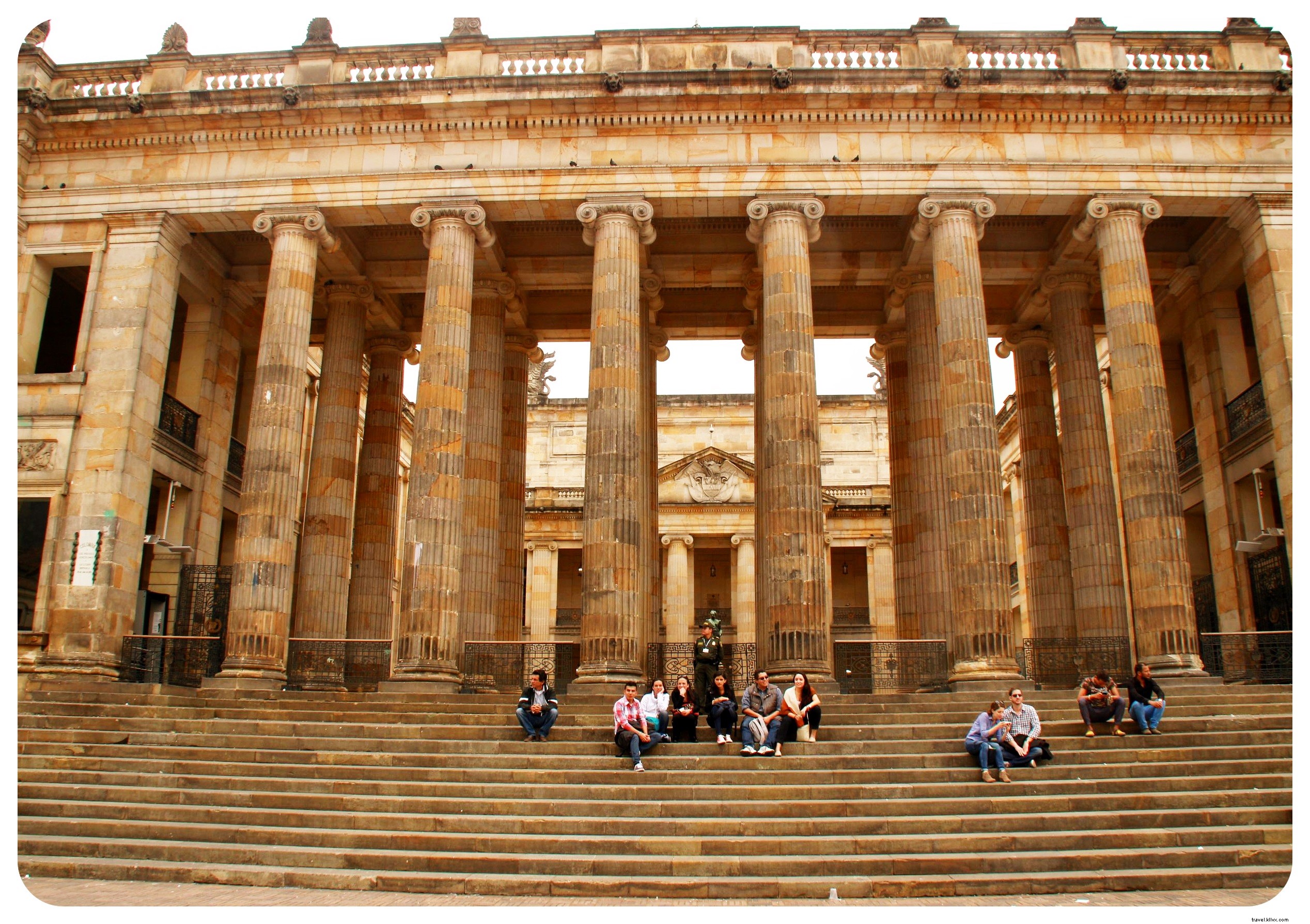
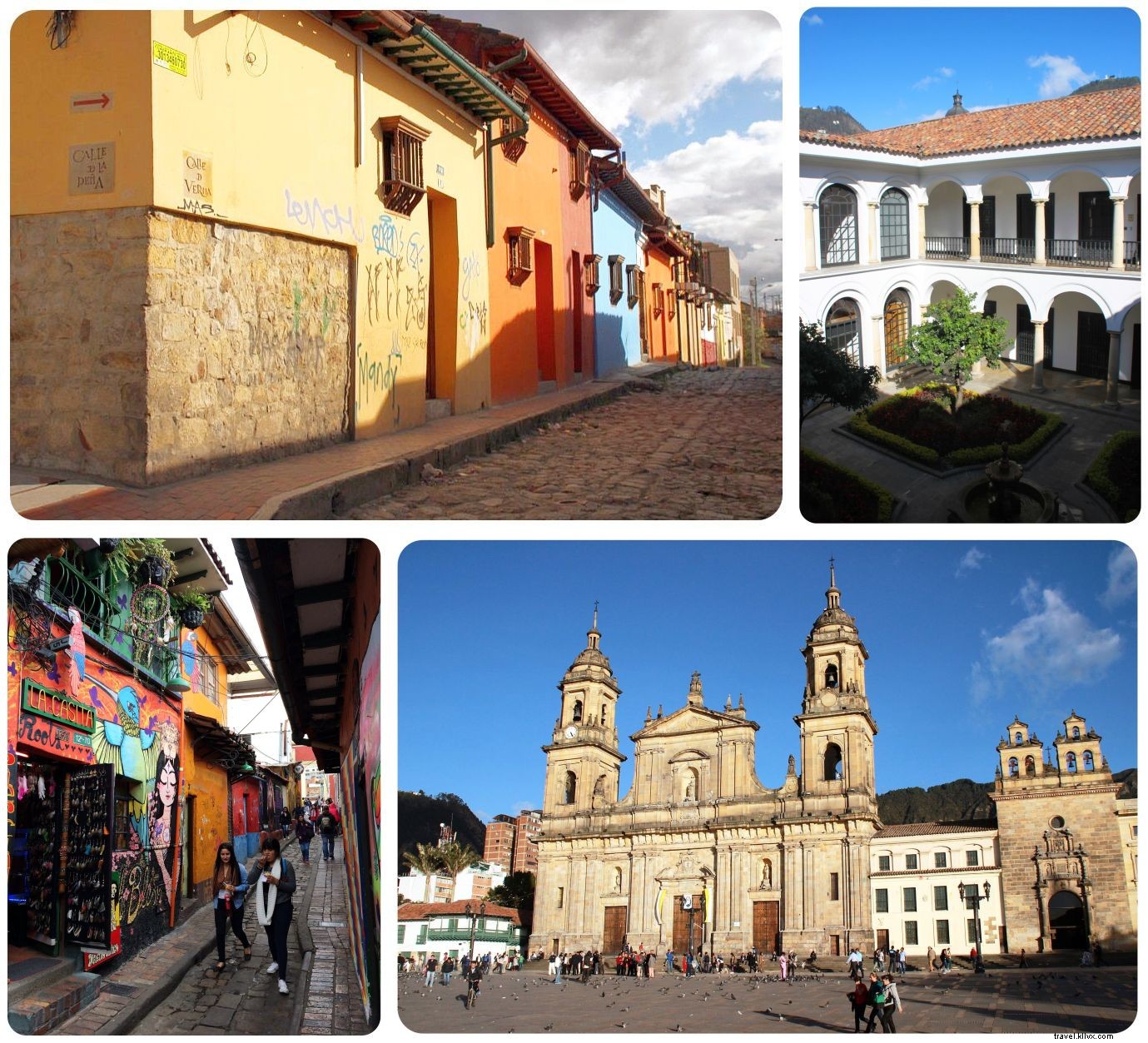 The tour covered Plaza de Bolívar’s cathedral and Palace of Justice, ending with tejo—a explosive bar game. Guides’ stories on politics, Escobar, and García Márquez stole the show.
 Don’t miss Museo de Oro or Fernando Botero Museum, featuring over 200 works by Colombia’s famed artist plus Picasso, Monet, and Dalí in a colonial gem.
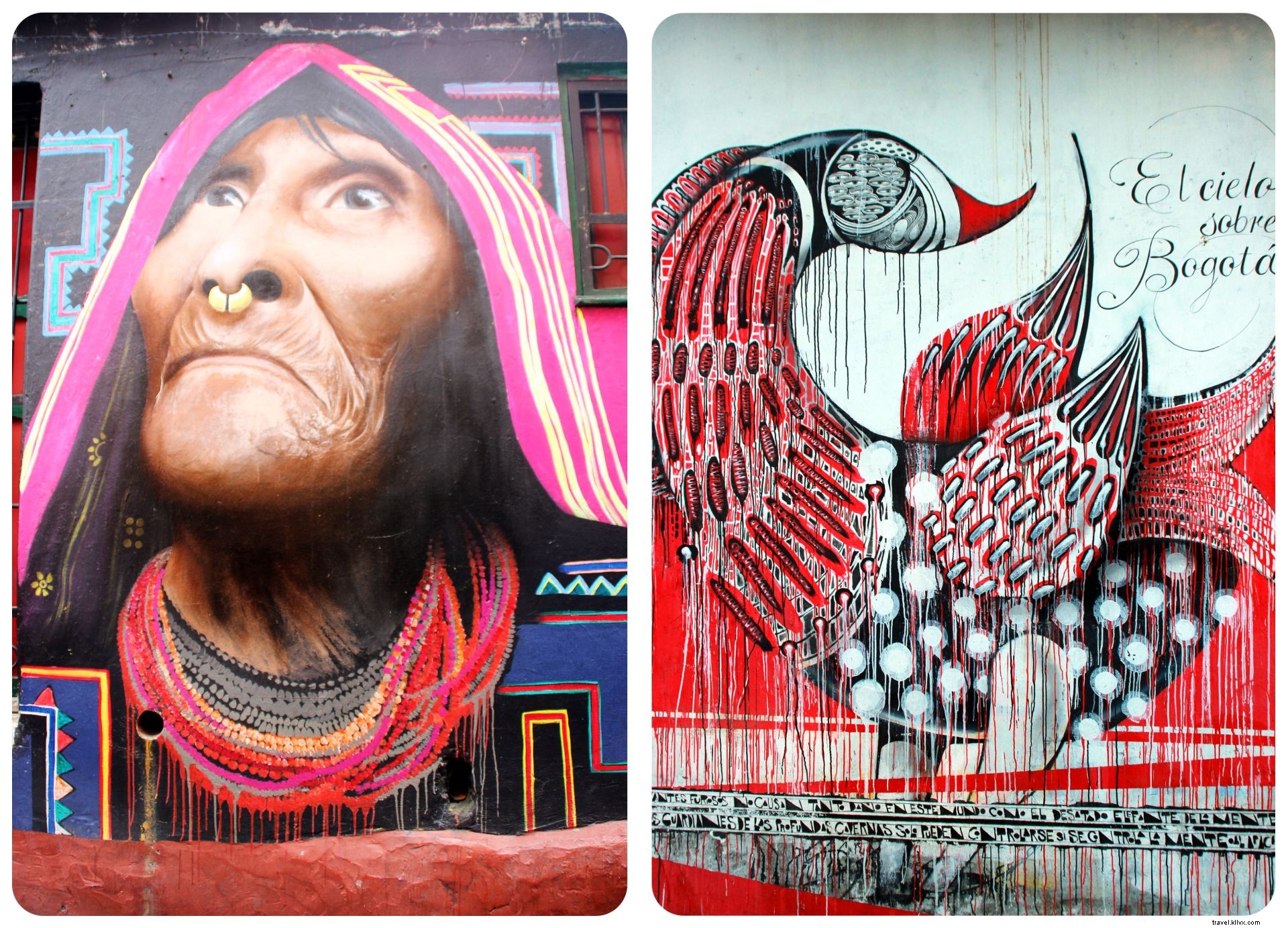
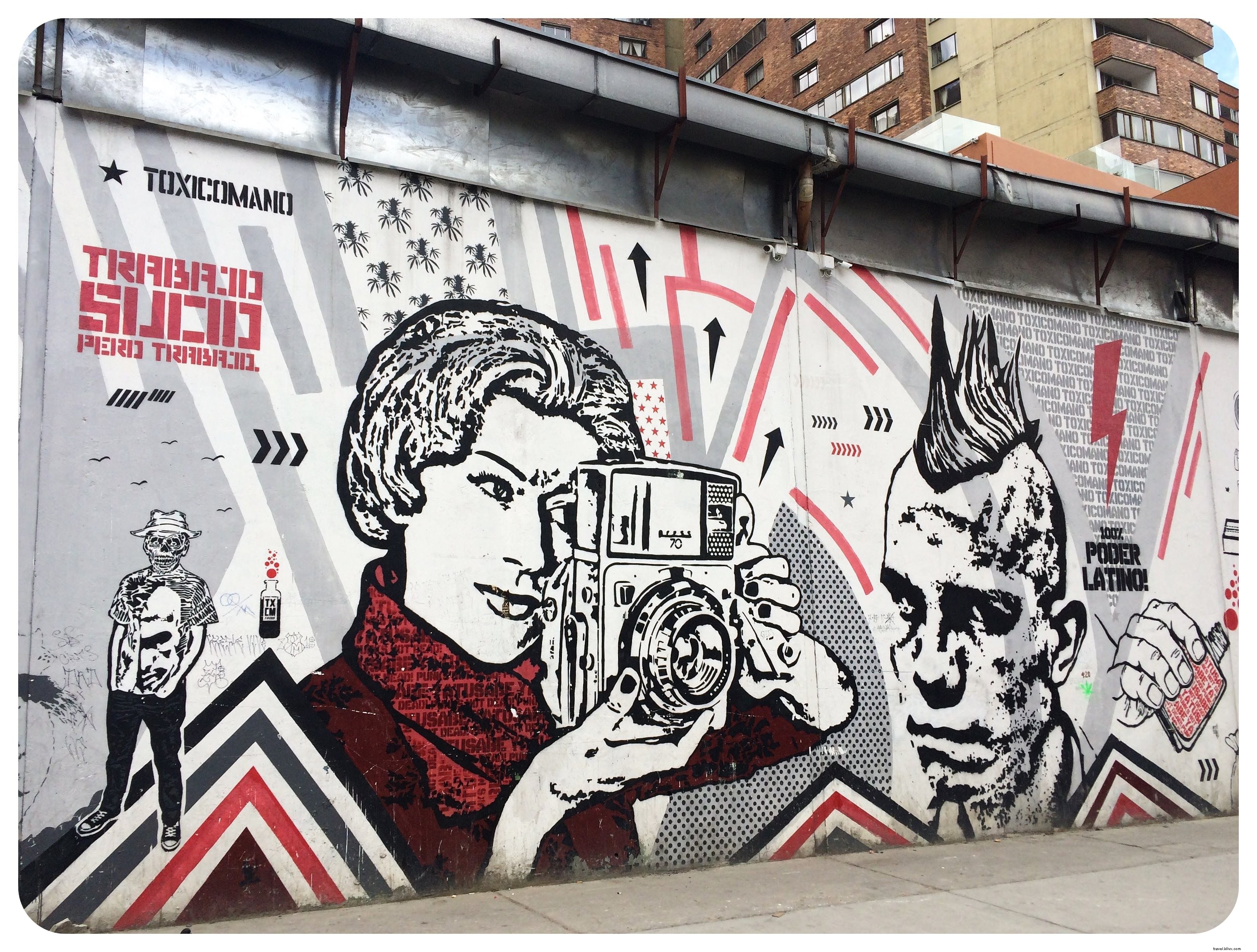
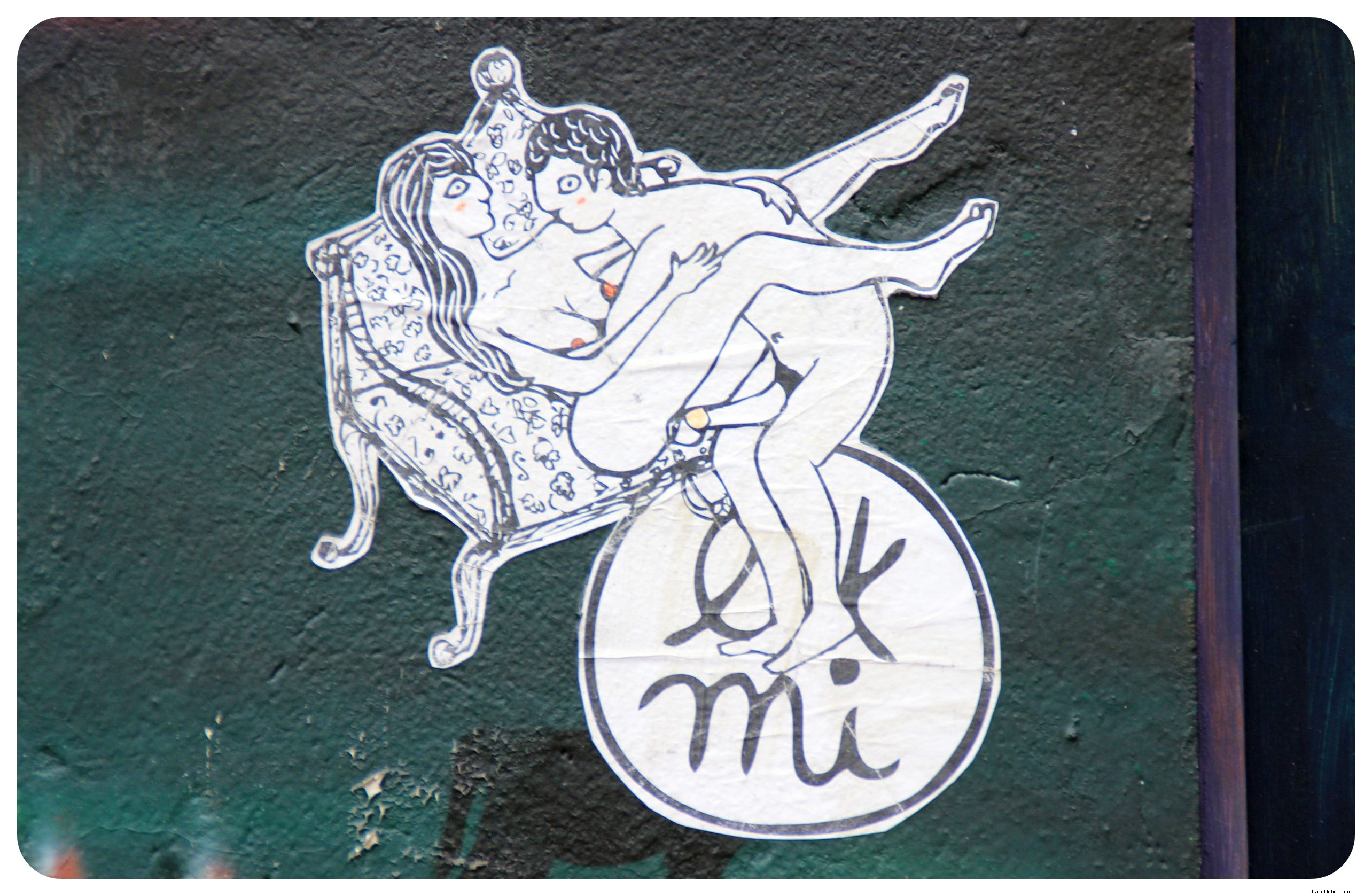
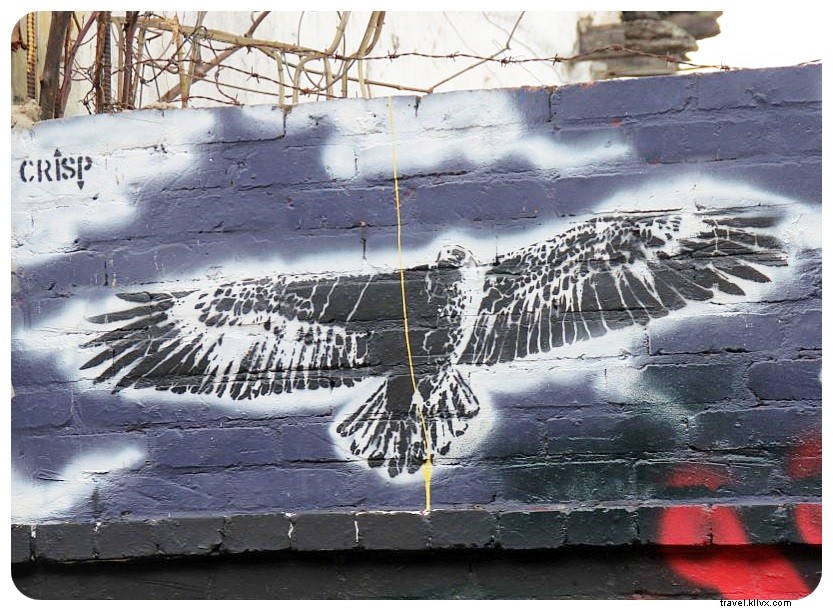
 The street art tour was phenomenal, detailing artists, politics, and murals since 2011 graffiti laws relaxed. Highlights: Bastardilla’s massive walls, Guache’s indigenous themes, Stinkfish, Toxicomano’s punk critiques, Lik Mi’s edgy stickers, and Aussie Crisp’s stencils.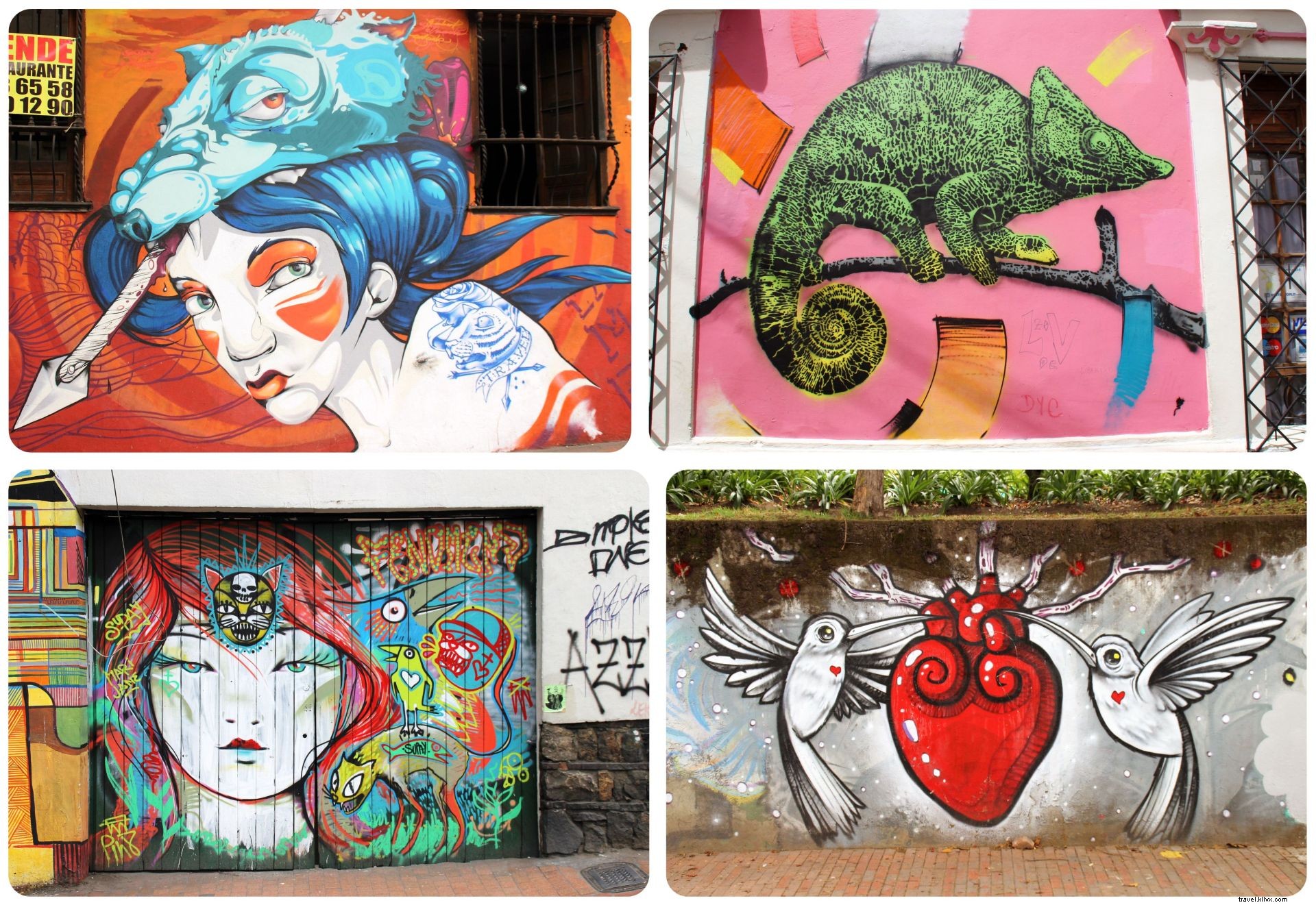
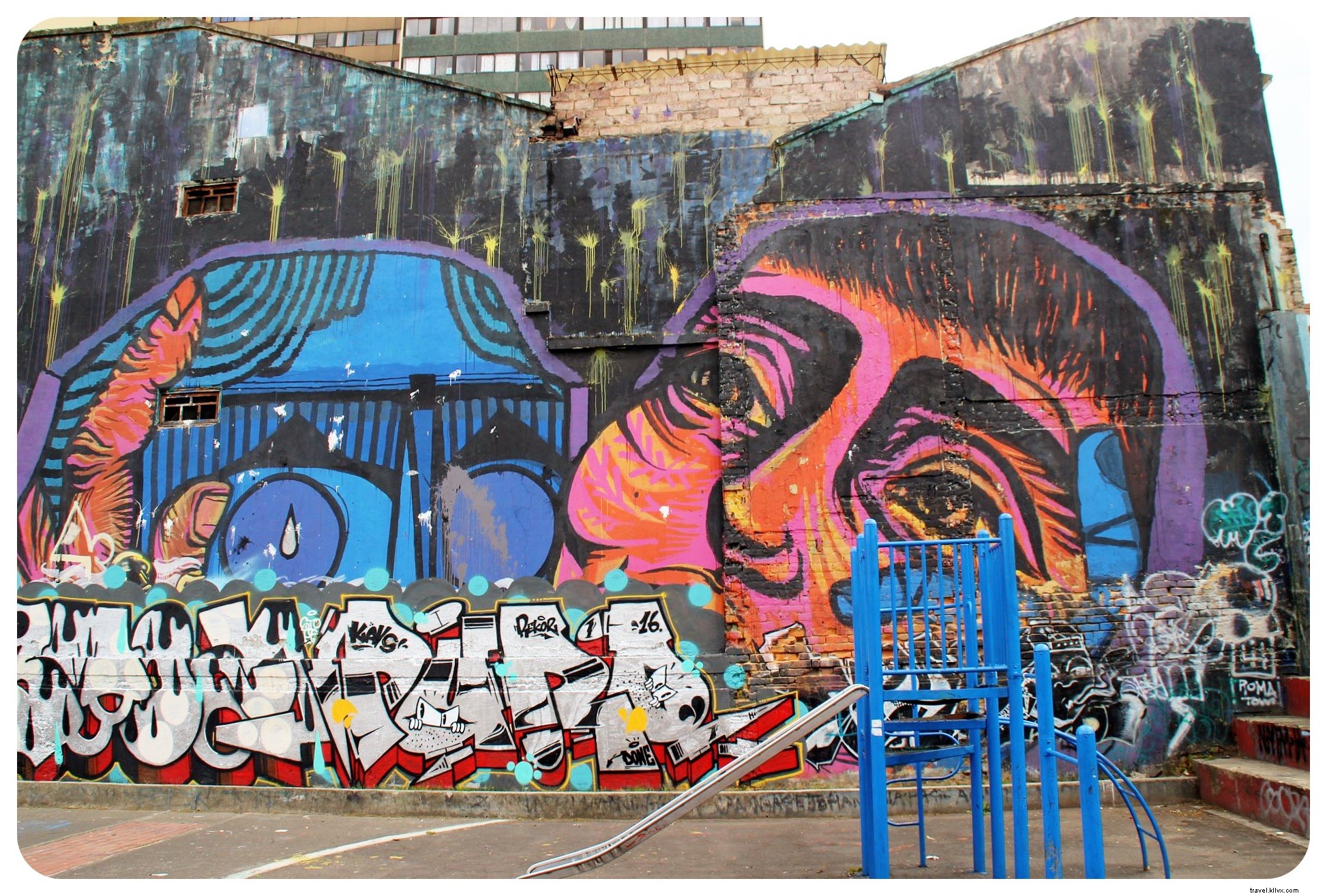
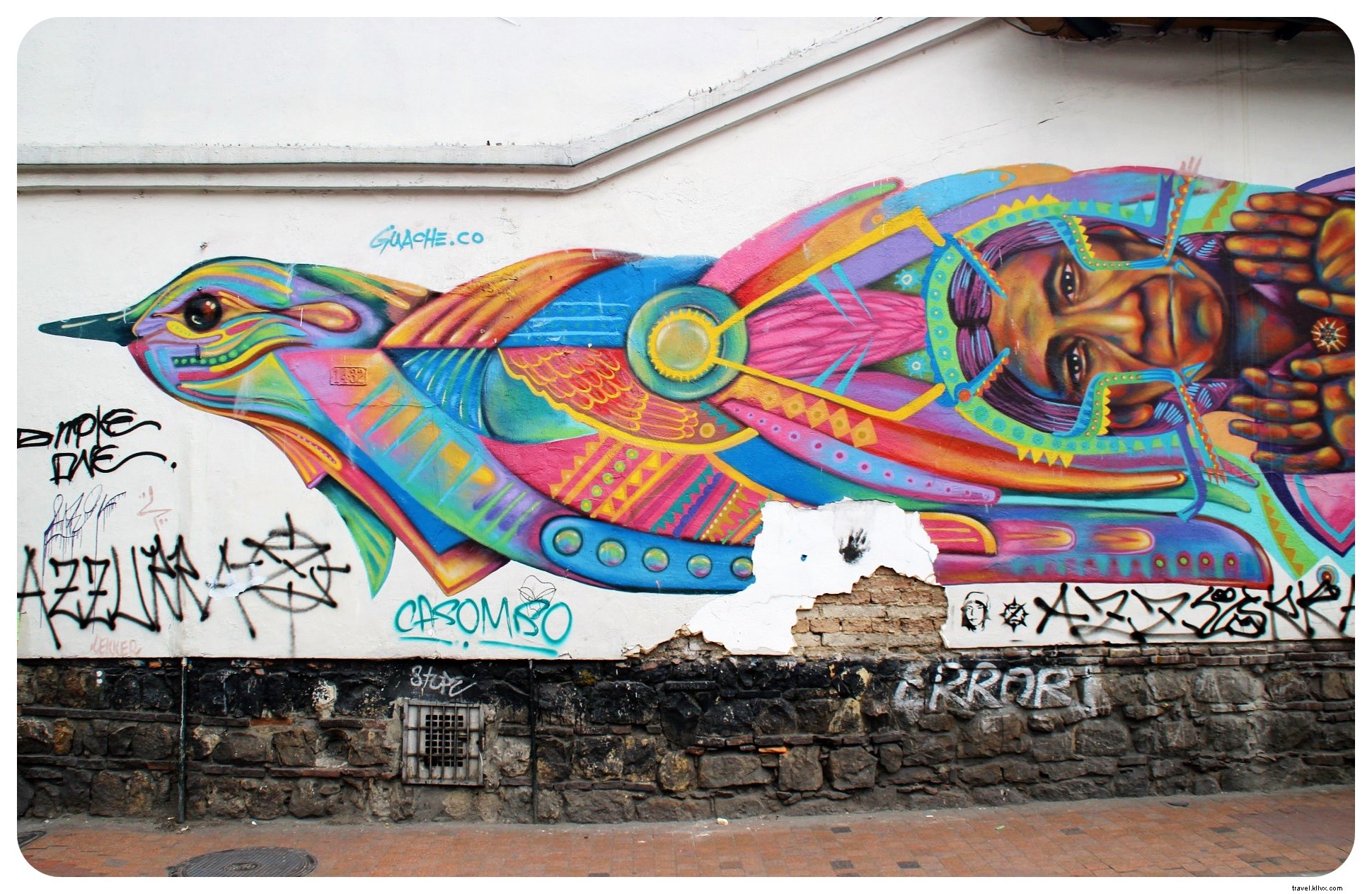
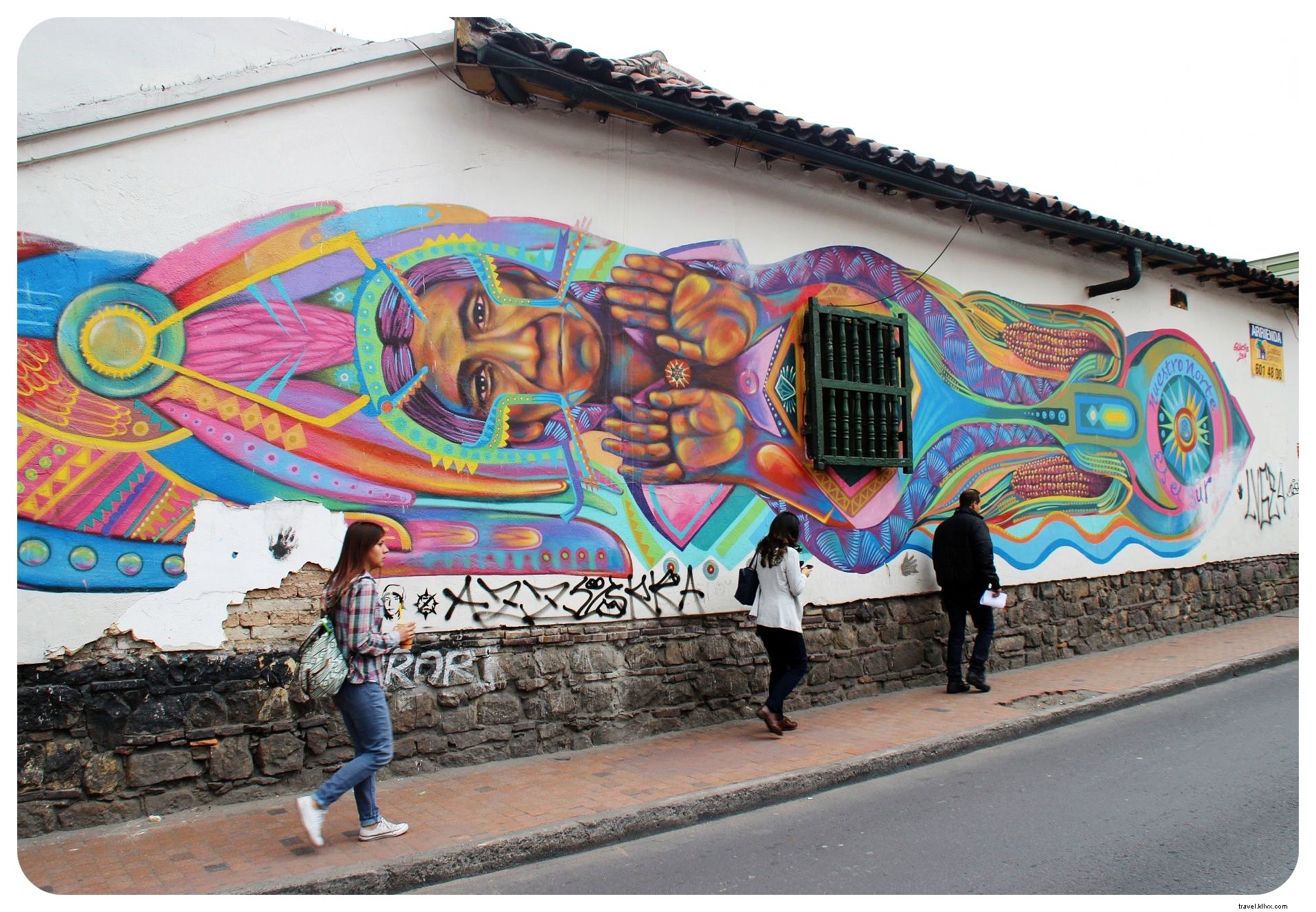
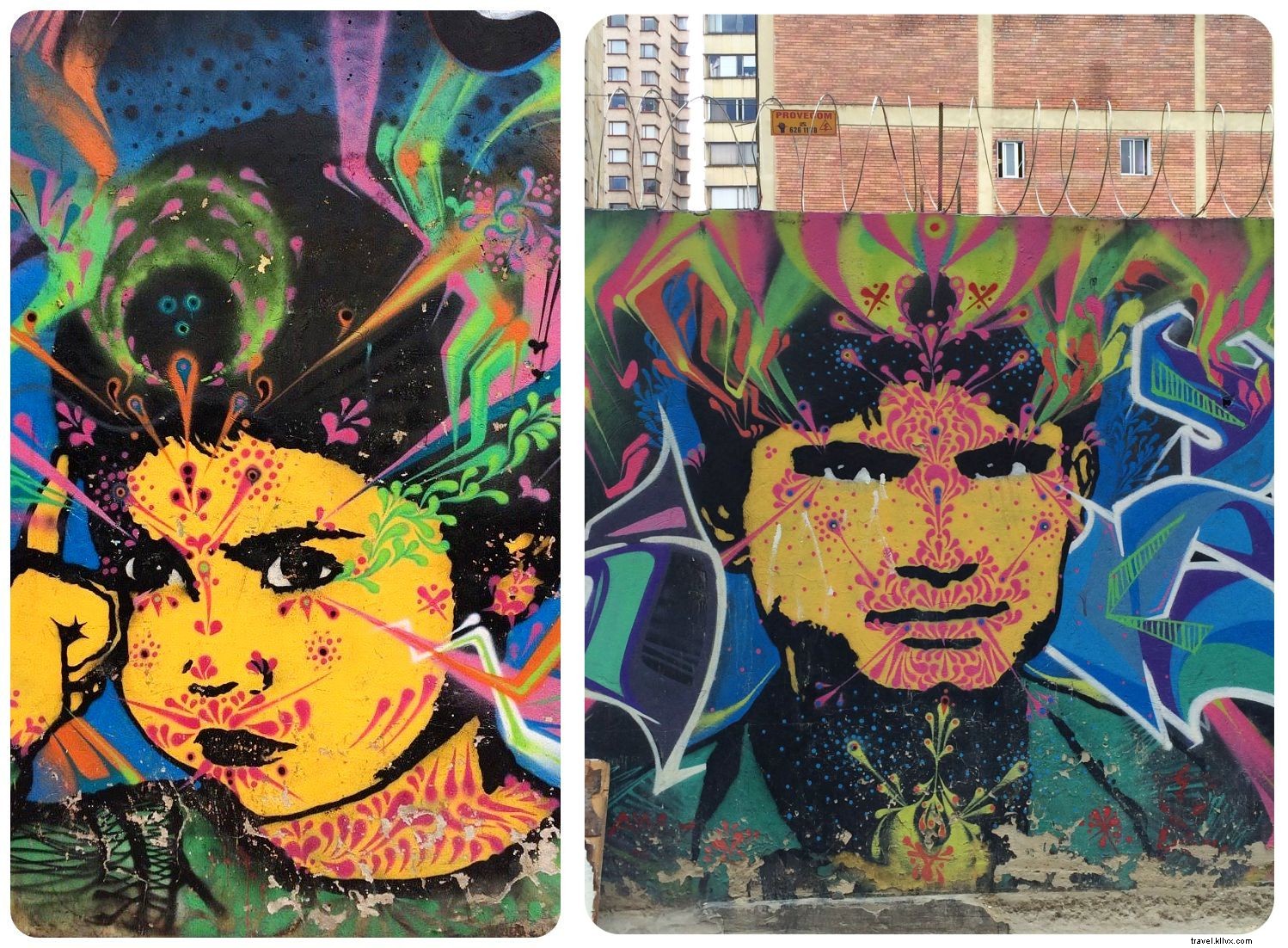
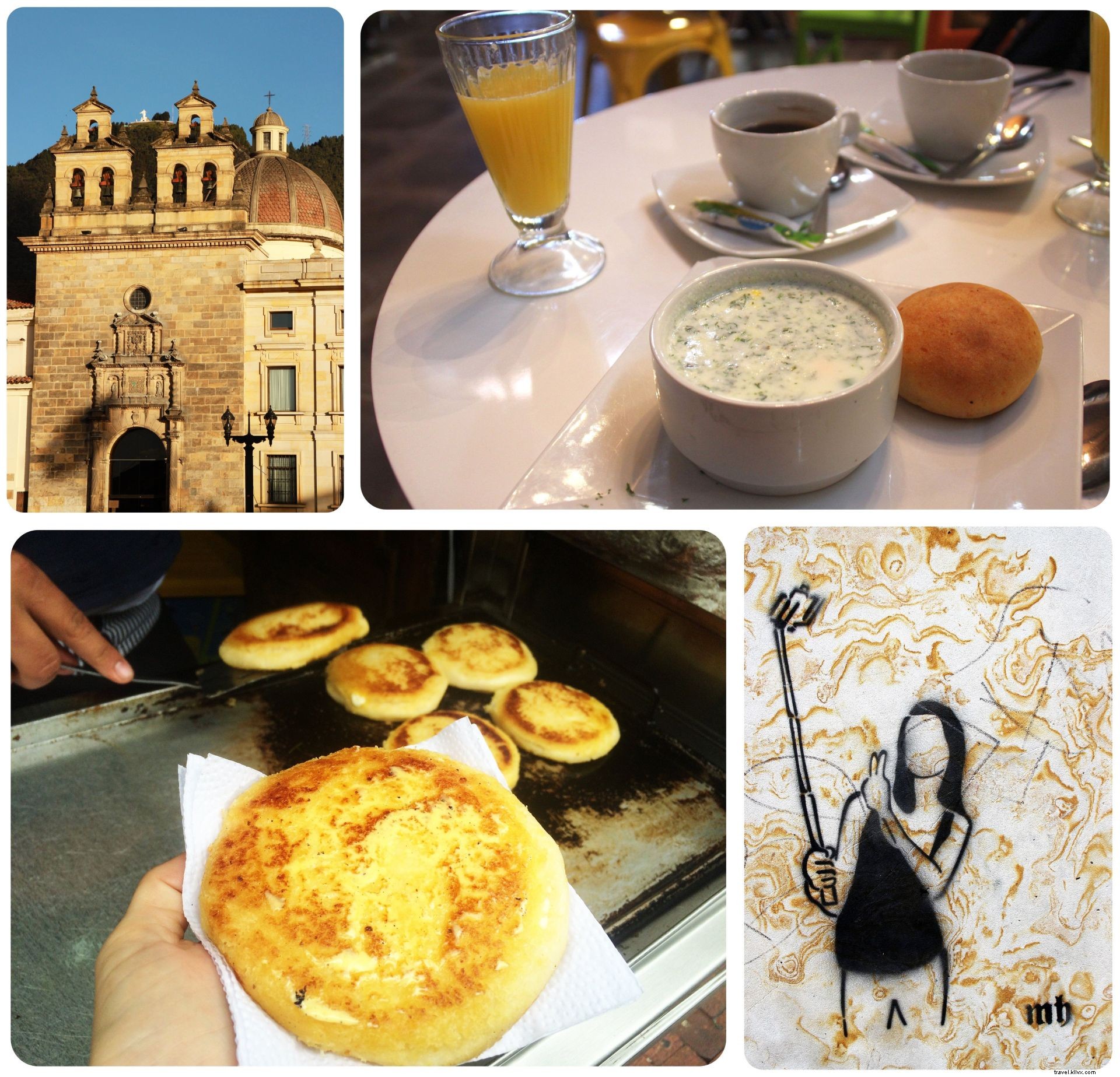
 Days blended museums, veggie eats, co-working cafés, and local flavors like cheese hot chocolate, changua soup, and arepas.
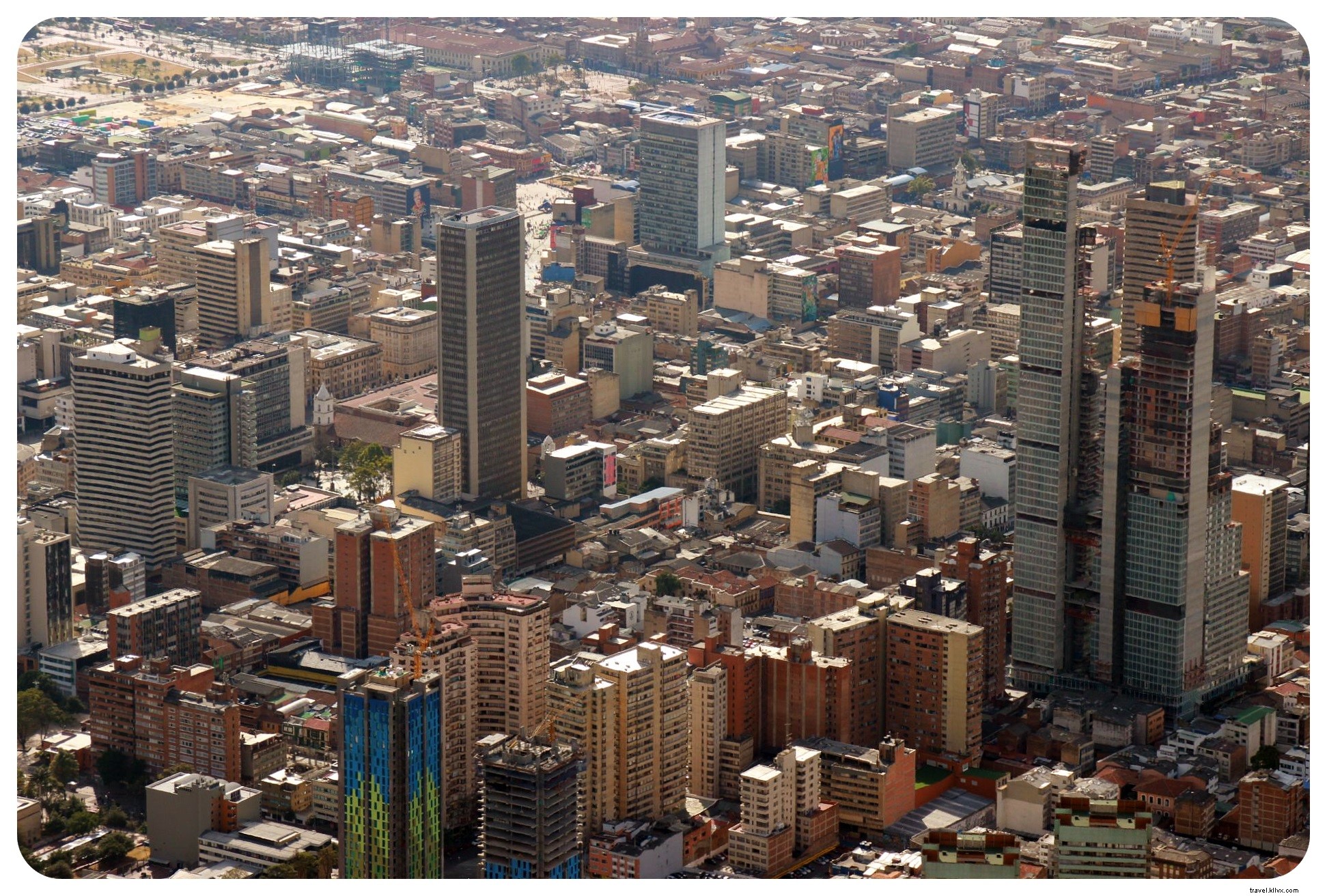
 Monserrate summit (10,407 ft/3,172 m) offers epic views. Trail closed for safety, so I took the cable car (COP 14,000/US$4.70 round-trip). Clear days reveal Bogotá’s 8 million sprawl.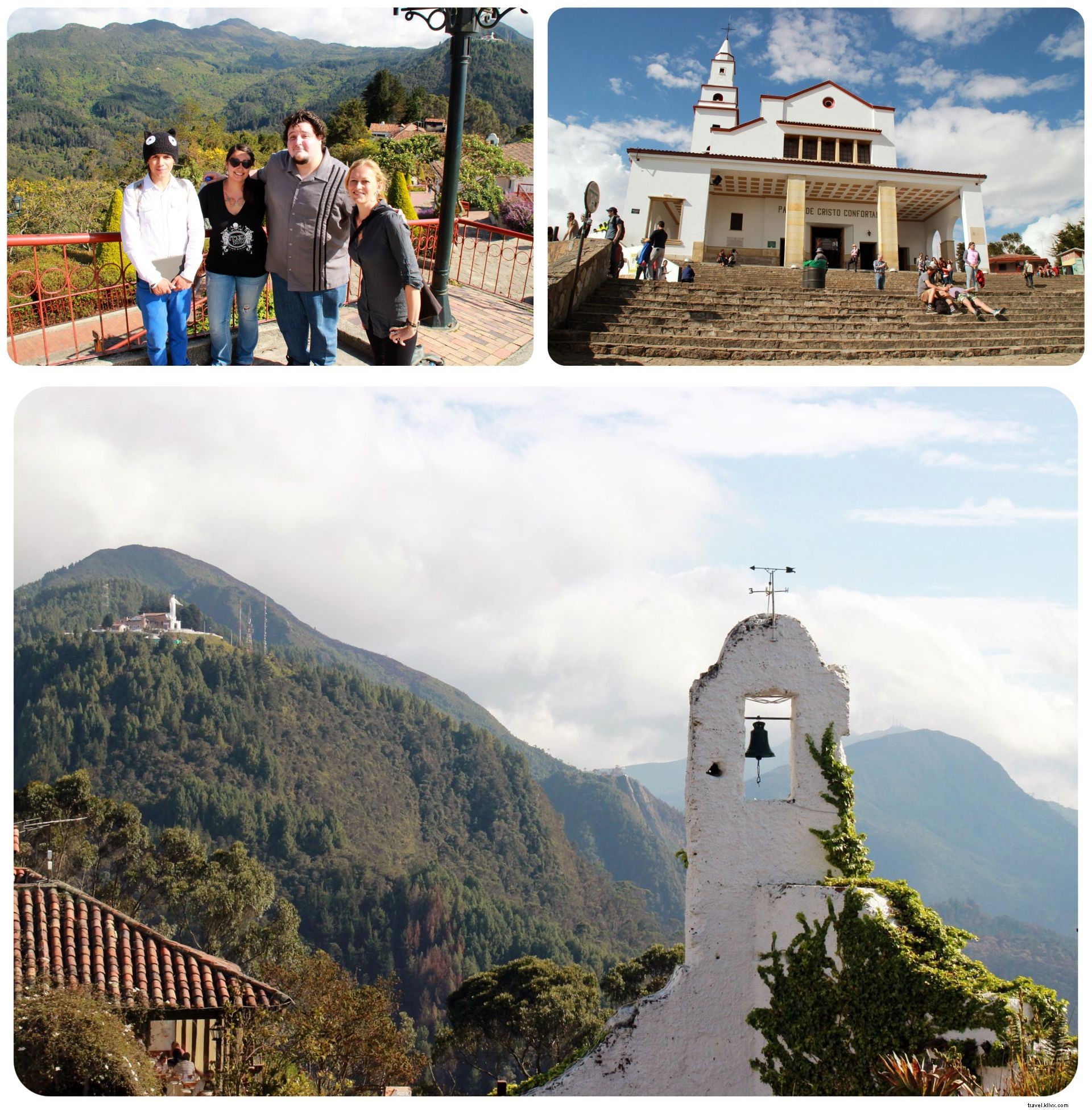
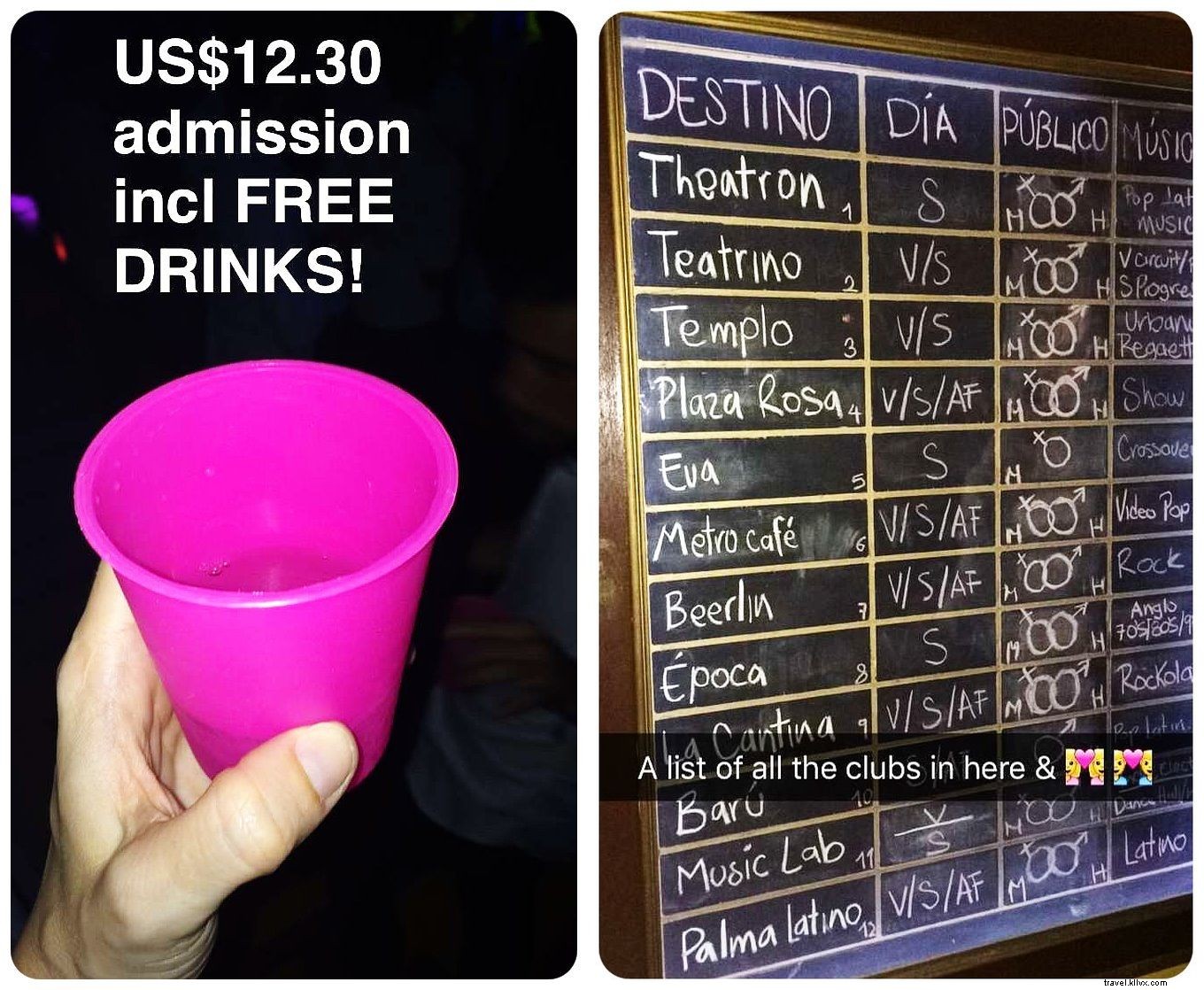
 Chapinero’s nightlife peaked at El Theatron: 8,000 capacity over 5 floors/13 rooms. Entry COP 40,000 (~US$13.50) included open bar till 2 a.m.!
 Bogotá deserves more than a rush—stay vigilant, limit valuables. My two weeks proved it’s rewarding.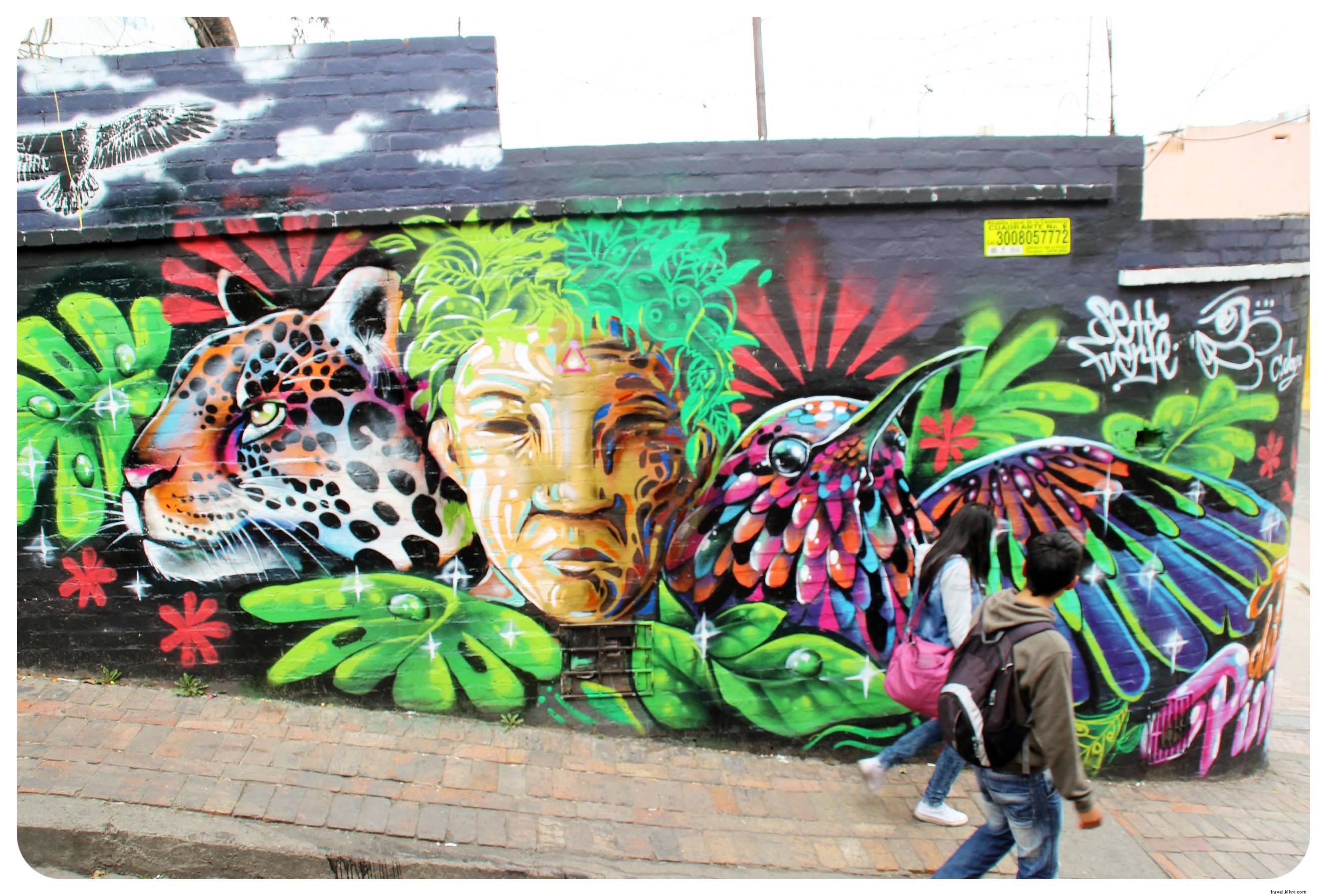
Practical Information
Where to Stay
Masaya Hostel in La Candelaria: Top facilities, prime location. Doubles from COP 90,000/US$30; dorms COP 40,000/US$13.50.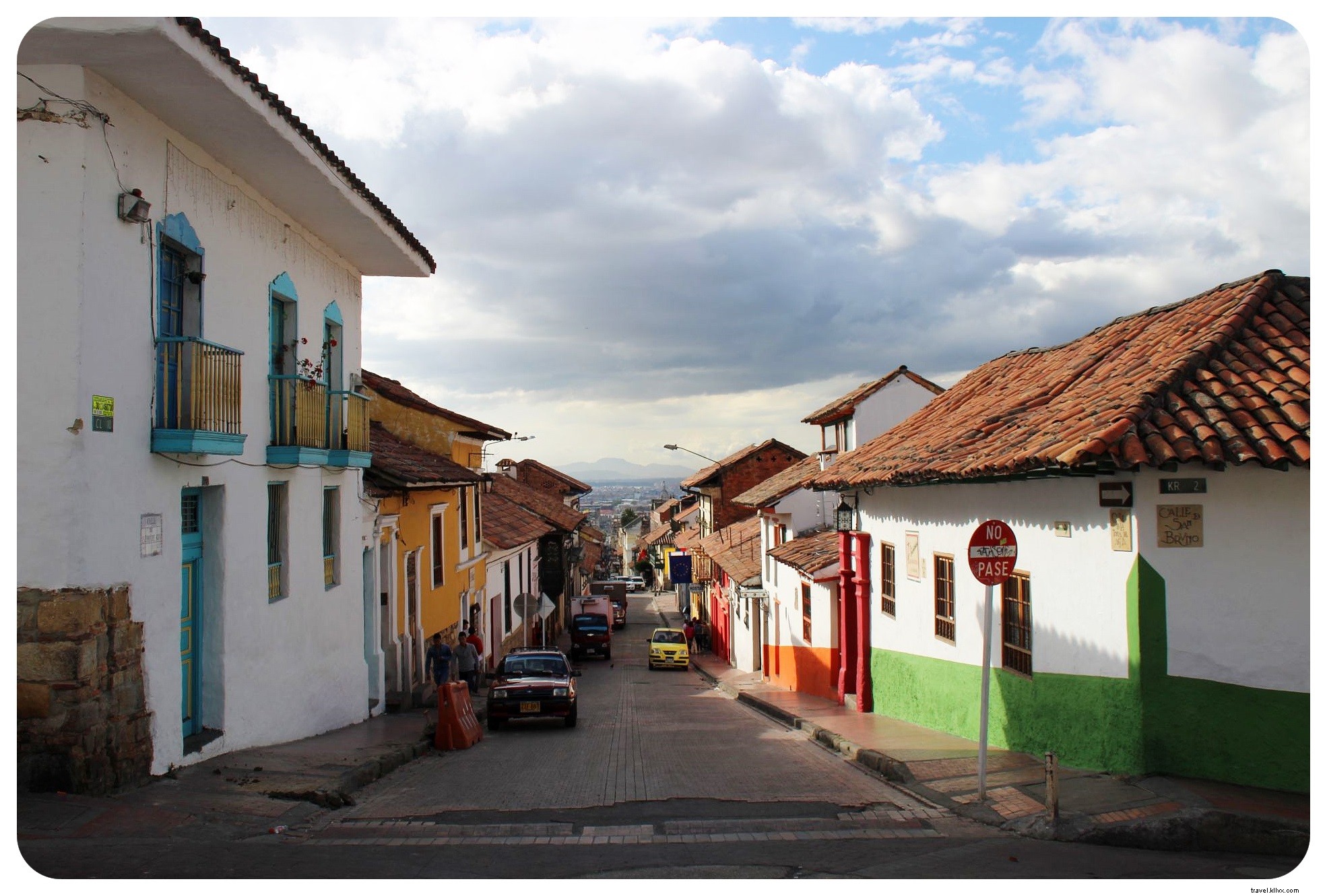
Getting Around
Solid transit, but taxis via EasyTaxi app are cheap and easy. Uber’s 25% pricier. Avoid hailing; apps prioritize with tips.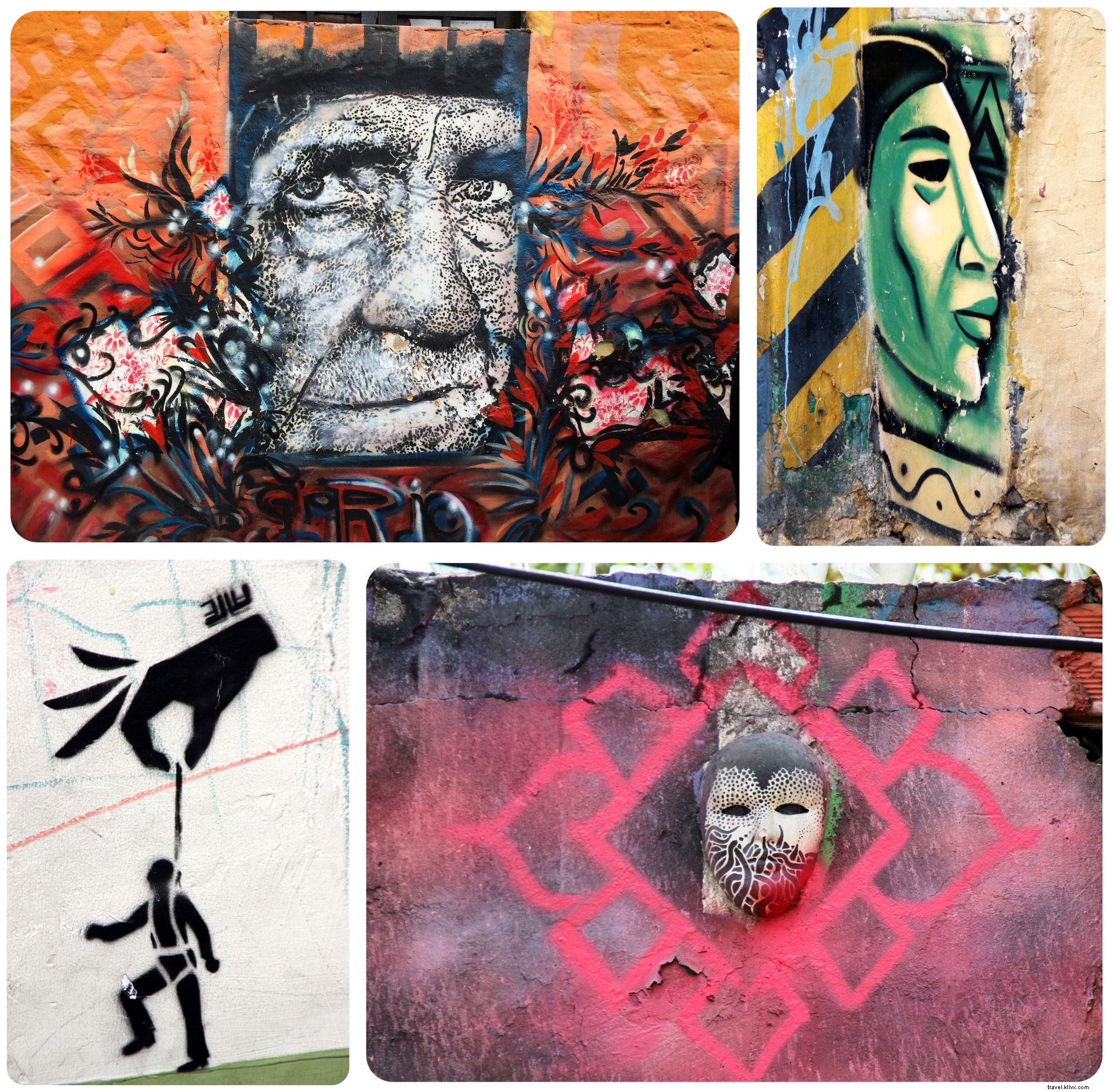
Visited Bogotá? Share your thoughts below!