Unveiling Singapore's Seedy Past: Secrets of Chinatown on an Immersive Walking Tour
As highlighted in our previous Singapore post, this Southeast Asian city-state held many mysteries. For every discovery during our city explorations, new questions arose. To gain deeper insights, we joined a professional guided tour. Top-rated #1 on TripAdvisor, The Original Singapore Walks, we chose their Secrets of the Red Lantern Chinatown walk.
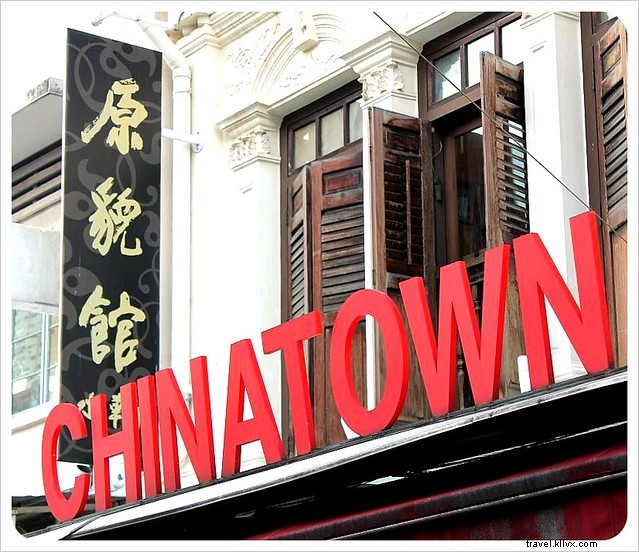 This was unequivocally the most captivating walking tour we've experienced—saucy, gritty, and utterly fascinating.
Crowded Living: Bathroom Buckets and Sardine-Packed Apartments
Centered in Chinatown, the tour explored history through the eyes of Chinese immigrants who arrived after British trader Sir Stamford Raffles established Singapore as a trading post for the East India Company in 1819. These 19th-century arrivals often survived grueling sea voyages, arriving penniless, starving, and bereaved. Initial aid from compatriots trapped many in inescapable debt servitude, akin to U.S. sharecropping.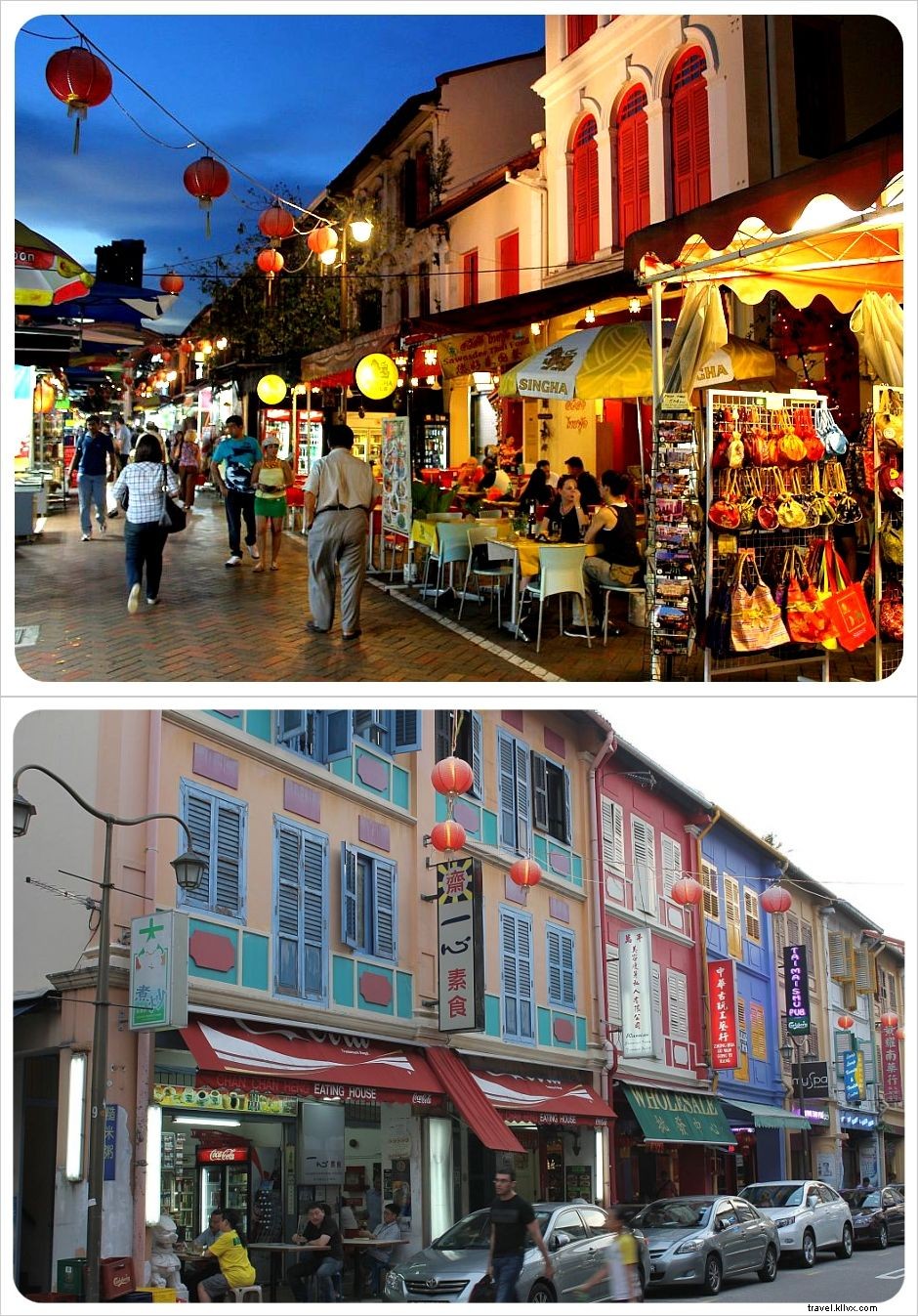 Guide Janet detailed the shophouses: ground-floor factories or shops, with 20-30 people crammed into upstairs one-room apartments. Some slept on wooden planks or the floor, often alternating shifts.
Near the tour's start, she led us to a pristine back alley to reveal small rear doors in shophouses. Here, odorous buckets collected human waste daily by collection trucks. Her vivid storytelling conjured the stench of those overcrowded, appalling conditions.
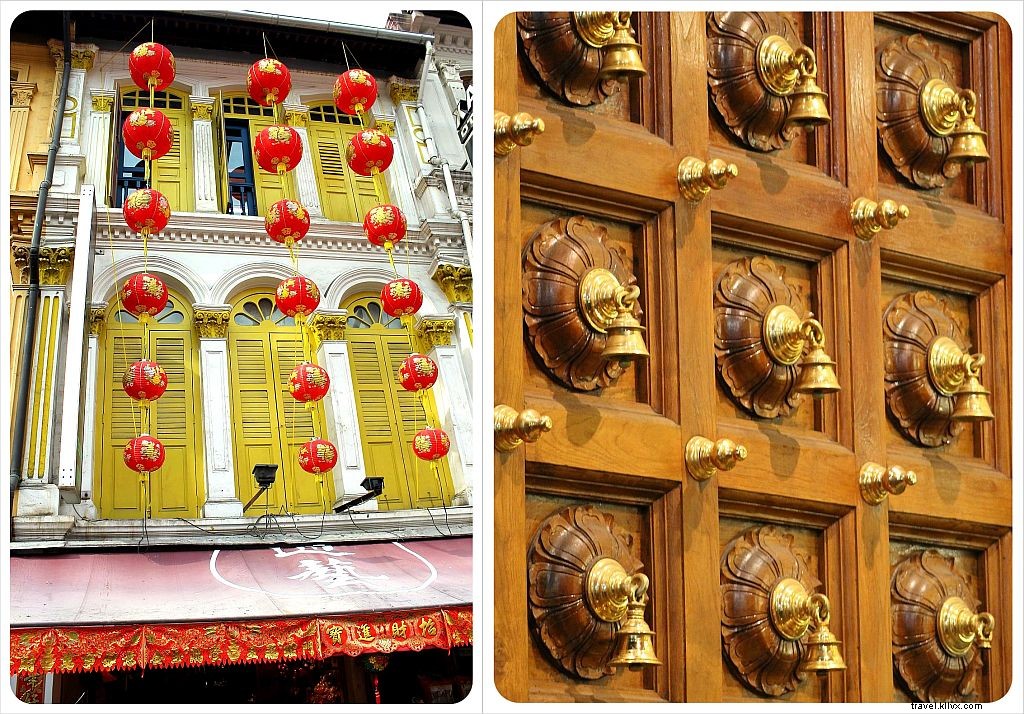
Escaping Toil: Brothels and Opium Dens
Working conditions matched the squalor, with relief sought in brothels and opium dens. Opium offered fleeting pain relief through smoking. Chinatown buzzed as the brothel hub; Janet taught us to spot 'higher-class' venues and distinctions between Chinese (serving locals) and Japanese (Europeans) establishments.
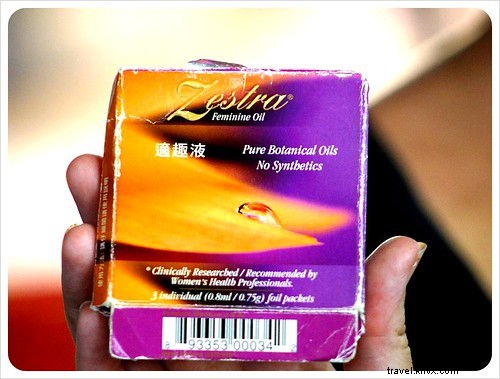
Though gentrified and legal prostitution diminished, she discreetly guided us past a remaining legal brothel. Peering through its clinical back-street entrance contrasted sharply with her tales of its roaring past. She displayed historical 'materials' (see images).
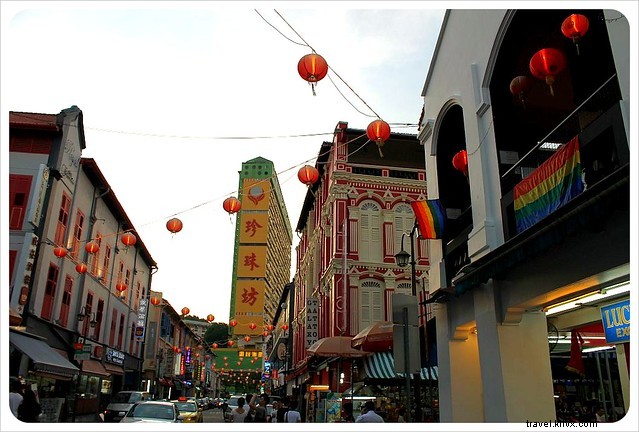
 Chinatown's sexual history fostered Singapore's gay community hub—a nuanced topic. Male homosexuality remains illegal and stigmatized, yet the city hosted a major global gay festival until recently. Janet's candid, in-depth insights rivaled specialized LGBT tours, including a stop under a rainbow flag at a popular gay bar. The diverse group appreciated this inclusive coverage.
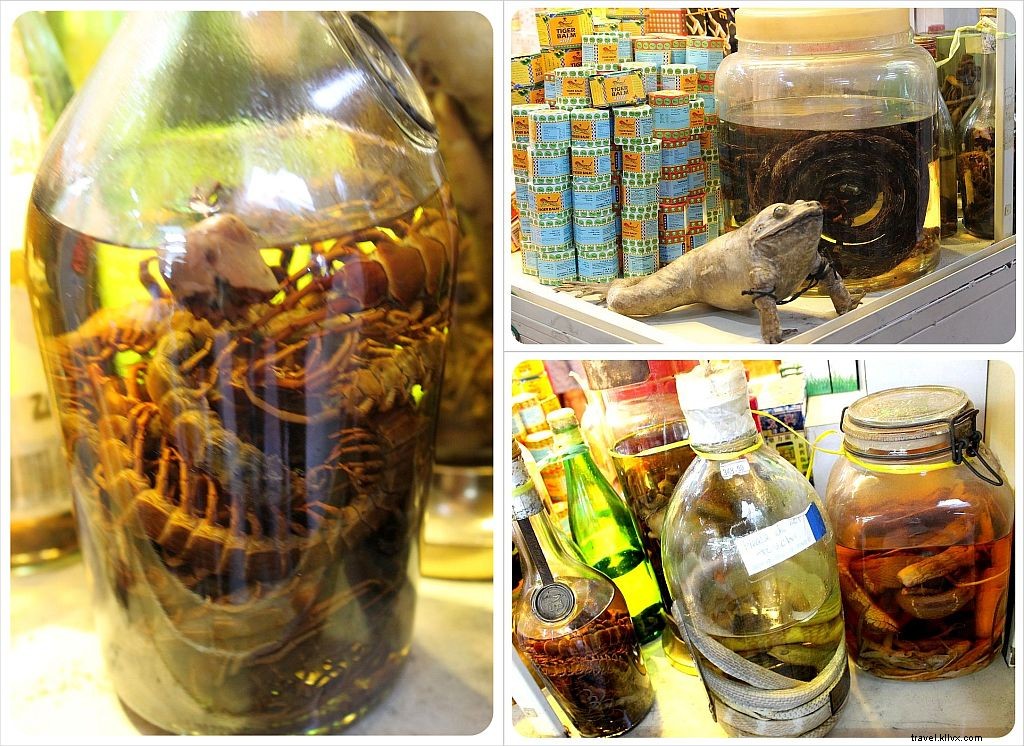
 Janet's community ties shone: at a Chinese medicine shop, we met the owner claiming to supply President Bill Clinton with a potent elixir (snakes and bugs in liquid for vitality).
She recommended stellar vegetarian Chinese cuisine, which we savored. Though brothel entry failed despite outreach efforts by Singapore Walks, their initiative impressed.
 Janet ended with a gem: Singapore was once jokingly 'Singalore'—Sin Galore—swapping 'p' for 'l' to capture its late 19th- and early 20th-century vice.
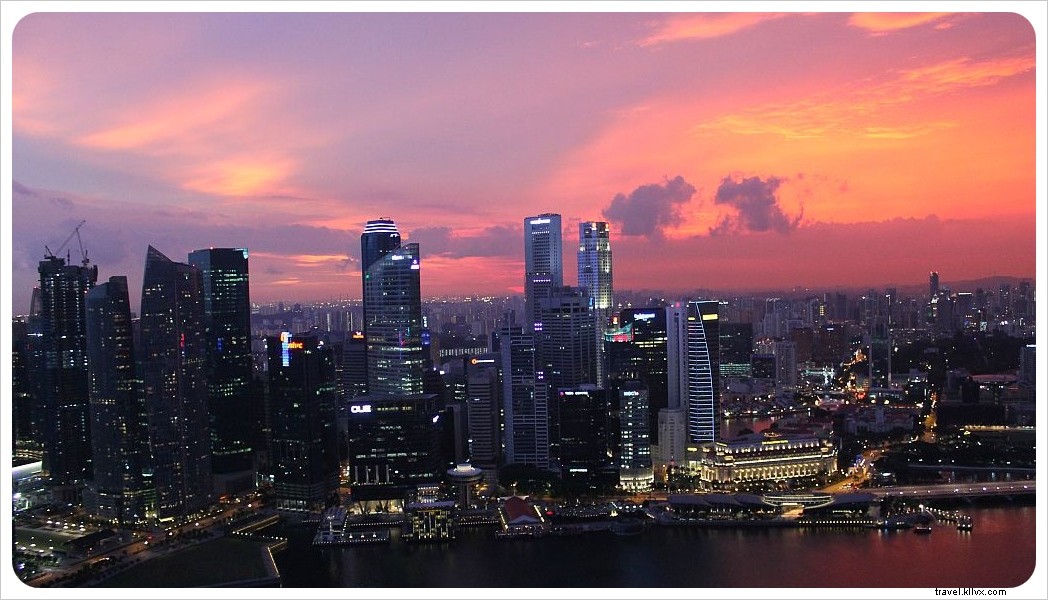
From atop Marina Bay Sands in 2012, we'd never guessed this underbelly. Uncovering it was pure thrill.