Discover the Royal Mausoleum of Mauretania: Algeria's Ancient Treasure
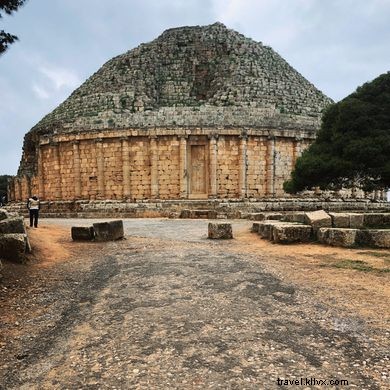
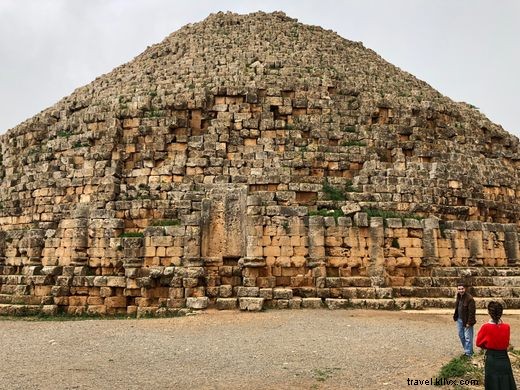
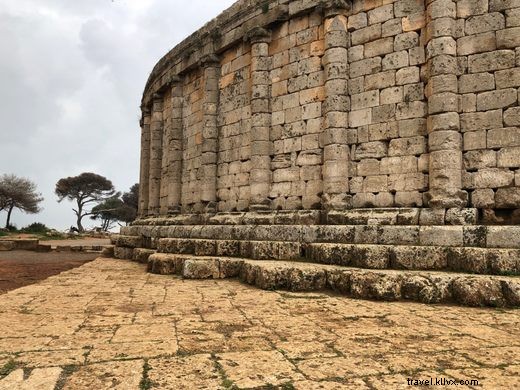
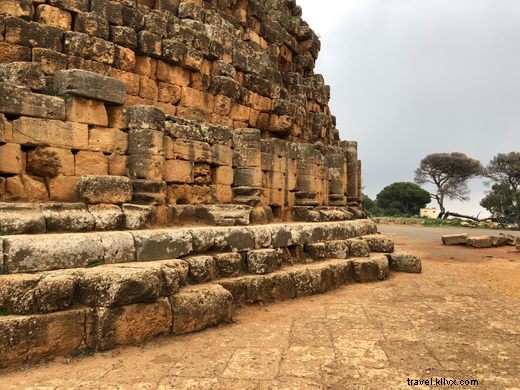
While it’s one of the least visited countries in the world, Algeria boasts some of the most well-preserved and diverse Roman ruins outside of Italy. Among its largest relics is the marvelously imposing tomb of the only daughter of one of history’s most famous leaders.
While Cleopatra has become a staple of modern culture, her daughter Princess Cleopatra Selene II is much less well known. Born in Egypt around 40 BC, Cleopatra Selene was brought to Rome after her parents committed suicide following her father Mark Antony’s defeat in the Battle of Actium. Some 10 to 16 years later, she was married to Juba II, a Berber prince from modern-day Algeria.
The newlyweds were given orders to rule Mauretania, a previously unorganized and loosely governed Roman vassal state spreading from Algeria and Morocco, which they did quite successfully until Cleopatra Selene died sometime around 6 BC.
The mausoleum in which the princess was buried was commissioned by her husband and, given its size, seems to have been intended to house the remains of the entire royal family. When King Juba died in 23 AD, he was buried in the mausoleum with his wife.
Over the last two centuries, the mausoleum has been repeatedly ransacked and attacked by treasure seekers and military strongmen. Cleopatra and Juba’s human remains, in fact, were removed from the burial site long ago, most likely by looters. In 1555, an Ottoman admiral by the name of Salah Rais ordered the mausoleum destroyed. Upon entering the monument, however, Rais’ men were met with a massive swarm of black wasps, which promptly attacked and stung many of the would-be saboteurs. The attack was so fierce that several of the men actually died from their stings. Seeing this as a sign that the mausoleum shouldn’t be disturbed, the project was abandoned. Many years later, the occupying French Navy used the site for target practice, resulting in some minor damage to the structure.
In 1866, Emperor Napoleon III visited the mausoleum. Thoroughly impressed with the structure, he righted the French Navy’s wrongs and demanded that the building be preserved and protected, allowing modern visitors a chance to wonder at the ruin and remember the life of a princess that may have otherwise been forgotten by time.
Know Before You Go
The mausoleum is formally part of the Tipasa Archaeological Site, located approximately 40 miles west of Algiers. It is best (and easily) reached by car. The entrance is fee is less than $1 USD. Note: when traveling from Algiers to Tipaza (the archaeological site is spelled with an "s" and the city is spelled with a "z"), be sure to bring your passport and a copy of an accommodations booking, as police often set up roadblocks on the way to Tipaza and sometimes detain travelers lacking these documents.