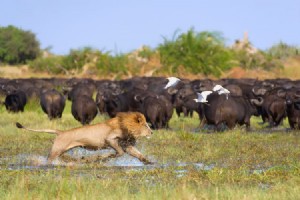
A Typical Day on African Safari: What to Expect from Dawn Game Drives to Bush Sundowners
Embarking on your first African safari promises an exhilarating adventure, where you'll track iconic wildlife like elephants, rhinos, lions, buffaloes, and giraffes. But what does a day in the bush truly entail? While experiences vary by budget and lodging—from tented camps and lodges to luxury glamping—core elements remain consistent. Here's a detailed guide based on expert insights.
Morning
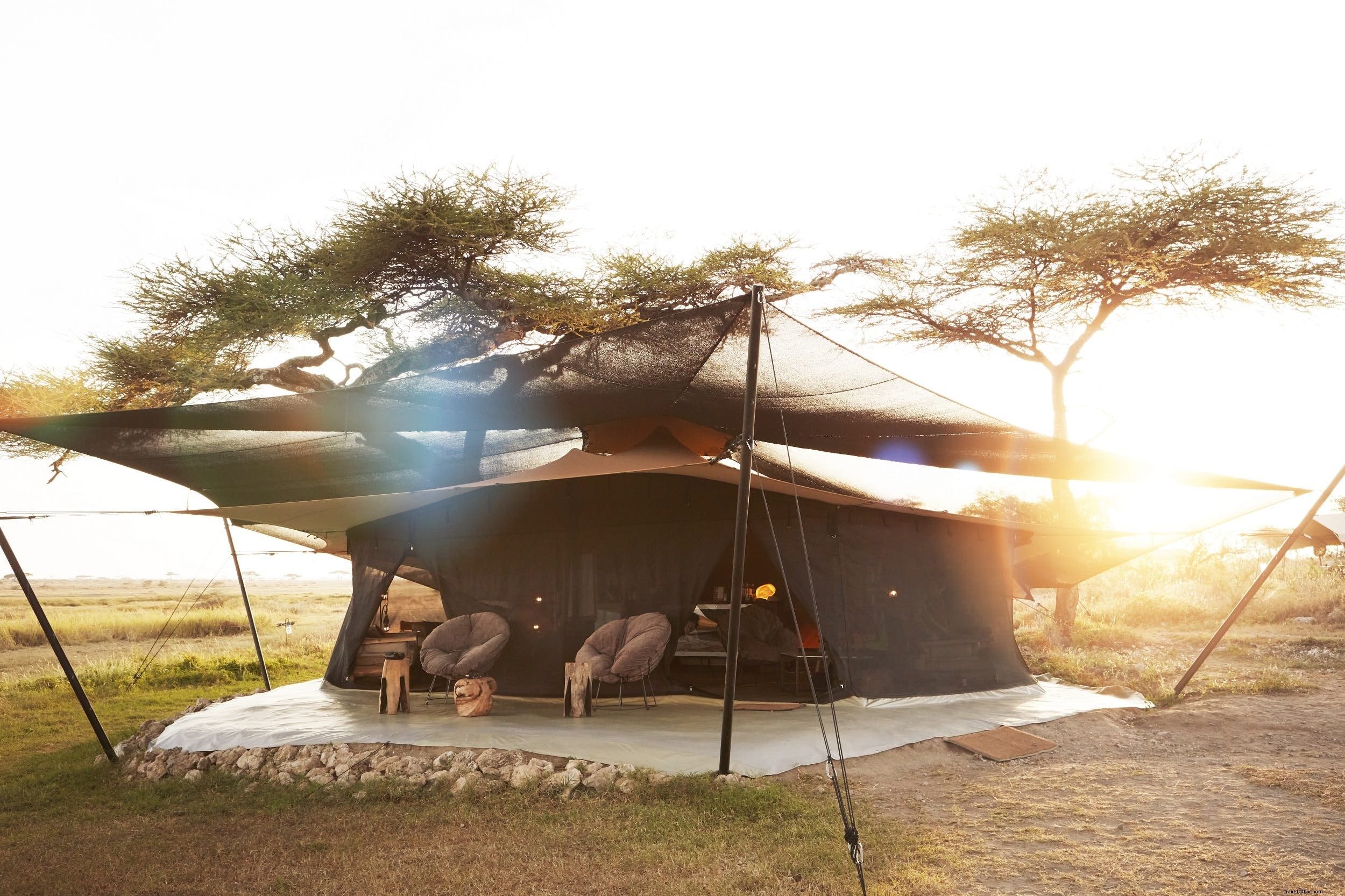
Safari days start before dawn. Witnessing Africa's breathtaking sunrise is reward enough, but early hours offer prime wildlife viewing—animals are active in the cool air, including nocturnal species like hyenas. No alarm needed: a camp attendant gently wakes you with a soft call from the darkness. Enjoy in-tent tea or coffee, with light breakfast snacks in communal areas as guests gather.
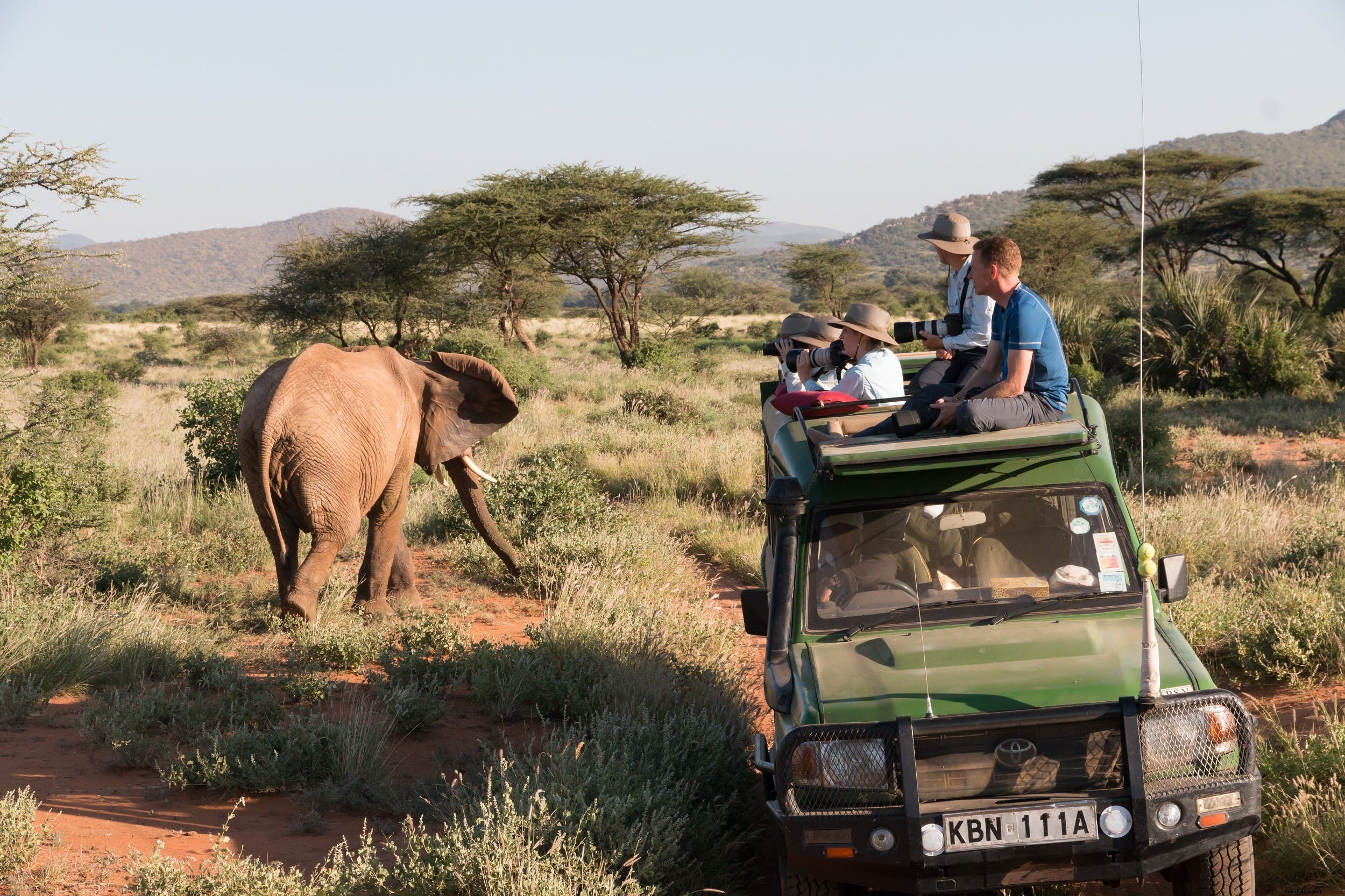
At first light, board an open-sided 4WD vehicle with tiered seating, typically shared with fellow guests (private options available at extra cost). Top camps provide blankets against the crisp morning chill. These 'game drives' last 2-4 hours, guided by sightings radioed between drivers to ensure shared spectacular views.
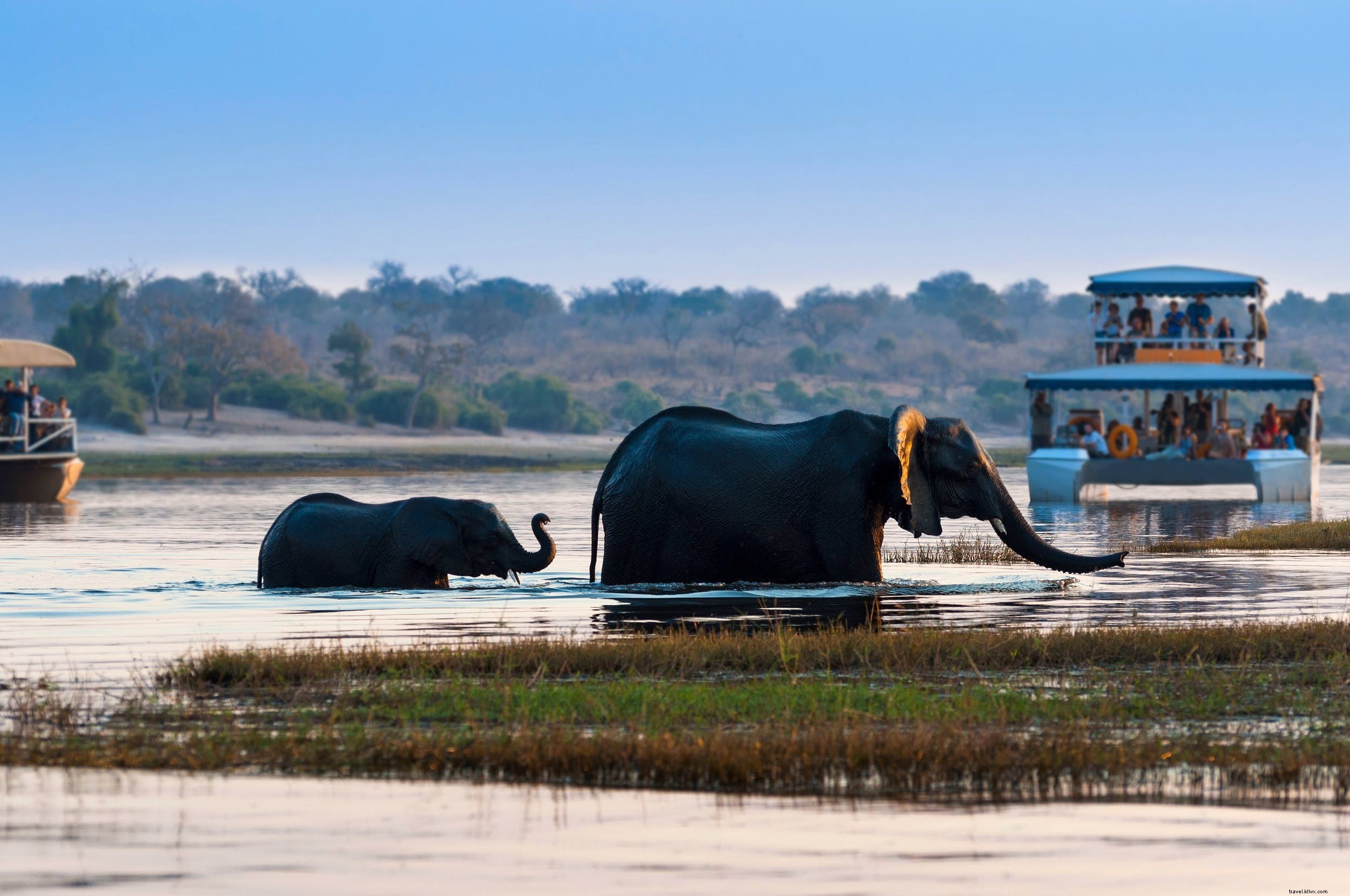
Game drives dominate, but walking safaris suit private conservancies (common in Zambia, Zimbabwe, South Africa; restricted elsewhere). Boat trips shine in areas like Okavango Delta mokoros, Zambezi canoes in Mana Pools or Lower Zambezi, or powered boats in Chobe or Selous.
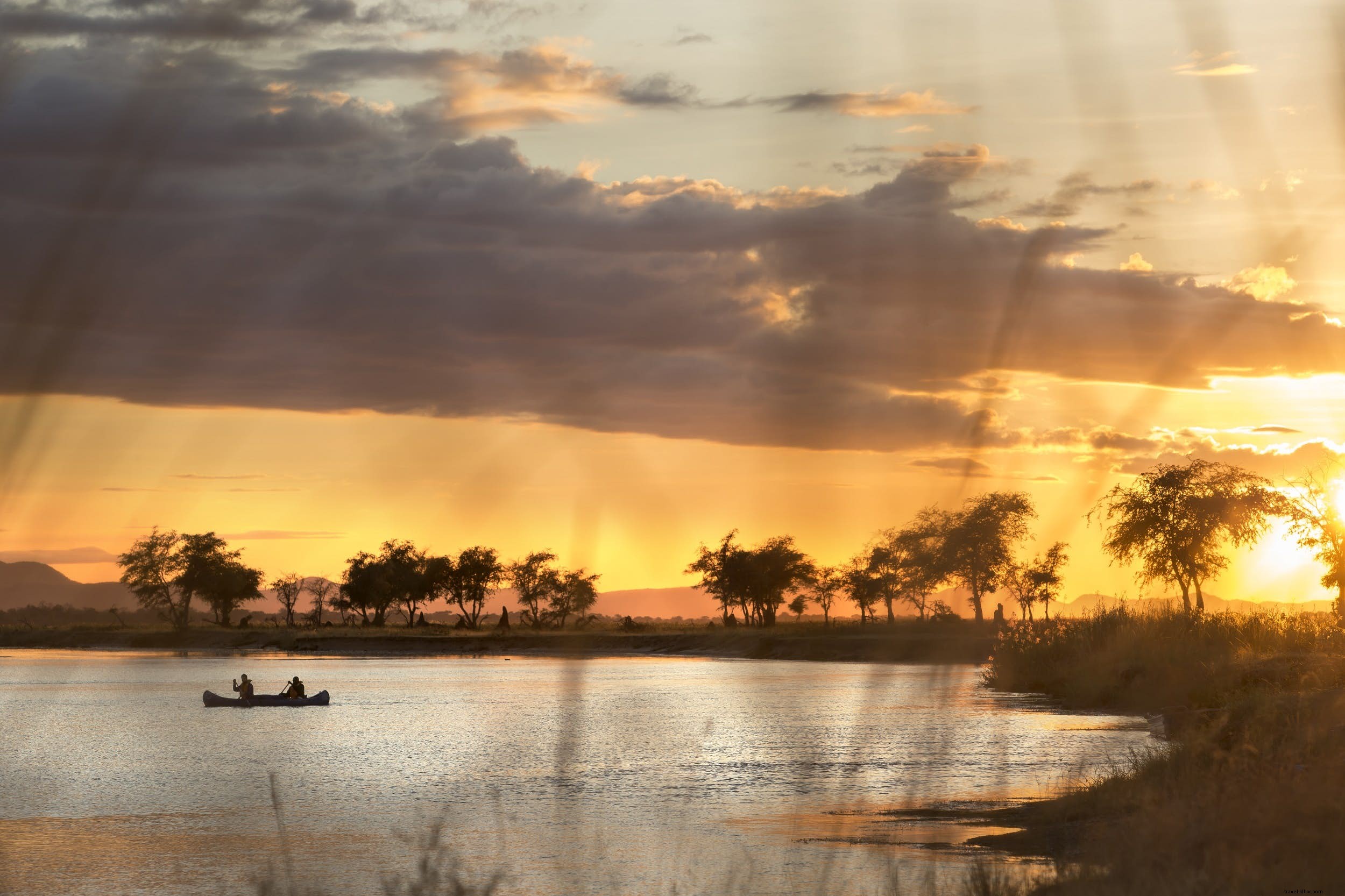
Discover wildlife along the Zambezi
The Heat of the Day
Return mid-to-late morning for a hearty brunch (or breakfast/lunch hybrid). Relax with a siesta, poolside lounging, or bush contemplation. Village visits or cultural activities often slot here if included.
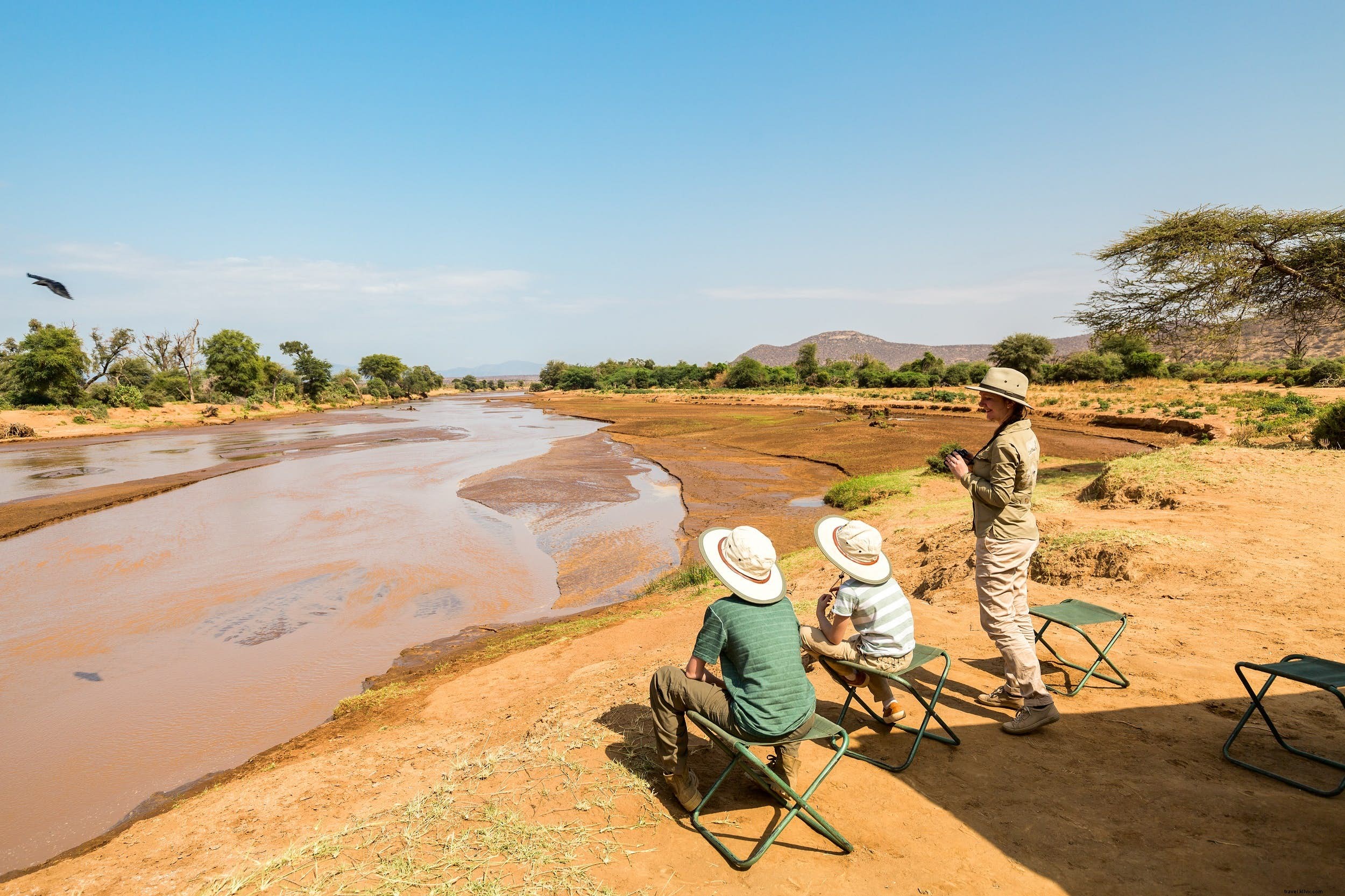
Afternoon high tea (3-4pm) upholds tradition, featuring generous, high-quality bites and drinks.
Late Afternoon & Evening
As temperatures drop, depart for another drive, walk, or boat trip. En route home, savor a 'sundowner' at a scenic spot—sipping your favorite drink amid sunset over waterholes or savannah.
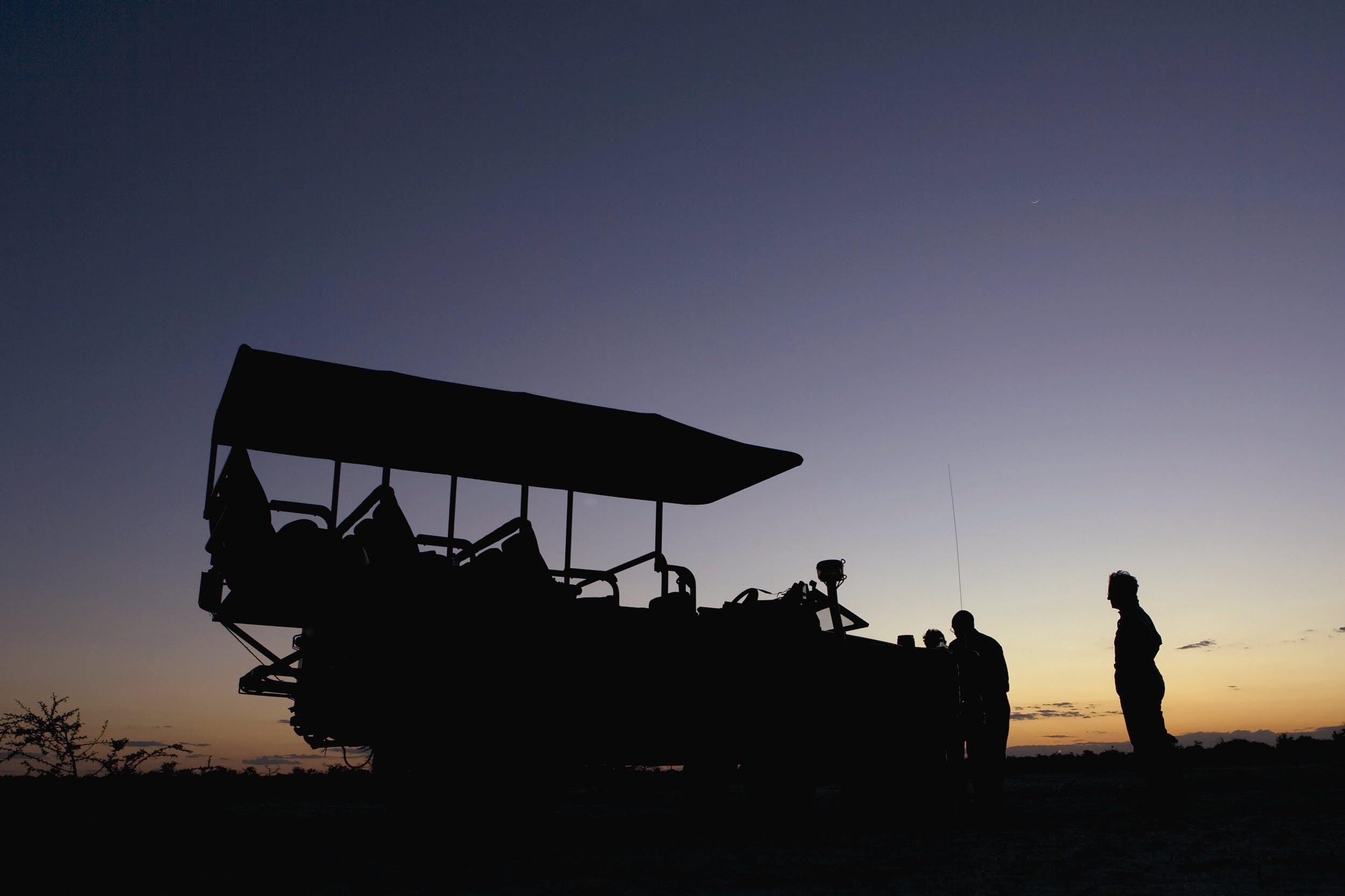
National parks require pre-sunset returns; private conservancies allow night drives with spotlights for nocturnal gems like aardvarks, civets, and aardwolves, plus off-road access.
Back in camp, freshen up for dinner—the day's highlight, often gourmet. Fireside drinks precede or follow, with lectures or entertainment in some spots. Escorted to your tent by torchlight, drift off to Africa's symphony of night sounds.
You might also like:
Where you should go on your first safari in Africa
The joys of a mobile safari
The story of lions (and your guide on where to see them on safari)
Are you ready for a self-drive safari in Africa?