How COVID-19 Fueled Rhino Poaching in Africa – And Proven Ways to Help Stop It
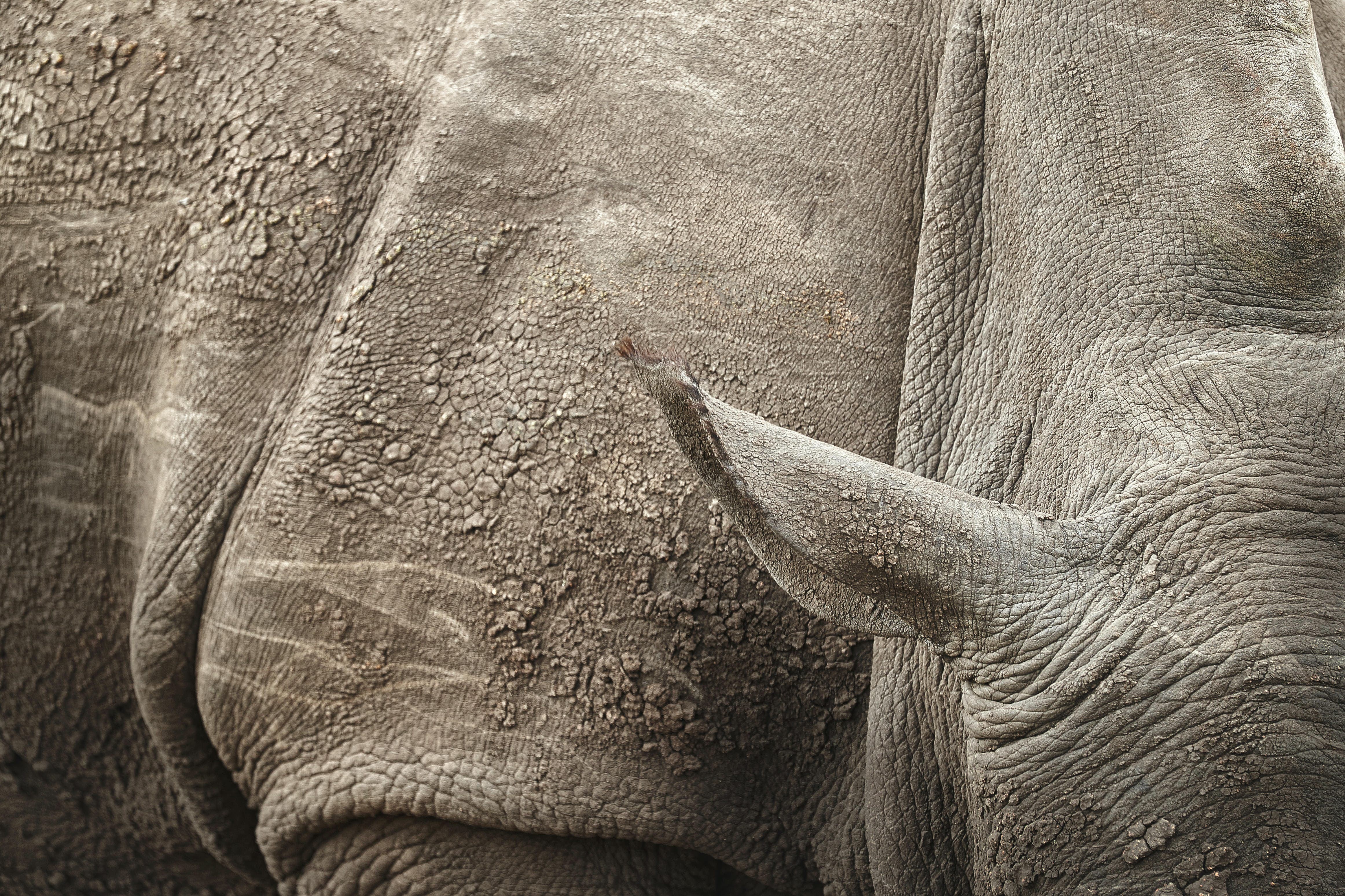
Countries worldwide are adapting to a 'new normal' amid COVID-19. For rhino conservationists in Africa, this means stretched resources amid surging poaching threats. Illegal hunting has long endangered rhinos, but the pandemic has escalated risks, casting uncertainty over their survival.
Saving Rhinos During COVID-19
White and black rhinos, along with their subspecies, symbolize the perils of wildlife trafficking. Demand in Asian medicinal markets drives poaching for rhino horn, prized falsely as an aphrodisiac or cancer cure—claims debunked by medical experts and traditional practitioners alike.
The Economics of Rhino Poaching
Poachers target rhinos for profit, not medicine. 'A kilo of rhino horn fetches $60,000–65,000 USD,' says James Mwenda, renowned rhino keeper and ranger at Kenya's Ol Pejeta Conservancy. 'This tempts communities surviving on less than $1 daily.' Pandemic-induced job losses amplify this lure.
Rhino poaching spans decades: black rhino numbers plummeted from 150,000 in 1910 to about 4,000 today, half lost between 1980–2000. Conservation revived white rhinos from 100 in 1895 to 18,000, though declines resume due to poaching.
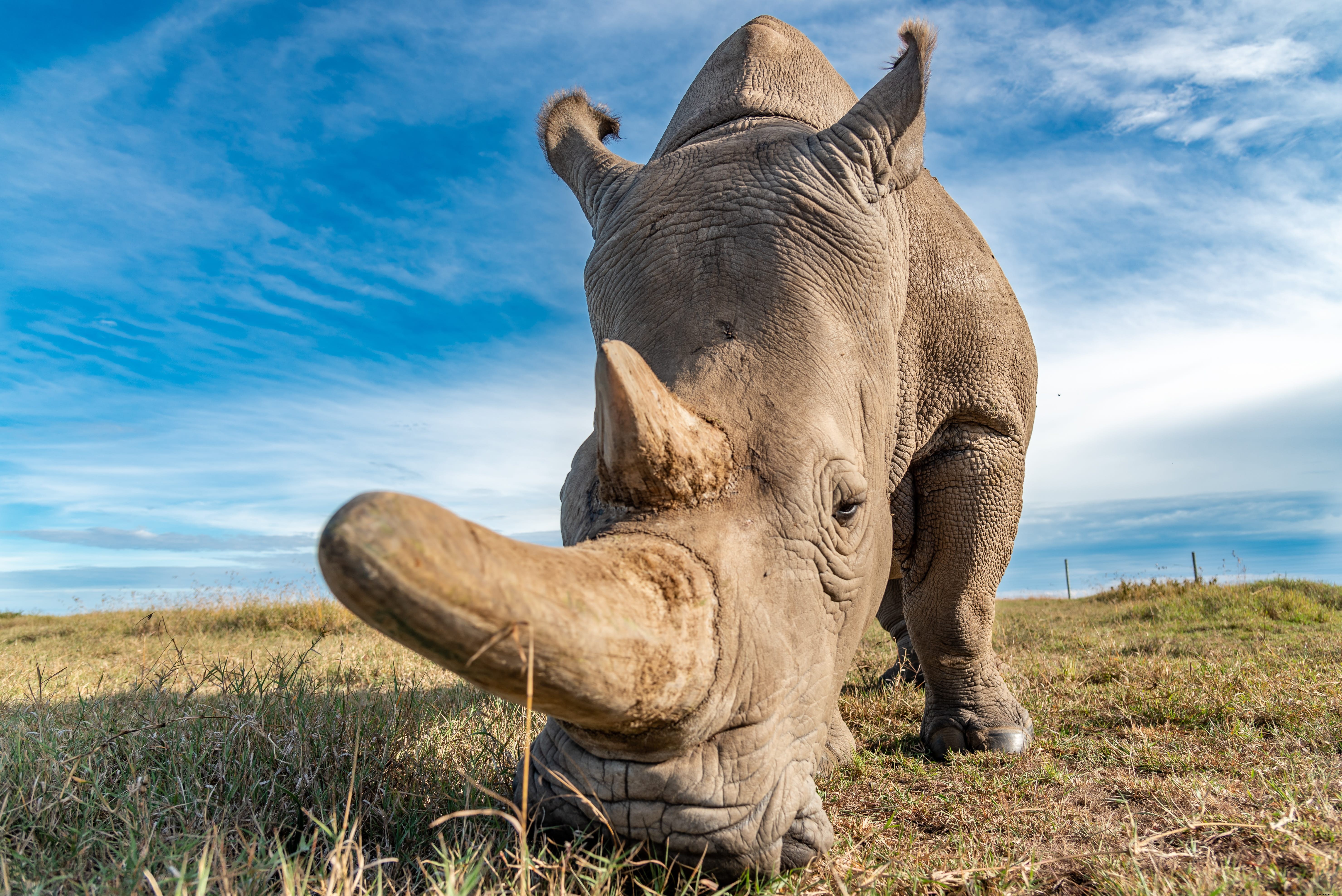
How COVID-19 Spurred Poaching Surges
The pandemic worsened vulnerabilities. In early April 2020, South Africa and Botswana saw poaching spikes in former tourist hotspots. 'Poachers face less interference,' notes Map Ives, veteran Okavango Delta guide and Rhino Conservation Botswana founder.
South Africa's lockdowns initially cut losses, but easing domestic restrictions—without tourists—emboldened criminals. 'Daily, 50–100 aircraft patrolled Botswana skies in August, spotting anomalies alongside game drives from 100+ camps,' Ives explains.
Tourism revenue, vital for conservation, evaporated. Botswana deployed soldiers, but Ives estimates 10,000 needed to match tourist vigilance. 'Tourism's return brings essential eyes on the ground.'
South Africa, hosting 90% of white rhinos, struggles too. 'COVID severed revenue, challenging ranger retention,' says Dr. Andre Uys, Marataba's Group General Manager, site of South Africa's second-largest rhino population outside Kruger. 'Funds sustain our 24/7 teams.'
A Conservation Success Amid Crisis
Rwanda preempted risks by funding rangers. 'We maintained duties, bolstering border patrols and informants,' says Leonidas Mpumuje, Akagera National Park's rhino monitor lead. Funds strain for equipment persists; tourists' return is key. 'No species should vanish.'
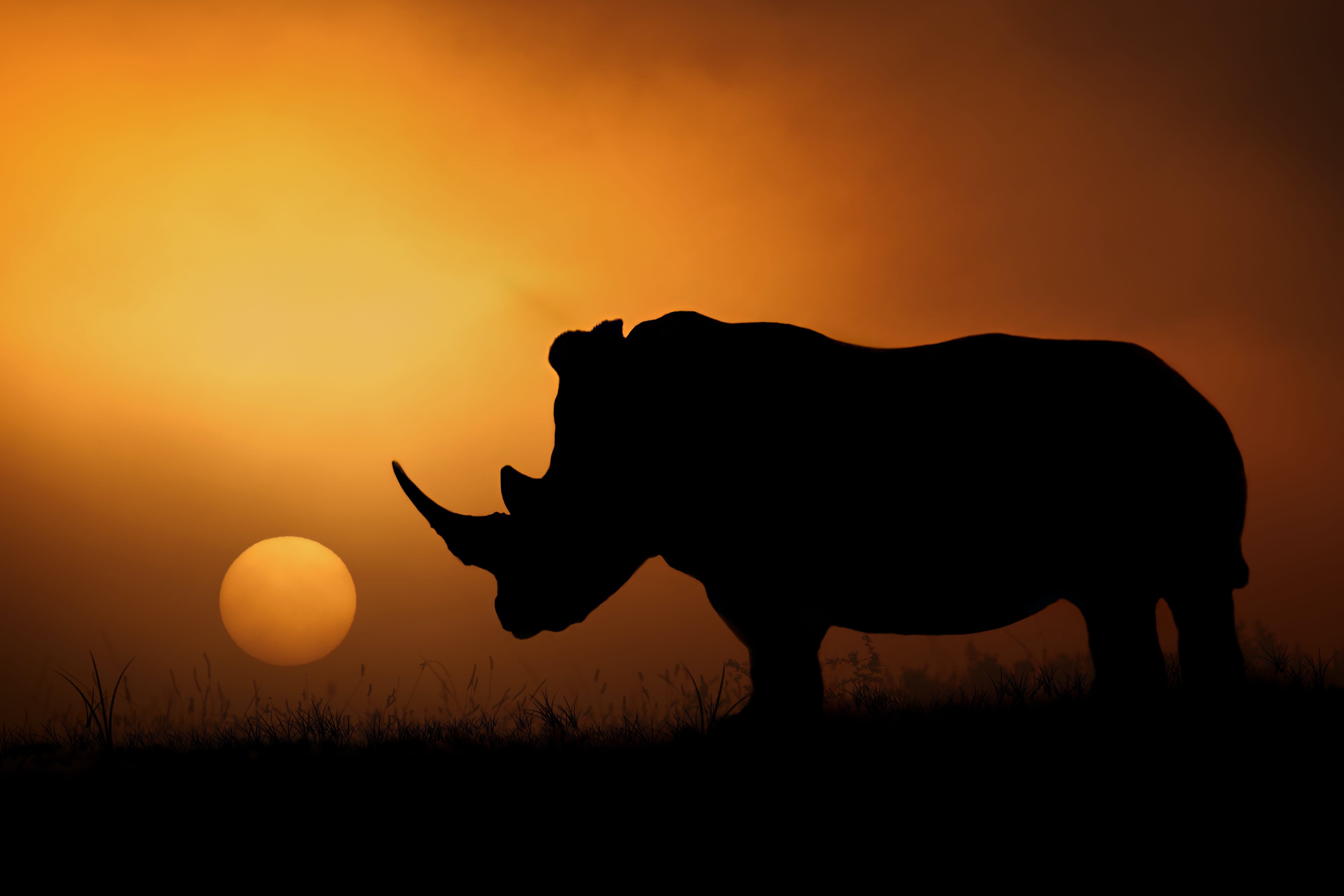
COVID-19 challenges rhino protection but prompts reevaluation. 'Two northern white rhinos signal planetary peril,' warns Mwenda.
How You Can Help Protect Rhinos
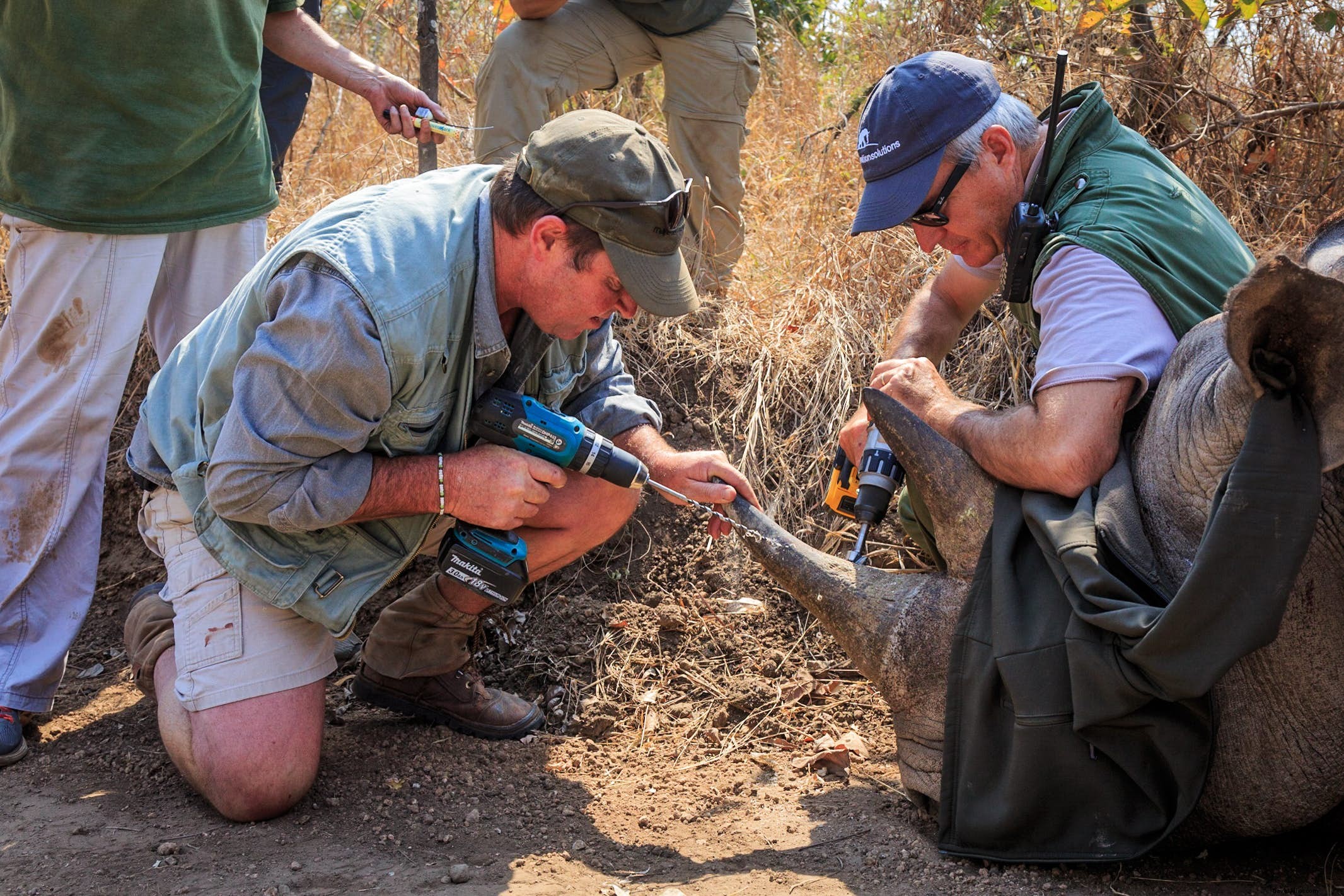
Action is accessible: donate to Ol Pejeta's appeal, plant bee-friendly flowers, reduce plastics, or book future safaris. Marataba's Rhino Week lets guests aid marking, monitoring, and DNA work.
'We all share responsibility,' Uys urges. 'Prevent extinction on our watch.' As recovery advances, contribute to rhino survival.