
South Sudan's Hunger Crisis: The World's Worst Food Emergency and How You Can Help
South Sudan, the world's youngest nation, faces a dire humanitarian catastrophe marked by severe hunger and malnutrition. Since gaining independence from Sudan in 2011, the country has grappled with political instability, economic challenges, and social strife. This year, civil war, border conflicts with Sudan, and torrential rains have exacerbated the crisis, displacing millions and threatening lives.
The United Nations has declared this a humanitarian emergency. Organizations like UNICEF are mobilizing to aid four million people suffering from starvation. UNICEF warns that up to 50,000 children could perish from hunger in the coming months without swift intervention. Additionally, one million children under five require urgent treatment for malnutrition.
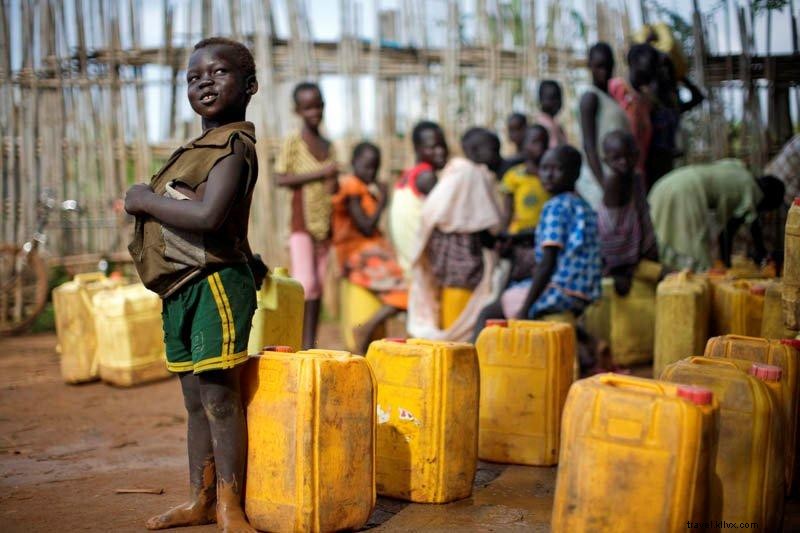
 This is currently the world's most severe hunger catastrophe. Over 1.5 million South Sudanese have fled their homes due to civil unrest, often trekking for days without food or clean water. In desperation, they resort to boiling toxic plants, drinking contaminated Nile River water, and consuming grass or roots. Exposure to the elements heightens risks of diseases like cholera.
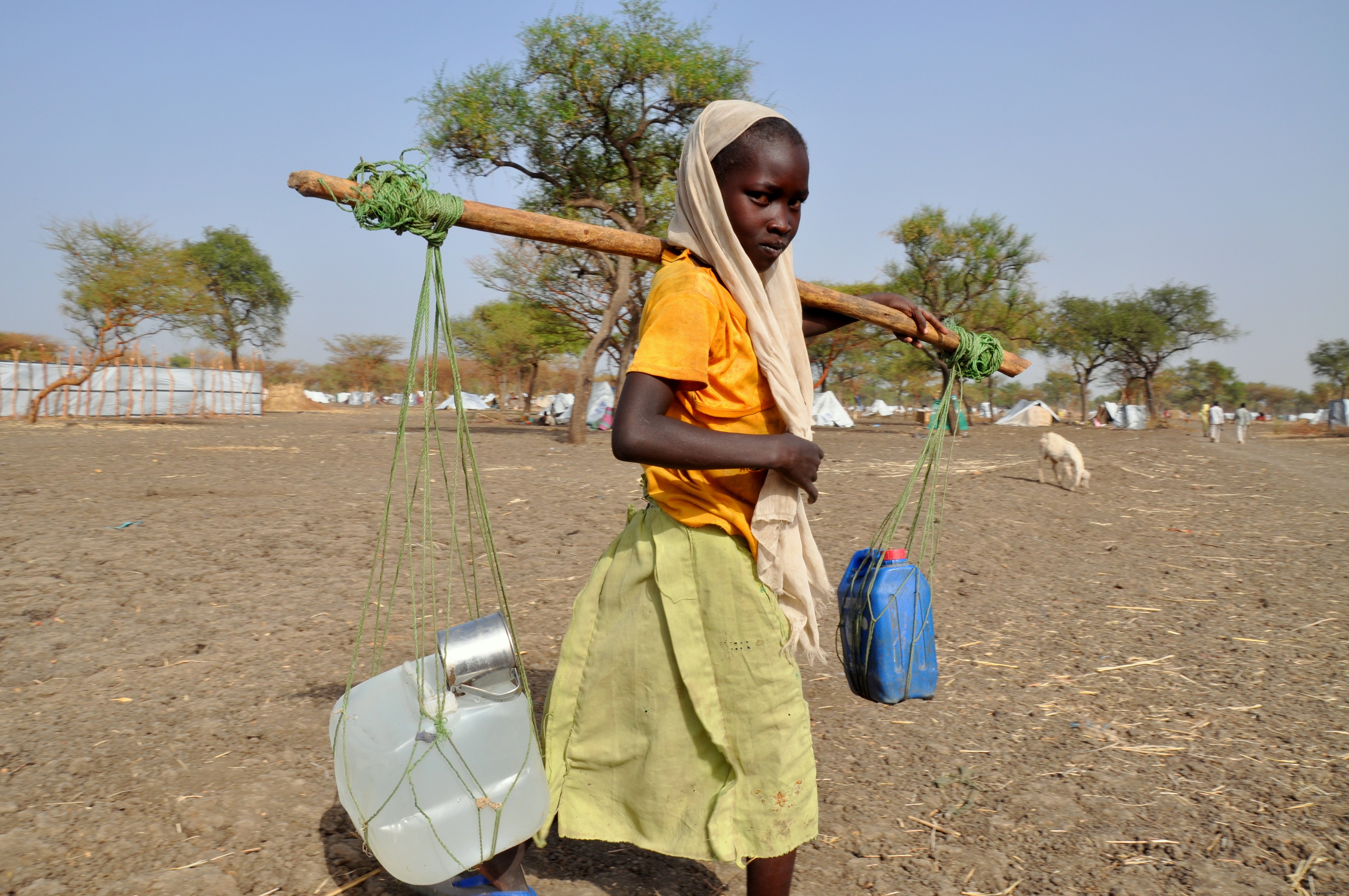 The four million affected represent one-third of the population, with projections rising to seven million as conditions deteriorate. South Sudan relies heavily on international aid. Civil war has halted farming, while conflicts with Sudan disrupt oil exports—the nation's primary revenue source—due to pipeline dependencies.
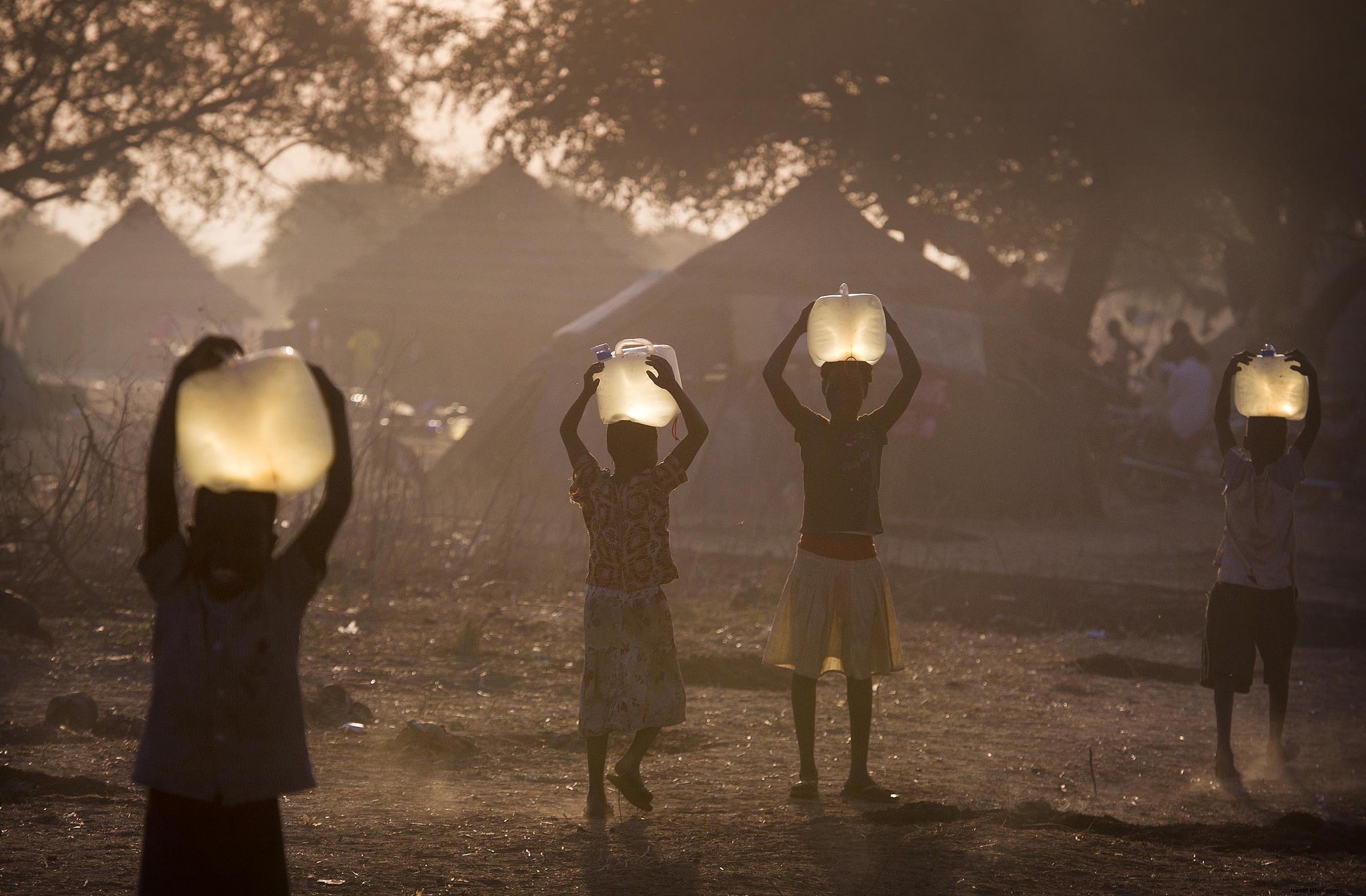 Aid efforts face obstacles: the rainy season floods roads, necessitating costly airdrops for food distribution. Limited global media coverage has strained funding. Every donation counts—visit UNICEF's website today. A single dollar can sustain a child's life.