Protecting OBX Oceans: Essential Ways to Combat Plastic Pollution on Our Beaches
Discover the major threats to our beaches, oceans, and marine life—and learn proven steps you can take to safeguard them.
Picture this: You're strolling along Cape Hatteras National Seashore when a small, bright blue item catches your eye, half-buried in the sand.
Sea glass? you think, bending down for a closer look.
Disappointment sets in—it's just a plastic bottle cap.
This all-too-common scene highlights a growing crisis. According to the National Park Service, over 90% of ocean trash and beach litter is plastic. Items like bottle caps accumulate into massive problems. The North Carolina Coastal Federation identifies the state's top marine debris as consumer waste, abandoned fishing gear, derelict vessels, and storm debris.
Plastic and nonbiodegradable debris pose one of the greatest threats to oceans and seashores like Cape Hatteras National Seashore. The National Park Service explains: "Plastic endangers oceans and waterways. Birds, turtles, fish, and marine life mistake plastic fragments for eggs, plankton, jellyfish, or food. Annually, hundreds of thousands of sea creatures die from ingesting indigestible plastic or entanglement."
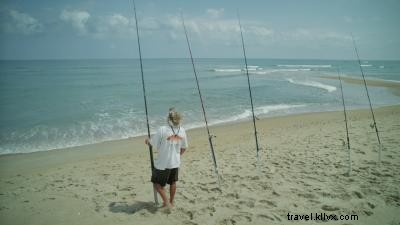
Beach and ocean plastics fall into two main categories:
- Consumer plastics (e.g., disposable cups and straws)
- Microplastics (tiny, non-degrading particles) or microbeads (from personal care products)
Nicole Loiseau, Acting District Interpreter for Cape Hatteras National Seashore and Volunteer/Youth Program Manager for OBX national parks, notes common local pollutants:
- Micro-trash and small plastic bits
- Plastic water bottles
- Plastic utensils
- Cigarette butts
- Water bottle caps
- Wooden debris from structures
Sea turtles face acute risks from plastics and debris. Discarded monofilament fishing line—nearly indestructible, taking 600 years to degrade—can entangle turtles, preventing swimming or feeding (per Cape Lookout Studies' North Carolina Monofilament Recovery and Recycling Program). The U.S. Fish and Wildlife Service reports turtles often mistake bags, Styrofoam, and balloons for food, leading to blockages and fatalities.

Here's how you can fight plastic pollution on OBX beaches:
- Pack it in, pack it out: Remove all trash when leaving.
- Bag it! Bring an extra bag to collect trash and plastics you spot.
- Volunteer: Sign up for Beach Cleanup Days and park events.
- Organize a group cleanup: Contact Nicole for details (following current health guidelines).
- Minimize single-use plastics: Reuse or recycle when possible.
- Recycle fishing line properly: Use receptacles at Ramp 44 (Buxton), Ramp 55 (Hatteras), and Frisco Bath House (installed 2014 via North Carolina Monofilament Recovery and Recycling Program). Local spots include:
- TW's Bait and Tackle: Corolla, Kitty Hawk, Nags Head
- Outer Banks Fishing Pier: Nags Head
- Oregon Inlet Fishing Center: Nags Head
- Tradewinds Tackle Shop: Ocracoke
- National Park Service Boat Ramp: Ocracoke
Track ocean debris in real time with NOAA's marine debris tracker app, developed with the University of Georgia's College of Engineering. It logs debris types and global locations.