African Lions: Fascinating Facts, Behavior, and the Best Places to See Them on Safari
Nothing captures the essence of an African safari quite like your first encounter with a lion. Lithe, powerful, and radiating an aura of raw dominance, lions reign as Africa's unrivaled apex predators. Synonymous with the wild heart of the continent, they blend majestic grace with commanding presence, making them the ultimate safari highlight in East and Southern Africa. In this guide, we explore the king of beasts and reveal the premier destinations to witness them in their natural habitat.

Africa’s Largest Feline
Second only to the tiger in size among big cats, lions dominate as Africa's biggest feline species. Males can exceed 2.5 meters in body length (up to 3.5 meters including the tail), with the heaviest recorded wild specimen weighing 272 kg. Females typically range from 110 to 168 kg. Capable of devouring up to 25% of their body weight in one meal, lions often appear bloated afterward, resembling a pregnant state.
In the wild, female lions may live up to 18 years, while males rarely surpass 12 years, though some reach 16. In captivity, they can live up to 27 years.
A Uniquely Social Predator
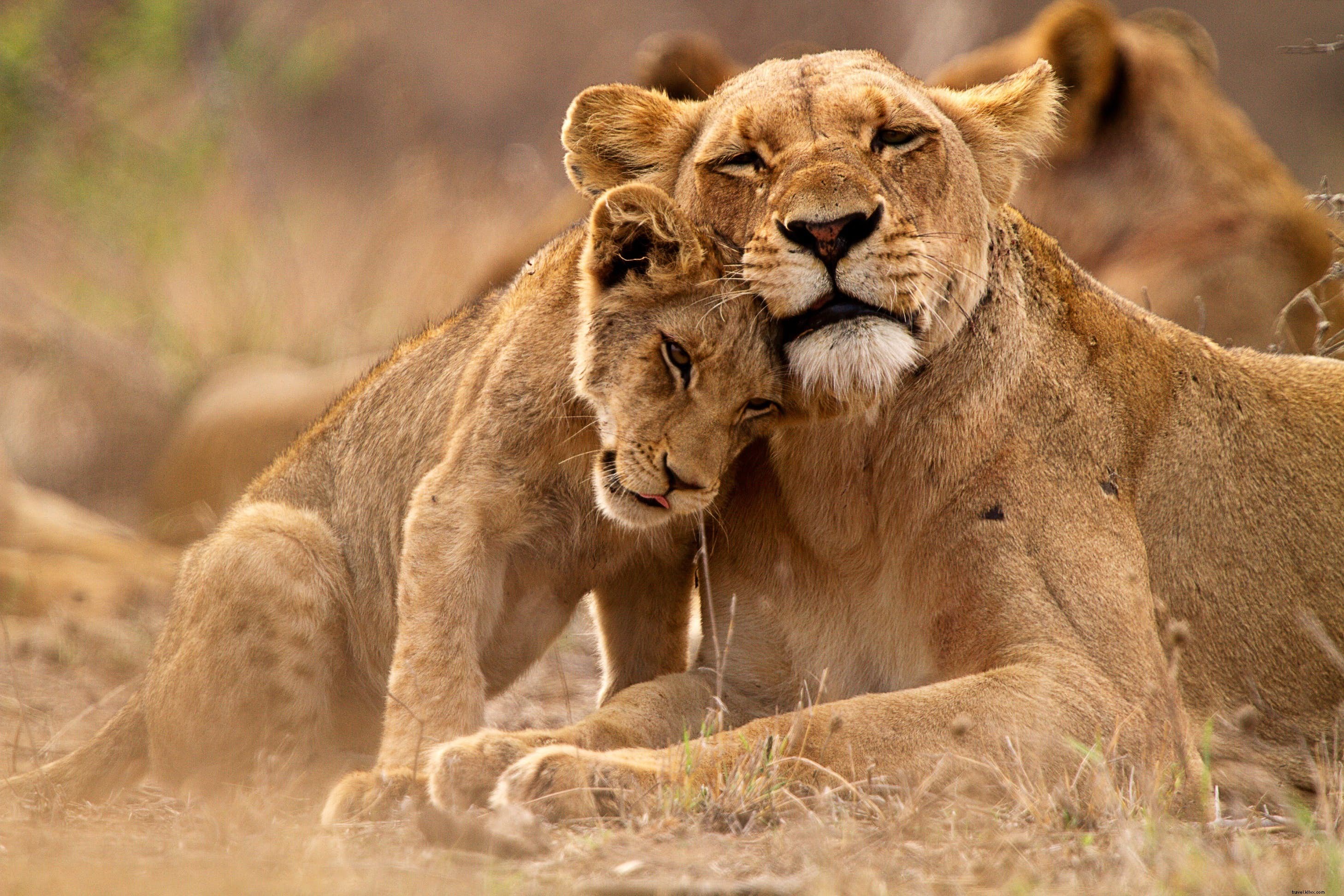
Of the 38 wild cat species worldwide, lions stand alone as the only truly social feline. They form prides of up to 30 individuals, though smaller groups prevail in human-impacted or prey-scarce areas.
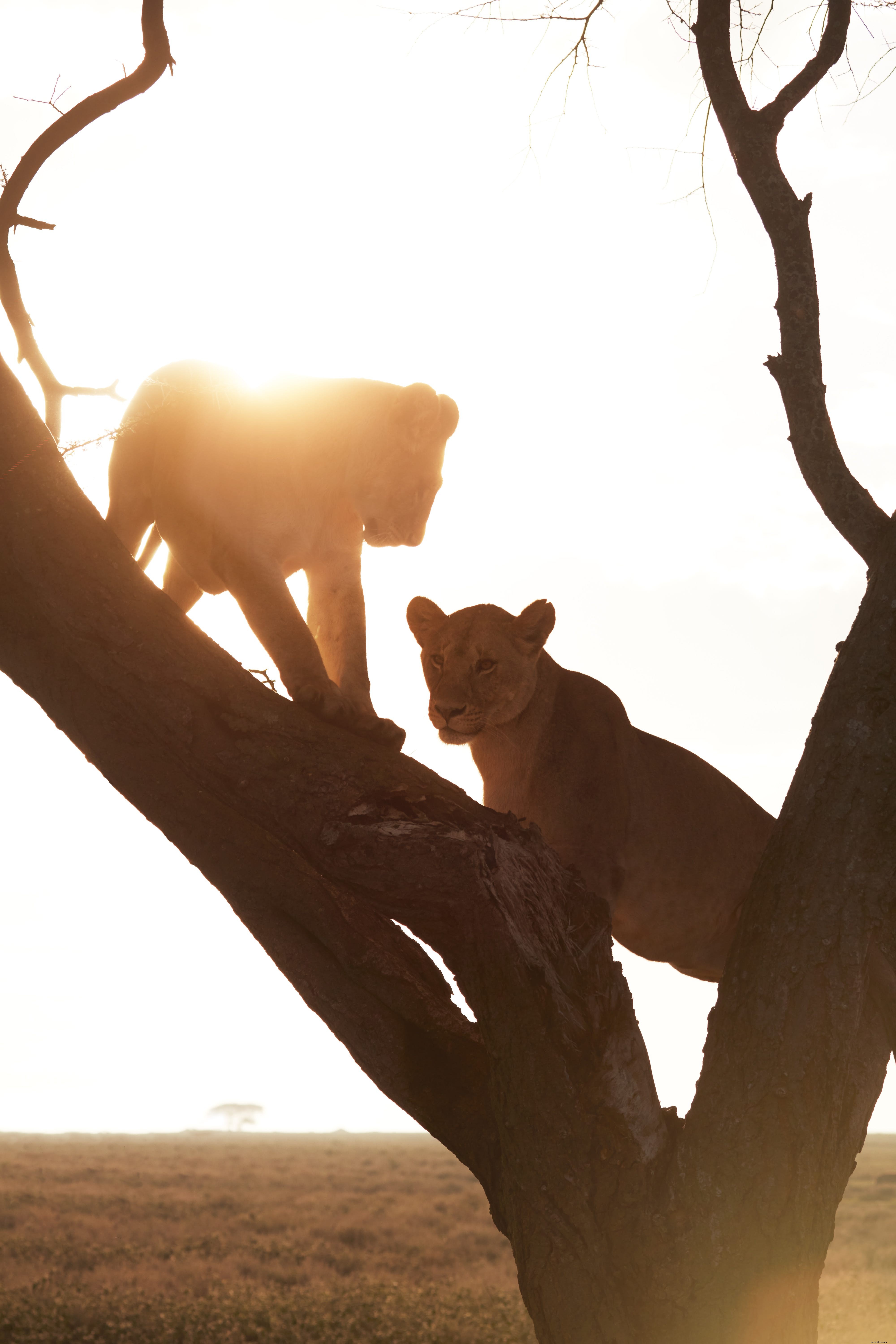
A multi-generational core of related lionesses anchors most prides. Females often stay with their mothers, sisters, aunts, and grandmothers for life, collaboratively raising cubs within territories spanning 35 to 1,000 square kilometers. They hunt cooperatively, defend boundaries, and nurture young in a communal crèche.
Lion pregnancies last 3-4 months. Lionesses give birth in seclusion to litters of 2-4 cubs (up to seven recorded). Cubs' eyes open at 10 days, remaining hidden for about eight weeks. Despite pride protection, the first two years are perilous.
Adolescent males (2-4 years old) depart to avoid inbreeding, often forming coalitions with brothers or cousins. Nomadic at first, they challenge resident males to claim prides, then patrol territories while associating variably with females and cubs.
Lion Diets and Hunting
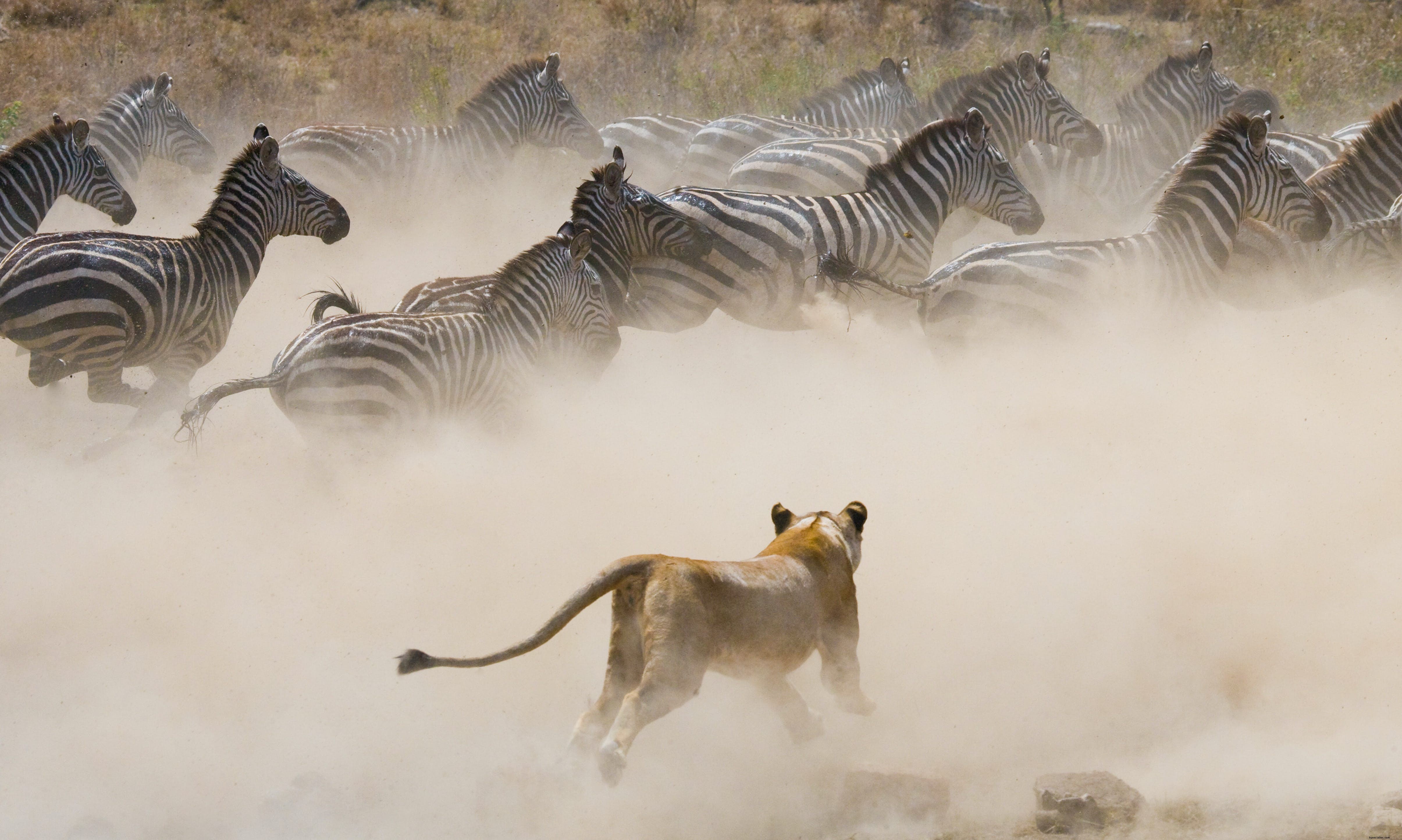
Opportunistic feeders, lions consume everything from springhares to elephants. Preferred prey includes zebra, warthog, buffalo, wildebeest, impala, gemsbok, and more. Notable adaptations include seal-hunting in Namibia and giraffe specialization in Tanzania’s Selous Game Reserve. In Zimbabwe’s Hwange National Park, they tackle elephants during the late dry season— the starkest predator-prey size disparity in nature.
Despite speeds up to 93 km/h, lions rely on stealthy stalks to within 15 meters before charging, with success rates of 15-38.5%. They frequently scavenge and occasionally raid livestock, fueling human-wildlife conflicts.
Not the Jungle King
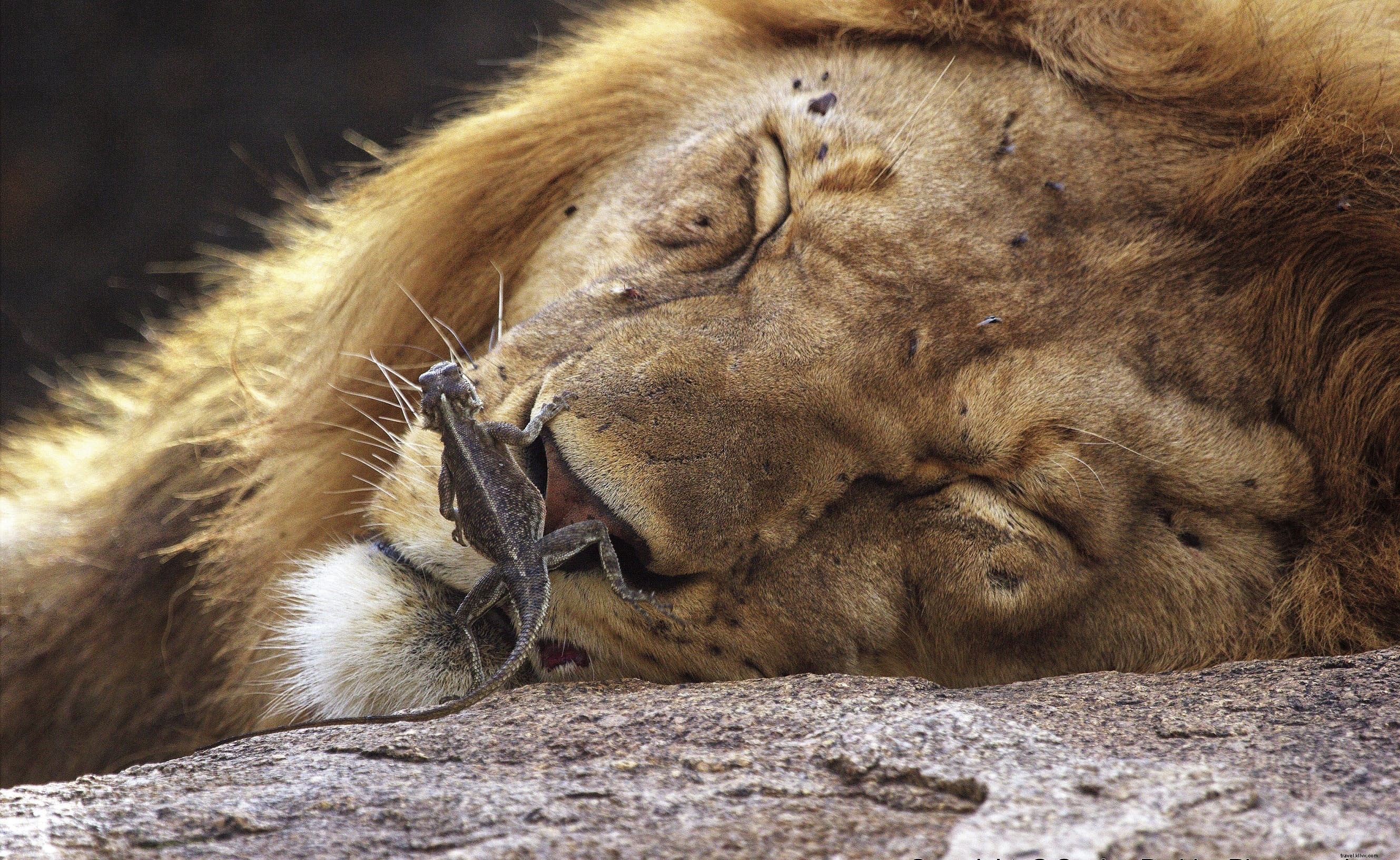
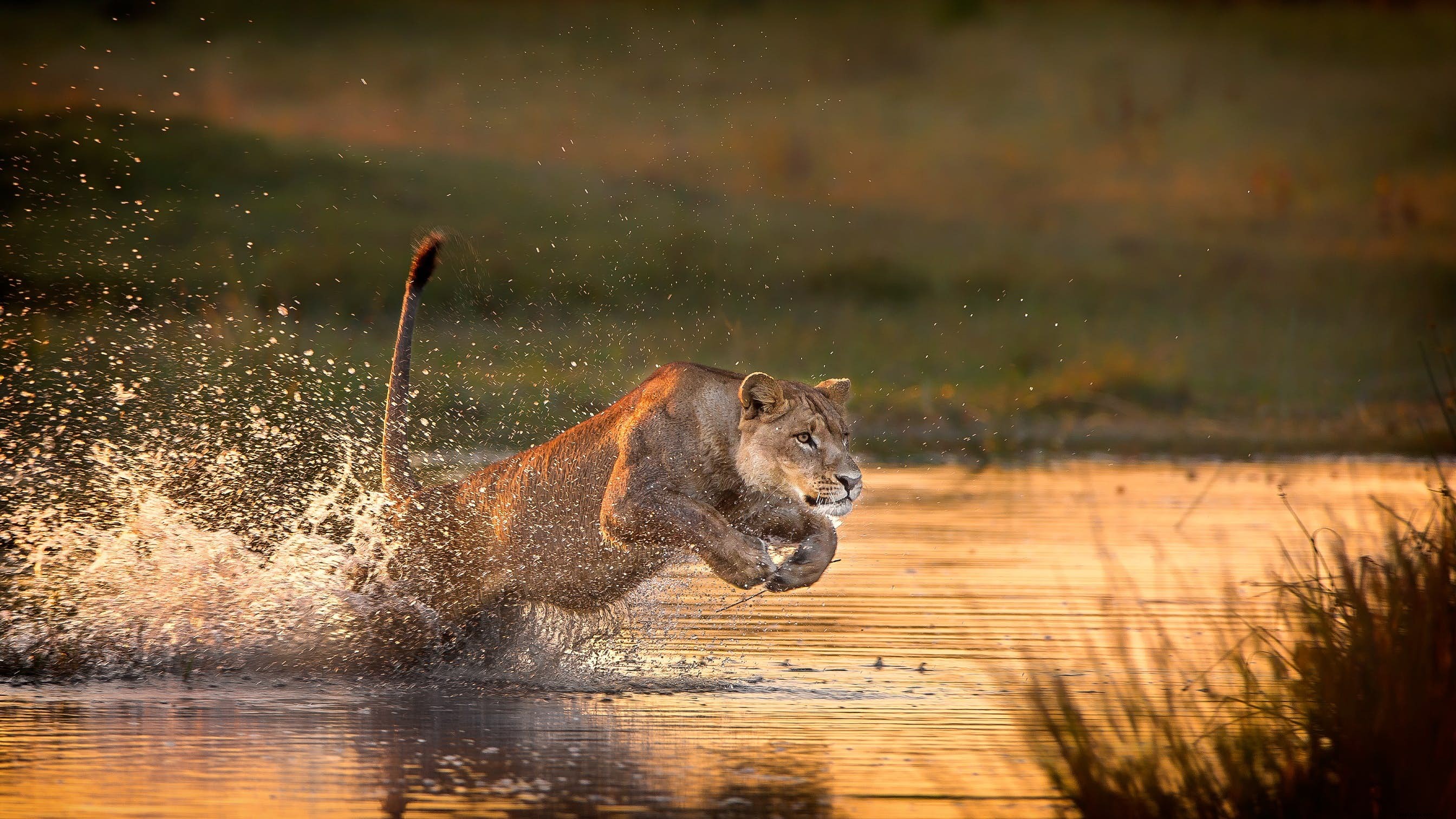
Lions thrive on savannahs and open woodlands, not jungles. They adapt to diverse habitats, from Ethiopia’s dense woods to Namibia’s Skeleton Coast and Botswana’s swampy Okavango Delta, where they've mastered swimming.
The largest populations cluster in East and Southern Africa, with Tanzania hosting nearly half. Key strongholds: Tanzania’s Selous and Ruaha; Serengeti-Masai Mara (Tanzania/Kenya); South Africa’s Kruger; and the Kavango-Zambezi Transfrontier area.
Top Safari Destinations for Lions
Botswana: Prime spots include Moremi Game Reserve, Okavango Delta, Chobe (Savuti), and Central Kalahari.
Kenya: Masai Mara, Amboseli, Tsavo parks, Lake Nakuru, Samburu, and Laikipia.
Namibia: Etosha National Park shines; try Khaudum or Zambezi Region.
South Africa: Kruger excels, plus Madikwe and Kgalagadi.
Tanzania: Serengeti, Ngorongoro, Tarangire, Selous, Ruaha.
Zambia: South Luangwa leads; North Luangwa and Kafue for wilderness.
Zimbabwe: Hwange and Mana Pools offer reliable sightings.
Conservation Challenges
Fewer in number than rhinos, elephants, or gorillas, Africa's lions have plummeted from over a million a century ago to about 22,509 today (2019 estimates), vanishing from 95% of historic range. Only 40% reside in protected areas; viability concerns loom for isolated groups. Eight nations hold 500+ adults: Tanzania, Botswana, Kenya, etc. IUCN lists lions as Vulnerable.