

African Rhinos: Facts, Behavior, and Top Safari Destinations to Spot Them
Under threat of extinction yet a testament to wildlife resilience, the African rhino symbolizes the wild's enduring beauty. Spotting this Big Five icon on safari is a rare thrill. Discover how to witness them in their natural habitat.
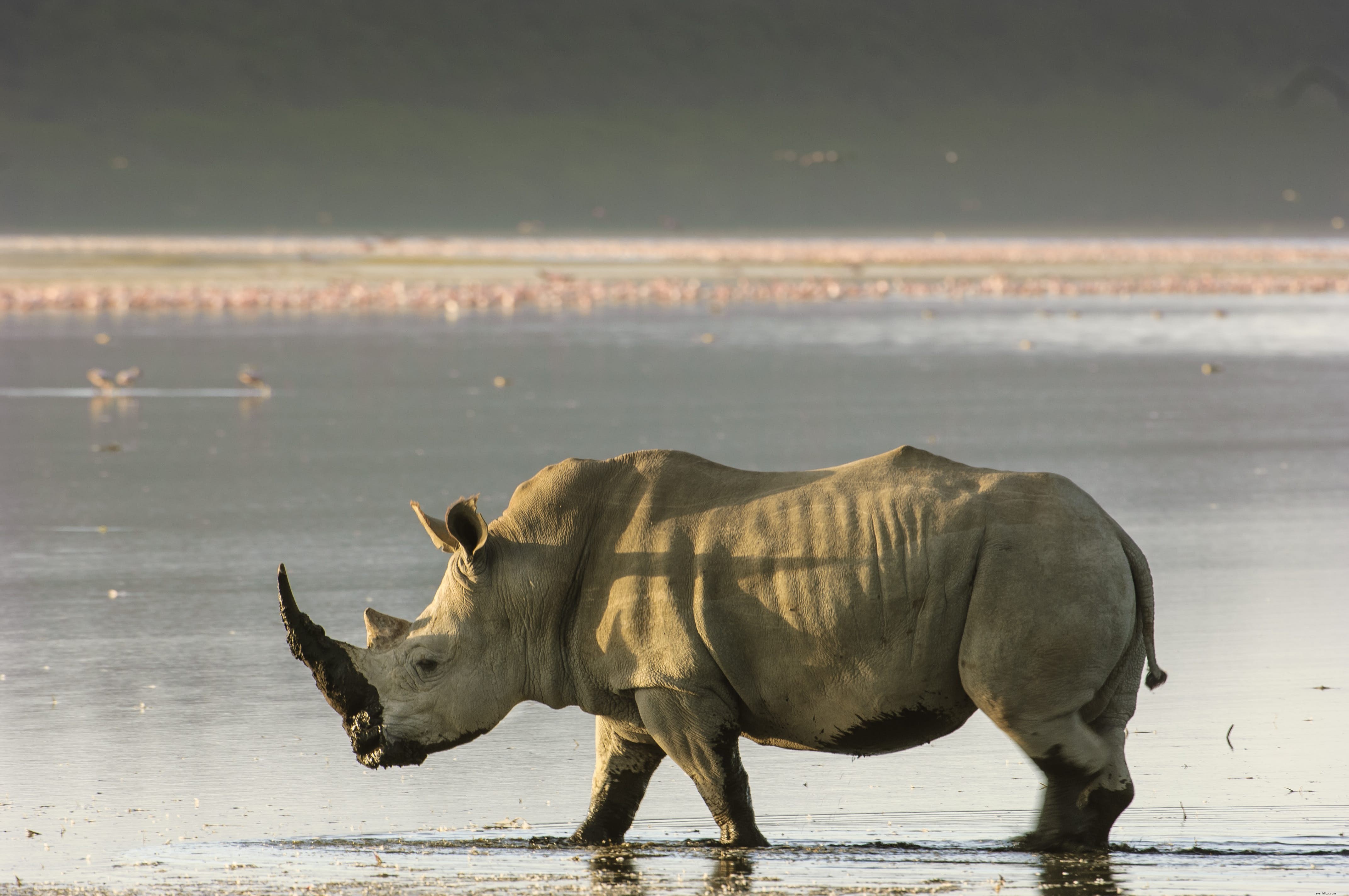
Rhinos: Black and White Realities
Second only to elephants in size among land mammals, rhinos have few natural predators besides humans. Adult rhinos are too massive for lions or other predators to take down, though calves are occasionally vulnerable.
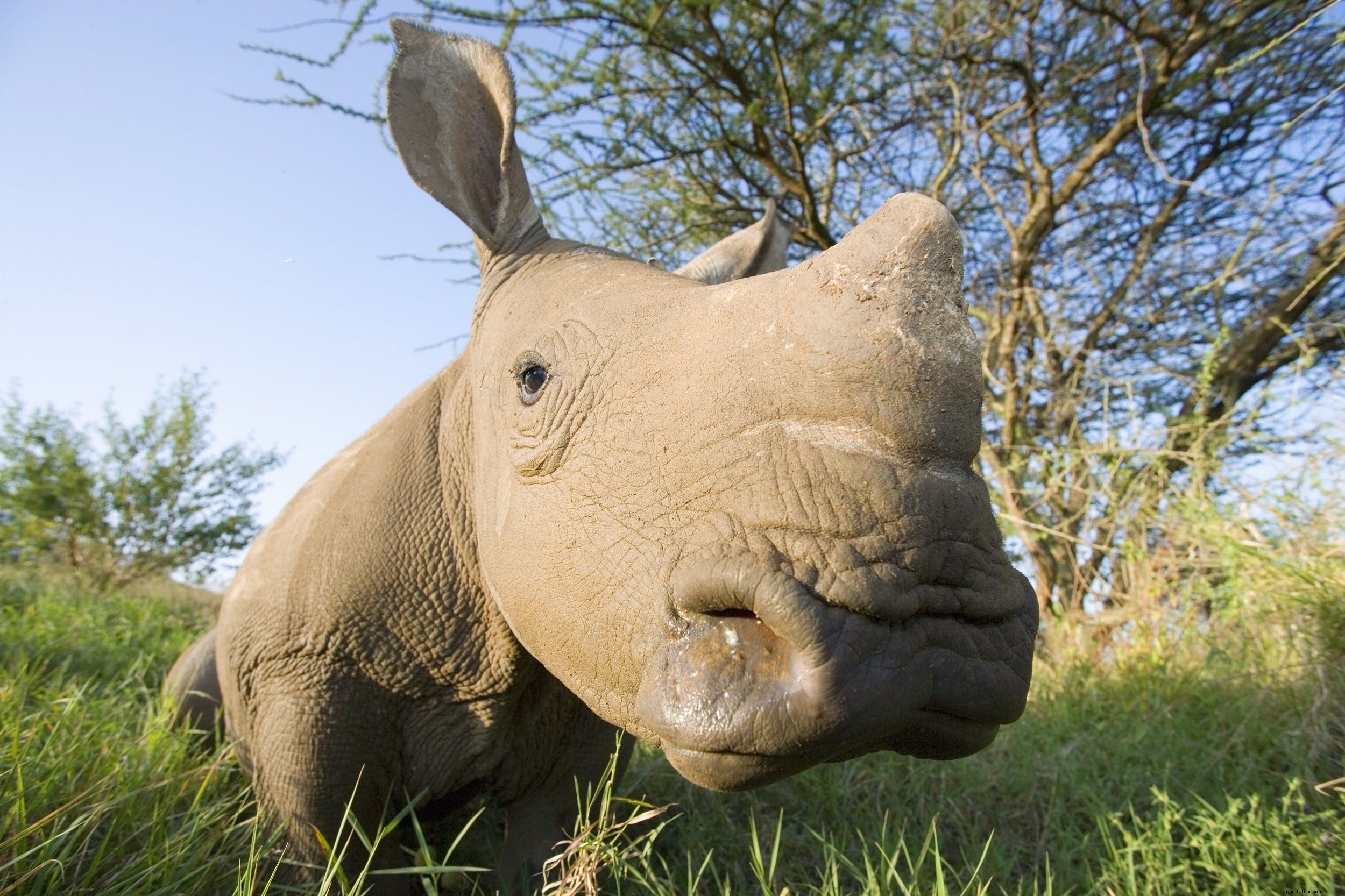
Africa hosts two primary rhino species: black and white. Contrary to their names, the distinction arises from lip shape, not color. 'White' derives from the Dutch wijde (wide), referring to the white rhino's broader lip.
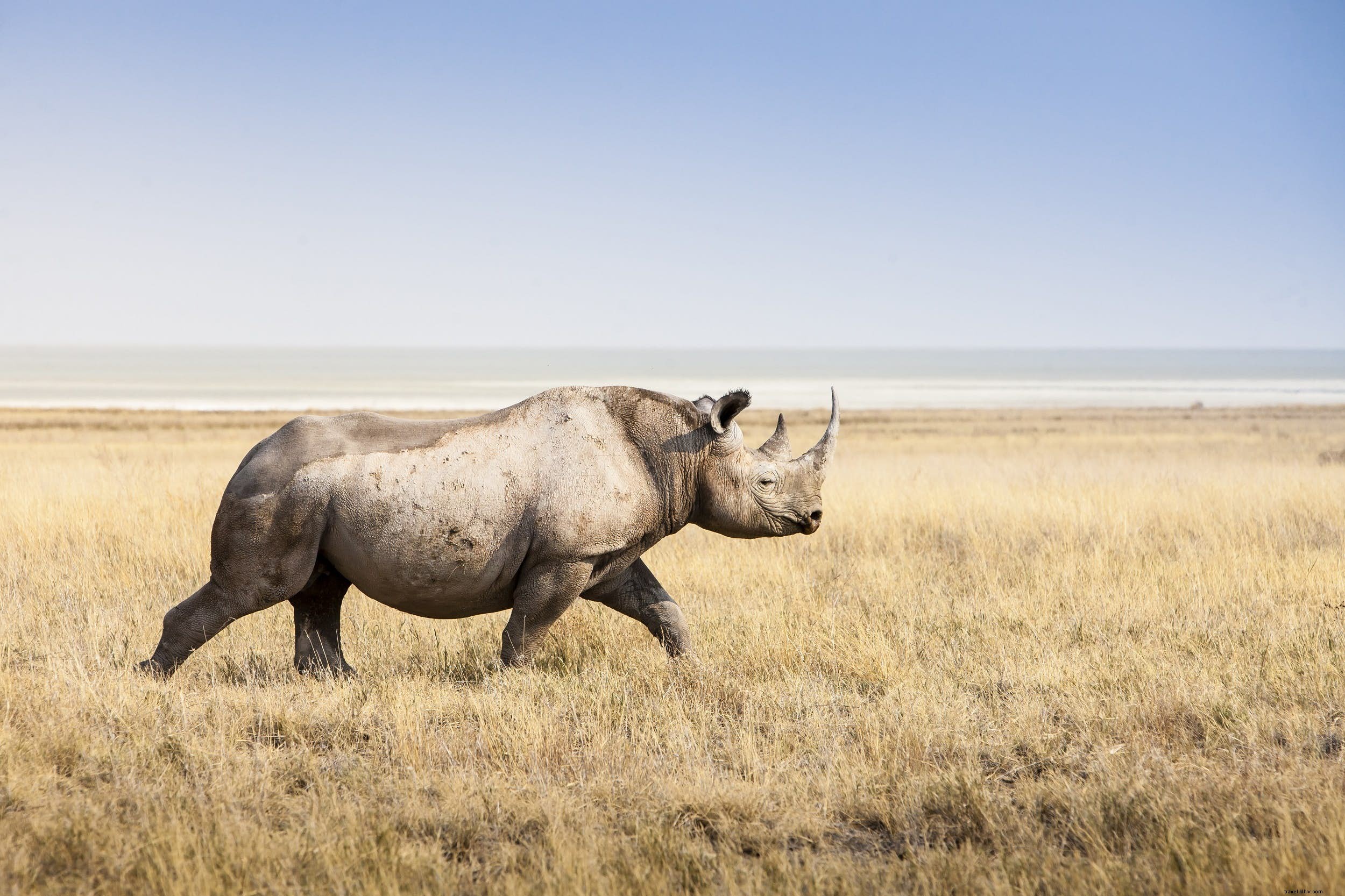
Black rhinos, weighing 700-1,400kg, are browsers favoring leaves in thickets and woodlands. White rhinos, up to 3,600kg, graze on savannah grasses.
Rhino gestation lasts 15-16 months, with calves nursing for up to a year. In the wild, they can live up to 50 years.
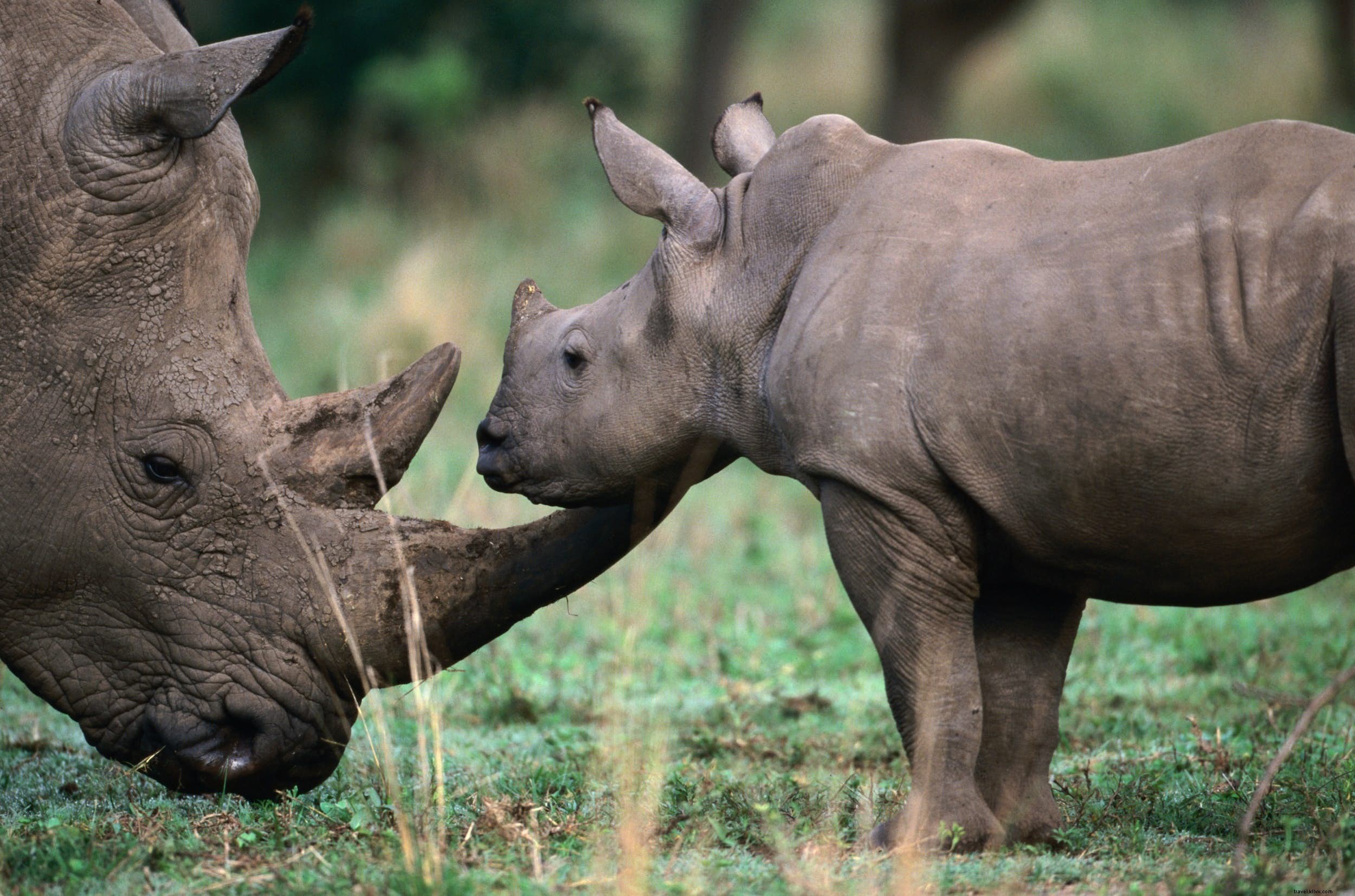
Social Dynamics
Rhinos maintain territories but rarely clash in dense populations. Breeding males defend against rivals. In Namibia's Etosha National Park, they gather at night waterholes. Females often live near each other, with mother-calf pairs as family cores until independence at 2-4 years.
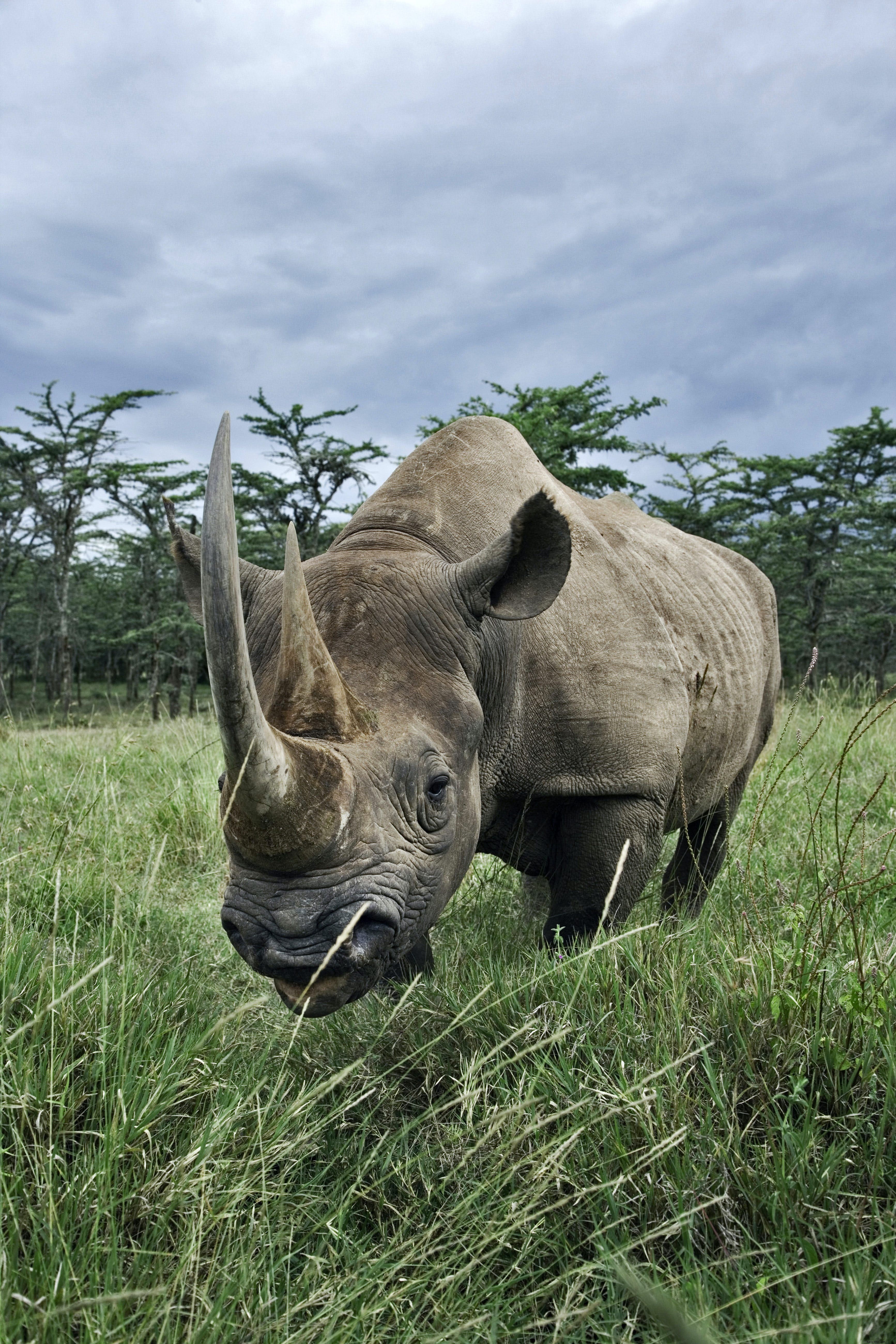
The Iconic Horn
Composed of keratin—like human hair and nails—rhino horns fetch up to $65,000 (sometimes $300,000) on Asia's black market for traditional medicine, despite no proven benefits. Historical uses range from ancient Greek water purifiers to Yemeni dagger handles.
Prime Safari Locations for Rhino Sightings
Once widespread, rhinos now thrive mainly in southern and eastern Africa due to conservation successes.
South Africa: Hosts 90% of white rhinos. Top spots: Kruger National Park, Hluhluwe-iMfolozi, Madikwe, and private reserves.
Namibia: Etosha's waterholes excel for black rhinos at night; Damaraland is a remote gem.
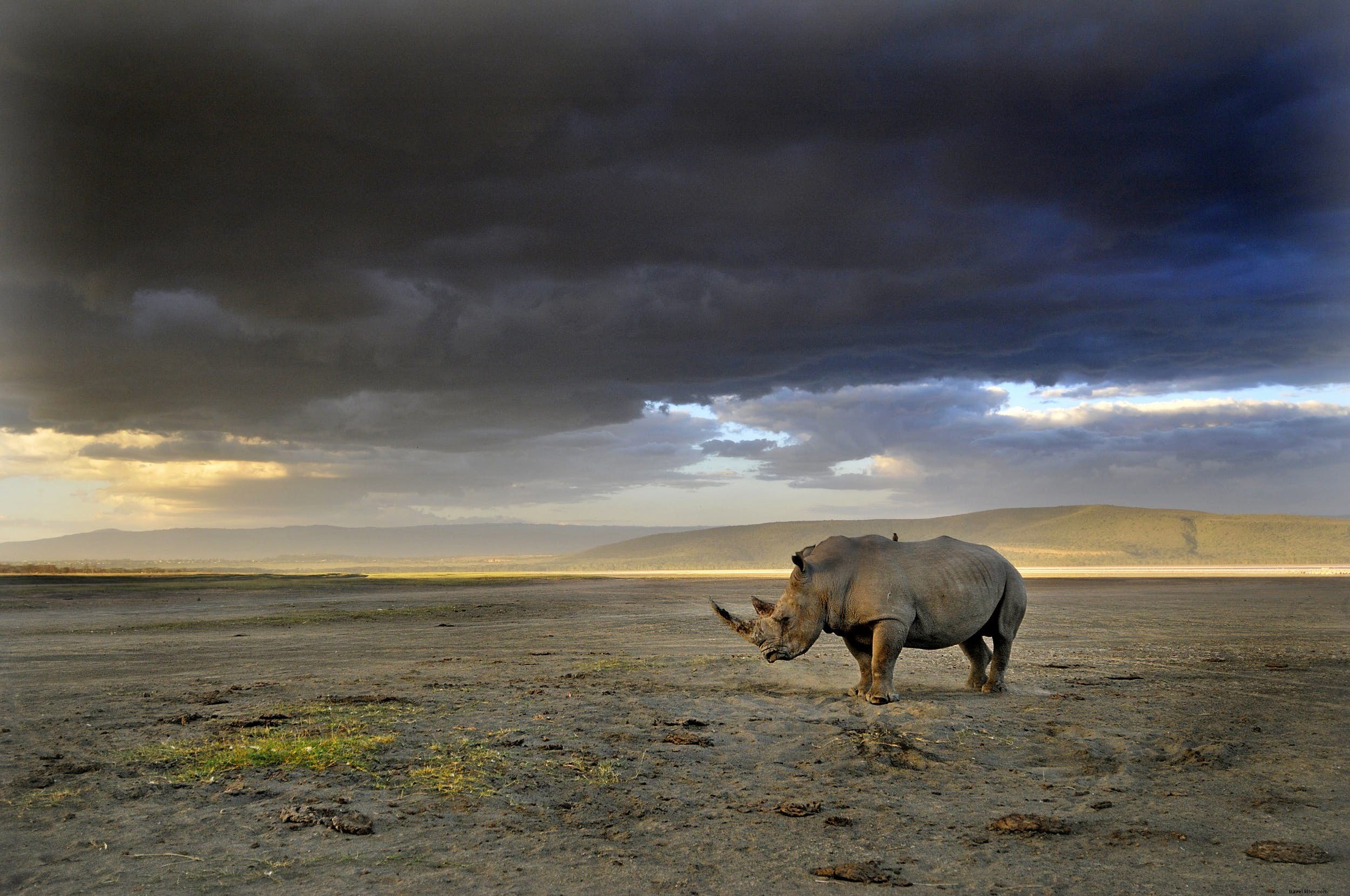
Kenya: Leads in black rhinos; try Laikipia (Ol Pejeta, Lewa), Nairobi, Tsavo West, Meru, Aberdare, Lake Nakuru.
Tanzania: Ngorongoro Crater for dense black rhinos; some in Serengeti.
Botswana: Rare in Okavango; better at Khama Rhino Sanctuary.
Zambia: North Luangwa for black rhinos.
Zimbabwe: Matobo for both species.
eSwatini: Mkhaya Game Reserve boasts strong populations.
Conservation Status
White rhinos exemplify success: from under 100 in the early 1900s to 17,212-18,915 today (mostly southern in South Africa; Near Threatened). Northern whites are nearly extinct, with only two females at Ol Pejeta, Kenya.
Black rhinos rebounded from 2,410 in 1995 to 5,366-5,627 (Critically Endangered), down from 600,000 circa 1900.
In 2014, Namibia auctioned a black rhino hunt for conservation, raising $350,000 from an aggressive, non-breeding bull.