African Leopards: The Elusive Big Cat's Secrets and Top Safari Spots to See Them
Leopards are among Africa's most elusive big cats, making sightings a coveted highlight on any safari. Their breathtaking beauty and graceful prowess epitomize feline elegance.
Expert masters of stealth and camouflage, leopards often observe safari-goers undetected. Yet, they remain Africa's most adaptable and widespread big cat. Discover the enigmatic leopard's profile and prime locations for observation.
Leopards: Defined by Their Iconic Rosettes
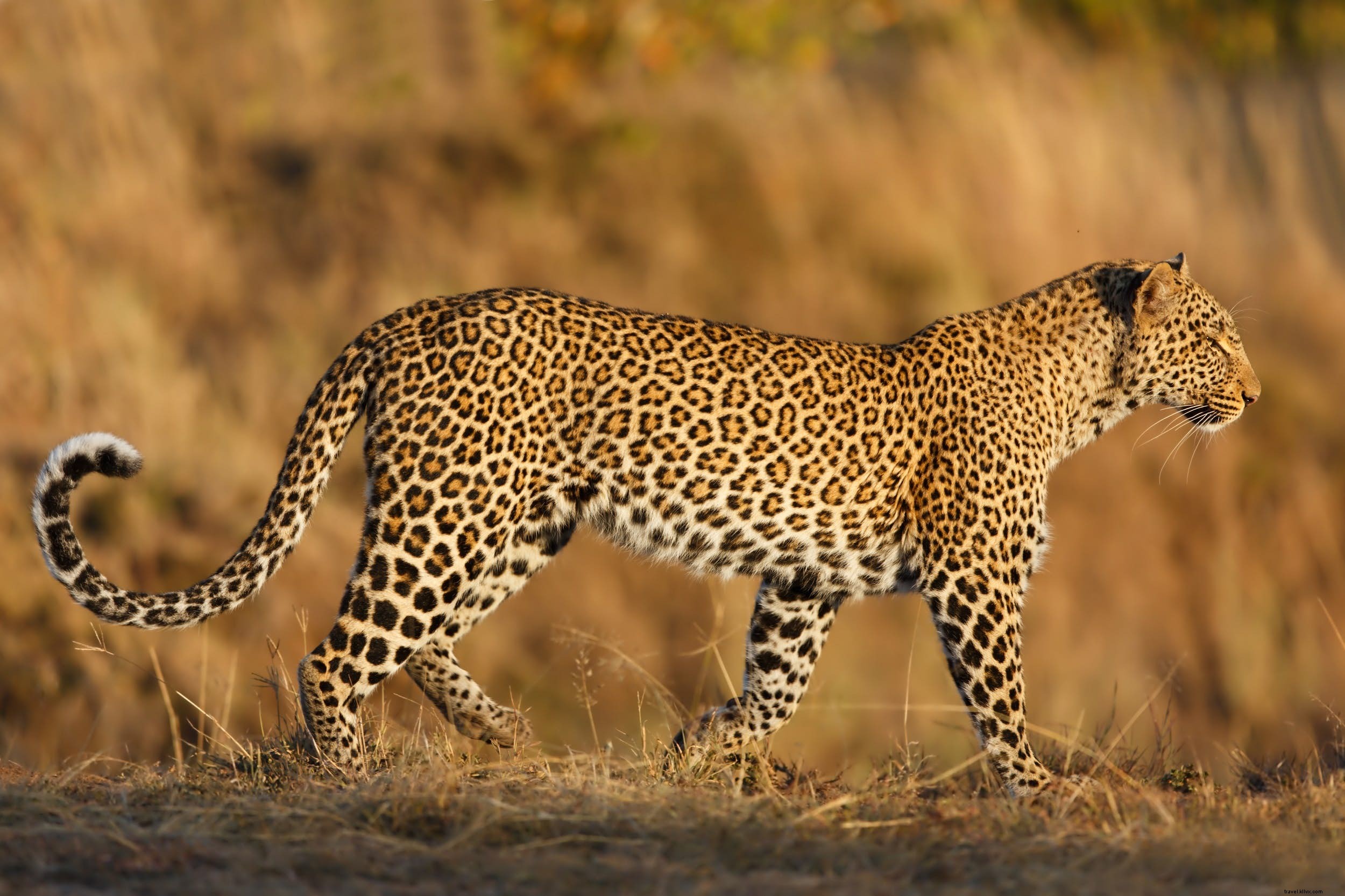
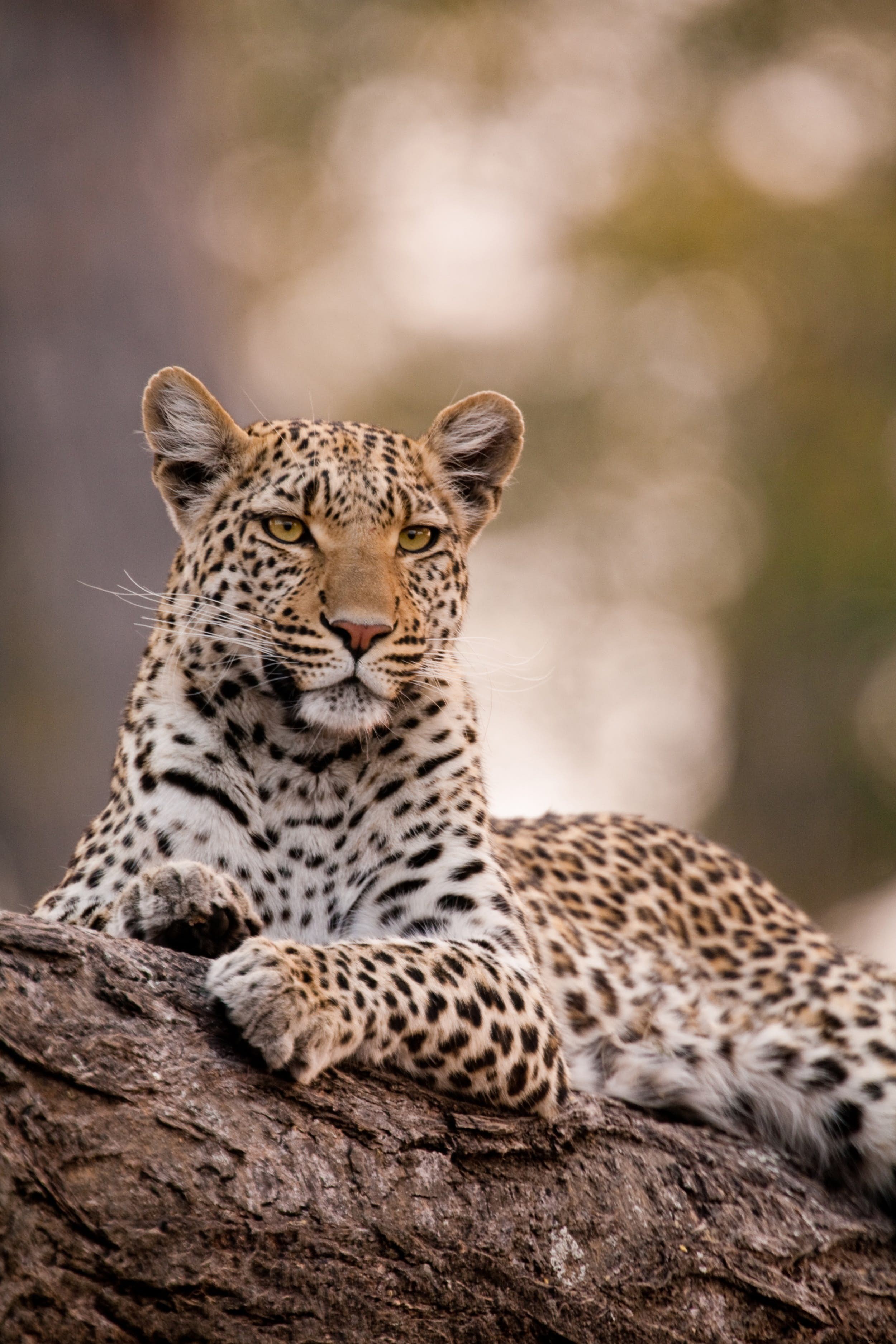
Leopards' distinctive rosettes—circles of black spots around a tawny core—define their allure. These patterns, prized in fashion from runways to traditional attire, provide perfect camouflage in dappled forests and grasslands. In dense forests like Kenya's Aberdare Mountains, melanistic 'black panthers' occur, though sightings are exceptionally rare.
Read more: Where to go when: the best places to visit through 2020
Muscular and powerful, male leopards measure up to nearly 3 meters including tail (typically 2 meters), stand 55-82 cm at the shoulder, and weigh up to 90 kg. Females are smaller, maxing at around 42 kg.

A Solitary Predator
Male leopards embody solitude in the animal kingdom, living alone except during mating and fiercely defending territories. Females mirror this independence, except when raising cubs.
Read more: Where you should go on your first safari in Africa
After a 3-month gestation, females birth 1-4 cubs, with 50-90% mortality in the first year from hyenas, lions, baboons, or intruding males. Cubs depend on mothers for a year: weaned at 2 months, eating solid meat by 4 months, and learning hunts thereafter. At 18-24 months, juveniles disperse to claim territories.
Ambush Masters and Versatile Hunters
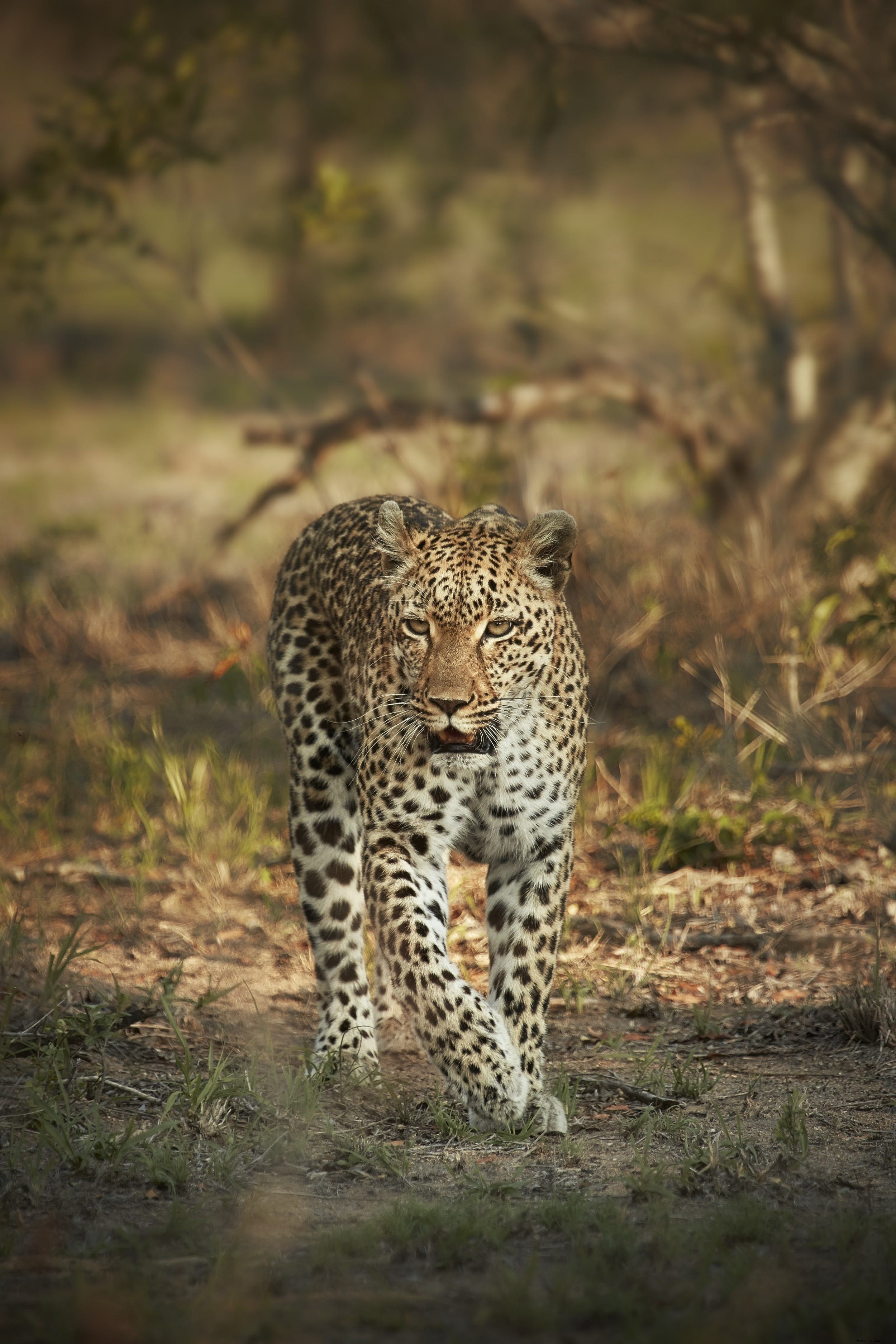
Leopards' adaptability shines in their diet of over 200 species, favoring impala, springbok, nyala (often >50% of intake), plus warthogs, zebras, wildebeest, and steenboks. Larger prey is rare, though one hauled a 900 kg eland. They also target rival predators' cubs and primates in forests.
Near human areas, livestock conflicts arise, but human attacks are rare.
Read more: A day on safari in Africa: what you can expect in camp and in the wild
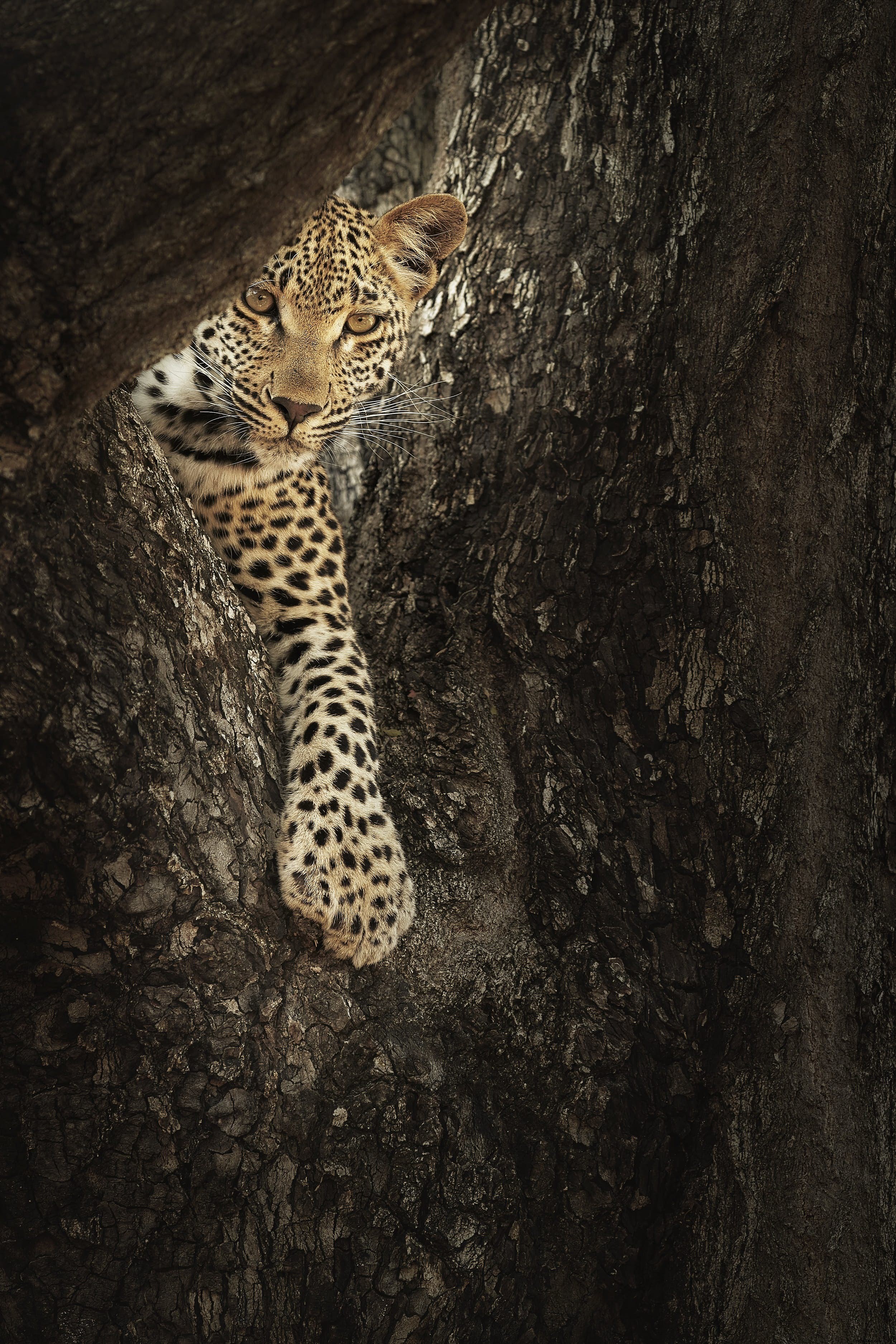
Primarily ambush hunters, leopards stalk to 4-5 meters before pouncing, succeeding 5-38.5% of attempts via throat suffocation. Solitary, they cache kills in trees—climbing with twice their weight—to evade lions and hyenas, showcasing superior arboreal skills among big cats.
Preferred Habitats and Range
Found in 62 countries, African leopards thrive in East and Southern Africa, scarce elsewhere. Beyond Africa: Arabian Peninsula, Iran, India, Siberia (critically endangered Amur subspecies).
Read more: Are you ready for a self-drive safari in Africa?
Woodlands and riverine cover suit their stalking needs. Territories vary: 5.6 sq km along Tanzania's Seronera River to 2,750 sq km in arid Kalahari.
Prime Leopard Safari Destinations
Botswana: Versatile sightings in watery Chobe, Okavango Delta, and arid Central Kalahari Game Reserve.
Kenya: Abundant in Masai Mara, conservancies, Lake Nakuru, Tsavo West.
Malawi: Nyika National Park boasts 100+ leopards, ideal for night drives.
Namibia: Elusive but viewable at Okonjima, Erindi, Etosha waterholes.
South Africa: Northeast stars: Kruger, Sabi Sand, Mapungubwe, Madikwe, Kgalagadi.
Tanzania: Serengeti excels; also Tarangire, Selous, Katavi.
Zambia: Kafue, South Luangwa hotspots.
Zimbabwe: Mana Pools, Hwange populations.
Conservation Challenges for Leopards
Beauty, adaptability, and proximity to humans threaten leopards via trophy hunting, retaliation kills, and habitat loss. IUCN lists them as Vulnerable.
Read more: Turning myth into reality: the white lions of Timbavati
Panthera's faux-leopard pelts replaced real ones in South Africa's Zulu Shembe Church and Zambia's Barotse ceremonies, aiding conservation.
Related articles:
Safari animals: the story of lions (and the best places to see them)
Safari animals: the story of rhinos (and the best places to see them)
Safari animals: the story of elephants (and the best places to see them)
Safari animals: the story of cheetahs (and the best places to see them)