African Elephants: Majestic Giants of the Savanna – Facts, Behavior, and Prime Safari Spots
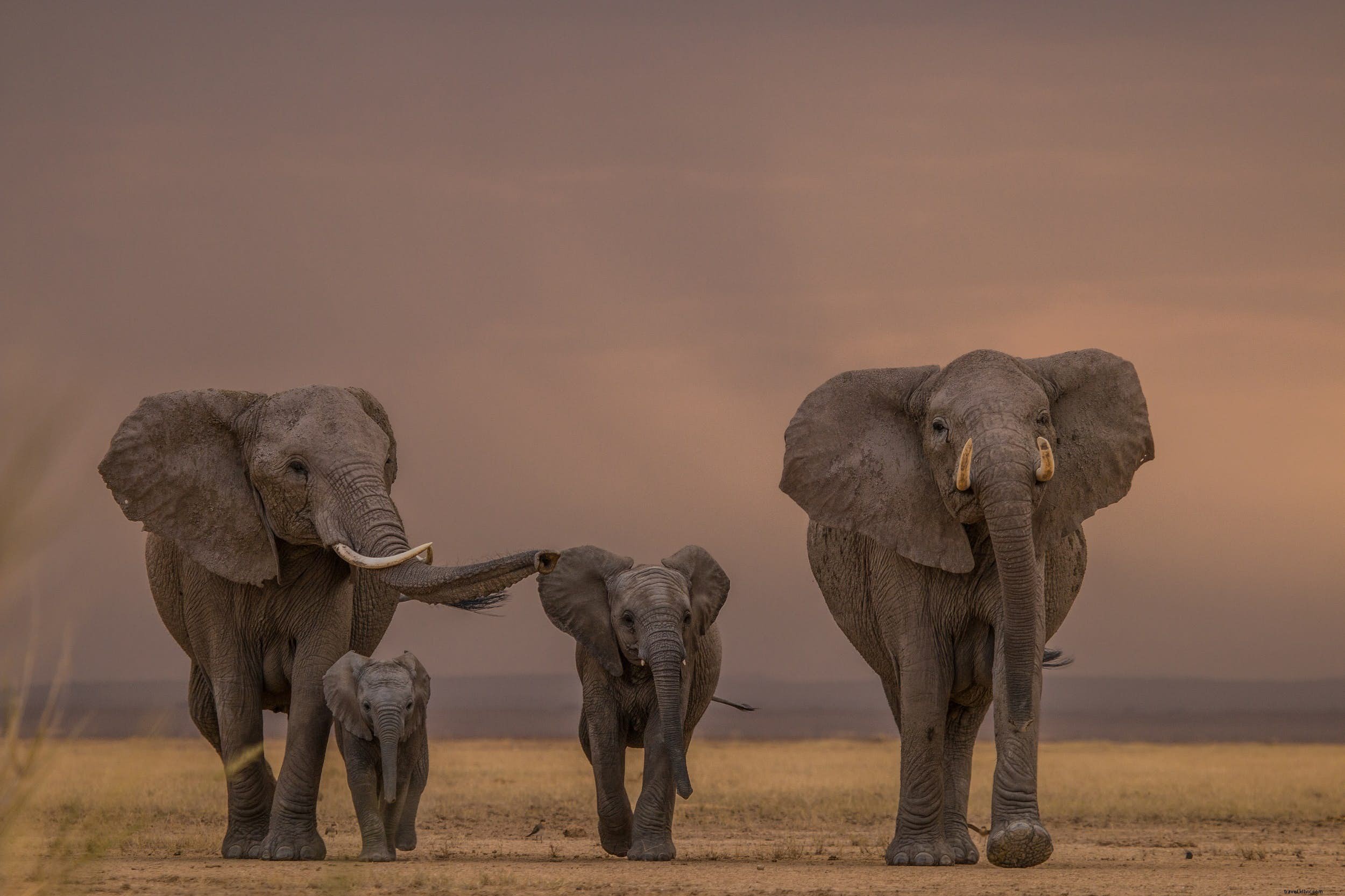
The African elephant is Earth's largest land mammal—a gentle giant symbolizing nature's grace and fragility. Though common on African safaris, these icons face severe threats. This expert guide explores their lives and reveals the best wild viewing spots.
African Elephants: Majestic Behemoths Under Threat
An adult male African elephant can weigh up to 13,334 lb (6,048 kg)—over 2.5 times a family car's weight—with even smaller males exceeding 8,820 lb (4,000 kg). Females weigh roughly half as much. Males reach 13 ft (4 m) at the shoulder; females up to 11 ft (3.4 m). Bulls have rounded foreheads; cows angular ones.
Elephants boast the largest mammalian brain (up to 13 lb/6 kg). Their boneless trunk—up to 6.6 ft (2 m) long, 287 lb (130 kg), with 60,000 muscles—acts as a versatile hand. Tusks serve as tools and weapons; record lengths hit 10 ft (3 m), weights 154 lb (70 kg).
Apart from humans, few predators threaten them. In areas like Zimbabwe's Hwange National Park or 1980s Botswana's Savuti, some lion prides hunt juveniles. Unmolested, elephants live 55–70 years.
The Elephant Matriarchal Society
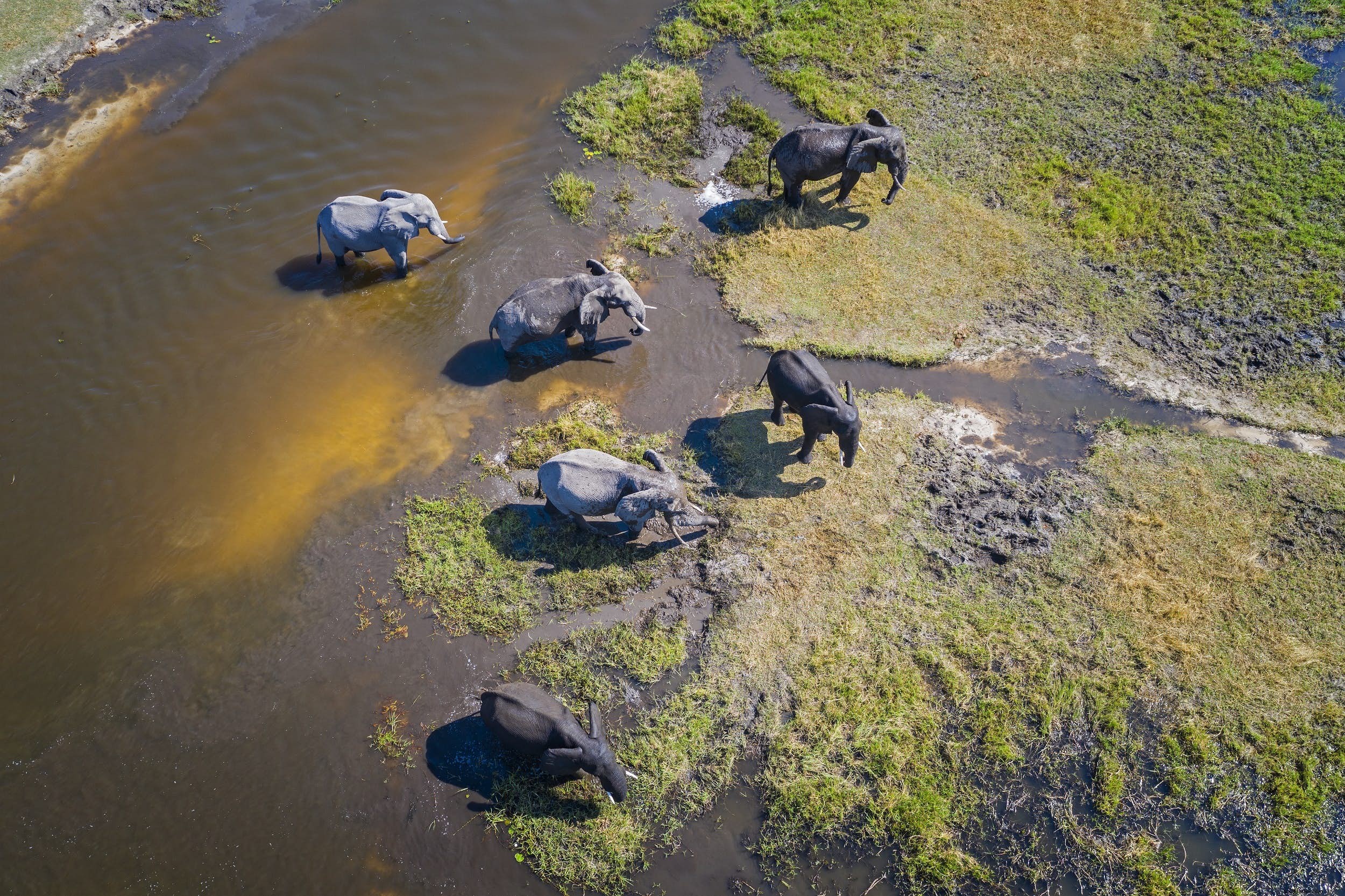
Females form tight, multi-generational herds led by an elder matriarch who guides them to water and defends the group. Pregnancy lasts ~650 days, yielding one calf that walks within hours. Calves nurse for two years, gaining independence by age 10. Males leave at 10–14, often solo or with a bull. Females stay lifelong with kin.
Voracious Vegetarians and Ecosystem Engineers
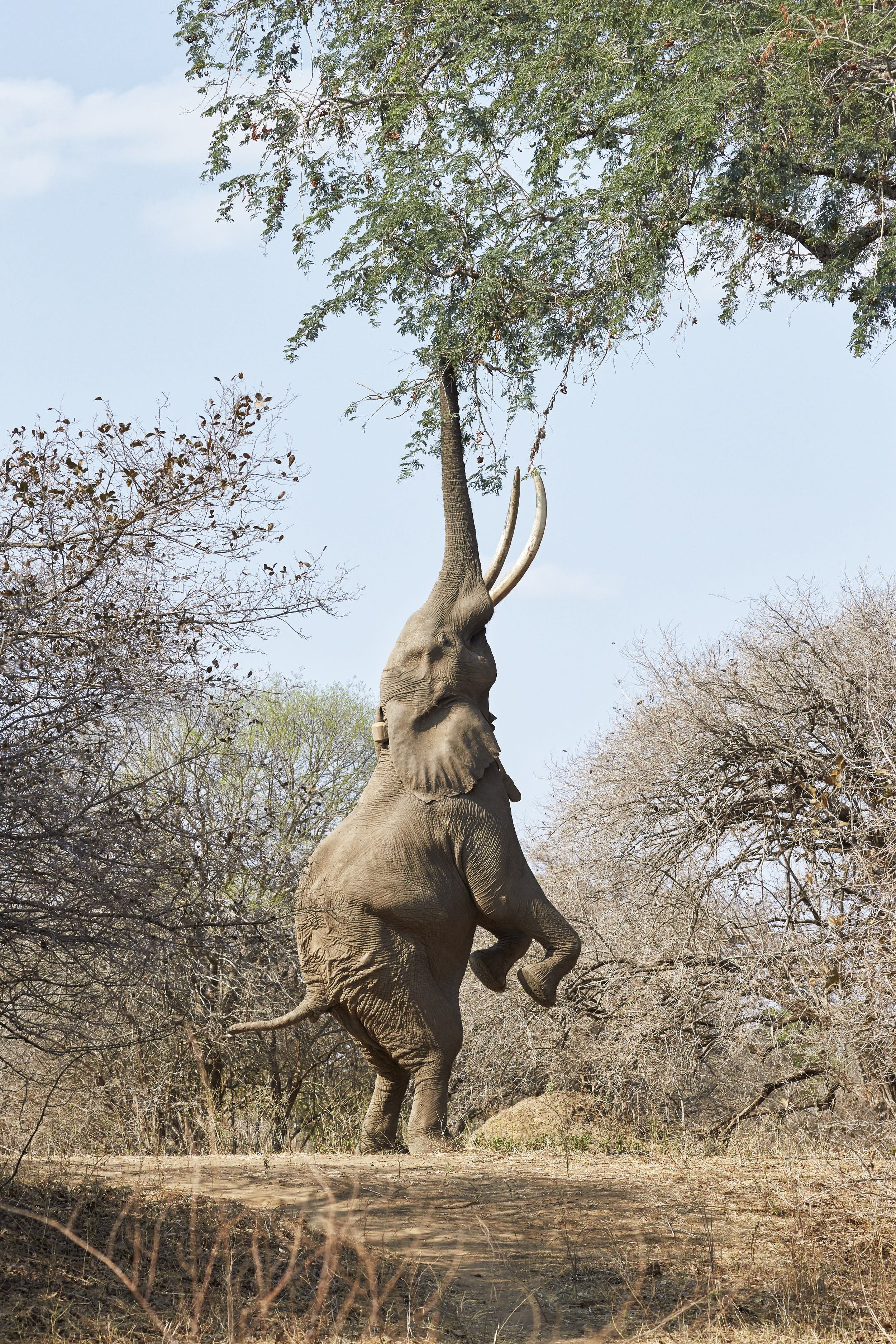
Strict herbivores, elephants devour grass, leaves, fruits, branches—up to 750 lb (340 kg) daily (5% body weight; ~50 tons yearly). They graze 19 hours/day, defecate 30 times (330 lb/150 kg dung), dispersing ~5,700 acacia seeds per deposit to regenerate forests. They drink 26–52 gallons daily, offsetting skin evaporation and 13 gallons of urine.
Top Safari Destinations for Elephant Sightings
Africa hosts bush (savanna) and forest elephants; bush elephants dominate East/Southern savannas. The 2016 Great Elephant Census tallied 352,271 savanna elephants across 18 countries. Asian elephants persist in smaller, isolated groups.
Botswana: Over 130,000 elephants; Chobe National Park and Okavango Delta excel.
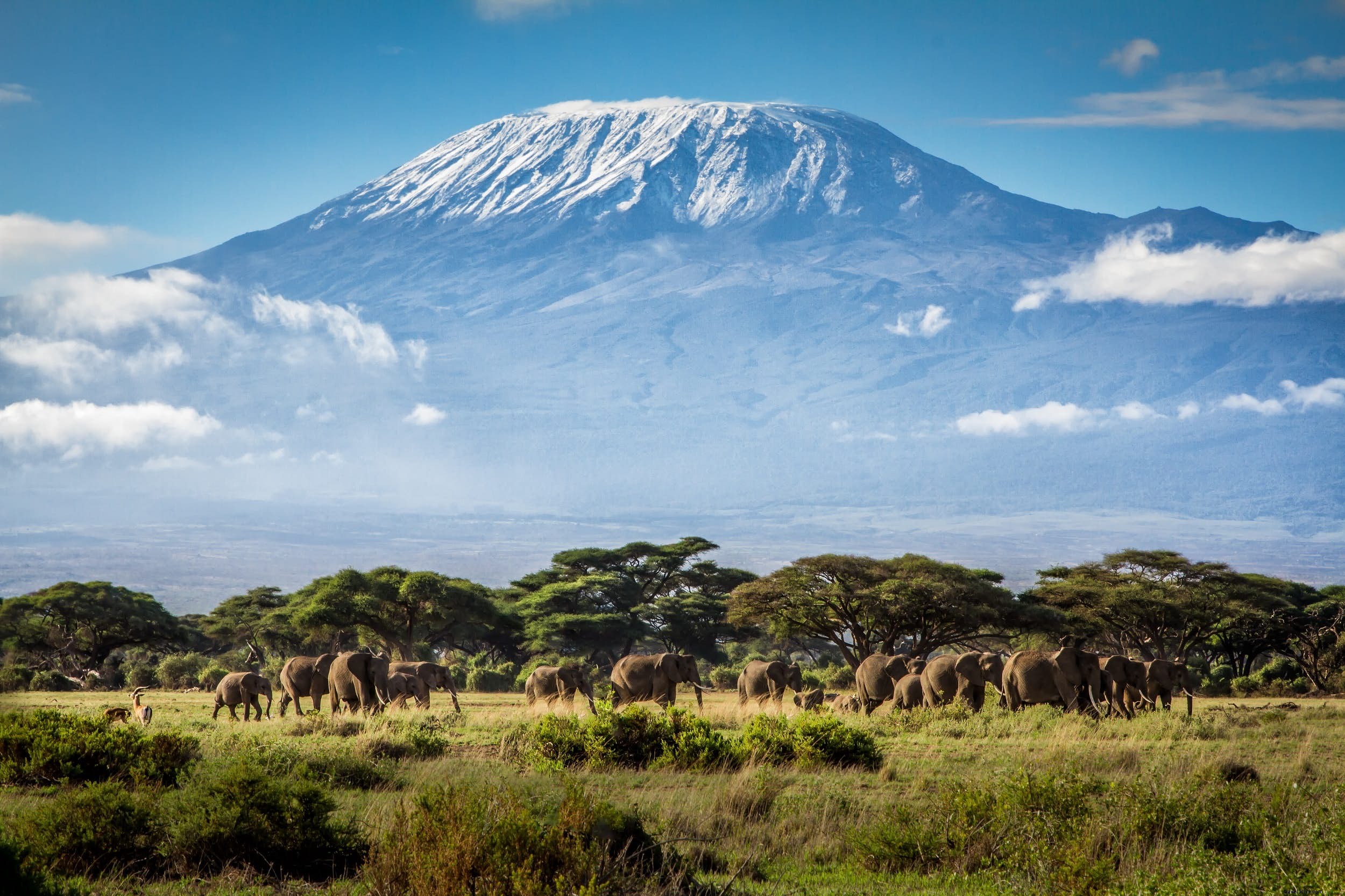
Kenya: Amboseli leads; also Masai Mara, Tsavo parks, Samburu.
South Africa: Kruger and Addo Elephant National Park.
Namibia: Etosha; Damaraland's desert-adapted herds.
Tanzania: Serengeti, Lake Manyara, Tarangire, Ruaha.
Zambia: South Luangwa.
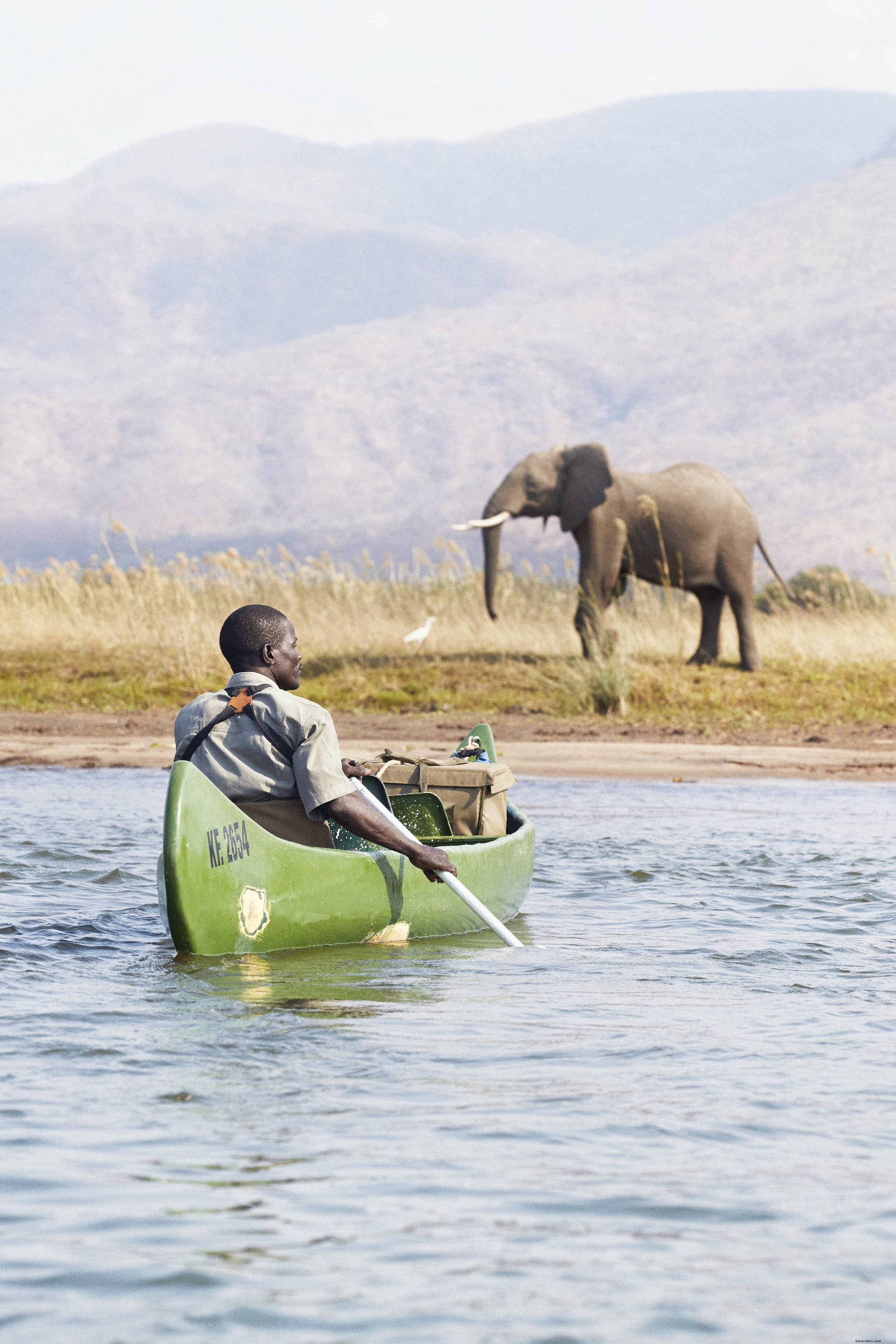
Zimbabwe: Hwange (half of 80,000 elephants), Mana Pools.
Malawi: Nkhotakota (recently bolstered by 500 translocated elephants).
Mozambique: Gorongosa.
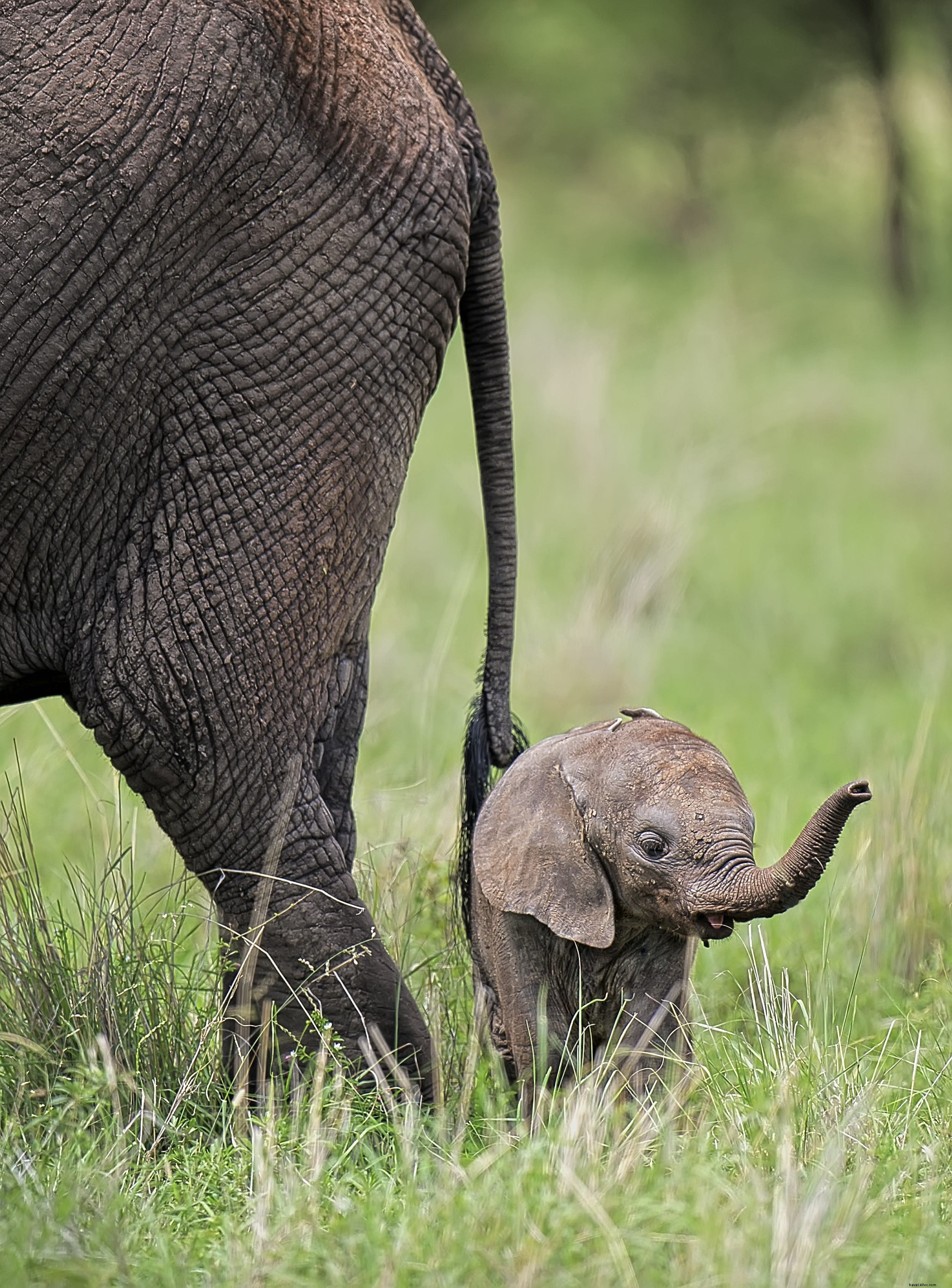
Elephants in Peril: Poaching and Conservation
Ivory demand has decimated populations since the 1970s; IUCN lists them as Vulnerable. Numbers plunged from 1.3 million to ~500,000 by late 1980s. CITES 1989 ivory ban slashed prices 90%; Kenya's 12-ton burn symbolized resolve.
Poaching resurged post-2010: 30,000+ lost yearly (~7%; 4/hour). 2016 Census showed 30% drop in seven years, though Kenya (25,959; stable) and Uganda improved. Tanzania lost 60%. Ongoing efforts aim to reverse the tide.