Self-Drive Safari in Africa: Are You Ready? Pros, Cons, and Top Alternatives
Africa offers countless safari experiences, but one key decision shapes your adventure: Are you prepared for a self-drive safari?
What Is a Self-Drive Safari?
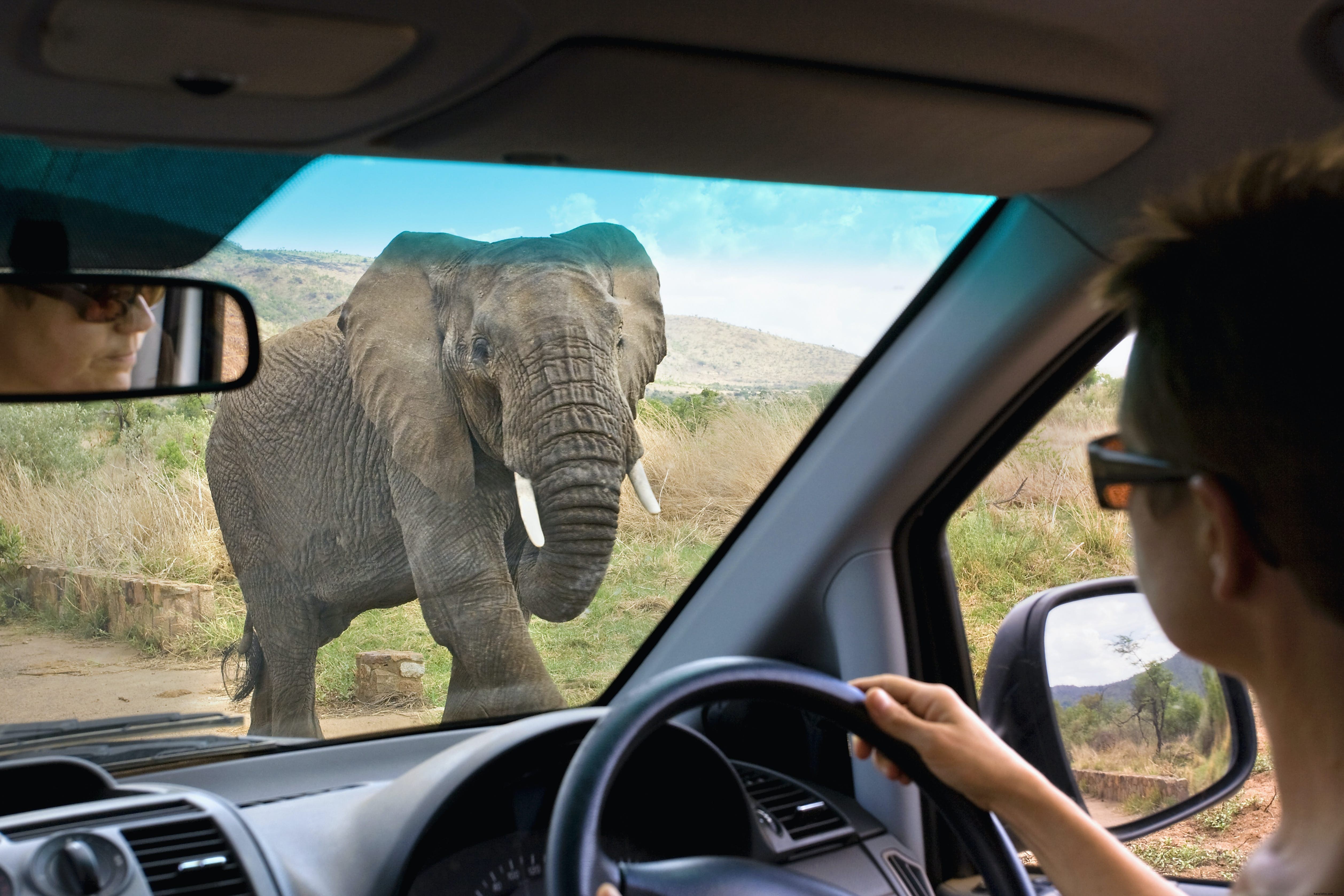
In a self-drive safari, you take full control behind the wheel of your own vehicle, venturing into the wilderness on a basic camping adventure. In much of South Africa, including Kruger National Park, a 2WD vehicle suffices on paved or well-graded roads. Elsewhere, like Kgalagadi Transfrontier Park shared with Botswana, a 4WD is essential. If opting for 4WD, complete a familiarization course—ideal as a refresher or beginner training in your chosen vehicle.
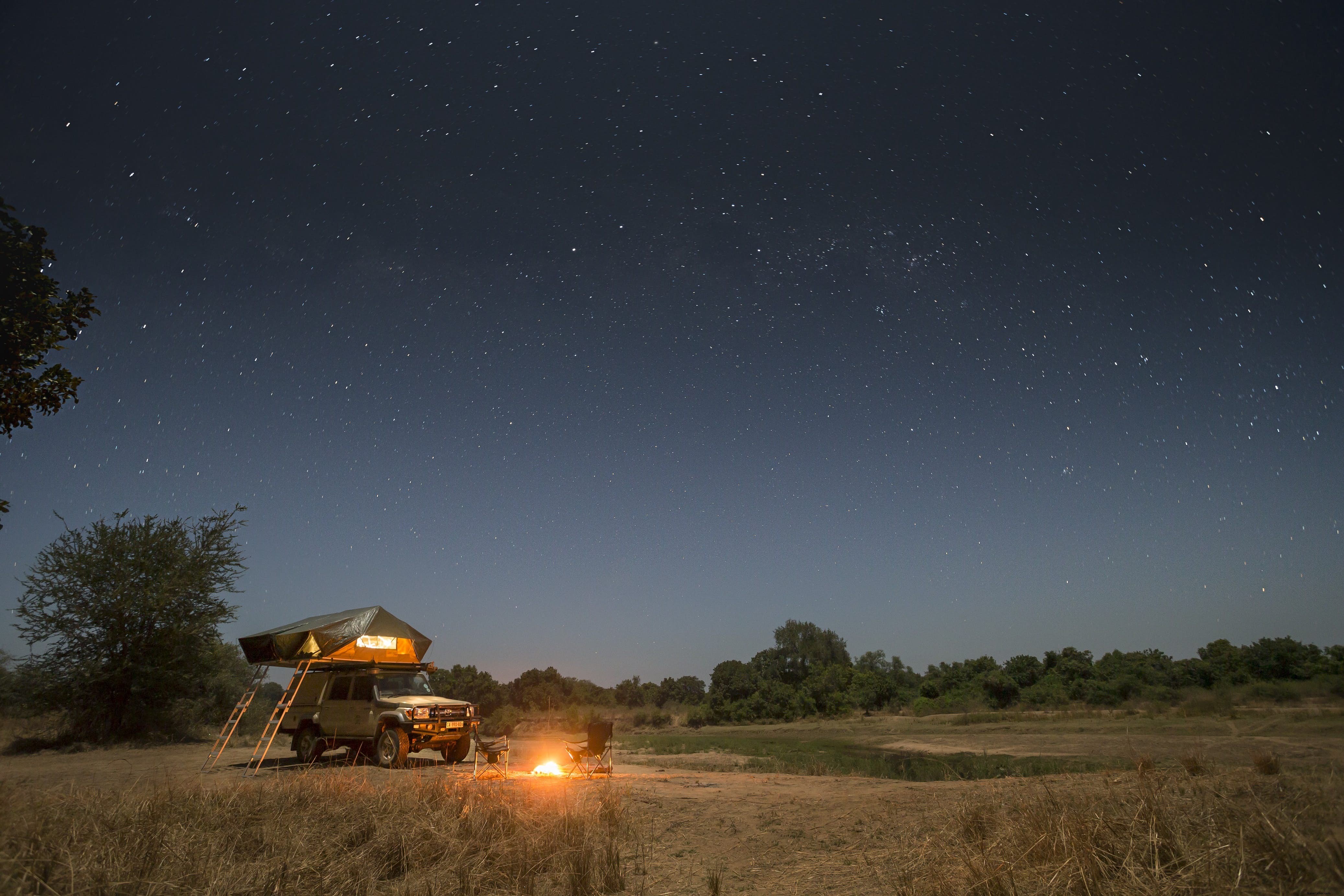
Rental companies provide fully equipped 4WD campers with rooftop tents, fridges, gas stoves, cooking gear, bedding, and camp furniture. Daily rates start around £120, covering transport and lodging; add only campsite fees, park entry, and affordable groceries. Recommended providers include Avis Safari Rentals, Britz, Bushlore, and Drive Botswana for bookings. This style suits southern Africa better than East Africa.
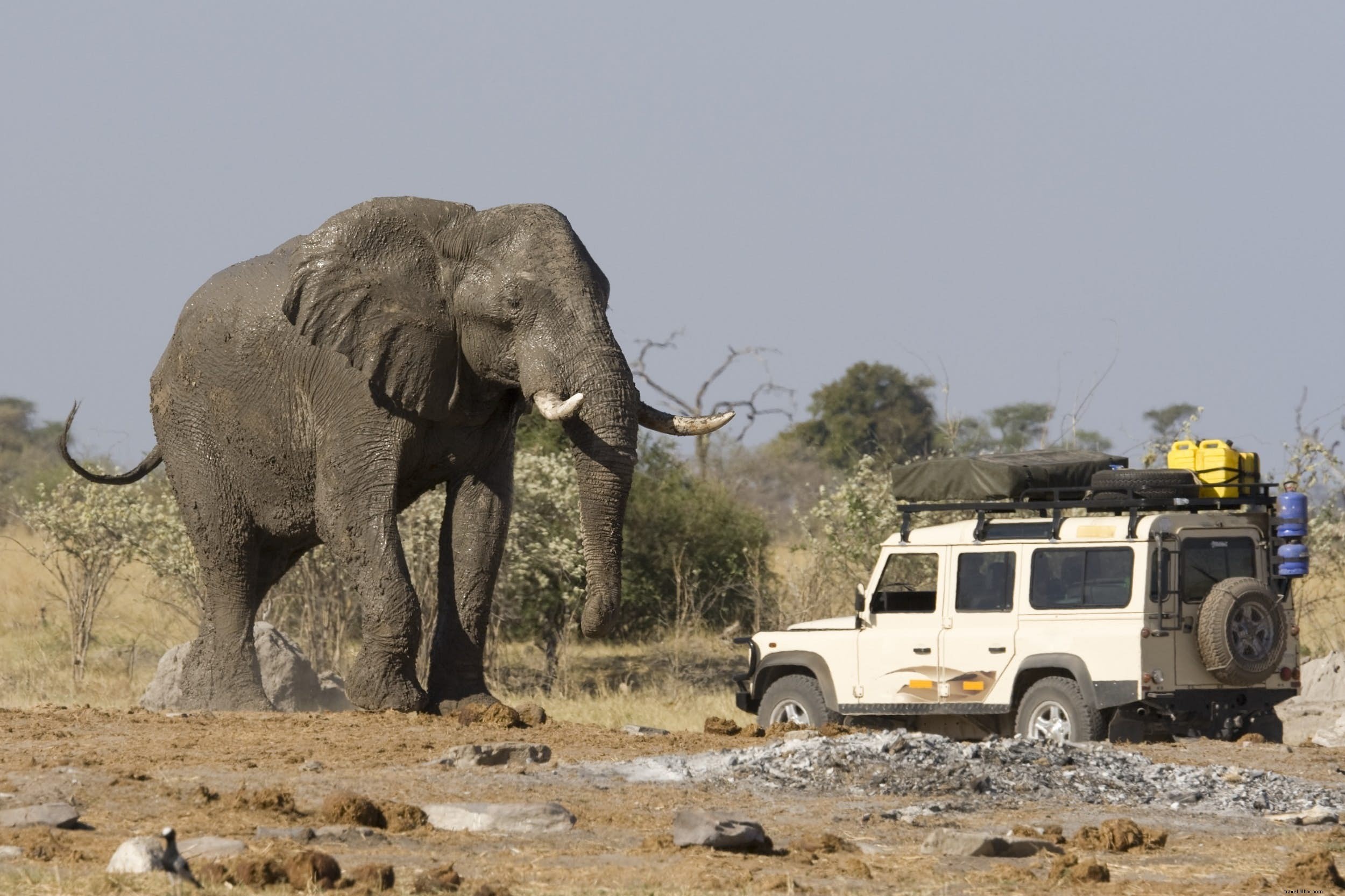
For premium self-drive, companies like Safari Drive blend off-road driving with luxury lodges and full planning services. Compare options and tours on SafariBookings.com.
Benefits of Self-Drive Safaris
Picture spotting a lion pride with cubs after years of dreaming—on a guided tour, others might rush you away. Self-drive lets you linger as long as you wish, dictating your entire itinerary for unmatched flexibility.
Cost savings shine in pricey destinations like Botswana, where campsites unlock top wildlife spots for budget travelers.
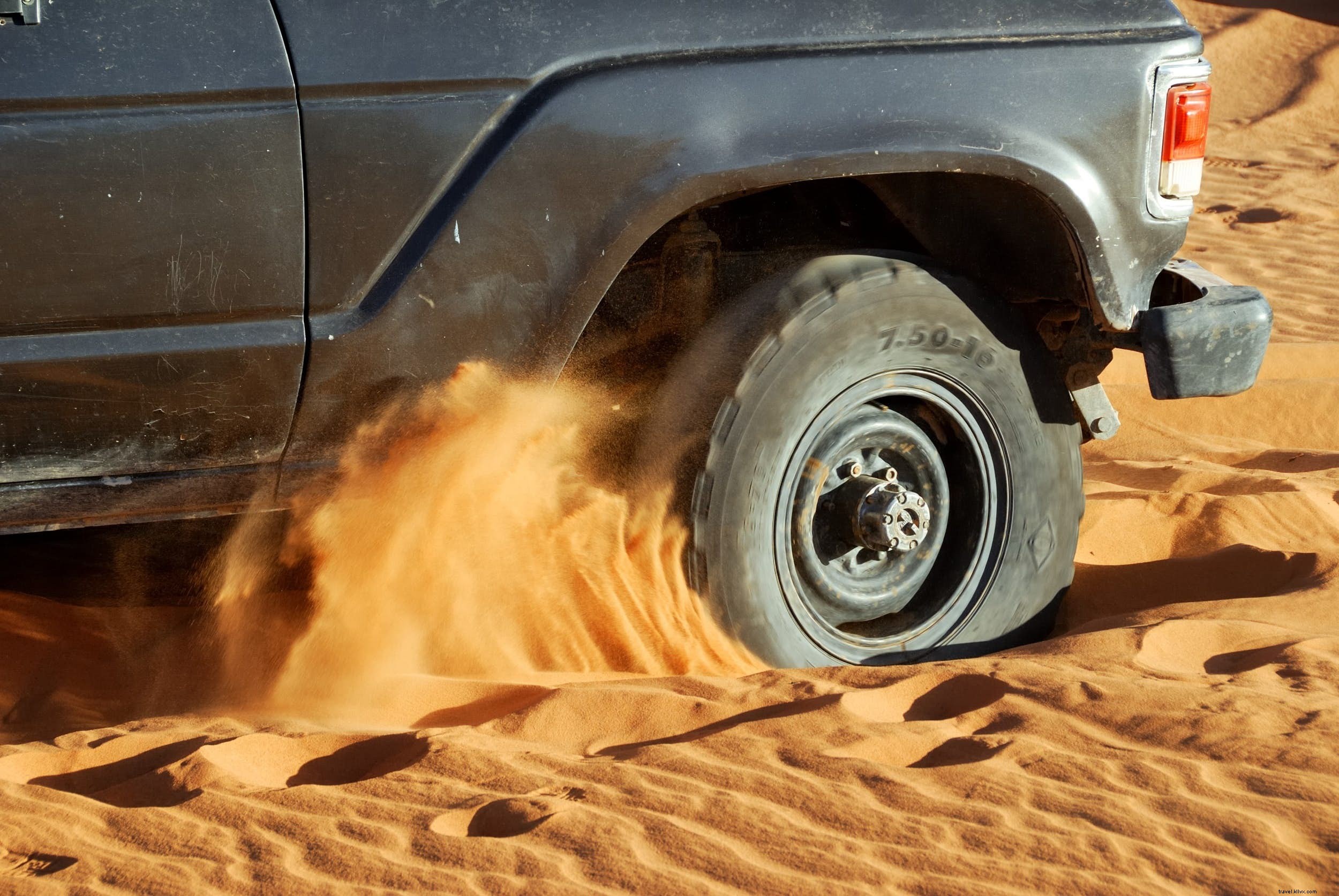
Drawbacks of Self-Drive Safaris
You handle navigation (use provided sat navs, but master maps too), breakdowns (coordinate repairs solo), and supplies—including a satellite phone for emergencies. This demands meticulous planning beyond guided tours.
Comfort is basic: self-cook meals, sleep on simple bedding, and embrace bush life unless upgrading to luxury.
Alternatives to Self-Drive Safaris
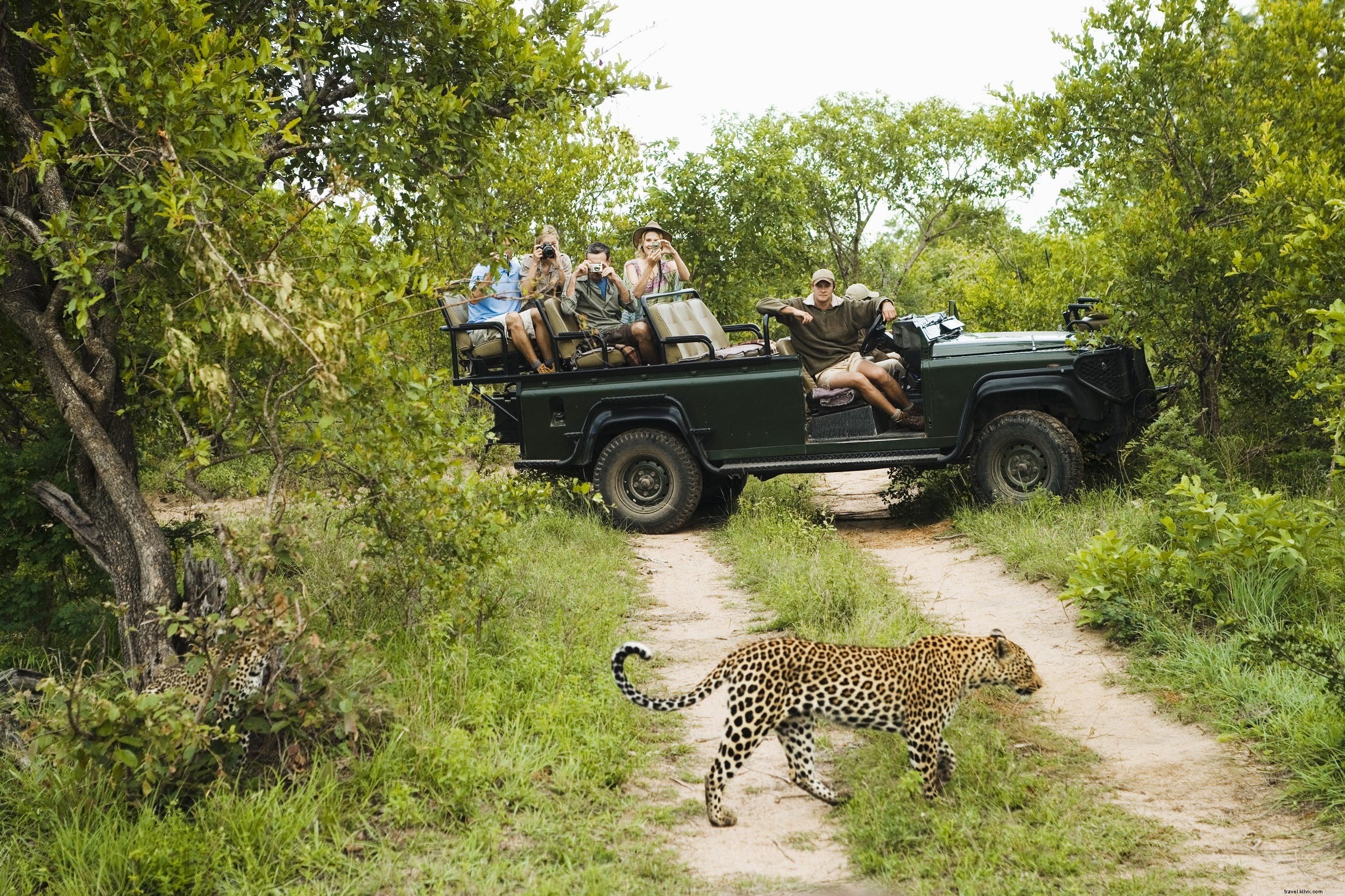
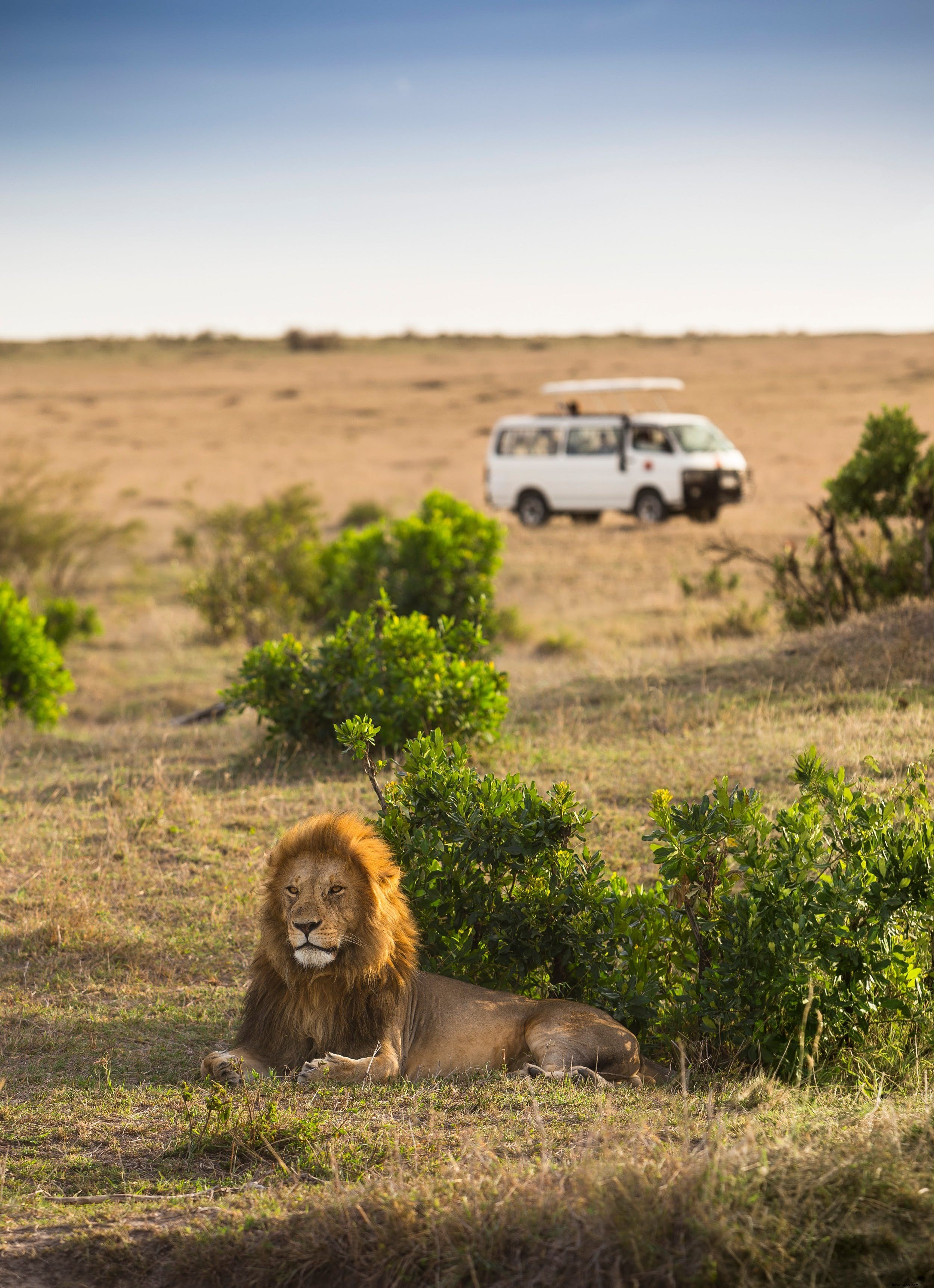
Organized tours prioritize comfort over independence, ranging from camping to opulent tented camps. Travel by luxury Land Rover, light aircraft, or minibus, tailored to budget and style.
Most require group minimums; small-group options excel. Packages often include meals, lodging, activities, and transport (internal flights extra). Book flights separately for savings.
Advantages of Organized Safaris
Relax post-booking: experts manage logistics from arrival to departure amid vast options. Indulge in luxury at high-end camps, and bond with compatible travelers.
Downsides of Organized Safaris
Fixed itineraries limit spontaneity (minor tweaks possible), group dynamics vary, and costs are premium—yet all-inclusive with few extras.
Related content:
A day on safari in Africa: what you can expect in camp and in the wild
Where you should go on your first safari in Africa
The story of lions (and your guide on where to see them on safari)