South Africa Safari for First-Timers: 8 Essential Tips Before Booking
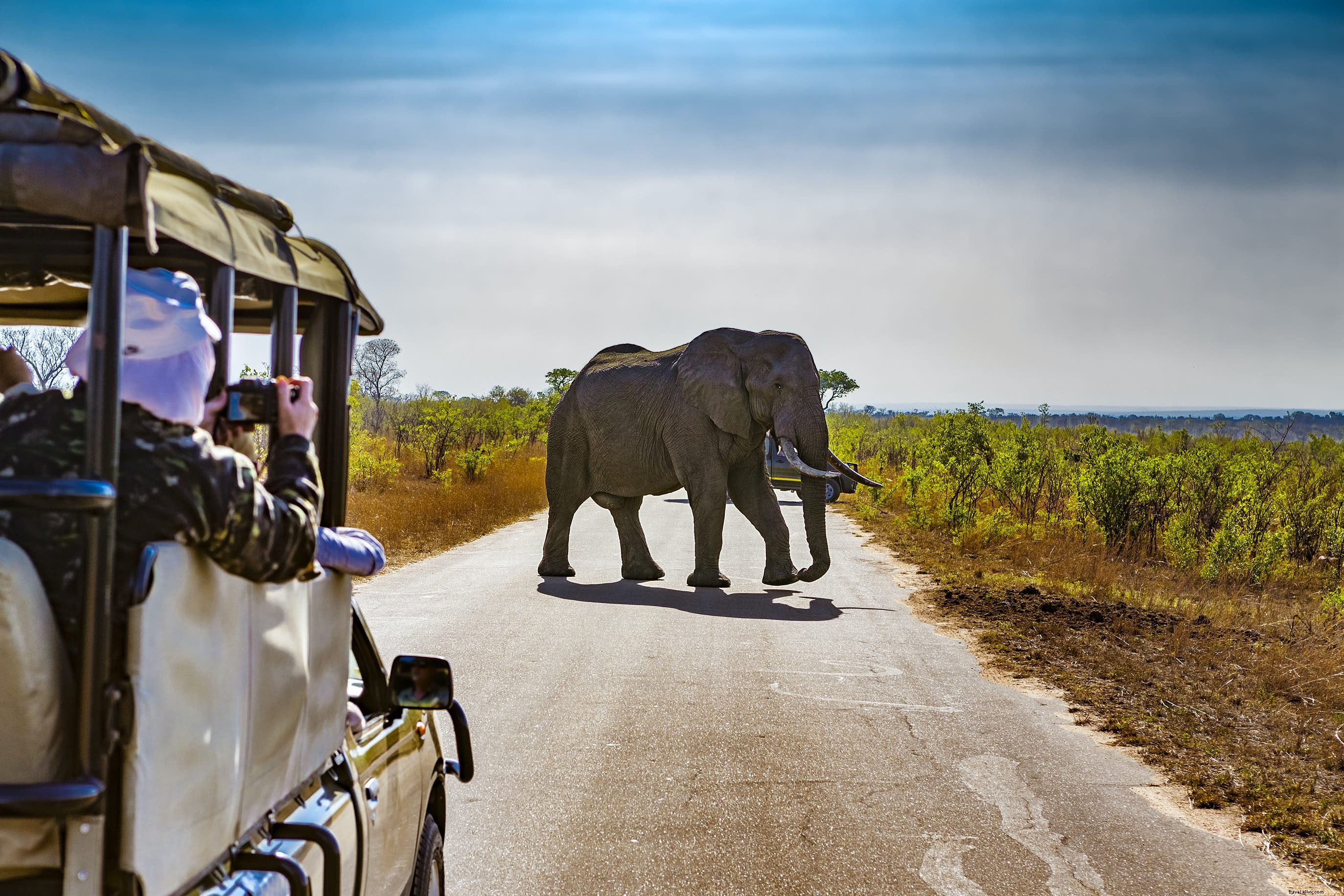
A South Africa safari is a bucket-list adventure for wildlife enthusiasts, offering experiences from rugged bush camps to opulent lodges that match every budget and preference.
Just as a giraffe selectively browses the treetops, crafting your ideal safari requires thoughtful planning. Prepare for an unforgettable journey while staying informed on evolving travel restrictions—always check the latest U.S. State Department advisories. Here's expert advice to maximize your first South African safari.
1. Best Time to Visit
For optimal wildlife viewing, aim for winter (June to September). Leafless trees improve visibility, and scarce resources draw animals to open areas and waterholes. Summer (December to February) brings lush landscapes but denser foliage that can obscure sightings, plus peak European holiday crowds seeking the warmth.
2. Selecting a National Park
South Africa boasts over 600 parks and reserves, catering to diverse experiences—from remote solitude to vibrant savannas. Options include guided tours, self-drives, or secluded camping, with accessibility for all budgets (though popular spots can get busy). Most feature well-maintained roads for rental vehicles. For first-timers, consider these standouts:
Kruger National Park
Africa's premier safari destination, spanning the size of Wales for ample space to avoid crowds. Home to every major African species, it offers accommodations from rustic campsites to comfortable lodges at competitive rates. Stay inside the park to catch prime early-morning game drives; external towns like Nelspruit complicate access amid gate queues.
Where you should go on your first safari in Africa
Hluhluwe-iMfolozi Park
This Zululand gem blends scenic beauty, classic wildlife, and cultural immersion. Nearby Elephant Coast beaches provide relaxation post-safari, while extensive hiking trails—including multi-day bush treks—add adventure.
Get more travel inspiration, tips and exclusive offers sent straight to your inbox with our weekly newsletter.
3. Opting for a Private Reserve
Private reserves command premium prices—often thousands per person daily—but deliver unparalleled luxury and immersion for those seeking the ultimate experience:
Unmatched Wildlife Proximity
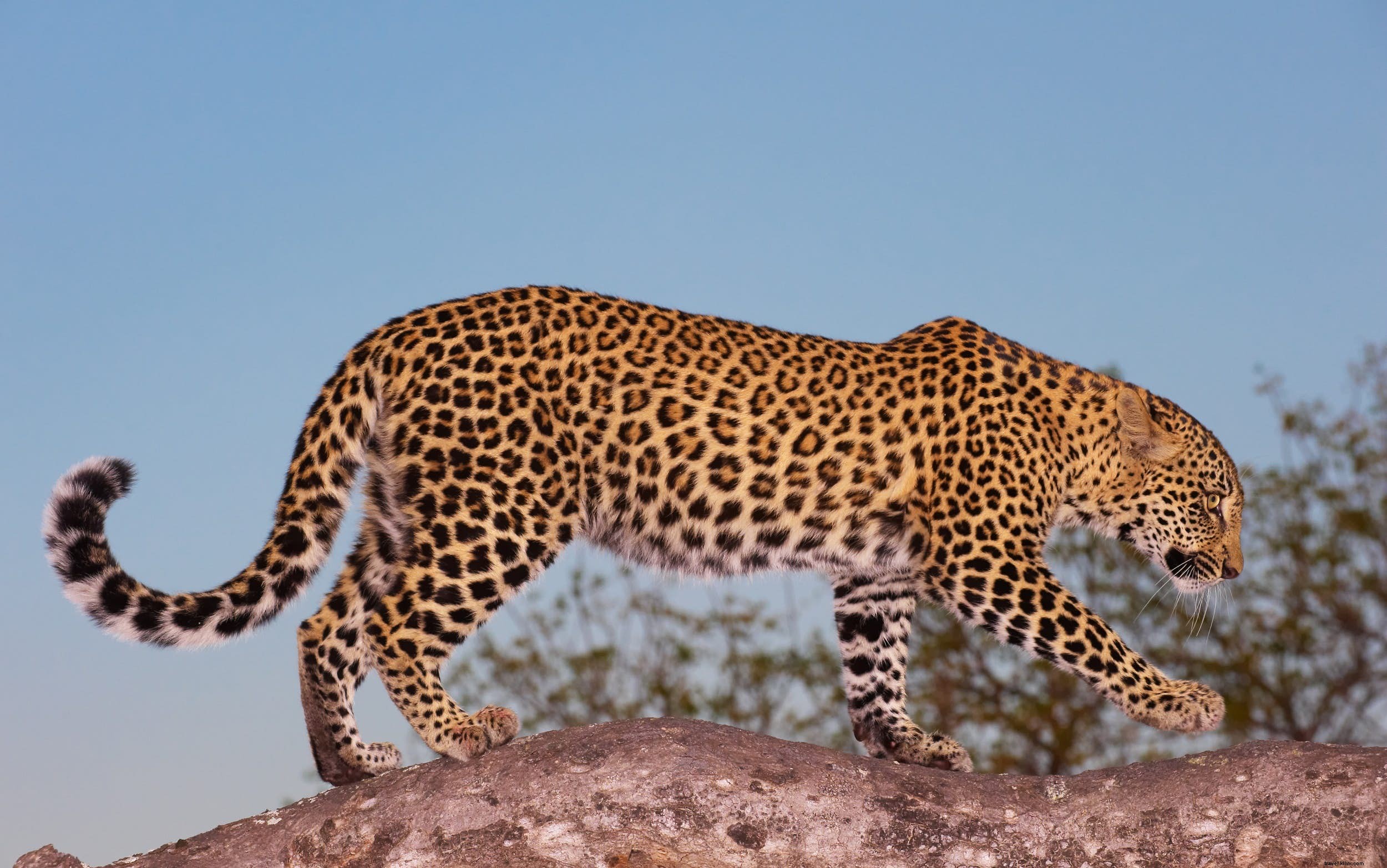
Unfenced lodges invite nocturnal visits from elephants, and off-road tracking ensures close encounters. Sabi Sand Game Reserve, bordering Kruger, is renowned as Africa's top big-cat spotting area.
Elite Guides
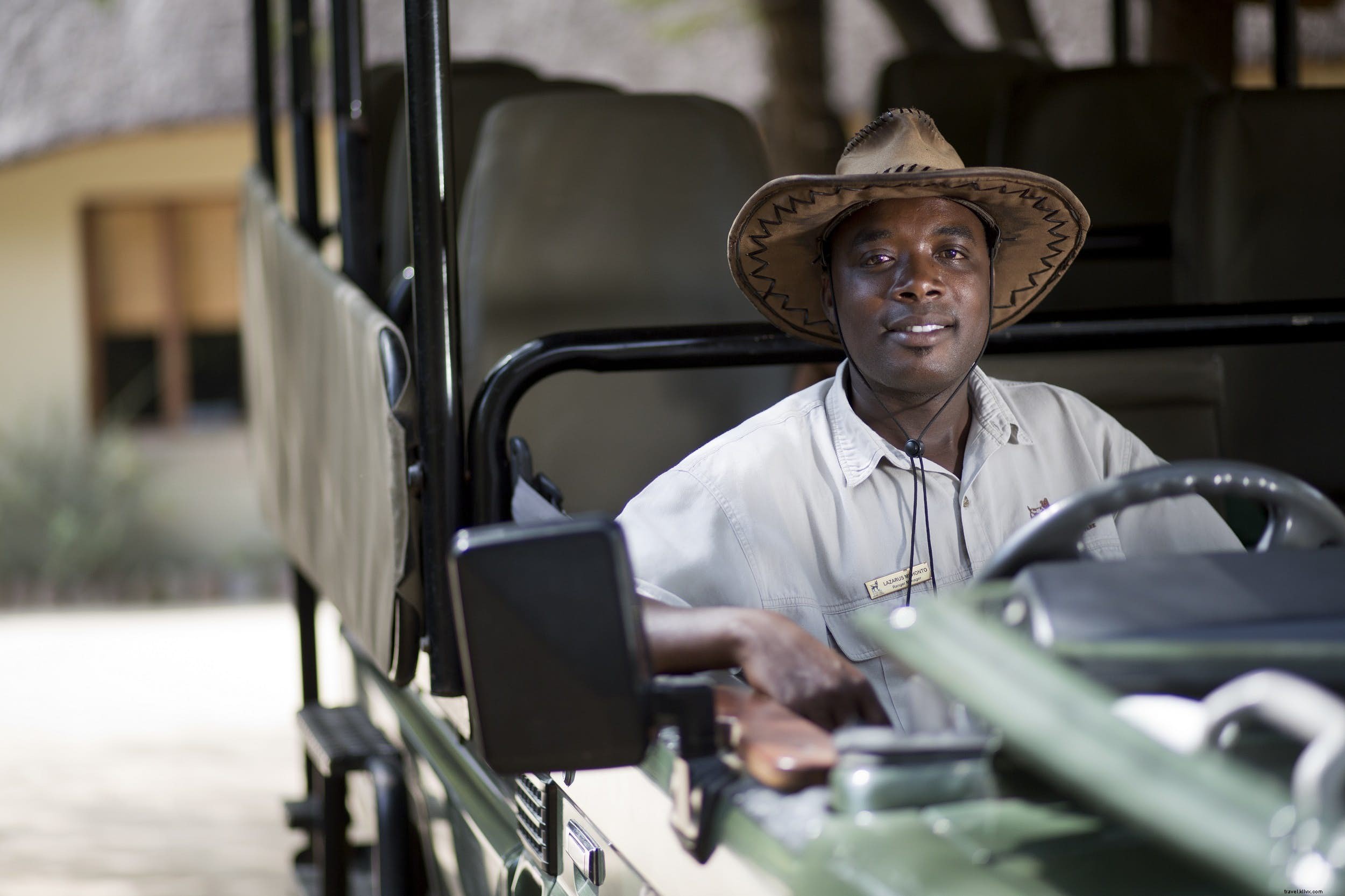
Expert trackers interpret spoor like pros, using radios for real-time sighting shares.
Fewer Crowds
Vehicles hold up to six guests (often just your group), with strict limits on vehicles per sighting versus national park pile-ups.
Luxury and Personalization
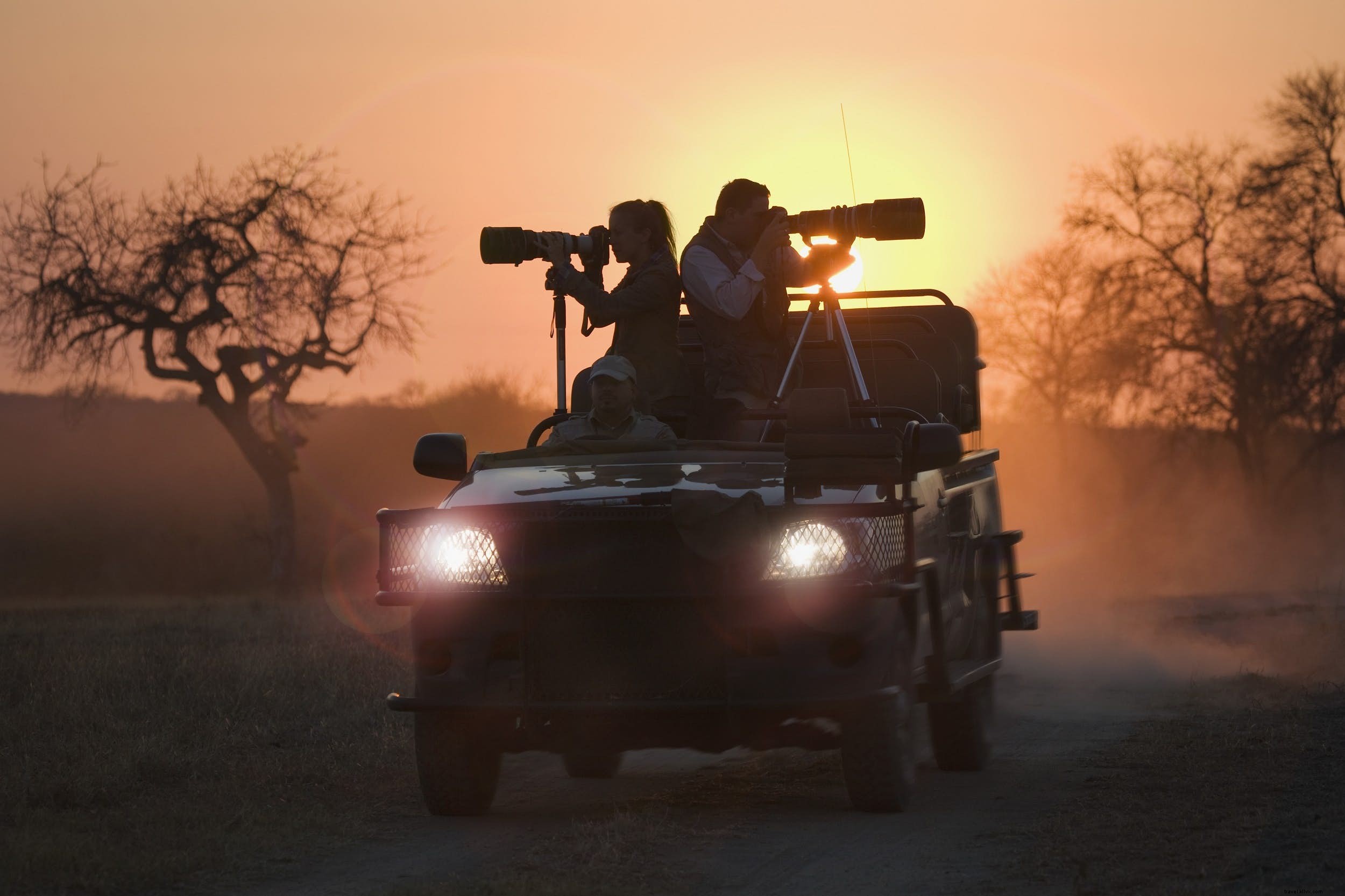
From comfortable retreats to elite spots like Singita Boulders or Sabi Sabi Earth Lodge. Tailor activities like cheetah tracking at Samara Private Game Reserve. To manage costs, start with 2-3 nights here for intensive wildlife viewing, then transition to national parks for immersive nature appreciation.
4. Hire a Guide
Guides spot subtle leopard tracks and decode the bush's intricacies, far beyond self-drive luck. They reveal hidden species, insects, and plants, enriching your understanding and safety.
Are you ready for a self-drive safari
5. Look Beyond the 'Big Five'
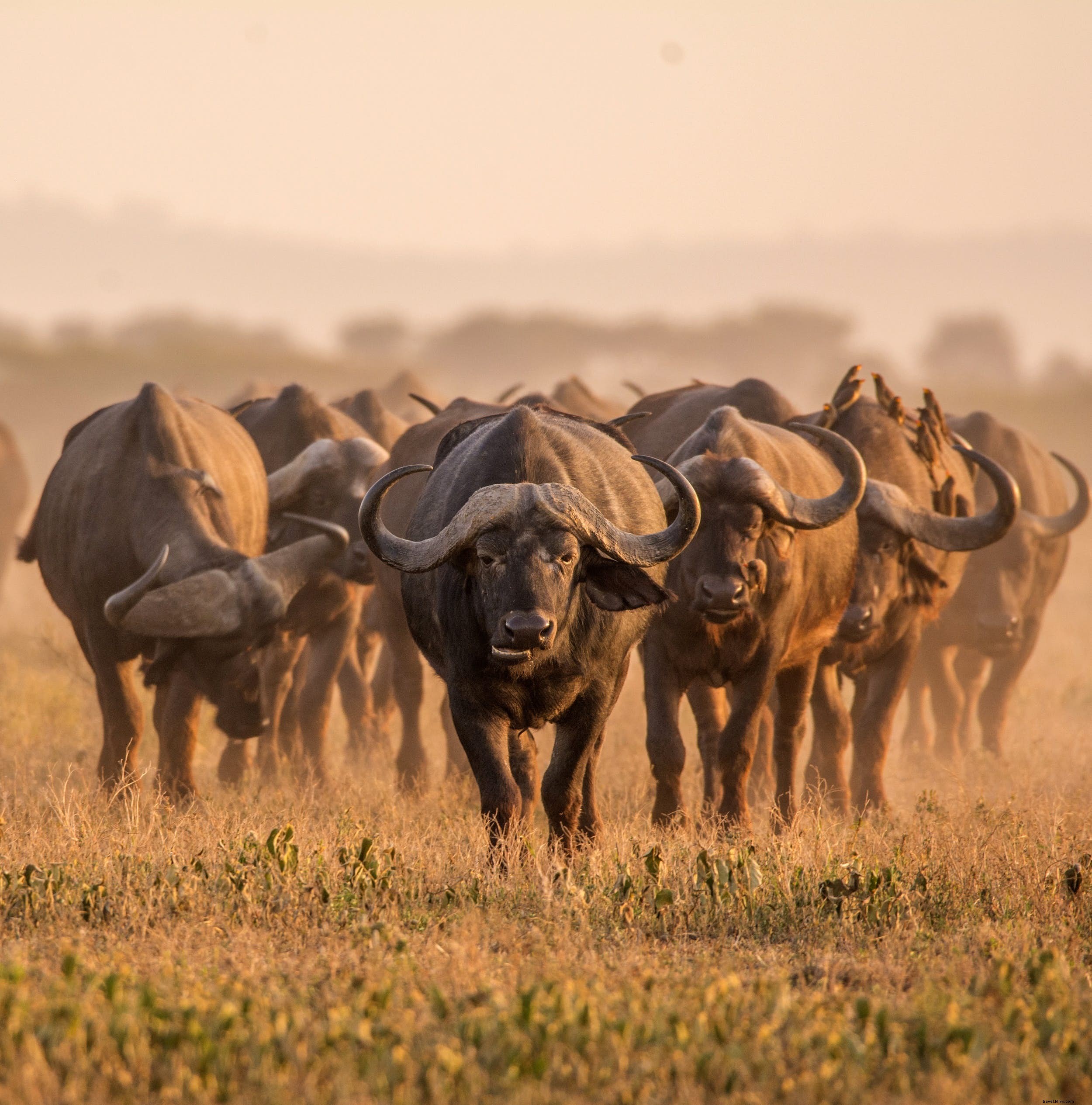
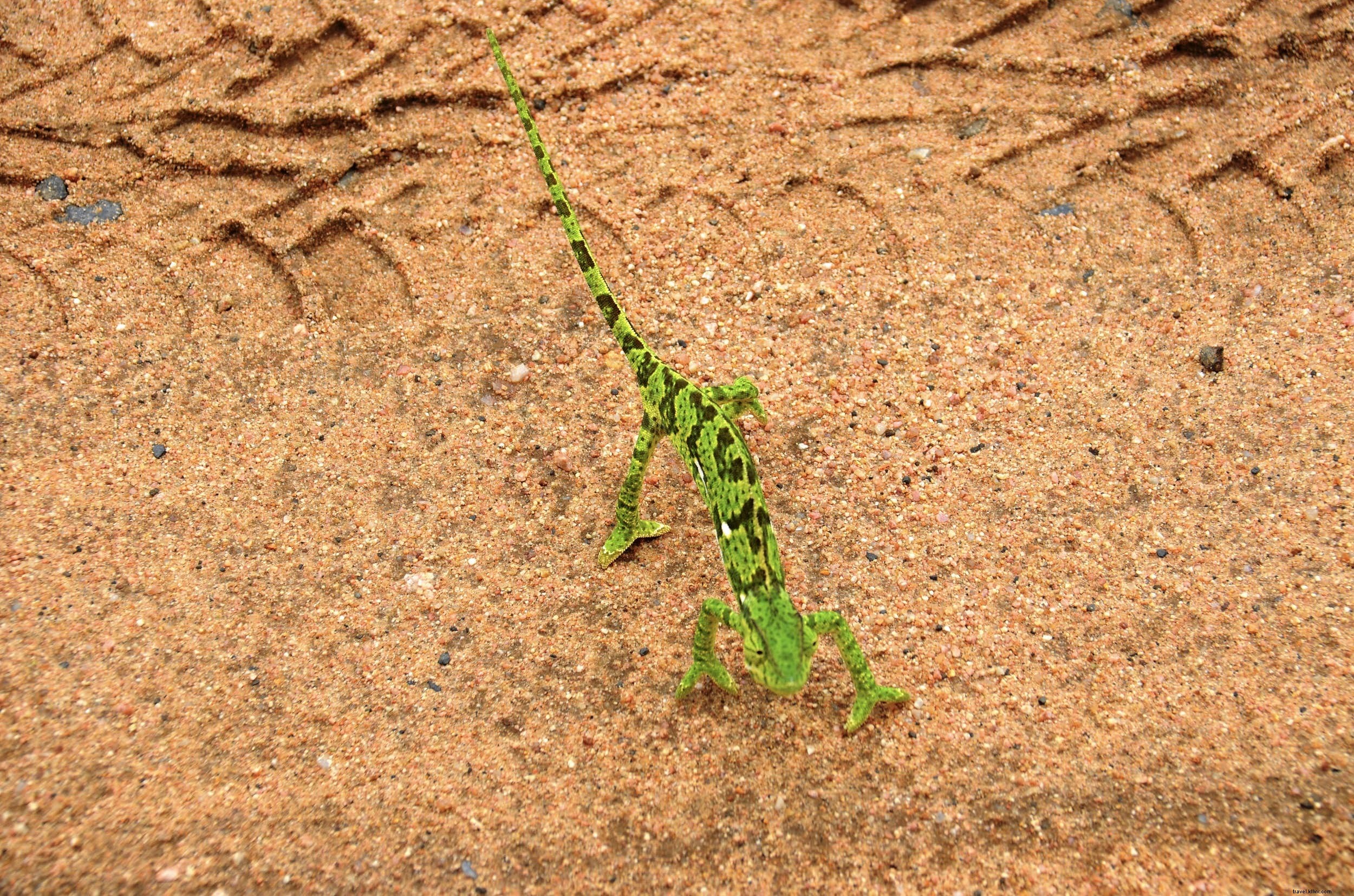
The Big Five (lions, leopards, elephants, buffaloes, rhinos)—a 1920s hunters' term—draws visitors, but savor the full spectrum: zebras, hippos, giraffes, warthogs, impalas, and more. Research lesser-known species for a richer experience amid the savanna's drama.
6. Drive or Fly?
Fly directly to Kruger from Cape Town or Johannesburg to maximize safari time; most reserves offer seamless transfers. For road trippers, scenic drives reveal wine regions, charming towns like Pilgrim's Rest, and cultural gems en route.
7. Pack Smart
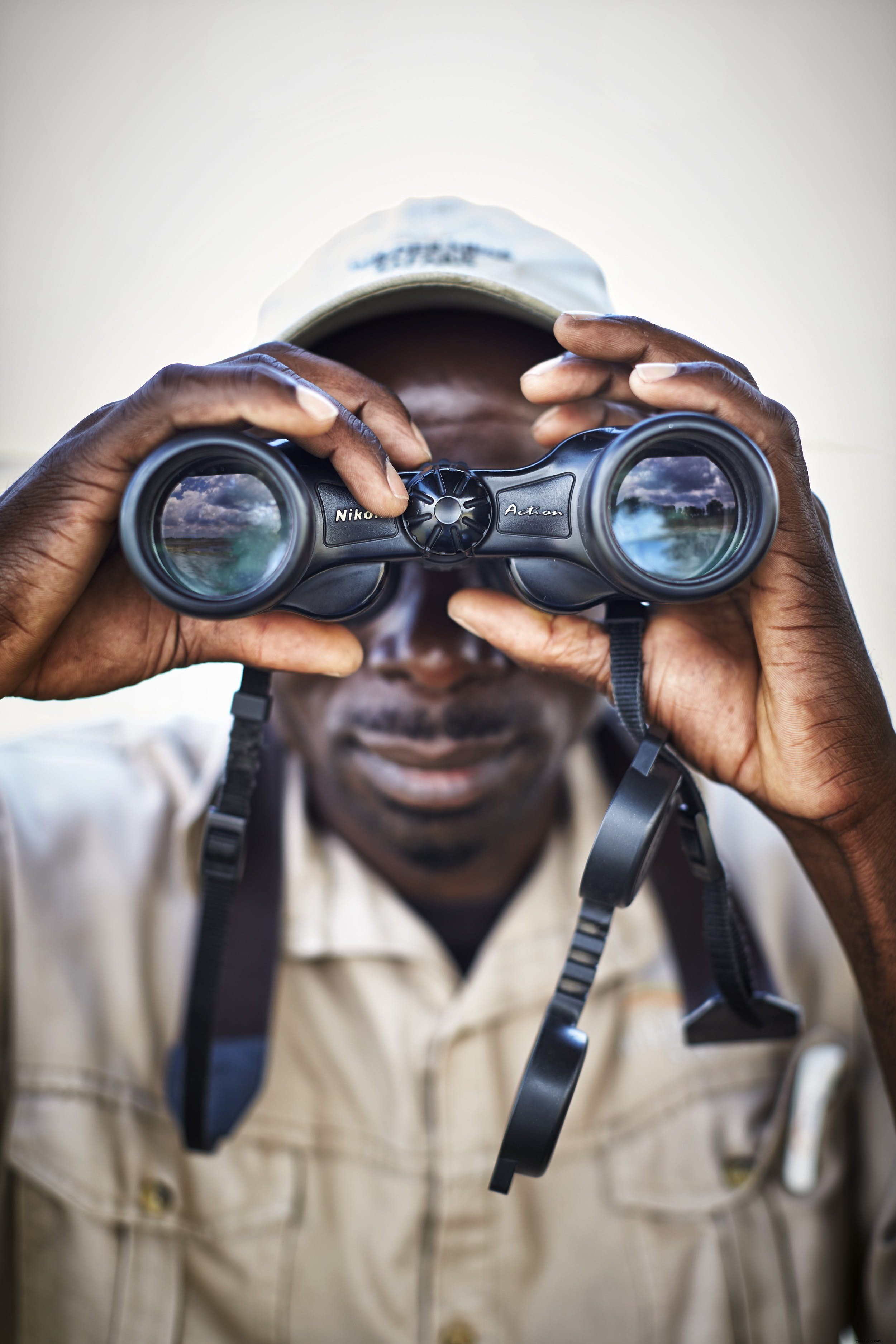
Kruger winters dawn chilly—layer with gloves and hats, shedding as it warms. Bring binoculars (not always provided), and offline reading on local flora and fauna, as Wi-Fi is spotty.
8. Embrace the Moment
Safaris demand patience. Beyond checklists, savor serene waterholes, distant bird calls, and bush tranquility. The magic often lies in stillness, not sightings.
You might also like:
Where to go on your first safari in Africa
Top tips to make your African safari more affordable
A day on safari in Africa: what you can expect in camp and in the wild