10 Essential Things to Know Before Traveling to Cuba: Insider Tips from a Recent Visit
Cuba has long topped my travel bucket list. While visiting Mexico's Yucatán, I eyed flights from Cancún to Havana but U.S. travel restrictions delayed me until 2017. That year, I snagged a $100 flight deal from Cancún, and my friend flew direct from New York. (Note: Post-Trump restrictions eased somewhat, but U.S. travelers should check current rules via NYT updates or official sources.)
Though North American access improved, Cuba's logistics demand preparation—from dual currencies (pre-2021) to transport. My research helped, but surprises like bus overcrowding arose. Here's my first-hand guide to 10 key insights for a smoother trip.
1. Where to Stay: Casas Particulares vs. Hotels vs. Hostels
Cuba's accommodations lean toward casas particulares—private home stays akin to Airbnb, predating the platform. Hotels are expanding but limited outside resorts. Since 2015, Airbnb listings simplify bookings, unlike most sites ignoring Cuban properties.
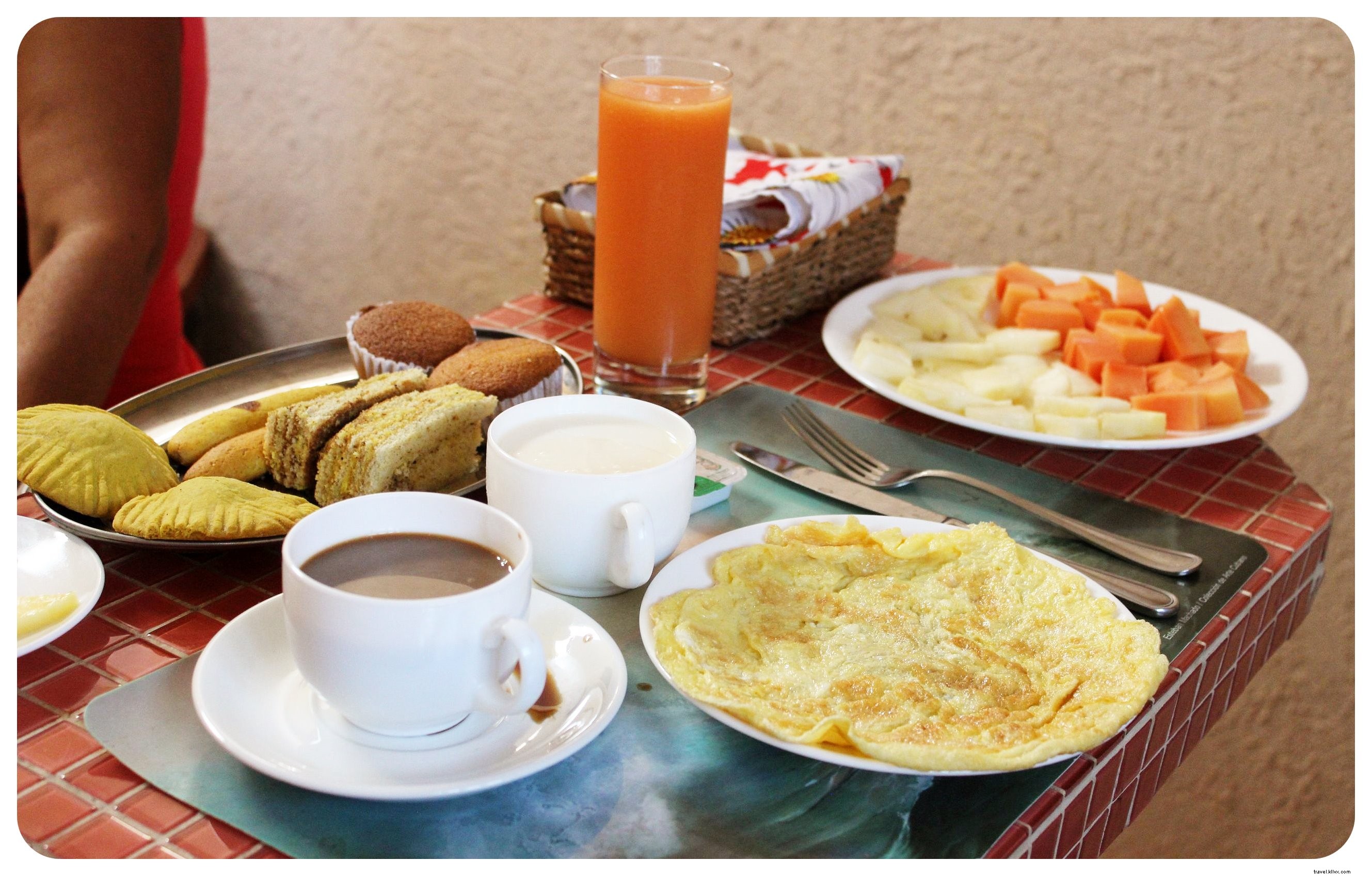
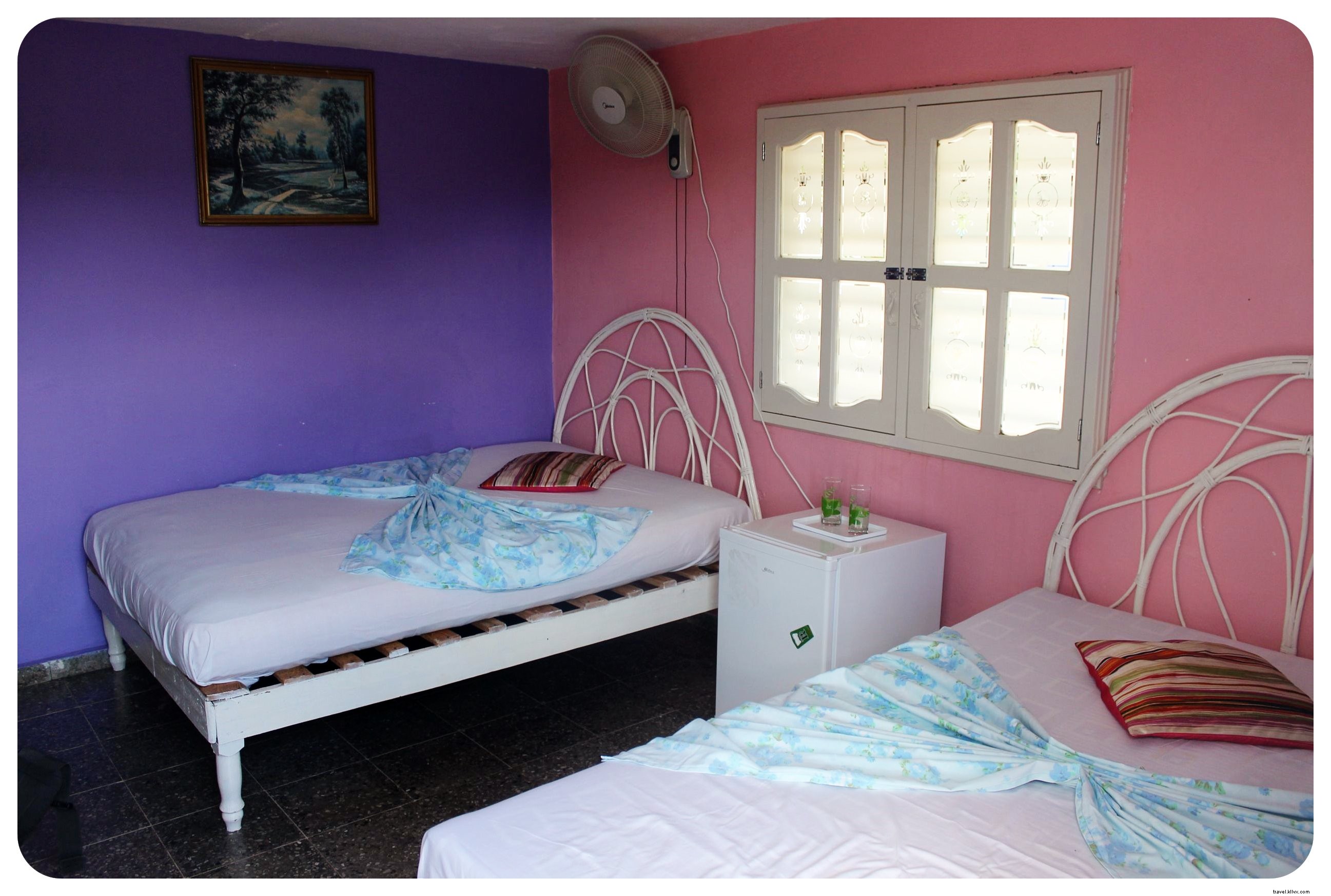
Pre-booking via Airbnb saves cash (paid online) and stress—Havana was packed during my visit. Traditional walk-ins work via referrals, but risky. Casas enriched my trip with local interactions, home-cooked meals (often cheaper than restaurants), and authentic decor.
Hotels suit some, but scarce in places like Viñales (only distant resorts). Hostels are rare beyond Havana (a few now, plus Camagüey); start there to meet travelers if solo. 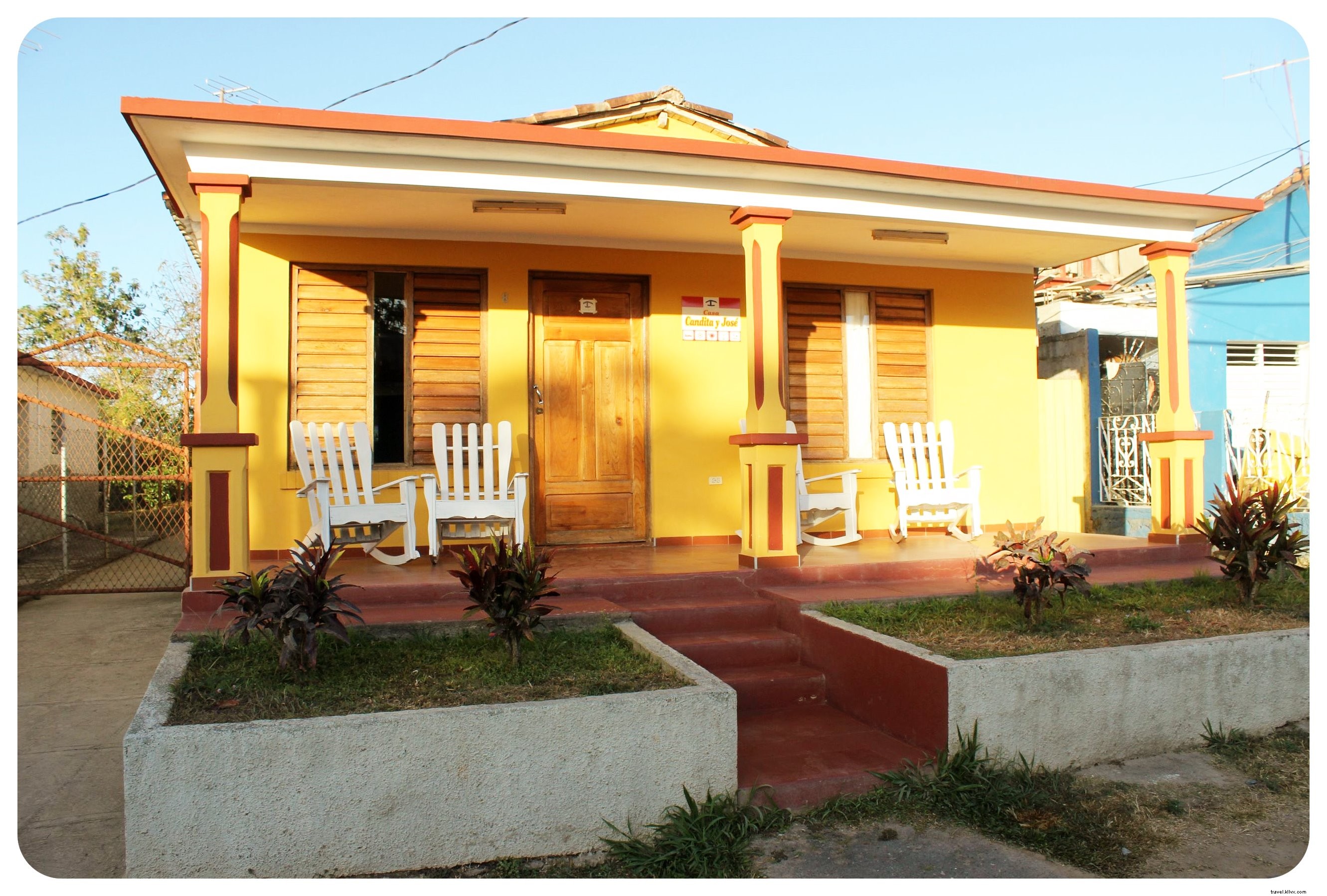
2. Getting Around: Rental Cars vs. Taxis and Buses
Cuba's transport requires advance planning—buses book a day ahead, unlike Mexico. State-run car rentals ($45–55/day + insurance/gas ≈$90 total) ignore online holds; shortages common. Negotiate minimally.
Getting Around Havana
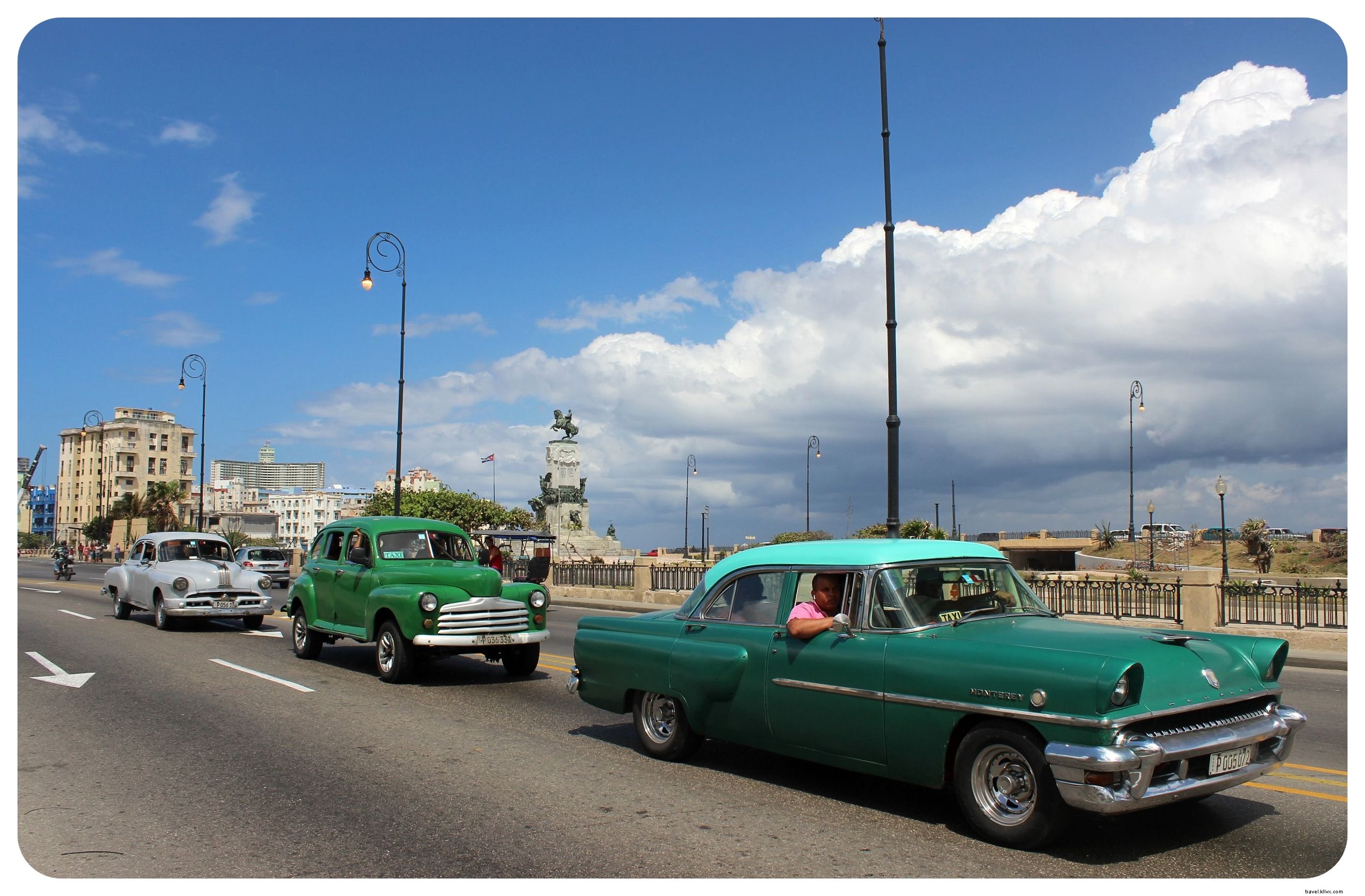
Old Havana is walkable; taxis/bicycle taxis cost CUC 5–10 (negotiate first). Vintage car tours: CUC 20–30/hour; hop-on buses: CUC 10. 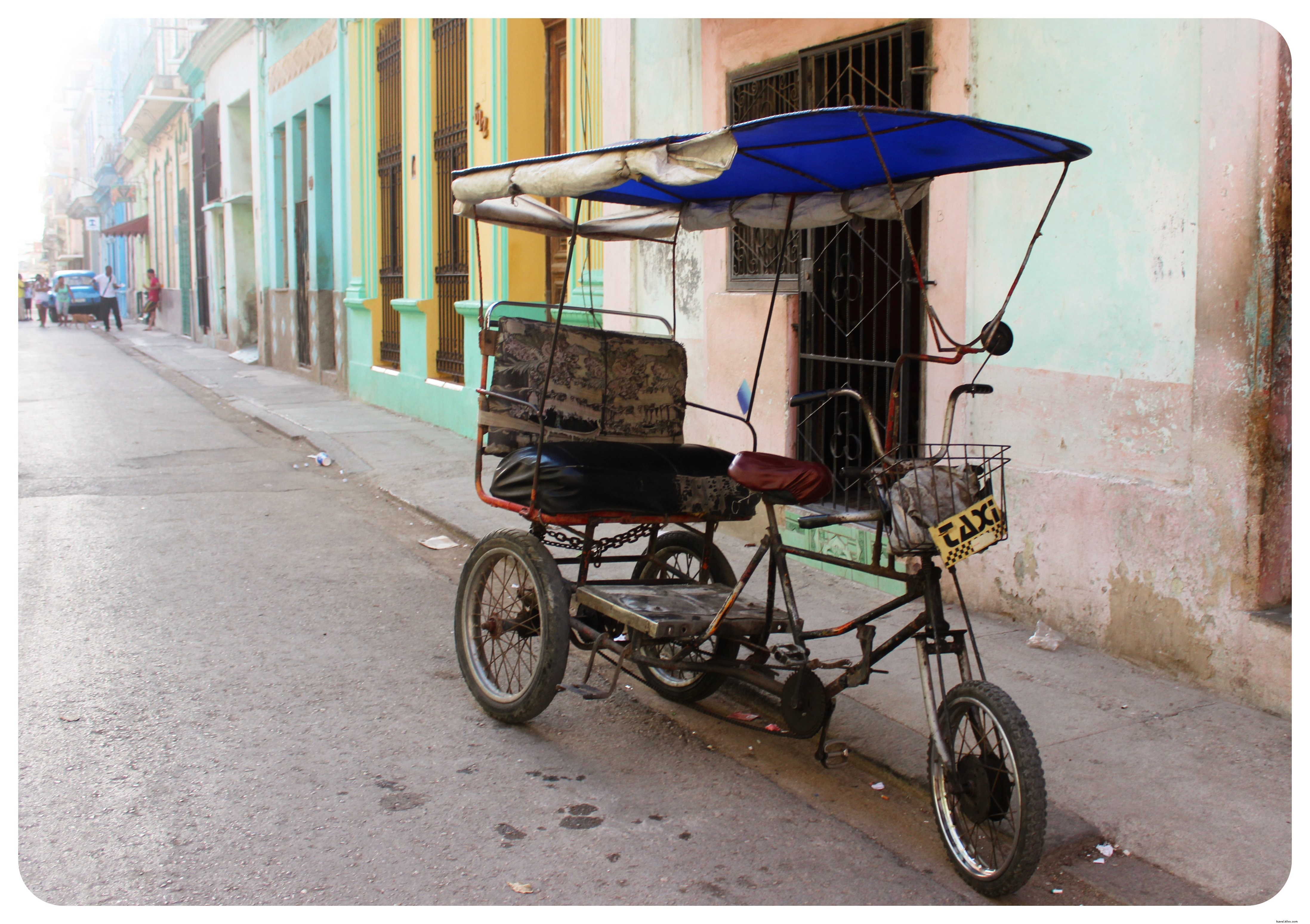
Getting Around Cuba
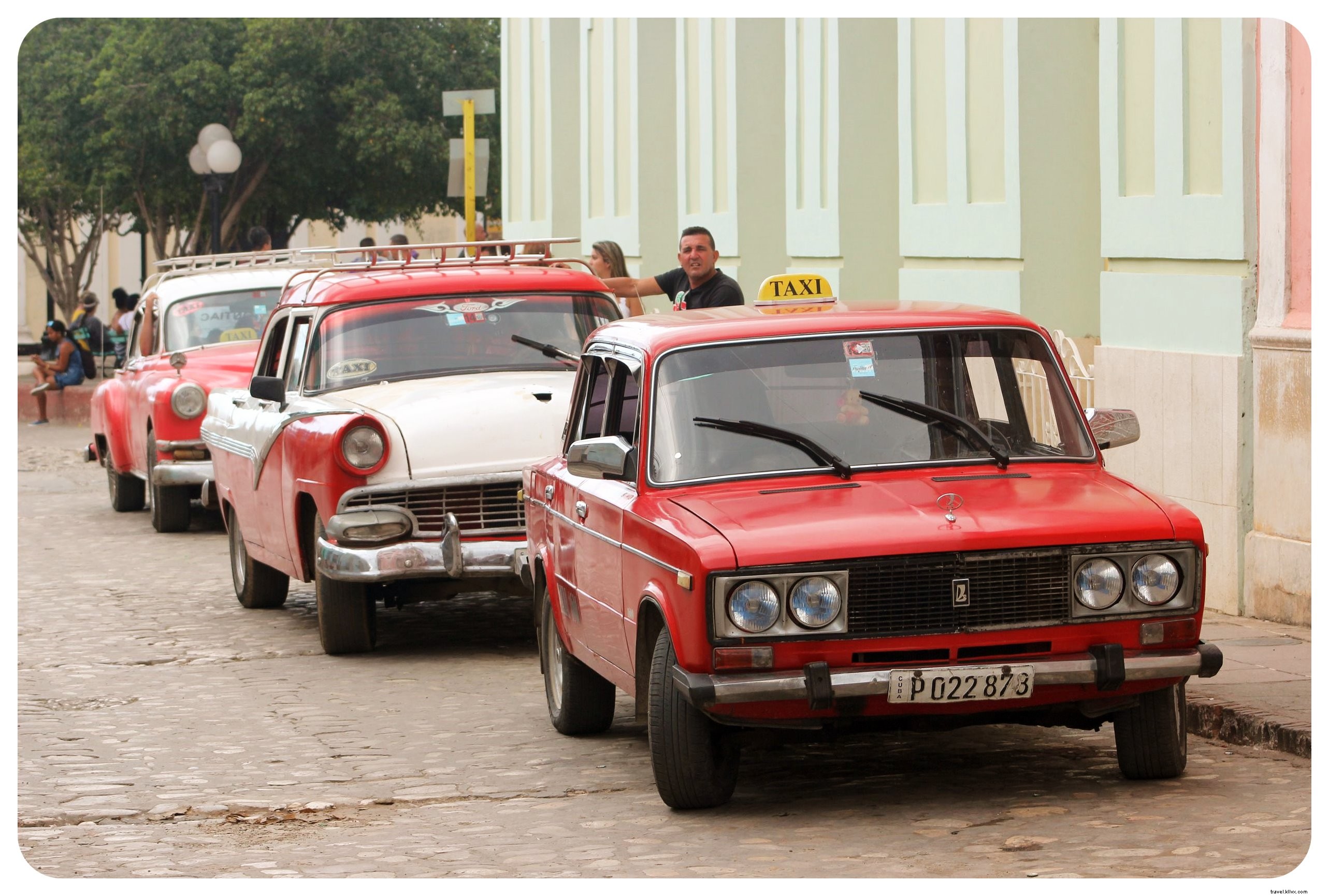
Viazul tourist buses (pricier, comfortable) sold out during my Easter trip. Shared taxis proved ideal—$20/person Havana–Viñales (vs. bus $12), comfy in classics. We used them throughout (Viñales–Trinidad: cramped 7-hour Moskvitch). Private taxis: $100–120 one-way. Examples: Havana–Trinidad CUC 25; Viñales–Trinidad CUC 37. 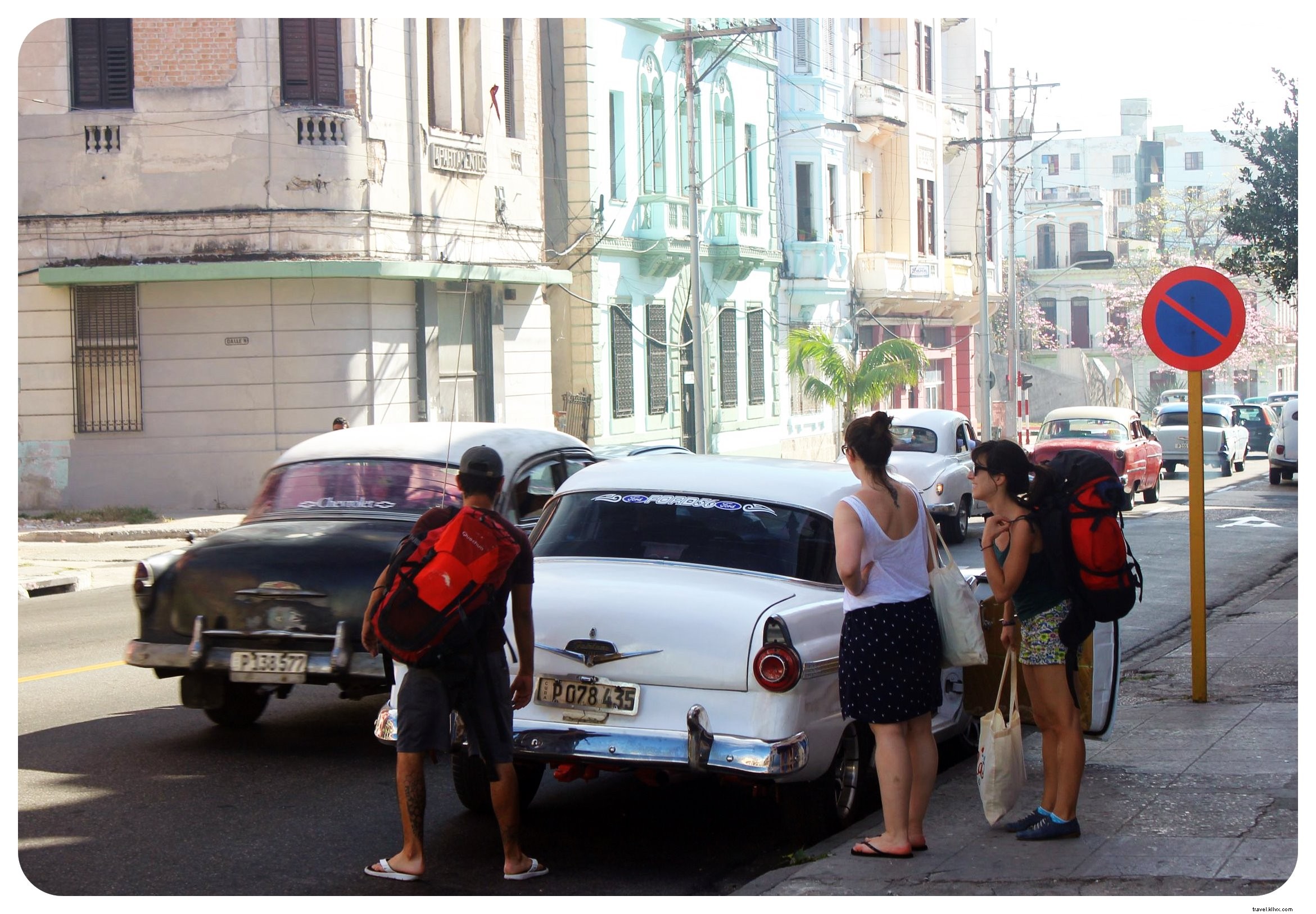
3. Money Matters: Exchanging Currency, Cards & Cuba's Currency Shift
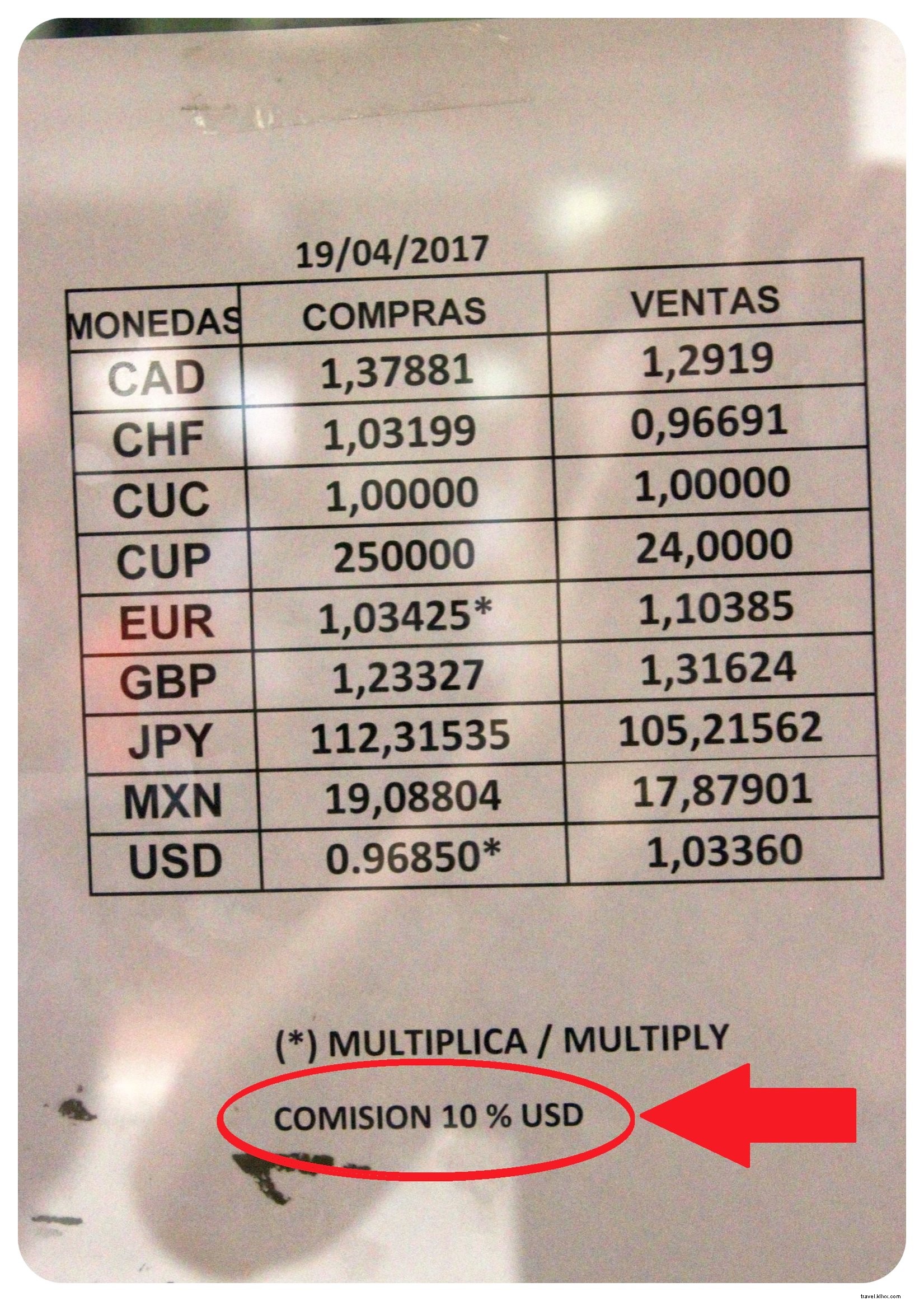
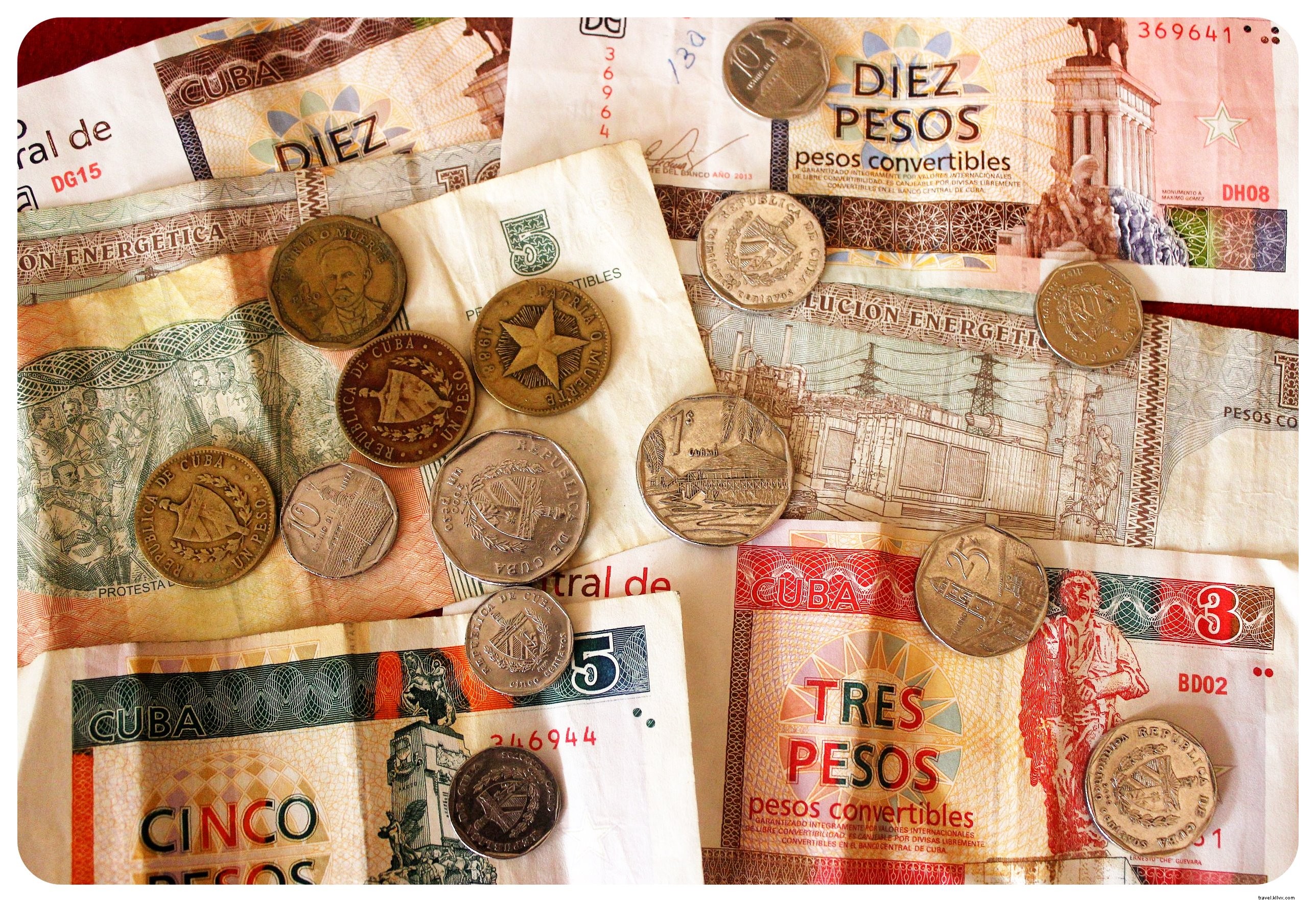
Pre-2021, Cuba had CUP (local peso) and CUC (tourist peso; 1 CUC = 25 CUP; ≈1 USD). Update: Cuba unified to CUP in 2021 (1 USD ≈24 CUP official; black market varies). Euros/CAD best—avoid USD (10% penalty then; still suboptimal).
Budget $50/day. Exchange at airports/banks or ATMs (non-U.S. cards). Cards limited to upscale spots; bring cash. Get CUP for cheap street eats. Use XE converter for rates. 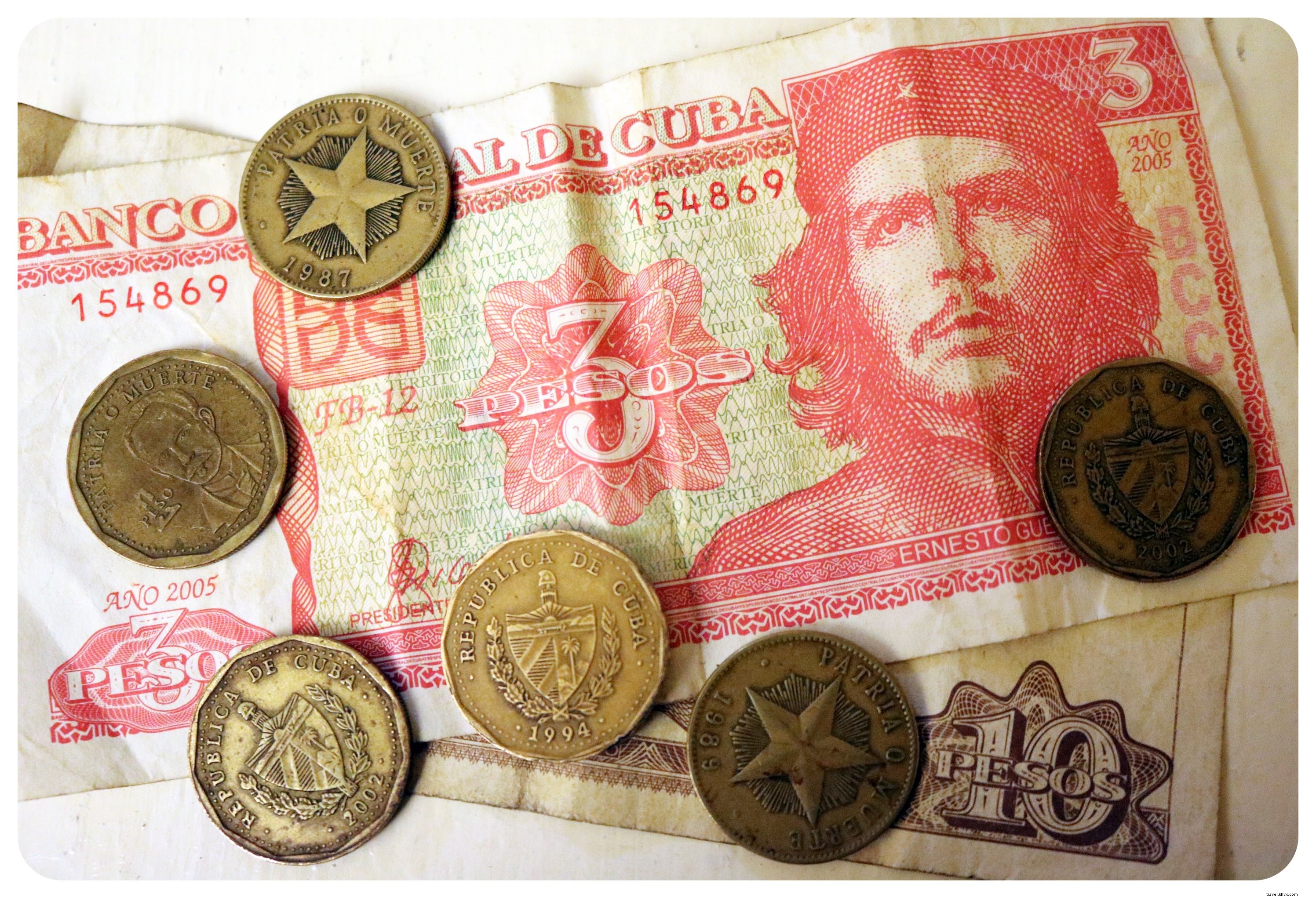
4. Internet Access in Cuba
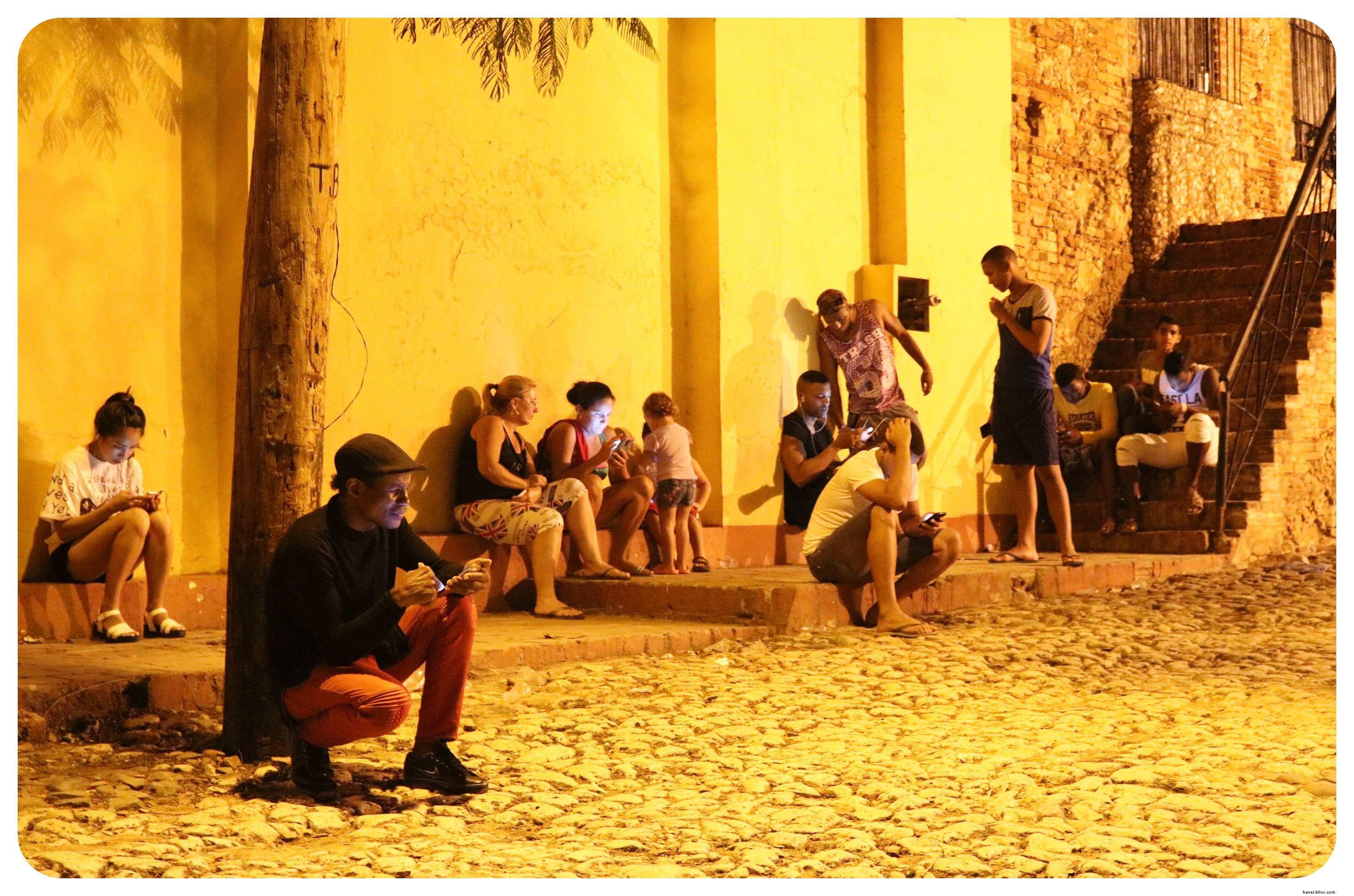
Wi-Fi was spotty in 2017—ETECSA cards (CUC 1.50–7.50/hour) at hotels/offices; hotspots slow. Update: Vastly improved with more hotspots, ETECSA app/data SIMs, though speeds vary. Buy multiple cards; valid 30 days. Lines long—resellers charge extra. No SMTP for some email. 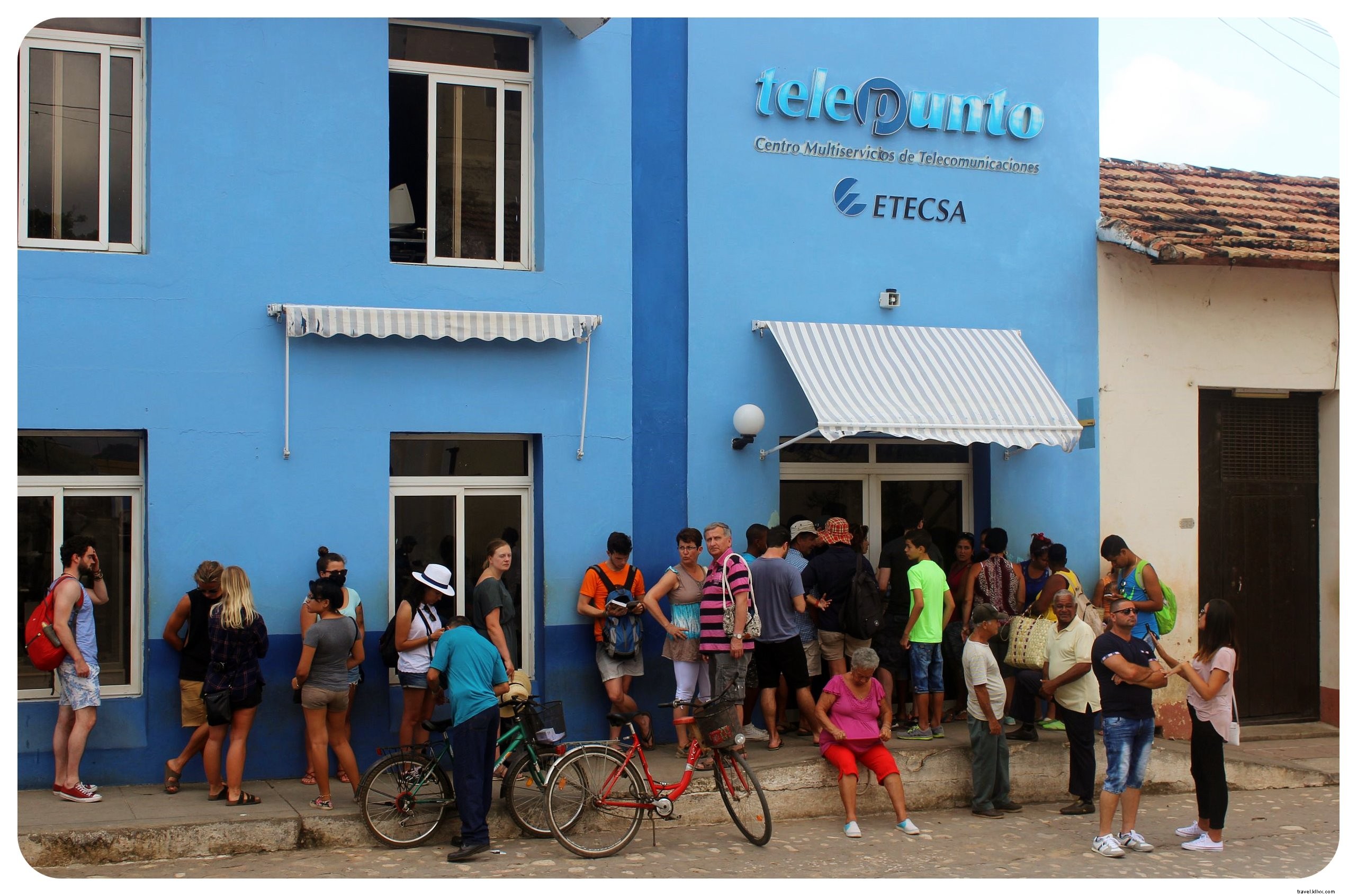
5. Travel Insurance: Mandatory for Entry
Cuba requires proof since 2010—checked variably at airlines/immigration. I used Delta/World Nomads (covers delays). Verify Cuba inclusion. 
6. Food in Cuba
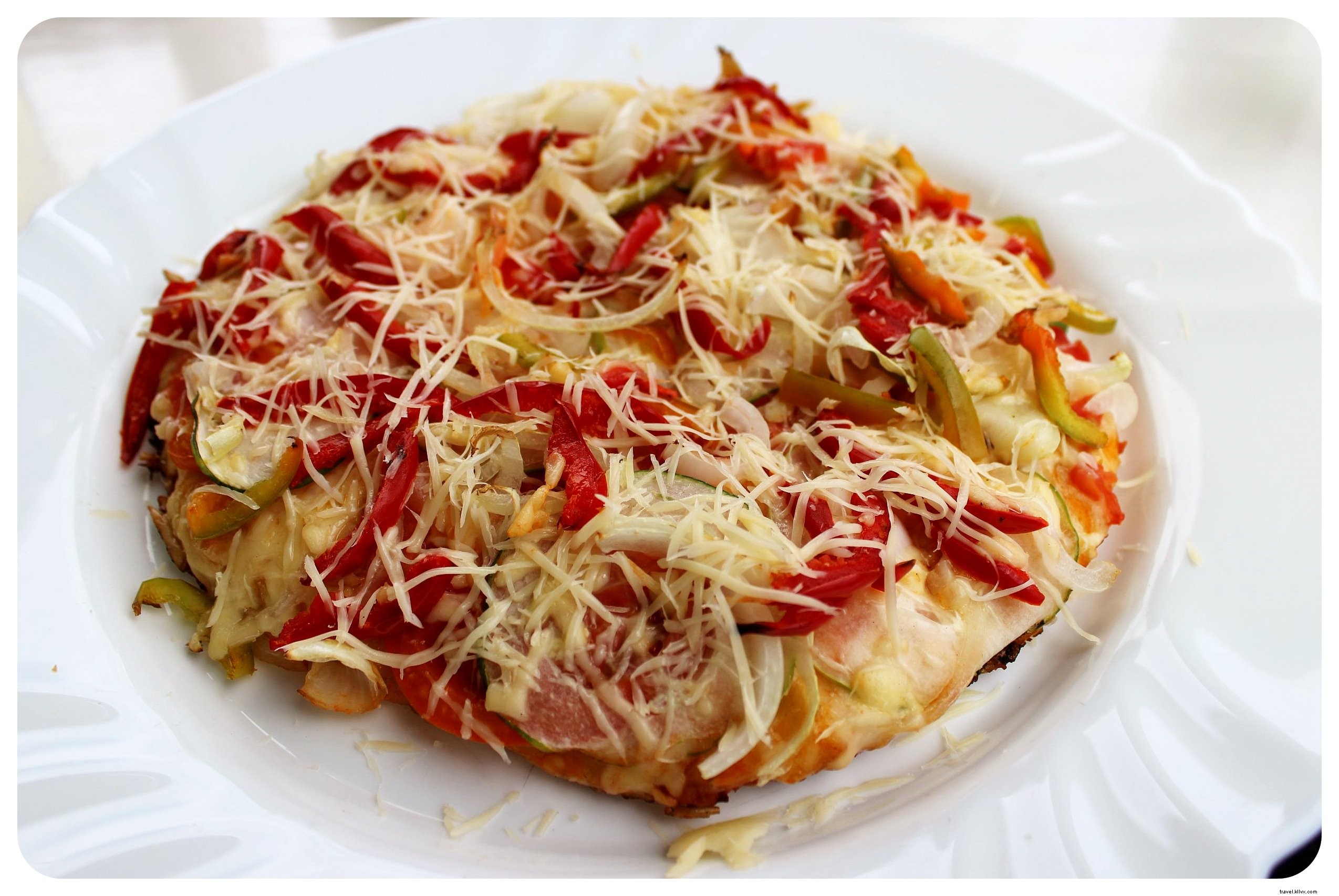
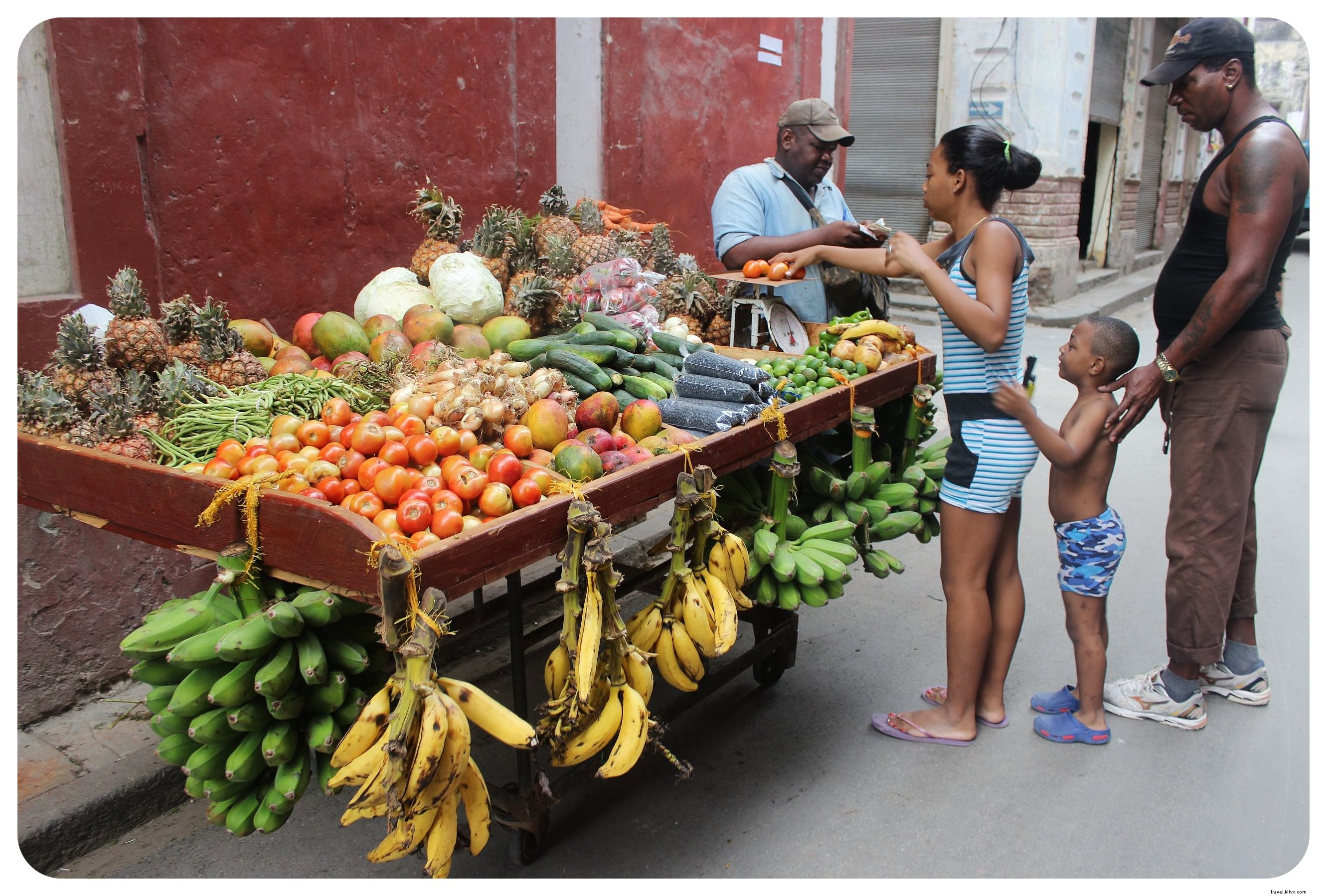
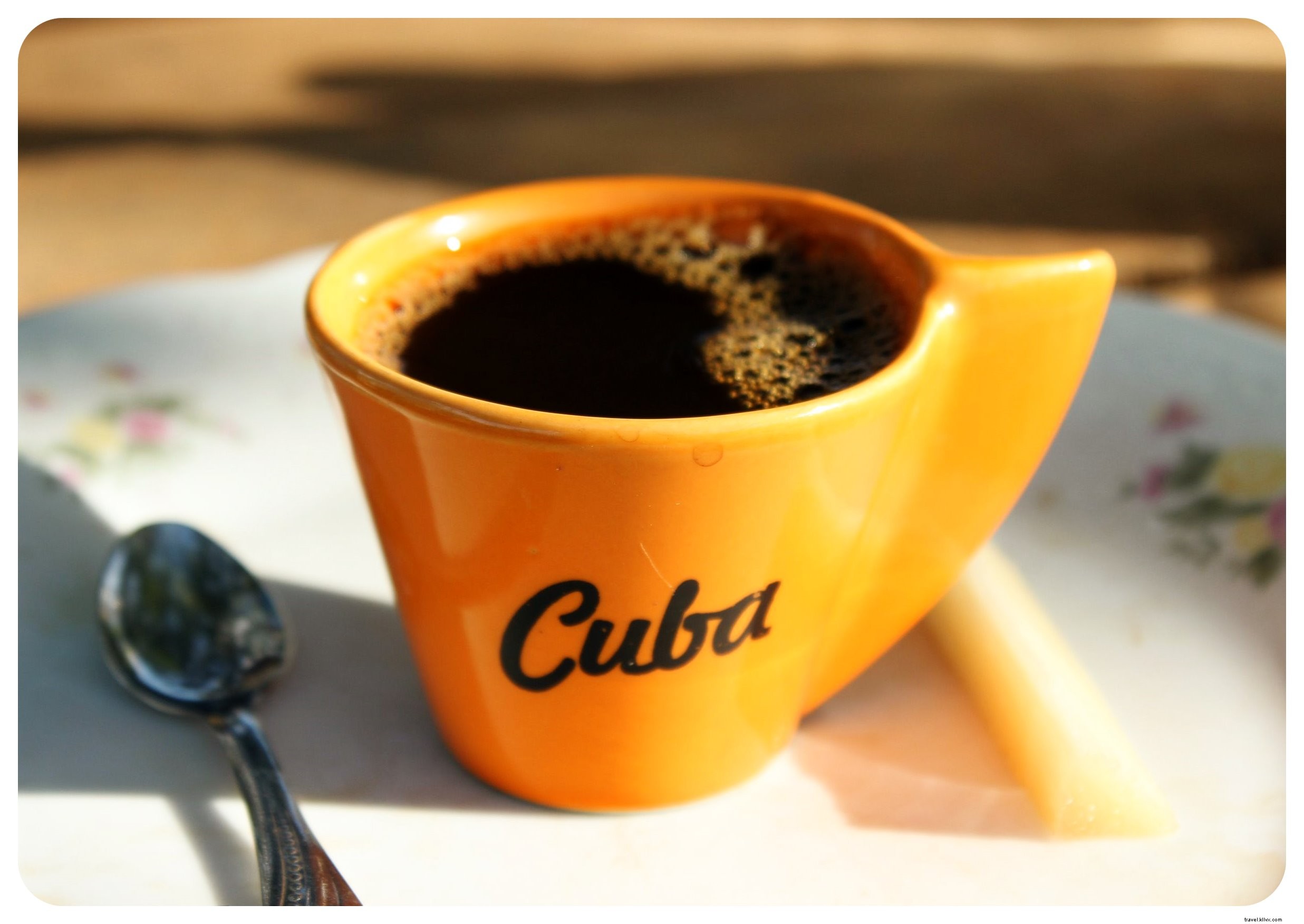
Cuban cuisine lags—mediocre pizzas, scarce vegetarian options. Casas offer breakfast (CUC 3–5). Cafeterias: cheap basics. Tourist spots repeat chicken/seafood. Bring snacks/hot sauce; fruits (fruta bomba, bananas) via CUP vendors. Water shortages possible—stock up. Cocktails $2–3; beer $1–2. Coffee average. 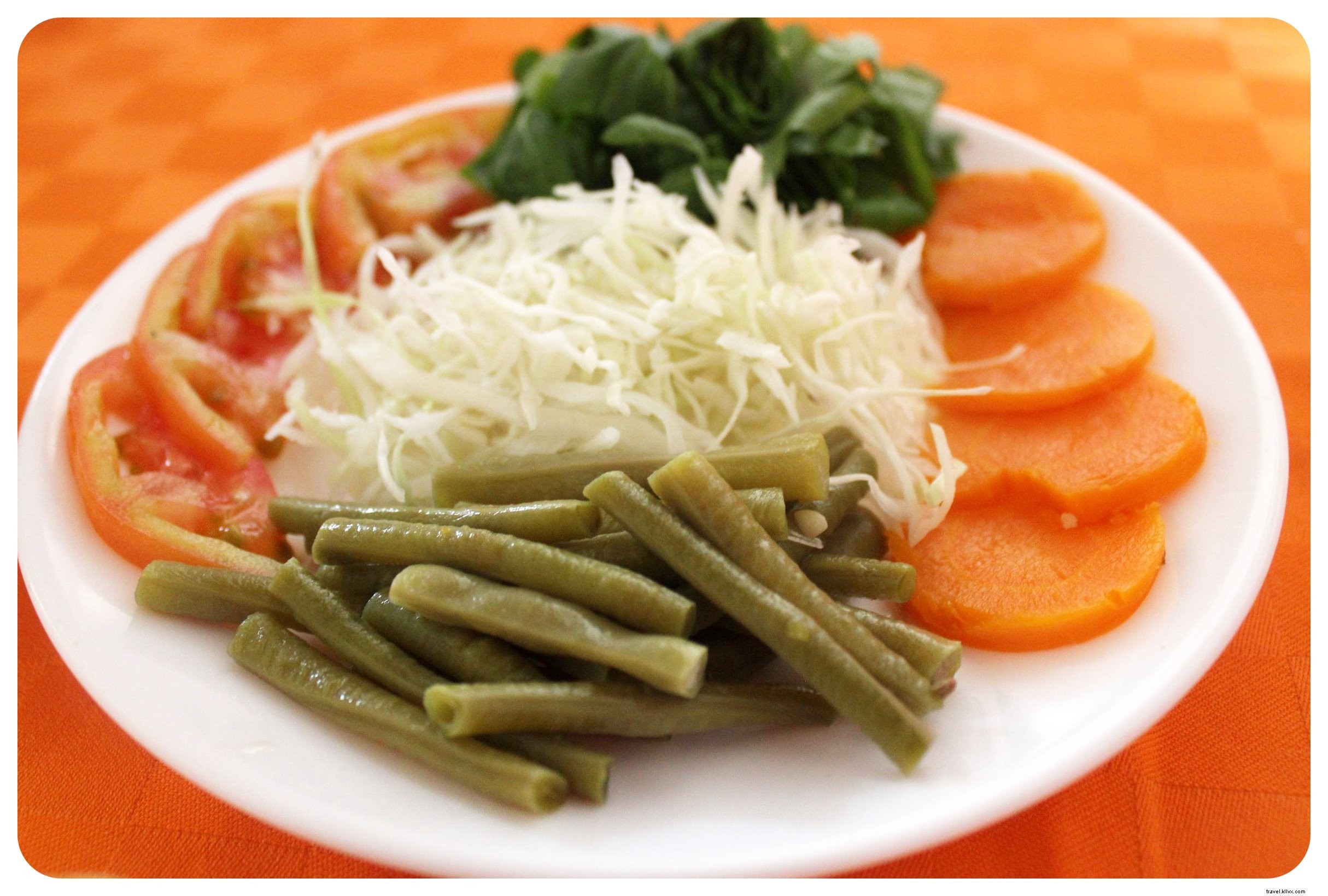
7. Catcalling: A Cultural Note for Women
Female travelers face frequent whistles/compliments regardless of age/attire—pervasive in Havana. Non-threatening, but intense. 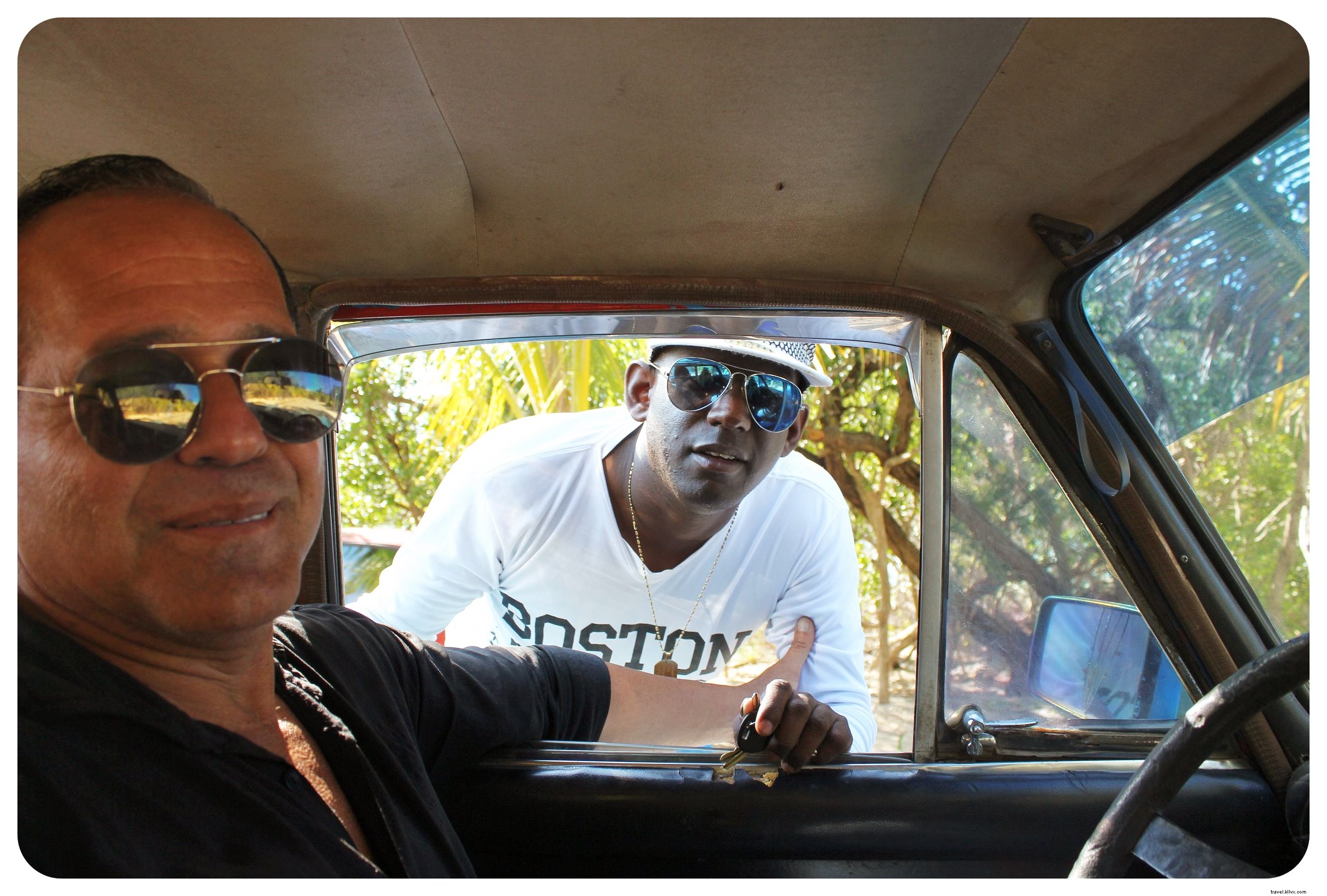
8. Packing Essentials for Cuba
Pack light—old taxis have small trunks/cobblestones. Bring toiletries (no makeup/tampons often), sunblock, repellent, meds, cash, sanitizer, Kindle, 110V adapter (mostly 2-prong). Backpack ideal. 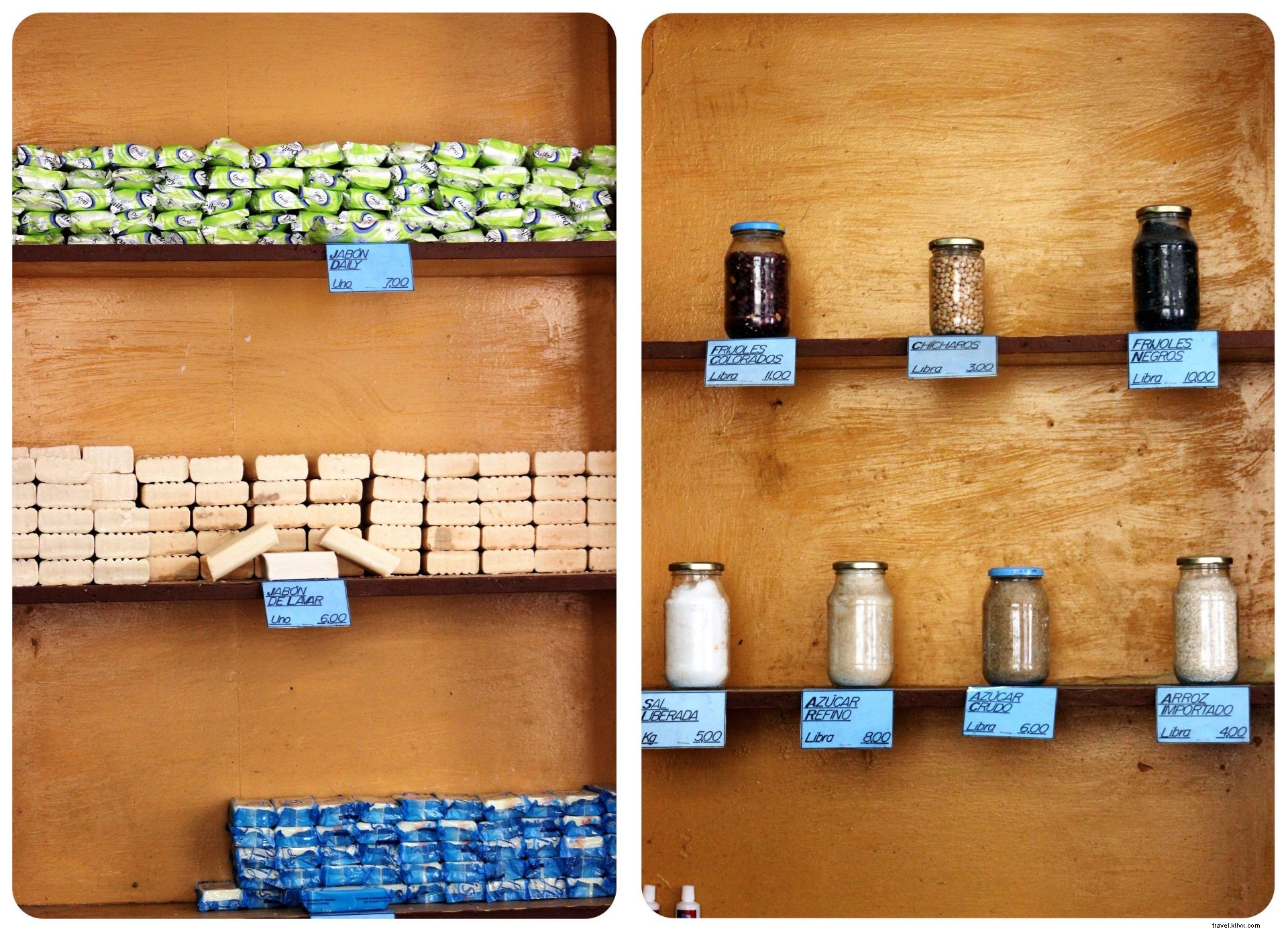
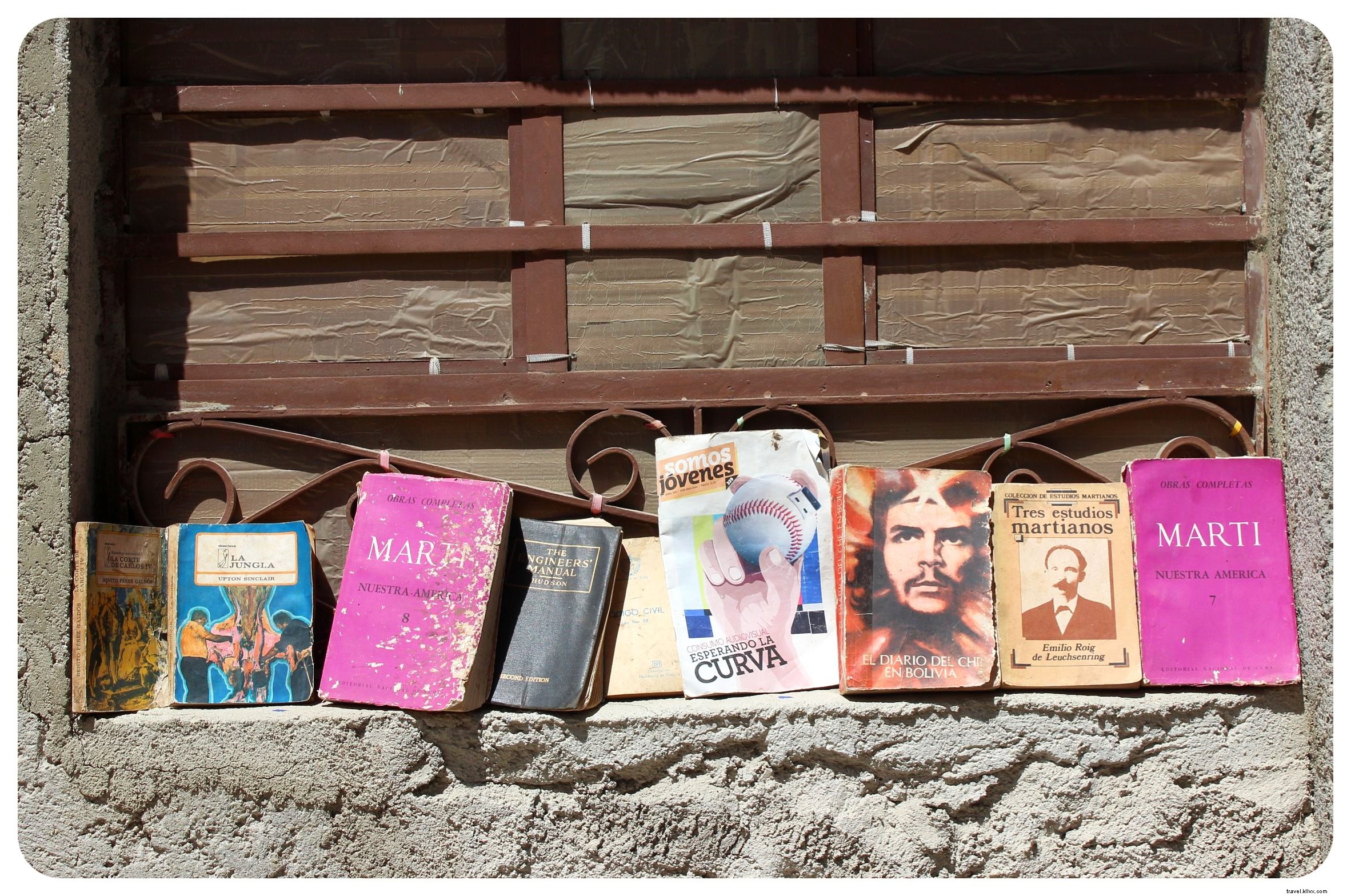
9. Bring a Guidebook
Offline essential—digital links useless. Physical Lonely Planet aided navigation. 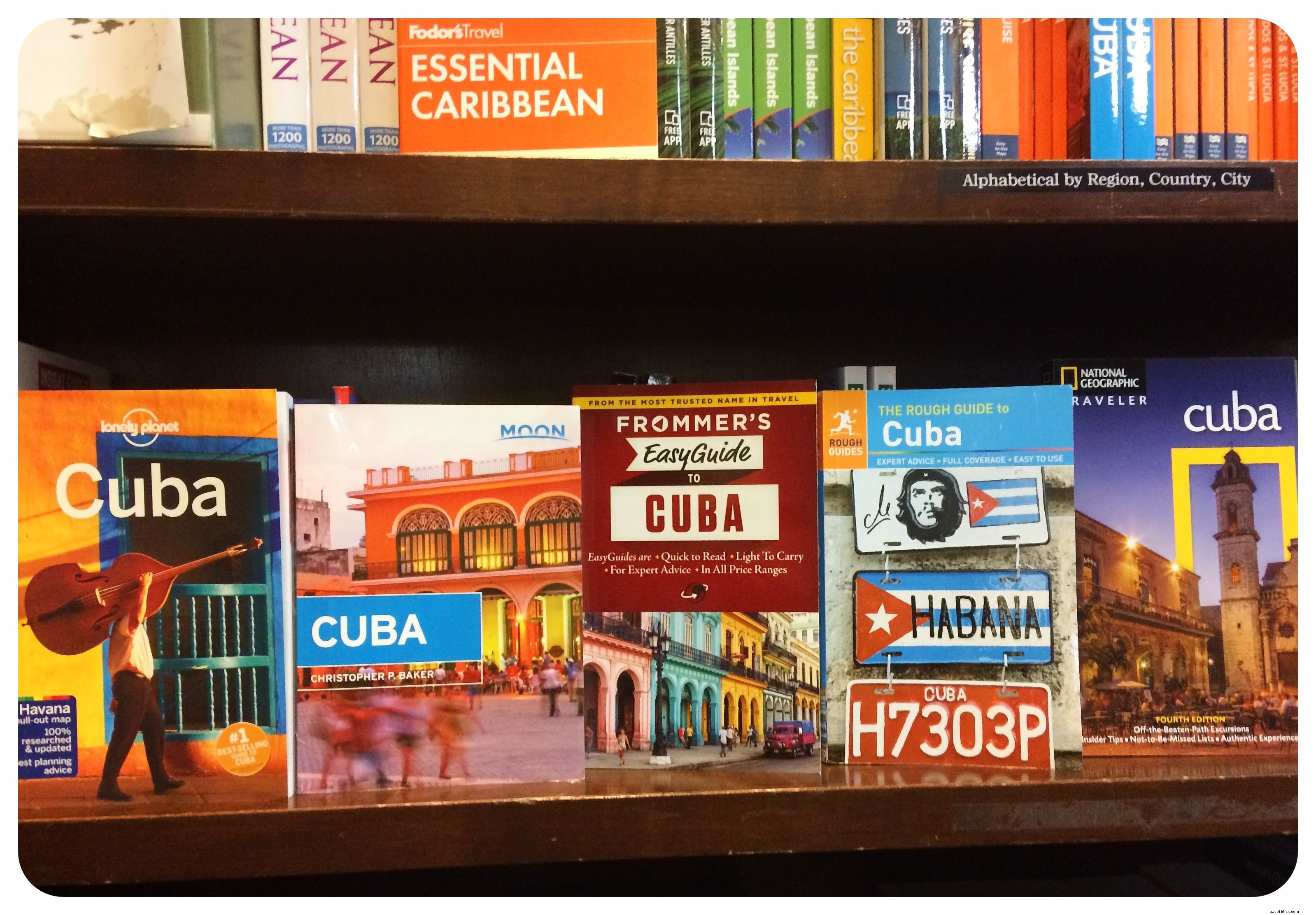
10. Cuba is Safe
Low crime; felt secure day/night. No pickpocketing reports. Lock valuables in casas (bring padlock). See women's safety tips. 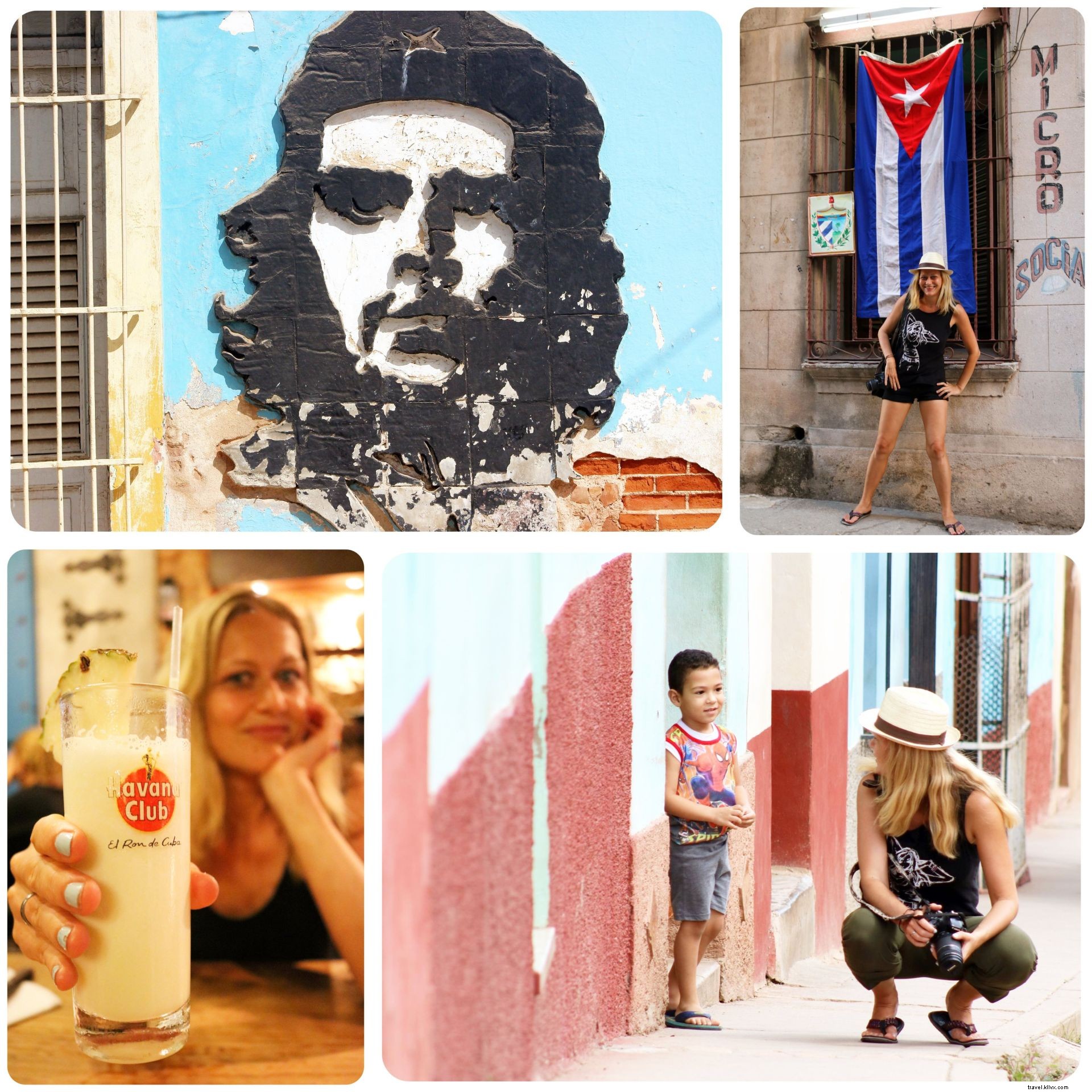
Cuba's challenges pale against its magic. These tips from my experience ensure yours shines—questions welcome below!